
HexClad is reasonably safe for households with pet birds under normal cooking conditions, provided you follow a few non-negotiable precautions: keep temperatures at medium or below, never preheat an empty pan, blank" rel="noopener noreferrer">keep birds out of the kitchen while cooking, and ventilate aggressively. The bigger nuance is that HexClad's safety story is complicated by an ongoing legal dispute about whether its coating is actually PTFE-free across all product lines. Until that's fully settled, treating HexClad with the same caution you'd apply to any nonstick pan is the honest, evidence-based approach.
Is HexClad Bird Safe? Risks and Safety Steps for Pet Birds

Marcus Whitmore
17 May 2026
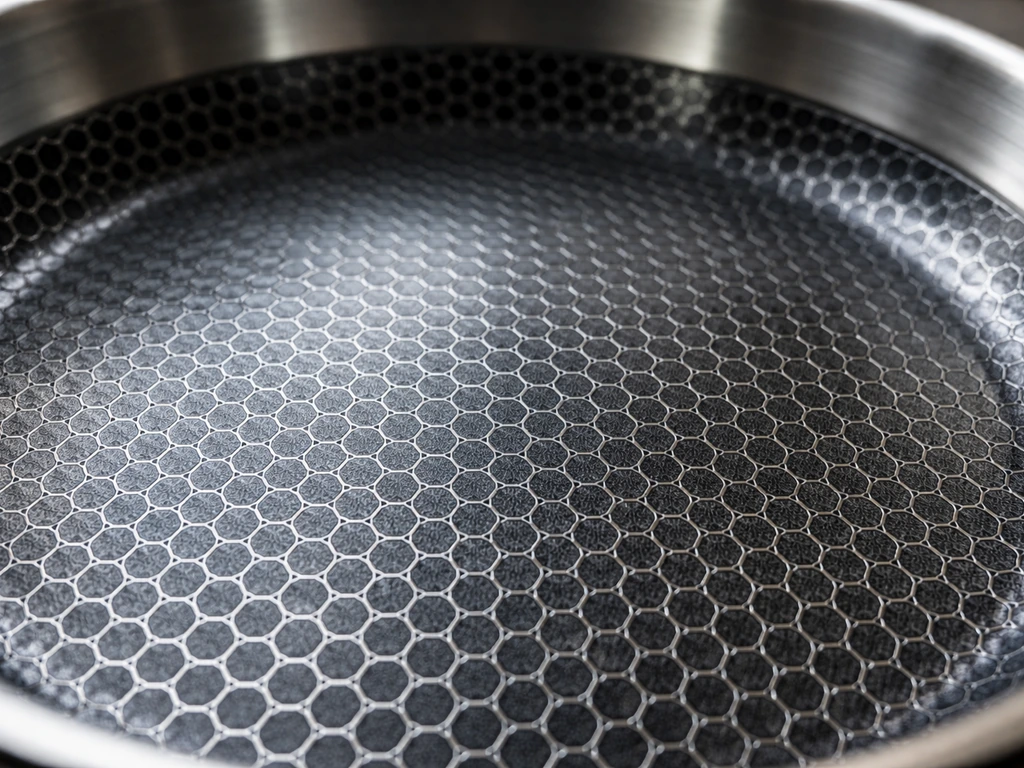
What HexClad actually is and where birds might come into contact with it
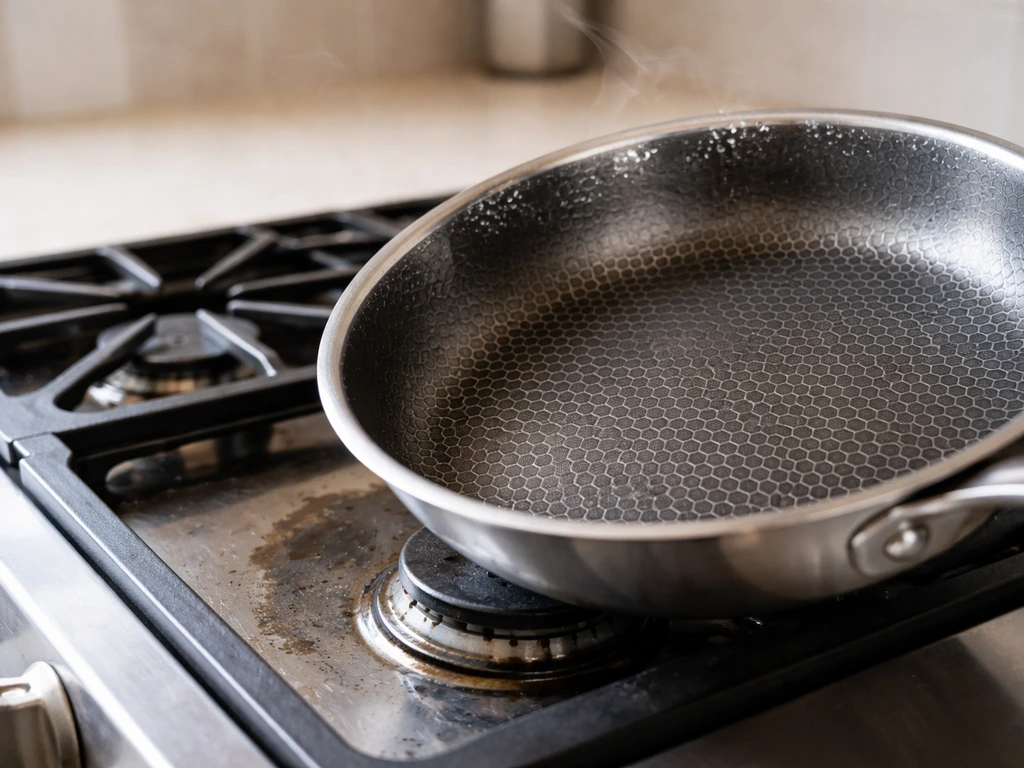
HexClad markets itself as a "hybrid" cookware system: a laser-etched stainless steel surface fused with a nonstick coating in a hexagonal pattern. The stainless peaks handle searing and metal-utensil contact, while the nonstick valleys reduce food sticking. HexClad is oven-safe to 900°F according to the company, which is a notably high ceiling for any nonstick-style pan.
HexClad's TerraBond™ ceramic nonstick coating (used in their Japan-market line and promoted as their newer technology) is explicitly claimed to be PTFE-free, PFAS-free, lead-free, and cadmium-free. However, a class action lawsuit (Didwania v. HexClad) alleges that some HexClad cookware marketed as PFAS-free or PTFE-free actually contained PTFE. That case is ongoing as of May 2026, so the full picture isn't settled. That uncertainty matters a lot when you're thinking about birds.
In a household with pet birds, contact can happen in more ways than just a bird landing on a pan. The realistic exposure pathways are: airborne fumes from heated cookware, smoke from food or an overheated pan drifting through ventilation, residue from cleaning products used to clean the pan, and in outdoor settings, fumes from patio cooking drifting toward a bird's enclosure. Each of those deserves a separate look.
The main safety concerns: toxicity, fumes, and the nonstick coating question
The core concern with any nonstick cookware around birds isn't contact with the pan itself. It's the fumes. PTFE (polytetrafluoroethylene, the compound in Teflon) starts releasing toxic gases at around 280°C (536°F), and at 360°C (680°F) or higher it produces acidic fumes including hydrogen fluoride, carbon fluoride, and carbon monoxide. Those gases are lethal to birds at concentrations that cause only mild symptoms in humans, if any symptoms at all. The Merck Veterinary Manual documents this directly, and there are real-world confirmed cases of birds dying from PTFE fumes released by non-cookware items like heat lamps with PTFE-coated hardware.
If HexClad's coating is genuinely PTFE-free (as the company claims for at least some product lines), the specific PTFE-fume hazard doesn't apply in the same way. Ceramic and other non-fluoropolymer coatings don't produce the same toxic breakdown gases. The danger then shifts to general smoke, particulate matter, and cleaning chemical fumes, which are real hazards but not the same acute lethality risk as PTFE overheating.
The problem is you often can't verify with certainty which coating version you have. That's exactly why the pending litigation is relevant for bird owners. Caution is warranted regardless of what the label says.
Cooking risks that matter most: overheating, smoke, and bird respiratory sensitivity
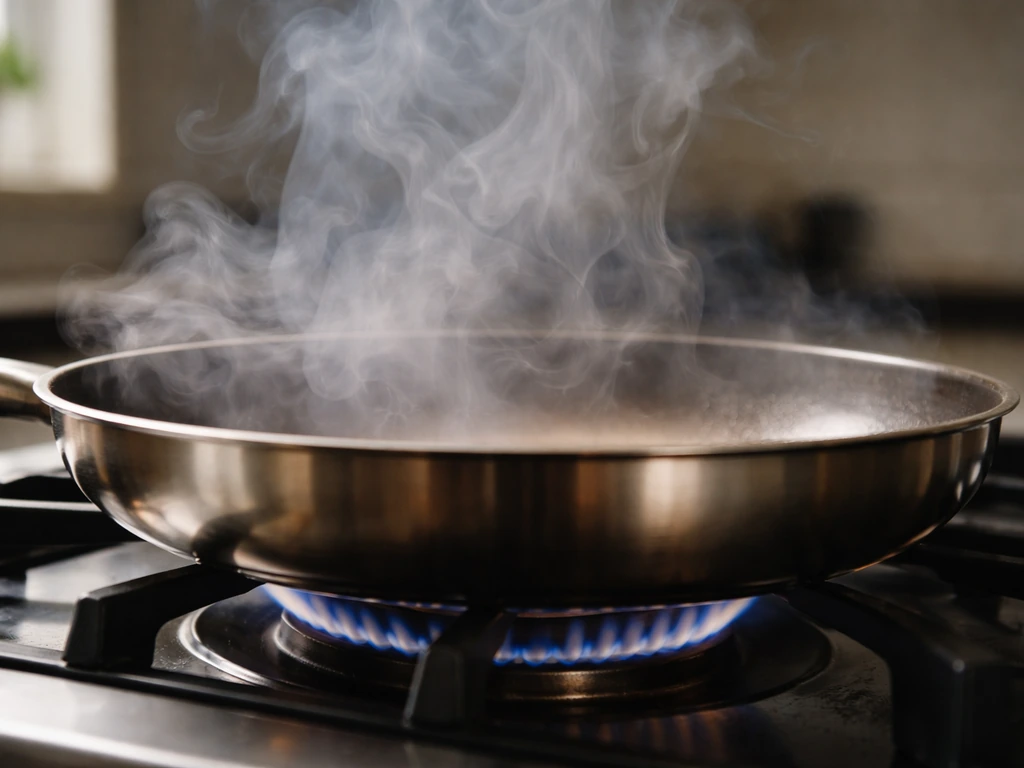
Birds have an extremely efficient respiratory system that processes air more thoroughly than mammals do. That efficiency is what makes them canaries in the coal mine, literally. Their air sac system means airborne toxins reach tissues faster and at higher concentrations. The Merck Veterinary Manual and multiple veterinary toxicology sources confirm that sudden death can be the first (and only) symptom of PTFE poisoning in birds. There's often no warning.
HexClad's own care guidance recommends cooking at medium heat and explicitly warns against high-heat use, which happens to align with bird-safe practice. The company frames this as a seasoning and performance issue, not a safety one, but from a bird owner's standpoint the advice is correct. Overheating an empty pan is particularly dangerous: an empty HexClad pan on a high burner can reach dangerous temperatures within a few minutes. If your pan is smoking, temperatures are already in the risk zone for any nonstick surface.
Even without PTFE concerns, overheated cooking oils produce acrolein and other irritants, and general cooking smoke creates fine particulate matter (PM2.5) that irritates bird respiratory tracts. The EPA confirms that cooking method and cooking fat both influence particulate output, and that ventilation is the primary control. Burned food, particularly burned oils, is a risk with any cookware.
Temperature thresholds to keep in mind
| Temperature | What happens | Risk to birds |
|---|---|---|
| Below 280°C / 536°F | Normal cooking range; PTFE stable if present | Low to moderate (smoke/PM from food still possible) |
| 280°C / 536°F | PTFE begins releasing toxic gases if coating contains PTFE | High — respiratory distress, potentially fatal |
| 360°C / 680°F and above | Fluoropolymers emit acidic fumes: HF, CO, carbon fluorides | Severe — can be lethal very rapidly |
| HexClad oven-safe limit: 900°F / 482°C | Structural metal tolerance, not a safe fume threshold | Extremely dangerous for any bird in proximity |
The 900°F oven-safe rating for HexClad is about structural integrity, not about whether fumes are safe to breathe. Those two numbers live in completely different categories.
Who's at risk: pet birds, backyard wildlife, and other exposure scenarios
Pet birds in the home
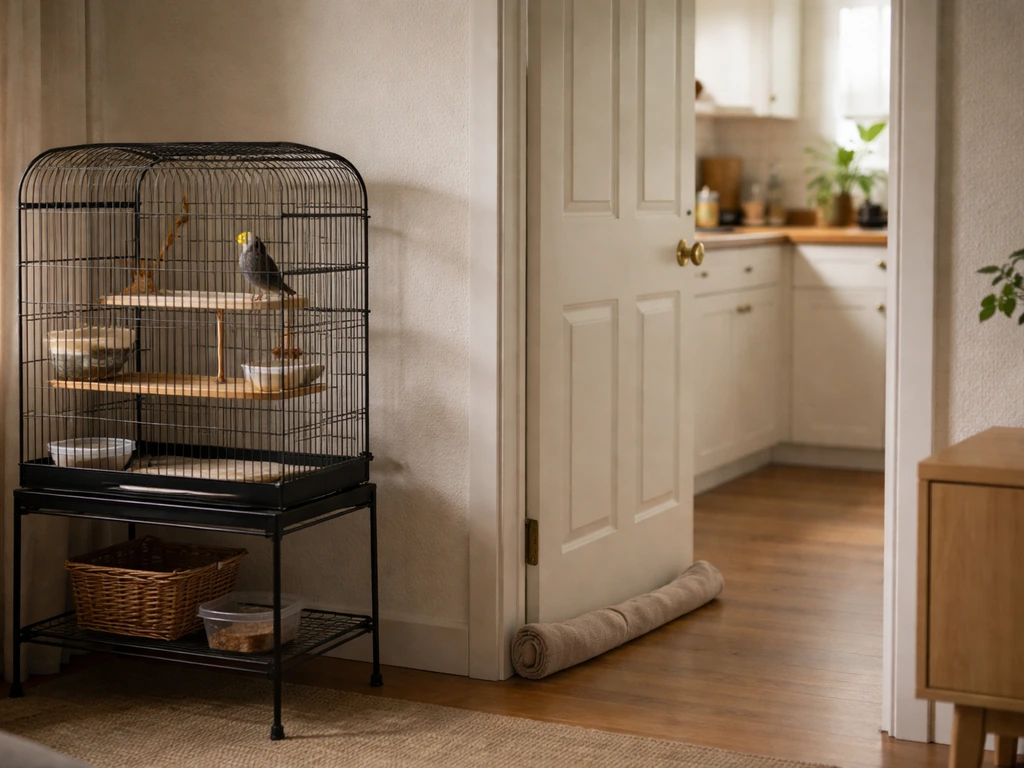
This is the highest-risk scenario. A pet parrot, cockatiel, canary, or finch living inside a home where nonstick cookware is used is in the most direct exposure path. Birds don't have to be in the kitchen for harm to occur. VCA Animal Hospitals explicitly notes that birds can be poisoned by PTFE fumes even in a different room if the home's airflow carries fumes there. The Cornell case of ducks dying from a PTFE-coated heat lamp in a large room with closed windows underscores how far these fumes can travel. Separation alone, without ventilation, isn't enough.
Wildlife near patios and outdoor cooking
Backyard birds (sparrows, finches, pigeons, corvids) near a patio grill or outdoor wok station are at much lower risk because outdoor air dilutes fumes rapidly. The real outdoor risk is a bird's enclosure or aviary positioned downwind of a cooking area, where fumes concentrate. If you cook outside frequently with nonstick-coated grillware or woks near a bird's outdoor housing, position the cooking upwind or at a significant distance.
Environmental and aviation-adjacent exposure
For readers interested in industrial or environmental exposure pathways, PTFE compounds are a broader environmental concern, but cooking fumes from a single HexClad pan don't constitute a meaningful environmental hazard to wild bird populations. The risk here is localized and domestic. Industrial PTFE processing is a different category entirely.
Cleaning product exposure
The CDC warns that disinfectant fumes can harm birds, and HexClad's care documentation cautions against phosphate-free dishwasher detergents, which can etch or pockmark the exposed metal surface. Etching or surface damage could potentially increase residue buildup in micro-crevices, though the direct risk to birds from cleaning residue left on a pan is lower than the fume inhalation risk. The practical guidance: rinse pans thoroughly, don't use strong chemical cleaners near birds, and never clean a pan with bleach-ammonia combinations anywhere in the house. Those mixed fumes are toxic to birds even at low concentrations.
What to actually do today to reduce risk
These steps apply right now, before you cook another meal. If you're also considering harnesses, the same idea applies: use only safe materials and make sure the setup doesn't cause stress or restrict breathing are bird harnesses safe. They're in priority order.
- Move the bird before you cook. Take your bird to a room far from the kitchen and close the door. Place a towel at the door gap to reduce airflow from the kitchen. Do this before you turn on the stove, not after.
- Never preheat an empty HexClad pan. An empty pan on medium-high heat reaches dangerous temperatures within 2 to 3 minutes. Always have food, water, or oil in the pan before applying heat.
- Stay at medium heat or below. HexClad's own instructions say this. For bird safety, make it a firm rule. If a recipe calls for high heat, either use a different pan (stainless or cast iron) or accept you're running a higher risk.
- Use your range hood every single time. Turn it on before cooking starts, not after you smell smoke. If you don't have a range hood, open a window directly above or next to the stove and run a fan to push air outward. The EPA and Washington DOH both identify cooking ventilation as a primary control for indoor cooking pollutants.
- Cook on back burners when possible. The EPA recommends this for reducing PM2.5 exposure generally; it also gets the pan physically closer to your range hood's capture zone.
- Watch for smoke as a real-time signal. If the pan is smoking, stop immediately. Smoking means you've hit temperatures where any coating begins breaking down. Remove the pan from heat, increase ventilation, and check on your bird.
- Rinse pans thoroughly after every wash. Whether you hand-wash or use a dishwasher, ensure no detergent residue remains. Don't use strong chemical cleaners near areas where birds live or where air circulates to them.
- Never mix cleaning chemicals. Bleach and ammonia-based cleaners produce chloramine gases that are dangerous to birds. Use one cleaner at a time, with the bird out of the house or sealed in a ventilated space.
When not to use HexClad around birds, and what to use instead
There are situations where the risk calculus tips clearly toward avoiding HexClad altogether and reaching for a different pan.
- You have a bird and an open floor plan where kitchen air circulates freely through the living space with no way to truly isolate cooking fumes.
- You frequently cook at high heat (searing, stir-frying, deep frying) and can't consistently stay below the medium-heat threshold.
- Your HexClad pan is scratched, etched, or shows visible surface damage. Damaged coatings are more likely to release particles or fumes at lower temperatures.
- You're uncertain whether your specific HexClad product uses the PTFE-free TerraBond™ coating or an older formulation — and given the pending litigation, this uncertainty is reasonable.
- You've already had a prior incident where a bird showed respiratory distress in a home where nonstick cookware was used.
- You want zero ambiguity and maximum confidence in your bird's safety.
For those situations, the alternatives are well-established. blank" rel="noopener noreferrer">Poison Control explicitly recommends stoneware, anodized aluminum, cast iron, stainless steel, and ceramic (non-PTFE) as cookware options that eliminate the PTFE fume risk pathway. Not all shoes are equally safe for plantar fasciitis, so it helps to choose footwear with proper arch support and cushioning shoes for plantar fasciitis. Fully enameled cast iron and bare stainless steel are the most straightforward choices: they don't have polymer coatings that can degrade, they handle high heat well, and their risk profile around birds is well understood. Plain uncoated stainless steel is what most bird-safe kitchen guides converge on as the default recommendation.
If you do decide to keep using HexClad, treating every cooking session as a ventilation and separation exercise is non-negotiable. The conditional safety of HexClad around birds is genuinely achievable with consistent precautions. Because of those PTFE-fume risks, you should only use HexClad around birds with strict precautions, and many bird owners choose PTFE-free alternatives to be safer.
If you are considering bird backpacks, you should apply the same kind of conditional, ventilation-focused safety mindset to any materials or coatings that could off-gas or trap fumes conditional safety of HexClad around birds. If you want the direct answer, bird owners should treat the risk as real and avoid exposing birds to fumes from nonstick cookware, including bird leashes.
That conditional safety is exactly why bird owners should treat the question of are bird harnesses safe with the same caution about airborne risks conditional safety of HexClad. But the word "conditional" carries real weight here. Birds are far more sensitive to airborne toxins than humans, and the consequences of getting it wrong are severe and fast-moving. There are no second chances once a bird shows signs of respiratory distress from toxic fume exposure.
Texas A&M Veterinary Medical Diagnostic Laboratory describes PTFE toxicosis as causing respiratory distress (wheezing or gasping), weakness or depression, and notes that birds may be found dead in cages PTFE toxicosis as causing respiratory distress (wheezing/gasping), weakness/depression, and birds may be found dead in cages.
This same logic applies when evaluating other household products birds encounter: the question is always about airborne exposure, concentrations, and your ability to control the environment. Ultrasonic bird repellers are a different class of device, so if you use one around dogs it is best to check the manufacturer’s specs and any safety testing for canine exposure. Whether the concern is cookware fumes, cleaning sprays, or other chemical products used near birds, the framework is the same: reduce the source, increase airflow, and separate the bird before the exposure happens.
FAQ
How can I tell which HexClad coating version I have, and does that change bird safety right away?
In most homes you cannot reliably confirm coating chemistry just by appearance or name, because product-line claims may differ. Treat all HexClad as potentially involving fluoropolymer risk until you can verify via the specific product listing, manufacturing batch details, or documented labeling for that exact item. Even if it is PTFE-free, you still need to control smoke and cleaning fumes.
Is it safe if I keep my bird out of the kitchen but the door is open or the HVAC circulates air?
It is not automatically safe. If your ventilation system or open doors move cooking air through the home, airborne fumes can reach the bird. The safer approach is to run dedicated kitchen exhaust, keep the bird in a closed, well-ventilated room away from airflow paths, and avoid cooking when you cannot control where the air goes.
What counts as “medium heat” in practice, and what should I watch for?
Use an actual heat setting you can reliably keep from smoking, and avoid any situation where the pan releases visible haze, smells strongly, or starts to “burn off” residue. If the pan smokes, you should stop cooking immediately and move the bird out of the home’s air path until odors and haze clear.
Can an oven setting with HexClad still endanger my bird?
Yes, indirectly. Even without stovetop overheating, ovens can warm residue or nearby food fats and create fumes. Also, the oven does not prevent cleaning chemical odors if the pan was recently washed with strong detergents. Allow extra preheating and airing time before bringing the bird back to the cooking area.
Is HexClad bird-safe if it is only used for low-oil, low-smoke foods like boiling pasta or steaming?
Risk drops but is not eliminated. Boiling typically produces less vapor, but you can still generate irritant fumes from burned starch, overheated dry spots, or residues left on the pan. Use sufficient liquid, avoid letting the pan run dry, and ensure ventilation because birds can be affected by small amounts of particulate and chemical odors.
What should I do if my HexClad pan smokes once, and my bird already inhaled any fumes?
Move the bird to clean air immediately (a closed room with no cooking odors), and ventilate the cooking area until haze clears. Monitor closely for sudden breathing changes, mouth breathing, open-mouth breathing, lethargy, or collapse, and contact an avian veterinarian or emergency poison guidance promptly because respiratory toxicity can present without warning.
Does cleaning HexClad with dishwasher detergent or certain sprays increase bird risk?
Yes. Some detergents and cleaning agents can release fumes during cleaning, and residue or aerosols can irritate bird airways. Rinse thoroughly, avoid spraying when the bird is in the home air space, and do not use bleach-ammonia mixtures anywhere in the house because mixed fumes are hazardous to birds at low concentrations.
Is preheating with a little oil safer than preheating an empty pan?
It is still riskier than it sounds. Oil can exceed safe temperatures quickly, and if you preheat to the point of smoking, you are already creating airborne irritants and fine particulates. If you use HexClad, preheat only when needed and keep temperatures low enough that you never see smoke.
Can I use metal utensils on HexClad around birds without increasing risk?
Metal utensils mostly affect pan wear and the long-term integrity of coatings, which can increase residue buildup and micro-roughness. While the utensil itself does not aerosolize toxins, damaged or increasingly sticky surfaces raise the chance you will overheat the pan or burn off residue. Use gentler tools and replace the pan if the surface becomes heavily scratched or shows persistent residue.
How far should I keep backyard aviary cages from outdoor grilling or stovetop cooking fumes?
Distance and airflow matter, upwind placement is usually the safest strategy. Aim to position enclosures so prevailing winds carry cooking smoke away from the bird housing, and avoid having birds downwind of nonstick-coated grillware or woks during high-heat sessions.
Should I choose a different cookware even if I’m using strict ventilation every time?
If you want the lowest-complexity risk profile, yes, switching to uncoated stainless steel, cast iron, enamel-coated cast iron, or ceramic that is not fluoropolymer-based is simpler than trying to manage every exposure variable. Ventilation reduces risk, but it cannot fully guarantee that airborne fumes never reach a bird’s airway.