If you searched 'death rite bird weak to,' you almost certainly came from Elden Ring, where the Death Rite Bird is a boss enemy that is weak to holy damage in the game's mechanics. That's the dominant meaning of this phrase online, and it maps entirely to a fictional creature, not a real species. But if you landed here looking for real-world answers about bird vulnerability, what actually threatens birds, and how to handle or deter them safely, this guide covers all of that with evidence behind every point.
What Is Death Rite Bird Weak To and Why It Matters

Marcus Whitmore
26 Apr 2026

What 'Death Rite Bird' actually refers to and why it's confusing

The phrase 'Death Rite Bird' is the name of a specific boss encounter in the video game Elden Ring. Multiple wiki sources, Reddit threads, and player guides cluster tightly around this single meaning. In that context, 'weak to' is game language: it describes a damage type (holy damage, specifically) that deals more damage to the enemy. So when players ask what the Death Rite Bird is weak to, they're asking about in-game mechanics, not biology or animal behavior.
That said, the vocabulary is interesting because it mirrors how people actually think about real bird vulnerability. Terms like 'weak to,' 'susceptible,' and 'deterred by' show up constantly in wildlife management, pet bird care, and aviation safety contexts. If you're a pet owner worried about household hazards, a pilot concerned about bird strikes, or someone trying to stop birds from hitting windows, the framing of 'what is this bird weak to' is genuinely useful. The rest of this article treats it that way.
Identifying the real bird and what 'weak to' means in practice
In real-world terms, 'weak to' means what makes a bird more vulnerable to harm or what sensory cues reliably deter or affect its behavior. The answer depends almost entirely on species. A European starling habituates to noise deterrents differently than a Canada goose does. A pet parrot is far more sensitive to airborne toxins than a wild raptor. A migratory songbird is killed by lit windows at night in ways that don't apply to daytime-flying gulls at airports. So the first practical step is always: which bird are you actually dealing with?
Once you identify the species, you can match it to its specific vulnerabilities. Broadly, bird vulnerability falls into two categories: biological (internal factors like age, health, and stress) and environmental (external factors like light, noise, habitat, and chemical exposure). Both matter, and they interact. A stressed bird, for example, may not habituate to deterrents the way a calm one does. Research on European starlings shows that prior stress can suppress normal habituation and neophobia responses, meaning a bird under physiological stress stays fearful of novel stimuli longer, which actually changes how deterrent strategies perform.
The biology behind why some birds are more vulnerable than others
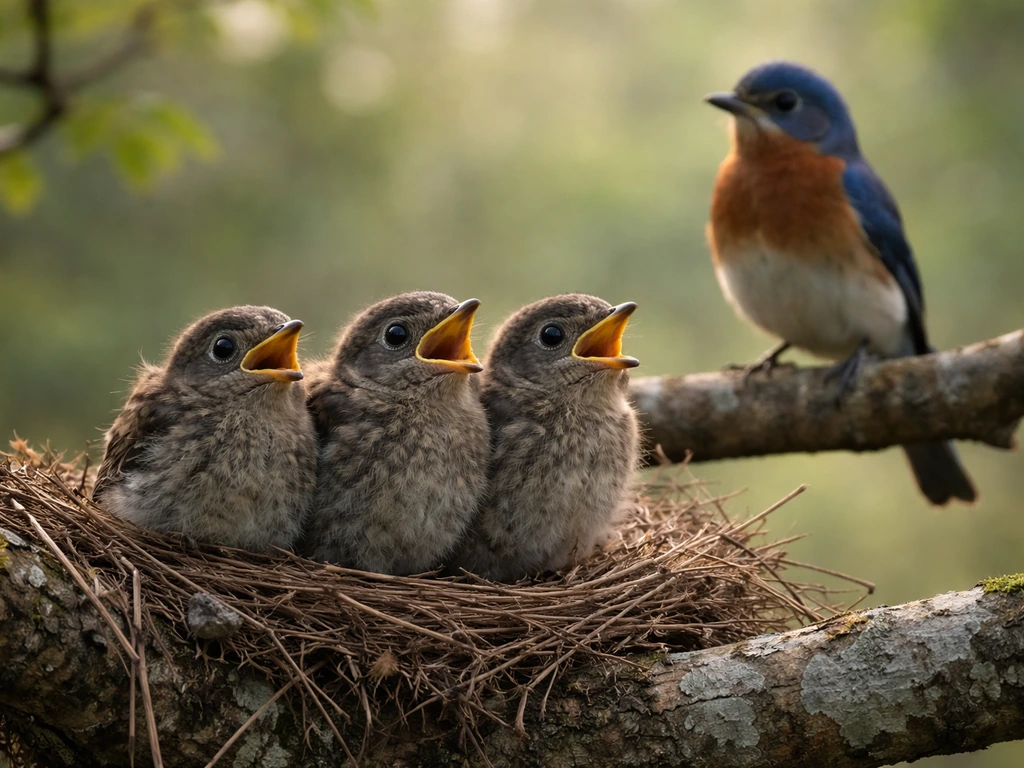
Age is one of the clearest vulnerability drivers. Juvenile birds lack the flight experience, foraging skills, and threat-recognition of adults. They are statistically overrepresented in window collision data and are more likely to be found injured in urban environments. Young birds are also more susceptible to temperature extremes because thermoregulation is still developing.
Stress physiology plays a larger role than most people realize. Elevated corticosterone (the bird equivalent of cortisol) changes how a bird perceives and responds to threats. Chronically stressed birds, including those in poor-quality habitats or overcrowded conditions, may show impaired decision-making around hazards. This is why a single deterrent rarely works long-term in isolation, and why wildlife hazard management plans at airports are built around layered approaches rather than one silver-bullet solution.
For pet birds specifically, the respiratory system is the critical vulnerability. Birds have a highly efficient but extremely sensitive respiratory anatomy. Their air sac system means airborne toxins circulate through their bodies rapidly, and they can be incapacitated or killed by fume concentrations that a human would barely notice. ScienceDirect Topics notes that PTFE (Teflon) can break down to toxic pyrolysis products and fumes, which is an important inhalation hazard context for birds airborne toxins. This is not folklore; it is well-documented in veterinary toxicology. Household chemicals including bleach, ammonia, cooking fumes, paint off-gassing, and air freshener aerosols all pose genuine acute risks to pet birds.
Evidence-based weak spots: what genuinely affects birds
Light
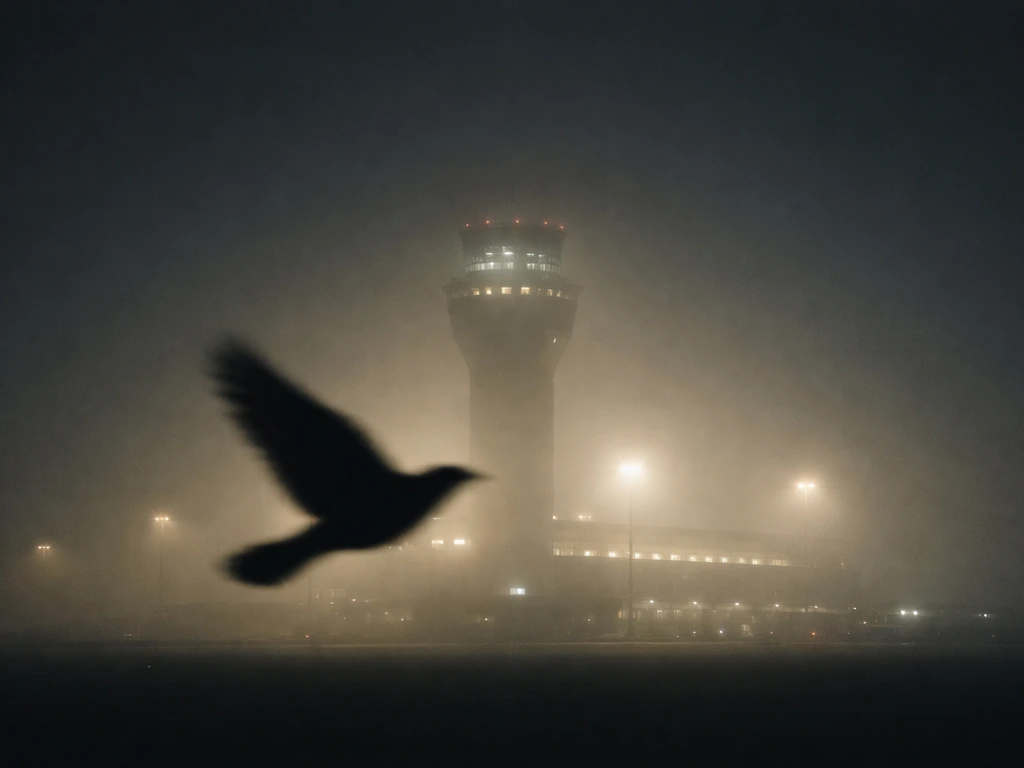
Building and tower lighting is one of the most significant and underappreciated bird hazard drivers. Artificial light at night disorients migrating birds, drawing them toward lit structures where they become confused, circle, and collide. The U.S. Fish and Wildlife Service has documented this extensively through programs like the Fatal Light Awareness Program. Turning off or shielding unnecessary nighttime lighting during peak migration periods (typically April through May and August through October in North America) is one of the most impactful things a building manager can do.
Noise
Acoustical deterrents work, but with an important caveat: birds habituate to repetitive sounds. FAA wildlife strike mitigation guidance specifically notes that acoustical and visual deterrents are part of a managed plan, not standalone fixes. Research on habituation shows that the effectiveness of sound-based hazing depends on whether the sound is sufficiently unpredictable and threatening. Rotating deterrent types and locations extends their utility. For airport environments, this is managed by Qualified Airport Wildlife Biologists working under a formal Wildlife Hazard Management Plan.
Habitat and food/water management
Birds go where food, water, and shelter are. This sounds obvious, but it is the most reliable long-term lever for deterrence. Removing standing water, managing grass height at airports (taller grass discourages certain species from foraging), eliminating food waste, and reducing dense shrub cover near structures all reduce bird attraction. The USDA APHIS frames airport wildlife hazard management around exactly these habitat modification principles, noting that hazing alone without habitat changes produces temporary results at best.
Windows and glass
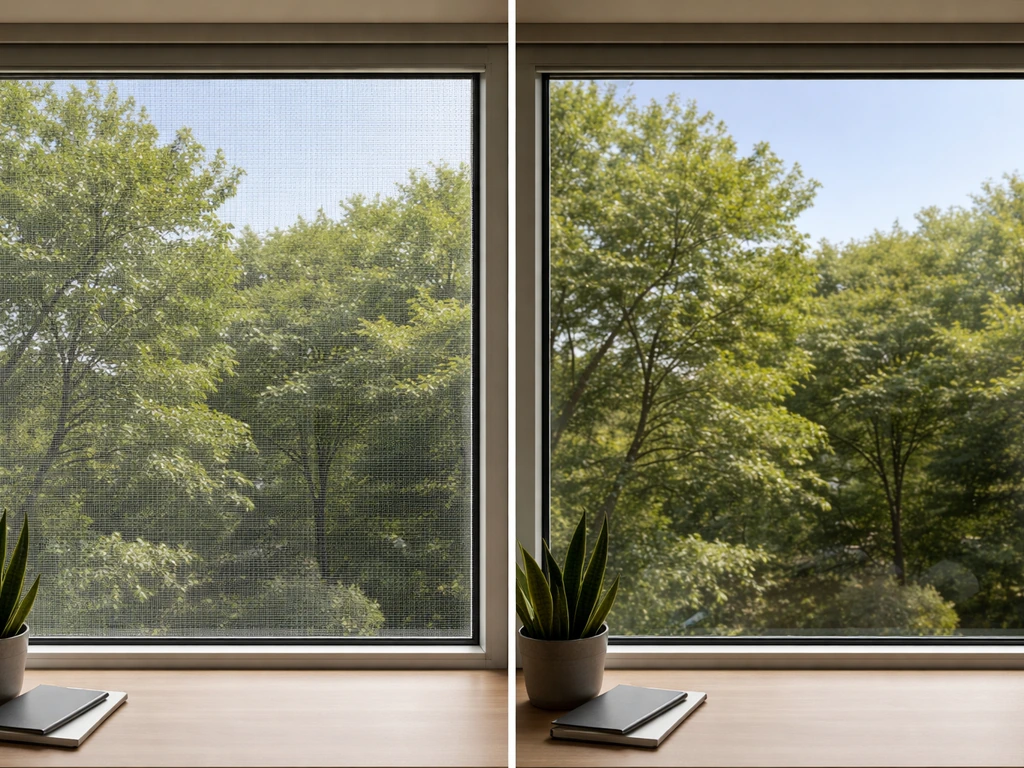
Window collisions kill an estimated hundreds of millions of birds per year in North America. The vulnerability here is perceptual: birds cannot reliably distinguish glass from open air, especially when it reflects vegetation. The most effective interventions involve external markers applied at close spacing. The research-informed standard, sometimes called the '2 x 4 rule,' suggests vertical marker spacing no wider than 2 inches and horizontal spacing no wider than 4 inches to break up the visual field enough for birds to register the barrier. Products like Feather Friendly circular adhesive markers have been tested in peer-reviewed field studies and shown to meaningfully reduce collision frequency compared to unmarked glass.
Chemical and fume exposure (pet birds)
For anyone keeping pet birds, fume exposure is the most immediate and preventable 'weak to' factor. Cleaning products with bleach or ammonia, nonstick cookware fumes (polytetrafluoroethylene off-gassing at high heat), scented candles, aerosol sprays, and fresh paint can all cause rapid respiratory distress or death in birds. Prevention means ventilating any area where these products are used, keeping birds out of kitchens during cooking with nonstick pans, and storing chemicals in sealed areas the bird cannot access.
Myths and folklore that don't hold up
A few common beliefs about bird vulnerability are either ineffective or actively harmful, and it's worth addressing them directly.
- UV window markers are a reliable deterrent: They were once recommended, but current evidence suggests UV-only approaches underperform in practice. Birds' temporal and spatial resolution for UV contrast may not be sufficient to register subtle UV markings in time to avoid glass. Physical, visible markers are better supported by current research.
- Strong smells keep birds away safely: This is a myth with real danger attached. Cleaning agents that smell strong to humans (bleach, ammonia) don't repel birds from outdoor spaces, and in indoor environments they can poison pet birds. There is no reliable evidence that scent-based deterrents work for wild birds in outdoor settings.
- If a fume has faded in smell, it's safe for pet birds: VCA Animal Hospitals explicitly notes that respiratory irritant off-gassing from paint, varnishes, and cleaning products can persist after the odor is no longer detectable by humans. The absence of smell does not mean the absence of risk.
- Predator decoys work indefinitely: Static predator images or models (fake owls, etc.) lose effectiveness quickly as birds learn they pose no real threat. Without movement and repositioning, they typically stop working within days to weeks.
- Birds are attracted to bright colors and shiny objects: The reality is more species-specific and contextual. While some birds (notably corvids) show interest in novel objects, color alone is not a reliable deterrent or attractant for most species.
What you can do right now
Here are concrete steps you can take today, organized by situation.
| Your situation | Immediate action | When to escalate |
|---|---|---|
| Pet bird in household | Remove or relocate cleaning products and nonstick cookware; increase ventilation in cooking/cleaning areas | Call a avian vet immediately if the bird shows respiratory distress, loss of balance, or unusual lethargy |
| Birds hitting windows at home | Apply external adhesive markers (Feather Friendly or similar) at 2-inch vertical / 4-inch horizontal spacing on the outside of glass | Contact Cornell Lab's Project FeederWatch or local Audubon chapter for species-specific guidance |
| Birds at an airport or airfield | Report to airport management and do not attempt to haze or move birds yourself; document the location and species if possible | File an FAA Wildlife Strike Report; airport management contacts USDA APHIS-trained wildlife biologists |
| Wild bird appearing injured or in distress | Keep it in a dark, quiet, ventilated box away from pets; do not offer food or water | Call a licensed wildlife rehabilitator or your state wildlife agency — handling protected species without a permit is illegal in most jurisdictions |
For window collisions specifically, retrofitting with proven marker-based treatments is the most evidence-supported option available today. Studies tracking collision rates before and after retrofit consistently show reductions when external markers are applied correctly. It's not a perfect solution, but it's the closest thing to one that current research offers.
For aviation contexts, the key takeaway is that there is no single thing birds are 'weak to' that makes them easy to manage. For specific situations, start by figuring out what the bird is vulnerable to and then apply deterrents that match that risk weak to. The FAA and USDA APHIS frameworks exist because effective management requires layered strategies, trained professionals, and ongoing monitoring. If you're a pilot or airport manager dealing with a recurring bird hazard, the right move is engaging a Qualified Airport Wildlife Biologist through your airport's Wildlife Hazard Management Plan, not improvising a one-off solution. If your question is “is droll and lock bird banned,” the safest approach is to follow your local wildlife and pest-control rules and consult a qualified professional.
The broader theme across all of these contexts is the same: bird vulnerability is real, species-specific, and driven by biology and environment together. Understanding what actually affects a bird, rather than relying on folklore or game-mechanic thinking, is what separates effective, humane management from wasted effort or accidental harm. If you meant the game question, wondering whether does droll and lock bird stop drawing, this guide can also help you interpret that kind of 'weak to' or deterrence wording in a real-world safety context. droll and lock bird negate is a phrase people use online, but it does not replace the real, species-specific factors that determine what actually makes a bird vulnerable game-mechanic thinking.
FAQ
Does “weak to” mean there is one universal thing that makes birds vulnerable?
No. In wildlife and pet safety, “weak to” is a shortcut for what increases risk or changes behavior, and it depends on the exact species, life stage, and conditions. If you guess the species, you may pick a deterrent that works for one bird but is ineffective or even irrelevant for another, for example, noise hazing that a flock of habituated starlings ignores but that a different species responds to.
What should I address first if I’m trying to reduce risk to pet birds? (Fumes, windows, noise, or lighting.)
For pet birds, prioritize airborne hazards first, then lighting and aerosols, before any sound or visual scaring. Birds are especially sensitive to fumes, and a single cleaning or cooking incident can overwhelm them even if a window deterrent or habitat change would reduce another risk. A practical order is: remove all chemicals and aerosols, improve ventilation, then address window collisions or nighttime lighting.
If deterrents stop working after a few days, what’s usually happening and what should I change?
Birds can habituate to repetitive cues, so keep deterrents variable. Instead of running one sound or one visual scare at the same time and location every day, rotate types (visual markers, reflective elements, movement-based devices) and change placement. Also, use only external, bird-safe options, and avoid persistent distressing methods that can stress the birds without solving the underlying attraction.
How can I tell if a fume or chemical is dangerous to birds if I cannot clearly smell it?
Do not judge by human perception. Some dangerous fumes are odorless or only mildly noticeable to people, so “it doesn’t smell much” does not mean it is safe. Assume any bleach-ammonia exposure, aerosolized sprays, nonstick cooking at high heat, and paint or solvent vapors are unsafe until you have fully ventilated and the bird is kept out of the area.
What are common mistakes when people try to “test” deterrents or safety steps at home?
Avoid mixing deterrents with a “trial and error” approach in situations that can cause injury, like window collisions near active flight paths or a pet bird’s exposure zone. For windows, use external markers applied at tight spacing rather than temporary tape indoors. For household hazards, control the source immediately rather than waiting to see effects.
Does the best way to manage nighttime lighting for birds change with season?
Yes, season and migration timing matter. The same lighting or hazard setup can have very different impact depending on whether birds are passing through, nesting, or feeding locally. If you manage building lighting, the most effective windows of action are typically during peak migration periods for your region, not just on random nights.
What’s a good decision rule for choosing a deterrent so I don’t make the problem worse?
Some “bird-proofing” materials can make things worse if they only scare briefly or if they create new risks, like leading birds into another collision area. A safer decision aid is to match the intervention to the failure mode: if glass is the issue, treat the glass externally; if the issue is attraction, remove water or food; if the issue is fumes, remove exposure. Fixing the wrong failure mode wastes time and can increase risk.
I have repeated bird hazards on site, can I just handle it with DIY deterrents?
If you are responsible for recurring bird strikes at an airport or a managed facility, involve trained professionals through a formal wildlife hazard plan. One-off improvisation is risky because you may choose deterrents that birds habituate to, place them where they are ineffective, or overlook species-specific behavior. Layered strategies and ongoing monitoring are the difference between short-term disruption and real reduction.
If I use bird window markers, how do I avoid reducing their effectiveness?
For the “2 x 4 rule,” the key practical detail is spacing and placement on the outside of the glass, because that is what breaks up the reflection and the birds’ visual field. If markers are too far apart, incorrectly aligned, or applied to the wrong side, the effectiveness drops even if the product looks similar.
What should I do if I keep finding injured birds near the same spot?
If you find an injured bird, treat it as a symptom of the larger hazard rather than a one-time event. Photograph the location, note nearby lighting, glass, and food sources, then contact local wildlife rehabilitation or bird authorities for guidance. Afterward, adjust the environment where the bird was found, because repeated incidents usually point to a consistent attractant or collision risk.