Avoid touching any wild bird unless you have no other option, and when you do have to handle one, never grab it near the beak, eyes, feet, or vent. Those are the zones most likely to get you bitten, scratched, or exposed to pathogens, and they're also the areas that cause the most stress and injury to the bird. The same principle applies to nests, eggs, chicks, and sick or injured birds: in almost every situation, the safest move for both you and the bird is to step back, assess, and call a licensed wildlife rehabilitator instead of reaching in with your hands.
Where Not to Touch a Bird: High-Risk Areas and Situations

Marcus Whitmore
30 Apr 2026
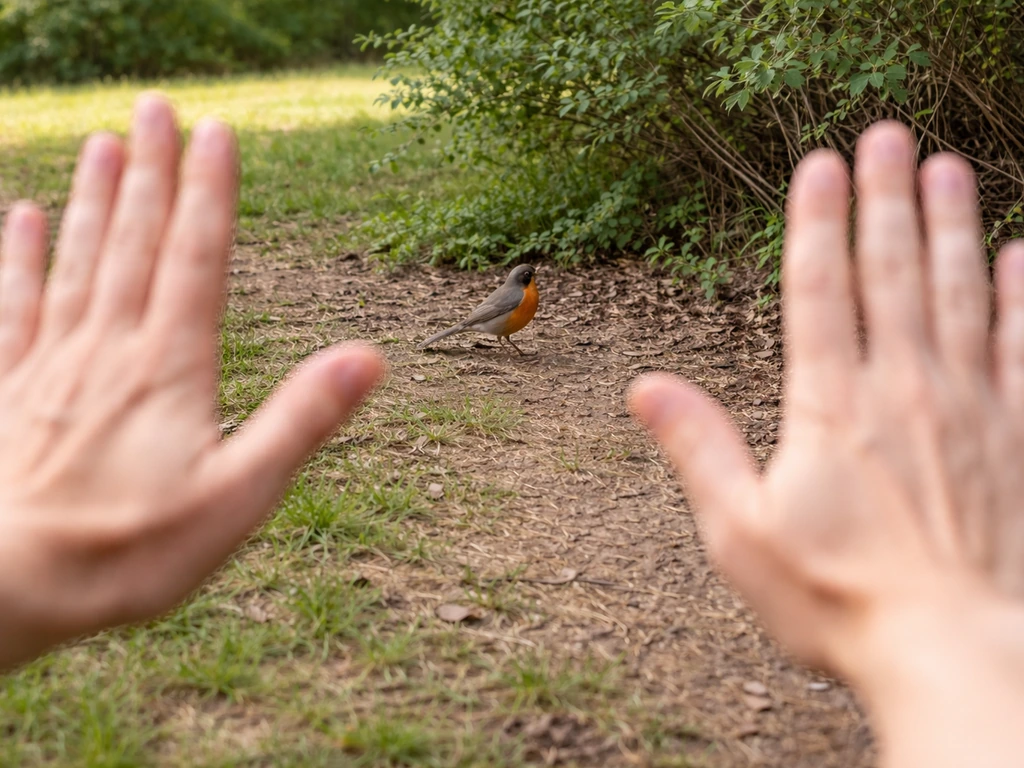
The rule before anything else: when you shouldn't touch a bird at all
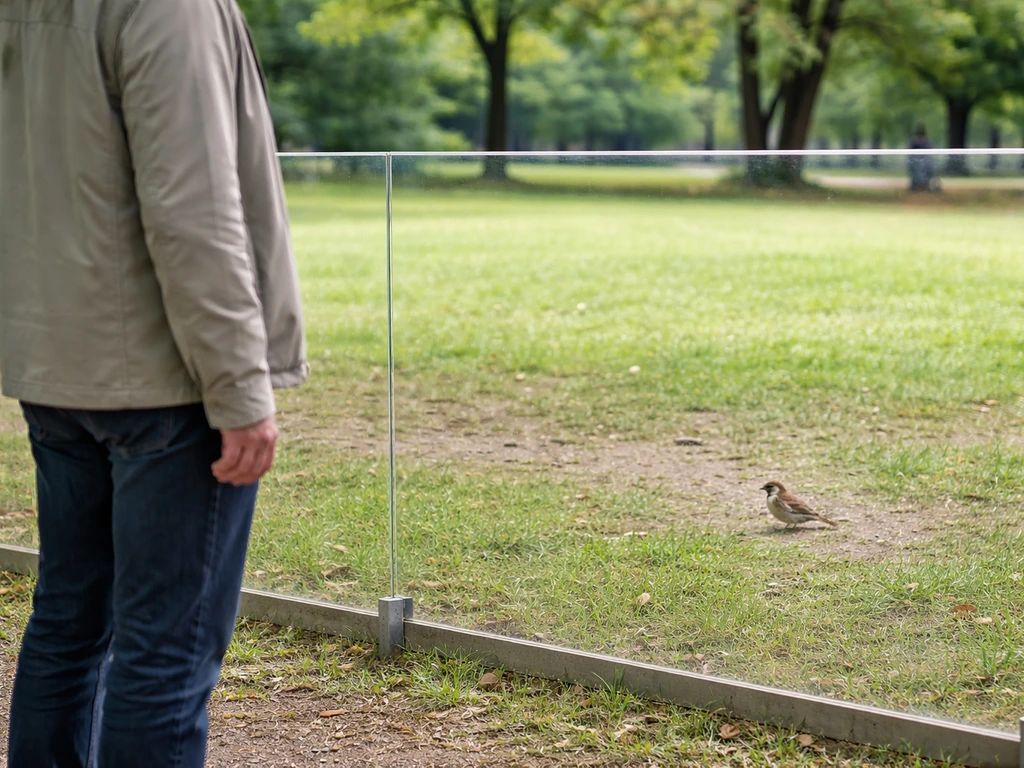
The U.S. Fish & Wildlife Service is straightforward about this: observe wildlife from a distance and do not touch or feed wild animals. The CDC is equally direct, if you find a sick or dead bird in your yard, do not touch it. These aren't overly cautious guidelines. They reflect the reality that most people who reach out to 'help' a bird end up creating more problems: additional stress on an already compromised animal, unnecessary injury risk to themselves, and delays in getting the bird to someone who can actually treat it.
The clearest situations where you should keep your hands entirely off a bird: any wild bird that appears healthy and is behaving normally, any bird carcass, any sick or visibly injured bird until you're in contact with a wildlife official or licensed rehab, any raptor (hawk, owl, eagle, falcon) regardless of condition, and any bird involved in a window collision until you've assessed it from a distance for at least 15 to 20 minutes. We'll walk through each of these in more detail below.
Bird body zones you should avoid touching
If you're in a situation where handling is unavoidable (which does happen), knowing which parts of a bird carry the highest risk changes how you approach it. These aren't arbitrary zones, each one has a specific reason behind it.
Head and beak
The beak is a bird's primary defense tool, and even small songbirds can deliver a surprisingly painful bite. Larger birds, herons, parrots, corvids, can break skin easily. More importantly, the head and beak area is where you're most likely to inadvertently make contact with saliva, mucus, or respiratory secretions. Canada's public health guidance on handling potentially infected wild birds specifically flags these body fluids alongside feathers and feces as materials to avoid direct contact with. Touching near the beak also triggers strong defensive reactions, making the bird more likely to bite or thrash.
Eyes
Avoid contact near a bird's eyes for two reasons. First, birds injured in window collisions frequently have eye injuries and temporary blindness, touching near the eyes of an already-compromised bird can worsen damage. Second, the CDC's PPE guidance for avian influenza specifically calls out avoiding contact with your own eyes, nose, and mouth after handling birds, and the same logic applies in reverse: you don't want bird secretions near those mucous membrane entry points on either party.
Feet and claws (talons)
This is the zone most people underestimate. The Raptor Center at the University of Minnesota is explicit: large raptors are unpredictable and their sharp beaks and talons are the primary safety concern. A red-tailed hawk or great horned owl can drive talons through a heavy glove. Even smaller birds have claws that can scratch and draw blood, which creates a direct pathway for pathogen transfer. The feet are also where a bird instinctively grabs and grips when stressed, so if you pick up a bird and it latches on, prying the feet loose without injury to either party is genuinely difficult.
Vent (cloaca)
The vent area (the cloaca, which is the bird's single posterior opening used for waste and reproduction) is a concentrated source of fecal bacteria, parasites, and potential pathogens. The CDC recommends washing hands thoroughly after any contact with birds, their droppings, or items in their cages, specifically because this contamination route is real and consistent. Touching near the vent dramatically increases your exposure risk and should be avoided entirely unless you're a trained wildlife handler or vet.
Wings
Wings are structurally delicate, and grabbing or restraining them incorrectly causes fractures and dislocations easily. Beyond injury risk to the bird, the wing surface is covered in feathers that carry dander, dust, and potentially mites. The FWS wildlife health bulletin specifically flags strategies to reduce inhaling aerosols from dust, feathers, and dander during bird handling, so even incidental wing contact in an enclosed space carries respiratory exposure risk.
Any wound, blood, or visible parasites
Avoid any area of active bleeding, open wounds, or visible external parasites. Bird mites can transfer to humans on contact and, while they generally cannot reproduce on human blood (they need a bird host to complete their life cycle), they can and do bite people and cause significant irritation. Wounds are also a direct entry point for bacterial exposure on both sides of the interaction.
What you're actually risking: contact hazards broken down
The risks from bird contact fall into a few distinct categories, and they don't all work the way most people assume.
| Risk type | How it's transmitted | Key source areas on the bird |
|---|---|---|
| Bites | Direct contact with beak/head | Head, beak |
| Scratches | Direct contact with claws/talons | Feet, talons |
| Psittacosis (Chlamydia psittaci) | Inhaling aerosolized dried droppings or respiratory secretions | Vent, respiratory output, feathers/dander |
| Avian influenza (H5N1) | Contact with saliva, blood, mucus, feathers, droppings | Vent, feathers, beak, blood |
| Salmonella and other bacteria | Fecal-oral route via droppings | Vent, cage surfaces, feathers |
| Bird mites | Direct contact with feathers/skin of infested bird | Wings, body feathers, nest material |
| Wound infection | Open wound contact with bird blood or secretions | Any bleeding wound area |
The respiratory route deserves particular emphasis because it surprises people. Psittacosis is usually spread by inhaling dust from dried droppings and respiratory secretions, not primarily through bites. The CDC's psittacosis guidance and Oregon's public health fact sheet both confirm this. You don't need to be bitten or scratched to be exposed to serious avian pathogens. Simply handling a bird in an enclosed space, or disturbing dried droppings without protection, carries real respiratory risk.
Situations you should avoid entirely
Nests and eggs
Bird eggs are legally protected in the UK and in many jurisdictions globally, but beyond legality, there's a practical reason to leave them alone. The RSPCA advises clearly: do not touch or move eggs, even if your instinct is to help. Eggs require precise incubation conditions, and well-intentioned handling almost always causes more harm than the perceived problem you're trying to fix. If a nest appears disturbed or you're worried about it, your best move is to observe from a distance and contact a local wildlife organization.
Chicks and fledglings
This is one of the most common scenarios where people touch birds they shouldn't. A fledgling (fully feathered young bird) on the ground is almost always there intentionally. The RSPB's guidance is clear: if the bird isn't sick or injured, the best approach is to leave it alone and watch from a distance. Parents will typically continue feeding it as long as they can hear it and humans or pets aren't hovering nearby. The RSPCA similarly uses a decision-based approach: assess whether parents are nearby and whether the bird is injured before intervening at all. Picking up a healthy fledgling disrupts normal development and keeps parents away.
Sick or injured birds
The National Park Service states plainly: do not touch or handle sick birds. The CDC says the same for dead birds. If handling is genuinely unavoidable (say, a bird is in immediate danger of being hit by traffic), the NPS specifies minimum precautions: gloves, avoiding contact with eyes and mouth, and double-bagging carcasses. The DOI's HPAI guidance adds face protection and dedicated clothing to that list for any situation involving potentially infected animals. But the default position should always be: don't touch, call someone who can.
Raptors and aggressive species
The Raptor Center at the University of Minnesota is unambiguous: raptors are unpredictable and dangerous even for experienced handlers. Talons are the primary concern, they can pierce heavy leather gloves and cause serious puncture wounds. If you encounter an injured hawk, owl, or eagle, do not attempt to handle it unless you've spoken with a wildlife official or licensed rehabilitator first. Call the center or a local rehab for a consultation before you do anything else. The same applies to herons, geese, and other large aggressive birds that can strike hard with wings and beaks.
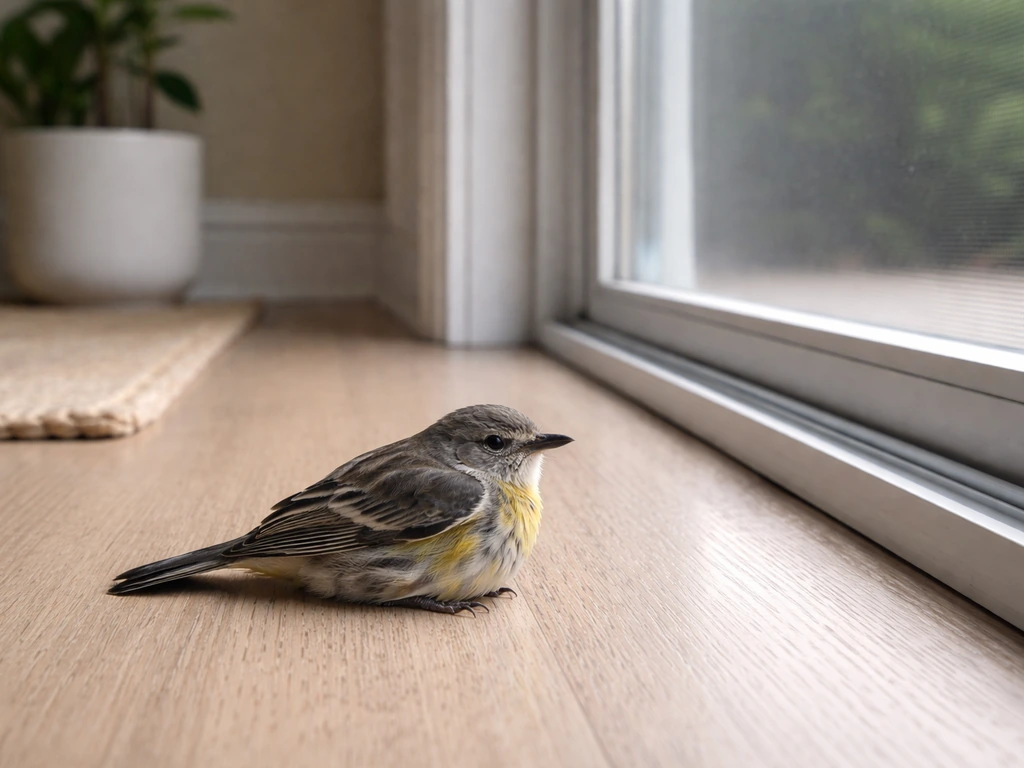
Window collision birds
Birds that hit windows often look unconscious or dead but may be in a stunned state they can recover from. The FWS's window-collision guidance is specific: don't attempt to handle the bird unless you're in contact with a wildlife official or local licensed rehabilitator. Birds that survive glass collisions frequently have head trauma, neurological disorders, eye injuries, temporary blindness, and air sac punctures, injuries that look minor externally but need professional treatment. Moving or handling a neurologically compromised bird incorrectly can cause additional injury.
How to help without touching
The most useful thing you can do for a bird in almost every situation doesn't involve your hands. Here's what actually helps:
- Create a perimeter: move people and pets away from the bird immediately. This is the single most effective action in most found-bird situations. RSPCA guidance consistently emphasizes keeping pets away as the first step.
- Observe before acting: watch from a distance for 20 to 30 minutes before concluding the bird needs intervention. Many apparent emergencies resolve on their own once the human presence is reduced.
- For a stunned bird (window collision): place a ventilated cardboard box over the bird without picking it up, or gently guide it into a box using a piece of cardboard. Keep the box in a quiet, dark place outdoors away from direct sun. Do not offer food or water.
- For a fledgling: if it's in immediate danger (cat nearby, foot traffic), you can move it to the nearest safe shrub or low branch within earshot of where you found it. This does not cause parental abandonment—that's a myth covered below.
- Contact your local licensed wildlife rehabilitator before doing anything more involved. The Raptor Center, RSPCA, and FWS all route their found-bird advice through this step.
- Keep the environment calm: loud noise, bright light, and frequent checking all add to the bird's stress and reduce its chance of recovery.
Myths vs. facts about touching birds
There's a lot of folklore around bird contact that leads people to make bad decisions in both directions, either assuming contact is harmless or assuming any proximity is catastrophic. Here's what the evidence actually says.
Myth: Gloves make it safe to handle any bird
The reality is that gloves reduce but don't eliminate risk, and the wrong gloves provide very little protection at all. Canada's public health guidance specifies heavy gloves capable of preventing skin breaks from beaks, teeth, or claws, not nitrile exam gloves, which a large parrot or hawk can pierce without effort. More importantly, gloves don't protect against respiratory exposure from aerosolized droppings or dander. The CDC's avian influenza PPE guidance adds that the risk of transferring contamination from gloves to your face after removal is a real concern, improper glove removal is itself a hazard.
Myth: Bird diseases are only spread through bites
The reality is that the respiratory and aerosol route is often more significant than direct bite transmission. Psittacosis, one of the most common avian zoonoses, is usually transmitted by inhaling dust from dried droppings or respiratory secretions, not by being bitten. The CDC's psittacosis compendium specifically states infection occurs when a person inhales organisms aerosolized from dried feces or respiratory secretions of infected birds. This means you can be exposed without any physical contact if you're near contaminated material in an enclosed space.
Myth: Touching a baby bird will cause its parents to abandon it
The reality is that birds have a limited sense of smell and will generally not abandon a chick because a human touched it. This is a persistent myth, but it's not supported by evidence and it's not what wildlife organizations warn about. The real concern with handling chicks is stress to the animal, physical injury from improper handling, and keeping you in the area long enough to deter the parents from returning. The RSPB's guidance to leave fledglings alone is based on parental behavior and the bird's developmental stage, not on scent contamination.
Myth: A bird that seems calm when you approach is safe to handle
The reality is that a bird that allows close approach by a human is almost certainly sick, injured, or in shock, none of which makes it safer to handle. RSPCA South Australia's found-bird guide notes that an apparently calm bird that isn't flapping may be in a compromised state, not a cooperative one. A healthy wild bird will not let you walk up to it. If a bird lands on a branch near you, it doesn't necessarily mean it trusts your handling, so stay cautious and avoid touching unless a licensed wildlife professional advises otherwise whether a bird trusts you. If one does, that's a warning sign, not an invitation.
Myth: You can safely touch birds as long as you wash your hands afterward
The reality is that handwashing is necessary but not sufficient on its own, especially if you've handled a sick bird without respiratory protection in an enclosed space. The CDC recommends handwashing as a baseline precaution after any bird contact, but their guidance for more serious exposures (avian influenza, psittacosis risk) adds face shields, respirators, and eye protection to the protocol. Handwashing after the fact doesn't address aerosol inhalation that may have already occurred during handling.
What to do today if you found a bird: a practical protocol
If you're reading this because you found a bird right now, here's the sequence to follow. In the same situation, the safest approach is to avoid contact, step back, and contact a licensed wildlife rehabilitator what happens if you touch a bird. It's built around the guidance from FWS, CDC, RSPCA, NPS, and the Raptor Center, consolidated into a practical order of operations.
- Stop and observe. Don't approach immediately. Watch the bird from at least 10 feet away for 20 to 30 minutes. Many stunned birds recover on their own. Many 'abandoned' fledglings have parents nearby watching you.
- Remove threats. Call pets inside. Ask bystanders to move back. This single step resolves a large percentage of found-bird situations.
- Assess: is it a fledgling, a nestling, or an adult? A fledgling (feathered, hopping) is usually fine on the ground. A nestling (naked or downy, eyes possibly closed) is not. An adult that can't fly or is being approached by predators needs help.
- If intervention is needed, call a licensed wildlife rehabilitator before touching anything. Use the FWS's wildlife rehabilitator directory or search 'wildlife rehabilitator near me.' The Raptor Center recommends calling first and using the phone consultation to decide what to do next.
- If the bird is in immediate physical danger and you must move it: use gloves if available, or a folded towel. Do not use thin latex or nitrile gloves with raptors or large birds. Guide or scoop the bird into a ventilated cardboard box lined with a non-fluffy cloth. Keep the box closed, quiet, and in a temperate location. Do not offer food or water.
- Do not keep the bird longer than necessary. The Raptor Center is explicit: transport to a professional as quickly as possible. Prolonged amateur care almost always reduces survival odds.
- After any contact: wash hands thoroughly with soap and water. If you had significant contact with a sick bird, droppings, or were in an enclosed space with a lot of dander or dust, change your clothing and shower. If the bird showed signs of neurological disease or unusual behavior, note this for the rehabilitator.
- If you find a dead bird: double-bag it using gloves without touching it with bare skin, per NPS guidance. Contact your local health department if there are multiple dead birds in one location, which can be a reportable event for diseases like HPAI.
When to skip the DIY steps and call professionals immediately
- Any raptor (hawk, owl, eagle, falcon, osprey): call a rehab before touching anything
- Any bird showing neurological signs: circling, seizures, inability to hold its head up
- Any bird with visible blood, open wounds, or broken bones
- Multiple sick or dead birds in one location (potential disease cluster)
- Any bird that appears to have been struck by a vehicle or hit a window and is not recovering after 30 minutes of quiet observation
- Any situation where you're unsure: call first, and the rehabilitator will tell you what to do
The underlying principle across all of this is that proximity without contact is almost always better than contact with good intentions. The questions of whether touching a bird harms it, whether a bird will abandon its nest if you've been nearby, and whether it's safe to touch feathers you find on the ground are all related threads worth understanding together, each one adds context to why these 'don't touch' defaults exist and when the exceptions actually apply.
If you find loose feathers on the ground, it's still best to avoid touching them and instead use gloves and wash your hands thoroughly afterward safe to touch feathers. If you are wondering, “is it safe to touch a bird,” the short answer is to avoid handling wild birds whenever possible. The same logic applies to nests, where disturbance can cause stress even if no one grabs the eggs whether a bird will abandon its nest.
FAQ
What if the bird is in my garage or basement and could die there, should I try to move it?
If the bird is wild, assume the safest option is to keep people and pets away and contact a licensed wildlife rehabilitator for guidance. If it is actively trapped in a doorway or room, you can usually reduce harm by opening exits or using a towel to gently guide from a distance only if an expert tells you that’s appropriate for the species.
I touched a wild bird once, what should I do right now?
Treat it as a potential exposure event: wash hands thoroughly with soap and water, avoid touching your eyes, nose, and mouth until hands are clean, and monitor for symptoms. If the bird was sick, dead, bloody, or you were in an enclosed area with droppings, consider calling your local health department or a clinician for advice on whether additional protective steps are warranted.
Can I move feathers I find on the ground, for example near my porch or a driveway?
Avoid picking them up with bare hands, even though loose feathers are often less risky than handling a live bird. If you need to clear them, use gloves or a disposable scoop, place them in a sealed bag, and then wash your hands afterwards. Do not shake debris, since dust can aerosolize.
What should I do about a nest I discover, can I relocate it if it’s in an unsafe spot?
Do not relocate nests or eggs. Instead, observe from a distance and contact a local wildlife organization to determine whether the nest can be protected in place (for example, changing access routes) or whether a qualified relocation is legal and appropriate. Trying to move a nest is often what causes the biggest injury and abandonment risk.
A fledgling is on the ground, but it looks weak or it keeps chirping loudly, should I pick it up to “help it warm up”?
Warm-up by handling is usually the wrong fix. First, look for obvious injuries (bleeding, broken posture) and check whether parents are nearby. If it is not bleeding and appears fully feathered, the safer approach is typically to keep pets away and wait while contacting a rehabilitator if it seems compromised or remains where it is for an extended period.
Do gloves make it safe to handle any bird, including raptors?
No, gloves reduce skin contact risk but do not eliminate bite, claw, or respiratory exposure. Heavy puncture-resistant gloves are required for any chance of physical contact, and even then, raptors should not be handled due to unpredictability. Also, incorrect glove removal can contaminate your face, so if you used gloves, follow a careful doffing process and wash hands.
If a bird is tame or acts like it trusts me, can I touch it to help it?
Close approach by a human does not mean the bird is safe to handle. A bird may be unusually calm because it is sick, injured, in shock, or disoriented. If it lets you get close, treat that as a warning sign and call a wildlife professional rather than escalating to touch.
What if I already put my face close to the bird or disturbed droppings, should I worry about airborne disease?
Yes, airborne and aerosol routes can be significant, especially in enclosed spaces. If you disturbed dried droppings or handled a bird in a small area without respiratory protection, ventilate the space if possible without further contamination, avoid touching your face, wash thoroughly, and consider professional guidance if the bird appeared sick or you can’t rule out high-concern illnesses.
Can I keep a dead bird in a bag and take it somewhere myself?
You can bag it to prevent further contact, but avoid handling with bare hands and minimize opening or shaking the bag. If possible, use a provided container or rigid barrier, keep pets away, and contact your local wildlife or health department for the correct drop-off method and any species-specific instructions.
A window-collision bird is on the ground, how long should I watch from a distance before deciding it needs help?
If it is able to right itself, move away from danger, or fly within a short time after you step back, it may recover. If it stays down, can’t stand, shows rolling or neurological signs, or remains for an extended period, contact a rehabilitator promptly rather than attempting to carry it. Avoid hovering or approaching repeatedly.
What if the bird is bleeding or has visible parasites, is the priority still to call a rehabilitator?
Yes, bleeding and visible external parasites increase risk to both you and the bird. Do not attempt to capture it. Keep distance, prevent contact with pets, and call a wildlife rehabilitator so they can use appropriate containment and decontamination procedures.
Are there any situations where touching a bird is acceptable without becoming a medical or legal issue?
For most people, the only safer “hands-off” exception is incidental contact with non-wild birds you own or are authorized to handle, or situations where an official explicitly instructs you on a specific emergency procedure. For wild birds, default to observation from a distance and professional assistance, since species protection rules and pathogen risks vary by location.
Does not touching the bird mean I should do nothing at all? What are the safest immediate actions?
No. The safest immediate actions are to step back, keep people and pets away, reduce threats (like traffic), and create a clear escape route when possible. If the bird seems sick, injured, trapped, or involved in an emergency, contact a licensed wildlife rehabilitator and follow their instructions closely. Avoid repeated checking, since that increases stress and exposure time.