
Bird dander can be harmful, but the risk depends heavily on how much you're exposed to, how sensitive your immune system is, and how long the exposure goes on. For most healthy people, occasional contact with a pet bird causes little more than minor irritation. But for people with allergies, asthma, or a condition called hypersensitivity pneumonitis (sometimes called 'bird fancier's lung'), bird dander is a genuine and serious health hazard that can cause permanent lung damage if ignored.
Is Bird Dander Harmful? Effects, Risks, and Prevention Tips

Marcus Whitmore
11 May 2026
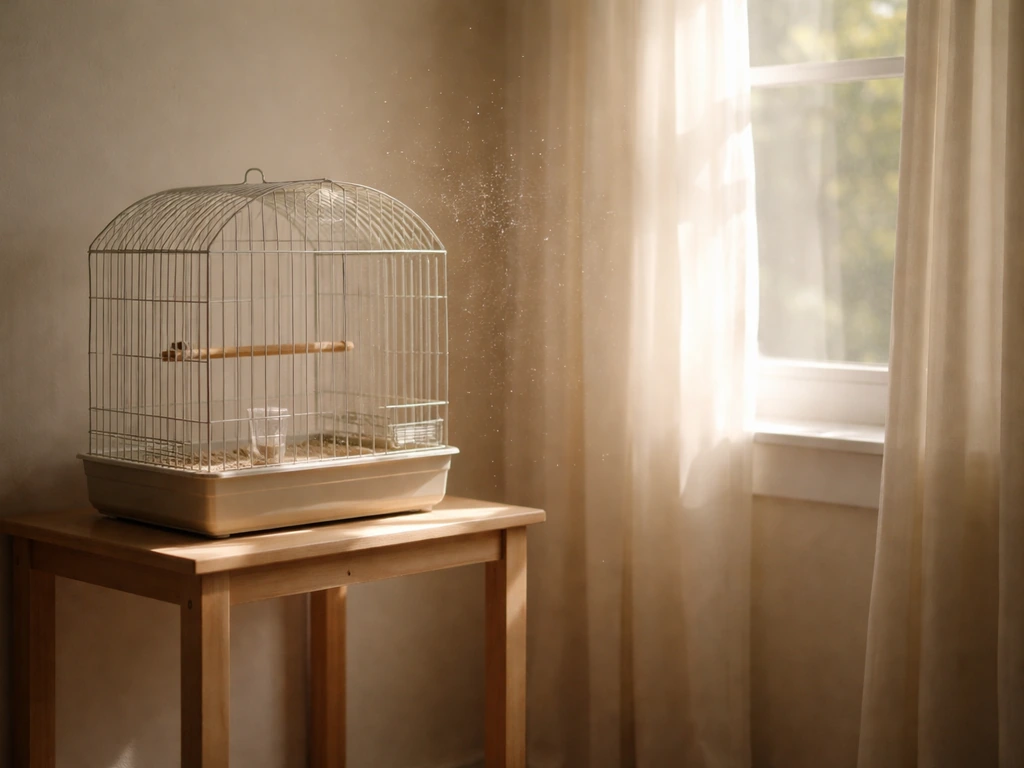
What bird dander actually is (and what else is usually mixed in)
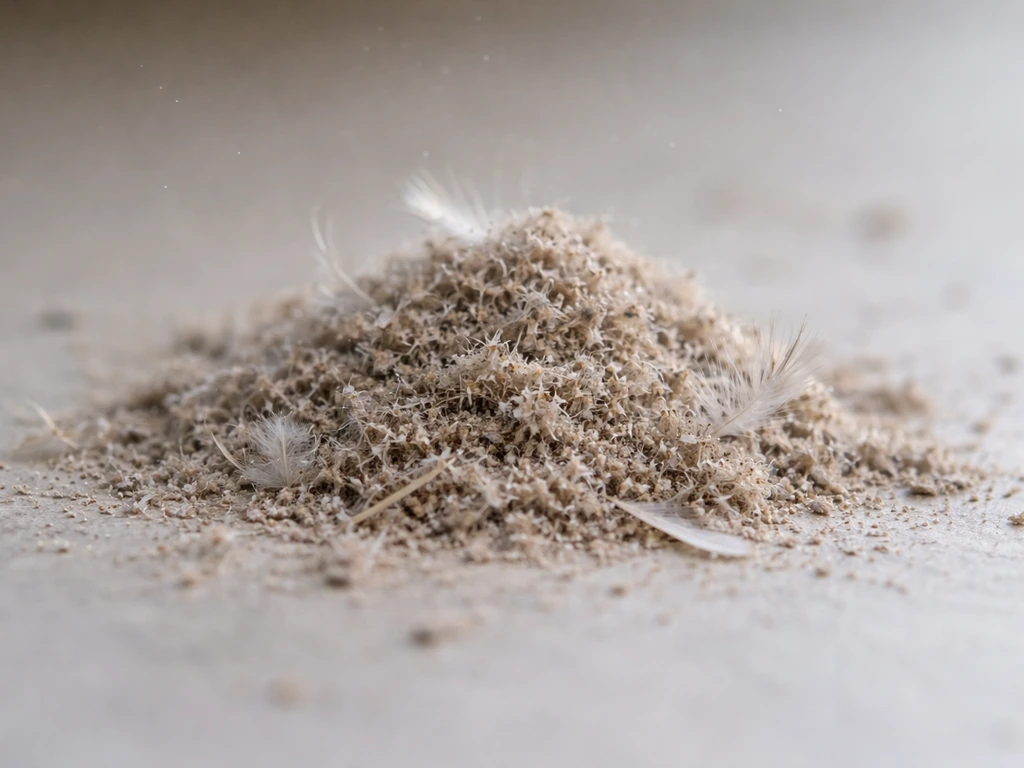
When people say 'bird dander,' they usually mean the microscopic skin flakes and feather dust that birds shed continuously. But in practice, what you're breathing around a bird is a mixture of several things: skin cells, feather powder (especially from parrots and cockatiels, which produce a fine white feather dust), dried proteins from saliva, and particles from droppings. That last one matters a lot. Dried bird droppings contain proteins and antigens that are tiny enough to become airborne and be inhaled deep into the lungs. So when researchers and doctors talk about 'avian antigens,' they're referring to a combination of all this material, not just skin flakes alone.
Feathers by themselves are less of a problem than the dust that comes off them. It's the microscopic protein-laden particles, invisible to the naked eye, that cause the most harm. This is important because a lot of people assume that if they can't see visible feathers floating around, the air is clean. It isn't. The particles that cause allergic lung disease are so small you'd never notice them without specialized air monitoring equipment.
How bird dander can affect your health
Allergies and asthma
The most common health effect is straightforward allergic disease: sneezing, a runny or stuffy nose, itchy eyes, and skin irritation after contact with birds or their environment. If you have asthma, bird dander can trigger wheezing and shortness of breath. These responses happen because your immune system identifies bird proteins as foreign invaders and mounts a reaction. This kind of allergy is unpleasant but manageable, and symptoms usually clear up once you leave the exposure environment.
Hypersensitivity pneumonitis (bird fancier's lung)
The more serious condition is hypersensitivity pneumonitis, also called bird fancier's lung or pigeon breeder's disease. This is not a simple allergy. It's an inflammatory reaction deep in the lung tissue caused by repeatedly inhaling avian antigens from bird droppings and feathers. According to the NIH, acute attacks typically begin about 4 to 6 hours after intense exposure and may last from 12 hours to several days if you remove yourself from the source.
The Merck Manual Professional Edition notes that acute hypersensitivity pneumonitis symptoms can occur about 4 to 8 hours after exposure and may include fever, chills, cough, chest tightness, and dyspnea acute attacks typically begin about 4 to 6 hours after intense exposure. Symptoms can look a lot like pneumonia: fever, chills, muscle aches, cough, and shortness of breath.
Many people get misdiagnosed with a respiratory infection before anyone thinks to ask about bird contact.
If hypersensitivity pneumonitis is not caught and treated, it can progress to a chronic form that causes permanent lung scarring, pulmonary hypertension, and eventually heart failure. This is why it's critical not to dismiss recurring respiratory symptoms in anyone who lives or works with birds.
Irritation without immune reaction
Even people who are not allergic and do not develop hypersensitivity pneumonitis can experience throat and airway irritation from high concentrations of bird dust. This is a non-immune, mechanical irritation, similar to being in a dusty environment. It doesn't lead to the serious lung conditions described above, but it's still a good reason to keep bird areas well-ventilated.
Who is most at risk
Not everyone around birds will develop a problem, but certain groups face a meaningfully higher risk.
- People with existing allergies or allergic asthma: sensitization to bird proteins can happen faster and reactions can be more severe.
- Immunocompromised individuals: a weakened immune system can respond unpredictably to repeated antigen exposure.
- Children: developing lungs and immune systems make them more vulnerable to respiratory irritants and allergens.
- Bird breeders, pigeon racers, and poultry workers: chronic high-level exposure is where bird fancier's lung most commonly develops.
- People in small, poorly ventilated spaces with multiple birds: the concentration of airborne particles in an enclosed environment accelerates sensitization.
- Older adults: reduced lung reserve means respiratory effects hit harder.
- Professionals in aviation or pest control who regularly encounter bird debris, droppings, or nesting material in confined spaces.
Exposure becomes a real problem when it is chronic (daily or near-daily), high-concentration, or occurs in a space with poor airflow. A single visit to a friend's house with a parakeet is unlikely to cause lasting harm in a healthy adult. Living with four cockatiels in a small apartment for years without filtration or cleaning is a different situation entirely.
How to tell if your symptoms are from birds and not something else

Timing is the best clue. Classic hypersensitivity pneumonitis symptoms appear 4 to 6 hours after exposure and ease when you leave the environment. If you notice you feel worse at home (where you keep birds) and better when you're away for a day or two, that pattern points strongly to bird antigens. Allergy symptoms like sneezing and itchy eyes tend to appear more quickly, within minutes to an hour of contact.
Bird-related symptoms can easily be confused with common colds, seasonal allergies, dust mite allergy, or mold exposure. The key differentiating questions are: Does it improve when you leave the bird environment for 48 or more hours? Does it worsen after you clean the cage or bird area (when dust gets stirred up)? Have you been living or working with birds for months or years?
If the answers are yes, birds are a plausible cause and worth investigating properly. A doctor evaluating possible bird fancier's lung will typically take a detailed exposure history alongside chest imaging and lung function tests, and may order blood tests for specific avian antibodies. If you are worried about whether avian exposures are safe for you, an allergist or pulmonologist can help you judge the risk for your situation doctor evaluating possible bird fancier's lung.
It's also worth noting that some bird-related health risks come from sources other than dander specifically. Bird saliva and droppings carry their own hazards. Bird saliva can also carry proteins that contribute to these bird-related health risks, so it should not be ignored when assessing exposure. If you're curious about those distinctions, the evidence around bird saliva and dander-adjacent exposures is worth examining separately.
What to do right now if you think you've been exposed
- Increase ventilation immediately: open windows, run exhaust fans, and get fresh outdoor air moving through the space where birds live.
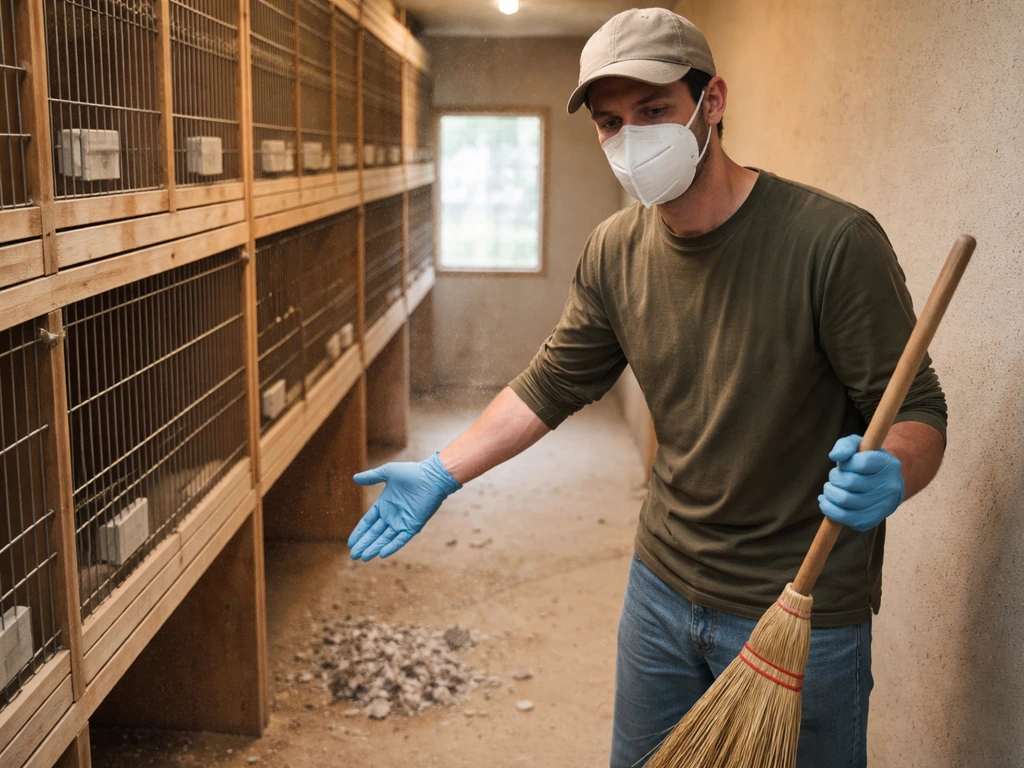
- Don't dry-sweep or vacuum without a HEPA filter: disturbing accumulated bird dust without proper filtration just re-aersolizes the particles and increases your inhalation dose.
- Wear an N95 or FFP2 mask if you need to clean: a basic dust mask is not enough for fine avian particles.
- Move the birds to a separate room or area if your symptoms are significant, especially if you have asthma or existing lung conditions.
- Seek medical attention if you have fever, chills, shortness of breath, or chest tightness within hours of bird exposure: these are not just allergy symptoms and should be evaluated promptly.
- Keep a symptom diary with dates and times relative to bird contact, which will be genuinely useful to any doctor you see.
Cleaning and prevention methods that actually work
Air filtration
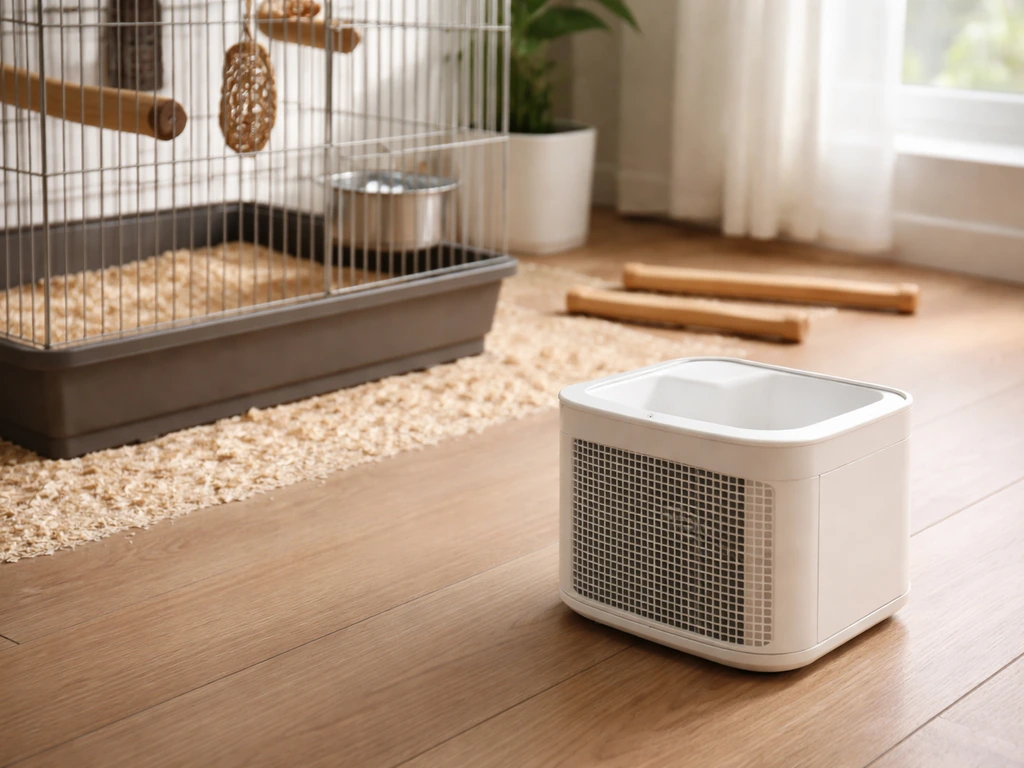
HEPA air purifiers are the most evidence-supported tool for reducing airborne bird dander and particle concentration. Place a HEPA unit in the room where birds are kept and run it continuously, not just when you're cleaning. The US EPA acknowledges that air cleaners with high-efficiency filtration can reduce exposure to animal dander and other fine particles, though they work best as part of a broader strategy, not as a standalone fix. Change or clean filters on schedule: a clogged filter recirculates particles instead of capturing them.
Ventilation
Fresh outdoor airflow dilutes airborne allergen concentration. If weather permits, keep a window cracked near the bird area. Avoid keeping birds in rooms with central forced-air heating and cooling without upgrading to high-MERV filters in the ductwork, since standard furnace filters do almost nothing to capture fine avian particles. The US EPA advises that when upgrading home HVAC filtration, you should choose a filter with at least a MERV 13 rating, as practical limits allow upgrading to high-MERV filters.
Cleaning routine
- Clean cages and perches regularly (at least twice a week for small birds, daily for larger, dusty species like cockatiels or African greys).
- Wet-wipe surfaces rather than dry-dusting: a damp cloth captures particles instead of launching them back into the air.
- Use a vacuum with a HEPA filter for floors and upholstery near the bird area.
- Wash your hands and change clothes after handling birds or cleaning their habitat, especially before touching your face.
- Keep food and water dishes clean to reduce mold and bacterial growth, which adds to the total airborne burden.
Humidity and aviary management
Moderately higher humidity (around 40 to 50 percent) helps heavier particles settle faster instead of staying airborne. But don't push humidity too high: over 60 percent promotes mold growth, which adds a second class of respiratory allergen to the mix. If you keep birds outdoors or in a dedicated aviary, that setup naturally reduces indoor exposure significantly compared to free-roaming house birds.
Medical evaluation and allergy testing
If you are a regular bird owner or worker and you have any recurring respiratory symptoms, it's worth getting an allergy evaluation. Specific IgE blood tests for common avian antigens (pigeon serum, parakeet feathers, etc.) can identify sensitization before symptoms become severe. For anyone already diagnosed with or suspected of having hypersensitivity pneumonitis, this is not optional: ongoing untreated exposure leads to irreversible damage.
Myths vs. facts about bird dander
| Myth | Reality |
|---|---|
| Bird dander is toxic to everyone who breathes it. | It's an allergen and antigen, not a toxin. It causes harm in susceptible individuals through immune reactions, not chemical poisoning. |
| If you have no symptoms, you're not being affected. | Sensitization can build silently over months or years before symptoms appear. No symptoms right now doesn't mean exposure is harmless long-term. |
| Bird dander causes infections by default. | Dander itself doesn't cause infections. Droppings can carry pathogens like Chlamydia psittaci (psittacosis) or Histoplasma, but these are separate issues from dander allergy. |
| Washing the bird regularly eliminates the dander problem. | Bathing helps a little, but the proteins that cause reactions come from the bird's biology continuously. No amount of washing eliminates the antigen source entirely. |
| Only bird breeders with hundreds of birds get bird fancier's lung. | Even a single pet bird kept in a small, unventilated space can cause hypersensitivity pneumonitis in susceptible individuals over time. |
| Air fresheners and regular vacuuming are enough to manage bird dander. | Standard vacuums without HEPA filtration and air fresheners do nothing to reduce fine airborne particles. They may actually make things worse by stirring up settled dust. |
When to see a doctor
See a doctor promptly if you experience shortness of breath, fever, chills, or chest tightness that appears hours after being around birds, especially if it happens more than once. These are the hallmark signs of hypersensitivity pneumonitis, not a simple cold. Also seek evaluation if you have persistent cough, nasal congestion, or eye irritation that worsens at home and improves when you travel. A pulmonologist or allergist with experience in occupational and environmental lung disease is the right specialist for suspected bird fancier's lung. Early intervention, including removing or reducing exposure, makes a significant difference in outcomes. Once chronic fibrosis sets in, the lung damage is not reversible.
Your practical next steps
If you're a pet bird owner reading this today, here's what a sensible action plan looks like depending on where you are right now.
- No symptoms, healthy adult: run a HEPA purifier in the bird room, switch to wet-wiping surfaces, and clean the cage at least twice a week. These habits prevent problems rather than waiting to react to them.
- Mild allergy symptoms (sneezing, itchy eyes): see an allergist, get tested for avian antigens, add HEPA filtration, and consider whether the bird's living space can be separated from your main living area.
- Respiratory symptoms with fever or timing that matches bird exposure: stop second-guessing it. See a doctor this week, mention your bird exposure explicitly, and request evaluation for hypersensitivity pneumonitis.
- Professional or occupational exposure (pest control, avian work, aviation maintenance): wear appropriate respiratory protection (N95 minimum), request an occupational health evaluation if exposure is regular, and push for better ventilation in work areas where bird debris accumulates.
- Immunocompromised, asthmatic, or caring for young children: consult your doctor before acquiring pet birds, and if you already have birds, get formal allergy and lung function baseline testing done now.
The bottom line is that bird dander isn't a crisis for most people, but it's not nothing either. Because bird-related particles and proteins can trigger serious lung disease, the exposure is potentially harmful to humans, especially those with allergies or asthma. The science is clear that avian antigens from dander, feather dust, and dried droppings can cause serious, progressive lung disease in susceptible people. The good news is that with the right ventilation, filtration, and cleaning habits, the risk is very manageable, and early medical evaluation catches problems before they become permanent. If you’re wondering whether can humans take bird zithro, it’s important to ask a clinician, since treatment depends on the specific condition and your medical history.
FAQ
If I don’t see feathers or dust, does that mean bird dander is not harming me?
Not necessarily. Many symptoms people blame on “dander” are triggered by avian proteins from saliva and especially dried droppings, which can stay airborne even when feathers seem under control. If your symptoms spike after cage cleaning, that often points to droppings and built-up debris more than visible feathers.
How can I tell whether my reaction is allergy versus bird fancier’s lung?
A good rule is to treat any repeating lung symptoms with a time pattern as a medical clue. Allergy-type reactions often start quickly (minutes to about an hour) and improve when you avoid the bird. Hypersensitivity pneumonitis often shows up later (about 4 to 6 hours after intense exposure) and can resemble pneumonia, with fever, chills, cough, and shortness of breath. That timing difference helps guide what to ask your clinician.
Can bird dander affect me in other rooms, or only where the bird is kept?
You may still be at risk even if you are not in the same room as the bird, because airborne particles can spread through HVAC return vents, hallway airflow, and shared ductwork. If you live with birds in a different room, pay attention to whether symptoms worsen at night or after air circulation, and consider HEPA filtration in the bedroom plus room-level airflow management.
If I only get mild symptoms, does that mean it’s safe to keep exposure going?
Yes, especially for people with asthma, known allergies, or prior episodes of unexplained pneumonia-like illness. Also, if symptoms keep returning after exposure, the risk is not “one-time.” Ongoing exposure can drive hypersensitivity pneumonitis toward chronic, irreversible scarring, even if you have no symptoms at first.
What should I do if I suspect hypersensitivity pneumonitis but I cannot fully remove the birds?
If you have hypersensitivity pneumonitis or suspected it, partial measures may not be enough. HEPA air cleaning and ventilation can reduce exposure, but the most important step is reducing or stopping the high-exposure source, particularly during flares. A clinician may also advise medications and a structured avoidance plan, especially if tests suggest sensitization.
Do HEPA air purifiers still work if I don’t change filters on time?
Change-out delays matter. When HEPA filters get overloaded or clogged, they can keep circulating fine particles instead of capturing them efficiently. Use your purifier’s maintenance schedule, and if you have frequent cleaning of the cage, plan for more frequent filter checks and consider a pre-filter if the unit supports it.
Is upgrading my HVAC filter enough to reduce bird dander exposure?
Don’t rely on standard furnace filters for fine airborne particles from birds. If you use central forced-air, ask about upgrading to a high-MERV setup compatible with your system, and ensure the ducts are not pulling from dirty return areas. For symptom control, room-level HEPA in the bird area and your main living spaces is usually more directly helpful than HVAC-only filtration.
Can using a humidifier make bird dander risk better or worse?
It can. Higher humidity (roughly 40 to 50 percent) can help heavier particles settle, but too much moisture increases mold risk, which can add another respiratory trigger and confuse the picture. If you use a humidifier, monitor with a hygrometer and avoid prolonged indoor humidity above about 60 percent.
Should I see a doctor even if symptoms go away when I leave home?
If you have recurrent symptoms that improve when you’re away for 2 days or more, that pattern is useful, but it does not replace diagnosis. Seek medical evaluation if symptoms recur after bird contact, especially with breathing difficulty, chest tightness, fever, or chills. For suspected sensitization, clinicians can evaluate with lung function and chest imaging, and they may consider specific antibody testing.
Why do my symptoms flare up most when I clean the cage, and what’s the safest way to clean?
Some people react more during cleaning because agitation sends dust and dried material into the air. To reduce this, avoid dry sweeping, wear a well-fitting respirator (for example, an N95-class device) during tasks that stir debris, and clean in a way that limits aerosolizing particles, ideally while the HEPA purifier runs.
If dander is the concern, why do droppings and saliva matter too?
Yes. Bird saliva, proteins from droppings, and feather-associated dust can all contribute to symptoms. If you want to manage risk effectively, assess the whole “bird environment” rather than focusing on feathers only, including how bedding, cage liners, and floor areas get cleaned.