
Bird pee is not really a separate thing. Birds excrete urine and feces together as one combined dropping, so what lands on your car, shoulder, or backyard patio is a mix of both. For most healthy adults, a fresh, small splat is a low-risk nuisance rather than a medical emergency. The real danger kicks in when droppings accumulate, dry out, and get disturbed, turning into airborne dust that you or someone nearby can inhale. That's when genuine pathogens like Histoplasma fungus or the bacterium behind psittacosis become a concern.
Is Bird Pee Dangerous? Risks, Symptoms, and Safe Cleanup

Marcus Whitmore
24 Apr 2026
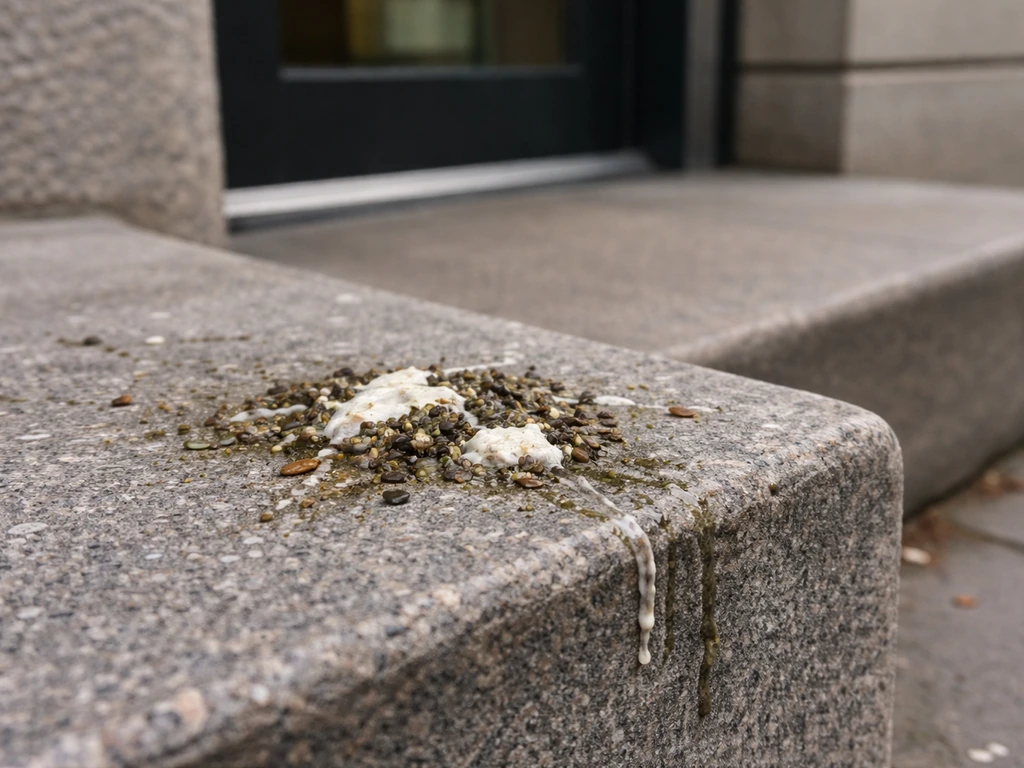
What bird pee actually is (and isn't)
Birds don't have a separate urinary tract that releases liquid urine the way mammals do. Their kidneys produce uric acid, which gets mixed with fecal material in a chamber called the cloaca and expelled as a single dropping. That white or creamy paste at the center of a bird dropping is the uric acid, which is the closest thing to 'bird urine.' There is no stream of liquid pee because birds evolved to conserve water by excreting nitrogen as solid uric acid rather than dissolved urea.
From a public health standpoint, the CDC treats bird excretions as a unified contamination source, not as something where the urine fraction matters separately from the fecal fraction. The hazard comes from what the droppings as a whole may contain: bacteria, fungi, and other pathogens that live in fecal material. So if you're wondering whether 'bird pee' specifically is the toxic part, the realistic answer is no. The whole dropping is the exposure source, and the risk level depends on how you come into contact with it.
Health risks to people: when it matters and when it doesn't
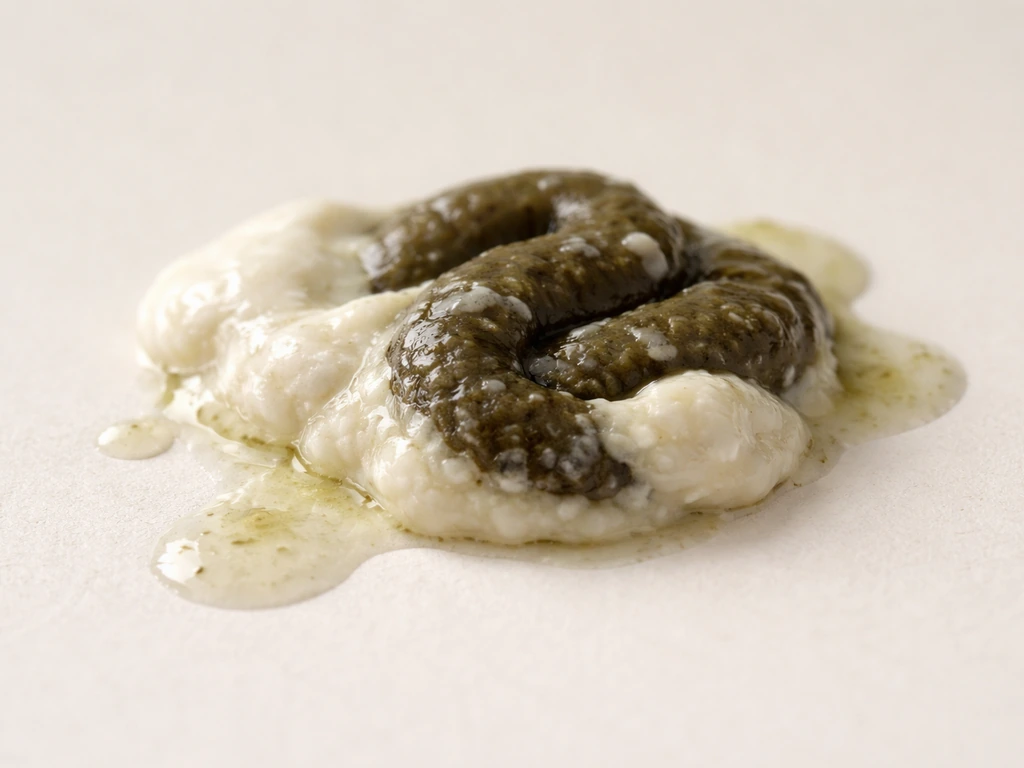
A fresh dropping on your shoulder from a passing pigeon? Wash it off and move on. The reality is that a single, isolated, fresh splat on intact skin carries very low infection risk for a healthy adult. If you are also asking whether harm from a bird is more about intent, see is drowning a bird humane as a related ethical comparison point. If you're also worried about whether bird blood is dangerous, remember the main risk is still from pathogens in contaminated material, especially when it dries or becomes aerosolized. Problems start when you're dealing with dried, dusty, accumulated droppings, especially indoors or in enclosed spaces. At that point you're looking at three main pathogens worth knowing about.
- Histoplasma capsulatum: A fungus found in soil and environmental material enriched by large amounts of bird or bat droppings. Breathing in its spores can cause histoplasmosis, a respiratory illness ranging from mild flu-like symptoms to serious lung infection.
- Chlamydia psittaci: The bacterium behind psittacosis (also called ornithosis or parrot fever). The CDC lists this as one of the most common infection risks from bird droppings, spread primarily by inhaling dust from dried secretions or feces.
- Avian influenza viruses: While bird-to-human transmission is uncommon, the CDC specifically flags fecal contamination as a surface/contact exposure route for people working around poultry or backyard flocks.
Context matters enormously here. A healthy adult cleaning a single bird cage once is not in the same risk category as a worker shoveling through years of accumulated starling or pigeon droppings in a sealed attic. Immunocompromised people, young children, and pregnant women face elevated risk at lower exposure levels, so the same situation demands more caution for them.
How droppings actually spread germs
The primary exposure route isn't touching a dropping and then getting sick through your skin. It's inhalation and mucous-membrane contact. Here's how it plays out in practice:
- Aerosolized dust: When dried droppings are swept, vacuumed, blown by wind, or disturbed during construction or cleanup, particles become airborne. Those particles can carry Histoplasma spores or Chlamydia psittaci bacteria directly into your lungs.
- Surface-to-hand-to-face transfer: Touching contaminated surfaces and then touching your eyes, nose, or mouth is a reliable secondary route, especially for bacteria.
- Contaminated water or food areas: Bird droppings near or in water sources (including backyard bird baths) can introduce pathogens into water that contacts skin, eyes, or is accidentally ingested. This connects to the broader question of whether bird bath water is safe, which has its own nuances worth examining separately.
- Splash and splatter during cleaning: Using high-pressure water to hose off droppings can create aerosol droplets that carry the same material into your breathing zone.
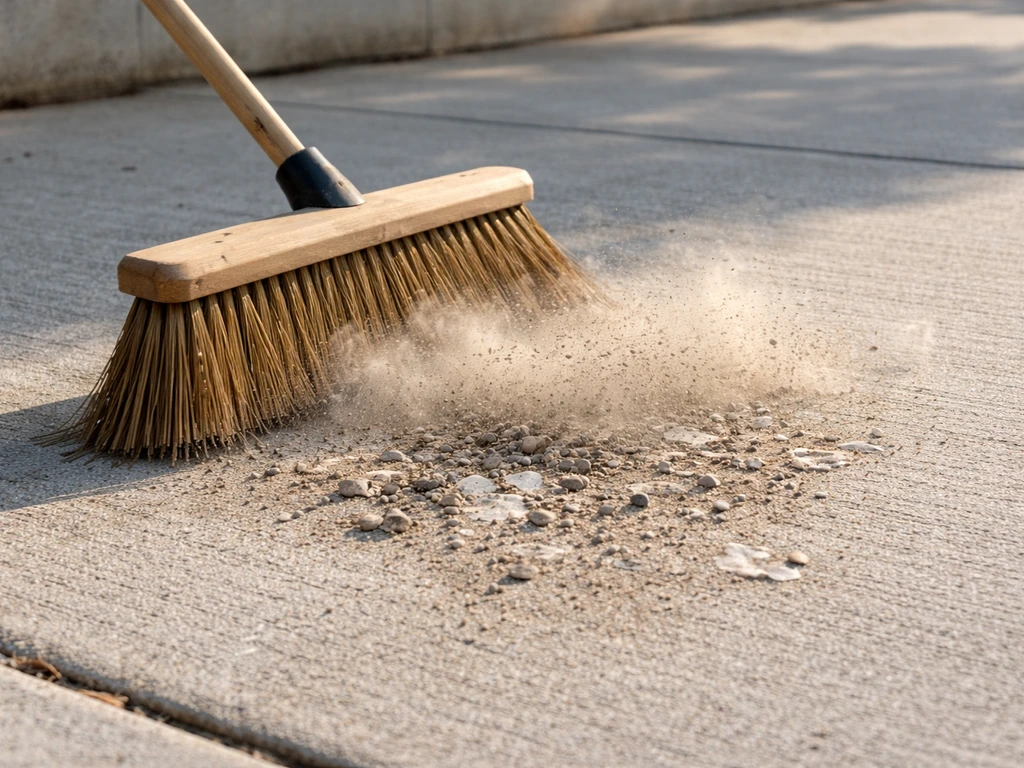
The CDC's histoplasmosis guidance specifically identifies disturbance and aerosolization as the key hazard mechanism, not passive contact. That's an important distinction. The dropping sitting undisturbed on a fence post is far less dangerous than the same dropping after someone dry-sweeps it into a cloud of dust.
Cleaning and safety steps after exposure or a spill
If you've already been exposed
- Wash the affected skin immediately with soap and water for at least 20 seconds.
- If droppings contacted your eyes, rinse thoroughly with clean running water for several minutes.
- If you inhaled dust during cleanup and develop respiratory symptoms (cough, fever, chest tightness) in the days following, note the exposure and contact a clinician.
- Remove and wash any clothing that had direct contact before wearing it again.
Cleaning up droppings safely
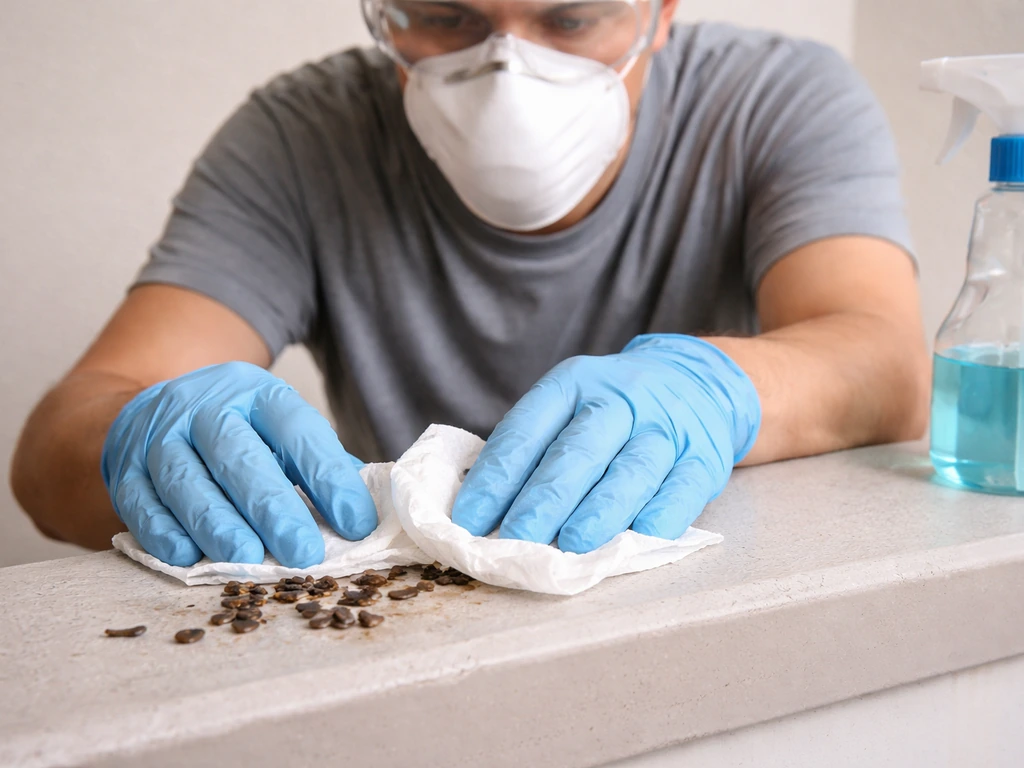
The single most important rule: do not dry-sweep or vacuum dried droppings. Both the CDC and NIOSH are explicit about this because sweeping aerosolizes the exact particles that carry pathogens. EPA explains that disinfectants work based on the product label’s contact time, and that surfaces should remain visibly wet for the required duration. Here's a step-by-step approach that keeps your risk low:
- Put on an N95 respirator (or at minimum a well-fitting face mask), disposable gloves, and eye protection before you start, especially if the area is enclosed or droppings have built up.
- Wet the droppings thoroughly with water mixed with a disinfectant before touching anything. This prevents dust from becoming airborne.
- Use a damp cloth or damp mop to collect the wetted material, working carefully to avoid splashing.
- Place collected material directly into a sealed plastic bag for immediate disposal.
- Disinfect the surface with an EPA-approved disinfectant. For bird flu risk areas, the CDC recommends one effective against influenza A viruses after you've already cleaned visible debris with soap and water.
- Remove gloves by turning them inside out, bag them, and wash your hands thoroughly.
- Ventilate the area well during and after cleaning if indoors.
For large accumulations (think attics with heavy pigeon or starling buildup, or abandoned structures), the hazard level is high enough that professional remediation with full respiratory protection is the safer call. This is not a job for a shop vac and a bandana.
Risk in specific settings
| Setting | Main Risk | Key Action |
|---|---|---|
| Home/backyard | Low for healthy adults; moderate if droppings accumulate near play areas or gardens | Wet-clean surfaces; keep feeding areas tidy; wash hands after garden contact |
| Pet birds and cages | Psittacosis risk from dried cage dust and droppings; higher with parrots and parakeets | Wet-clean cages regularly; use PPE if immunocompromised; wash hands after cage contact |
| Vehicles | Surface contamination; paint damage; low infection risk unless cleaning poorly | Wet-wipe droppings off; avoid dry brushing; wash hands after cleaning |
| Airports and aviation | Large flock concentrations create buildup; worker exposure during maintenance; bird strike hazard separate from droppings | Use full PPE during aircraft or tarmac cleaning; coordinate with wildlife management for flock control |
Aviation settings deserve a specific note. Airports deal with bird droppings both as a routine maintenance issue and as part of broader wildlife hazard management. Workers cleaning aircraft exteriors, hangars, or runways are in more frequent contact with accumulated droppings than most people, and their respiratory exposure risk is meaningfully higher. For pet owners, the risk profile is similar in some ways to the concerns around whether bird bath water or blood from birds poses additional hazards, especially when birds are sick or the environment is heavily contaminated. Bird bath water can also become contaminated if droppings get into it, which is why keeping the water clean matters.
When to see a doctor or take extra precautions
Most people who get a bird dropping on their skin and wash it off will never need medical attention. But there are specific situations where you should pay closer attention and not dismiss symptoms. The CDC notes that symptoms begin within about 5, 14 days after exposure symptoms begin within about 5–14 days after exposure. If you are wondering how absurd to swallow a bird, it's because even small exposures can become a respiratory problem when droppings are disturbed.
- Respiratory symptoms (persistent cough, shortness of breath, fever) developing within 3 to 17 days after cleaning up large quantities of dried droppings, especially in an enclosed space. This is the typical incubation window for both histoplasmosis and psittacosis.
- Eye exposure: redness, discharge, or pain after droppings or contaminated water contacts your eyes that doesn't resolve with rinsing.
- Gastrointestinal illness (nausea, diarrhea) after accidental ingestion or eating without washing hands in a contaminated area.
- Any exposure if you are immunocompromised, pregnant, elderly, or managing a chronic lung condition. These groups should consult a clinician even after seemingly minor exposures.
- Exposure to droppings from visibly sick birds, or in areas where bird flu activity has been confirmed in your region.
When you do see a doctor, tell them specifically that you had exposure to bird droppings and describe the circumstances: was it fresh or dried, indoors or outdoors, a small amount or a large accumulation, and whether you used any respiratory protection. That context helps them test for and treat the right things rather than guessing.
How to prevent contact and protect your property
Prevention is simpler than cleanup. The CDC's own guidance for histoplasmosis prevention makes the point bluntly: the best strategy is to stop droppings from accumulating in the first place. Once you have a large buildup, your options are more limited and the risk is higher.
- Block roosting spots: Use bird netting, spikes, or sloped surfaces on ledges, sills, and roof overhangs to prevent birds from settling and depositing droppings in concentrated areas.
- Keep outdoor spaces clean: Regularly wet-wipe or hose down surfaces where birds congregate before droppings dry and accumulate.
- Secure bird feeders and baths: Place them away from play equipment, gardens, and HVAC intakes. Clean them frequently (a dedicated article on bird bath water safety covers the specifics well).
- Manage pet bird cages proactively: Clean cages at least weekly with wet methods and a disinfectant safe for birds. Never let droppings dry and cake into dust.
- Wear gloves for garden work: Soil near bird roosting areas can harbor Histoplasma. Gloves and handwashing after gardening are simple barriers.
- Seal entry points: Stop birds from nesting or roosting inside attics, wall cavities, or HVAC systems by sealing gaps before birds move in.
- For aviation and large facilities: Work with wildlife management programs to reduce bird populations near aircraft operations and use appropriate PPE protocols during all maintenance cleaning involving droppings.
The bottom line is this: bird pee, understood correctly as the combined excretion birds produce, is not some uniquely toxic substance. It's a biological material that carries the same general precautions as any animal waste. Fresh, small exposures on healthy skin are low risk. If you're asking whether bird pee is stop toxic, the key idea is that the droppings as a whole can carry pathogens, especially when they dry and become airborne. Dried, accumulated droppings disturbed in an enclosed space are a genuine respiratory hazard. The gap between those two scenarios is where most of the confusion lives, and closing that gap with the right information is what actually keeps people safe.
FAQ
If bird droppings dry on my car and I wipe them later, is that more dangerous than cleaning them right away?
Yes, the risk can be higher when droppings dry because disturbance can aerosolize contaminated dust. If you must wipe later, keep the area damp (spray with water first), use disposable wipes or paper towels, and avoid dry scrubbing or aggressive brushing that can create a cloud of particles.
Can I get sick just from touching wet bird poop with my bare hands?
In most healthy adults, brief contact with a small amount is unlikely to cause infection by itself, because the main hazard is inhaling or contacting contaminated aerosols. Still, wash hands thoroughly and avoid touching your eyes, nose, or mouth until you do, since transfer from hands to mucous membranes is the common pathway.
What should I do if bird droppings got on my food or kitchen surfaces?
Treat it like other animal contamination: remove any visible droppings carefully, then clean surfaces with detergent and water, followed by a disinfectant appropriate for that surface. Wash utensils and hands right away, and do not dry-wipe before cleaning because you can spread dried particles.
Is it safe to use a leaf blower, pressure washer, or shop vac on dried droppings?
Avoid methods that aerosolize or blast dried material. A pressure washer can create a fine mist, and a shop vac can kick up airborne particles from the debris. For heavy contamination, dampen first or use professional remediation, and wear appropriate respiratory protection if you are handling anything that may release dust.
How can I tell whether my exposure was the low-risk type or the higher-risk type?
Low-risk is a fresh, isolated splat on intact skin, cleaned soon and without stirring dust. Higher-risk is dried, accumulated droppings, especially indoors or in enclosed spaces, or any situation involving sweeping, dry brushing, vacuuming, or ventilation disruption.
What symptoms should make me consider medical advice after exposure to bird droppings?
If you develop persistent fever, cough, shortness of breath, chest pain, or flu-like symptoms after being around disturbed, dried droppings, contact a clinician. Immunocompromised people, young children, and pregnant people should be more cautious and seek advice sooner rather than waiting.
If I already cleaned the droppings without a mask, do I need to worry?
Not automatically, but evaluate the scenario. One small fresh cleanup on a balcony or car is usually low risk. Concern is higher if you disturbed large, dried accumulations indoors or used dry-sweeping or vacuuming, because that increases airborne exposure.
Does wearing gloves mean I can skip handwashing?
No. Gloves protect your skin from direct contact, but they can still pick up contaminated material and transfer it to other surfaces or your face. Remove gloves carefully and wash hands with soap and water afterward.
Are there special precautions for people with asthma, COPD, or weakened immunity?
Yes. People with chronic lung conditions or suppressed immune systems should treat aerosolization risk as more serious. If droppings are dried and accumulated, the safest route is to reduce disturbance, use proper respiratory protection, or hire professionals instead of DIY cleanup.
Should I remove bird droppings from my bird bath or fountain differently than from other surfaces?
Yes. Bird bath water can become contaminated if droppings get into it. Drain and clean the basin and surrounding area, remove any droppings promptly, and avoid splashy cleaning that can spread material through the air. Refill with clean water and keep the area protected from frequent new contamination.