
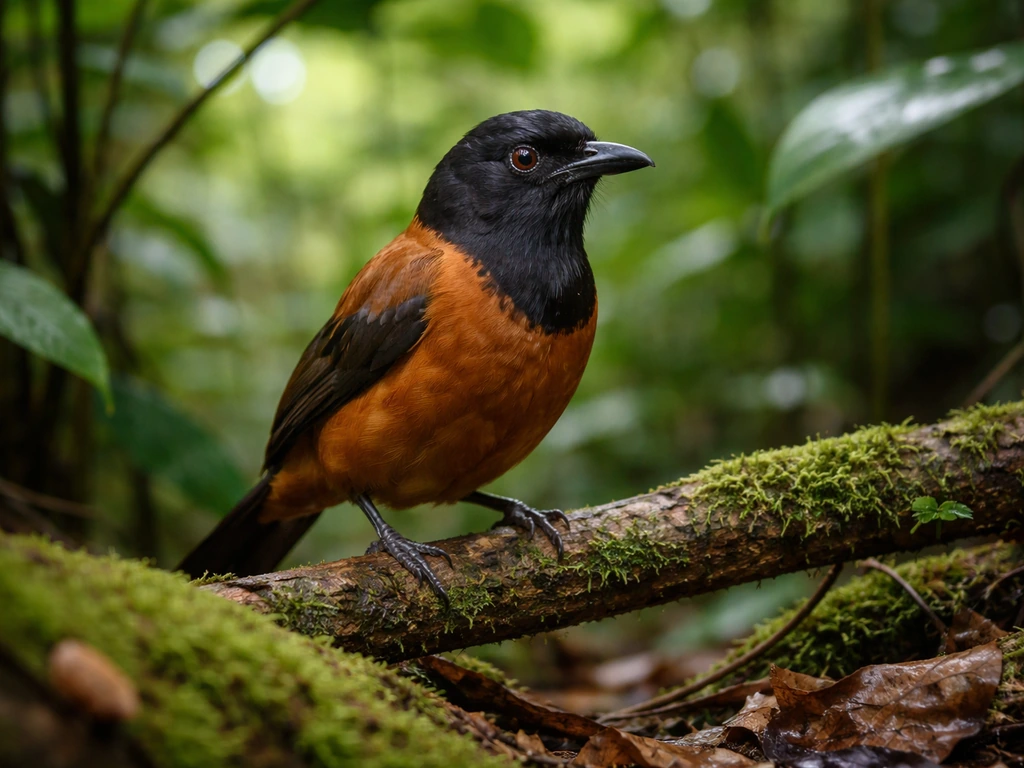
The short answer: only a small handful of bird species are genuinely poisonous, and none of them live in your backyard. The best-documented poisonous birds in the world are the hooded pitohui (Pitohui dichrous) and the blue-capped ifrit (Ifrita kowaldi), both native to New Guinea. Several other pitohui species carry lower levels of the same toxins. These birds have batrachotoxin-family compounds concentrated in their skin and feathers. Touching them can cause numbness and tingling; eating them would be far more dangerous. That's it. There is no poisonous bird secretly lurking in North America, Europe, or Australia waiting to harm you. If you're worried about a bird you found or handled, keep reading, because the practical guidance matters more than the species list.
What Bird Is Poisonous? Species, Risks, and Safe Next Steps

Poisonous, venomous, or just dangerous: what's the difference?
These three words get mixed up constantly, and the distinction is not just semantic. It changes how you assess risk and what you do about it. A poisonous animal harms you when you touch or ingest it. A venomous animal actively delivers toxins into your body through a bite, sting, or similar injection mechanism. Because the scientific community has not found a true venom-delivery bird, the risk discussion usually centers on poisonous birds instead venomous animal actively delivers toxins. Dangerous just means it can hurt you, through aggression, disease, impact, or any other means. Birds with batrachotoxins in their feathers and skin are poisonous in the strict sense. They don't inject anything. You get exposed by handling them. No known bird has a true venom-delivery structure, which is why the scientific community consistently classifies toxic birds as poisonous rather than venomous. The question of whether any venomous bird exists is actually a separate and interesting debate in avian biology, but for this article the focus is on birds that can harm you through contact or ingestion.
Dangerous birds are a much broader category. Cassowaries can disembowel you with a kick. Ostriches have broken bones with theirs. Aggressive raptors defend nests by striking. None of that is toxicity. If what you're looking for is the most physically aggressive birds, that's a separate topic entirely. Here, the focus stays on chemical toxicity: actual compounds in bird tissues that can cause biological harm.
The birds that are actually poisonous
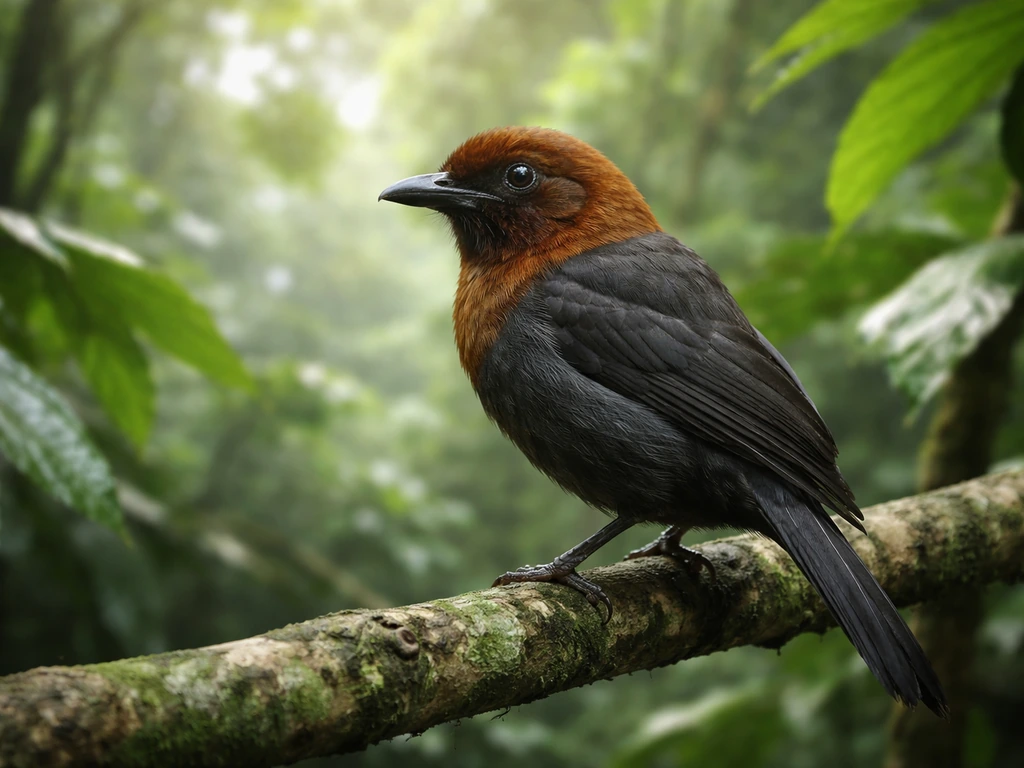
The foundational science here comes from a 1992 study by Dumbacher and colleagues, who identified homobatrachotoxin (a compound in the batrachotoxin family) in Pitohui tissues. This was the first chemically confirmed case of a poisonous bird. Later work using HPLC-mass spectrometry confirmed the same class of toxins in a second genus, Ifrita kowaldi. These aren't folk beliefs or unconfirmed reports. The compounds were isolated, identified, and measured. Peer-reviewed review papers published in ornithology and chemical ecology journals now treat this as settled science.
| Species | Location | Toxin | Primary toxic tissues | Risk level to humans |
|---|---|---|---|---|
| Hooded pitohui (Pitohui dichrous) | New Guinea | Homobatrachotoxin (batrachotoxin family) | Skin and feathers (highest), muscle and organs (lower) | Moderate on contact; high if ingested |
| Variable pitohuis (P. kirhocephalus, P. uropygialis, others) | New Guinea | Batrachotoxin-family alkaloids | Skin and feathers | Lower than hooded pitohui but confirmed |
| Blue-capped ifrit (Ifrita kowaldi) | New Guinea | Batrachotoxin-family alkaloids | Skin and feathers | Comparable to pitohuis; confirmed by HPLC-MS |
| Rusty pitohui (Melanorectes nigrescens) and crested pitohui (Ornorectes cristatus) | New Guinea | Batrachotoxin-family alkaloids (lower levels) | Skin and feathers | Low; minor contact risk |
| Other bird species outside New Guinea | Global | None confirmed at comparable levels | N/A | No confirmed chemical toxicity |
The toxin concentration matters. That is why truly “worst bird parents” are the ones who ignore early warning signs after handling a bird and still let pets or kids touch it The toxin concentration matters.. Research confirmed that skin carries the highest homobatrachotoxin levels, followed by feathers. Muscle and organs contain much lower amounts. This pattern supports the idea that toxicity functions as a chemical defense against predators and ectoparasites, not as a weapon the bird actively deploys. The birds don't produce these toxins themselves. Evidence strongly points to dietary sequestration: the birds likely acquire batrachotoxin-family compounds from specific beetles and other invertebrates in their diet, then store them in skin and feathers. It's the same mechanism used by poison dart frogs, which lose their toxicity when raised in captivity on a different diet.
Why don't these birds poison themselves?
This is a reasonable question and it comes up often. Batrachotoxins work by binding to sodium ion channels in nerve and muscle cells, disrupting electrical signaling and potentially causing numbness, convulsions, paralysis, or cardiac failure at high doses. The birds that carry these toxins appear to have biological resistance mechanisms, likely involving mutations or modifications in the sodium channel proteins that prevent the toxin from binding effectively in the bird's own tissues. Researchers have described similar tolerance adaptations in other animals that sequester potent toxins. So the short version is: these birds evolved a way to store the compound without it harming them, while it still deters anything that tries to eat them.
What actually happens if you touch or eat one
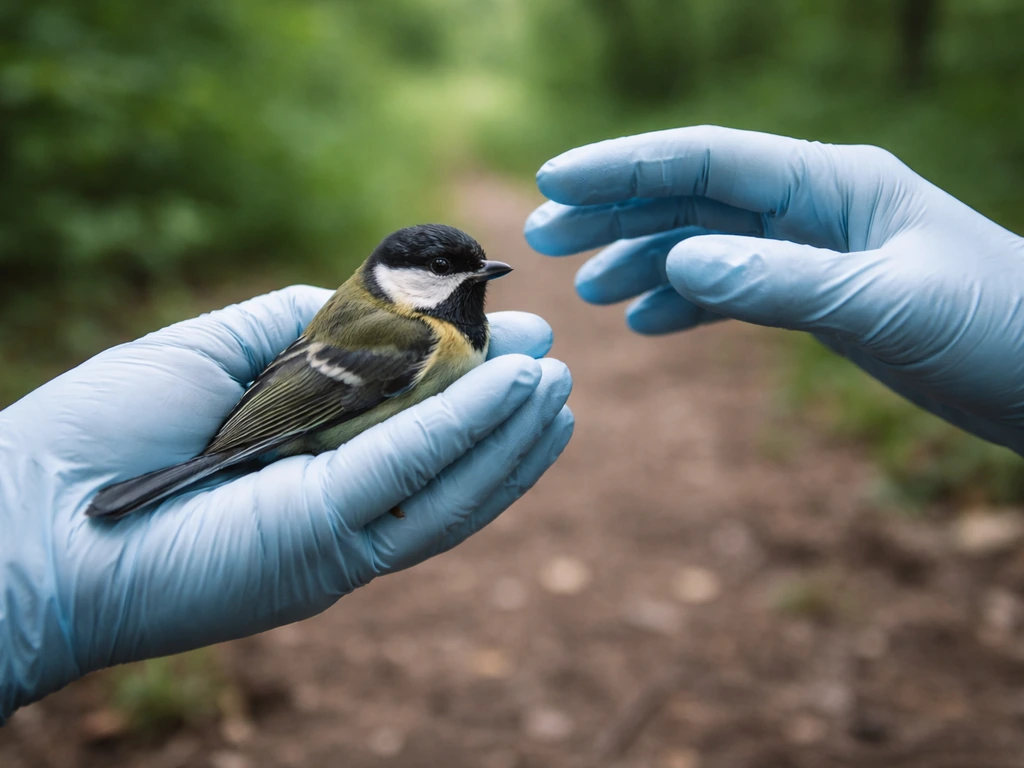
For most real-world encounters, the risk is skin contact. Field observers handling pitohuis have reported numbness and tingling in the hands after contact, consistent with low-level batrachotoxin exposure through skin. This matches the toxin's mechanism: sodium channel disruption at the nerve endings closest to exposure. The symptoms are unpleasant but generally resolve without lasting harm at the exposure levels typical of casual handling. The skin carries the highest toxin concentration, so rubbing your eyes or putting your hands near your mouth after handling a pitohui would be a worse outcome than simply touching one.
Eating a pitohui is a different calculation. Local New Guinean communities have historically known these birds are problematic to eat and have developed preparation methods (apparently including extended cooking and removal of skin) to reduce toxicity. At ingested doses, batrachotoxin-family compounds are genuinely dangerous. They are described in the toxicology literature as being far more potent than cyanide on a per-weight basis, though that comparison only matters at doses relevant to consumption. For context, casual handling does not deliver anywhere near ingestion-level doses.
For pet owners, the realistic concern is not that a pet bird they bought is a pitohui. These birds are not commercially available in the pet trade in Western countries. However, the Bird Conservation International literature does flag that pitohuis have occasionally been sold or kept as pets in some areas near their range, with handling risk for both owners and other animals. If you keep exotic birds and are uncertain about a species, the answer is to consult an avian vet who specializes in exotic species, not to try to self-diagnose toxicity.
Common myths worth clearing up
The biggest myth is that colorful birds are poisonous. This is pure folklore with no scientific basis. Many of the world's most brilliantly colored birds, including parrots, toucans, and birds of paradise, have zero confirmed chemical toxicity. Color in birds is about mate selection, species recognition, and sometimes camouflage. It is not a reliable indicator of toxicity. The only birds confirmed to carry batrachotoxin-family compounds are specific species from New Guinea, and they are not the most dramatically colored birds in their ecosystem.
Another persistent myth: if birds are dying in your yard, they must have been poisoned by something toxic in another bird. The reality is that wild bird deaths are almost always caused by disease (including avian influenza, West Nile virus, and salmonellosis), window strikes, cat predation, environmental contaminants like pesticides, or starvation. The idea that one poisonous bird is killing others is not how avian toxicity works. Pitohuis use their toxins passively as a deterrent, not as an active weapon against other birds.
A third myth: aggressive birds are often labeled "poisonous" in popular conversation. An owl that dive-bombs your head during nesting season is not poisonous. A goose that chases you across a parking lot is not poisonous. Aggression and chemical toxicity are entirely separate biological traits. Conflating them creates unnecessary fear and doesn't help anyone respond appropriately to either situation.
Finally, some online content has tried to expand the list of "poisonous birds" to include common species like certain swifts or parrots. As of now, there is no peer-reviewed chemical evidence for batrachotoxin-level compounds in any bird outside the documented New Guinean genera. Claims about other species being poisonous should be treated with skepticism unless backed by actual chemical analysis.
What to do when you find a bird (step by step)
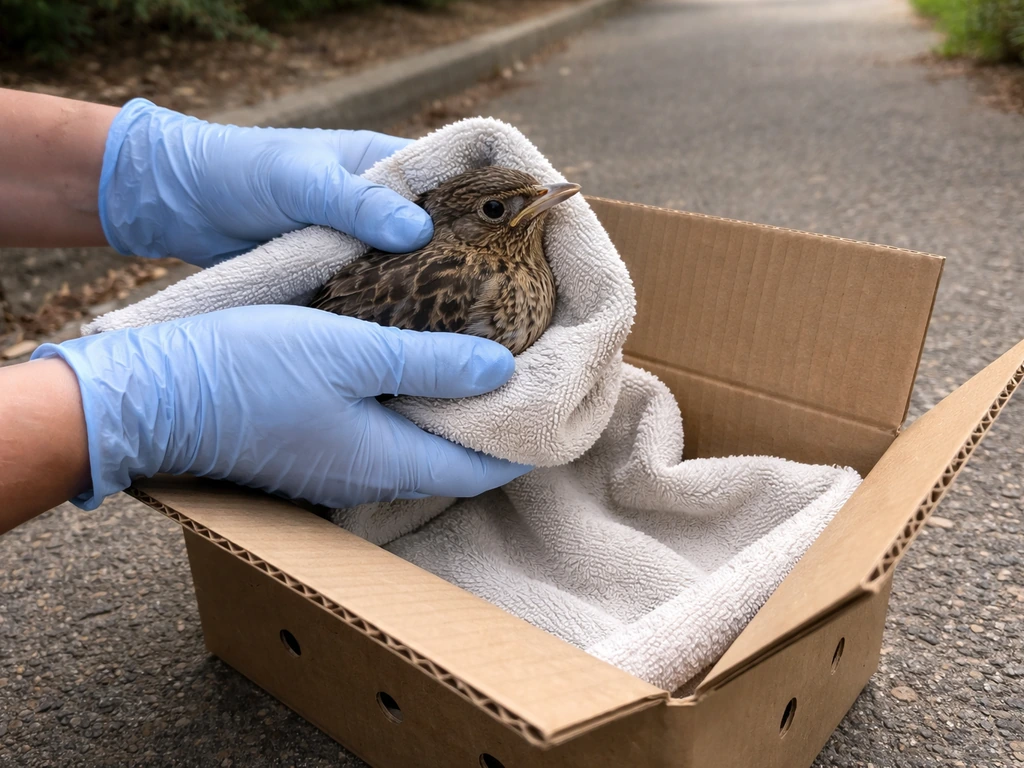
If you find a sick, injured, or dead bird, the practical guidance is the same whether or not you're worried about toxicity, because the real risks from wild birds are almost always disease and contamination, not batrachotoxins. The CDC advises that if you find a sick or dead bird in your yard, avoid bare-handed contact when handling it and do not touch it directly sick, injured, or dead bird.
- Do not touch the bird with bare hands. This applies to any wild bird, not just potentially toxic species. Use disposable gloves if you must handle it.
- Keep pets and children away from the bird immediately. Dogs and cats that mouth or eat dead birds can pick up pathogens far more reliably than they could be harmed by bird toxins.
- If you've already touched it: wash your hands thoroughly with soap and water. If you touched your face, eyes, or mouth before washing, note the timeline and what contact occurred.
- If the bird is dead: double-bag it in plastic bags and dispose of it, or contact your local animal control or wildlife authority about proper disposal. Some diseases (avian influenza, for example) require reporting.
- If the bird is alive but sick or injured: do not attempt to rehabilitate it yourself. Contact a licensed wildlife rehabilitator. The National Park Service recommends reaching out to the appropriate wildlife coordinator rather than handling sick birds.
- If you believe you had significant exposure to a truly toxic bird (which, realistically, means you were in New Guinea handling pitohuis): call Poison Control immediately. In the US, that number is 1-800-222-1222.
- Disinfect any surfaces, shoes, or gear that may have come into contact with droppings, blood, or feathers.
For aviation and field professionals who may encounter birds in remote or international settings: the same PPE principles apply. Disposable gloves and avoiding touching eyes and mouth after any bird contact are the baseline. If you're working in or near New Guinea and handle local passerines as part of wildlife surveys, flag any tingling or numbness in your hands and treat it as a potential exposure to batrachotoxin-family compounds.
Practical safety for homes, pet owners, and field workers
For most people in North America, Europe, or Australia, the day-to-day safety picture around birds has nothing to do with chemical toxicity. For the specific question of the best bird poison, this article focuses on batrachotoxin-family compounds found in a small set of New Guinean species chemical toxicity. The real risks are zoonotic disease from droppings and feathers (Salmonella, Histoplasma, Chlamydia psittaci in parrots), physical injury from aggressive species during nesting season, and contamination from pesticide-exposed carcasses. Managing those risks is straightforward.
- Wash hands after cleaning bird feeders, baths, or cages. CDC guidance is explicit on this for reducing infection transmission.
- Wear an N95 mask when cleaning up large accumulations of dried bird droppings, particularly in enclosed spaces like attics where Histoplasma can become airborne.
- If you keep pet birds, schedule regular vet checks with an avian specialist who can screen for pathogens like Chlamydia psittaci, which is transmissible to humans.
- Don't feed wild birds by hand in ways that could lead to bites or scratches, which are more likely to transmit bacteria than any toxin.
- For field and aviation professionals working near bird strike zones or roosting areas: standard PPE (gloves, eye protection where appropriate) during any hands-on bird removal is sufficient for the real biological risks involved.
- If you're importing or keeping exotic birds sourced internationally, verify species identification and consult an avian vet before handling extensively. This is both a biosecurity issue and, for New Guinean species, a genuine toxicity consideration.
When to call a professional
Call US Poison Control (1-800-222-1222) immediately if: you handled a bird and are experiencing numbness, tingling, nausea, or any neurological symptoms; a child or pet ingested any part of a wild bird; or you have any reason to believe you had contact with a species known to carry batrachotoxins. Poison Control handles questions about skin contact, ingestion, inhalation, and eye exposure, not just swallowing. They can triage whether you need to go to an emergency room or monitor at home. Don't wait to see if symptoms worsen before calling.
Call a licensed wildlife rehabilitator or your local animal control agency if you find a sick or injured bird and need it handled safely. In the US, the NPS and most state wildlife agencies maintain lists of licensed rehabilitators. Do not attempt to rehabilitate a wild bird yourself, both because it's often illegal without a permit and because the disease risk to you and to the bird is real.
Call an avian veterinarian if your pet bird shows signs of illness after any contact with wild birds, or if you have any concern about species identification for an exotic bird in your care. An avian vet is the right expert for species-specific toxicity questions about captive birds, not a general-practice veterinarian.
For aviation or wildlife professionals dealing with bird strike events or large-scale bird removal: escalate to a wildlife health specialist or your agency's wildlife services coordinator if you encounter unusual patterns of bird mortality or need to handle large numbers of birds. Standard occupational health guidance applies: document any direct exposures, use appropriate PPE, and report concerns through your organization's health and safety channels.
FAQ
If I touched a wild bird and my fingers feel tingly, what should I do right away?
Wash with running water and soap, avoid touching your eyes or mouth, remove any contaminated gloves or clothing, and call Poison Control if neurological symptoms persist or spread. Tingly or numb feeling after contact is the key “action” symptom, even if you do not have visible injury.
Does blotting or disinfecting the skin help if I suspect batrachotoxin exposure?
Rinse and wash are the priority, use mild soap, and do not rely on alcohol or harsh chemicals as a substitute for washing. If symptoms start, call Poison Control, because the important factor is exposure reaching sensitive areas like eyes or mucus membranes.
Can a poisonous bird harm me if I only see it, or if a feather touches me?
Mere viewing is not a risk. Brief contact with feathers or skin is lower exposure than handling the live bird, but it still can be relevant if material gets onto your fingertips, then into your eyes or mouth. Treat any skin contact the same basic way: wash, do not touch your face, and escalate if symptoms develop.
What if my pet cat or dog killed or chewed a bird, could that transfer toxins?
Potential poisoning from batrachotoxins would be unlikely outside the known New Guinea species, but you should still treat it as a medical risk because bites create other hazards (bacteria, parasites, toxin from ingested tissues if applicable). Rinse your pet’s mouth area if you can do so safely, call your veterinarian for guidance, and watch for abnormal salivation, vomiting, or weakness.
I found a dead bird, how do I handle it without worrying about “poison”?
Assume disease or contamination until proven otherwise. Wear gloves, avoid touching your face, double-bag the carcass, and contact local wildlife authorities. Do not assume poisoning by another bird, most mass or sudden deaths are driven by disease, predators, trauma, or environmental exposure.
Are bright, colorful birds poisonous?
Color is not a reliable indicator. Many vividly colored species have no confirmed chemical toxicity, and the documented poisonous birds are from specific New Guinea genera. If you are evaluating a bird you found, focus on behavior and safer handling, not appearance.
Is there any poisonous bird risk from feeding birds in my backyard?
The “poisonous bird” risk is not expected in backyard feeding, since the confirmed chemical-toxicity species are not those commonly present in North America, Europe, or Australia. If you are concerned about backyard risk, the more realistic issues are disease spread via droppings, contaminated feeders, and physical injuries from aggressive species.
How should I clean up after handling a suspicious bird for a photo or ID?
Wash hands thoroughly, sanitize any surfaces that contacted the bird or its feathers, and launder clothing used during handling. If you used gloves, remove them carefully without touching the outside to your bare skin. If anyone develops numbness, tingling, nausea, or eye symptoms, call Poison Control.
If someone swallowed or nibbled a part of a wild bird, what is the safest next step?
Do not wait for symptoms, call Poison Control immediately. Eating any part of a potentially toxic bird is a higher-risk scenario than skin contact, and Poison Control can guide whether to seek emergency evaluation based on timing, what was eaten, and symptom status.
I’m outside the New Guinea region, should I still worry that a “poisonous bird” exists where I live?
Treat the claim as unlikely unless you can confirm the species and context. The only chemically confirmed poisonous birds carry batrachotoxin-family compounds and are documented in specific New Guinea birds, so for most regions your practical risks are disease, injury, and environmental contamination rather than chemical toxicity.
What’s the difference between “poisonous” and “venomous” for bird encounters?
Poisonous means harm comes from contact or ingestion of toxin-containing tissue, venomous means a creature delivers toxin through a bite or sting mechanism. For bird encounters, the chemical risk discussed in this topic is contact or ingestion, not injection, so your response should center on washing, avoiding face contact, and calling for medical guidance if symptoms occur.