
Yes, birds can technically drown in a bird bath, but it's genuinely rare under normal conditions. The far more common danger is hypothermia, exhaustion, or disease that leaves a bird too weak to exit the water, not simple submersion in a few inches of water. That said, certain bath designs, weather conditions, and circumstances do create real risk, and understanding those specifics is what lets you make your setup genuinely safe.
Can Birds Drown in a Bird Bath? Safety Tips and Myths

Marcus Whitmore
19 May 2026
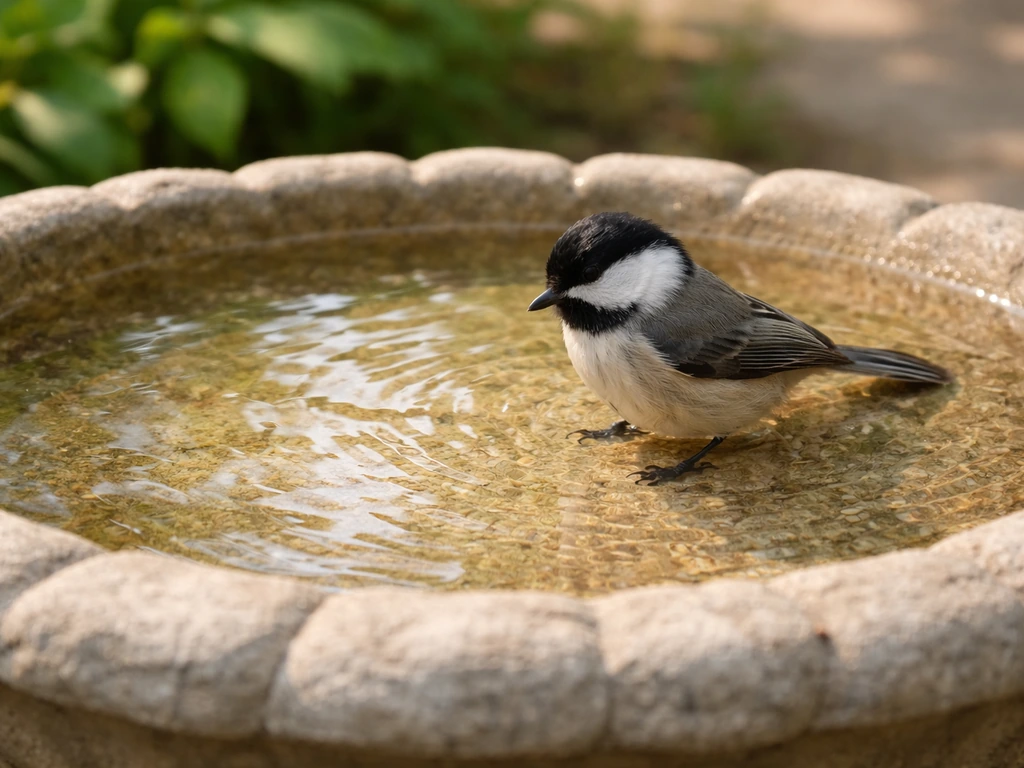
What drowning in a bird bath would actually look like
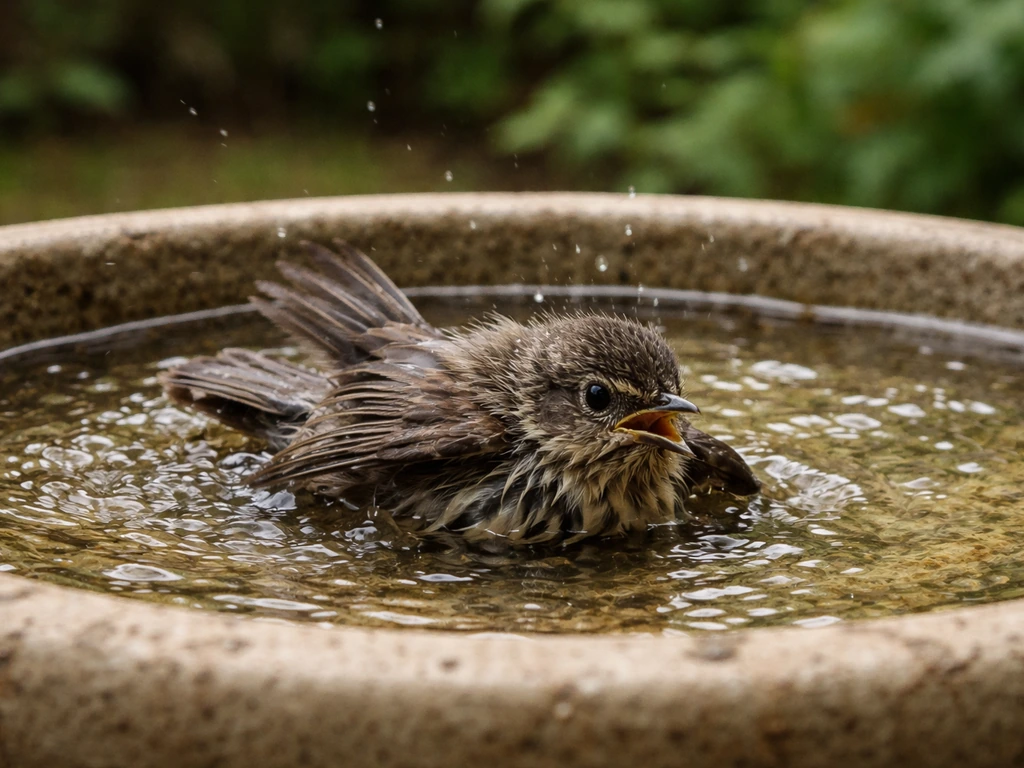
A bird doesn't drown in a bird bath the way a person drowns in a pool. The typical fatal scenario isn't a bird swimming happily and then sinking. It's a bird that enters the water, becomes unable to exit due to some combination of factors (steep sides, slippery footing, waterlogged feathers, or physical weakness), and then exhausts itself trying to escape. Once a bird is too tired to hold its head above the water line, even an inch of water is enough. The distinction matters because it tells you exactly what to fix: the problem is usually about getting out, not getting in.
A bird in this situation will look visibly distressed, with wings spread flat on the water surface, frantic splashing, or no movement at all while still partially submerged. If you see a bird sitting motionless in or immediately beside a bath looking hunched, wet, and unresponsive, that's an emergency sign regardless of whether the cause is drowning, hypothermia, or illness.
Conditions that genuinely raise the risk
Most drowning incidents in bird baths involve one or more of these overlapping factors. None of them alone is typically fatal, but combinations can be.
Water that's too deep

This is the single most important variable. Cornell Lab of Ornithology emphasizes that birds need to stand and wade, not swim. The consensus recommendation from Audubon, Maine Audubon, and Washington Department of Fish and Wildlife is no more than 1 to 2 inches at the shallow end, and no more than 2 to 3 inches at the deepest point for songbirds. Audubon's birdbath-building guidance is even tighter: 1 inch to 1.5 inches deep. A bath deeper than 3 inches puts small birds at real risk if anything else goes wrong.
Steep or slippery sides
A smooth ceramic or glazed basin with vertical sides is the most dangerous design. If a bird can't get traction to push itself back out, it will eventually tire and go under. Even at shallow depths, a slick-sided bath with no gradual slope is a trap for small birds and juvenile birds that haven't developed full coordination yet.
Ice and extreme cold
In winter, a bird that enters a bath during a sudden temperature drop can find itself with partially frozen feathers or ice forming around the basin edges, both of which impair escape. Virginia Cooperative Extension notes that ice formation in birdbaths is a documented hazard. A bird with wet, ice-coated feathers loses insulation rapidly and may become hypothermic and immobile before it can exit the water.
Disturbance mid-bath
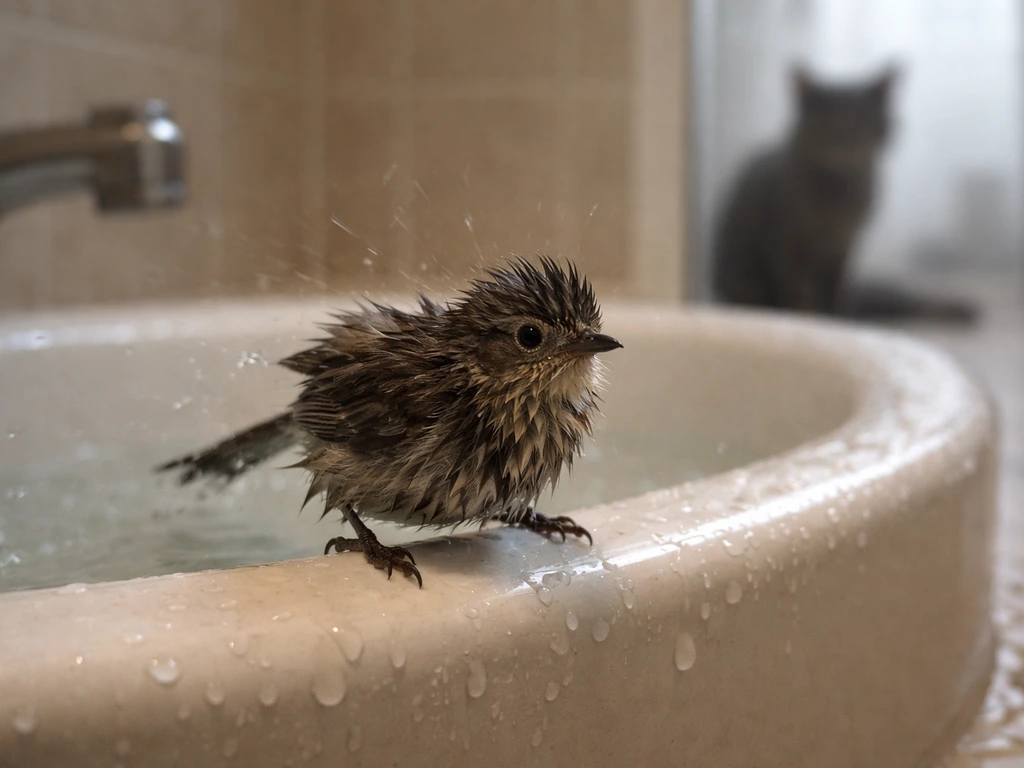
Predator pressure is an underappreciated risk. A cat, hawk, or even a startled human who approaches during bathing can cause a bird to move erratically, hit the side of the bath, and fall back in while disoriented. Birds are at their most vulnerable during bathing because wet feathers temporarily reduce their ability to fly. A sudden fright response can cause a bird to thrash and exhaust itself in a way that wouldn't happen in a calm exit.
Injury, illness, or weakness
A bird that is already sick, injured, or very young has a dramatically higher drowning risk even in a well-designed bath. Disease, in particular, is a more common reason birds die near birdbaths than drowning itself. Dirty water can spread avian diseases that weaken birds before or during bathing. This is worth keeping in mind: if you find a dead bird in a clean, shallow bath, the bath probably isn't to blame.
Why most healthy birds escape water just fine
Birds bathe instinctively and on their own terms. They approach the water's edge, test the depth with their feet, wade in gradually, and exit the same way they entered. Cornell Lab's guidance notes that birds will venture into the water only when they can sense they can escape, which is part of why bath design so heavily influences whether bathing is safe. Most songbirds bathe in seconds to minutes, rarely fully submerging their body, and are out of the water before their feathers are seriously waterlogged.
Birds also have a behavioral response to water that works in their favor: they almost always bathe in short bursts, shake off, preen, and repeat. The motion itself, that constant shaking and wing-spreading, is partly what makes the 'bird just drowned in calm water' scenario so uncommon in healthy adults. Their instincts are calibrated for exactly this environment.
How to make your bird bath safer starting today
The good news is that almost every meaningful risk factor is fixable with simple adjustments to bath design, placement, and maintenance.
Depth and slope
Keep the deepest part of the basin at no more than 2 inches, ideally 1 to 1.5 inches for small songbirds. The bottom should slope gradually from the edge so birds can wade in without stepping off a ledge. If your current bath is too deep, you can add a layer of clean gravel, flat stones, or a bath insert to raise the floor. A gentle slope all the way to the center is the single most important safety feature you can provide.
Footing and surface texture

Smooth, glazed surfaces are slippery when wet. Add grip by placing a few flat, rough-surfaced rocks (like sandstone or unpolished slate) at the shallow end of the bath. These give birds a traction point to push off from. You can also use coarse sand or aquatic gravel along the basin floor. Avoid smooth river pebbles, which can be just as slippery as ceramic.
Placement and predator safety
Place the bath at least 10 feet from dense shrubs or low cover where cats can hide. Closer than that and predators can reach a bathing bird before it can react. At the same time, position the bath within about 10 to 15 feet of a tree or tall shrub, so birds have somewhere to fly immediately if startled. Open ground with no perch nearby is just as dangerous as placing the bath directly under a bush.
Winter care
In freezing temperatures, use a birdbath heater or deicer designed specifically for this purpose. Never add antifreeze to a birdbath: All About Birds is explicit that antifreeze is poisonous to birds and animals. The USFWS also blank" rel="noopener noreferrer">advises against adding salt to birdbaths for the same reason. A purpose-built electric deicer is safe, affordable (usually under $25), and keeps the water liquid without any chemical additives. Empty and refill the bath daily in cold snaps if you can't use a heater.
Keeping the bath clean
Audubon emphasizes that dirty baths are a major disease vector for backyard birds, and sick birds are far more likely to get into trouble in water than healthy ones. Scrub the basin every 2 to 3 days in warm weather using a stiff brush and a diluted bleach solution (about 1 part bleach to 9 parts water), then rinse thoroughly before refilling. In cooler weather, once a week is usually adequate. This step is one of the most underrated things you can do to reduce bird deaths near your bath.
What to do if you find a bird in trouble at your bath
If you see a bird actively struggling in the water, remove it immediately using a dry cloth or light towel so you don't damage its feathers further. Set it on a flat, dry surface away from the water and watch it from a distance. A healthy bird that accidentally got waterlogged will usually shake off, preen, and fly away within a few minutes.
If the bird is limp, unresponsive, or clearly too weak to stand, the next steps matter a lot. Tufts Cummings Wildlife Clinic recommends warming a chilled or cold bird by placing it in a shoebox with a heating pad set to LOW under one side only, so the bird can move away from the heat if needed. The Humane Society Veterinary Medical Association cautions that too much heat can cause thermal injury, so low, controlled warmth is the goal, not hot. Keep the bird in a quiet, dark, draft-free location.
Do not try to give water or food to a bird in distress. Do not keep it as a pet or try to rehabilitate it yourself. Audubon and VCA Hospitals both advise contacting a licensed wildlife rehabilitator as quickly as possible. You can find your local wildlife rehabilitator through your state fish and wildlife agency or the National Wildlife Rehabilitators Association. VCA also recommends calling an avian veterinarian if no rehabilitator is immediately reachable.
The myths worth debunking here
The biggest misconception circulating online is that bird baths are routinely dangerous and birds drown in them regularly. The reality is that a properly designed shallow bath with a gradual slope poses essentially no drowning risk to healthy adult birds. The features that make a bath dangerous (depth over 3 inches, smooth vertical sides, icy water, proximity to predators) are all avoidable.
A second common myth is that birds found dead in or near a bath must have drowned. In most cases, the actual causes are disease spread through dirty water, collision injuries (from flying into windows after leaving a bath), hypothermia in winter, or predator attacks. These deaths happen near the bath, not because of the bath itself. The bath is a congregation point, not inherently a hazard, which is why cleanliness and placement matter as much as depth.
A third misconception is that adding something to the water (antifreeze, salt) makes it safer in winter. This is categorically false and dangerously backwards. Both substances are toxic to birds. If you are wondering whether birdbath water is toxic to birds, focus on what additives you use and keep the water clean and plain. The safe option is a thermostatically controlled birdbath heater.
Quick reference: safe bird bath setup
| Feature | Recommended Standard | Why It Matters |
|---|---|---|
| Water depth | 1 to 2 inches (max 2.5 to 3 inches) | Birds need to stand, not swim; deep water impairs escape |
| Basin slope | Gradual slope from edge to center | Allows wading in and out without jumping or falling |
| Surface texture | Rough stone, gravel, or textured insert | Prevents slipping when wet |
| Placement | 10+ feet from dense shrubs, 10–15 feet from tree perches | Reduces predator ambush and provides an escape route |
| Winter care | Birdbath deicer or heater (no antifreeze, no salt) | Prevents ice entrapment and toxic ingestion |
| Cleaning frequency | Every 2–3 days in warm weather, weekly in cool weather | Reduces disease that weakens birds before or during bathing |
Bird baths are one of the most effective and affordable ways to support backyard birds. The risks are real but narrow and almost entirely preventable. A shallow basin, a rough surface, clean water, and a sensible location cover the vast majority of what keeps birds safe. If you want to go further, questions about what else can harm birds at water sources, including whether birdbath water itself poses a toxicity risk, are worth exploring alongside bath design. This article focuses on drowning and other immediate hazards, but the question “is bird blood dangerous” is also worth understanding from a safety standpoint around birds and wildlife. If you are wondering whether bird bath water itself is toxic, it depends on what has been added to the water and how clean the basin stays whether birdbath water itself poses a toxicity risk. If you are wondering what is bird stop liquid and whether it could affect birds, check how it works and whether it is safe for use around bird baths and water sources. In most cases, bird pee on its own is not considered dangerous to people, but heavy contamination can still create unpleasant odors and hygiene issues is bird pee dangerous.
FAQ
How can I tell if a bird is drowning versus hypothermia or illness in my bird bath?
Look for whether the bird is actively trying to escape (wings spread, frantic splashing, attempts to stand) or whether it looks hunched and unnaturally still. A bird that cannot hold its head up or keep balance after the splashing stops suggests exhaustion or drowning risk, while a limp, cold-looking bird with slow or no response is more consistent with hypothermia or severe weakness from disease. In either case, treat it as an emergency and contact a wildlife rehabilitator if it is unresponsive.
If I have a deep bird bath, can I still use it safely?
Yes, if you can reduce the effective depth at the shallow end. Raise the basin floor with a bath insert or add clean gravel and flat stones so birds can wade out easily, and keep the deepest point at or below the safety guideline. Also ensure the surface is not slick when wet, because a shallow but smooth basin can still trap smaller birds.
Do baby birds (nestlings) use bird baths, and are they at higher risk?
Nestlings usually cannot regulate their body temperature well or coordinate wading safely, and they may not be able to exit water quickly even from shallow depths. If you see a very young bird near a bath, assume higher risk and keep other people and pets away while arranging help from a wildlife rehabilitator.
What should I do if a birdbath is icy and I want to keep it from becoming a hazard?
Use a purpose-built birdbath heater or deicer, and clear ice only in a way that does not create jagged edges or slippery footing. Avoid chemical additives, and don’t chip ice so aggressively that you damage the basin or create sharp fragments where birds could fall or injure themselves.
If birds sometimes splash a lot, is that normal or a sign something is wrong?
Short bursts of bathing and frequent shaking are normal. However, repeated spinning in place, persistent flopping, inability to reorient, or staying in the same spot without wading out suggests the bird is stuck, exhausted, or impaired by cold, injury, or illness. If you see that pattern, intervene by removing the bird safely only if you can do so without stressing it, then contact a licensed rehabilitator if it cannot recover quickly.
Is it safe to add rocks or sand to make a bird bath less slippery?
It can be, but only if the materials stay stable. Use a few flat, rough rocks placed so birds can stand without rocking them loose, and rinse new gravel or sand to remove fine dust. Avoid adding loose pebbles that can shift into a mound that changes the depth or creates a slippery, uneven surface.
How far should the bird bath be from plants or hiding spots for predators?
A common guideline is at least 10 feet from dense shrubs or low cover where cats can hide, while still offering an escape perch within about 10 to 15 feet. If the bath is tucked directly under a bush, a startled bird may fall back in before it can find lift, increasing the chance it cannot get out.
Should I leave the bird bath out overnight in winter, even with a heater?
Usually yes, but check the setup regularly. Ensure the cord and heater are designed for outdoor wet conditions, and verify the water remains open without excessive splashing that can coat edges with ice. In extreme cold, daily cleaning and refilling still matter because dirty water plus cold stress is a rough combination for weakened birds.
Can I use a soap, cleaner, or bleach more often than recommended to prevent disease?
Don’t overdo strong chemicals. Use the diluted approach mentioned in the article and rinse thoroughly, then allow the basin to dry before refilling. Overuse or incomplete rinsing can leave residues that deter bathing or irritate birds, especially if you notice birds avoiding the bath after cleaning.
If I find a dead bird near the bath, does that mean the bath caused it?
Not necessarily. Dead birds near baths are often linked to collisions, disease, or winter-related stress rather than drowning. If the bird was in a clean, shallow bath with good drainage and no icy edges, focus on other hazards nearby (windows, pets, predators) and keep the area hygienic while arranging guidance from wildlife authorities if you see repeated deaths.
What if multiple birds are using the bath and one gets stuck, can I pour water out to help?
Pouring or dumping water suddenly can startle birds and increase stress and splashing, which may worsen exhaustion. If the bird is trapped, the safer approach is to gently remove it using a towel, place it on a flat dry surface, and then manage the bath after the bird is out. If you must drain the bath, do it slowly and away from the birds.