No, the Duolingo bird cannot kill you. Duo the Owl is a green cartoon mascot for a language-learning app, not a real bird species, and it has zero biological capacity to harm anyone. The meme-driven threats about "Duo coming after you" for skipping your Spanish lesson are exactly what they look like: marketing humor. That said, the question behind the search is legitimate, and it's worth unpacking both what the Duolingo meme actually is and what real birds can and cannot do to a person.
Does the Duolingo Bird Actually Kill You in Real Life?

Marcus Whitmore
5 Apr 2026
What people actually mean when they ask about the Duolingo bird
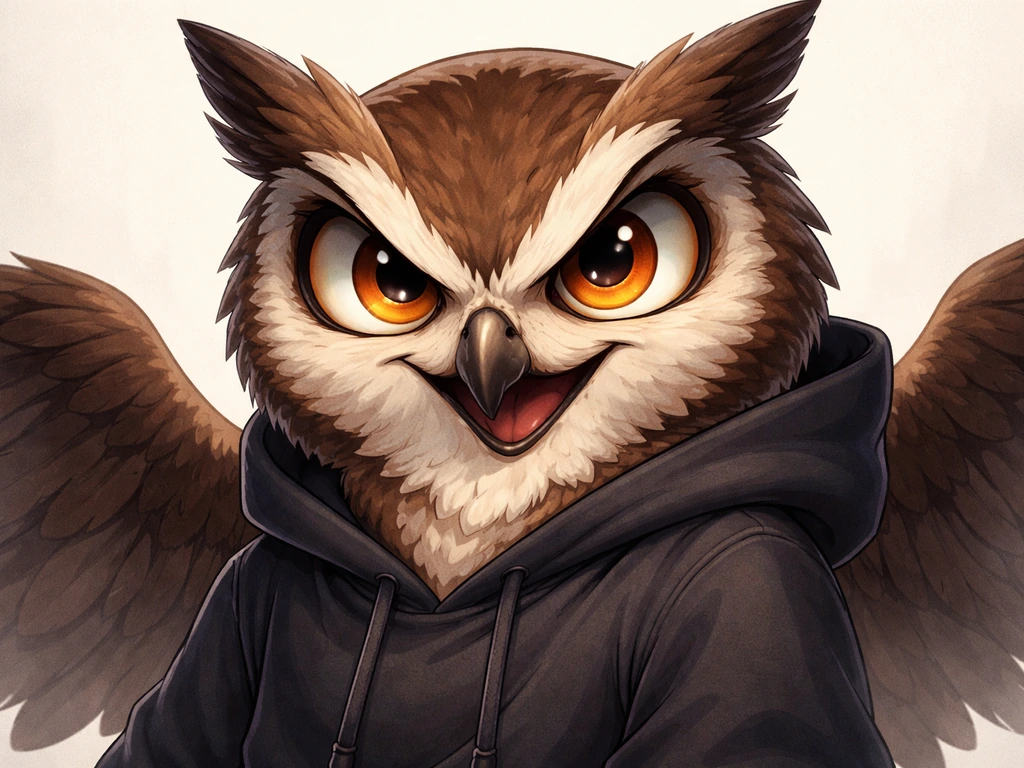
Duo the Owl is a fictional character. Duolingo has been deliberately leaning into an "evil mascot" persona for years, most notably with their 2019 April Fools campaign called "Duolingo Push," which joked about sending in-person reminders from the owl himself. A 2024 blog post titled "Duo is alive (and slightly annoyed you thought otherwise)" was Duolingo's own response to the viral "Duo is dead" meme that swept social media. The company positioned all of this as internet humor tied to the absurdity of a cartoon owl "threatening" users who miss lessons.
So when people search "does the Duolingo bird actually kill you," they're usually asking one of three things: Is the joke real? Is there a real owl associated with the app that could hurt someone? Or, more broadly, can birds in general pose a lethal threat? The answers are no, no, and almost never, but let's work through each properly.
If you want a deeper breakdown of the mascot's threat level in meme terms versus factual wildlife terms, the article on whether the Duolingo bird is dangerous covers that distinction in full. For this guide, we're focusing on the practical safety question: what's the real-world risk?
Real-world risk: can a bird actually kill a human?
Lethal bird encounters are extraordinarily rare, and the ones that do occur almost always involve specific circumstances. The Cassowary, found in Australia and Papua New Guinea, is widely cited as the world's most dangerous bird and has been responsible for at least one confirmed human fatality in modern records (a 2019 case in Florida involving a captive bird). Ostriches can deliver powerful kicks capable of killing predators, but human fatalities are almost unheard of outside of farm accidents. Raptors like eagles and hawks have caused serious injuries, but documented human deaths from raptor attacks are essentially nonexistent.
The broader reality is that bird-related human fatalities are so rare they don't register as a meaningful statistical category. For context, dogs kill roughly 30 to 50 people per year in the United States alone. Bees and wasps cause around 60 to 70 deaths annually from allergic reactions. Birds as a category? The documented fatality rate is effectively near zero for healthy adults in normal circumstances. If a bird has ever prompted a fatality question for you, you're almost certainly safer worrying about the drive to wherever you're going.
What the evidence actually says about bird injuries
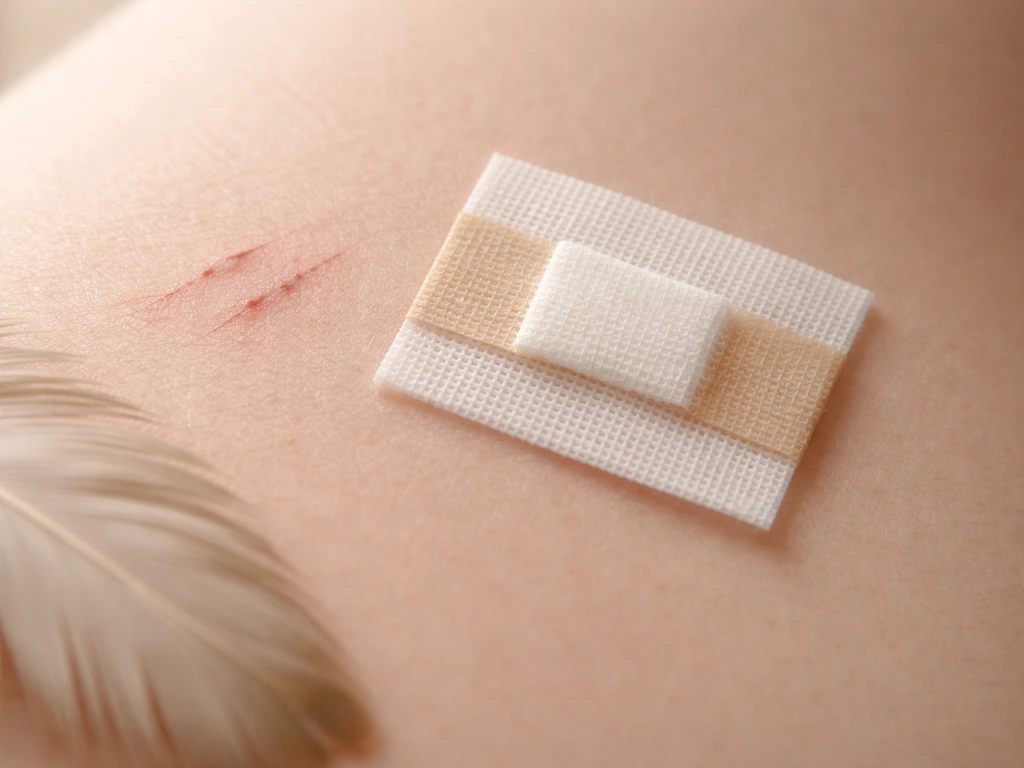
Most bird-related injuries fall into predictable categories: scratches and lacerations from talons, bites from parrots or other hook-billed birds, eye injuries from swooping birds defending nests, and falls or startled reactions that cause secondary injuries. A study from hospital emergency departments found that parrot bites account for a significant share of bird-related hand injuries, particularly deep puncture wounds that can introduce bacteria like Pasteurella multocida. Swooping magpies and other territorial birds during nesting season cause eye injuries and cycling accidents regularly in countries like Australia, where some local councils even post seasonal warnings.
The pattern behind accidents is consistent: most injuries happen when a person gets too close to a nest, provokes a bird, or is handling a captive bird without proper technique. The injury itself is rarely the direct danger. The real risk is infection from puncture wounds, or the secondary injury from a startled reaction, like falling off a bike because a magpie grazed your helmet. That secondary-injury pathway is how birds contribute to serious harm, not through direct lethal attack.
Some bird species carry additional concern depending on context. Falcons, for example, are genuinely dangerous birds with razor-sharp talons and high-speed strike capability, but human fatalities from falcons remain essentially undocumented. Even powerful, aggressive species tend to veer off rather than escalate an attack on a large, upright human.
How birds actually attack, and what you can realistically expect
Understanding bird attack mechanics helps put the risk in proportion. Most territorial attacks are deterrent behaviors, not predatory strikes. A bird swooping at your head is trying to scare you away from its nest, not kill you. Owls, which Duo is modeled after, are capable of surprisingly strong talon grips and have been known to injure hikers and joggers who unknowingly pass near nesting sites, but these encounters typically result in scalp lacerations, not life-threatening injury.
Pecking and biting behavior from smaller birds is more annoying than dangerous. A pigeon or a crow can deliver a pinching peck, but the force is far below what's needed to cause serious tissue damage in most cases. Larger hook-billed species, including some parrots, can exert enough bite force to break a finger bone, which is worth knowing if you're a pet owner. For wild encounters in parks or public spaces, the realistic outcome of a bird interaction is a scratch, a fright, or at worst a minor cut.
Some birds carry zoonotic disease risk that's worth mentioning. Histoplasmosis from fungal spores in bird droppings, psittacosis from parrots and pigeons, and salmonella from contact with feces are documented public health concerns. These are genuine but manageable risks, not the kind that translate to "the bird kills you." They're illnesses that require medical attention, not immediate emergencies for healthy adults.
Staying safe around birds right now

If you're near birds today, whether at a park, near a nest, in an area with large flocks, or around a pet bird, the practical guidance is straightforward.
- Keep at least 10 feet of distance from any wild bird showing alert posture (puffed feathers, loud calls, direct staring, or repeated low passes).
- Never approach a nest, roost site, or a bird with chicks nearby, especially during spring nesting season (roughly March through July in the Northern Hemisphere).
- If a bird swoops at you repeatedly, cover your head with a bag or jacket and calmly move away without running, which can trigger a chase response.
- Avoid direct eye contact with large, aggressive birds like geese or swans, as sustained eye contact can escalate defensive behavior.
- Wear eye protection or a hat with a wide brim if you're cycling or jogging through areas known for swooping birds during nesting season.
- Do not feed wild birds by hand unless you're in a controlled setting and familiar with the species.
- Wash your hands thoroughly after any contact with wild birds, their feathers, or droppings.
For people who are around large flocks in public areas, like urban pigeon colonies or waterfowl at parks, the main practical concern is not attack but droppings, disease exposure, and the occasional territorial goose. CDC/NIOSH notes that the best way to prevent exposure is to prevent bird or bat droppings from accumulating in the first place droppings, disease exposure. Geese in particular are genuinely aggressive defenders of their nesting areas and can bruise or knock over a person, especially children or elderly adults. Give them a wide berth and take a different path if a goose is blocking yours.
Myth vs. reality: what the internet gets wrong about bird danger
The Duolingo meme is harmless fun, but there are some persistent bird-danger myths worth clearing up directly.
| The Claim | The Reality |
|---|---|
| The Duolingo owl will kill you if you miss lessons | Duo is a fictional cartoon character with no physical existence. The threats are a marketing joke. |
| Owls attack humans without warning | Owls near nests may swoop defensively, but unprovoked attacks on humans far from nest sites are extremely rare. |
| Birds carry rabies and can infect you through a bite | Birds cannot carry or transmit rabies. Rabies is a mammal-specific disease. |
| A bird peck can give you a fatal infection instantly | Puncture wounds do carry infection risk, but prompt cleaning and, where needed, antibiotics make fatal outcomes extremely unlikely in healthy people. |
| Seagulls have been trained to attack people at beaches | Seagulls steal food and may dive at people eating, but this is learned opportunistic behavior, not training or coordinated attack. |
| Large flocks of birds can coordinate to kill a person | Murmuration and flocking behavior is a survival mechanism with no evidence of coordinated human targeting. |
Some of these myths get traction because of isolated, sensational incidents. A cassowary attack making international news, a swan capsizing a kayak, an eagle grabbing a small dog, these stories spread fast because they're genuinely surprising. But they represent extreme outliers, not baseline risk. The reality is that most birds are indifferent to humans and actively avoid interaction when given space.
It's also worth comparing Duo's fictional menace to some birds that have legitimate reputations. The shoebill bird is genuinely intimidating, standing up to 5 feet tall with a powerful, hooked bill, and yet documented human fatalities from shoebills are absent from the record. Even the species with the most fearsome reputations rarely follow through on lethal outcomes with humans.
Another commonly misrepresented bird is the myna bird, which some people believe to be dangerous due to its aggressive territorial behavior and loud calls. In practice, myna attacks on humans are superficial at worst.
Even birds with a reputation for aggression in the wild, like the turkey, tend to pose risks that are more about intimidation and bruising than genuine lethality. Wild turkeys can be confrontational, particularly dominant males during mating season, but they are not a serious lethal threat to a standing adult.
For those wondering about exotic or less familiar species, the opium bird is another example where the name carries more menace than the actual biology warrants.
When you actually need medical care after a bird encounter

Most bird encounters do not require medical care. But some situations absolutely do, and knowing the threshold matters.
- Puncture wounds, especially to the hand or face: clean thoroughly with soap and running water for at least five minutes, then seek medical evaluation. Puncture wounds from talons or beaks can introduce bacteria deep into tissue where the body's defenses work poorly. A doctor may prescribe antibiotics and will assess tetanus status.
- Eye injuries: any contact between a bird's beak or talon and your eye requires same-day evaluation at an emergency department or urgent care. Even a minor scratch on the cornea can become serious without treatment.
- Significant bleeding that doesn't slow within 10 minutes of direct pressure: go to urgent care or an emergency department.
- Signs of allergic reaction (hives, throat tightening, difficulty breathing) after contact with feathers or droppings: this is a medical emergency. Call emergency services immediately.
- Fever, swollen lymph nodes, or worsening redness around a wound in the days following a bite or scratch: these suggest infection and require a doctor's assessment and likely antibiotics.
- If you're in a region where H5N1 avian influenza is active and you've had close contact with sick or dead wild birds: contact your local health department for guidance. This is rare but worth flagging.
On the reporting side: if you've been injured by a wild bird in a public area, reporting it to your local wildlife or parks authority is useful. It helps authorities identify unusual aggressive behavior (which can signal disease in the animal), mark nest sites during dangerous nesting seasons, and track any species with atypical attack patterns. In the US, you can contact your state's wildlife agency. In the UK, report to the RSPCA or local council. In Australia, contact your state's wildlife authority. None of this is legally required in most jurisdictions, but it's genuinely helpful for public safety.
For aviation professionals who encounter bird strike incidents, the reporting pathway is different. In the US, bird strikes are reported to the FAA Wildlife Strike Database, and prompt reporting helps identify high-risk species and locations at specific airports. That system exists precisely because bird encounters at certain scales and speeds, specifically birds and aircraft, can be genuinely catastrophic, even if a bird on the ground next to a person is not.
The bottom line is simple: Duo the Owl cannot hurt you in any form. Real birds very rarely cause serious injury and almost never cause death in healthy adults under normal circumstances. Give them space, don't provoke them, clean any wound promptly, and know the handful of situations where a doctor visit is actually warranted. If you’re bitten or scratched and there’s a puncture wound or you are unsure about the severity, Mayo Clinic recommends washing the wound thoroughly and seeking medical care clean any wound promptly. That covers the realistic risk from any bird encounter you're likely to face.
FAQ
Could a real owl ever hurt me, even if it is not Duolingo?
Yes, real owls can injure people in rare situations, mainly when someone walks too close to a nest or a roost and gets their head or scalp grabbed. The injuries are usually lacerations rather than life-threatening, but if you get a puncture or deep cut, you should clean it thoroughly and watch for infection.
What should I do right after a bird peck, scratch, or puncture wound?
Rinse with clean running water right away, then wash with soap and apply an antiseptic. If the wound is deep, bleeding heavily, or has a puncture, consider urgent care because infection risk is higher with deep punctures (even when the bird itself seems harmless).
Do bird droppings pose an immediate danger?
Usually not immediate, but they can be a contamination risk depending on the exposure. If you wipe droppings off surfaces or get them on your hands, wash thoroughly and avoid touching your face, and seek medical advice if you develop symptoms like eye irritation, fever, or respiratory complaints.
Are there any bird situations where I should assume a higher risk than normal?
Yes, risks rise around nests, during breeding season, when a bird is swooping or repeatedly circling your path, and with geese that are actively blocking walkways. In these cases, back away slowly, change direction, and give extra space, especially with children and elderly adults.
Does feeding birds make attacks more likely or more dangerous?
It can. Hand-feeding or consistently attracting birds to one spot reduces their natural avoidance and can increase territorial behavior, especially with geese and some parrots. If you want a safer setup, avoid feeding and keep a distance so the birds do not associate people with food.
If I get scratched by a parrot or bitten by a pet bird, do I need antibiotics automatically?
Not automatically, but pet bird injuries often warrant a lower threshold for medical assessment because bites and punctures can introduce bacteria. Deep punctures to the hand or symptoms like spreading redness, worsening pain, or fever should be evaluated promptly.
Is it safe to treat bird-related injuries at home?
Many bird scratches or minor surface cuts can be handled at home with cleaning and monitoring. You should seek medical care if the injury is a puncture, is on the face or near the eye, involves uncontrolled bleeding, shows signs of infection, or you cannot fully assess the depth.
What about tetanus, should I check my vaccine after a bird injury?
It is a smart step. If you have not had a tetanus booster within the recommended timeframe (often within 5 to 10 years depending on wound type and your history), you may need a booster after a wound, especially punctures and outdoor injuries.
Does the Duolingo owl meme ever imply any real threat like a prank campaign?
The character is used for internet humor and does not represent a real animal threat or organized real-world actions. If you see something claiming a real “attack” tied to the app, treat it as likely marketing-style exaggeration unless it includes verifiable, credible local reports.
When is it appropriate to report a bird encounter to authorities?
Report if the bird shows unusual aggression, people are being repeatedly targeted, or the incident happened in a way that suggests a broader issue like illness or altered behavior. For wildlife strikes involving aircraft, reporting through the proper aviation channels is important because even a non-fatal incident can reveal an airport risk pattern.