The short answer: the Duolingo bird is not dangerous because it is not a real bird at all. Duo is a cartoon owl mascot, and no amount of missed language lessons will change that. But if you landed here because you spotted a real owl or green-feathered bird near your home and wanted to know whether to be worried, that is a completely legitimate question, and this article covers both sides of it.
Is the Duolingo bird dangerous? Facts, risks, and next steps

Marcus Whitmore
13 Apr 2026
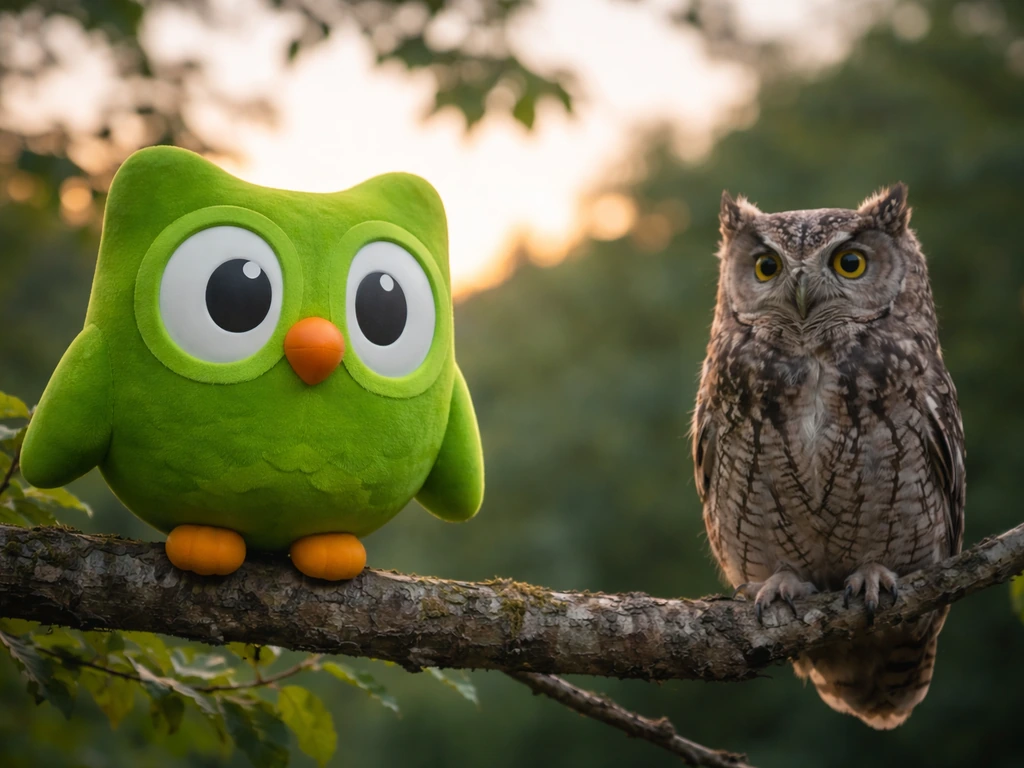
What people actually mean by "Duolingo bird"
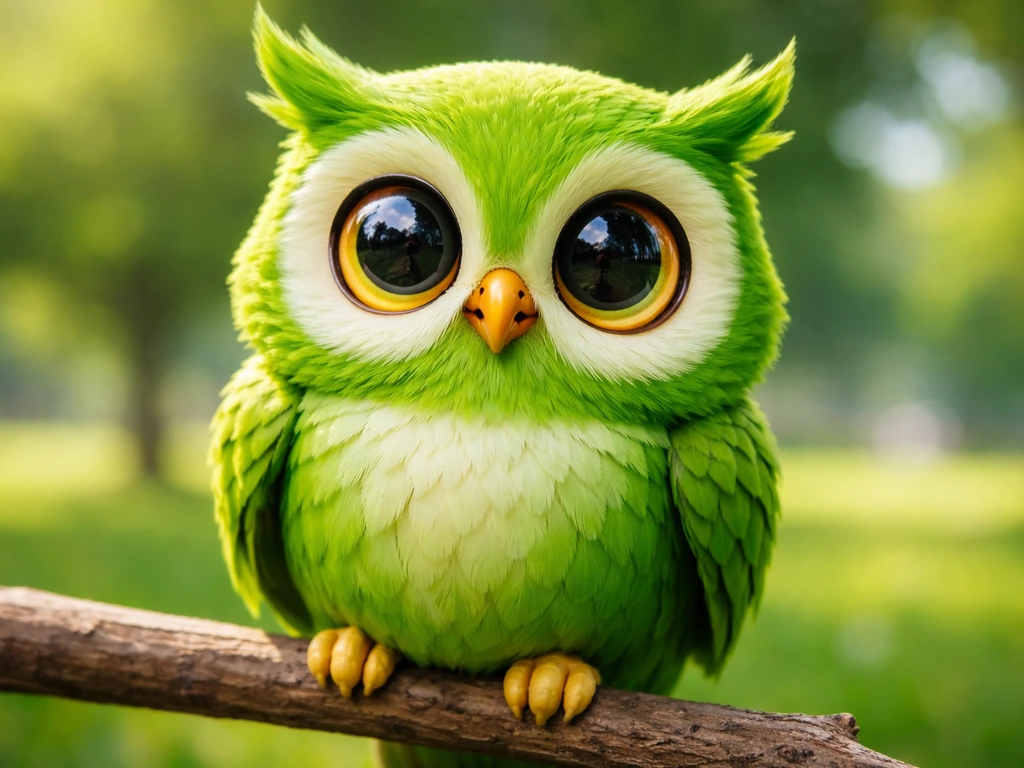
Duo is Duolingo's official mascot, a bright green stylized owl that was designed as the face of the language-learning brand. The green plumage is not biologically accurate to any real owl species; it was a deliberate creative choice to make the character visually distinctive and recognizable. Duo's role as a character leans heavily on the cultural association between owls and wisdom or knowledge, which is why an owl was chosen in the first place.
The "dangerous Duolingo bird" meme took off because Duo's marketing evolved into a running joke where the owl "threatens" users who skip their daily lessons. The character appears in push notifications and social media content in increasingly ominous poses, and the internet ran with it. So when someone searches "is the Duolingo bird dangerous," they are usually asking one of two things: does the meme have any basis in reality, or did they see a real bird that reminded them of Duo and want to know if it poses a genuine threat? Whether the Duolingo bird could actually kill you is a question worth addressing directly, and the answer is no, because fictional characters cannot physically harm people.
There is a real bird named Duo, though. The National Aviary introduced a spectacled owl named Duo in partnership with Duolingo, which adds a fun layer of confusion. A spectacled owl is a legitimate species, but it is not what most people picture when they think of Duo the mascot, and it is not a common backyard visitor in most of North America.
Real-world dangers: do owls actually threaten people or pets?
Wild owls can be genuinely dangerous in specific circumstances, but they are not randomly aggressive toward humans. The main scenarios where owls pose a real risk involve nesting season, when parent birds actively defend their territory, and close proximity to their young. Great Horned Owls, Barred Owls, and other large owl species have been documented swooping at and scratching people who walk near active nests. These attacks are defensive, not predatory toward humans, but the talons are sharp and the strikes can draw blood.
Small pets, particularly cats and small dogs left unsupervised outdoors at night, can be at risk from large owls. A Great Horned Owl can carry prey weighing several pounds, and a small animal moving through a yard at dusk or dawn registers as prey. This is an actual documented hazard, not a myth. If you have a small pet, this is worth knowing.
Bird bites and scratches also carry a health dimension that people underestimate. The CDC is direct about this: bird bites and scratches can spread germs even when the wound does not seem deep or serious, and bird beaks can cause real tissue damage. This applies to wild owls as much as it does to pet birds. Any scratch or bite from a wild bird warrants basic wound care and, depending on circumstances, a conversation with a healthcare provider.
Another hazard that gets overlooked is droppings. Bird and bat droppings in soil can harbor Histoplasma, a fungus that causes histoplasmosis when spores are inhaled. The CDC notes that people exposed to soil contaminated with bird droppings are at real risk of infection, especially in enclosed or disturbed environments like attics, barns, or areas under large roosts. This is a genuine public health concern, not folklore.
Common situations where people get concerned
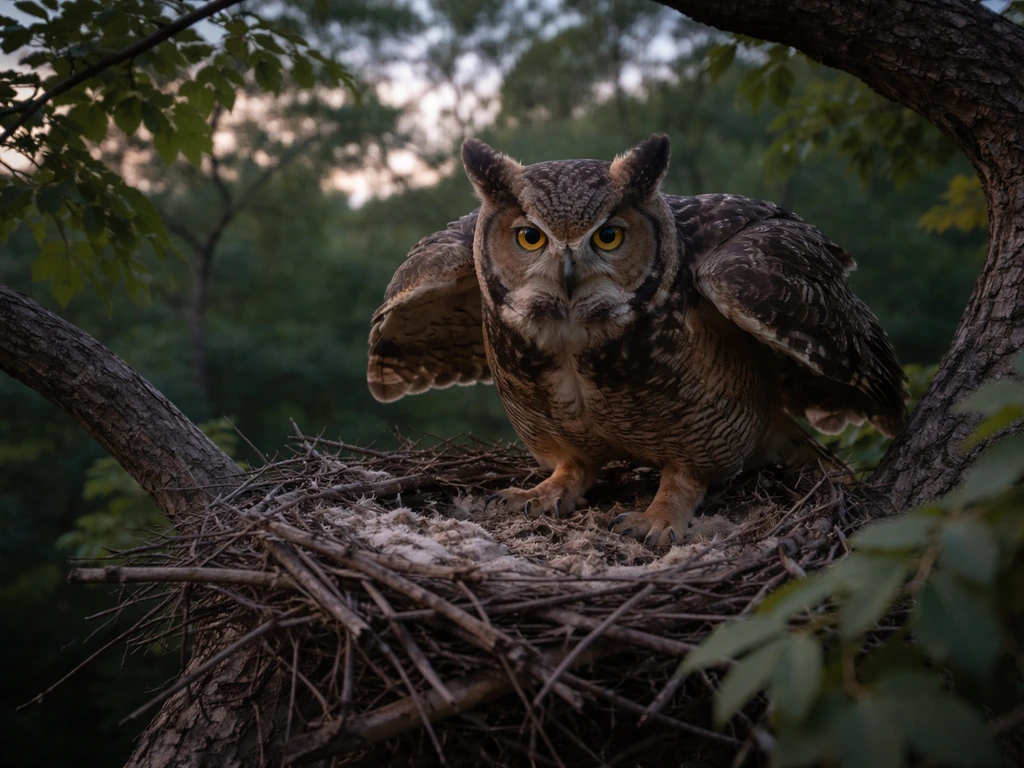
Near homes and backyards, the concern usually involves a large owl perching conspicuously, diving near people or pets, or making noise at night. During nesting season (roughly late winter through spring in North America), this behavior spikes because parent owls are actively patrolling. A swooping owl near your front door at dusk is almost certainly defending a nearby nest, not hunting you.
Near airports and aviation infrastructure, birds of all kinds represent a well-documented safety hazard. The FAA has published bird strike data covering 1990 through 2024, and the numbers confirm that bird-aircraft collisions are a consistent, serious issue. The USDA APHIS runs formal airport wildlife hazard management programs in partnership with the FAA, staffed by Qualified Airport Wildlife Biologists. If you work near an airfield and see unusual bird activity, that is a legitimate safety concern with an established reporting and response system already in place.
In outdoor recreation areas, people sometimes encounter owls or other large birds when hiking at dusk or dawn near forest edges. The risk here is low but not zero. Staying on trails, keeping pets leashed, and not approaching nesting areas reduces risk considerably. The USDA APHIS and wildlife agencies consistently advise against feeding wildlife in any outdoor setting, both for aviation safety reasons and because feeding birds habituates them to human proximity in ways that increase conflict. How turkey birds behave when they get too comfortable around people is a good example of how habituation leads to genuine aggression problems.
Threat level by context: behavior, season, and proximity
| Scenario | Threat Level | Notes |
|---|---|---|
| Owl perching at a distance (>50 ft) | Very Low | Normal behavior; observe from afar |
| Owl swooping at people near a nest | Moderate | Defensive behavior; avoid the area during nesting season |
| Owl near small pets at night | Moderate to High | Supervise or keep pets indoors at dusk/dawn |
| Owl appearing injured or disoriented | Low to Self (risk to bird) | Do not handle; contact wildlife rehabber |
| Large roost with significant droppings buildup | Low (disease risk) | Avoid disturbing soil; wear a mask if cleaning |
| Birds near airport runways | High (aviation safety) | Report to airport wildlife management immediately |
Nesting season and nighttime hours are when risk climbs. Owls are mostly crepuscular or nocturnal, so encounters at dusk and dawn carry higher stakes for small pets. The Florida Fish and Wildlife Conservation Commission recommends maintaining at least 500 feet from active bird colonies, keeping pets leashed, and recognizing that human disturbance can cause eggs or young to be knocked from nests. That 500-foot guideline is a useful rule of thumb for any active colonial nesting situation, not just the species FWC manages.
What actually harms birds (and why that matters here)
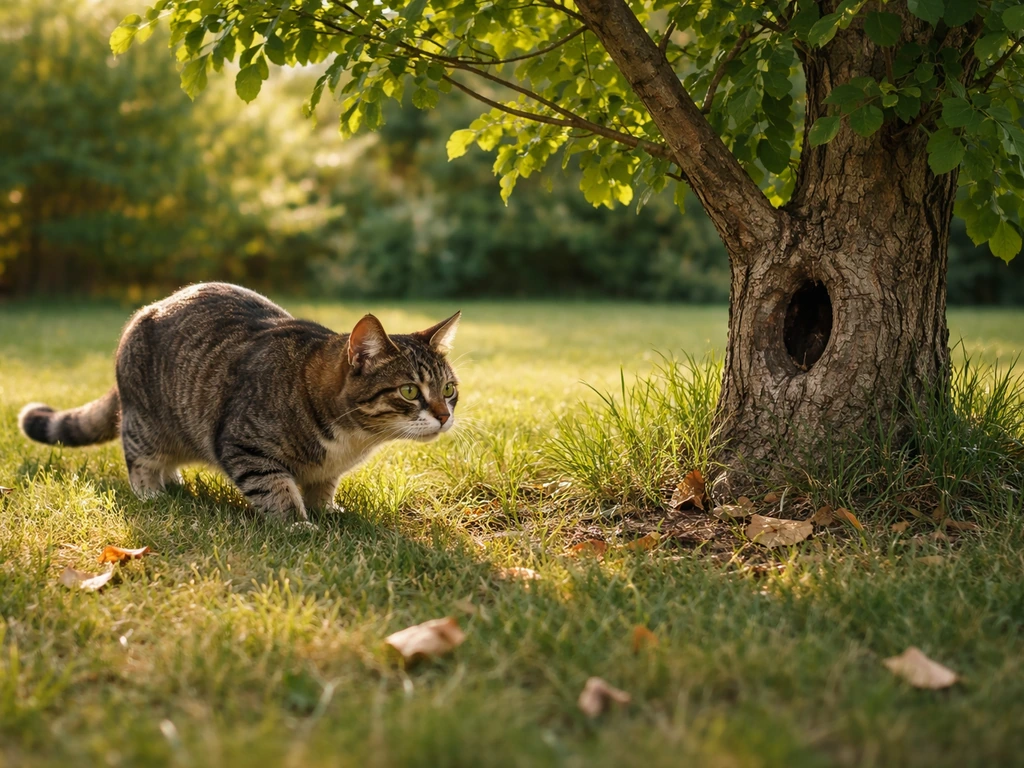
One of the biggest misconceptions people carry is the idea that birds are fragile, easily startled creatures that will attack at random. The reality is that most bird-human conflicts happen because humans get too close, especially near nests. NestWatch is explicit about this: approaching a nest can cause parent birds to accidentally knock out eggs or young, or abandon the nest entirely. The risk of harm runs in both directions, and more often the bird is the one suffering the consequence.
Federal law also matters here. Native bird nests, eggs, and the birds themselves are protected under the Migratory Bird Treaty Act and similar statutes. NestWatch notes that handling or disturbing native bird nests and eggs can be illegal. This is not a minor regulatory footnote; it has real enforcement implications. If you find a nest near your home, the correct response is to leave it alone, not relocate or disturb it.
People sometimes worry that a bird that looks unusual, acts lethargic, or lands very close to them is dangerous or diseased. Most of the time, an owl that appears unusually calm near humans is either a young bird learning to fly (called a fledgling) or an adult that has been exposed to rodenticides through its prey. Neither situation means the bird is going to harm you.
The Michigan DNR's guidance on baby birds found on the ground is relevant: the parents are almost always still caring for the bird, and the right move is to keep pets and children away and leave it alone. Understanding how <a data-article-id="C41D92AD-E8BD-4294-9BF3-764735D41BA8">myna birds interact with people</a> is another good illustration of how bird behavior that looks alarming is often misread entirely.
Understanding how myna birds interact with people is another good illustration of how bird behavior that looks alarming is often misread entirely.
The question of what is genuinely dangerous to birds (rather than from them) also comes up in the context of cleanup and restoration. Disturbing accumulated droppings without respiratory protection, using pesticides that eliminate owl prey, or removing habitat near nesting sites are all things that harm birds without any benefit to people. Awareness runs both ways. The risks associated with opium birds offer another angle on how people misjudge which direction the danger flows between birds and humans.
What to do today if you spotted a bird near your home
- Do not approach the bird. Keep your distance (at least 30 to 50 feet for a single bird; 500 feet for an active colony or nest site). NOAA's wildlife viewing guidelines are clear: approaching wildlife even if it appears sick or injured puts both you and the animal at risk.
- Keep pets inside or on a leash. Small dogs and cats should not be left unsupervised outdoors at dusk or dawn if a large owl is known to be in the area. This is a short-term precaution during the nesting period, not a permanent lifestyle change.
- Identify whether there is a nest nearby. If you notice an owl repeatedly swooping or vocalizing near the same area, there is almost certainly a nest within 50 to 100 feet. Mark the area mentally and route around it until the season ends.
- Do not feed the bird or leave food out. USDA APHIS is explicit: feeding wildlife or leaving food attracts them closer to humans, increases conflict, raises disease transmission risk, and, near airports, directly increases bird-strike hazards.
- If there are droppings accumulating under a roost site on your property, avoid disturbing the area without a dust mask and gloves. The histoplasmosis risk from inhaling disturbed spores in dried droppings is real, even if low in casual outdoor exposure.
- Document what you saw. Note the size, coloring, and behavior of the bird, and the time of day. This is useful if you need to contact wildlife authorities and helps identify the species accurately.
When to call wildlife control or animal services
Most owl encounters do not require a phone call to anyone. But there are clear situations where contacting the right authority is the correct move. Contact your state wildlife agency or a licensed wildlife rehabilitator if the bird appears injured (drooping wing, unable to fly after several minutes on the ground, obvious wound), if it has been in the same spot for more than 24 hours without moving, or if it is showing neurological symptoms like circling or seizure-like movement.
Contact USDA APHIS Wildlife Services if you have a recurring conflict on your property (birds roosting in your attic, nesting in HVAC equipment, or congregating near an airport or airfield). The USDA APHIS Wildlife Services network has state offices specifically equipped for this kind of situation. They are the right call for property-level conflict management, not just a general wildlife tip line.
If you are on or near an airport and observe unusual bird activity, report it through the airport's wildlife management program immediately. The FAA bird strike reporting system exists because these incidents are serious and ongoing, and the formal response infrastructure (including Qualified Airport Wildlife Biologists certified to FAA standards) is specifically designed for rapid intervention. Do not just observe and move on.
The U.S. Fish and Wildlife Service and NOAA both emphasize that attempting to handle wildlife yourself is not the right response, even with good intentions. It can injure the animal, it can put you at risk of a scratch or bite, and for many native species it may be illegal without proper licensing. The practical rule is: observe, document, keep your distance, and call the right people. Shoebill birds are a useful case study in what genuinely dangerous bird behavior looks like when it is actually documented, which puts the Duo-the-cartoon-owl question in useful perspective.
One more note on precautions that often gets skipped: if you are bitten or scratched by a wild bird, wash the wound thoroughly with soap and water immediately and seek medical advice. The CDC's guidance is not alarmist on this point, just practical. Infections from bird bites are not common but they do happen, and a wound that looks minor can still introduce bacteria. Treat it the same way you would any animal scratch. Falcon birds attacking humans represents one of the more serious documented examples of wild bird injury to people, and even in those cases the recommended first response is the same: wound care first, wildlife authority second.
The bottom line: Duo the Duolingo owl is a cartoon, and its only real danger is motivating you to practice your French. Real owls, on the other hand, deserve both respect and a reasonable amount of caution, especially during nesting season and around small pets at night. Most encounters require nothing more than giving the bird space and not interfering. When something more is needed, the right agencies and rehabbers are a phone call away.
FAQ
If the bird looks like the Duolingo owl, how can I tell if it is a real owl species versus just the meme?
Probably not. The “Duolingo bird” meme is a cartoon owl character, so if what you saw matches Duo’s bright green look, it is not a wild animal. If you saw an actual owl, focus on its behavior and context (time of day, whether you were near a nest, and whether it was swooping or just perched), because the risk comes from those factors, not the similarity to a mascot.
What should I do if an owl keeps swooping near my front porch or at my front door?
Do not try to chase it off or grab it, and do not bring it inside. Stand back, keep pets leashed, and give it a wide berth, especially at dusk and during nesting season. If it stays close to your door or repeatedly dives near people, contact your state wildlife agency or, for recurring property issues, USDA APHIS Wildlife Services so they can assess whether a nest is nearby.
Do I need to worry about infection if an owl scratched or pecked me but the wound seems minor?
Yes, but it depends on the situation. You should treat any bite or scratch from a wild bird as potentially infectious, wash immediately with soap and water, and get medical advice if the injury breaks the skin, becomes red or swollen, or involves a sensitive area (hands, face, near eyes). Also seek care sooner if you are immunocompromised or the bird contact was severe.
If an owl is acting calm or just standing near me, does that mean it is dangerous or sick?
Not in the “it will attack you” sense. An owl that lands close to you or appears unusually still is often a fledgling learning to fly or an adult conserving energy while dealing with stress or health issues. The safer move is to increase distance, keep kids and pets away, and only intervene if the bird meets a clear rescue trigger like being unable to fly after several minutes on the ground or acting neurological.
Should I feed the owl or birds if they seem to be hanging around my yard?
Feeding is a bigger problem than most people realize. It can habituate owls and increase time spent near homes, which raises the odds of defensive swooping near nests and increases pet risk. If you want to reduce conflicts, remove attractants like unsecured pet food and keep garbage sealed, then contact wildlife authorities if you suspect nesting inside structures.
When is it better to call a wildlife rehabilitator instead of trying to move the bird away from my home?
Yes. If the bird appears injured, is in the same spot for more than about a day without moving, cannot fly, has an obvious wound, or shows seizure-like or circling behavior, contact a state wildlife agency or a licensed wildlife rehabilitator. This avoids delays when the animal needs time-sensitive care, and it prevents well-meaning handling that can be both dangerous and illegal for protected species.
How risky are owl droppings indoors or in an attic?
Yes, especially around roosting areas. If you disturb droppings in enclosed spaces (attics, barns) or in areas under heavy roosts, you raise the chance of breathing in spores linked to histoplasmosis. The practical takeaway is to avoid sweeping or dry-shoveling, ventilate if appropriate, and follow guidance for droppings cleanup, particularly if you have asthma or other lung risks.
If I find a nest near my home, can I move it or relocate the baby birds?
Keep clear of the nest and let the parents do their job. Avoid loud noise, do not attempt to move eggs or nestlings, and do not “relocate” the nesting site yourself. In addition to safety concerns, native bird nests and eggs are protected under federal law, so disturbing them can create legal issues even if your intent is to help.
After a bird bite or scratch, what should I do next to prevent repeat incidents?
The safest first step is to prioritize wound care and prevent further exposure. Wash thoroughly, then decide about medical care based on severity and location. Separately, report or contact authorities if you have repeated issues, because the best way to prevent future injuries is to identify nesting locations or property attractants rather than trying to scare the bird away.
What should I do if I notice owls or other birds behaving strangely near an airport or airfield?
If you are near an airfield and see unusual bird activity, report it immediately through the airport’s wildlife management channel rather than treating it as a one-off observation. Aviation risk is managed through formal wildlife hazard programs, including rapid response by trained personnel, and early reporting helps prevent escalation into higher-risk situations like near-miss events.