The short answer is: no, there are no confirmed venomous birds in the strict biological sense. No bird species has been proven to produce and deliver venom through a specialized injection system the way a snake or bee does. But that answer needs unpacking, because some birds do carry genuine toxins, and others can cause serious harm through bites, scratches, and bacterial infection that people regularly mistake for a venomous response. So while the folklore of the "venomous bird" is mostly myth, the risks that inspire that myth are real enough to take seriously.
Is There a Venomous Bird? Real Evidence and Safety Steps

Marcus Whitmore
22 Apr 2026

Venomous vs. poisonous: what the words actually mean
This distinction matters more than most people realize, and getting it wrong is the root cause of most "venomous bird" confusion online. Venom and poison are not the same thing. A venomous animal actively delivers a toxic substance into another organism, typically through a bite, sting, or specialized spine. Think rattlesnakes, cone snails, or platypuses. Poison, on the other hand, is passive: a poisonous organism is harmful when touched or eaten, but it doesn't inject anything. Poison dart frogs are poisonous, not venomous. They don't bite you with toxin-laced fangs; you absorb the toxin through contact.
For a bird to be truly venomous, it would need a delivery mechanism: a gland that produces venom and a structure (a spur, a hollow tooth, a barb) that injects it into a target. Poisonous birds, where the toxin lives in the feathers or skin and harms you by contact or ingestion, are a different category entirely. When you see people online asking whether a bird is venomous, they're usually asking the broader question of whether a bird can chemically harm you, but the biological distinction matters a great deal for understanding actual risk.
So are any birds truly venomous? What science says
As of today, no bird species has a confirmed, functional venom-delivery system backed by strong scientific consensus. There are two candidates that researchers have discussed seriously, and both are genuinely interesting, but neither clears the full bar.
The pitohui and ifrit: toxic, but not venomous
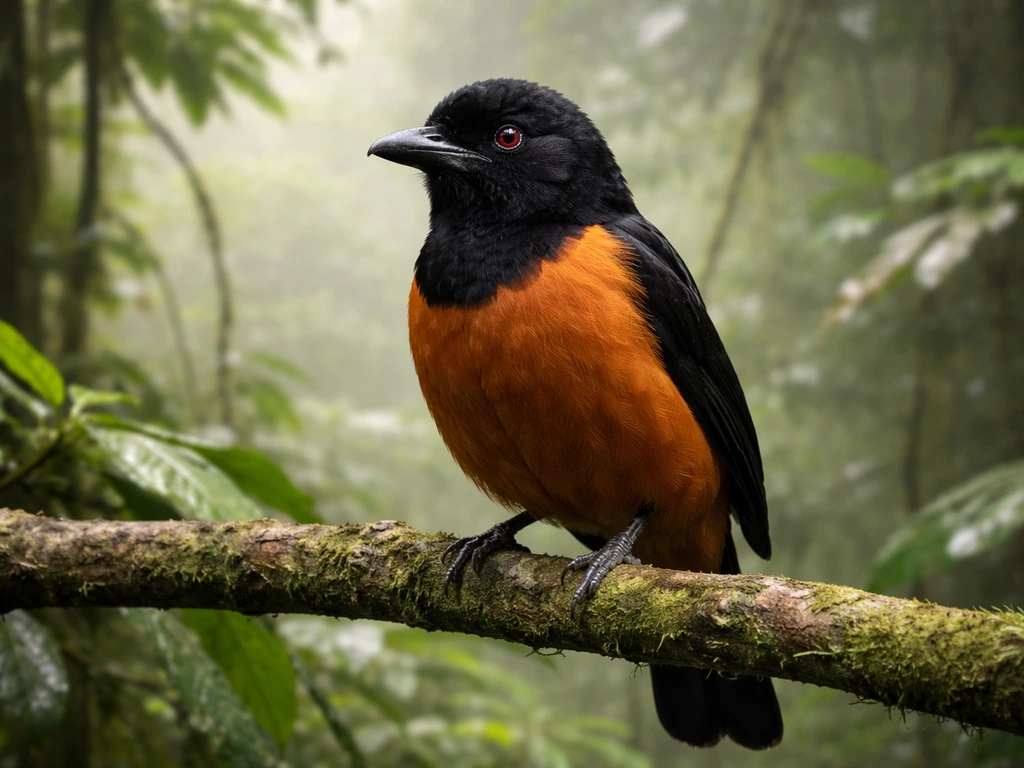
The hooded pitohui (Pitohui dichrous) of New Guinea made headlines in the 1990s when researchers confirmed it carries batrachotoxin, the same class of neurotoxin found in poison dart frogs, in its skin and feathers. The variable pitohui and the blue-capped ifrit also carry similar compounds. Handling these birds can cause numbness and tingling. But here's the critical point: these birds don't inject anything.
The toxin is in their tissues, derived from their diet (specifically beetles in the genus Choresine), and it harms you passively through contact or ingestion. A peer-reviewed paper also reports that Choresine (melyrid) beetles in New Guinea can be a diet-based source of batrachotoxin found in pitohui birds [beetles in the genus Choresine](https://pmc. ncbi. nlm.
nih. gov/articles/PMC528779/). That makes them poisonous, not venomous. A real distinction with real consequences for how you assess risk.
The European quail: seasonal dietary toxicity
Coturnism is a form of muscle toxicity in humans who eat European quail (Coturnix coturnix) during certain migration periods, believed to result from the quail consuming toxic plants along their route. The quail accumulates the toxin but appears unharmed by it. Again: poisonous (when eaten, under specific conditions), not venomous. Not a delivery mechanism in sight.
The spur-winged goose: a possible edge case
The spur-winged goose (Plectropterus gambensis) has wing spurs and, like the quail, can accumulate blister-beetle toxin (cantharidin) in its tissues from its diet. There is speculation that the spurs could, in theory, deliver some toxin on contact during combat or defense. However, there is no confirmed laboratory evidence of a venom gland or active delivery system. This remains an interesting hypothesis, not an established fact. The reality is that the goose is potentially toxic to eat in certain conditions, not a venomous animal in the biological sense.
The rearward-facing spur claim (shrikes and others)
Some online sources float the idea that certain birds with sharp wing spurs or beaks could deliver toxins. None of these claims have been supported by peer-reviewed research demonstrating a venom gland and injection apparatus working together. Until that evidence exists, these remain speculation.
Common "venomous bird" myths and why they spread
Most venomous bird stories follow a predictable pattern: someone is bitten or scratched by a bird, develops a significant local reaction or gets sick, and concludes the bird must have injected venom. The reality is that bird bites and scratches introduce bacteria into a wound, and bacterial infection can cause redness, swelling, warmth, and systemic symptoms that look convincingly like a venom response to someone unfamiliar with infection progression.
Parrots are a frequent subject of these claims. Large parrots like macaws and cockatoos can deliver an astonishing amount of mechanical force with their beaks, and a bite that becomes infected with Pasteurella, Staphylococcus, or other oral bacteria can swell dramatically within 24 to 48 hours. People post photos, describe burning pain and tissue changes, and call it "parrot venom." It isn't. It's a bacterial wound infection, and it's actually the more dangerous scenario because people sometimes delay seeking treatment when they think venom is self-limiting.
Cassowaries are another frequent target. These large flightless birds from Australia and New Guinea have a 10-centimeter dagger-like claw on each inner toe and are genuinely dangerous. There are documented human fatalities from cassowary attacks, making them one of the most legitimately dangerous birds alive. But the harm comes entirely from the mechanical force of those claws, not from any venom. The "venomous cassowary" myth likely spreads because the wounds are severe and the birds look otherworldly.
Social media amplifies all of this. A video of a bird bite wound going septic gets labeled "venomous" and circulates thousands of times before anyone pushes back. The topic of which birds are genuinely poisonous (as opposed to venomous) is a related and legitimate area of inquiry, but it's a different question with different answers.
If you’re trying to find the best bird poison topic, focus on which species are poisonous and how the toxins are acquired rather than looking for “venom” injections. If you’re specifically asking what the most violent bird is, the danger often comes from serious mechanical injuries rather than any venom. If you’re wondering what bird is poisonous, focus on species that cause harm through contact or when eaten, not through injection like venomous animals.
Real risks from birds that people confuse with venom
Just because birds aren't venomous doesn't mean they're harmless. There are several categories of genuine risk that are worth knowing, especially for pet owners and people who work with birds professionally.
Bacterial infection from bites and scratches
Bird beaks and claws harbor bacteria, and any break in the skin from a bird encounter carries infection risk. Pasteurella multocida is commonly found in bird mouths and can cause rapid, aggressive soft-tissue infection in humans. Psittacosis (from Chlamydia psittaci) is another bacterial risk associated specifically with parrots and other psittacines, transmitted mainly through respiratory exposure but sometimes linked to handling. Mycobacterium avium can also be a concern in immunocompromised individuals. A bite wound that becomes red, warm, and swollen within 12 to 24 hours deserves medical attention, not watchful waiting.
Mechanical trauma
Large birds can cause serious physical injury through bites, wing strikes, and claw attacks. Swans and geese can break bones with wing strikes. Raptors (hawks, eagles, owls) used in falconry regularly cause deep puncture wounds with their talons. A hyacinth macaw can exert enough force with its beak to crack a Brazil nut shell, and human fingers are considerably less durable. These injuries are traumatic wound cases, not toxicological ones, but they can be severe.
Toxin exposure from contact with certain species
As covered above, a small number of bird species carry batrachotoxins or cantharidin in their skin, feathers, or tissues. The risk from casual handling of a pitohui in the wild is real but modest for a healthy adult (mainly localized numbing and irritation). The risk from eating a heavily contaminated bird during the relevant season is more serious. These aren't venomous encounters, but they're genuine toxicological events and belong in any honest discussion of bird-related harm.
Tetanus risk
Any puncture wound from a bird's beak or claw is a potential tetanus entry point. This is especially true for deep, dirty wounds. This risk is entirely separate from any toxin the bird carries; it's about the wound environment itself. Tetanus is rare in vaccinated populations but genuinely dangerous when it occurs.
What to do after a suspicious bird bite or scratch
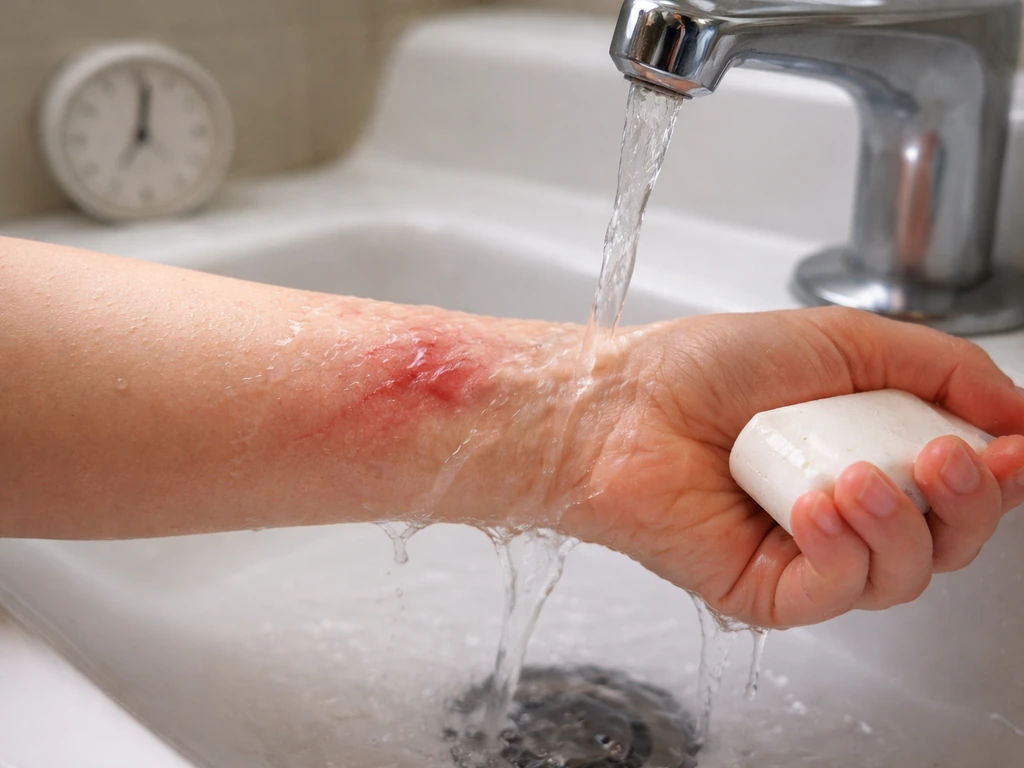
Whether you're worried about venom (almost certainly not the issue) or infection (the actual issue), the first steps are the same, and the sooner you act, the better the outcome.
- Wash the wound immediately with soap and running water for at least 20 minutes. This is the single most effective step you can take. CDC guidance from the Yellow Book on zoonotic exposures specifically emphasizes this timeframe for reducing pathogen load in bite and scratch wounds.
- Control any bleeding by applying gentle pressure with a clean cloth.
- Do not close the wound with tape or bandages before medical evaluation if it's a deep puncture wound. Closing puncture wounds traps bacteria.
- Assess your tetanus vaccination history. The CDC's wound management guidance distinguishes between clean minor wounds and dirty or major wounds, and the need for a booster or tetanus immune globulin (TIG) depends on wound type and how long since your last vaccine. If it's been more than 5 years since a booster and the wound is significant, seek care.
- Seek medical evaluation promptly for any bite that breaks the skin. The NHS and Mayo Clinic both recommend professional assessment for animal bites to evaluate infection risk, tetanus status, and whether prophylactic antibiotics are warranted.
- Watch for signs of infection over the following 24 to 72 hours: increasing redness, warmth, swelling, pus, red streaks spreading from the wound, or fever. Any of these warrants urgent care.
If a bird bite or scratch has caused severe swelling, numbness spreading beyond the wound site, difficulty breathing, or systemic symptoms within minutes of the encounter, seek emergency care. While this is almost never a venom reaction from a bird, severe allergic responses or overwhelming infection can cause rapid deterioration and require immediate treatment.
| Situation | Action | Urgency |
|---|---|---|
| Minor scratch, skin barely broken, vaccinations current | Wash thoroughly, monitor for infection signs | Low: monitor at home, see doctor if worsens |
| Deep puncture from beak or talon, tetanus status unknown | Wash thoroughly, seek medical evaluation | Moderate: within hours, same day |
| Bite wound becoming red/swollen/warm within 24 hours | Medical evaluation, likely antibiotics needed | High: urgent care or GP same day |
| Wound with red streaks, fever, or spreading swelling | Emergency care | High: go now |
| Severe systemic reaction (breathing difficulty, anaphylaxis) | Emergency care | Immediate: call emergency services |
How to prevent bird-related harm at home and with pets
For most people, the birds they're most likely to be injured by are their own pets, wild birds they're trying to rescue or rehabilitate, or garden birds handled carelessly. A few straightforward habits make a big difference.
- Wear gloves when handling wild birds, raptors, or any unfamiliar bird species. Even a small bird's beak can break skin, and the bacterial risk is real regardless of bird size.
- Never handle a bird that appears sick or disoriented without protective gear. Sick birds are more likely to bite defensively, and illness can sometimes indicate a zoonotic pathogen.
- Keep your tetanus vaccination current. The standard recommendation is a booster every 10 years for most adults, or every 5 years if you work regularly with animals.
- If you keep parrots or other large psittacines as pets, learn how to read their body language. Most serious bites from pet birds are preventable with training and by recognizing warning signals (feather positioning, eye pinning, posture).
- For households with cats and dogs around pet birds, remember that cat scratches and bites carry their own bacterial risks (notably Bartonella henselae, which causes cat scratch disease) that are often blamed on nearby birds.
- If you feed wild birds in your garden, avoid handling feeders barehanded when sick birds are present, and clean feeders regularly to reduce the buildup of Salmonella and other pathogens that wild birds can shed.
Pet owners who keep birds in the home with children should be especially attentive to hand-washing after handling birds or cleaning cages. Young children, the elderly, and immunocompromised individuals face higher risk from zoonotic infections and deserve extra precaution even from routine bird contact.
Bird safety for aviation professionals: strike risk vs. toxin risk
Aviation professionals searching for information on bird dangers often land on the same results as people asking about venomous birds, but the concerns are entirely different and shouldn't be conflated. For pilots, air traffic controllers, and airport wildlife managers, the hazard is bird strike: the physical collision of a bird with an aircraft, which can cause engine ingestion, windshield penetration, or structural damage. There is no toxicological component to bird strike risk. No venom, no poison, no infection vector that matters in that context.
Bird strike risk is quantified by the Federal Aviation Administration (FAA) and other aviation authorities by species, flock size, bird mass, and flight altitude. Large birds (Canada geese, white pelicans, sandhill cranes) pose the greatest structural risk at low altitudes during departure and approach. Starlings and other small birds pose high risk through flock behavior and engine ingestion. The Wildlife Strike Database maintained by the FAA tracks thousands of incidents annually, and airport wildlife management programs use hazing, habitat modification, and sometimes lethal control to reduce strike risk. None of this intersects with venom biology.
Where bird biology does matter for aviation personnel is in occupational health: wildlife control officers and bird handlers at airports should follow the same basic precautions as anyone handling birds, including gloves, respiratory protection when managing large quantities of bird waste (for histoplasmosis and Cryptococcus risk), and current tetanus vaccination. But this is routine occupational hygiene, not a response to any venomous hazard.
The bottom line is that birds represent genuine hazards in multiple contexts, from pet bites to aviation strikes to dietary toxicity, but "venomous bird" is not a category that holds up to scientific scrutiny as of today. The real risks are bacterial infection from wounds, mechanical trauma from powerful beaks and claws, passive toxins in a small number of species, and physical collision in the aviation context. Understanding which risk applies to your situation is the first step to handling it correctly.
FAQ
I got a bad reaction after a bird bite. How can I tell if it was infection versus “venom”?
If you were bitten or scratched, treat it like a wound infection risk first. Watch for redness, warmth, swelling, pus, fever, or worsening pain within 12 to 48 hours, and consider the bite’s depth and location (hands and face are higher risk). Even if someone thinks it was “venom,” delaying care for an infection can make outcomes worse.
Do bird bites or scratches count as tetanus risk even if there is no venom?
Yes, any puncture or deep scratch should trigger tetanus consideration, regardless of whether the bird could be toxic. If you have not had a tetanus booster in about 5 years (or in about 3 years for particularly dirty wounds), contact a clinician promptly to ask if a booster and wound care are needed.
What should I do if I handle a wild bird and feel numbness or tingling?
If a wild bird’s skin or feathers cause numbness or tingling right after contact, it may be from passive skin toxins in a small set of species (like hooded pitohui relatives) rather than an injection. Rinse off, avoid further contact, and seek medical advice if symptoms are spreading, you feel weakness, or you have trouble breathing.
Why do “venomous bird” stories usually turn out to be infections?
Don’t assume a bird that causes a “severe” injury is venomous. If swelling and pain escalate over the first day or two, think bacterial soft tissue infection. A key clue is timing, progressive redness, and tenderness rather than immediate systemic neurologic collapse.
How can psittacosis show up after handling parrots, and when should I get checked?
For people who handle parrots or other psittacines, respiratory exposure matters because psittacosis risk is linked to inhaling contaminated respiratory particles or dust. If you develop fever, persistent cough, or flu-like illness after handling birds, tell a clinician you had psittacines, even if the exposure seemed minor.
What are the highest-risk mistakes bird owners make at home?
In a pet setting, the most common mistake is thinking the bird itself is dangerous only through bites. Routine hygiene errors, like skipping handwashing after cleaning cages or after touching droppings, can raise infection risk. Use gloves when cleaning, wash hands thoroughly afterward, and avoid touching your face while working.
Does infection risk change for children or immunocompromised people around birds?
If you have a known immunocompromising condition, pregnancy, or a very young child in the home, you should treat routine bird contact as higher risk. Practical steps include extra handwashing, minimizing exposure to droppings and aerosolized dust during cage cleaning, and asking a clinician for personalized guidance if you have frequent contact.
If someone believes the bird was venomous, should they still seek care for symptoms?
Yes. Some people may be tempted to restrict treatment because they assume toxins will “run their course.” Instead, prioritize standard wound management: clean the wound thoroughly, monitor for infection, and get medical evaluation for rapidly spreading redness, significant swelling, or any numbness or breathing symptoms.
When is a bird injury serious enough to be urgent even if there is no venom?
If the bird injury involves the face or near the eye, or if there is deep puncture, uncontrolled bleeding, numbness of a finger, or rapidly expanding swelling, urgent evaluation is safer than waiting. These features can indicate infection, tendon or nerve involvement, or allergic reactions that need quick treatment.
If a pilot asks about venomous birds, what should I clarify instead?
For aviation, the big misconception is that “venomous birds” somehow relate to bird strikes. Bird strike risk is collision and its mechanical consequences, so prevention focuses on wildlife management, airport procedures, and hazard modeling, not toxin avoidance.
Can people get sick from eating birds, and is that different from “venom”?
If you are considering eating wild birds due to the “coturnism” idea, the relevant risk is ingestion of toxins accumulated from diet during certain seasonal windows, not any venomous injection. The safest approach is to avoid consuming wild birds that could plausibly contain seasonally acquired toxins and to consult local guidance for game and wildlife consumption.