Big Bird from Sesame Street is a fictional costume character performed by a human actor inside an 8-foot-2-inch puppet suit. He cannot cause accidents the way a real bird does. If you meant real-world incidents, look at how big bird or other large birds can cause accidents and what to do to reduce the risk big bird causes accidents.
Sesame Street Big Bird Causes Accidents: Real Bird Safety Tips

Marcus Whitmore
15 May 2026
But the question is worth taking seriously, because people searching for this are often dealing with a genuine bird hazard nearby and using "big bird" as shorthand for a large, intimidating, or unexpected bird encounter.
Whether you're worried about a bird striking a vehicle, a defensive nesting bird near a public walkway, contaminated droppings, or a live bird at an airport or venue, there are evidence-based steps you can take right now to reduce the risk for both people and the bird.
Big Bird is fiction. Here's why the confusion matters.
Sesame Workshop describes Big Bird as a "compassionate 6½-year-old yellow bird" character, and Britannica puts the costume at exactly 8 feet 2 inches tall (2.49 meters). The performer inside (currently Matt Vogel) controls the entire suit. Big Bird has appeared in every season of Sesame Street and in multiple Sesame Street Live stage productions, so people encounter the character in arenas, theaters, and public events. In those contexts, the practical hazard is not the character itself but the crowd dynamics around it: excited children running toward the character, poor visibility for the performer inside the costume, and congested walkways. Those are real, manageable safety concerns at live events. They are not the same as a real bird causing a hazard.
The reason this distinction matters is that conflating the two can push people toward the wrong response. Someone who is genuinely worried about, say, a large heron blocking a marina walkway needs wildlife-specific guidance, not costume-safety advice. If you are trying to understand what bird abatement involves, these steps are the basis for safer, evidence-based conflict reduction wildlife-specific guidance. And someone rattled by seeing the Big Bird character at a parade doesn't need to file an FAA wildlife strike report. Getting the framing right is the first practical step.
How real birds actually cause accidents
When a real large bird is involved in an incident, the mechanism almost always falls into one of three categories: physical collision, distraction leading to a secondary accident, or defensive behavior triggered by humans entering the bird's space.
Collision and strike
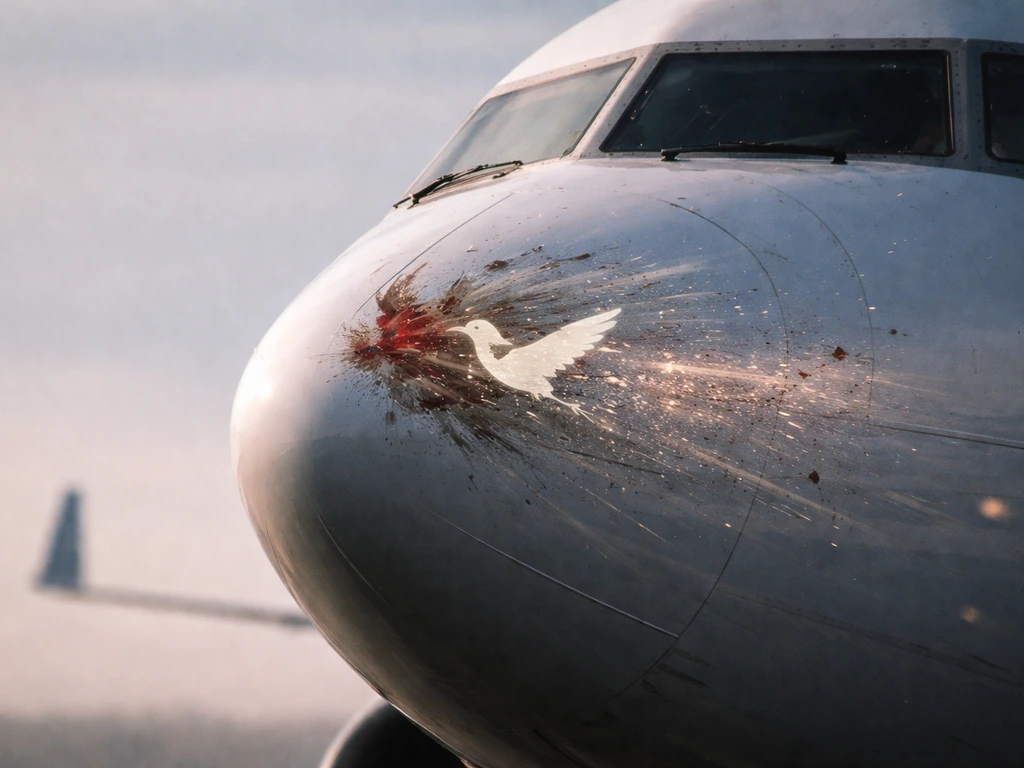
Bird-aircraft collisions are the most documented and costly form. The USDA APHIS Wildlife Services program specifically addresses airport bird hazards, noting that professionally developed wildlife management plans minimize the likelihood of catastrophic strikes and are important for liability purposes after major events. The FAA has a formal reporting tool, Form FAA 5200-7 (the Bird and Other Wildlife Strike Report), specifically for logging these incidents. ICAO's Bird Strike Information System (IBIS) collects strike data internationally to support safety analysis. These systems exist because bird strikes are a real, recurring aviation hazard, not a rare fluke.
Distraction near roads and walkways
A large or unusual bird near a road, trail, or parking area pulls human attention away from the immediate environment. Drivers slow down or swerve; pedestrians step into traffic to get a better look; cyclists brake suddenly. The bird itself isn't attacking anyone, but its presence creates a distraction hazard. This is especially common with species people rarely see up close: herons, sandhill cranes, wild turkeys, and large raptors. The safest approach is to keep moving, observe from a distance, and avoid stopping in a travel lane.
Defensive behavior near nests
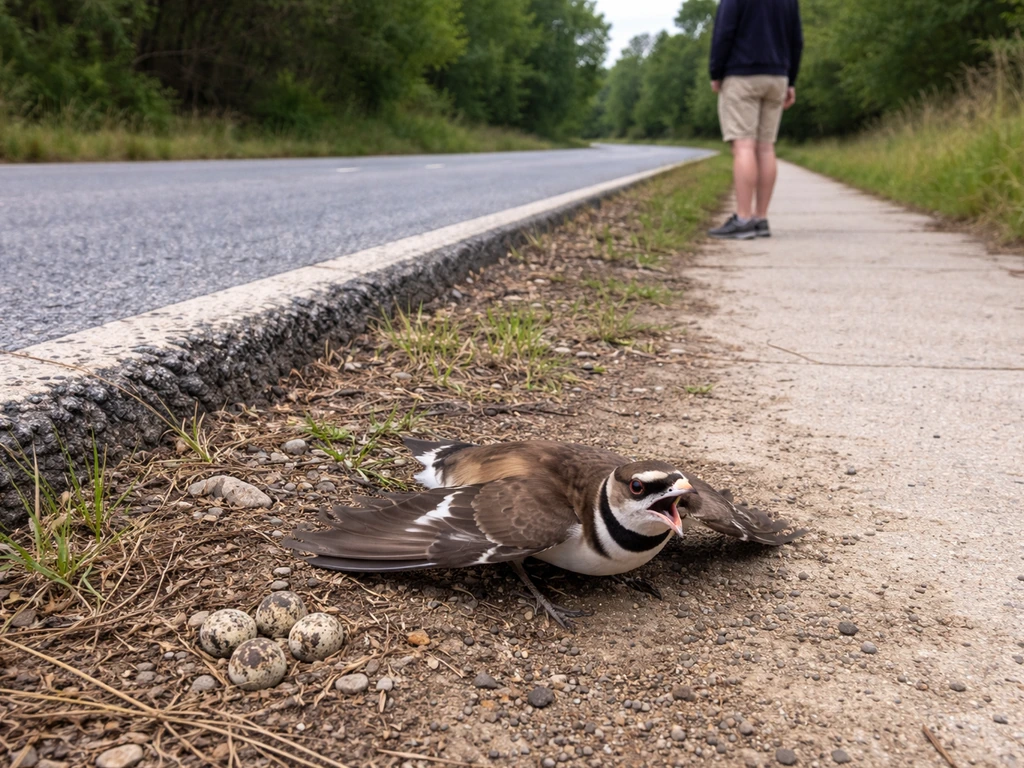
The U.S. Fish & Wildlife Service is clear on this: bird aggression is almost always defensive, not predatory. A bird swooping at a jogger isn't hunting them; it's protecting a nest. The FWS advises patience and de-escalation rather than retaliating, and notes that the behavior typically stops once the nesting season ends. The National Park Service's guidance similarly emphasizes maintaining distance from wildlife to avoid displacing or agitating animals. Getting scratched or struck by a defensive bird (mockingbirds, red-winged blackbirds, and red-tailed hawks are common culprits) is a real injury risk, especially around the head and eyes, but it's preventable.
Myths people repeat about birds and harm
A lot of the fear around bird incidents comes from claims that don't hold up to evidence. The reality is more nuanced, and it's worth addressing the most common ones directly.
- "Bird droppings always make you sick." The reality is that routine exposure (a dropping on a windowsill, a bird flying overhead) doesn't pose a serious health risk for most healthy adults. The NYC Department of Health is explicit about this for pigeon droppings specifically. Risk increases significantly when large accumulations of droppings are disturbed in enclosed spaces, particularly for people with compromised immune systems.
- "Any bird contact leads to disease." The reality is that illnesses like psittacosis or histoplasmosis are linked to specific exposure conditions: breathing in dried, aerosolized particles from droppings or secretions, not brief or incidental contact. The CDC's guidance on both diseases emphasizes that infection is exposure-driven, not inevitable.
- "Aggressive birds are rabid or diseased." The reality is that birds cannot carry or transmit rabies. Defensive swooping is normal seasonal behavior tied to nesting, not a sign of illness.
- "Large birds are more dangerous." Size doesn't automatically mean higher risk. A territorial red-winged blackbird (small) will pursue humans more aggressively during nesting than most large raptors, which typically avoid confrontation.
- "You should shoo or chase a bird away to keep people safe." The reality is that chasing birds, especially nesting ones, escalates defensive behavior. It also may be illegal: many wild birds are protected under the Migratory Bird Treaty Act. Keeping distance and re-routing people is more effective and legally safer.
Practical steps to reduce risk right now
Whether you're managing a bird near a public walkway, dealing with a nesting bird at a property, or handling a surprise encounter, the following steps apply across most scenarios.
- Create distance first. The National Park Service recommends staying far enough back that the animal doesn't change its behavior in response to you. For most large birds near nesting sites, that's at least 50 to 100 feet.
- Re-route foot traffic if possible. Cones, temporary signs, or a staff member redirecting pedestrians around a nesting or roosting area is faster and safer than trying to move the bird.
- Protect your head near known swooping areas. A hat with a brim or a raised umbrella behind you breaks the sightline that triggers a diving bird's strike. This is a documented tactic that works for species like northern mockingbirds and red-tailed hawks.
- Don't feed birds near roads, parking lots, or airports. USDA APHIS specifically recommends against feeding wildlife because it draws animals into spaces where collisions and conflicts are more likely.
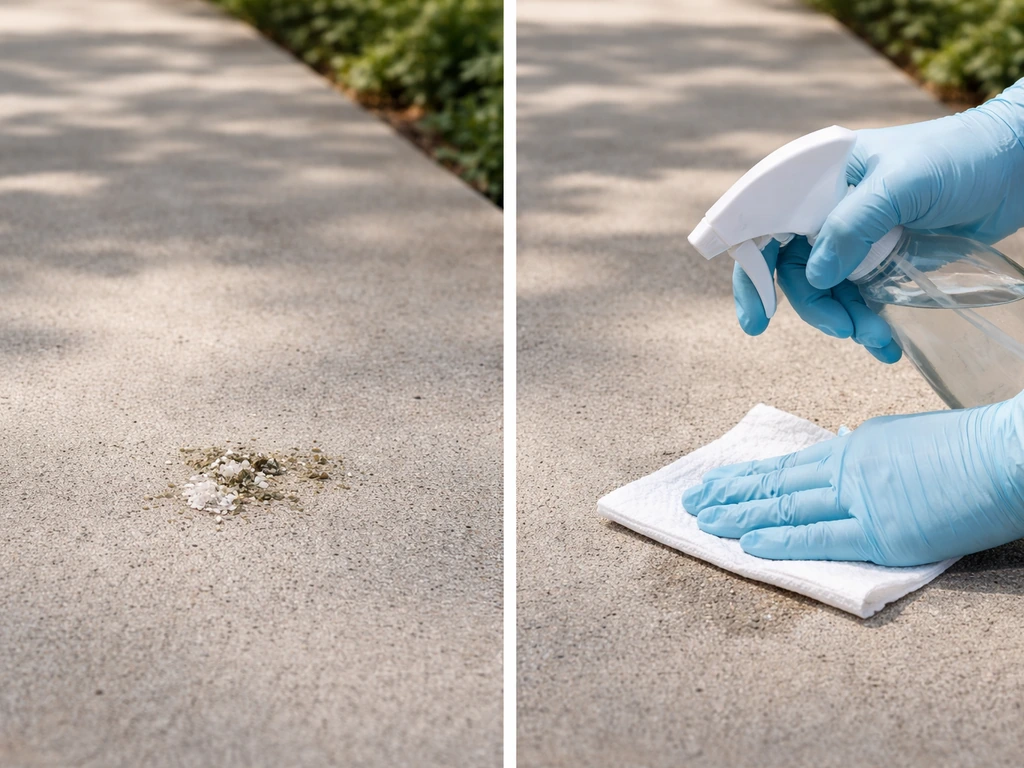
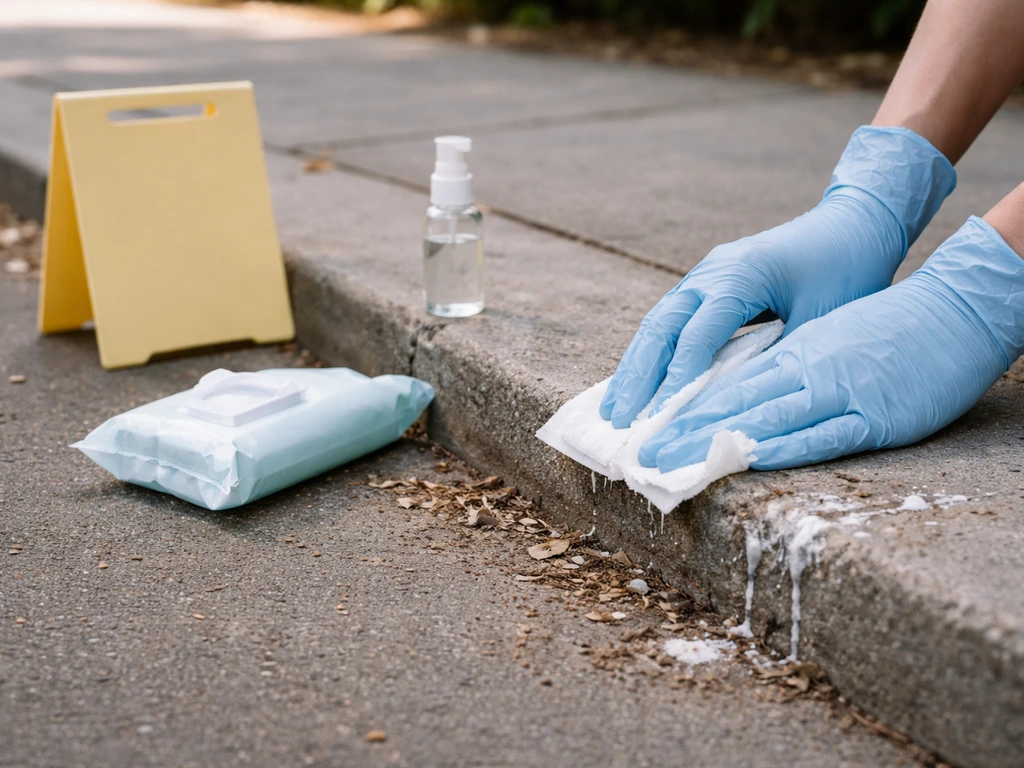
- If droppings are present in quantity, wet the surface before cleaning. The CDC's psittacosis prevention guidance recommends dampening droppings with water or disinfectant before removal to prevent particles from becoming airborne. Use gloves and a mask.
- Contact your local wildlife agency or USDA APHIS Wildlife Services if a bird is persistently creating a hazard. Do not attempt trapping, relocation, or nest removal yourself without checking legal requirements first.
Aviation, performance venues, and risk assessment
If you're working in an aviation or venue context, the bar for documentation and formal response is higher.
For airports, the FAA's wildlife management program coordinates with USDA APHIS Wildlife Services on habitat control around airfields. The APHIS Airport Wildlife Hazards program notes that a professionally implemented management plan is important not only for preventing strikes but also for supporting liability defense after significant events. If a strike occurs, FAA Form 5200-7 is the reporting mechanism, and ICAO's IBIS system handles international reporting. The Bird Strike Committee coordinates analysis across events.
For live performance venues and outdoor events (which is where a Big Bird costume character actually appears), the concerns are different: crowd density, sightline limitations for performers inside large costumes, and the movement of excited children in unpredictable directions. Venue safety staff should establish clear buffer zones around character performers, especially in enclosed or high-traffic corridors. A costumed performer inside an 8-foot suit cannot see below their immediate sightline, and this creates a legitimate trip and collision risk in crowded settings.
What's actually true about bird droppings and health risk
The health risks from bird droppings are real but heavily context-dependent. Two diseases get cited most often: psittacosis and histoplasmosis. The CDC explains that psittacosis is caused by bacteria and that people are infected most commonly by breathing dust containing dried bird secretions or droppings.
| Disease | Cause | Actual risk level | Who's most at risk | Key prevention step |
|---|---|---|---|---|
| Psittacosis | Bacteria in dried bird secretions and droppings | Low for incidental contact; higher for bird handlers and poultry workers | People in close, frequent contact with infected birds | Wet surfaces before cleaning; use gloves and mask; keep cages clean |
| Histoplasmosis | Fungal spores in soil mixed with bird/bat droppings | Low for brief outdoor exposure; higher when disturbing large accumulations in enclosed spaces | Immunocompromised individuals; workers disturbing old roost sites | Avoid disturbing large accumulations; hire hazmat professionals for large cleanups |
| Routine droppings on surfaces | General bacterial contamination | Very low for healthy adults | Immunocompromised individuals | Wash hands; dampen and wipe; avoid touching eyes or mouth |
The CDC's Healthy Pets guidance is straightforward: wash your hands after touching birds, their droppings, or cage materials. Keep enclosures clean so droppings don't accumulate. For pools, the CDC recommends treating a bird dropping in the water as a fecal contamination event and following standard fecal incident response procedures. NYC Health adds the practical note that if you have a compromised immune system, don't clean up droppings yourself. Call someone else to do it.
Large-scale accumulations (think abandoned roost sites in attics or old barns) are a different story and may legally require a certified hazardous waste specialist under CDC and NIOSH guidance. That threshold is far above what most people encounter in everyday life.
Quick decision checklist and next steps
Use this checklist to figure out which path applies to your situation right now.
- Is the "big bird" a costumed character at a live event? If yes: the hazard is crowd management and visibility, not wildlife. Brief the event team on buffer zones and pedestrian flow around the performer.
- Is there a real large bird near a public walkway, road, or entrance? Re-route foot traffic, post signage, and keep people at least 50 feet back. Do not attempt to shoo or chase.
- Is the bird swooping or dive-bombing people? Identify whether there's a nest nearby. Temporarily re-route the area if possible. The behavior is seasonal and will stop. Alert your local wildlife agency if it's a high-traffic public area.
- Are you near an airport or airfield and observed a bird strike or near-miss? File FAA Form 5200-7 immediately. Contact USDA APHIS Wildlife Services for follow-up habitat management.
- Are there droppings on a surface you need to clean? Dampen first, wear gloves and a dust mask, wash hands after. Healthy adults face minimal risk from routine cleanup.
- Is the accumulation large, old, or inside an enclosed space (attic, barn, ductwork)? Do not disturb it yourself. Contact a licensed hazardous materials professional.
- Are you or someone present immunocompromised? Do not clean droppings yourself. Get someone else to do it, and consult a physician if there's been significant exposure.
For ongoing bird presence at a property or facility, the most effective long-term solutions involve habitat modification rather than reactive responses: removing food sources, installing deterrents, and working with a licensed wildlife professional to develop a management plan. A bird removal technician is trained to inspect the site, identify the bird species, and carry out humane exclusion and cleanup methods to resolve the hazard safely.
USDA APHIS Wildlife Services provides federal-level expertise for exactly this kind of conflict resolution, and their airport wildlife hazards program is the gold standard for high-stakes environments. If you meant a specific situation like how is big bird control handled at airports, start by following the habitat modification and wildlife-management-plan approach outlined above. For everyday residential or public-space concerns, your state's wildlife agency is the right first call.
In many areas, animal control or a local wildlife agency can assess the nest and advise whether removal is allowed and what timing and permits are required your state's wildlife agency.
FAQ
If I see “Big Bird” at a parade and also a real large bird nearby, which safety steps should I follow first?
Start with what can immediately injure someone, treat it like a real wildlife encounter. Keep people moving away from the large bird and avoid stopping in walkways or lanes, then handle costume safety by using simple crowd control, like directing foot traffic around the performer and maintaining a buffer zone so children do not rush the character.
What should I do if a bird (or a bird-like situation) causes cars to brake suddenly or pedestrians to step into traffic?
Do not try to “shoo” the bird while people are in motion. Keep your distance, keep vehicles moving when safe, and use hand signals or verbal guidance to redirect pedestrians to the safest sidewalk edge. If the bird is blocking a roadway or creating repeated near-misses, contact local non-emergency services or site security.
Is it safe to approach a nesting bird to take photos or to scare it away from a path?
Approaching is the main trigger for defensive behavior, especially near nests. Use zoom from a distance, stay on the safe side of a barrier, and give the bird a clear escape route. If the bird is actively swooping or striking nearby, wait for it to settle or arrange for wildlife staff to manage the site.
How do I tell whether droppings are a routine cleanup risk or something that needs professional help?
If droppings are scattered on a small surface, usual hand hygiene and careful cleanup is typically enough. If there is heavy accumulation, dried debris that creates dust, or contamination in enclosed spaces like attics or barns, stop DIY work and contact a cleanup professional, especially if anyone involved is immunocompromised.
Do I need to report bird strikes or bird incidents even if no one is hurt?
In aviation and formal venue contexts, reporting is still often required because patterns matter for prevention. If you are at an airport, use the appropriate FAA reporting pathway (FAA Form 5200-7) even when damage seems minor. For non-aviation public incidents, report to the venue or property manager so they can log the hazard and adjust buffers or habitat controls.
What’s the safest way to handle an indoor “bird in the building” situation at a venue?
Avoid chasing. Close doors to limit the bird’s movement to one area, turn off bright lights near the exit path, and provide a clear route to the outside. Once the bird is contained or directed out, have trained staff manage cleanup rather than letting untrained people handle droppings or dust.
Can I use deterrents or removal myself, or should I always call a wildlife professional?
For small, low-risk situations like a bird simply lingering temporarily in a yard, you can often reduce attractants. For anything involving nests, repeated attacks, or accumulation in enclosed spaces, call a licensed wildlife professional because species protection rules, timing, and safe exclusion methods vary by location.
Are the health risks from droppings the same for all birds?
No. The article notes specific diseases commonly cited with bird contamination, like psittacosis and histoplasmosis, but risk depends on exposure type (dust vs. direct contact), cleanliness level, and who is being exposed. If anyone has a weakened immune system, treat droppings cleanup as a higher-risk task and avoid doing it yourself.
How should venue staff set buffer zones around costumed performers like Big Bird?
Use a fixed stand-off distance that protects both directions, keep crowd members from rushing the performer and keep the performer from being forced into corners where they cannot see hazards. In crowded corridors, prioritize widening sightline space for the performer and controlling where children can stand or run, trip and collision risk is not theoretical in full-body costumes.
What should I do if I get scratched or struck by a defensive bird near my home or a park?
Treat it as a potential injury risk, especially for eye and facial contact. Rinse promptly, seek medical advice for deeper scratches or any eye exposure, and avoid retaliating against the bird. After the immediate situation, escalate to property or wildlife staff so they can manage the nesting area safely.