
The short answer is: yes, birds can smell humans, but barely, and not in any way that meaningfully changes how they respond to you. The idea that a bird is tracking you by scent the way a dog or bear might is almost entirely a myth. What birds are actually doing when they detect your presence is something quite different, and understanding that distinction matters if you are a pet owner, a wildlife observer, or anyone trying to manage birds around people safely.
Can a Bird Smell Humans? What Birds Actually Detect

Marcus Whitmore
17 Apr 2026
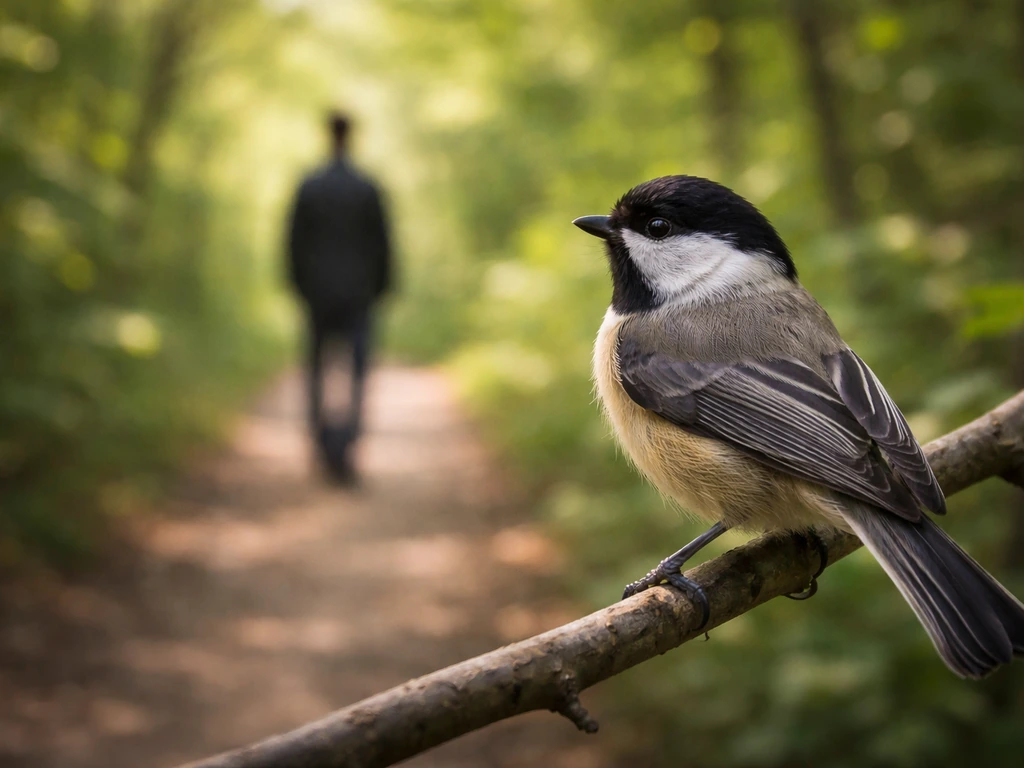
Do birds actually have a sense of smell?
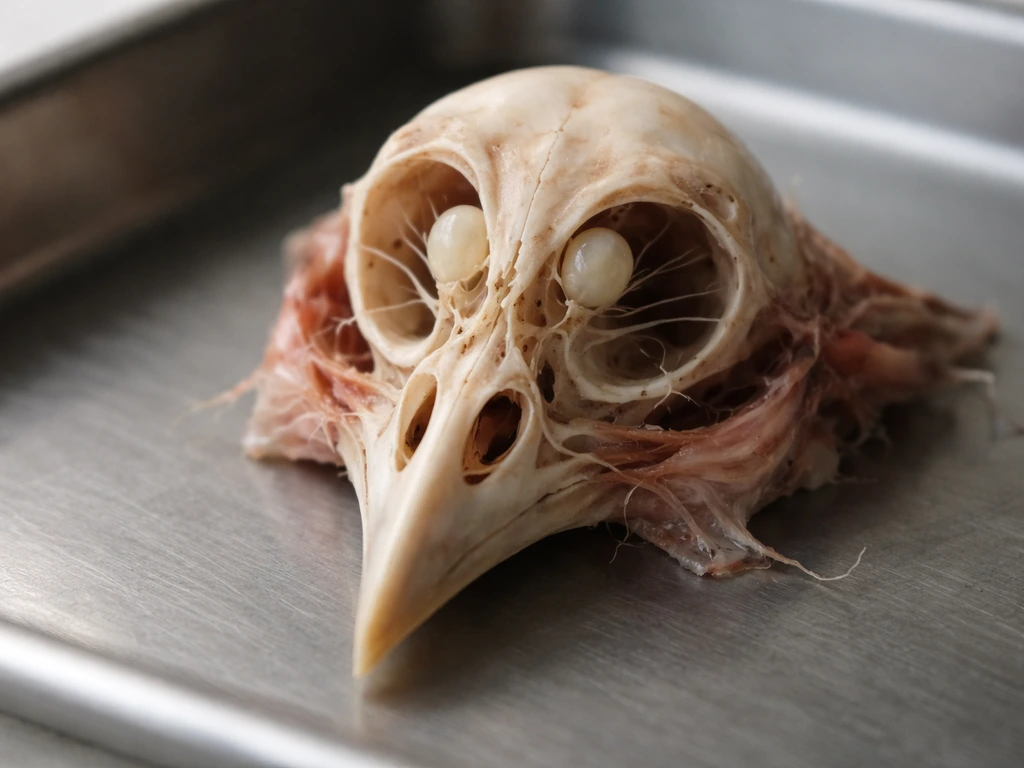
Birds do have olfactory anatomy. They have olfactory bulbs, olfactory turbinates, and the nerve pathways that support smell. A study published in PubMed comparing 157 species used olfactory bulb size as a proxy for olfactory capability and found that the importance of olfaction actually increased during early bird evolution rather than being reduced. So birds are not the sensory blank slates they are sometimes made out to be. The plumbing for smell exists.
That said, having the anatomy does not mean using it the way mammals do. Morley R. Kare, one of the most thorough mid-20th-century researchers on avian chemical senses, put it plainly: he was not saying birds lack the apparatus for olfaction, but that in most species, odor is of little or no behavioral significance. That framing is important. Little behavioral significance means birds are not actively using smell to navigate their world the way a predatory mammal does. The wiring is there; it just is not the dominant channel.
Developmental work on chicks (Gallus gallus) confirms that olfactory bulbs and olfactory turbinates are real, functional, scaled structures in developing bird brains. This is not vestigial tissue. But scale and function are not the same as behavioral reliance. A structure can be present and working at a low level without driving the animal's decisions.
Can birds actually detect humans by scent, and how close do you need to be?
At very close range, yes, some birds may register human odor. Sweat compounds, skin oils, and exhaled breath all carry volatile chemicals that a bird in direct proximity could theoretically detect. But here is the practical reality: the olfactory sensitivity required to pick up a human scent at even a few meters is far beyond what most bird species possess. Birds that rely heavily on smell, like some vultures, kiwis, and certain tube-nosed seabirds, are genuine exceptions. The average songbird, pigeon, crow, or common pet bird is not using its nose to find or avoid you.
Distance makes the gap even wider. Unlike a dog that can track a scent trail across a field, typical birds do not have the receptor density or the behavioral programming to follow a human odor plume at distance. Wind direction matters enormously, and even in ideal conditions, the concentration of human scent compounds drops off too fast for most birds to act on it. If a bird is reacting to you from 20 or 30 meters away, smell is almost certainly not the reason.
What birds are actually using to detect you: sight, sound, and more
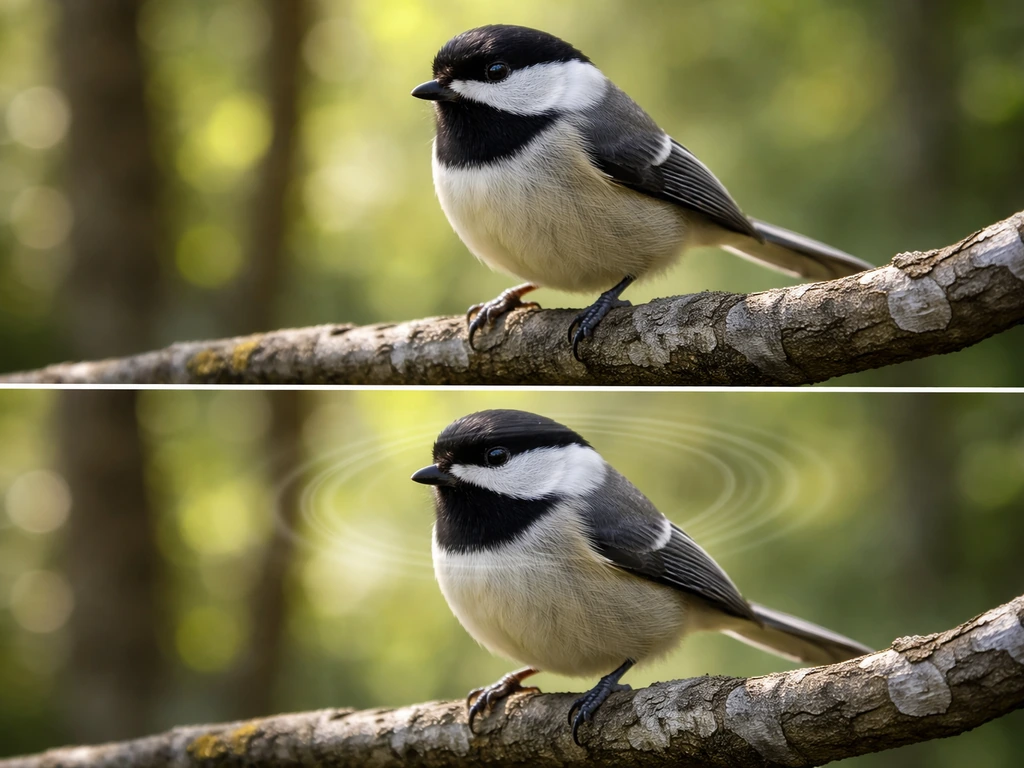
Vision is the dominant sense for the vast majority of bird species. Birds have four types of cone photoreceptors (compared to the three that humans have), allowing them to see ultraviolet light. Their visual acuity is extraordinary, especially in raptors. A hawk can spot movement at distances that would look like a featureless field to a human. When a bird reacts to your presence, the first trigger is almost always visual.
Hearing is a close second. Bird hearing is sharp enough to pick up footfall vibrations, rustling clothing, and even the low-frequency hum of machinery. Many species vocalize as an alarm response the moment they detect an unusual sound before they have even confirmed a visual target. This is why slow, quiet movement matters so much when approaching birds.
Airflow and CO2 are less discussed but genuinely relevant in close-range situations. Exhaled breath carries CO2 and warmth, and at very short distances (think hand-feeding or nestbox proximity), some birds may register those cues. This is not smell in the traditional sense; it is thermal and chemical detection at the boundary of what we would call olfaction. It is real, but it operates at inches, not yards.
One often-overlooked cue is reflection and glass. Birds regularly fail to register glass as a solid barrier because it reflects the sky or vegetation so accurately. If you are concerned about birds colliding with windows near people, understanding how birds perceive glass is far more actionable than worrying about whether they smell you.
Species differences: pet birds, raptors, and wild birds are not the same
It is genuinely unhelpful to talk about 'birds' as a single category here, because the range of olfactory capability across species is wide. Here is a practical breakdown of what actually differs:
| Bird Type | Olfactory Capability | Primary Detection Method | Human Scent Detection? |
|---|---|---|---|
| Common pet birds (parrots, cockatiels, finches) | Low to moderate | Vision, hearing | Minimal, only at very close range |
| Songbirds (sparrows, robins, corvids) | Low | Vision, hearing | Negligible in practice |
| Pigeons and doves | Low to moderate | Vision, magnetoreception | Very limited |
| Raptors (hawks, eagles, owls) | Low to moderate (owls slightly higher) | Vision dominant | Not meaningfully |
| Turkey vultures | High | Smell is primary foraging tool | Yes, detects carrion gases |
| Kiwis and tube-nosed seabirds | High | Smell plays significant role | Possible at closer range |
The takeaway from this comparison is that vultures and a handful of specialized species are the real exceptions, and they are detecting decay compounds (like dimethyl sulfide), not the live human scent profile. A field and experimental study on turkey vulture olfactory sensitivity measured behavioral or sensory responses to carrion odorants, supporting that vultures can detect decay-related gases used to locate carrion vultures and a handful of specialized species are the real exceptions. Fruit-eating birds and parrots show some chemical sensitivity, as Kare noted, likely tied to food selection rather than social detection. For nearly every common species a pet owner or casual wildlife observer would encounter, smell is simply not a meaningful factor in detecting you.
What you can actually do today to reduce bird risk around people
Because birds rely on sight and sound, those are the levers worth pulling. Scent-based deterrents have a weak evidence base for most species. If you are trying to manage birds in a specific area, your energy is better spent on visual and auditory strategies. Products like reflective tape, predator silhouettes, and motion-activated devices address the senses birds actually use. If you are wondering whether commercial deterrent products work at all, the honest answer is that it depends heavily on the product and the species. Looking into whether Bird-B-Gone actually works is a good starting point before investing in any system.
For pet bird owners, the practical implication is that your bird recognizes you primarily by how you look and sound, not how you smell. Changes in appearance (new hat, sunglasses, unfamiliar clothing) can genuinely startle a pet bird more than any change in your scent. Many owners have experienced a bird reacting with alarm to a coat they have never worn around the bird before. That is vision at work.
For wildlife observers and photographers, slow movement and subdued, non-reflective clothing matter far more than any attempt to mask your scent. Wind direction is still worth noting, but mainly because it affects sound carry, not because birds are following your odor trail.
For aviation and facility managers dealing with bird strikes or roost concentrations, the evidence strongly favors multi-sensory deterrence strategies. Acoustic deterrents are worth examining: bird whistles and acoustic devices vary significantly in their effectiveness, and species response is highly context-dependent. Combining acoustic with visual elements generally outperforms either alone.
One thing worth flagging for anyone using sound-based approaches: playing bird calls to deter or attract birds carries its own complications, including habituation, unintended attraction of other species, and potential regulatory concerns in some jurisdictions. It is not something to do casually without understanding the tradeoffs.
Safe ways to observe bird behavior around humans without causing harm
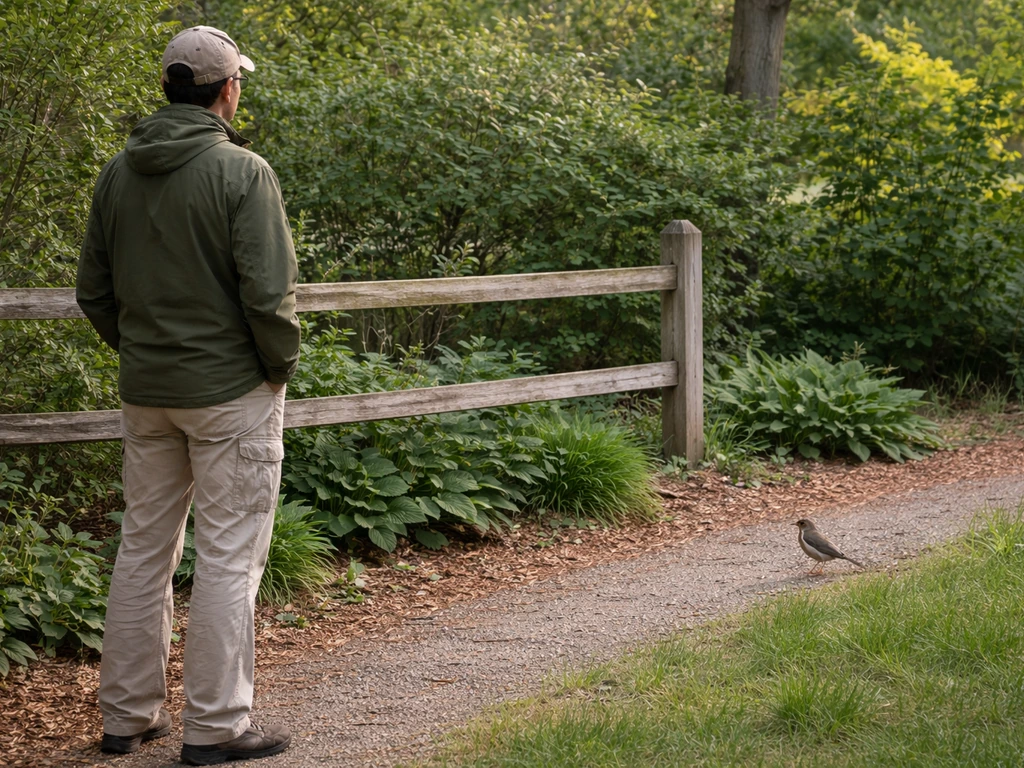
If you want to test how birds respond to human presence in your own environment, the key is designing your observations so the bird is never stressed or cornered. Start at distance. Sit still at the edge of a yard or open space and let birds acclimatize to your presence before you attempt to move closer. Document what triggers a flush response: your movement, a sound you made, or something else entirely.
You can test scent variables at home by placing worn clothing (carrying your scent) near a bird feeder versus clean clothing, and observing whether birds show any behavioral difference in approach rate or duration of visit. In most cases with common garden birds, you will find no meaningful difference, which itself tells you something useful about how much scent is driving their decisions.
Avoid nest sites entirely during breeding season. A bird that appears calm may still be under stress, and repeated human approaches to active nests can cause nest abandonment. If you are curious whether a bird can detect your presence near a nest, the honest answer is that it will, but through sight and sound long before smell becomes relevant.
Researchers and wildlife managers at The Wildlife Society note that human scent can bias some bird research results because odor and human contact or odor near nests can become a cue that confounds study outcomes human scent can bias bird research results. This also connects to a common question about whether you can catch a bird by hand, which depends far more on the bird's visual and escape-route assessment than any scent masking on your part.
Pay attention to context variables: time of day (birds are most vigilant at dawn and dusk), nesting versus foraging versus roosting modes, and whether the bird has been previously conditioned to human presence. A urban pigeon and a rural red-tailed hawk have very different baselines for human approach tolerance, and that difference is almost entirely about habituation through visual exposure, not olfactory familiarity.
Birds are genuinely fascinating from a sensory biology perspective, and they occasionally surprise researchers. For instance, birds do sneeze, which is relevant to respiratory health in pet birds and tells you something about the nasal anatomy they do have. The fact that birds can sneeze is a reminder that their nasal passages are functional structures, even if smell is not their primary mode of world-navigation.
When to call a professional instead of guessing
If you are dealing with a genuine bird hazard situation, such as a large roost near an airport, aggressive birds during nesting season, or a significant infestation in a commercial building, the scent question is frankly the least of your concerns. A professional bird control consultant or wildlife biologist will assess habitat, species behavior, and legal constraints before recommending any intervention. Relying on misconceptions about bird smell (thinking you can mask human presence with scent blockers, for example) can lead you to waste time and money while the actual problem persists.
The practical summary is this: birds detect humans primarily through sight and hearing, at distances and in conditions where no scent signal could realistically compete. For pet owners, wildlife enthusiasts, and safety professionals alike, understanding that birds are visual and auditory creatures, not scent trackers, is the foundation for every practical decision that follows. Work with those senses, not against a mythology that does not reflect the biology.
FAQ
If I wear gloves or use scent-free soap, will birds ignore me more?
Usually not. For most species, human reactions are driven by sight and sound, not trace odor. Scent blockers may help less than reducing movement, staying farther away, and avoiding sudden visual changes (new clothing colors, reflective items).
Can birds smell me from inside my house if I’m outside near a window?
In most cases, the answer is no in a meaningful way. At window distance, the concentration of human odor is too low for typical birds to use, and birds will mostly rely on reflections, movement, and outside visual cues. If a bird keeps circling a window, glass perception is often the real issue rather than your scent.
Are birds more likely to notice me when I just exercised or sweat?
Sometimes at very close range, because sweat carries volatile compounds and stronger exhaled cues. But for reactions that happen from tens of meters away, sweat does not reliably explain the behavior. Wind direction can change how any near-field chemical cues spread, yet visual and auditory triggers still dominate.
Do pet birds get upset by my natural smell, or by what I look like?
Most pet-bird startle responses are strongly tied to appearance and sound. If you switch hats, glasses, or clothing textures, your bird may react quickly even without any change in scent. Keep approach predictable (slow, consistent body position, quiet voice) more than worrying about odor.
Can you use essential oils or strong-smelling products to keep birds away?
For most common birds, strong odor is unlikely to be a dependable deterrent. Odor-based deterrents often perform inconsistently across species and conditions, and they can create other problems (irritating birds or masking other cues you need). Visual and acoustic deterrence is usually more controllable.
Do scavenging birds like vultures smell humans, or are they responding to something else?
Specialized scent use is more about detecting specific food or decay-related volatiles than recognizing “a human” as an individual. If birds are concentrating near people, it is often because of accessible food, waste, or predictable movement, not because they are tracking human scent.
Why do birds sometimes act differently depending on wind direction if they are not smell-tracking me?
Wind still matters, but often because it changes sound carry and how near-field cues reach the bird. If you notice the bird responding more when you are upwind, it could be hearing you better or having fewer masking distractions, rather than following an odor plume.
Will playing recorded bird calls make birds aware of me through smell less?
No. Sound-based methods do not reduce scent detection, they change the bird’s interpretation of the environment. Also, calls can backfire by attracting other species, causing habituation, or increasing agitation in the targeted birds. Use carefully and avoid casually repeating calls.
Can I use a “scent test” to prove whether a bird is responding to odor?
Yes, but control the variables. Place the only meaningful difference as the clothing odor, keep your body movements and voice consistent, and run multiple trials. If you see no change in approach or time on site, it strongly suggests odor is not driving the behavior for that species in that setting.
At what distance would bird smell matter more than sight and hearing?
Primarily at inches to very short distances when exhaled breath, warmth, and skin oils are most concentrated. From farther away, scent is generally too weak for most species to trigger targeted behavior, even when birds have olfactory structures.
If a bird is calm, could it still be stressed if I’m near its nest?
Yes. A bird can appear composed while still under stress, and repeated approaches can lead to nest abandonment. Even if smell seems unlikely, it is safest to avoid nest sites during breeding season and keep distance based on the species’ typical response rather than “calm” body language.
Does hiding my scent help if I’m trying to photograph birds without flushing them?
Usually it is lower priority than technique. Dress in subdued, non-reflective clothing, minimize sudden motion, and start at distance so birds acclimate. If wind shifts, adjust your position to maintain quiet sound conditions and stable viewing angles.
Could masking my scent reduce the chance of a bird strike at airports or warehouses?
Rely less on scent masking and more on multi-sensory deterrence. Facilities typically need system-level changes (habitat and roost management, visual deterrents, and species-appropriate acoustic tools). If you face repeated hazards, involve a professional because legal and ecological constraints matter.
Do birds recognize individual humans by smell, like mammals do?
For most birds, there is little evidence they use human odor to recognize individuals. Any individual “recognition” is more likely learned through repeated visual cues, predictable routines, and consistent sound patterns (habituation), not an olfactory signature.