If you want the bird most likely to kill you outright, that's the cassowary. If you want the bird most likely to actually hurt you in everyday life, that's probably a nesting raptor or a territorial goose. And if you're asking from an aviation safety standpoint, waterfowl (especially Canada geese) cause a disproportionate share of serious aircraft damage. 'Most violent' depends entirely on what kind of violence you mean, and getting that definition right is the difference between useful caution and unnecessary fear.
What Is the Most Violent Bird? Safety, Facts, and Risk

Marcus Whitmore
4 May 2026
What 'Most Violent' Actually Means (and Why It Matters)
Violence in birds breaks down into at least three distinct categories, and conflating them is where most people go wrong. There's severity (how bad can a single attack get?), frequency (how often does it actually happen to people?), and context (is this defensive or predatory behavior?). A cassowary can kill you, but you're almost certainly never going to meet one outside of Queensland, Australia, or a zoo. A red-tailed hawk near its nest can draw blood from your scalp in a suburban park, and that's far more relevant to most readers. Then there's rarity: some birds have fearsome reputations built on a handful of documented incidents spread across decades.
The most useful framing is this: which birds cause the most serious, documented, real-world injuries relative to the likelihood of human exposure? By that measure, the answer changes depending on whether you live near nesting raptors, work at an airport, keep small pets outdoors, or happen to be hiking in cassowary habitat. Each of those scenarios has a different 'most dangerous bird,' and this article covers all of them.
The Main Candidates: Who's Actually Dangerous?
Cassowary: The Only Bird With a Confirmed Human Kill Record
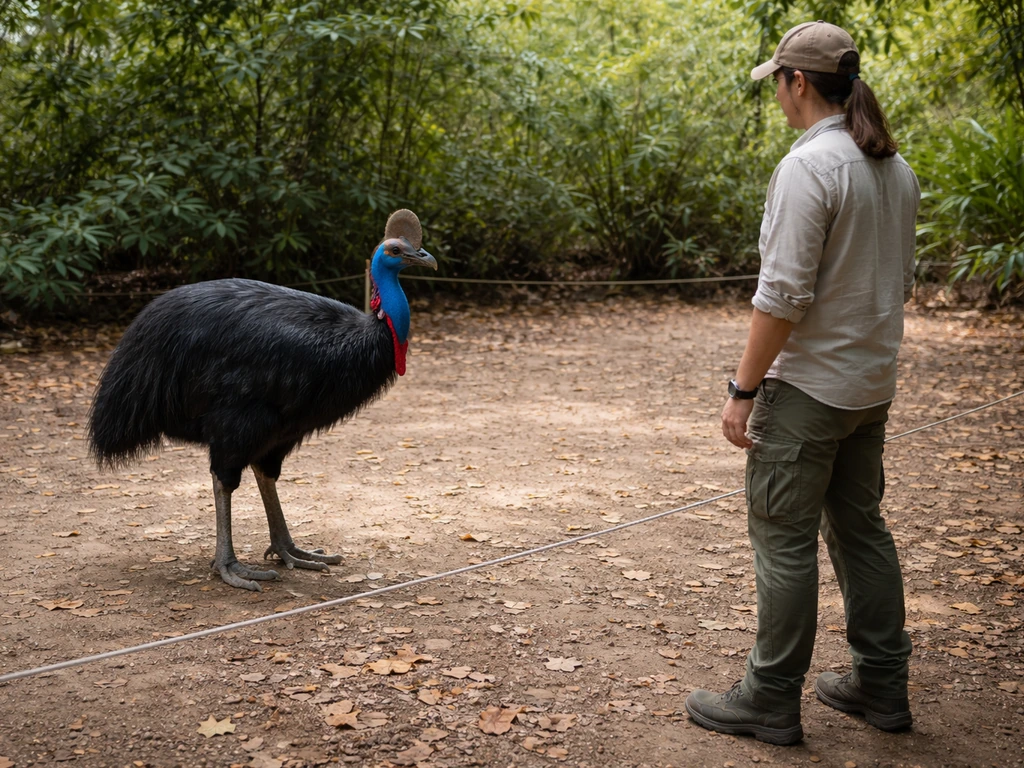
The southern cassowary holds a distinction no other living bird can claim: it is one of only two bird species (alongside the ostrich) documented to have killed humans through direct physical attack. A Journal of Zoology analysis of cassowary attack cases in Queensland found seven attacks against humans that resulted in serious injuries including puncture wounds, lacerations, and broken bones, plus one confirmed death from a cassowary kicking and jumping on the victim.
Out of 150 documented cassowary incidents recorded up to 1999, about 73% involved scenarios where the bird anticipated food or was snatching food from people, meaning habituation to human feeding is a major risk factor. Cassowaries are powerful, fast, and armed with a dagger-like inner claw that can reach 12 centimeters. They are not randomly aggressive, but when provoked or food-conditioned, the outcomes can be catastrophic.
Raptors: Hawks, Owls, and Eagles Near Nests
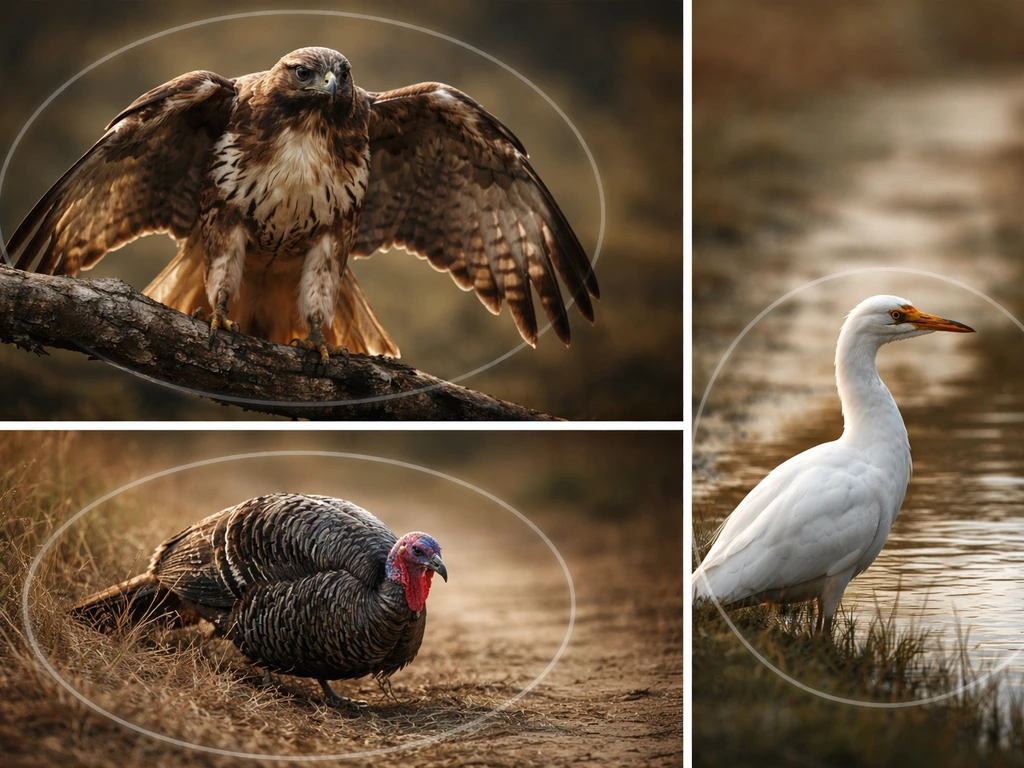
For most people in North America and Europe, the realistic danger comes from nesting raptors. The U. S. Fish and Wildlife Service specifically names red-tailed hawks, Cooper's hawks, Swainson's hawks, northern goshawks, broad-winged hawks, and peregrine falcons as species that may show aggression toward humans during nesting season, which runs roughly January through August.
These birds don't attack because they're inherently aggressive; they attack because you walked too close to a nest. The attack mechanism, per USFWS documentation, involves lunging or dive-bombing followed by use of wings, talons, and bill when threat displays fail. Owls can be particularly dangerous because they attack silently and at eye level. A JAMA Ophthalmology case report documents a tawny owl attack causing ocular perforation, and a 10-year eye injury series (2014 to 2024) found that 78.
3% of bird-related eye injuries involved open globe injury. A decade-long tertiary referral hospital series from Iran in BMC Ophthalmology likewise documents open-globe injury patterns among [animal and bird](https://bmcophthalmol. biomedcentral. com/articles/10.
1186/s12886-024-03840-9)-related eye trauma cases in that dataset. That is a category of trauma that can permanently destroy vision.
Geese and Large Waterfowl: High Frequency, Lower Severity (Usually)
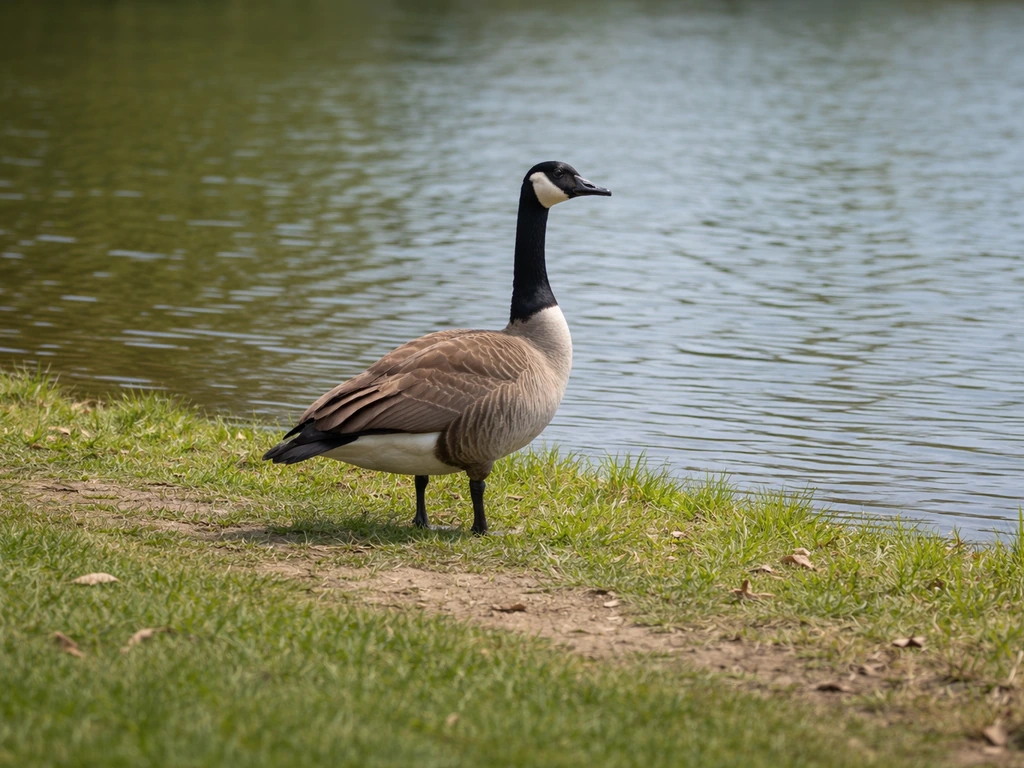
Canada geese are the bird most people have actually had an unpleasant encounter with, and for good reason. They are large, territorial during nesting, and have no fear of humans after generations of park life. Injuries from geese are typically bruises, falls (from being knocked over), and the occasional infection risk after handling or close contact.
A BMJ Case Reports article documented human cellulitis connected to goose handling, a reminder that 'violent' encounters carry infection risk even when they don't look dramatic. Geese also hold a special place in aviation safety: the FAA reports that waterfowl account for only about 4% of reported bird strikes but are responsible for 27% of the strikes that cause actual aircraft damage. Canada geese, specifically, score very high in the FAA's species damage percentage rankings.
Territorial Songbirds: Annoying But Rarely Dangerous
Northern mockingbirds, magpies (particularly Australian magpies during swooping season from August to October), and masked lapwings (plovers) are famous for dive-bombing people and pets. These attacks are almost always defensive bluffs during breeding season. They rarely cause serious physical injury, though eye contact with a swooping bird's claws is a real hazard. Australian government fact sheets on swooping magpies are consistent on this point: the behavior is a threat display, not an indiscriminate predatory attack, and it ends once you leave the territory.
Defensive vs. Predatory Aggression: Why the Difference Matters
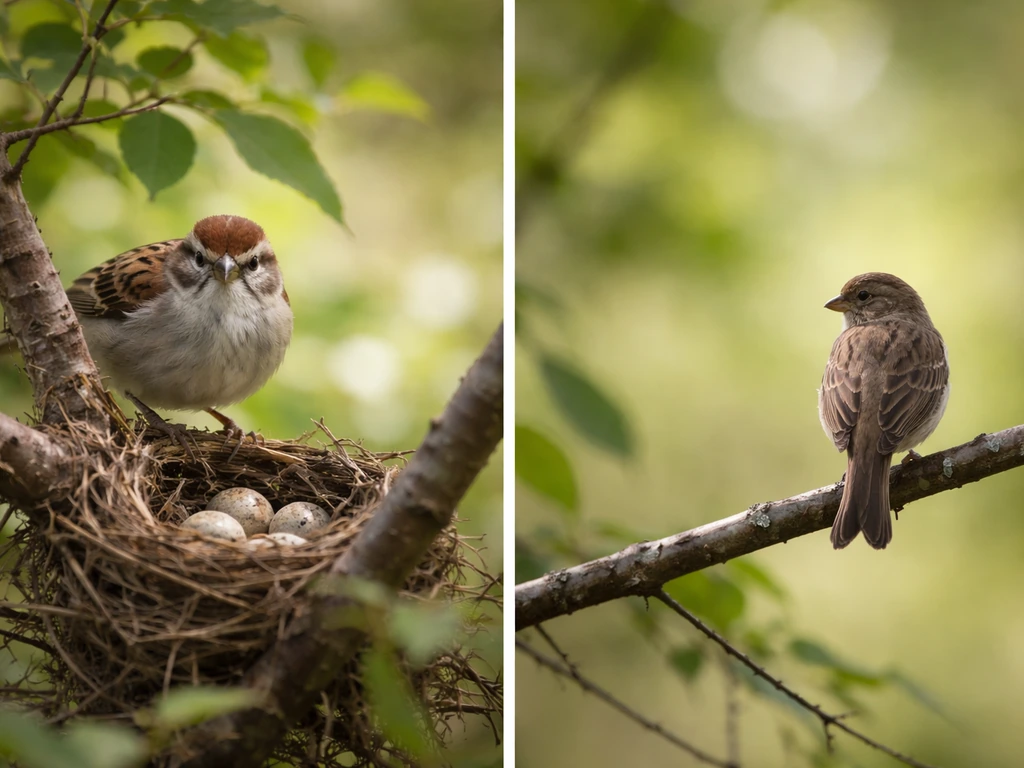
Almost every documented bird attack on a healthy adult human is defensive, not predatory. Birds are not hunting you. USFWS is explicit about this: birds guarding nests are more likely to respond aggressively toward people or pets, and the trigger is encroachment on the nest territory, not proximity to the bird in general. The cassowary is a partial exception because some fatal and serious attacks occurred in contexts where the bird had been food-conditioned and had lost its wariness of humans, shifting the dynamic from 'defending territory' to something closer to resource competition.
Predatory aggression toward humans is documented but extremely rare. Raptors occasionally mistake shiny objects, pets, or small children for prey and attempt a strike, but these incidents are uncommon and typically result in minor injuries. The practical implication: if you understand that most attacks are triggered by proximity to nests or by food conditioning, you can control your own risk almost entirely by changing your behavior rather than by avoiding birds wholesale. If you are wondering about the most dangerous toxins, note that using poison to kill birds creates additional risks for wildlife, pets, and people most bird poison.
Where Real-World Encounters Actually Happen
Context shapes risk more than species does. Here's where the serious encounters occur:
| Setting | Most Relevant Species | Typical Injury Risk | Key Risk Factor |
|---|---|---|---|
| Urban parks and trails (nesting season) | Red-tailed hawk, Cooper's hawk, mockingbird | Scalp lacerations, eye injury | Walking near active nests Jan–Aug |
| Rural Australia / zoo settings | Cassowary | Puncture wounds, broken bones, death | Feeding birds, approaching cornered animals |
| Backyards and suburbs (small pets) | Great horned owl, red-tailed hawk, peregrine | Pets taken or injured | Unsupervised small pets outdoors at dawn/dusk |
| Airports and flight paths | Canada goose, gulls, waterfowl | Aircraft damage, engine ingestion | Habitat near runways, flight corridors |
| Parks and green spaces (breeding) | Australian magpie, plover, goose | Minor injuries, falls, infection | Nesting season, approaching nest areas |
Pet owners face a specific and underappreciated risk: raptors such as great horned owls and red-tailed hawks do prey on small dogs and cats left outside unsupervised, particularly around dawn and dusk. This is predatory behavior, not defensive behavior, and it follows different rules than nest defense.
What to Do If a Bird Is Acting Aggressively
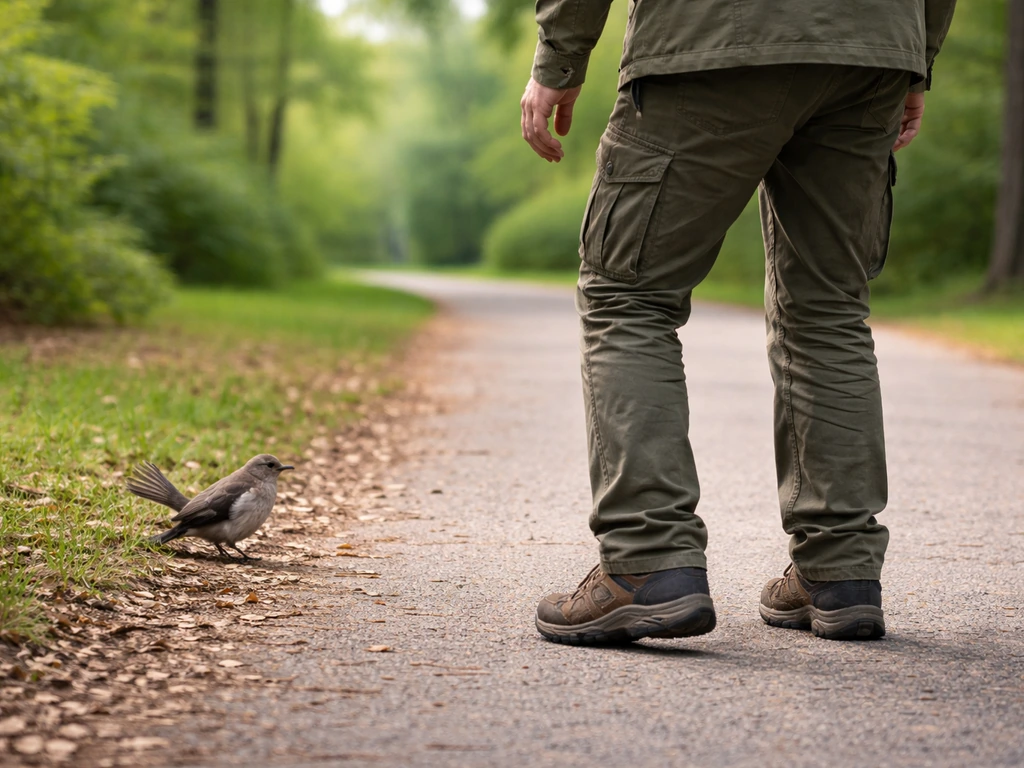
The response strategy is consistent across species and backed by guidance from the USFWS, NPS, and multiple government wildlife agencies. Here's what to actually do: When an animal approaches closer than 50 yards, Olympic National Park recommends moving away to keep the distance closer than 50 yards, visitors should move away.
- Do not run. Running triggers pursuit behavior in many species and signals that the threat display is working. Walk away quickly but calmly.
- Move away from the area directly. The goal is to leave the bird's perceived territory. NPS guidance suggests that if an animal approaches within 50 yards, you should move to restore that distance.
- Protect your eyes and face. If a raptor or magpie is actively swooping, use an umbrella, hat, or raised arm to shield your head. Sunglasses protect eyes from talon contact.
- Do not attempt to touch, grab, or shoo the bird with your hands. This escalates the encounter and puts you closer to the bird's bill and talons.
- Do not feed any wild bird you encounter. Food conditioning is one of the most reliable ways to make a bird (especially cassowaries or geese) more aggressive toward humans over time.
- If a raptor, cassowary, or large bird makes physical contact and you are injured, call for medical attention. Puncture wounds and lacerations from talons carry infection risk and may be deeper than they appear.
- If an attack causes injury or the bird does not disengage, call 911 or local wildlife management. NPS explicitly advises calling emergency services for attacks or near-attacks.
If you have small pets and a raptor is hunting in your yard, the strategy shifts: supervise pets outdoors, especially at dawn and dusk, and consider bringing them inside during peak raptor activity periods. Motion-activated deterrents and reflective tape near feeding or resting areas can also help discourage raptors from viewing a specific location as a reliable hunting ground.
Myths, Misidentifications, and How to Evaluate Attack Stories
The reality is that most 'violent bird' stories online are either exaggerated, misidentified, or taken wildly out of context. Because of that, it helps to be skeptical of labels like “worst bird parents” unless the underlying incident details are clearly documented. A few patterns to watch for:
- Species misidentification is extremely common. A swooping 'eagle' is almost always a red-tailed hawk or a Cooper's hawk. A 'giant aggressive owl' attacking at dusk is often a great horned owl defending a nest. The actual species matters for risk assessment.
- Swooping and dive-bombing are almost always bluff behaviors. Research on Australian magpies found that media coverage during 'swooping season' significantly amplifies perceived aggression. Most birds make contact rarely and in response to very specific triggers.
- Cassowary fatality stories get misapplied. There have been very few documented cassowary fatalities in recorded history. The risk is real but geographically and behaviorally specific: you are not at cassowary risk in a North American suburb.
- Raptor eye injuries are real but rare. Yes, tawny owls have caused ocular perforation (documented in JAMA Ophthalmology), and yes, the 2014 to 2024 BMC Ophthalmology series found open globe injury in 78% of bird-related eye trauma cases. But the absolute number of these incidents is small. The takeaway is to protect your face during any active raptor encounter, not to fear all owls.
- Goose aggression stories are often accurate but overstated for injury severity. Geese are genuinely bold and will chase people, but serious injuries from geese are typically from falls or secondary infection, not direct attack wounds.
- Aviation bird-strike stories vary enormously by species. A Canada goose strike is a fundamentally different hazard than a starling strike. The FAA's Wildlife Strike Database tracks this systematically, and the data shows waterfowl and raptors as disproportionately damaging compared to small songbirds.
When evaluating any 'violent bird' incident claim, ask: Is the species positively identified? Was the behavior defensive or predatory? Was there a nest, food, or a cornered animal involved? Were injuries documented medically? Those questions filter out most of the folklore. Similarly, questions about whether birds are poisonous or venomous follow the same pattern: dramatic claims circulate widely, but the documented reality is far more nuanced. Not all dangerous birds are poisonous or venomous, so the key is verifying species and documented evidence before you trust viral claims whether birds are poisonous or venomous.
Preventing Problems: Practical Steps for Homes, Parks, and Airports
For Homeowners and Park Visitors
- Learn your local nesting calendar. USFWS identifies the nesting risk window as roughly January through August. Know when raptors in your area are actively nesting and give wide berth to known nest trees and structures.
- Watch nests from a distance with binoculars. USFWS specifically recommends this approach: you can observe nest activity without triggering defensive behavior.
- Never feed wild birds at ground level in areas with large or territorial species. Feeding cassowaries, geese, or any large bird habituates them to human proximity and increases aggression risk over time.
- Post temporary warning signs near active nests in high-traffic areas. Some municipalities do this during nesting season for known raptor nests along trails.
- Wear a hat with a wide brim during nesting season if you're in areas with known swooping birds. Hats and sunglasses are the single most effective personal protective equipment against swooping bird injuries.
For Pet Owners
- Supervise small pets outdoors, especially during dawn and dusk when raptors are most active.
- Be aware that small dogs under 20 pounds and outdoor cats are realistic prey targets for large raptors like great horned owls and red-tailed hawks.
- Install overhead netting or covered runs for small animals that spend time in outdoor enclosures.
- If a raptor has established a hunting pattern in your yard, contact your local wildlife agency. In the U.S., most raptors are federally protected and cannot be harmed, but legal deterrent options exist.
For Aviation Professionals
The FAA's Wildlife Hazard Mitigation framework is the baseline here: airports are required to develop Wildlife Hazard Management Plans that address the specific species identified near their runways. The data is clear that waterfowl (especially Canada geese) and raptors cause a disproportionate share of damaging strikes relative to their strike frequency.
The FAA states that waterfowl represent just 4% of reported strikes but 27% of damage-causing strikes, which means habitat management around airports (reducing standing water, managing grass height, removing food attractants) targets the highest-risk birds directly. ICAO's Wildlife Hazard Management Handbook reinforces the same principle: gather species-specific data on and near the airport to assess hazard potential, then design management interventions around the actual species present.
Reporting every strike to the FAA Wildlife Strike Database matters because the cumulative data is what drives national species-hazard rankings and informs airport-level decision-making.
FAQ
If I want the single most dangerous bird to avoid, which one should I pick?
There is no universal winner because the risk depends on where you are and what you are doing. For most people, the highest day-to-day risk is usually territorial defense during nesting season (for example, raptors or geese), while the highest risk around planes is often waterfowl, especially Canada geese. If you tell me your location and activity (hiking, living near a park, airports, or pets outdoors), I can narrow it to the most relevant “most violent” category.
Why do nesting raptors seem scary even though they are not “hunting” people?
Their aggression is typically triggered by nest proximity, not by general hostility toward humans. The safe takeaway is behavioral, not species avoidance: stay farther from active nests, avoid sudden movement when birds are dive-bombing, and keep pets leashed so the bird is less likely to interpret you as a direct nest threat.
What should I do if a bird is dive-bombing me, and I cannot leave the area right away?
Move away from the nest territory line by line, do not run toward the bird, and protect your head and eyes with a hat or hood if it is safe to do so. If you are with children or pets, pick them up or bring them closer to you and keep them from approaching the bird. The goal is to reduce “encroachment,” since that is the usual trigger for defensive swooping.
Are owl attacks more likely in certain situations than others?
Owls can be especially hazardous because they may attack silently and at eye level, but the practical risk often spikes near nesting or roost areas. If you live or work near known owl activity, avoid standing still under favored perches, keep children and pets away from roost zones, and treat morning and evening as higher-risk times.
How can I tell whether a “violent bird” story is just misidentification or exaggeration?
Check whether the species was positively identified, whether a nest or cornering situation was present, and whether injuries were documented in a medical way (not just claimed). If the account only says “it attacked” without context, or swaps species by appearance, it is often unreliable. Those filters catch most viral folklore before it turns into a fear rule.
Do Canada geese only cause problems in spring, or is it year-round?
The highest aggression is during nesting and territorial periods, but the practical risk can linger when geese have established routines in parks, lakes, and fields. If you feed or unintentionally attract geese, you increase habituation, and that can make encounters less predictable. The safer approach is to avoid feeding and keep a buffer distance near water and common goose hangouts.
If I have cats or small dogs, do I need to worry about raptors even if the raptors are “just passing through”?
Yes, because the risk is higher when raptors are actively hunting small animals in your yard, especially at dawn and dusk. Supervision matters more than “raptor presence in general.” Consider bringing pets inside during peak times, and use yard deterrents near feeding or resting areas to avoid teaching a raptor that your property is a consistent hunting ground.
What are the safest steps during an aircraft bird strike or near-miss situation?
For pilots and airport staff, the key is following Wildlife Hazard Mitigation procedures rather than relying on avoidance instincts. If you are part of an airport operation, ensure the Wildlife Hazard Management Plan is updated with local species data, and report strikes through the proper wildlife strike reporting channels so the hazard rankings reflect what is actually happening near your runways.
Is poisoning birds ever an acceptable solution to reduce danger?
It can backfire. The article context emphasizes that using poison creates extra risks for wildlife, pets, and people, and it can complicate hazard management. If you want to reduce bird incidents, focus on habitat and attractant management (standing water, grass height, food attractants), deterrents, and species-specific control methods approved for your area.
Can a bird attack be “predatory” on a human, or is it almost always defensive?
Almost all well-documented attacks on healthy adults are defensive behavior tied to nests, territories, or protected resources. Predatory strikes toward humans are rare, but a notable edge case is when animals become food-conditioned and lose wariness of humans, shifting the interaction toward resource competition.
If a bird makes contact with someone’s eyes during a swoop, how urgent is it?
Treat it as urgent. Eye injuries from bird-related events can include open-globe trauma, which requires immediate medical evaluation because outcomes depend heavily on rapid care. If a claw or talon hits near the eye, do not delay seeking emergency treatment.