
Modern science is doing more good than harm to birds overall, but that doesn't mean every intervention is clean or consequence-free. The real answer depends on which technology you're talking about, how it's being applied, and whether proper oversight is in place. Tracking devices attached too heavily stress birds. Poorly run banding stations cause injury. Lethal wildlife control at airports, when used without a structured plan, can make strike risks worse. The question isn't whether science has gone too far in some abstract sense, it's whether a specific practice is being done carefully, with permits, with welfare protocols, and with honest accounting of the trade-offs.
Has Science Gone Too Far for Birds? Risks and Solutions
Marcus Whitmore
25 Jun 2026
What people usually mean when they say 'science has gone too far' with birds
The phrase tends to surface in a few different contexts. Sometimes it's a reaction to a viral photo or video: a bird wearing what looks like a comically large backpack transmitter, or a banding station handling dozens of songbirds in rapid succession. Sometimes it comes from genuine concern about genetic research, captive breeding programs, or the use of birds in biomedical testing. And sometimes it's a misread of conservation data, someone seeing a statistic about wind turbine bird deaths and concluding that renewable energy is an ecological disaster, when the full picture tells a more complicated story. Many people also point to wind turbine bird deaths, and that concern is part of what this article helps put into context.
What almost all of these reactions have in common is that they're responding to something real but missing the scale and context. Yes, tracking devices can harm birds if they're too heavy or poorly attached. Yes, tracking devices can harm birds if they're too heavy or poorly attached, and this is where correlation vs causation bird questions help you avoid mistaking an observed pattern for a proven cause. Yes, capture and handling carry mortality risk. Yes, some wildlife control programs have caused more problems than they solved. The concern isn't unfounded. But 'science has gone too far' is too blunt an instrument to describe what's actually happening, it flattens meaningful distinctions between well-regulated research with net conservation benefits and genuinely problematic interventions that deserve scrutiny.
What science and technology are actually doing to birds right now
The range of ways science interacts with birds today is wide, and they don't all carry the same risks.
Tracking and telemetry
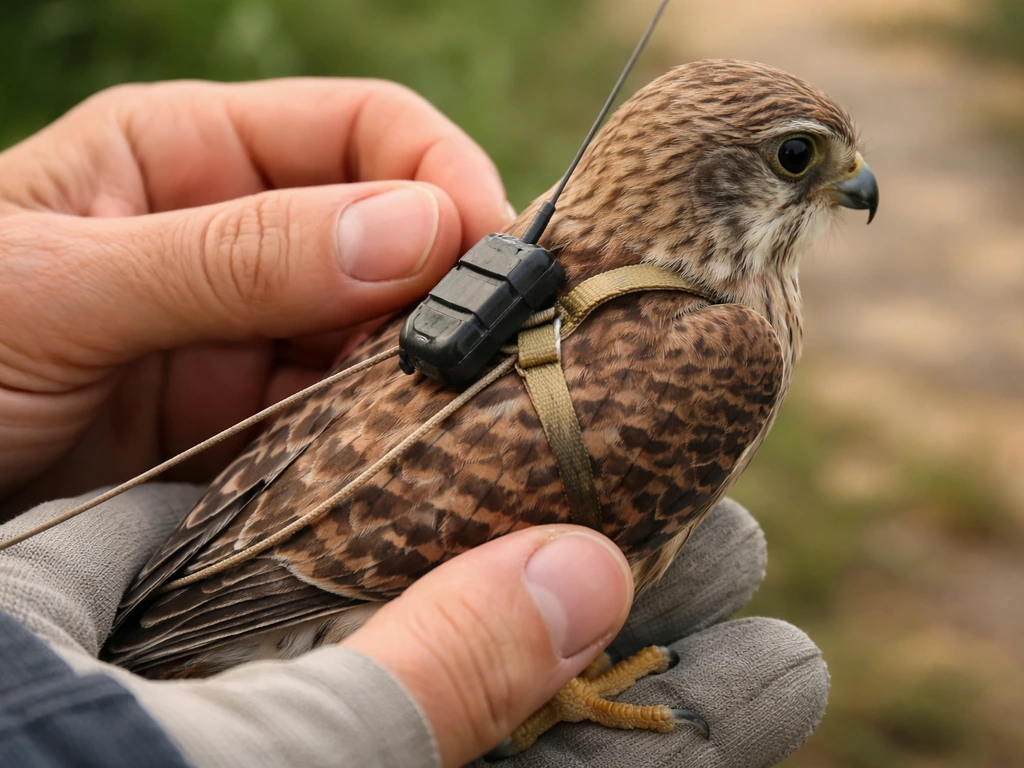
Radio and GPS telemetry has transformed what we know about migration, habitat use, and population dynamics. The trade-off is that attaching a device to a bird's body inevitably creates some burden. The Ornithological Council's guidance on telemetry welfare makes clear that device attachment method and device mass are the two variables that matter most. The Canadian Council on Animal Care takes a similar position: telemetry devices and attachment materials should be as lightweight as possible, with careful attention to where and how they're secured. A systematic review published in Animal Biotelemetry found that the field as a whole still needs better measurement and reporting of adverse effects, meaning the science knows there's a problem, and the best researchers are already working to fix it. The standard of care is moving in the right direction, but not every study meets it yet.
Bird banding and marking
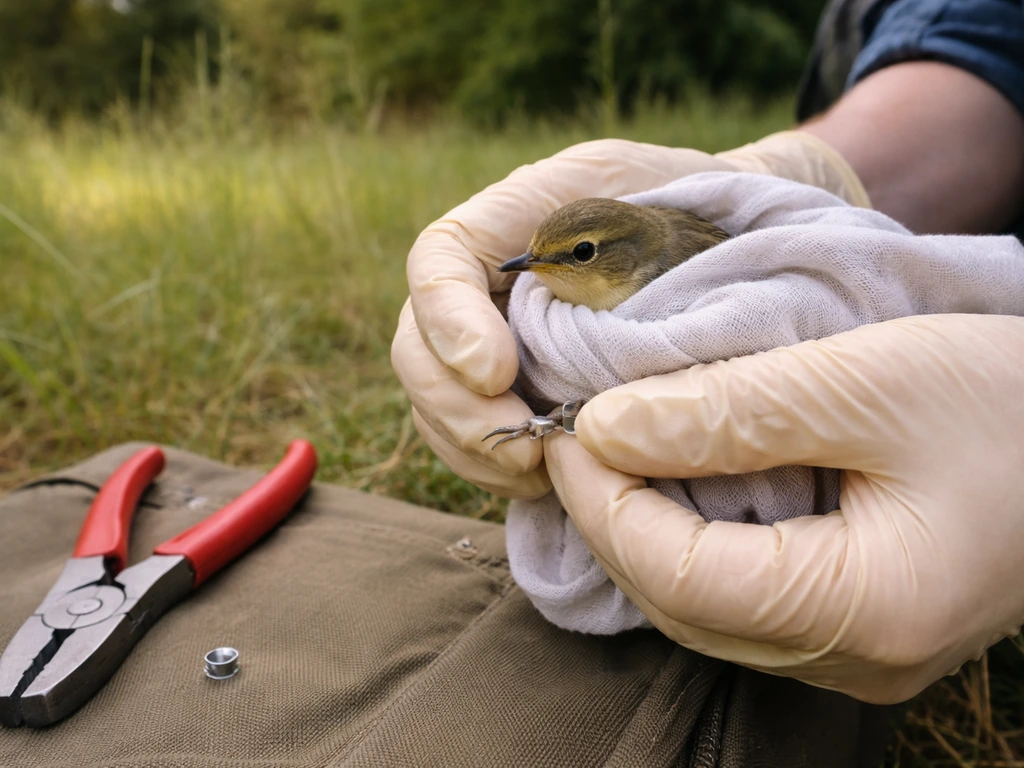
The North American Bird Banding Program, administered by the USGS Bird Banding Laboratory, requires a Federal Bird Banding and Marking Permit under the Migratory Bird Treaty Act before anyone can legally band or mark a migratory bird. That's not bureaucratic red tape, it's a welfare mechanism. Permits specify which species you're authorized to handle, and certain species like eagles require documented capture and handling training before authorization is granted. The USGS even tracks outcomes at the bander level, including a specific status code for banding-related mortality, which means there's a formal paper trail when things go wrong. The North American Banding Council's study guide reinforces training and competency as the foundation of safe banding. The system isn't perfect, but it has real accountability built in.
Conservation, captive breeding, and wildlife management
Captive breeding programs for endangered species involve significant handling, veterinary intervention, and sometimes genetic management, all of which carry risks but are weighed against the alternative of extinction. Wildlife control at airports, farms, and urban areas spans everything from non-lethal hazing to lethal removal, and the evidence base for what works is growing. The key is whether an intervention is embedded in a structured management plan or applied ad hoc.
Infrastructure: buildings, wind, and the bigger picture
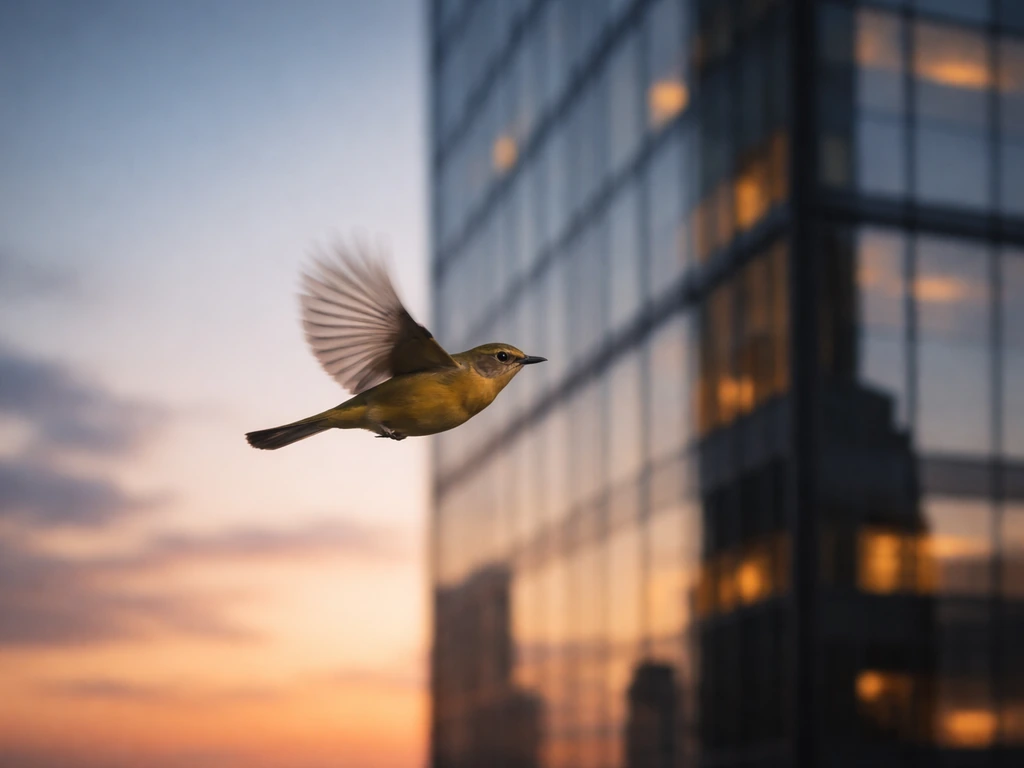
Human infrastructure kills far more birds than most people realize, but wind turbines are not the leading culprit. The U.S. Department of Energy's own FAQ on wind energy states that research consistently places wind projects near the bottom of human-related bird mortality sources. Building collisions, vehicle strikes, and free-ranging cats each cause orders of magnitude more deaths annually. The U.S. Fish and Wildlife Service notes that many threat categories, including indirect health and productivity impacts, are still not well quantified, which is a reason to be cautious about over-interpreting any single mortality figure. On the energy side, blank" rel="noopener noreferrer">a peer-reviewed analysis found that fossil fuel power plants cause far more bird fatalities per gigawatt-hour of electricity produced than wind energy does, a comparison that matters when evaluating the net ecological trade-offs of energy policy. This connects directly to questions explored in related research on wind turbine bird deaths versus fossil fuel impacts, and whether wind energy is truly decimating bird populations. Because of that, it helps to look specifically at wind turbine bird deaths rather than assuming renewable energy is always the main cause.
Where the real harms happen, and what's just folklore
The reality is that the biggest killers of birds in the U.S. are mundane, not exotic. Free-ranging owned and feral cats represent one of the largest sources of bird mortality, with a major Nature Communications meta-analysis estimating billions of bird deaths annually in the United States alone. Building glass collisions are next in scale, followed by vehicle strikes. Wind turbines, cell towers, and power lines are real hazards but contribute far smaller numbers by comparison. Wind turbine bird deaths are often compared with fossil-fuel impacts because the numbers get used to argue that one form of energy is always worse than the other bird deaths wind turbines vs fossil fuels.
Within research and technology specifically, the evidence-based risk pathways are:
- Tracking devices that are too heavy relative to the bird's body mass, or attached at sites that restrict movement or cause pressure sores
- Capture and handling stress, especially under poor technique or during high-risk periods like disease outbreaks—USFWS guidance for 2025 explicitly flags that handling and concentrating wild birds increases stress during confirmed HPAI detections
- Disease transmission at bird feeders, birdbaths, and banding stations, where pathogens like Salmonella, Aspergillus, and avian pox can spread rapidly in crowded conditions
- Wildlife control programs that aren't grounded in a formal Wildlife Hazard Management Plan, which can displace rather than manage bird populations around hazard zones
- Genetic and biomedical research conducted without institutional animal care and use oversight—a red flag that something is operating outside normal ethical guardrails
What doesn't hold up to scrutiny: the idea that everyday bird feeders, common household sounds, or minor human presence are systematically harming wild birds. Birds are more resilient to casual human contact than internet myth suggests. The concerns worth taking seriously are chronic, cumulative ones, habitat loss, glass strikes, cat predation, and the slow degradation of food and water sources from pollution. PCB contamination can enter food webs, and through biomagnification the highest levels can accumulate in birds, affecting their health and reproduction.
Ethics and oversight: what good bird science actually looks like
Legitimate bird research and intervention programs share a recognizable set of features. They operate under permits. They follow documented welfare protocols. They report outcomes, including negative ones. And they're subject to review by institutional or governmental bodies that have enforcement authority.
For banding and marking work in North America, the USGS Bird Banding Laboratory and the MBTA permit system provide the legal framework. For telemetry research, institutional animal care and use committees (IACUCs) typically review study designs and can reject protocols that don't meet welfare standards. For wildlife management at airports, the FAA's advisory circulars and ICAO's Wildlife Hazard Management Handbook establish planning requirements and standardized reporting procedures. Proper HPAI protocols from USFWS include PPE requirements for anyone handling wild birds during active outbreak areas, and researchers who skip these steps are taking risks with both bird welfare and public health.
The accountability mechanism that often gets overlooked is mortality reporting. USGS's National Wildlife Health Center operates WHISPers, a system for reporting wildlife mortality and morbidity events. When birds die in significant numbers, whether near a research site, a wind facility, or a feeder, reporting to USGS NWHC is how the broader scientific community tracks emerging threats and refines management recommendations. That feedback loop is part of what makes evidence-based bird management work over time.
Practical steps for pet owners and backyard bird watchers
If you keep pet birds or maintain feeders, the risks you're managing are specific and addressable.
Windows
Glass collisions are one of the most preventable causes of wild bird death, and the fix is cheap. USGS recommends placing visual markers on the outside of windows in a 2-inch by 2-inch grid pattern. The National Park Service confirms that effective patterns need to be spaced no more than 2 inches apart, a small number of single decals won't do it. The mechanism is straightforward: birds collide with windows because they see reflections of sky or vegetation, not the glass itself. Breaking up that reflection with a consistent pattern is what works.
Feeders and birdbaths
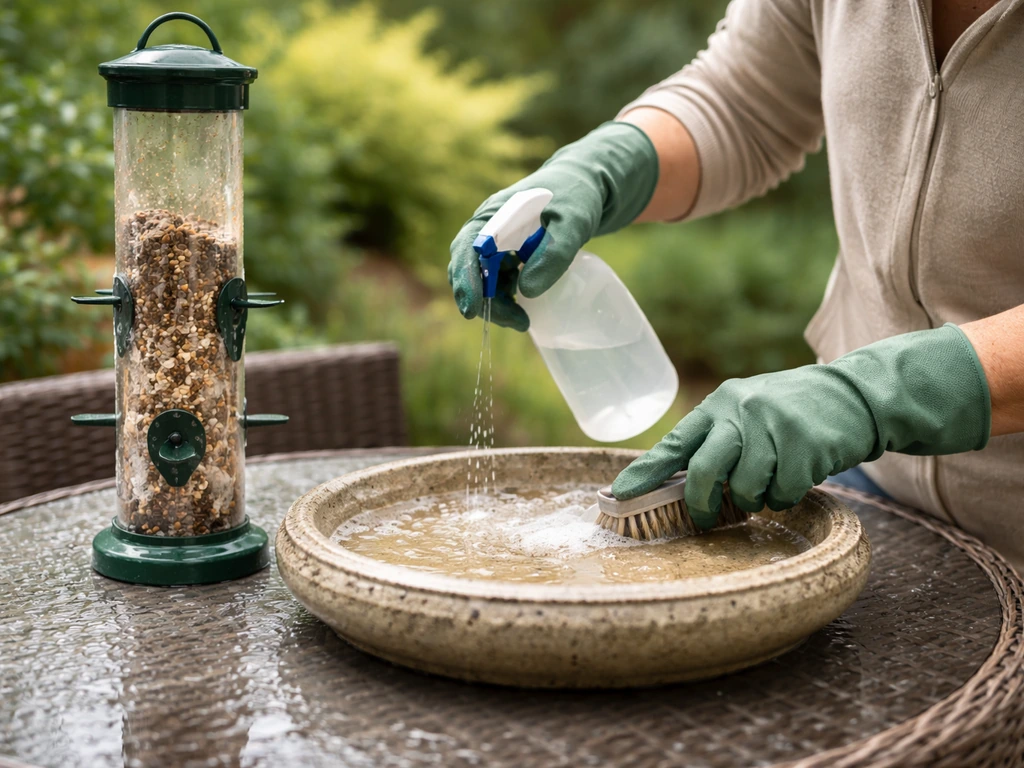
Project FeederWatch recommends cleaning seed feeders and birdbaths regularly and more frequently during wet weather or heavy use periods. For practical disease prevention, their guidance calls for cleaning feeders every two weeks with a diluted bleach solution, or running them through a dishwasher on a sufficiently hot cycle. This isn't overcautious, feeder-associated outbreaks of Salmonellosis and conjunctivitis in finches have been documented across the continent, and clustering birds at a contaminated food source accelerates transmission.
Pet birds and zoonotic disease
The CDC notes that pet birds can carry germs that make people sick and emphasizes veterinary care and hygiene after cleaning bird cages, habitats, and perches. If you also have cats, the toxoplasmosis risk is worth knowing: CDC states that Toxoplasma oocysts shed in cat feces don't become infectious until 1 to 5 days after excretion, so cleaning the litter box daily removes them before they reach the infectious stage. That's a practical step that protects both birds and people in multi-pet households.
Cats outdoors
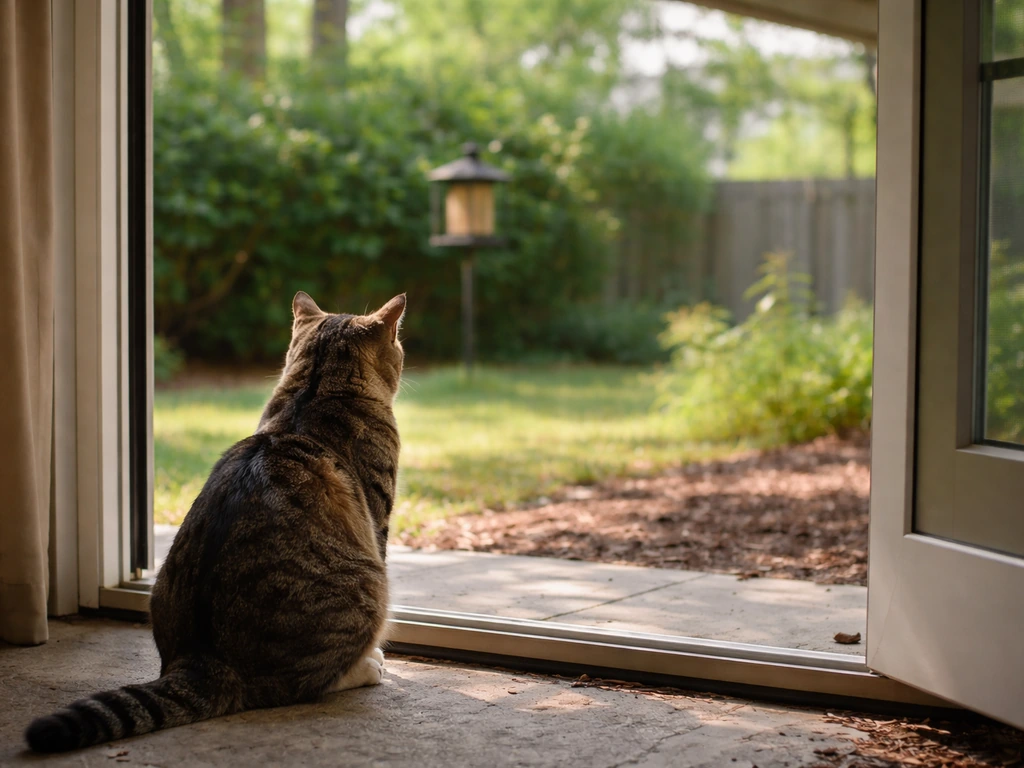
This is the one area where the science is unambiguous and the folklore runs in the wrong direction. The Nature Communications meta-analysis on free-ranging domestic and feral cats is the most comprehensive synthesis available, and the numbers are not small. Keeping owned cats indoors or in supervised outdoor enclosures is the single highest-impact action most pet owners can take to reduce local bird mortality. It's not about blaming cat owners, it's about what the evidence actually says.
Practical steps for aviation and airport bird hazard management
Bird strikes are a real safety and economic hazard, and the evidence-based approach to managing them is well developed. The starting point is understanding that effective management is a process, not a single action.
Build and follow a Wildlife Hazard Management Plan
SKYbrary's aviation safety framework and ICAO's Wildlife Hazard Management Handbook both describe a risk-management process that starts with knowing your specific hazard: which species are present, when they're active, and in what numbers. A Wildlife Hazard Management Plan (WHMP) translates that knowledge into a tiered response, non-lethal first, lethal only when non-lethal methods have failed or the risk level demands it. When lethal or poorly planned approaches are used, they can be the kind of intervention that would most likely lead to reduced bird populations. Ad hoc bird removal without this structure tends to displace rather than reduce hazard populations.
Report every strike
The FAA's wildlife strike reporting system and the ICAO handbook both emphasize that standardized reporting is the backbone of evidence-based hazard management. The FAA provides a wildlife strike reporting form and maintains the national wildlife strike database, which feeds the research that improves predictive models and management recommendations over time. Unreported strikes mean gaps in the data that inform every airport's risk picture. If you're in aviation, reporting is not optional, it's how the system learns.
Non-lethal hazing tools and habitat modification
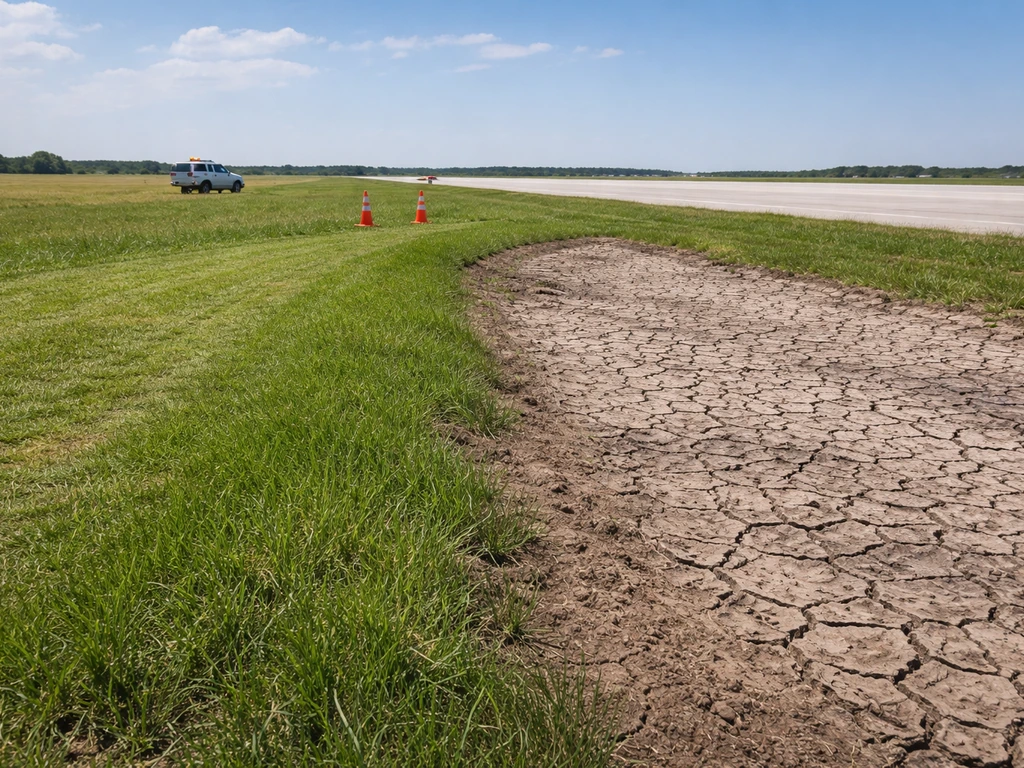
Pyrotechnics, border collies, laser hazing, and habitat modification (removing standing water, managing grass height, reducing invertebrate food sources) are all established non-lethal tools with varying effectiveness by species and context. The USFWS land-based wind energy guidelines, while focused on energy infrastructure, include monitoring and study approaches that translate well to airport contexts, particularly the emphasis on carcass search methodology and understanding detection bias when estimating strike rates.
What to ask before supporting or using any bird-related science or intervention
Whether you're evaluating a research study, a conservation program, a wildlife control service, or a new technology, the same core questions apply. Use this as a practical checklist.
- Is there a permit? For any work involving migratory birds in North America, a Federal Bird Banding and Marking Permit or equivalent authorization under the MBTA is legally required. No permit is a hard stop.
- Has an IACUC or equivalent animal welfare body reviewed the protocol? Institutional oversight is the standard mechanism for catching welfare problems before they happen.
- What is the device-to-body-mass ratio for any tracking equipment? The welfare literature on telemetry consistently points to device mass relative to body weight as the primary risk variable. Ask for the number.
- How are negative outcomes tracked and reported? Programs that only report successes are hiding something. Look for mortality reporting, adverse event documentation, and transparent data access.
- Is lethal control part of a structured WHMP, or is it being applied reactively? Reactive lethal control without a management plan is a red flag for both safety and effectiveness.
- Does the mortality estimate account for detection bias? Whether you're looking at wind turbine fatality numbers, feeder disease rates, or strike data, estimates that don't address search effort and carcass detection rates are not reliable baselines.
- Who do you contact if something goes wrong? For wildlife mortality events, the answer is the USGS National Wildlife Health Center via WHISPers. For aviation strikes, it's the FAA strike reporting system. If a program can't answer this question, that's a problem.
Red flags that a bird science intervention is likely problematic
| Red Flag | Why It Matters | What to Do |
|---|---|---|
| No permit or authorization documentation | Legal requirement under MBTA; absence means no regulatory oversight | Ask for permit number; do not participate or support until verified |
| Tracking device exceeds ~3% of bird body mass | Welfare literature flags elevated risk of behavioral and physiological harm above this threshold | Request device specifications and ask how welfare monitoring is conducted |
| No IACUC or ethics committee review | Means no independent welfare check on the study design | Treat as a red flag; escalate to the funding body or institution |
| Handling during confirmed HPAI outbreak without PPE protocols | Increases disease spread risk and animal stress | Report to USFWS and pause participation |
| Wildlife control applied without a written WHMP | Associated with displacement rather than hazard reduction, and disproportionate harm | Request the WHMP before endorsing or contracting the service |
| Mortality data not tracked or publicly accessible | Removes accountability and prevents cumulative learning | Require data-sharing agreements before support |
The bottom line is that science interacting with birds isn't inherently harmful or inherently beneficial, it depends entirely on whether it's being done carefully, transparently, and with accountability. The tools exist to do it right: permit systems, welfare guidelines, reporting infrastructure, and a growing body of evidence on what actually works. The practical job for anyone in this space, whether you're a backyard birder, a pilot, or a researcher, is to know which standards apply to your situation and hold the people around you to them.
FAQ
If I see a video of a bird with a transmitter or “backpack” and it looks uncomfortable, can I assume the study is unethical?
Not automatically. Visual discomfort alone is not proof, because device fit, attachment method, and total mass relative to body weight matter most. A better check is whether the researcher lists welfare methods, uses approved attachment materials, and reports adverse effects or recapture/retention outcomes.
What weight limit or “safe percentage” should I look for with telemetry devices?
There is no single universal threshold that fits every species and study, because attachment method and buoyancy or balance effects matter. When evaluating a project, look for documented device mass relative to the individual birds they studied, plus how they monitored effects over time (for example, changes in behavior, injury rates, or attachment failures).
How can I tell whether a bird banding station is poorly run versus following proper standards?
Look for specifics, not vibes. Legitimate programs typically specify which species they are authorized to handle, require trained personnel, track banding-related mortality with formal status codes, and publish or otherwise maintain outcome reporting rather than only promotional numbers.
If a study correlates a stressor with bird harm, how do I know it is not confusing cause and effect?
Check whether the researchers rule out alternative explanations and whether they measure harm during and after the intervention, not just before and after in unrelated places. Stronger designs include comparison sites, timing that matches exposure, and consistent welfare or mortality measurements rather than single snapshots.
Are bird feeders inherently dangerous because they attract diseases?
Feeders can increase transmission risk if sanitation is ignored, but disease is not an inevitable outcome. The practical decision point is maintenance: frequent cleaning during heavy use or wet weather, removing wet or moldy food, and ensuring birdbaths and nearby surfaces are kept clean to reduce contact with contaminated droppings.
How do I manage my feeder and still reduce risk to birds, cats, and people?
Use risk-reduction steps that stack: place feeders away from cover that cats use for stalking, keep platforms and trays cleaned on a schedule, and wash tools and hands after cleaning to reduce human exposure. For multi-pet households, daily litter box cleaning matters because infectious timing depends on when oocysts become capable of transmission.
Do window decals work for all glass-collision situations?
They work best when coverage is consistent and spacing is tight enough to break up reflections. If you only apply a few decals, birds may still see “clear” reflective patches. A practical upgrade is to treat the whole reflective area with a regular grid pattern rather than isolated dots.
What is the safest way to interpret “wind turbine bird deaths” numbers without overreacting?
Treat the figure as one input, not the whole story. You need context on detection and uncertainty, and whether the comparison uses comparable conditions like estimates per unit energy and total human-caused mortality. Over-interpreting a single mortality count is exactly what structured, multi-threat assessments are meant to prevent.
Why might wind or solar show up in headlines as the main threat even when other causes are larger?
Because some hazards are visible or politically salient, and because datasets can be inconsistent across threat types. Cat predation and building glass collisions are often larger contributors, but they can be harder to measure precisely, and some reporting undercounts indirect or detection-bias effects.
If an airport uses lethal removal, how do I know it is part of a sound hazard management plan?
Ask whether there is a documented Wildlife Hazard Management Plan with tiered methods (non-lethal first, lethal only when risk requires it), plus standardized wildlife strike reporting. Ad hoc removal without planning often shifts birds to other areas rather than reducing the underlying hazard population.
What should be in a good Wildlife Hazard Management Plan (WHMP) for bird strikes?
At minimum, it should start with hazard identification (species, timing, abundance), set response thresholds, use non-lethal tools tailored to the local birds, and commit to consistent reporting of strikes and outcomes. The plan should also address how detection bias is handled when estimating risk.
If I want to reduce hazards around my property, should I focus on habitat changes or deterrents?
Start with habitat and attractants, then use deterrents. For example, managing standing water and tall grass can reduce insect and foraging availability, which often lowers bird presence indirectly. Deterrents can help, but if you leave the core attractant in place, birds may habituate or relocate nearby.
When is it appropriate to report dead or sick birds, and where does that help?
Report when there are unusual clusters, elevated mortality near a site, or signs consistent with an emerging issue. Submitting to wildlife health reporting systems helps researchers detect patterns early, improves risk models, and can change local guidance if a threat is spreading.
Is it ever reasonable for pet bird owners to worry about wild bird risks from their feeders?
Yes, but the risk is manageable. Focus on sanitation and hygiene practices, and avoid letting droppings accumulate on cage exteriors or in feeder areas. If you also keep cats, daily litter box cleaning reduces the human and bird exposure window because the infectious stage occurs after a delay period.