
PCBs damage bird populations primarily through biomagnification: as these fat-soluble chemicals move up the food chain, their concentrations multiply dramatically, reaching levels in top predators that impair reproduction, disrupt hormones, suppress immunity, and ultimately reduce breeding success enough to cause measurable population declines. A fish at the bottom of a contaminated lake might carry a modest PCB load, but the osprey or bald eagle eating that fish every day accumulates far more than it can excrete, and the effects compound across breeding seasons.
How PCBs Affect Bird Populations Through Biomagnification

Marcus Whitmore
11 Jun 2026
What PCBs Are and Why They Still Matter

Polychlorinated biphenyls are man-made organic chemicals built from carbon, hydrogen, and chlorine atoms. The number and placement of chlorine atoms on the biphenyl molecule determines which of the 209 possible congeners you are dealing with, and that matters because different congeners vary enormously in how persistent, mobile, and toxic they are. Log K_ow values across congeners range from roughly 4. 5 to 8.
3, meaning some stick tightly to fatty tissue while others move more freely through water. All of them, however, share the industrial qualities that made PCBs so commercially attractive for most of the twentieth century: they are nonflammable, chemically stable, have high boiling points, and insulate electricity well. Those same properties are exactly what make them a long-term environmental problem.
Commercial PCB production in the US was banned in 1979, but the chemicals were used for decades in electrical transformers, capacitors, hydraulic fluids, carbonless copy paper, paints, and dozens of other products. Because they resist acids, alkalis, and oxidants, they do not break down quickly in the environment. That means the PCBs released before the ban are still cycling through sediments, water, and food webs today.
On top of legacy contamination, the EPA still regulates what it calls inadvertently generated PCBs (iPCBs), which form as byproducts in certain industrial processes even now. In its program page on inadvertently generated PCBs, the US EPA describes iPCBs as byproducts formed in certain industrial processes and discusses their regulatory handling and related limits inadvertently generated PCBs (iPCBs).
So this is not purely a historical problem sitting in old Superfund sites. PCBs are still entering ecosystems.
How PCBs Enter Ecosystems and Where They Concentrate
The dominant pathway is contaminated sediment in rivers, lakes, and estuaries. When PCBs were in active industrial use, they were discharged into waterways, and they bind strongly to sediment particles rather than staying dissolved in the water column. This makes bottom sediment the long-term reservoir. Dredging, flooding, or strong current events can resuspend those sediments and reintroduce PCBs into the active food web even decades after the original discharge stopped.
Beyond water, PCBs volatilize slowly from contaminated soils and travel through the atmosphere, depositing on vegetation, soil, and water surfaces far from the original source. This atmospheric transport explains why PCBs show up in Arctic seabirds and in bird species living nowhere near industrial zones. Runoff from contaminated land after rain events carries PCBs into tributaries and eventually major waterways. Terrestrial soil contamination near former manufacturing sites, landfills, and old electrical substations also creates hotspot exposure for ground-foraging birds and the invertebrates they eat.
The practical hotspots to know about are: rivers and lakes downstream of historical industrial sites, especially those with PCB-laden sediments; coastal estuaries that concentrate industrial runoff; Great Lakes tributaries (among the best-studied contamination zones globally); and any area with legacy electrical infrastructure, old landfills, or identified Superfund designations. Fish-eating and predatory birds near these locations carry the highest body burdens.
Biomagnification Step by Step
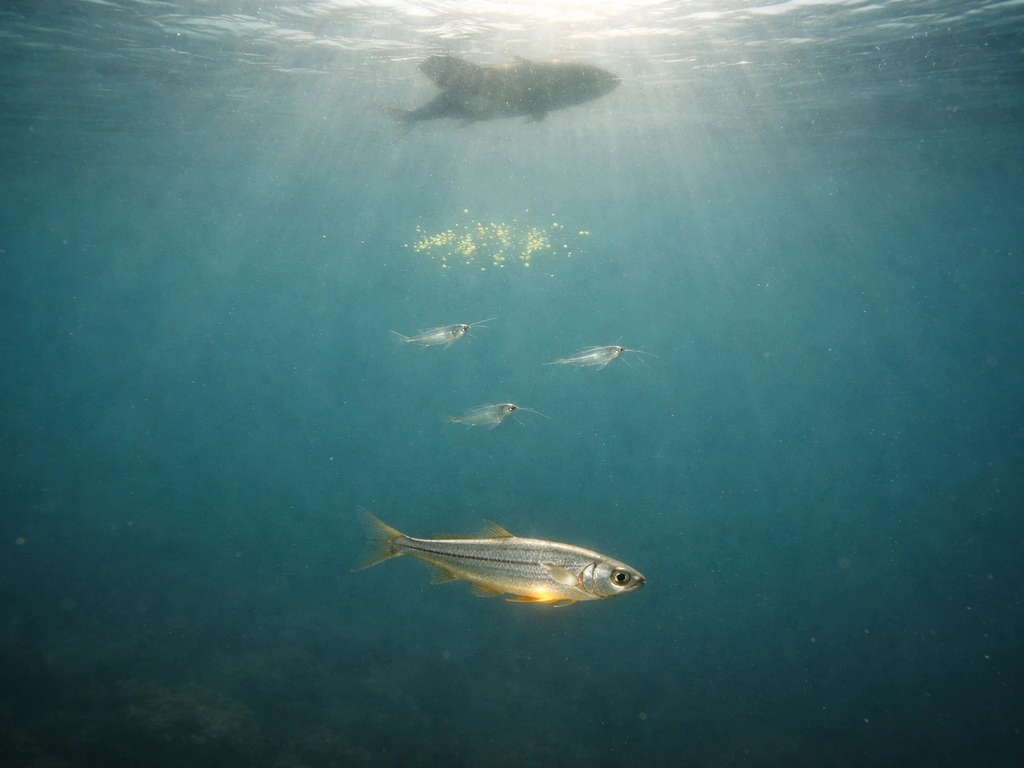
Biomagnification is not complicated once you follow the logic. PCBs are lipophilic: they dissolve readily in fat and do not dissolve well in water. This means once an organism ingests them, the chemicals accumulate in fatty tissue faster than they are excreted. Every animal that eats contaminated prey retains most of the PCB load from that prey, concentrating it in its own body. Move up one trophic level and the concentration increases. Move up several levels and you have multiplied the starting concentration by orders of magnitude.
- Microscopic phytoplankton and aquatic invertebrates absorb PCBs from contaminated water and sediment. Concentrations at this stage may be low, but they are already higher than in the surrounding water, a process called bioconcentration.
- Small fish eat large numbers of invertebrates, accumulating the PCB loads from all their prey combined. The fish cannot excrete fat-soluble PCBs through urine the way they might excrete water-soluble toxins.
- Larger predatory fish eat many small fish. Each meal adds to the existing tissue burden. Studies in Great Lakes fish have documented PCB concentrations several hundred to over a thousand times higher than in water samples from the same area.
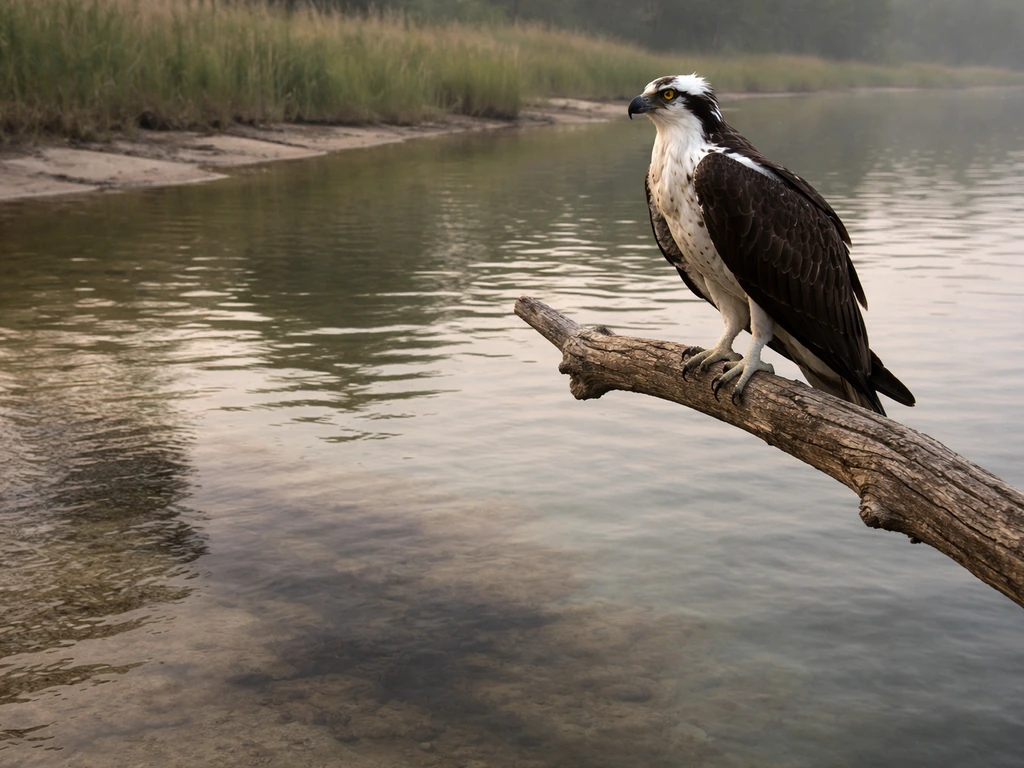
- Piscivorous birds (fish-eating species like herons, cormorants, ospreys, and eagles) sit at or near the top of this chain. They eat fish daily, often for their entire lives, accumulating PCBs from every meal. Because their metabolic clearance of these compounds is also limited, tissue concentrations can reach levels that produce overt biological effects.
- Eggs and developing chicks receive the highest hit: female birds offload PCBs stored in their body fat into eggs, meaning the embryo faces peak exposure during the most sensitive window of development.
The amplification across the full chain can be staggering. Research on Great Lakes food webs has shown biomagnification factors of 10,000-fold or more from water to top predators when you account for all the trophic steps involved. This is why water-column PCB concentrations that seem low can still translate into serious biological impacts for birds at the top of the food web.
What PCBs Actually Do to Birds
The most well-documented effect is reproductive failure. PCBs interfere with the endocrine system, particularly with estrogen and thyroid hormone signaling. In birds, this shows up as eggshell thinning (which makes eggs vulnerable to breakage during incubation), reduced clutch sizes, embryo death, and developmental abnormalities in chicks that do hatch. These effects were central to the collapse of bald eagle, osprey, and double-crested cormorant populations around the Great Lakes during the mid-twentieth century, and PCBs were implicated alongside DDT and dioxins as the key drivers.
Immune disruption is the second major category. Birds with high PCB tissue burdens show reduced immune responses, making them more susceptible to infectious disease. This is a population-level risk multiplier: it is not just that individual birds get sick, but that a population with compromised immunity is less resilient to disease outbreaks, parasites, and environmental stressors that a healthy population could manage.
Thyroid disruption affects metabolism and development. PCBs interfere with thyroid hormone production and transport, and because thyroid hormones regulate feather development, thermoregulation, and migratory timing in birds, disruption can cascade into behavior and survival effects that are harder to measure but clearly relevant. Behavioral changes documented in PCB-exposed birds include altered parental behavior and reduced foraging efficiency, both of which depress chick survival even when the effects are subtle.
It is also worth being direct about causation versus association here. Because PCBs rarely appear alone in contaminated environments (they co-occur with dioxins, furans, heavy metals, and other contaminants), attributing population declines solely to PCBs requires careful controlled research. The best evidence comes from field studies comparing breeding success across contamination gradients combined with tissue residue analysis, and from experimental dosing studies. Taken together, the evidence is solid: PCBs at concentrations found in contaminated habitats cause reproductive failure and immune suppression at the individual level, and those individual-level effects are sufficient to drive population-level declines over time.
Which Birds Face the Highest Risk
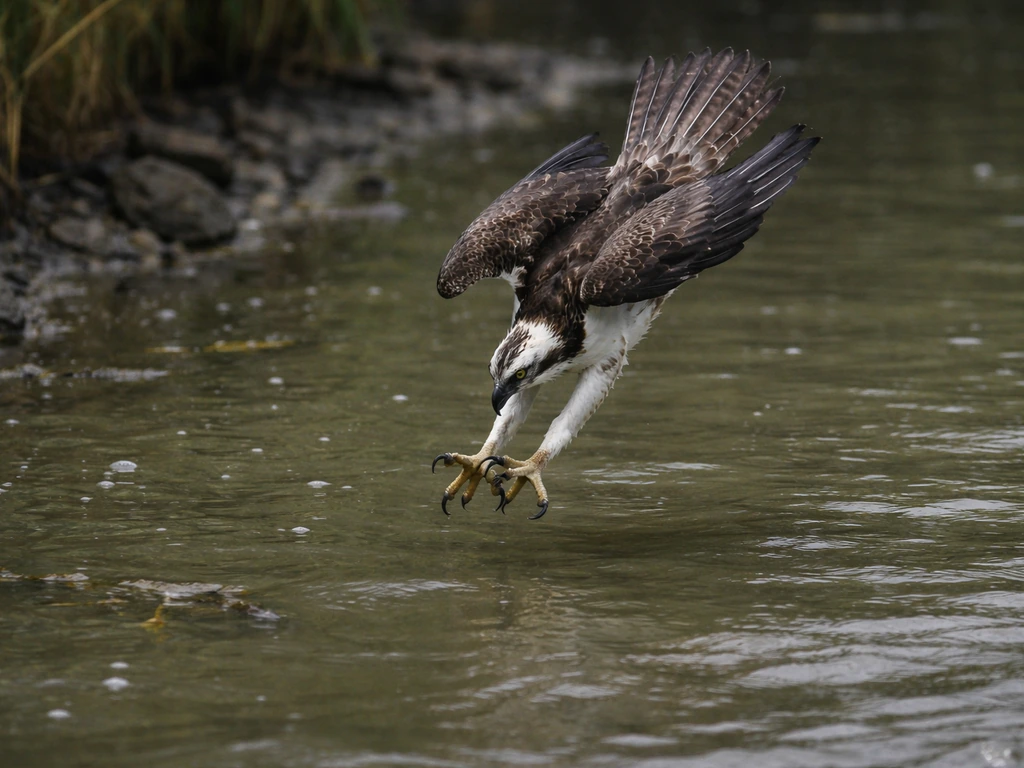
The clearest risk factors are trophic position, diet specificity, longevity, and proximity to contaminated water. A bird that eats fish or other predatory animals, does so in one location for decades, and lives near a historically contaminated waterway is the highest-risk profile. That describes bald eagles, ospreys, great blue herons, double-crested cormorants, Caspian terns, and various gull species. These are the species where PCB contamination effects have been most rigorously documented.
| Bird Group | Primary Diet | Risk Level | Key Exposure Context |
|---|---|---|---|
| Piscivorous raptors (osprey, bald eagle) | Fish | Very High | Contaminated rivers, lakes, estuaries |
| Colonial waterbirds (cormorants, herons, terns) | Fish, amphibians | Very High | Great Lakes, coastal estuaries, industrial waterways |
| Omnivorous gulls | Fish, invertebrates, carrion | High | Coastal and inland contaminated water bodies |
| Insectivorous songbirds near contaminated soils | Invertebrates | Moderate | Terrestrial hotspots: landfills, former industrial sites |
| Terrestrial raptors (red-tailed hawk) | Small mammals | Low to Moderate | Depends on prey base contamination |
| Pet birds (parrots, finches, domestic poultry) | Formulated diet or grain | Low (diet-dependent) | Wild-caught prey or contaminated local feed sources |
For judging exposure in practice, the two most useful questions are: where does this bird eat, and what does it eat? A resident bald eagle nesting on the Hudson River in New York has a fundamentally different exposure profile than the same species nesting on a pristine inland lake. Geographic proximity to Superfund sites, historical industrial discharge points, or known PCB hotspots is the single best quick-assessment tool. The EPA and USGS maintain publicly accessible databases mapping contaminated sites and waterways, and many state environmental agencies publish fish consumption advisories that serve as a useful proxy for PCB loading in local food webs.
It is also worth acknowledging that when thinking broadly about what reduces bird populations, PCBs are one piece of a larger puzzle. Some people also ask whether science has gone too far when it comes to environmental contaminants and their long-lasting impacts on wildlife, including birds. Bird deaths can also occur at energy facilities, so comparing wind turbine impacts with those from fossil fuels helps put PCB-driven risks in context bird deaths from wind turbines versus fossil fuels.
Habitat loss, window strikes, predation, and yes, other industrial hazards all contribute. The reason PCBs demand specific attention is the biomagnification mechanism: unlike many hazards that affect birds more or less uniformly, PCBs specifically target the top of the food chain and the reproductive cycle, making them disproportionately effective at suppressing populations of long-lived, slow-reproducing predatory species.
Practical Steps for Pet Owners, Researchers, and Aviation Professionals
If You Keep Birds
For pet bird owners, the direct risk from environmental PCBs is low as long as you control the diet. Captive birds on commercial formulated diets or grain-based feeds sourced from certified suppliers have negligible PCB exposure compared to wild fish-eating birds.
The risks to watch for are niche but real: feeding captive raptors or corvids wild-caught fish from contaminated local water bodies, allowing backyard poultry to forage near former industrial sites or treated utility poles (which historically used PCB-containing fluids), or sourcing feed that uses fish meal from contaminated stocks. If you keep birds of prey and source their food yourself, check your local state fish consumption advisory before using fish from any inland water body.
The same advisories that protect you protect your birds.
If You Are Researching Bird Populations
For researchers and citizen scientists, the most actionable step is to combine spatial data with dietary ecology. If you are monitoring a waterbird colony or conducting breeding surveys near water, cross-reference your study area against EPA Superfund and contaminated site databases, state environmental quality reports, and existing fish tissue monitoring data. USGS and USFWS maintain long-running contaminant monitoring datasets that may already include PCB tissue burdens for species in your region.
Where data gaps exist, lipid-normalized PCB concentrations in eggs are the gold-standard monitoring metric for reproductive exposure because they directly reflect what the embryo experiences. Partnering with a wildlife toxicology lab for egg or blood sampling is increasingly accessible for collaborative research projects. When interpreting data, be cautious about attributing observed reproductive declines to PCBs alone without ruling out co-contaminants and other stressors.
The sibling topic of correlation versus causation is genuinely relevant here: the statistical association between PCB tissue burden and reproductive failure is strong, but establishing causation in field settings requires gradient studies and mechanistic corroboration.
If You Work in Aviation
For aviation professionals, the connection between PCBs and bird risk is indirect but worth understanding. PCB contamination does not directly make birds more hazardous to aircraft, but it does shape where certain bird species concentrate. Bird deaths from wind turbines are a different risk driver than the chronic, ecosystem-wide effects associated with fossil fuel pollution wind turbines vs fossil fuels. Fish-eating colonial waterbirds, including species well-documented as strike risks at airports near water, tend to aggregate around productive contaminated water bodies because fish are abundant there.
An airport near a historically contaminated estuary or river may see higher concentrations of cormorants, gulls, or herons specifically because that habitat supports a large fish population despite (or even partly because of) disturbance from contamination, which often reduces human recreational pressure and increases effective foraging access. Birds affected by wind turbines are one of several modern causes of avian mortality, and estimates vary by species, location, and turbine operation bird mortality from wind turbines.
Understanding the ecological drivers of bird congregation in your operational area, including the food web dynamics that PCBs are part of, gives you a fuller picture for wildlife hazard management beyond standard deterrence tactics.
Where to Go From Here
The science on PCBs and bird populations is not new, but it remains directly relevant because contamination persists and because the biomagnification mechanism means even legacy contamination continues to affect top predators today. The practical next steps differ by audience, but the underlying logic is the same: identify whether your birds or study species are positioned high in a food web near a contaminated water body, and adjust your monitoring, sourcing, or risk assessment accordingly.
- Use EPA's Superfund site locator and your state environmental agency's contaminated site database to check proximity of any water body you care about.
- Check your state's fish consumption advisory before using locally caught fish as feed or before drawing conclusions about wildlife health near a specific water body.
- For captive birds, prioritize commercially sourced feed with traceable supply chains over locally sourced wild prey from unknown-contamination areas.
- For population researchers: consult USGS and USFWS contaminant monitoring archives before designing new studies; existing data may already answer your exposure question.
- For aviation wildlife managers: when assessing bird activity risk near airports, factor in local food web productivity and contamination status as contributors to colonial waterbird congregation, not just traditional habitat features.
- Stay skeptical of single-cause explanations for bird population declines. PCBs are a well-documented driver for specific species in specific contexts, but a careful assessment of multiple stressors produces more accurate and actionable conclusions than attributing everything to one chemical.
The reality is that PCBs represent one of the cleaner examples in environmental toxicology of a mechanism (biomagnification) producing a predictable outcome (reproductive failure in top predators) that is well supported by both field and experimental evidence. That clarity is actually useful: it means you can make reasonable predictions about risk based on trophic position and geography without waiting for exhaustive site-specific studies. Use that predictive framework, verify with available data, and act accordingly.
FAQ
Why can PCBs hurt birds even when the water looks clean?
Because PCBs can bind to sediment and accumulate in prey, the water’s measured PCB levels may underrepresent what bottom-feeding organisms carry and what predators ultimately reach. Birds integrate exposure over time through diet, so a lake or river with low water-column readings can still produce high tissue burdens in fish-eating species.
Do all PCB congeners biomagnify the same way?
No. Congeners differ in persistence, water mobility, and toxicity, largely driven by how chlorine substitutions affect behavior in the environment and uptake into fat. This means two sites with similar total PCB mass can yield different biological effects depending on which congener mix is dominant.
If PCBs are banned, how do new PCB inputs still happen today?
Besides legacy releases from historical use, some industrial processes can generate PCB-like byproducts. Even when industrial discharge stops, resuspended contaminated sediments and ongoing atmospheric deposition can keep reintroducing PCBs to food webs, so exposure can continue for decades.
Can storms or dredging make PCB impacts worse for birds?
Yes. Events that disturb contaminated sediments, such as dredging, flooding, or strong currents, can resuspend particles that were previously buried. That can temporarily increase PCB availability to benthic organisms and bottom-feeding fish, which can then raise predator exposure during breeding seasons.
How can I estimate which birds are most at risk without testing tissues?
Use trophic position and diet specificity. Predatory and fish-eating birds that forage repeatedly in one area over many years are typically highest risk. Proximity to known PCB sediment hotspots or historical industrial waterways is the fastest practical screening tool, even when you cannot measure residues.
What’s the difference between “association” and “causation” for PCB effects on birds?
Association means birds with higher PCB burdens often show worse outcomes, but other contaminants or stressors could be responsible. Causation is supported when studies show dose-related effects, consistent patterns across gradients, and mechanistic alignment (such as endocrine and immune disruption) after controlling for co-contaminants as much as possible.
Do PCBs mainly affect adult birds, or can they impact embryos and chicks more?
Embryos and developing chicks are a major concern. PCB exposure can interfere with endocrine signaling that supports normal egg formation, and it can contribute to problems like eggshell thinning, embryo death, and developmental abnormalities. This means reproductive impairment can occur even when adult survival looks relatively unaffected.
Why are eggs used as a monitoring target, and what does “lipid-normalized” mean?
Eggs reflect the PCB exposure level delivered to the embryo during egg formation. Lipid-normalized reporting adjusts for differences in fat content, which is important because PCBs distribute into fatty tissues, making raw concentrations harder to compare across eggs, seasons, or species.
For citizen scientists, is it safe to assume that reproductive decline near a contaminated site is from PCBs?
Not by assumption alone. PCBs often co-occur with other pollutants like metals and dioxin-related compounds, and habitat disturbance can also depress breeding success. The most defensible approach is to pair reproductive metrics with residue data, and to look for patterns across contamination gradients rather than relying on single-location observations.
If I keep pet birds, could feeding them wild-caught fish expose them to PCBs?
It can, especially if the fish comes from locally contaminated rivers, lakes, or estuaries. Commercial formulated diets are usually low risk when supplied from certified producers, but home feeding becomes the concern if you source fish meal, raptors’ prey, or fish-based items from PCB-impacted waters.
How should bird owners handle backyard poultry or allowing birds to forage near utility poles or old facilities?
Treat that as a potential exposure pathway. Utility infrastructure and nearby soils can be legacy hotspots, and free-ranging birds may pick up contaminated invertebrates or soil-associated residues. If the area is near a known PCB hotspot, limiting foraging in that zone reduces the chance of sustained dietary intake.
Do PCBs increase disease risk in birds only because they weaken immunity?
That’s a key mechanism, but not the only one. Immune suppression can make infections more likely or more severe, and reproductive failure can reduce resilience by lowering recruitment into the population. Together, these effects can amplify outbreak impacts beyond what immunity alone would predict.
Are PCBs more relevant to bird hazards at airports because they increase mortality during strikes?
Directly, no. PCBs do not make birds inherently more dangerous to aircraft, but they can influence where certain bird species concentrate by affecting prey availability and species distribution around contaminated water bodies. That can indirectly increase the likelihood of hazardous bird presence in specific operational areas.