Bird abatement is the combination of techniques, policies, and operational practices used to prevent birds from entering, settling, or lingering in spaces where they create safety, health, property, or operational risks. It covers everything from removing food sources at a warehouse loading dock to running a full Wildlife Hazard Management Plan at a commercial airport. The core goal is always the same: reduce the conditions that attract birds, block their access where possible, and use behavioral tools to reinforce that the area is not a good place to be.
What Is Bird Abatement? Methods, Safety, and Next Steps

Marcus Whitmore
23 May 2026
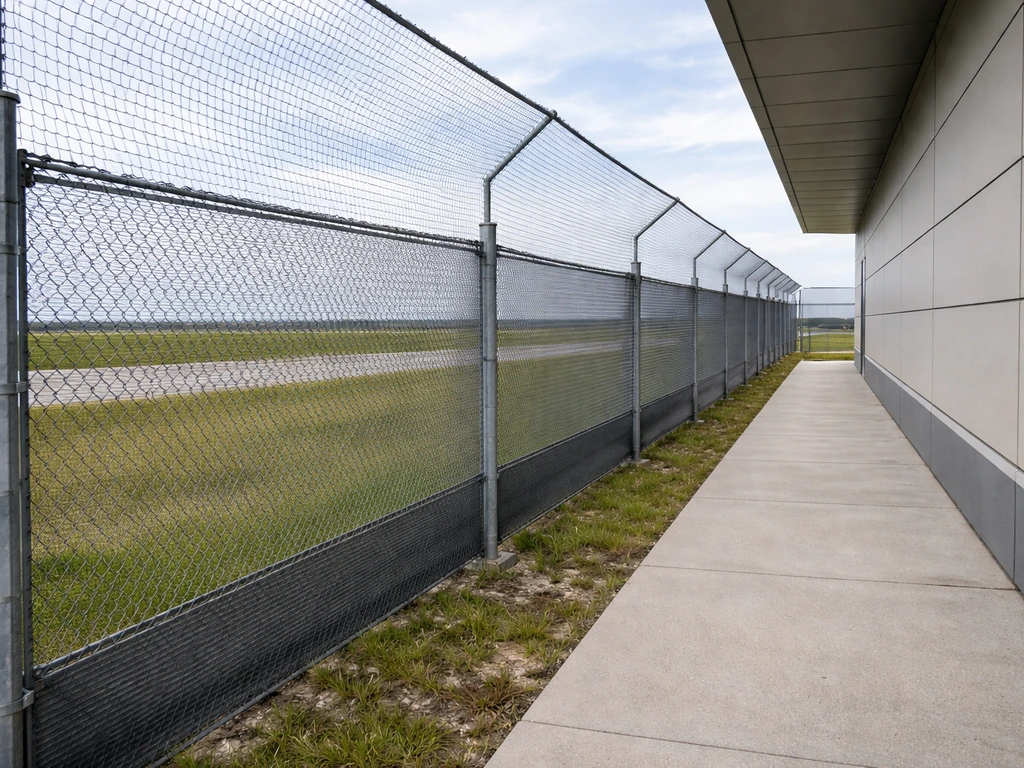
Bird abatement vs. bird control: they're not the same thing
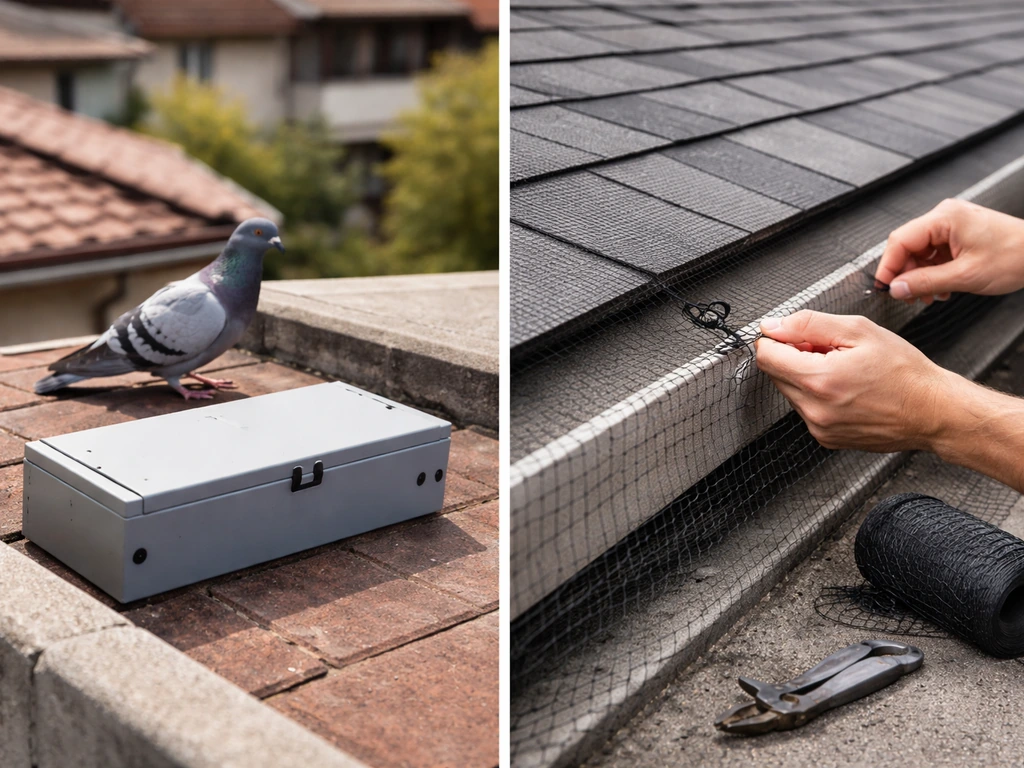
People use these terms interchangeably, but there's a meaningful practical difference. Bird control tends to mean reactive management: you already have a problem, and you're responding to it, often with trapping, dispersal, or targeted removal. Bird abatement is broader and more proactive. It includes control methods, but it also includes habitat modification, exclusion design, food-source elimination, sanitation protocols, and land-use planning decisions made well before any birds show up. At airports, the FAA frames this under 'wildlife hazard management,' and the key document guiding U.S. airport operators, the FAA's Wildlife Hazard Management at Airports manual, treats abatement as a system of ongoing planning and action, not a one-time fix.
Think of it this way: trapping a pigeon from your rooftop is bird control. Sealing off the ledge and removing the food source that attracted it in the first place is bird abatement. You need both, but abatement is what keeps the problem from coming back. For larger or more complex bird control issues, the same proactive planning approach as abatement helps prevent the problem from coming back.
Why bird abatement actually matters
The risks that make abatement necessary fall into four overlapping categories: safety, health, property damage, and operational disruption. For example, major public incidents have shown how unexpected feeder or bird-attracting behavior can contribute to accidents accidents caused by birds. Each one is real, and each one gets worse if birds are left unmanaged over time.
Safety
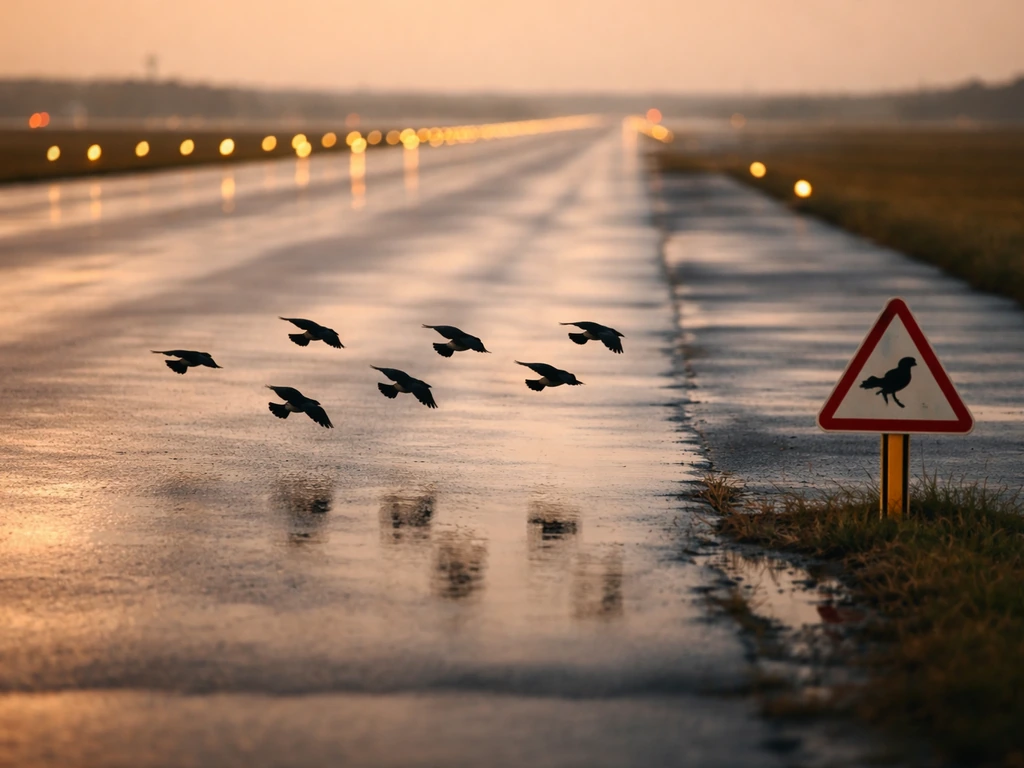
Aviation bird strikes are the clearest example of a safety-driven abatement need. The FAA has maintained a wildlife hazard management program focused on on-airport and near-airport risks for more than 50 years, and the FAA's Wildlife Strike Database exists specifically to track strike incidents and feed data back into risk management. The groups most often involved in reported strikes include waterfowl, gulls, and raptors. A single large bird ingested into a turbine engine can cause catastrophic failure. This is not theoretical risk; it is the reason 14 CFR § 139.337 requires certificated airports to submit FAA-approved Wildlife Hazard Assessments.
Health
Large roosts of blackbirds and starlings can deposit enough droppings to create genuine histoplasmosis exposure risk. The CDC and NIOSH both note that disturbing accumulated bird or bat droppings, especially during cleaning or renovation work, can aerosolize the fungal spores that cause histoplasmosis. The best prevention, according to CDC guidance, is stopping the accumulation in the first place. The CDC recommends stopping the accumulation of bird or bat droppings to reduce histoplasmosis risk [stopping the accumulation in the first place](https://www.
cdc. gov/histoplasmosis/prevention/index. html). That is abatement logic applied directly to public health.
Avian influenza adds another layer: the EPA has documented that decomposing carcasses during outbreak scenarios can release hazardous gases and leachate, which means even passive bird congregation at a facility creates a waste-management and health-safety planning obligation.
Property and operations
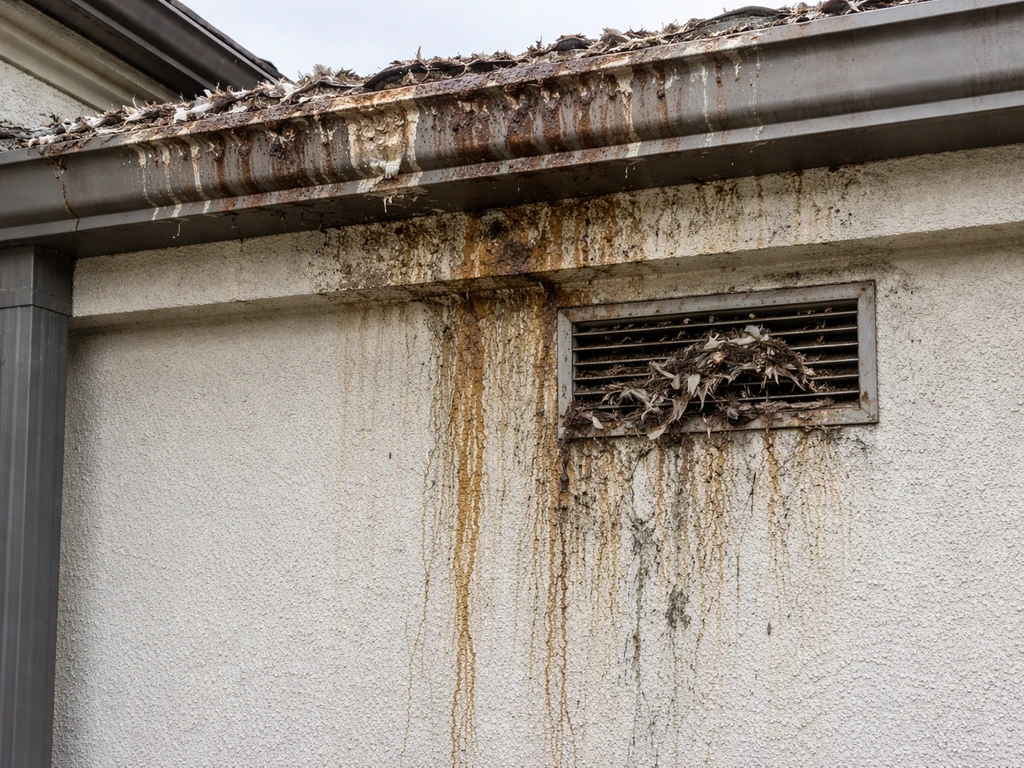
Droppings are acidic and degrade roofing materials, HVAC equipment, and building facades. Nesting birds can block vents and drainage systems. If you are dealing with bird nests, local animal control policies vary, but nests are often handled through bird abatement under wildlife protections rather than routine removal. At food-processing and warehousing facilities, bird presence can trigger regulatory failures. For any operation where bird activity is a known, recurring problem, the cost of doing nothing compounds quickly.
The three principles that underpin all good abatement
Every effective abatement program, whether it's for a backyard, a warehouse roof, or a major airport, comes back to three core principles. These come directly from FAA wildlife hazard management guidance, but they apply universally.
- Prevent attraction: Remove or reduce the food, water, and cover that draw birds to a location. FAA guidance is explicit that reducing these three resources is the first management action you should take, because without attractants, most birds move on voluntarily.
- Remove resources: This goes beyond prevention. If attractants already exist, actively eliminate them. That means fixing standing-water issues, securing waste containers, removing berry-producing vegetation near runways or loading docks, and cleaning up spilled grain or feed.
- Exclude access: Where modification alone isn't enough, physical barriers prevent birds from reaching high-risk areas entirely. Netting, wire, spikes, and sealed entry points are the core tools here.
Behavioral deterrents (noise cannons, lasers, falconry, drones) sit on top of these three principles. They can be effective, but they only work sustainably when the underlying attractants have been addressed first. If birds have a strong reason to be somewhere, they will habituate to deterrents quickly.
The main abatement methods and when to use each one
| Method | How it works | Best used when | Limitations |
|---|---|---|---|
| Habitat modification | Alter vegetation, water features, or ground cover to reduce attractiveness | Planning or redesigning a space; long-term prevention | Takes time; requires site-specific analysis |
| Physical exclusion | Netting, spike strips, wire systems, sealed gaps block bird access | Known roosting/nesting sites; high-value structures | Installation cost; requires correct sizing and maintenance |
| Sanitation and food-source removal | Secure waste, remove food spills, eliminate standing water | Any site; foundational step before any other method | Requires ongoing discipline and process change |
| Acoustic deterrents | Distress calls, predator sounds, propane cannons disrupt comfort | Open areas; dispersing flocks temporarily | Habituation sets in fast without rotation and integration |
| Visual deterrents | Reflective tape, predator decoys, lasers (especially at night) | Supplementing other methods; short-term disruption | Birds learn to ignore static displays; decoys need movement |
| Falconry/live predators | Trained raptors create genuine predator presence | Airports, landfills, large open areas with recurring pressure | Requires skilled handler; ongoing operational cost |
| UAS (drone) dispersal | Unmanned aircraft mimic predator behavior to disperse flocks | Large open sites; complements other deterrents | Requires operator training; airspace coordination at airports |
| Vegetation and land-use management | Remove or replace wildlife-attracting plants, change landscaping | Proactive planning; near airports or sensitive facilities | Requires coordination with land managers or regulators |
USDA APHIS guidance is clear that successful bird dispersal requires a combination of tools, timed correctly, and applied with persistence. No single method works reliably over time on its own. APHIS specifically notes that cormorants, for example, learn quickly and that frightening devices alone will not deter them for long. The integrated approach is not optional; it's what separates programs that work from programs that produce temporary results and then fail.
What not to do: myths, bad tactics, and legal limits
A lot of what gets sold as bird abatement either doesn't work or creates new problems. Here are the common failure modes worth knowing about.
Relying on a single scare tactic
Putting up a plastic owl and calling it done is probably the most widespread and least effective approach in existence. Static visual deterrents lose their effect within days on most species. Birds are not fooled indefinitely by something that never moves and never actually threatens them. The reality is that any deterrent, acoustic or visual, needs to be rotated, repositioned, and combined with other pressure to maintain any effect.
Poisoning birds
Using poisons or pesticide-laced baits to kill birds directly is illegal for the vast majority of species in the United States. Most birds are protected under the Migratory Bird Treaty Act (MBTA), and illegally poisoning them can also violate the Bald and Golden Eagle Protection Act and the Endangered Species Act, depending on species. USGS has documented cases where pesticide-laced predator baits intended for other animals killed federally protected birds, with serious legal consequences.
USGS documents cases where pesticide-laced predator baits intended for other animals killed federally protected birds and notes the serious legal consequences. Do not go down this road.
Even rodenticide use near bird habitats carries risk of secondary poisoning to raptors and other non-target species, which the EPA explicitly warns against.
Capturing or killing without a permit
The U.S. Fish and Wildlife Service states clearly that you need a federal depredation permit to capture or kill migratory birds that are causing problems, and that documentation of nonlethal attempts is typically required before a permit is issued. Harassment and scaring generally do not require a permit, but even that has exceptions. If your abatement plan involves anything beyond passive deterrence, verify your legal footing first.
Skipping sanitation
Cleaning up existing droppings without proper respiratory protection is a genuine health risk. CDC guidance on histoplasmosis specifically warns against stirring up dust or bird waste during cleaning. Wet the area down first to suppress aerosols, use appropriate PPE, and avoid dry sweeping or blowing. This is true for backyard coops and industrial rooftops alike. The CDC also advises not to touch or disturb dead birds with bare hands, and notes that feeding birds can attract other wildlife that compound the original problem.
How to build a practical abatement plan starting today
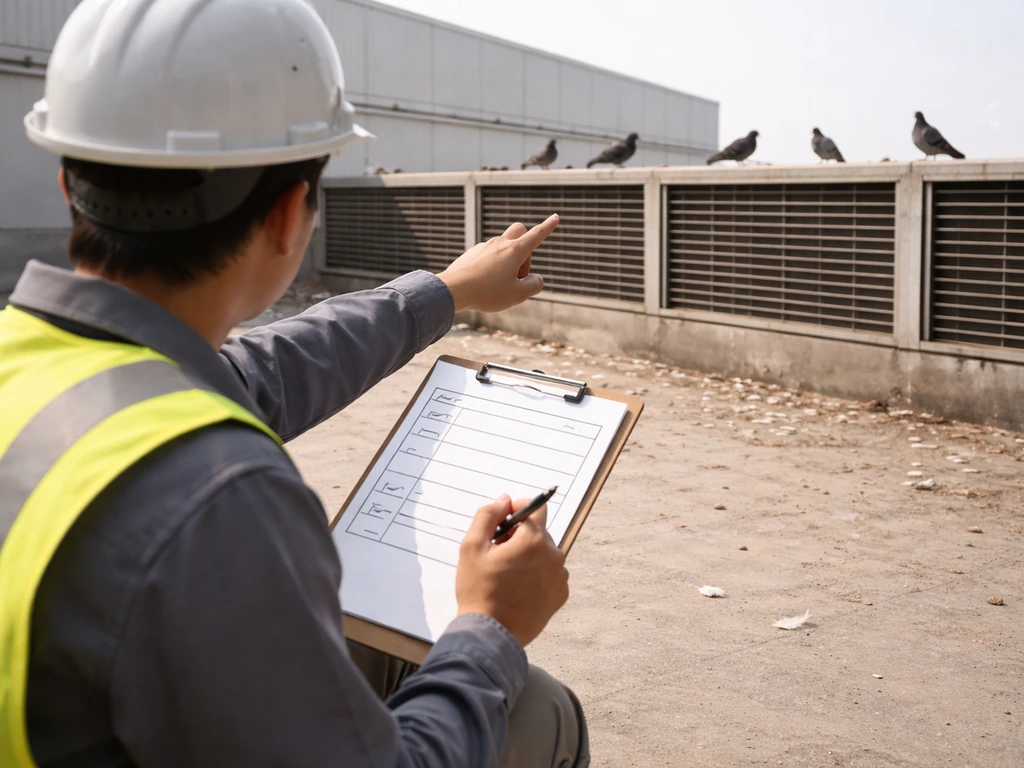
Whether you're dealing with a rooftop pigeon colony or managing wildlife risk at an aviation facility, the planning logic is the same. What changes is the scale and the regulatory requirements.
- Assess the site: Walk the area and document where birds are congregating, nesting, or roosting. Note what's attracting them: food sources, water, shelter, vegetation, or thermal cover. Be specific.
- Identify the species: Some species have stronger legal protections than others, and some respond to different methods. Knowing whether you're dealing with house sparrows, starlings, pigeons, or a federally protected species changes your options significantly.
- Eliminate attractants first: Before spending anything on deterrents, close off every food and water source you can. Seal waste containers, repair standing-water issues, remove spilled seed or feed, and trim vegetation that provides roost cover.
- Apply exclusion where feasible: For high-value or high-risk areas (HVAC units, loading dock ceilings, ledges), install appropriate physical barriers. Netting and spike systems are the most durable long-term options.
- Layer in behavioral deterrents: Once attractants are reduced and exclusion is in place, add deterrents to reinforce the message. Rotate methods and vary timing so birds don't habituate.
- Document everything: Keep a log of what you've done, when, and what effect you observed. This serves two purposes: it helps you adjust your approach, and it provides documentation if you later need a federal depredation permit.
- Monitor and adjust: Bird pressure changes with seasons, food availability, and flock dynamics. Revisit your assessment at least seasonally and adjust methods as you observe what's working and what isn't.
- Bring in a professional when warranted: For complex or high-risk situations, a qualified wildlife biologist or certified bird removal technician brings species-specific knowledge and legal compliance expertise that generic pest control often lacks.
Bird abatement in aviation: where the stakes are highest
At airports, bird abatement is not optional and not informal. It is a federally regulated component of airport safety management. Under 14 CFR § 139.337, FAA-certificated airports must conduct wildlife hazard assessments and, if warranted, develop and implement an FAA-approved Wildlife Hazard Management Plan. The FAA's advisory circulars, particularly AC 150/5200-33C on wildlife attractants, provide specific guidance including siting separation distances: wildlife-attracting land uses such as waste disposal, artificial marshes, or wastewater treatment should be at least 5,000 feet from aircraft movement areas for piston-aircraft airports and at least 10,000 feet for turbine-aircraft airports.
The structure of an airport wildlife hazard management program mirrors the general abatement framework described above, but with additional layers. Initial management actions target reduction of food, cover, and water on airport property. Habitat modification and physical exclusion are the primary long-term tools. Behavioral deterrents, including acoustic devices, visual deterrents, trained falconry birds, and increasingly drone-based dispersal systems, are layered on top. The FAA's airport technology resources also reference detection technologies used as part of strike risk mitigation.
The UK Civil Aviation Authority uses parallel guidance under CAP 772, which frames the equivalent document as a Bird Control Management Plan (BCMP). The BCMP structure emphasizes aerodrome habitat and land management to reduce attractiveness to birds, plus ongoing risk assessment and action identification to minimize strike risk. The underlying logic is identical to FAA guidance: manage the environment first, deter persistently, and measure outcomes.
Measurement matters enormously in aviation abatement. The FAA's Wildlife Strike Database is the primary feedback mechanism in the U.S. system, and reporting is the mechanism that connects daily operational experience to long-term program improvement. If your airport is generating strike reports, those reports should be flowing back into your hazard management plan review cycle. The outcomes to track are: reduction in observed wildlife activity on and near movement areas, reduction in strike rate, and continued regulatory compliance with your approved plan.
One operational note worth flagging: the FAA's AC 150/5200-36B sets qualifications for wildlife biologists conducting formal wildlife hazard assessments. If you're at a certificated airport building or revising a Wildlife Hazard Management Plan, the biologist conducting your assessment needs to meet those qualifications. This is not a job for a generalist pest control contractor. The same principle applies in less formal contexts: for persistent or high-risk bird problems, the quality of your assessment drives the quality of your solution. Related to this, what a bird removal technician does in practice often overlaps significantly with abatement planning, and understanding that role can help you choose the right kind of professional help for your situation.
For curious researchers and pet owners reading this: the principles described in the aviation context are directly applicable at smaller scales. The FAA's core formula, reduce food, cover, and water; exclude access; deter persistently; measure and adjust, is exactly what works in a backyard, on a commercial rooftop, or around an agricultural facility. The scale differs, but the logic doesn't.
FAQ
How do I tell whether I need bird abatement or just bird control for my specific case?
If the issue keeps recurring after you respond to individual birds, you likely need abatement. Bird control usually stops the immediate problem, while abatement addresses the attractants (food, cover, water) and access routes so birds cannot keep reestablishing the same spot.
What should I check first to identify the attractants on a property?
Look for consistent food sources (unsecured dumpsters, spills, pet food, landscaping that drops seed), standing water (drains, birdbaths, roof runoff, pond edges), and safe landing or roosting cover (ledges, HVAC overhangs, dense shrubs). Also check for indoor-to-outdoor access like broken screens, open louvers, or gaps around loading doors.
Do scare tactics like noise, lights, or lasers work if birds are already nesting?
They often reduce activity temporarily, but nesting typically means the birds are motivated to stay. In that situation, focus first on exclusion and habitat modification, then use deterrence as a secondary layer. Avoid relying on deterrence alone because habituation can happen quickly, especially with repeated calm periods.
How often should deterrents be rotated or repositioned?
Plan to change positioning and operating patterns on a schedule, not continuously but regularly, because static setups lose effectiveness as birds learn the pattern. A practical approach is to vary locations within the protected zone and vary timing (hours and intensity), while keeping deterrents combined rather than using a single device.
Is it safe to clean bird droppings myself?
Only if the area is small and you can control dust. Wet the area before cleanup, use appropriate respiratory protection, and avoid dry sweeping or blowing. If there is heavy accumulation, construction, or poor ventilation, treat it like a higher-risk cleanup that should be handled by a qualified professional.
What is the main mistake people make when dealing with droppings and cleanup?
The most common error is disturbing waste before suppressing aerosols, which increases histoplasmosis exposure risk. Another frequent mistake is touching dead birds or heavy contamination without proper PPE, leading to contamination spread.
Can I use pesticides or poisons to get rid of the birds?
In most cases, do not. Direct killing with poisons or pesticide-laced baits is illegal for most protected species, can create secondary poisoning risks, and can trigger additional federal and state enforcement. Focus on lawful exclusion, sanitation, and permitted dispersal methods.
If birds are protected, do I always need a permit to address them?
Not always, but it depends on what you plan to do. Capturing or killing migratory birds generally requires a federal depredation permit, and documentation of nonlethal attempts is often part of the process. Harassment or scaring may not require a permit in some situations, but exceptions exist, so verify your specific plan.
What should I document to support an abatement plan or potential permitting needs?
Track dates and locations of bird activity, counts or categories of species, the attractants observed (food, water, nesting evidence), and what methods you tried (device types, schedules, placement). For aviation or recurring high-risk sites, keep records tied to operational impacts so you can adjust based on measurable outcomes.
How do I measure whether my abatement program is working?
Set baseline observations first, then monitor changes over time. Track reductions in visible bird activity, evidence of roosting or nesting, and any site-specific outcomes like mess volume, clogged drains, or incident reports. In aviation contexts, measurement is tied to strike and activity reduction and compliance with the approved plan.
What makes an airport wildlife assessment different from a regular property assessment?
Airport assessments must meet qualification requirements for wildlife biologists and tie into an FAA-regulated management plan. They also consider aircraft movement areas and nearby land uses that attract birds, so the site boundaries and compliance requirements are much more formal than for typical commercial properties.
What if birds are coming from neighboring properties, not my building?
That is common. Abatement is most effective when coordinated across property lines, especially if the neighbor provides consistent food, water, or safe cover. Start by identifying likely external attractants, then engage landlords or local stakeholders so both areas are managed together.
How long should it take to see results from a well-designed abatement program?
Expect an early reduction in activity only after attractants are removed and access is blocked. Full effectiveness often takes weeks because deterrence alone may be ignored at first, birds need to test new conditions, and exclusion and sanitation must be sustained consistently to prevent reestablishment.