
Bird scooters carry real but moderate risk. According to Bird's own 2019 safety report, the injury rate is about 37.2 injuries per million miles ridden, roughly one injury per 26,881 miles. That's actually a lower rate than bicycles, which the same report pegs at around 58.9 emergency-department visits per million miles. That said, CPSC data shows e-scooter injuries increased nearly 21% in 2022 alone, and overall micromobility injuries jumped 70% over a four-year stretch. So the short version: Bird scooters are not uniquely deadly compared to other street-level transport, but they're not trivially safe either, and the risks are specific and avoidable if you know what to watch for.
Are Bird Scooters Dangerous? Real Risks and How to Ride Safely

Marcus Whitmore
9 Jul 2026
What actually causes injuries on Bird scooters
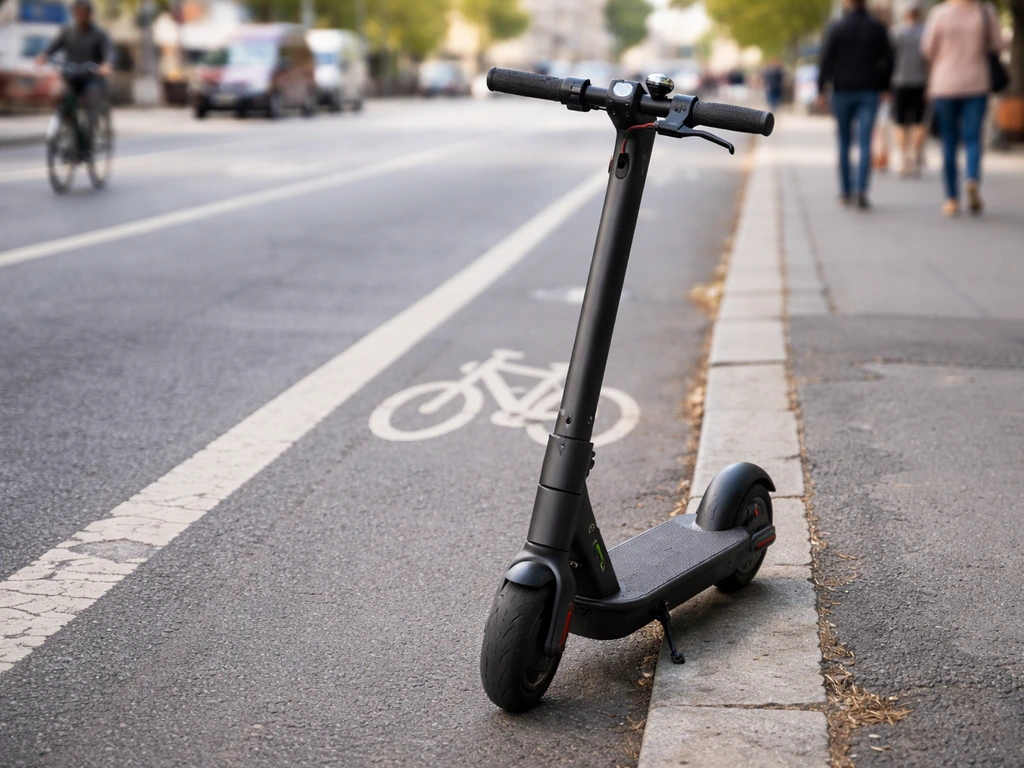
Most e-scooter injuries don't come from freak accidents. The National Academies list the main culprits as collisions with pedestrians, vehicles, or bikes; swerving or jumping off suddenly; 'dooring' (getting hit by an opening car door); and falls caused by road hazards like potholes and uneven pavement. CPSC separately flags brake problems and loss of control as significant product-related contributors. Clinical data from emergency departments backs this up: fall and collision injuries dominate the injury profile, and a case series on facial injuries specifically called out helmet nonuse as a major aggravating factor. The Bird Air user manual itself warns that rapid braking can cause serious injury through loss of traction.
Pedestrians and bystanders face risk too, not just riders. A scooter traveling at Bird's standard top speed (typically around 15–20 mph depending on local limits) can cause genuine harm in a collision with someone on foot. Bird does operate Community Safety Zones that reduce speed to 8 mph (13 kph) in high-pedestrian areas and send an in-app alert, which helps. But outside those zones, the burden of watching for pedestrians falls almost entirely on the rider.
Things that quietly make the risk much worse
The baseline injury rate assumes reasonably competent riding in decent conditions. In real life, several factors can push that risk significantly higher.
- Wet surfaces: Rain or wet pavement dramatically reduces traction. Rapid braking on a wet road is one of the fastest ways to go down on an e-scooter.
- Night riding: Low visibility cuts your reaction time and makes you harder for drivers to see. Bird's own winter safety tips specifically recommend bright colors and reflective gear for low-light conditions.
- Impaired riding: Alcohol is an obvious one, and Bird explicitly says never to ride while drinking. Impaired coordination and reaction time are dangerous at any speed on a scooter.
- Inexperienced or young riders: Bird enforces age eligibility through in-app verification. Younger or first-time riders who haven't ridden before genuinely face higher crash risk.
- Overloading the scooter: Bird documents a recommended maximum weight of 100 kg (220 lbs). Operating beyond that affects stability and braking.
- Riding on high-speed roads: Some cities prohibit e-scooters on streets with speed limits of 50 mph or higher. Sharing a lane with fast-moving cars is dangerous regardless of the scooter's speed.
- Damaged or poorly maintained scooters: CPSC categorizes brake and control problems as meaningful hazard contributors. Always do a quick inspection before you ride.
Do Bird scooters actually harm birds and wildlife? Let's be realistic
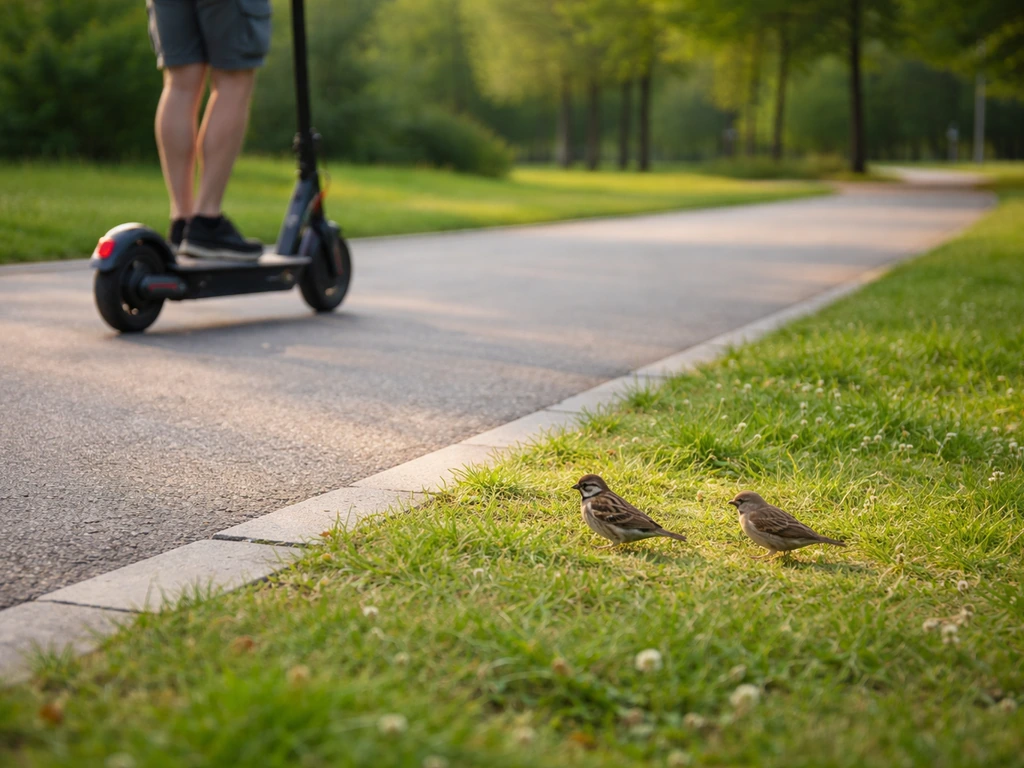
This is a question worth taking seriously rather than dismissing, especially on a site focused on bird safety. The honest answer is: the evidence for meaningful bird mortality caused specifically by electric scooters is essentially nonexistent. If you're asking whether electric heaters are bird safe, the key factor is how heat and airflow affect nearby birds and their sensitive respiratory systems. Peer-reviewed research estimates that vehicle collisions kill hundreds of millions of birds on U.S. roads each year, but that figure is driven almost entirely by cars and trucks. An e-scooter traveling at 15 mph through an urban area is a vanishingly small fraction of road traffic, moves quietly (which may actually give birds more reaction time than a loud engine), and operates almost exclusively on paved paths already saturated with human foot traffic and conventional vehicles.
The reality is that a scooter is far less likely to strike a bird than a car, and there is no peer-reviewed data quantifying scooter-specific bird mortality. That said, bird nests are a different issue than scooters, and the nests themselves can pose risks in some situations strike a bird. Claims that e-scooters pose a significant threat to bird populations lack a scientific basis. That said, parking scooters carelessly in green spaces or near nesting areas, charging hardware near bird habitats, and high scooter density in parks could create low-level disturbance. But those are habitat-disruption concerns, not direct harm from riding. Birds that live alongside high-traffic urban environments are, by definition, already habituated to a lot more disturbance than a passing scooter.
The bigger wildlife concern with e-scooters is actually indirect: improperly disposed batteries and abandoned scooters in waterways or green spaces. Bird's sustainability documentation focuses on lifecycle and maintenance practices rather than quantified environmental harm, which is a reasonable framing given how limited the evidence is.
Your practical safety checklist before and during a ride
Most scooter injuries are preventable. Bird scratches, like any small injury from a fall, can become dangerous if the wound gets contaminated or infection sets in are bird scratches dangerous. This checklist covers the things that actually make a difference.
Before you roll
- Wear a helmet. Clinical evidence on facial and head injuries repeatedly identifies helmet nonuse as a key factor in serious outcomes. There's no good reason to skip it.
- Check the scooter before you start: squeeze both brakes, make sure the handlebars are tight, look for visible damage, and confirm the tires aren't flat.
- Open the Bird app and check local rules and speed limits. The app shows regulations before every ride.
- Don't ride if it's raining or the road is visibly wet.
- Don't ride if you've been drinking.
- Check that you meet the age and weight requirements for safe operation.
While riding
- Ride in the bike lane or road, not on the sidewalk, unless local rules specifically permit it.
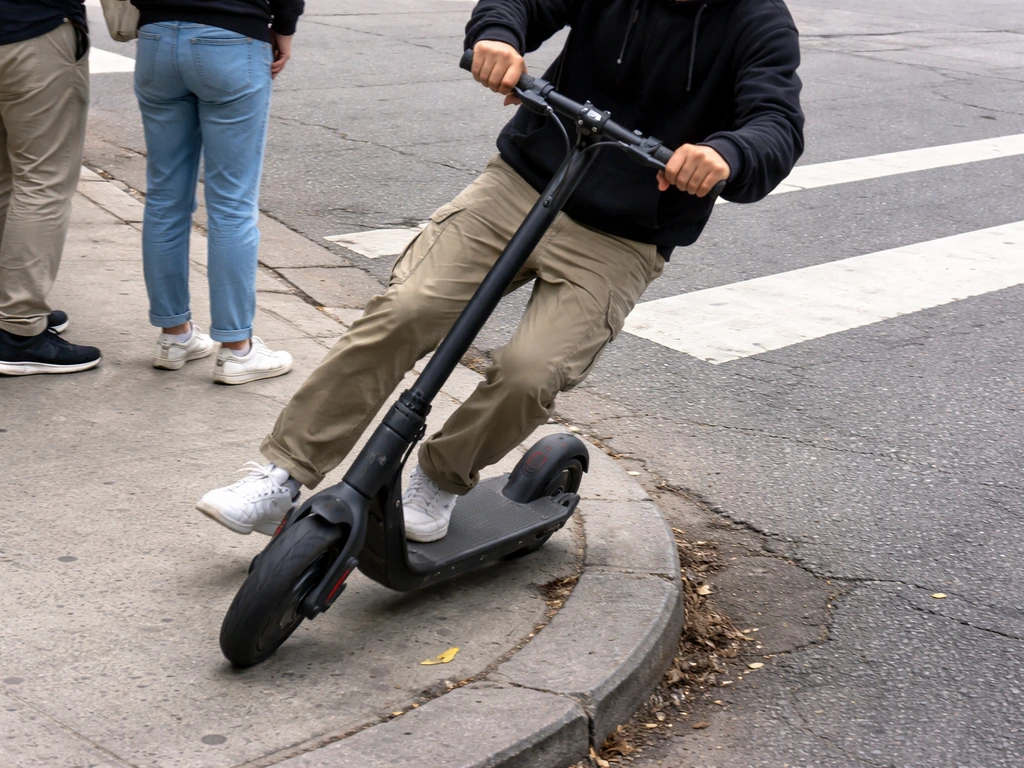
- Slow down well before crosswalks and watch for pedestrians. Bird's safety guidance explicitly flags crosswalks as a caution zone.
- Avoid potholes, grates, and uneven pavement. These are leading causes of falls.
- Don't ride side by side with another scooter in traffic.
- Stay visible: wear bright or reflective clothing if riding at dusk, dawn, or night.
- Don't use your phone while riding. Both hands on the handlebars.
- Brake gradually. Hard, sudden braking, especially in curves or on slippery surfaces, is a major crash trigger.
- Respect Community Safety Zone speed reductions. They exist for a reason.
When you park
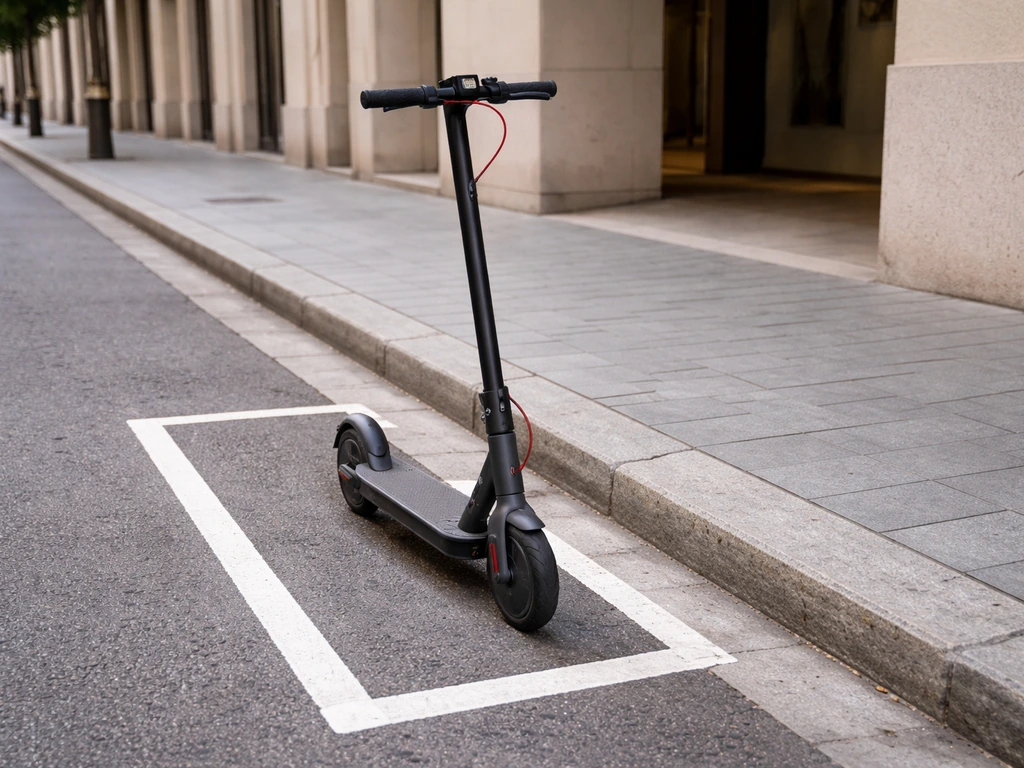
- Park upright against a curb or in a designated scooter zone, never blocking a sidewalk, crosswalk ramp, doorway, or accessibility space.
- Bird's system reviews end-of-ride parking photos using AI to flag illegal or obstructive parking, but don't rely on that as your standard.
- Don't leave a scooter in a park, green space, or waterway. Beyond the legal issue, it creates habitat disruption.
What to do after an incident
If someone is injured, call 911 first. That's the baseline for any serious injury or dangerous condition. After immediate safety is handled, here's what to do next. If you break a Bird scooter, treat it as a safety and liability issue and follow what the Bird app or local guidance tells you to do next.
- Get to safety and assess injuries. If you've hit your head, get medical attention even if you feel fine initially.
- Document everything: photos of the scooter, the road surface, your injuries, and any other vehicles or people involved.
- Report the incident to Bird. Their safety contact is [email protected], and there's a help center form available through the app. Bird's support materials state that rider well-being is their top priority in safety incidents.
- If the scooter was defective or malfunctioned, report it to the CPSC at SaferProducts.gov. CPSC uses these reports in their ongoing hazard tracking.
- If the scooter is damaged, misparked, or blocking something, report it using Bird's in-app Community Mode tool. This is also how you flag scooters that are left in dangerous locations by other users.
- For property damage involving another person (a car, a storefront, another cyclist), exchange information the same way you would after any traffic incident.
- Check Bird's insurance documentation. Bird states it provides bodily injury and property damage coverage for riders in markets where it operates, though terms vary by region.
Rules, restrictions, and when you just shouldn't ride
E-scooter rules vary dramatically by city, and this is one area where ignorance genuinely increases your risk. Cities like Milwaukee prohibit sidewalk riding outright in their dockless scooter terms. Gaithersburg, MD bans riding on streets with speed limits at or above 50 mph. Beverly Hills mandates helmets for riders under 18 and has specific roadway-speed restrictions. Wichita prohibits blocking accessibility ramps and loading zones when parking. None of these are uniform, so you can't assume last week's rules in one city apply in another.
The Bird app is supposed to show local regulations before each ride, and it uses geofencing to enforce speed limits and no-ride zones. But that's a backstop, not a substitute for knowing the rules in your area. If you're riding in a new city, spend 90 seconds on the city's transportation or public works webpage before you go. Most cities with active scooter programs publish their rules publicly. If you need official support channels for Bird scooters, Bird lists a general email at [email protected] on its contact page Contact Us.
| Situation | Risk Level | What to Do |
|---|---|---|
| Dry road, bike lane, daylight, helmet on | Low | Ride normally, stay alert at intersections |
| Wet or icy surface | High | Don't ride |
| Night riding without reflective gear | High | Add reflective gear or wait until daylight |
| Riding after alcohol | Very High | Don't ride |
| Unfamiliar city, unknown local rules | Moderate | Check the app and local city site first |
| Scooter has visible damage or brake issues | High | Report it, don't ride it |
| High-pedestrian area (market, park, event) | Moderate | Slow to walking pace, yield to all pedestrians |
| High-speed road (50 mph+) | Very High | Don't ride on the roadway |
The OECD and ITF's Safer Micromobility report identifies speed management, rider training, and enforcement against impaired riding as the measures most consistently linked to better safety outcomes across countries. That's not a coincidence: the same factors that reduce car crash risk also reduce scooter crash risk. Speed, impairment, and road conditions are the levers that matter most. Everything else, including the handful of internet claims about e-scooters being uniquely dangerous to birds or wildlife, is noise by comparison. If you are wondering, “are bird scarers dangerous,” the key takeaway is that safety risk depends on speed, rider behavior, and conditions rather than any single “scare” mechanism internet claims about e-scooters being uniquely dangerous.
FAQ
Are bird scooters dangerous on wet or icy-looking pavement?
Yes, falls can happen even at low speed, especially on wet paint, metal grates, or smooth paths covered with leaves. If conditions are slick, reduce your acceleration, avoid sudden swerves, and keep a wider buffer from curb edges where traction changes abruptly.
What should I do if a Bird scooter’s brakes feel weak or inconsistent?
If you hear a braking squeal, feel pulsing in the brake, or notice longer stopping distances than usual, treat it as a control-risk and do not ride. Report the issue in the app and switch to a different scooter to avoid a loss of control.
Are bird scooters more dangerous on sidewalks than in bike lanes?
Sidewalk riding is not just a legal issue, it is a risk multiplier because pedestrians can step unpredictably and you have less maneuver space. If your area allows sidewalk riding, keep very low speed, ride single file, yield early, and avoid weaving around groups.
What common rider mistakes make bird scooters more dangerous?
Loose clothing and dangling items (hood strings, backpacks that can drag, or phone lanyards) can get caught in the wheel or suspension area and cause a sudden imbalance. Use tight-fit clothing, secure your bag, and keep your hands on the grips and your eyes on the road.
How dangerous is a bird scooter at top speed compared with everyday speed?
“Top speed” is not the only factor. A rider’s speed at the moment of impact, combined with reaction time and surface condition, largely determines injury severity. Slow down near crossings, driveways, and any place where vehicles or pedestrians can appear suddenly.
Are bird scooters dangerous if I hit potholes or uneven pavement?
Yes. If you hit a pothole or uneven pavement at an angle, you can lose traction or get thrown forward. Scan ahead for rough spots, keep your wheelbase straight when you cross imperfections, and avoid jumping off unless you have clear space to step away safely.
Are bird scooters dangerous at night or in low visibility?
Do not rely on headlights or strobe visibility alone. In low light, assume drivers may not see you until late, wear high-visibility colors, use the scooter’s lights, and choose routes with better lighting and fewer turns.
What increases the risk of injuring pedestrians when riding a Bird scooter?
Pedestrian collisions often come from delayed braking or uncertainty about who has the right of way. Use predictable lines, avoid passing close to people, and slow down before you reach dense foot traffic so you can stop within your braking distance.
How reliable are Bird’s in-app alerts and geofencing for safety and legality?
If you are using the scooter’s app to navigate, still look for signs because road rules and restricted areas can change. For example, geofenced speed limits may not match your local laws, and some cities restrict sidewalk riding or certain road types even when speed zones look permissive.
When should a scrape or cut after a bird scooter fall be treated as urgent?
If you have a visible cut or scrape, clean it promptly, cover it with a sterile dressing, and watch for spreading redness, warmth, pus, or fever. Seek medical care sooner if it’s on the face, near an eye, deep, or won’t stop bleeding.
What’s the best next step after I break a Bird scooter or get hurt?
If you’re injured or the scooter is damaged, treat it as more than a personal safety issue. Follow local guidance and document the scene, including where the scooter was positioned and what road hazard or interaction occurred, so you can make an accurate report in the app.
Is there anything I should change to reduce wildlife disturbance while using a Bird scooter?
For birds, riding itself is unlikely to be the main driver of bird harm, but careless storage can disturb nesting or roosting areas. Avoid parking or charging scooters in or directly beside dense greenery where birds nest, and choose designated rack areas when available.