If you break or damage a Bird e-scooter, stop riding immediately, move away from the scooter if the battery shows any warning signs, and report the incident through the Bird app or by emailing [email protected]. The biggest real hazards are falls from a compromised frame, sharp debris, and the small but serious risk of lithium-ion battery thermal runaway if the battery pack is physically damaged. Most minor damage scenarios are manageable if you follow a few clear steps right now.
What Happens If You Break a Bird Scooter and What to Do

Marcus Whitmore
1 Jun 2026
First, let's clarify what 'breaking a Bird scooter' actually means
Quick note for anyone who landed here from a wildlife or animal safety angle: this article is about Bird-branded electric scooters, not about injuring a bird (the animal). The Bird scooter company takes its name from the idea of flight and freedom, and their e-scooters are a common sight in cities across the US and Europe. If you're looking for information about harming or interacting with wild birds, that's a genuinely different topic, and one worth exploring separately.
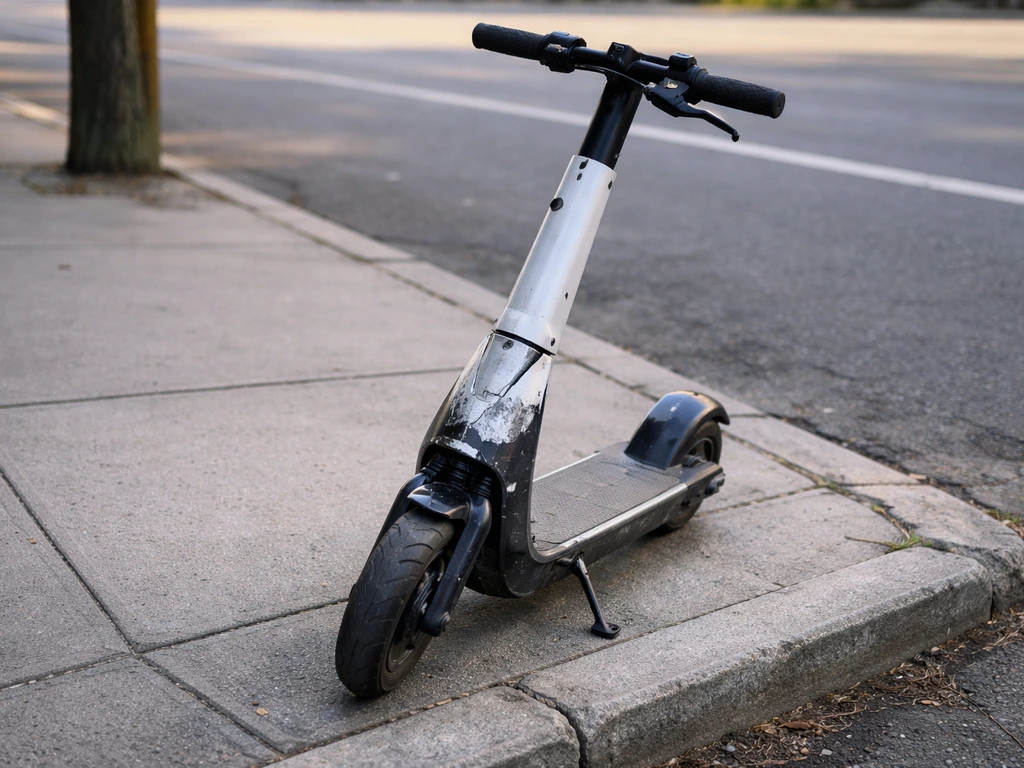
When people ask what happens if you 'break' a Bird scooter, they usually mean one of three scenarios: a crash that physically damages the frame or wheels, a malfunction or breakdown that leaves the scooter inoperable, or something minor like a cracked handlebar cover or a popped tire. The consequences and the urgency of what you do next depend a lot on which of those actually happened. A snapped stem in a collision is a very different situation from a flat tire.
Immediate steps right after the damage happens
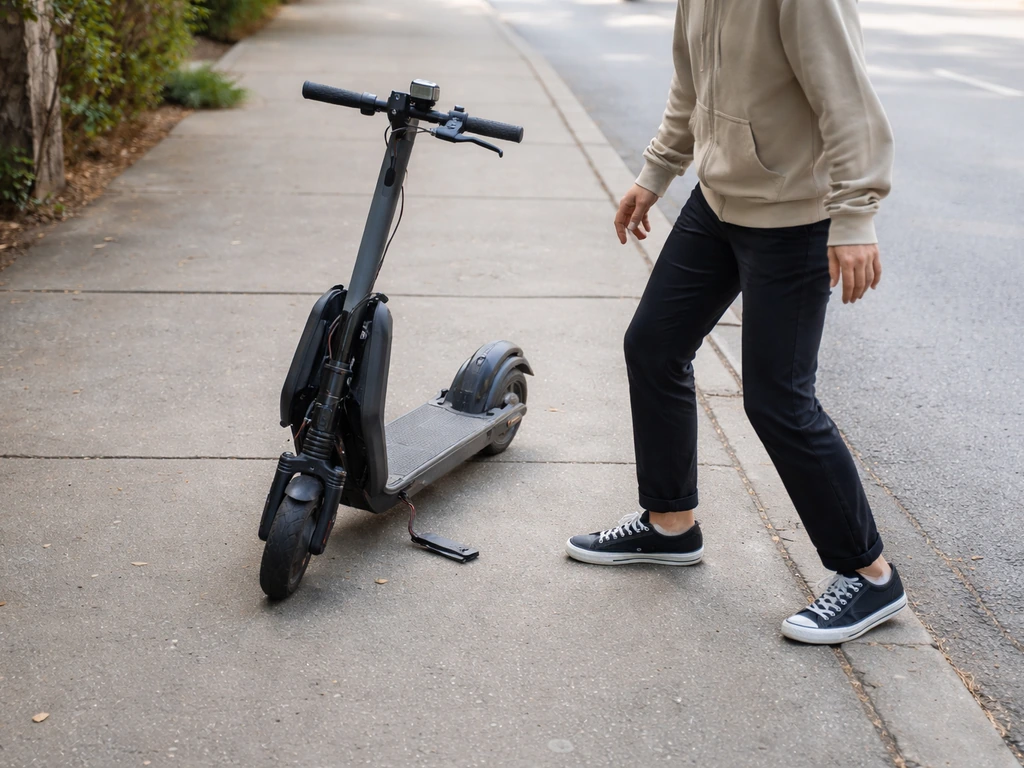
The first thing to do is get off the scooter and stay off it. Bird's own guidance is unambiguous here: if any damage, loose parts, unusual sounds, or malfunctions are present, do not ride. This isn't just a legal disclaimer. A bent or cracked frame can collapse under load, and damaged components that feel fine for the first block can fail unpredictably.
- Stop riding immediately and dismount safely.
- Move yourself and any bystanders a safe distance from the scooter, especially if you notice heat, swelling, hissing, popping, or smoke from the battery area.
- Check yourself and others for injuries before doing anything else with the scooter.
- Secure the scene: if the scooter is in a traffic lane, move it to the sidewalk only if it is safe to do so and the scooter is not showing battery warning signs.
- Document everything with your phone camera before touching or moving anything: the scooter's position, visible damage, any debris, and the surrounding area.
- Note the scooter's ID number (printed on the frame or near the QR code) and your exact location.
Do not attempt to continue the ride to 'get it out of the way' or because the damage looks minor. Bird's pre-flight checklist specifically flags that if steering is not smooth or the throttle does not return to neutral, you should contact Bird Support before riding. After a crash, those conditions are likely.
The real hazards you need to know about
Battery and electrical risks
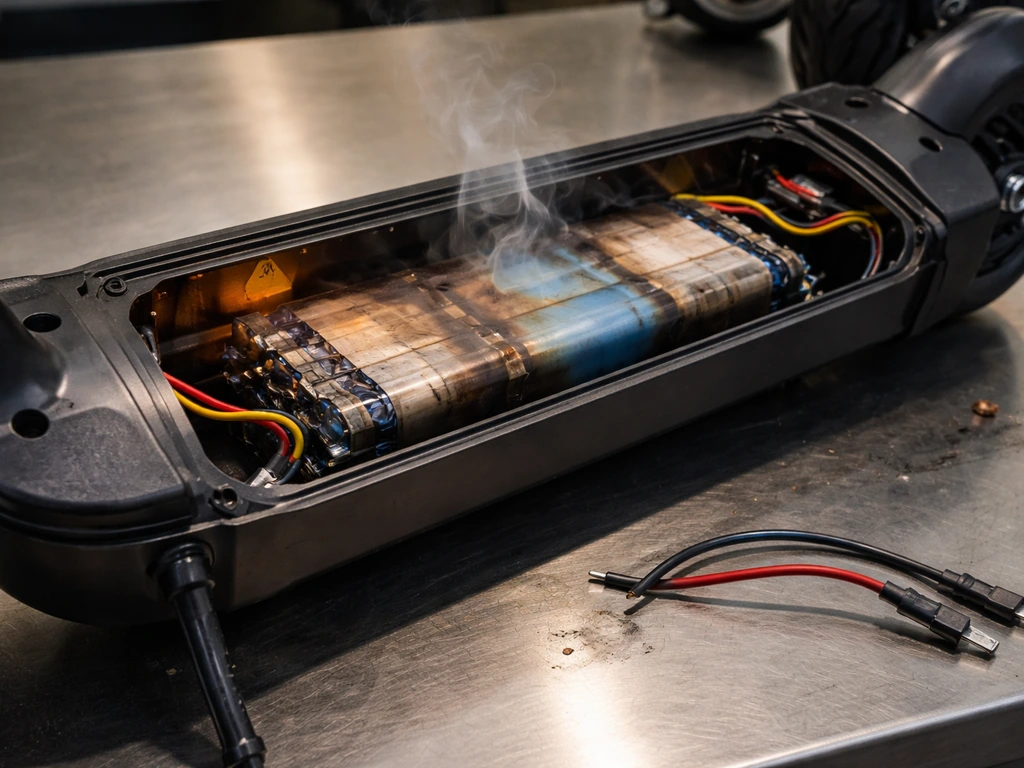
This is the hazard that deserves the most attention, because it's the one most people underestimate. Bird scooters use lithium-ion battery packs, which are generally very safe under normal conditions. Electric heaters are generally less likely to involve battery thermal runaway, but you should still check the product safety guidance and keep them away from birds because fumes, burns, and drafts can harm them. Bird's design includes an IP68-rated battery enclosure specifically to protect against damage and moisture. But when that enclosure is physically ruptured in a crash, the chemistry inside can become unstable.
The danger is thermal runaway: a chain reaction inside the battery cells where temperature rises uncontrollably, generating gas, electrolyte vapor, smoke, and potentially fire. University of Vermont and NY DHSES emergency guidance both list the early warning signs: hissing or popping sounds, unusual heat coming from the battery, swelling or bulging of the battery casing, strange chemical odors, vibration, or visible smoke. If you see or hear any of these, get away from the scooter right away and call 911. Do not try to put out a lithium-ion battery fire with a standard extinguisher, and do not smother it. Lithium-ion fires can reignite even after they appear out, and fighting them safely requires large volumes of water and professional equipment. Contra Costa County Fire Prevention also notes that lithium-ion battery warning signs include unusual heat, swelling, strange noises, smoke, or a burning smell, and that these fires are hard to put out and can reignite blank" rel="noopener noreferrer">Lithium-ion fires can reignite even after they appear out. NFPA-hosted emergency response guidance for a lithium-ion battery vehicle notes that copious volumes of water may be used to fight such fires, but that extinguishing methods may not cool the battery sufficiently to stop ongoing thermal runaway propagation blank" rel="noopener noreferrer">fighting them safely requires large volumes of water and professional equipment..
Physical debris and sharp parts
A hard crash can shatter plastic fairings, crack the deck, and send fragments across the road. Broken metal components can have sharp edges. Bird scratches can still be a safety concern, since broken or contaminated debris may irritate skin and increase the risk of infection. If there's debris on the road, it becomes a hazard for other cyclists, scooter riders, and pedestrians immediately. Mark the area if you can (using a bag, a piece of clothing, anything visible) until Bird or a city crew can retrieve the scooter.
Fall risks from a compromised frame
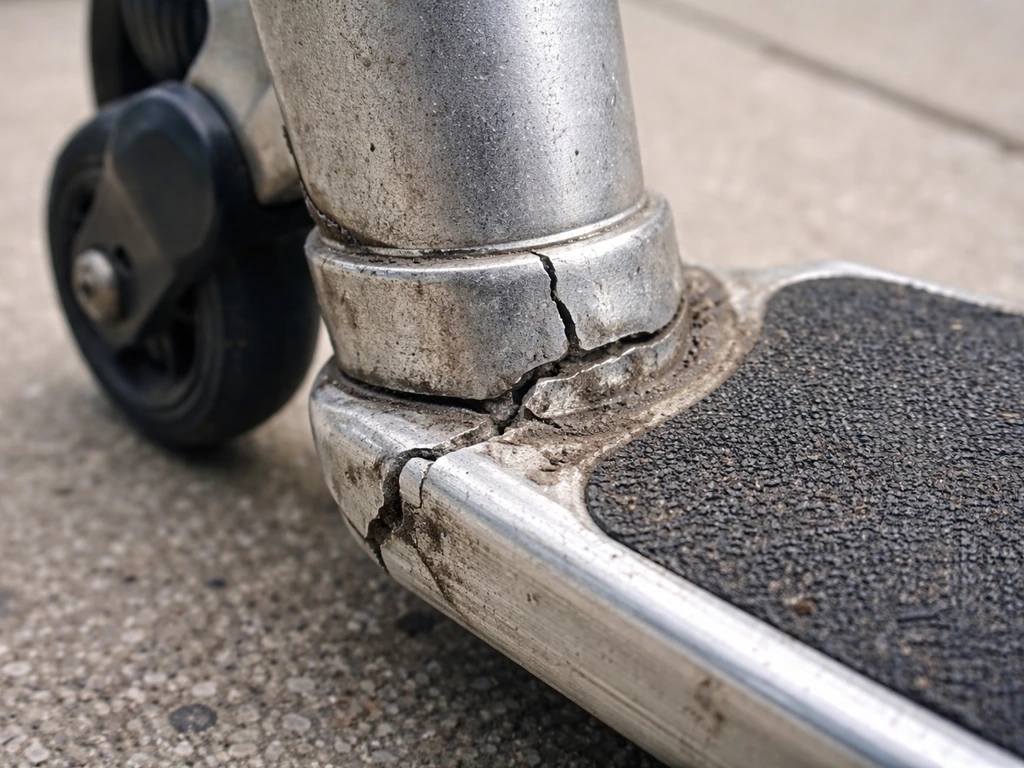
If the frame, stem, or deck is cracked, it can fail suddenly when weight is applied. A rider standing on a cracked deck or steering with a cracked stem stem is essentially one bump away from a collapse. This is why Bird's guidance is so firm about not riding damaged equipment: it's not just about the scooter, it's about the next rider who might pick it up without knowing it was in a crash.
Fluids
Bird's tires include sealant to help prevent flats, so a tire blowout may release some sealant fluid. This isn't hazardous in a toxic sense, but it can create a slippery surface on pavement. Avoid stepping in it and note it in your damage report.
How to report the damage properly
Bird has a few reporting channels, and the right one depends on the severity of what happened.
For safety incidents involving injury, a crash, or any battery concerns, email [email protected] directly. This is Bird's dedicated safety contact, and it should be your first call for anything beyond routine mechanical issues.
For non-emergency damage (a cracked panel, a broken light, a popped tire with no safety concerns), use the Bird app's Community Mode. The workflow lets you select 'Damaged Bird,' enter the vehicle ID, describe the problem, and submit your location. You can also contact general support at [email protected].
When reporting, gather this information before you submit:
- The scooter's ID number (on the frame, near the QR code, or shown in the app when you scan it)
- Your exact location, including cross streets or a landmark
- A clear description of the damage and how it happened
- Photos of the damage from multiple angles, the QR code/ID label, and the surrounding area
- The time and date of the incident
- Any witness information if relevant
The more detail you provide upfront, the faster Bird can dispatch a retrieval team and assess whether the scooter needs to be pulled from service. If the QR code is missing or unreadable, Bird's workflow for missing QR codes allows you to still mark the vehicle as damaged using nearby identifiers.
When to call 911 vs. when Bird support is enough
| Situation | What to do |
|---|---|
| Anyone is injured | Call 911 immediately, then Bird support |
| Battery is hissing, smoking, swelling, or hot | Get clear of the area and call 911; do not handle the scooter |
| Scooter is blocking traffic and can't be safely moved | Call local non-emergency police or 911 if it's a danger |
| Collision involving another vehicle or person | Call 911, follow normal accident procedures, then report to Bird |
| Minor damage, no injuries, battery appears fine | Report via Bird app or [email protected]; no need for emergency services |
| Flat tire, cracked plastic, broken light | Mark scooter as damaged in the Bird app, leave it safely off the roadway |
The battery situation is the one where people most commonly make the wrong call by waiting too long. Thermal runaway can develop minutes after initial damage, not immediately. If the battery was involved in the impact, watch it for several minutes before concluding it's fine. If any warning signs appear, treat it as an emergency.
What not to do (and a few myths worth clearing up)
There's a lot of bad advice floating around about what to do after a scooter incident. Here's what to actually avoid:
- Don't keep riding a damaged scooter, even just to move it to a better spot. Frame cracks and electrical faults can worsen instantly under load.
- Don't try to repair the scooter yourself. Bird scooters are not consumer-serviceable, and tampering with the battery or electronics creates both a safety risk and a liability problem.
- Don't smother or cover a lithium-ion battery that is heating up. Blocking airflow can accelerate thermal runaway, not slow it. Get away from it.
- Don't assume a battery is fine just because it looks undamaged externally. Internal cell damage from impact doesn't always show on the outside.
- Don't ignore the incident and walk away. Leaving a damaged scooter in the road without reporting it creates hazards for other users and could leave you liable.
- Don't move a severely damaged scooter if the battery is showing warning signs. Moving it can accelerate or spread a developing battery failure.
One myth worth addressing directly: some people assume that because Bird scooters are designed for outdoor use and rated IP68 for dust and water resistance, the battery is essentially indestructible. The reality is that IP68 ratings apply to ingress protection from water and dust under normal use, not to structural impact from a crash. A hard collision can breach the battery enclosure regardless of its environmental rating.
Another common misconception is that Bird scooters, being shared vehicles, are 'someone else's problem' if they break. That's not quite right. If you were the rider when the damage occurred, Bird's terms expect you to report the incident, and failing to do so can affect how any damage claim or liability question gets handled.
How to avoid this situation next time
Bird's pre-flight checklist exists for a reason, and it takes less than a minute. Before every ride, check the frame for visible cracks or dents, test that the brakes engage smoothly, confirm the battery shows sufficient charge, look for loose screws or rattling parts, and verify the throttle returns to neutral when released. If anything feels off, report it in the app and take a different scooter.
Bird's manual also advises against riding in wet, muddy, icy, or slippery conditions. These are exactly the surface types that cause loss of control and crashes. Wet roads reduce braking effectiveness significantly, and a scooter's small wheels are far more vulnerable to surface changes than a bicycle or car. If the weather is bad, it's genuinely worth waiting or finding another mode of transport.
Speed management on downhills is another factor. Bird's guidance on brake behavior specifically addresses high-speed stopping, because e-scooters need more stopping distance than riders typically expect. Approaching intersections and crossings at a controlled speed, rather than braking hard at the last moment, reduces both crash risk and the wear on components that can lead to sudden failure.
If you ride Bird scooters regularly, it's also worth knowing where Bird's safety hazard reporting sits alongside other urban safety topics. Questions about whether Bird scooters themselves are dangerous to riders in general are worth understanding separately, just as it's useful to know what makes other devices or environments risky. If you're wondering are bird scarers dangerous, that's a different safety question than damaged scooters, and it's worth looking at how wildlife deterrents are used and what risks they can pose. If you are wondering are bird nests dangerous, that’s a different safety question from scooter damage, but the same idea applies: assess risk before getting close to the situation. The more informed you are going in, the more confidently you can respond when something goes wrong.
FAQ
If the Bird scooter seems to work after I hit it, can I keep riding?
If the scooter is still upright after a collision but you notice any cracking, wobble, grinding, loose parts, or steering that does not feel smooth, treat it as unsafe even if it can still be moved. Do not try to ride it to “finish the trip,” because a damaged stem or deck can fail under normal weight after several seconds of motion.
What should I do immediately for non-injury damage like a cracked deck or popped tire?
Move people away from it and keep the scooter stationary. If you must mark the area, use something visible and do it from a safe distance, do not touch exposed metal or punctured parts, and avoid standing in any fluid trail from the tires. Then submit the incident report with the location and any visible damage.
How long should I wait before deciding the battery problem is over after a crash?
If any battery warning signs show up, leave the area right away and call emergency services. In the minutes after a crash involving the battery, keep watching from a safe distance, because symptoms like swelling, hissing, unusual heat, or smoke can appear after initial impact.
Can I check the battery myself or tape the damaged area to make it safe?
Do not handle the battery area or try to open, remove, or tape over the battery enclosure. Even if the damage looks minor, ruptures can make the internal cells unstable. Your safest next step is to report it immediately so Bird can retrieve and assess the scooter.
What if a broken scooter is blocking a sidewalk or bike lane, can I move it?
If the scooter is blocking a pathway, do not attempt to drag it while people approach. Instead, keep others clear, report it via the app or safety email depending on severity, and let the retrieval team handle relocation using the vehicle ID and location details you provide.
Which contact should I use if someone got hurt or I suspect battery damage?
If there are any signs of injury, falls, or battery concerns, email the dedicated safety contact rather than using only the general support channel. For reports that include battery involvement or possible hazards, that safety email is the fastest route for emergency handling.
When should I use Community Mode versus emailing [email protected]?
If there are no battery warning signs and the damage is clearly non-emergency (for example, a cracked panel, broken light, or a flat tire), Community Mode with “Damaged Bird” is appropriate. Include the vehicle ID, a description, and your exact location so a team can verify whether it needs to be pulled from service.
What if the QR code is missing, scratched out, or unreadable after the scooter breaks?
Yes, recording the vehicle ID and details matters even if the QR code is missing or unreadable. You can still report the scooter using nearby identifiers as prompted in Bird’s missing QR workflow, but ensure your location is as precise as possible.
How should I handle broken pieces and debris so other people do not get hurt?
For debris on the road, the key is prevention of secondary accidents. Avoid stepping in it, keep distance from sharp fragments, and mark the hazard from afar until crews retrieve the scooter, then include in your report that debris was present and where it is relative to traffic.
What if I am not able to get close to the damaged scooter safely?
If you cannot safely approach the scooter, do not attempt a close inspection or “quick test.” Instead, report what you observed from a distance, note any unusual sounds or smells if you can do so safely, and focus on keeping others away while waiting for retrieval or emergency response if needed.