
Bird spikes are legal in most places, most of the time. In the U.S., Canada, and the UK, a standard installation on your own fence or roofline to deter pigeons or starlings is generally not going to get you in trouble with federal wildlife law. But "generally" is doing a lot of work in that sentence. Legality can shift based on where you live, what bird is showing up, whether your HOA has reviewed your plans, whether your city requires a permit for fence modifications, and whether any birds are actually being injured. So the honest answer is: probably legal, but worth a ten-minute check before you install anything.
Are Bird Spikes Illegal on Fences? Legal Check Today

Marcus Whitmore
29 May 2026
What bird spikes actually are (and why legality is complicated)
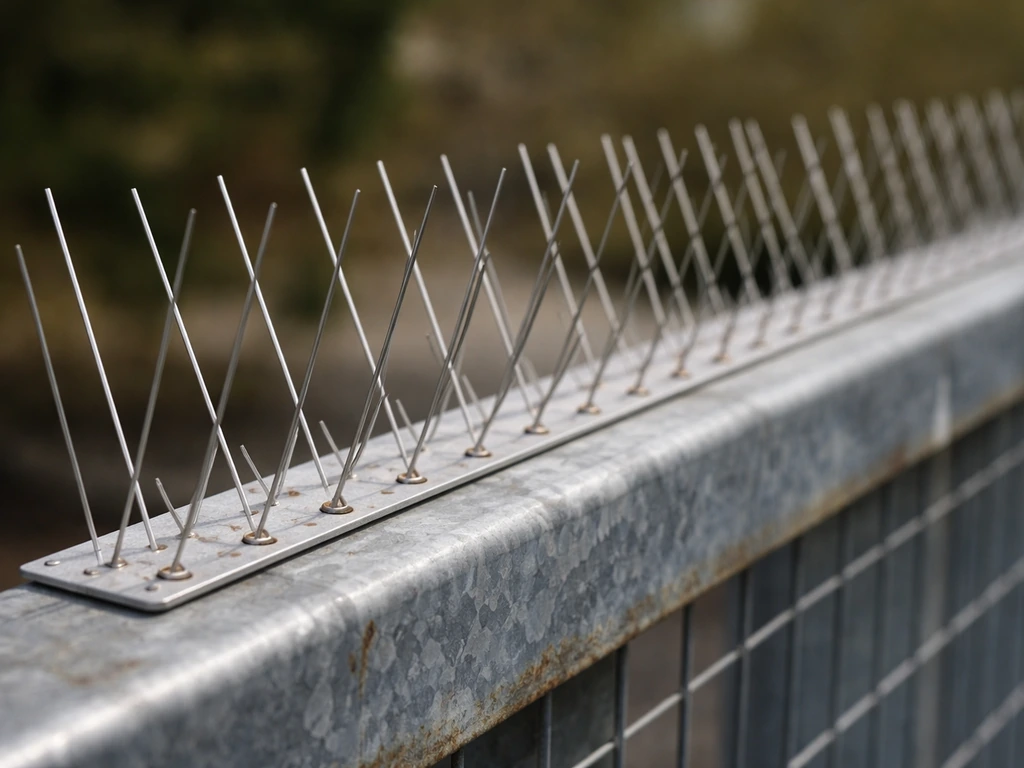
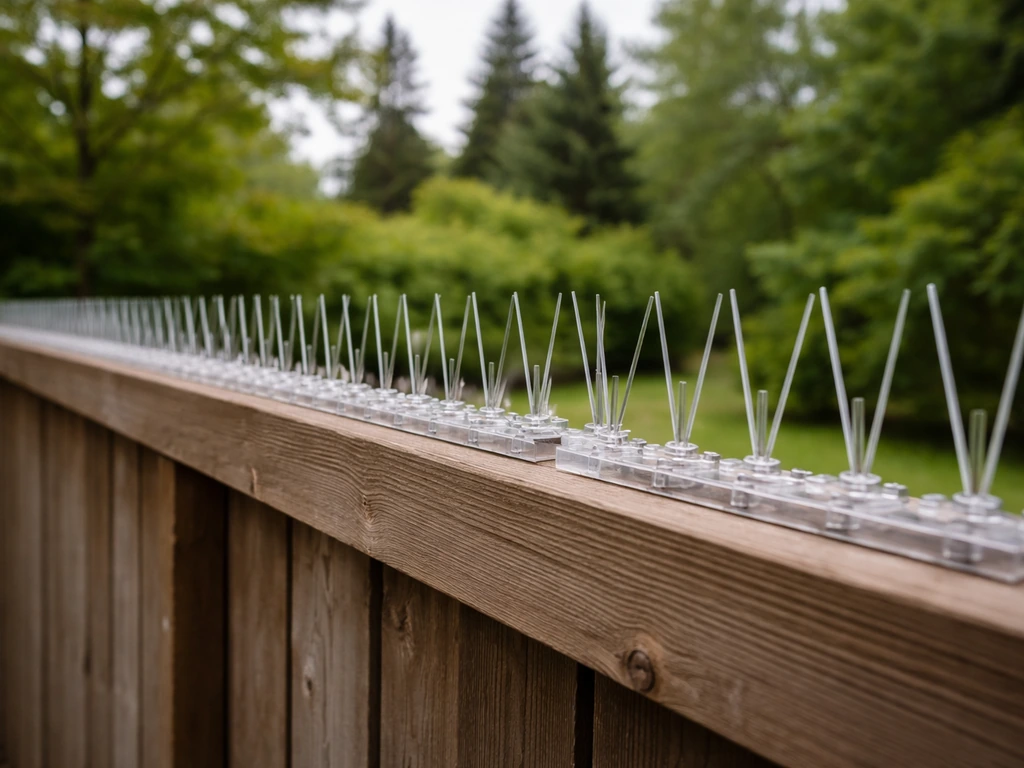
Bird spikes, also called anti-roosting spikes or pigeon spikes, are strips of long, thin rods made from stainless steel or plastic that are mounted on surfaces where birds tend to land or roost. The idea is simple: birds physically cannot land comfortably on the spikes, so they move elsewhere. Manufacturers market them specifically as deterrents that do not harm birds, and that framing is largely accurate when spikes are installed correctly on ledges, fence tops, signs, or rooflines.
The reason legality gets complicated is that wildlife law does not always care about your intent. U.S. federal law under the Migratory Bird Treaty Act (MBTA) defines "take" broadly to include harass, harm, pursue, hunt, shoot, wound, kill, trap, capture, or collect. If a spike installation ends up injuring or trapping a bird, regulators may not be impressed by the "humane deterrent" label on the box. The legal picture also changes depending on whether the bird in question is migratory, protected, endangered, or a common non-native species like a European starling. Legality is genuinely location- and context-dependent, which is why a blanket yes or no misses the point.
When bird spikes can actually become illegal
The most common scenario where spikes cross a legal line has nothing to do with federal wildlife law and everything to do with local rules, HOA covenants, or liability. Here are the situations that most often create real legal exposure.
Protected or migratory species are involved
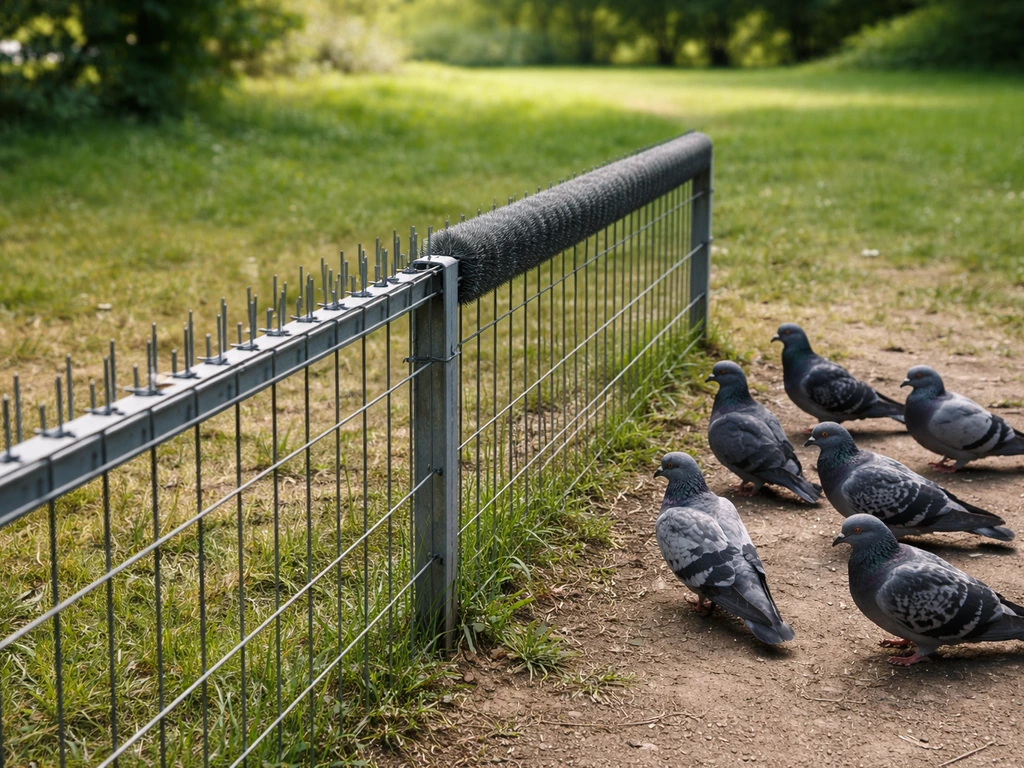
Under the MBTA, most native North American birds are protected. Common targets of spike deterrence like pigeons (rock doves) and European starlings are non-native and not covered by the MBTA, so spikes aimed at them sit in a low-risk zone. But if you are trying to deter mourning doves, swallows, gulls, herons, or any native migratory species, you are in different territory. The Minnesota DNR, for example, blank" rel="noopener noreferrer">explicitly frames harassment and frightening devices as regulated conduct for gulls because gulls are federally protected. If your spikes injure a protected bird, that is a potential MBTA problem regardless of what the product description says.
Birds are being injured or killed
USFWS is clear that nonlethal deterrents are generally acceptable, and federal rules state that no permit is required merely to scare or herd depredating migratory birds (with exceptions for endangered species and bald or golden eagles). The word "merely" matters. If your spikes are improperly spaced, poorly installed, or positioned where smaller birds can get their legs caught, they can shift from deterrent to injury device. At that point, "take" under federal law becomes a live concern, especially for protected species.
Your HOA or lease says no (or requires approval)

This is the most common real-world legal problem homeowners run into. Many HOA architectural guidelines require prior committee approval before installing any exterior modification, and bird spikes often fall under that umbrella. Some communities specify what materials are allowed: one example HOA document from a California community states that only metal or clear plastic bird spikes are permitted. Another HOA example requires a written Home Improvement Form and full submittal package before any modification gets approved. If you install spikes without going through your HOA's review process, you may face a fine or a removal order regardless of what federal law says. Always check your CC&Rs before buying anything.
Fence or building permits are required locally
Some jurisdictions treat modifications to fences, including adding hardware to the top, as structural changes that require a building permit. This varies by city and county, but it is worth checking with your local building and zoning department. If your fence is already at the maximum allowed height, adding spikes on top could technically push it over the limit and create a code violation.
Spikes are accessible and pose injury risk to people or animals
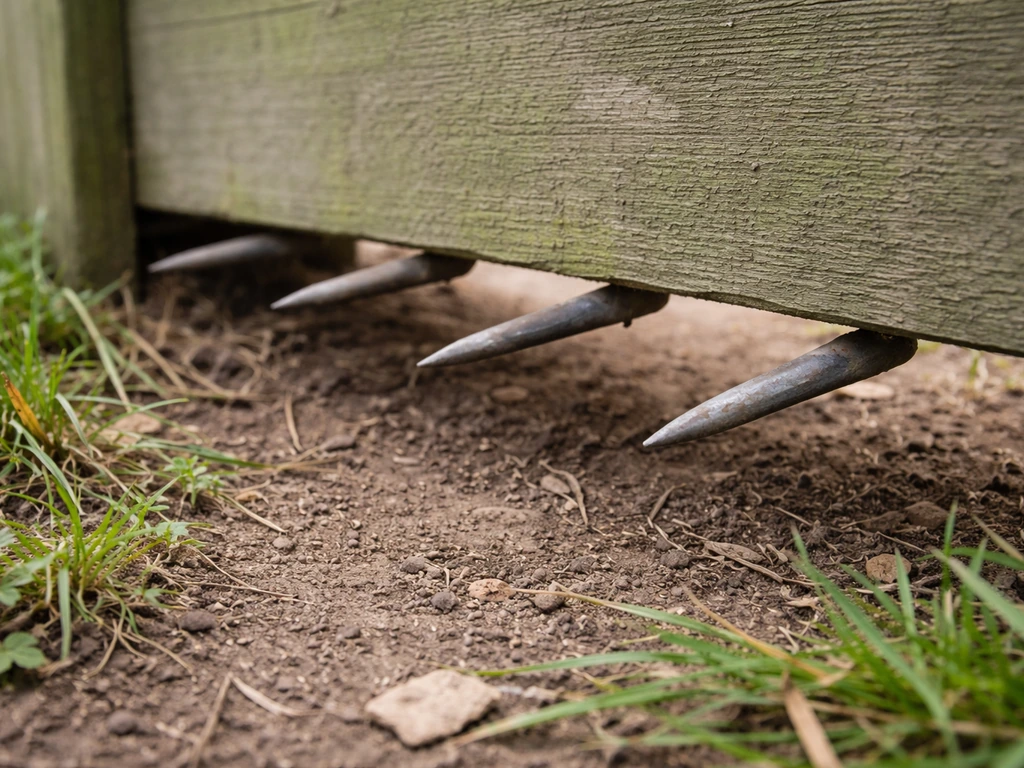
Civil liability is separate from wildlife law and can be significant. If spikes are installed somewhere a child, a neighbor, or a pet could make contact with them and get injured, you may face negligence or premises liability claims. The legal standard is foreseeability and reasonable care, not whether the product was marketed as safe. A poorly secured strip that falls and injures someone, or spikes installed on a low fence near a playground, are the kinds of scenarios that create real exposure.
Where the rules actually come from
Understanding the sources of legal risk helps you know where to look. There is no single authority on bird spikes. Legality is built from at least four overlapping layers.
| Rule Source | What It Covers | Where to Check |
|---|---|---|
| Federal wildlife law (MBTA, Bald Eagle Protection Act) | Whether deterring or harming specific bird species requires a permit | USFWS Migratory Bird Permits Program (fws.gov) |
| State wildlife agency rules | State-level protections, depredation rules, permit requirements | Your state's fish and wildlife agency website |
| Local ordinances and building codes | Fence modifications, permit requirements, height/setback limits | City or county planning/building department |
| HOA covenants and architectural guidelines | Prior approval, material restrictions, aesthetic rules | Your HOA's CC&Rs or architectural standards document |
| Lease or landlord agreements | Whether modifications to rental property are permitted at all | Your lease agreement |
Some states have their own relevant statutes layered on top of federal law. New Jersey, for example, has a statute explicitly allowing certain agricultural landowners to use mechanical devices to repel marauding birds under Division of Fish and Wildlife rules. Virginia law treats certain devices used for unlawful taking of wild birds as subject to destruction. These state-level rules can work in your favor or against you depending on context, which is another reason the location question matters so much.
How to check legality fast where you actually live
You can get a solid picture of your legal situation in under an hour if you work through the right sources in the right order. Here is the practical sequence.
- Identify the bird species. Is it a native migratory bird (protected under MBTA), a non-native species like a European starling or rock pigeon (not MBTA-protected), or a threatened or endangered species (highest protection level)? USFWS has a searchable database of protected migratory birds.
- Check your HOA documents first. Pull your CC&Rs or architectural standards document. Search for "bird," "spikes," "fence," and "exterior modification." If prior approval is required, contact the architectural review committee before you buy anything.
- Check your city or county building department. Call or visit the local building department's website and ask whether adding hardware to an existing fence requires a permit. Ask about fence height limits too.
- Check your state wildlife agency's website. Search for guidance on bird deterrents or harassment devices. Look for any depredation permit requirements or guidance documents on nuisance bird management.
- If you have a lease, read it. Many leases prohibit structural or exterior modifications entirely. Get written landlord approval before installing anything.
- If protected birds are already nesting or injured at the site, call your state wildlife agency or USFWS before doing anything. Disturbing an active nest can itself constitute a violation.
- If you are still uncertain after doing the above, a 30-minute call with a local attorney who handles property or environmental law will give you a definitive answer for your specific situation.
Real risks worth thinking through: pets, people, liability, and property
Beyond legal compliance, there are practical safety considerations that matter to any responsible installation. Cats are notorious fence-walkers and can land on spike strips, causing paw injuries. Small dogs and curious children can reach low fence tops. A spike strip that is not properly secured with adhesive or mechanical fasteners can detach and become a hazard. Stainless steel spikes in particular are sharp enough to puncture skin. None of this means spikes are dangerous by default, but it does mean that installation location, height, and method matter both for safety and for your liability exposure if something goes wrong.
There is also a bird-welfare consideration worth being honest about: birds do not always see spikes in time and can fly into them at speed, particularly smaller birds. If you are using spikes in an area that sees high bird traffic of protected species, that risk is worth factoring in. USFWS guidance consistently emphasizes that deterrent devices should be actively monitored and managed, because birds can also habituate to static installations over time, making them ineffective without causing harm.
Alternatives to bird spikes if they are not allowed or feel too risky
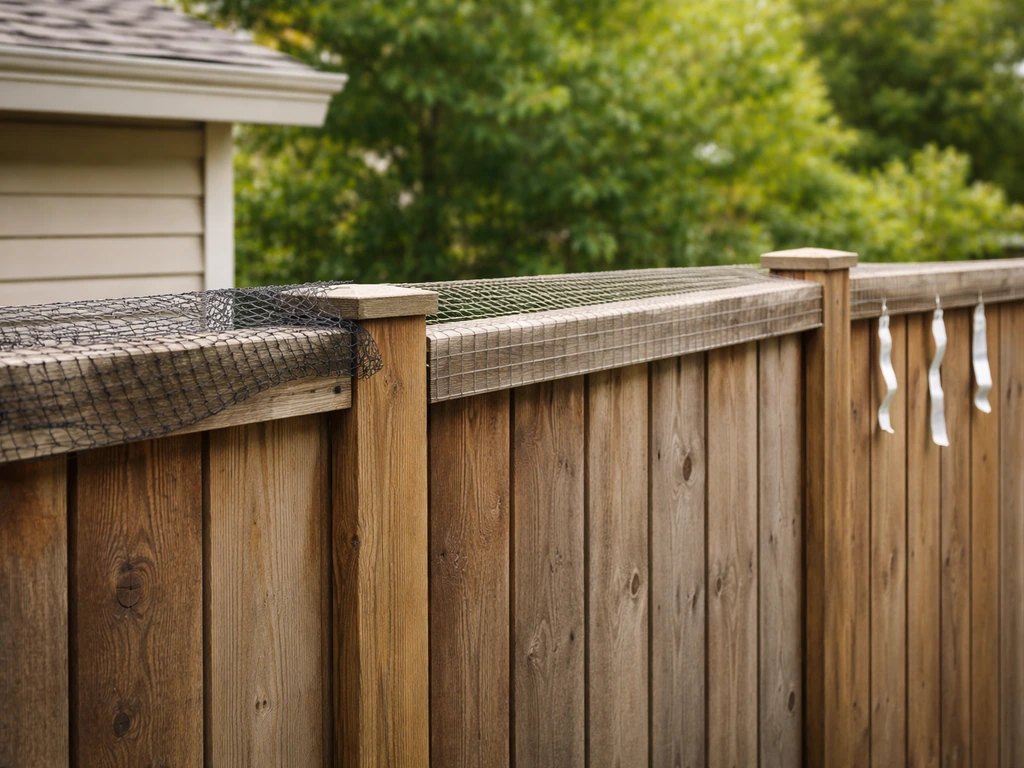
If your HOA says no, your building code creates complications, or you just want something less likely to injure a pet or child, there are genuinely effective alternatives. If you are trying to deter or prevent bird-related damage, you may also be dealing with legality questions similar to is it illegal to train a bird to steal money, so the safest approach is to verify the rules for your specific location and use case. Exclusion methods are generally the gold standard from a regulatory standpoint because they physically block access without any risk of injuring birds.
- Bird netting or mesh: Blocks access to ledges, eaves, or fence structures without contact risk. USFWS and wildlife management sources consistently recommend netting as a preferred exclusion tool. Make sure the mesh size is appropriate so birds cannot get entangled.
- Monofilament wire or tension lines: A grid of taut lines above a surface makes landing uncomfortable without physical spikes. Used widely on commercial buildings.
- Visual deterrents: Reflective tape, predator decoys (owl or hawk shapes), and moving objects can deter some birds. Effectiveness depends on species and whether deterrents are moved regularly to prevent habituation.
- Slope or angle modifications: Adding a physical slope to a ledge (using a commercially available product or a board at an angle) removes the flat landing area birds need.
- Liquid or gel repellents: Sticky gel products applied to landing surfaces discourage birds without spikes. These require regular reapplication and can trap small birds if over-applied, so use sparingly.
- Habitat modification: Removing food sources, water, and nesting materials is often the most durable long-term solution and requires no installation approval at all.
It is worth noting that many of these alternatives also address the same coexistence goals. Understanding why birds are attracted to your property in the first place, and whether the protected status of a species matters, is the kind of question that overlaps with broader topics like why we need to protect birds and what legal obligations come with that protection. That is why we need to protect the bird and think beyond shortcuts when they are protected by law why we need to protect birds.
What to do today: a practical checklist
If you came here with a bird problem and need to act, here is what to do right now, in order. Also, if your research still makes something feel uncertain, treat the idea of illegal is a sick bird as a reminder to verify the specific bird and rule set that applies to your setup before proceeding. If you are wondering whether is bird hunting illegal in your situation, you should confirm the specific rules that apply where you live and what species are involved. Training a bird to steal money can raise additional legal issues beyond general bird deterrents, including potential harassment or harming concerns.
- Identify the species causing the problem and confirm whether it is a protected migratory bird under the MBTA. A quick USFWS search by species name will tell you.
- Pull out your HOA CC&Rs or lease agreement today and check for any exterior modification rules or bird-spike-specific language before you buy a product.
- Call or check your city building department's website to ask whether fence top installations require a permit in your jurisdiction.
- Check your state wildlife agency's website for any guidance on bird deterrents, harassment devices, or depredation permits relevant to your species and situation.
- If protected birds are already present or nesting, document the situation with photos and contact your state wildlife agency before installing anything.
- If you get clearance on all of the above, choose a product that specifies correct spacing for the target bird size and follow installation instructions carefully, including adhesive or mechanical fastening requirements.
- Plan to inspect the installation every few months. Remove any bird that becomes trapped, and reposition or supplement deterrents if birds are habituating to them.
- If anything about your situation is unclear (mixed-use property, unusual species, HOA pushback, prior injury incidents), get a written opinion from a local attorney or contact your regional USFWS Migratory Bird Permit office directly.
FAQ
How can I tell if the spikes I want are aimed at protected birds in my area?
Start by identifying the exact species you are trying to stop (not just “pigeons” or “starlings”). Then check whether that species is native, migratory, or listed as endangered or threatened in your state or province. If you cannot reliably identify the bird, treat your installation as higher risk and consider an exclusion method while you verify.
Does it matter if I install spikes but never see any birds getting hurt?
Yes. Enforcement risk can still exist if birds are capable of injury, for example small birds trapped between spikes or birds colliding into the device. Also, some rules focus on deterrence use and device characteristics, not only outcomes, so proper spacing, placement, and monitoring still matter even if you never observe harm.
Are plastic spikes treated the same as stainless steel under the law?
Legally, the material itself is usually not the main issue. Regulators and courts tend to focus on whether the setup is likely to injure, trap, or harass protected birds, and whether your HOA or local code permits the specific style. Practically, metal spikes are sharper, so they can increase safety and liability concerns even if the wildlife risk is similar.
What’s a practical way to reduce liability if I install spikes anyway?
Use a method that prevents lifting, slipping, or detachment (secure fastening and correct surface prep), avoid placements that create reachable hazards at child height, and inspect after wind or storms. Keep photos of your installation and maintenance so you can show reasonable care if a dispute arises.
Do HOA restrictions override wildlife legality?
Often yes. Even if federal or provincial law would allow deterrence, an HOA covenant or design review rule can still require approval, impose fines, or require removal. If your HOA forbids certain materials, colors, or mounting styles, follow that process before buying to avoid enforcement.
If my city requires a permit for fence changes, does adding spikes count?
It can. Some jurisdictions treat adding hardware to a fence top or changing the effective height or surface as a structural alteration. If your spikes change the fence profile, approach setbacks differently, or push the fence above an allowed height, you may need a permit or variance.
Are there times of year when spikes are riskier legally?
Yes. If you are in an area where protected species are nesting, migrating, or congregating, the chance of encountering safeguarded birds increases. More bird activity also means more monitoring is expected, and higher encounter rates can turn a low-risk deterrent into a higher-risk situation.
Can I use spikes on a roof eave or balcony railing without extra concern?
Be cautious because those locations can affect both safety and bird collision risk. Birds may fly directly into the device, and the area may be accessible to people or pets. If you have a multi-story setup, consider whether falling hazards, sharp edges, or reach from balconies raise negligence exposure.
What if the birds keep returning after I install spikes?
That can mean the spikes are ineffective for that perch pattern, installed incorrectly, or birds are changing behavior. From a compliance standpoint, you may need to actively manage the deterrent rather than leaving it indefinitely. From a practical standpoint, re-evaluate the placement and spacing, or switch to exclusion methods that physically block access.
Are there alternatives that are generally safer legally and practically?
Exclusion methods, like closing gaps and using netting or physical barriers, are typically the lowest-risk option because they prevent access rather than relying on injury-prone contact. You still may need HOA or building approval for exterior changes, so check those requirements even when choosing a “nonlethal” approach.
If I want to remove spikes later, will I still have legal exposure?
Potentially. If injury or harassment occurred while the device was installed, removal does not automatically erase liability. If you decide to stop, do so promptly, document what you changed and when, and avoid reinstalling in the same way without addressing the underlying cause (species, placement, and safety).