
Yes, woodpeckers are protected birds in most countries where they occur. In the United States, nearly all woodpecker species are protected under the Migratory Bird Treaty Act (MBTA), which is codified at 50 CFR § 10. 13 and explicitly lists Piciformes (the woodpecker order) among covered species. In the UK, all wild birds including woodpeckers are protected under the Wildlife and Countryside Act 1981, with certain species getting an extra layer of protection under Schedule 1.
Are Woodpeckers Protected Birds? How to Check Your Local Rules

Marcus Whitmore
6 Jul 2026
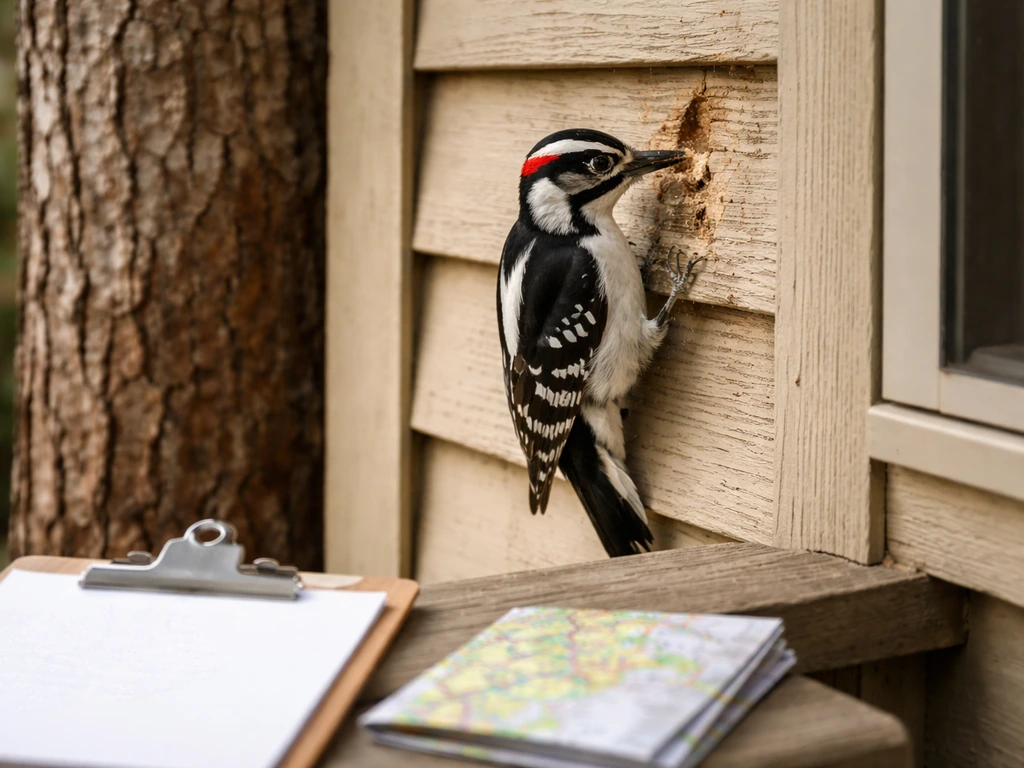
Across the EU, the Birds Directive (2009/147/EC) protects all naturally occurring wild bird species, woodpeckers included. That said, the exact level of protection does depend on the species and where you are, so the rest of this article walks you through how to confirm your specific situation.
How bird protection laws actually work
"Protected" sounds simple, but the mechanics vary by country and sometimes by state or province. Understanding the framework helps you figure out what you can and can't legally do, and where to go for a fast, authoritative answer.
United States: the MBTA and the ESA
The Migratory Bird Treaty Act is the primary shield. It prohibits the take of any listed species without prior authorization from the U.S. Fish and Wildlife Service (FWS). "Take" covers a wide range of actions: killing, capturing, selling, trading, and transporting birds or their eggs and nests. The full protected-species list lives at 50 CFR § 10.13, and woodpeckers appear there under their taxonomic order, Piciformes. Separately, the Endangered Species Act (50 CFR § 17.11) adds a second layer for species in serious decline. At least two woodpecker species currently sit on that ESA list: the red-cockaded woodpecker (listed as threatened) and the ivory-billed woodpecker (listed as endangered). ESA protections are stricter and carry heavier penalties than the MBTA alone.
United Kingdom: Wildlife and Countryside Act 1981
In England, Scotland, and Wales, all wild birds are protected by default under the Wildlife and Countryside Act 1981. That means their eggs and active nests are off-limits too. Schedule 1 of that Act creates a stricter tier: intentionally or recklessly disturbing a Schedule 1 species during nesting or when dependent young are present is a specific offence. The wryneck (Jynx torquilla), a member of the woodpecker family, sits on Schedule 1.
EUNIS provides a species record for the wryneck (Jynx torquilla) and indicates it is protected under the EU Birds Directive, as a starting point for species-by-species confirmation.
If you're in Scotland, NatureScot handles licensing; in Wales, it's Natural Resources Wales; in England, it's Natural England. Each body issues general licences (which cover routine management actions) and individual licences (for case-by-case situations requiring specific approval).
European Union: the Birds Directive
Directive 2009/147/EC (the Birds Directive) protects all naturally occurring wild bird species across EU member states under Article 5, which bans deliberate killing, capture, destruction of nests, and disturbance during breeding. Annex I species get additional habitat protections. Member states can issue derogations under Article 9, but only when no other satisfactory solution exists and only for specific listed reasons, including preventing serious damage to crops, livestock, or forests. Those derogations are not blanket exceptions.
For EU implementation, the European Commission also publishes guidance that supports Member States in applying Article 5 and Article 9 of the Birds Directive Commission guidance supporting Member States’ implementation of Article 5 and Article 9.
Individual countries implement the directive through national law, so the precise rules vary by member state.
Which woodpeckers are protected and where
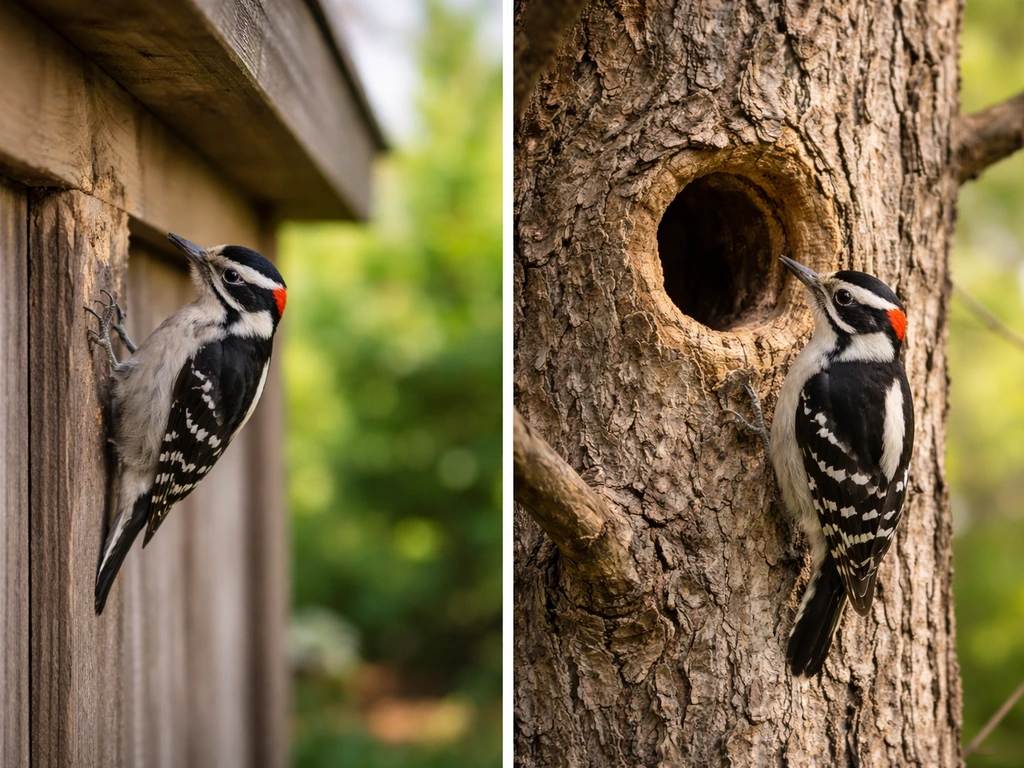
Across jurisdictions, the default assumption should be that the woodpecker in front of you is legally protected. The table below summarizes key species and their status across the main frameworks.
| Species | US Status | UK Status | EU Status |
|---|---|---|---|
| Downy Woodpecker | MBTA protected | Not native (N/A) | Not present (N/A) |
| Hairy Woodpecker | MBTA protected | Not native (N/A) | Not present (N/A) |
| Pileated Woodpecker | MBTA protected (no ESA listing) | Not native (N/A) | Not present (N/A) |
| Red-cockaded Woodpecker | MBTA + ESA threatened | Not native (N/A) | Not present (N/A) |
| Ivory-billed Woodpecker | MBTA + ESA endangered | Not native (N/A) | Not present (N/A) |
| Great Spotted Woodpecker | Not present (N/A) | WCA 1981 protected | Birds Directive protected |
| Green Woodpecker | Not present (N/A) | WCA 1981 protected | Birds Directive protected |
| Black Woodpecker | Not present (N/A) | Not native to UK (N/A) | Birds Directive protected |
| Wryneck (Jynx torquilla) | Not present (N/A) | WCA 1981 Schedule 1 | Birds Directive protected |
The takeaway is clear: if you are in the US, UK, or EU, the woodpecker you are dealing with is almost certainly protected under at least one piece of legislation. The only real variables are whether that species also has ESA or Schedule 1 status, which tightens the rules further.
How to confirm your specific species and location
- US: Search the FWS MBTA protected-species list (50 CFR § 10.13) and then cross-check 50 CFR § 17.11 for ESA status.
- UK (England): Check the Wildlife and Countryside Act Schedule 1 list and contact Natural England if works are planned.
- UK (Scotland): Use NatureScot's bird licensing guidance to identify Schedule 1 species and licensing requirements.
- UK (Wales): Natural Resources Wales publishes updated general licences annually; the 2026 edition is the current reference.
- EU: Check your national transposition of the Birds Directive, then look at any national endangered-species list; Annex I species receive the most attention from authorities.
Exceptions and edge cases
Protection laws include safety valves, but they are narrower than most people expect. The reality is that 'it's causing damage to my house' does not automatically give you legal cover to harm or remove a woodpecker.
Depredation permits in the US
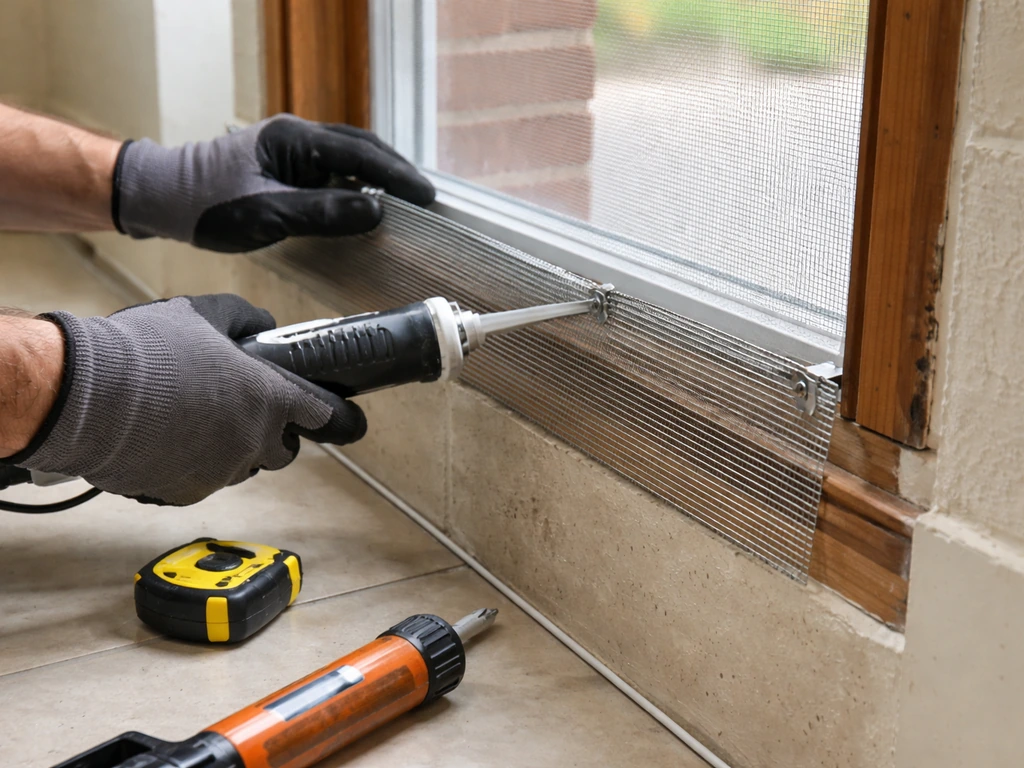
If a woodpecker is causing documented damage to property, agriculture, or posing a credible health or safety threat, you can apply to FWS for a migratory bird depredation permit (permit type 3-200-13, governed by 50 CFR § 21.100). FWS treats these as short-term relief measures, not long-term solutions, and approval is not guaranteed. You need to demonstrate that non-lethal deterrents have been tried or are insufficient. The permit office handles applications and will walk you through the required forms.
Birds in buildings (US)
There is a specific provision under 50 CFR 21.14 that allows a person to remove a migratory bird from the interior of a residence or business without a permit, when the bird's presence is actively preventing normal use of the space, or poses a health or safety risk. This is a narrow carve-out for birds that have flown inside, not a blanket exception for birds nesting on the outside of a structure.
EU and UK derogations
In the EU, Article 9 derogations allow member states to permit actions that would otherwise violate the Birds Directive, but only where there is no other satisfactory solution and the reason falls within a closed list (including prevention of major damage to crops, forests, or fisheries). In the UK, Natural England will not approve individual licences for development or maintenance work that is not essential to public health or safety. Non-essential renovation work on a building where a woodpecker is nesting during breeding season, for example, is not eligible.
Nesting season rules
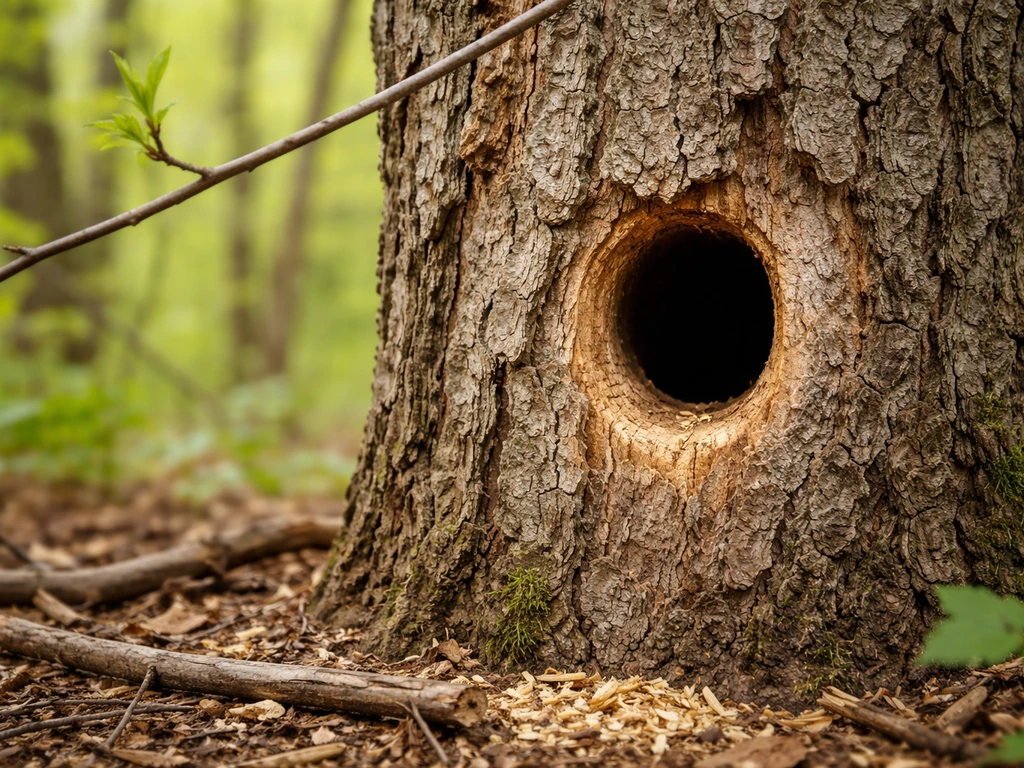
Across all three frameworks, nesting season triggers heightened protections. In the UK, cutting or trimming vegetation or structures in ways that destroy or disturb active nests can be an offence even if the underlying activity is otherwise lawful. Timing your maintenance work outside active nesting periods is one of the most practical ways to stay compliant without needing a licence.
What you can and can't do right now
Here is the practical breakdown, separated by what is clearly legal, what requires a permit, and what is off the table regardless. In general, using bird spikes to deter woodpeckers can fall into a gray area legally, so you should check your specific local rules and permitting requirements before installing them.
Legal without a permit
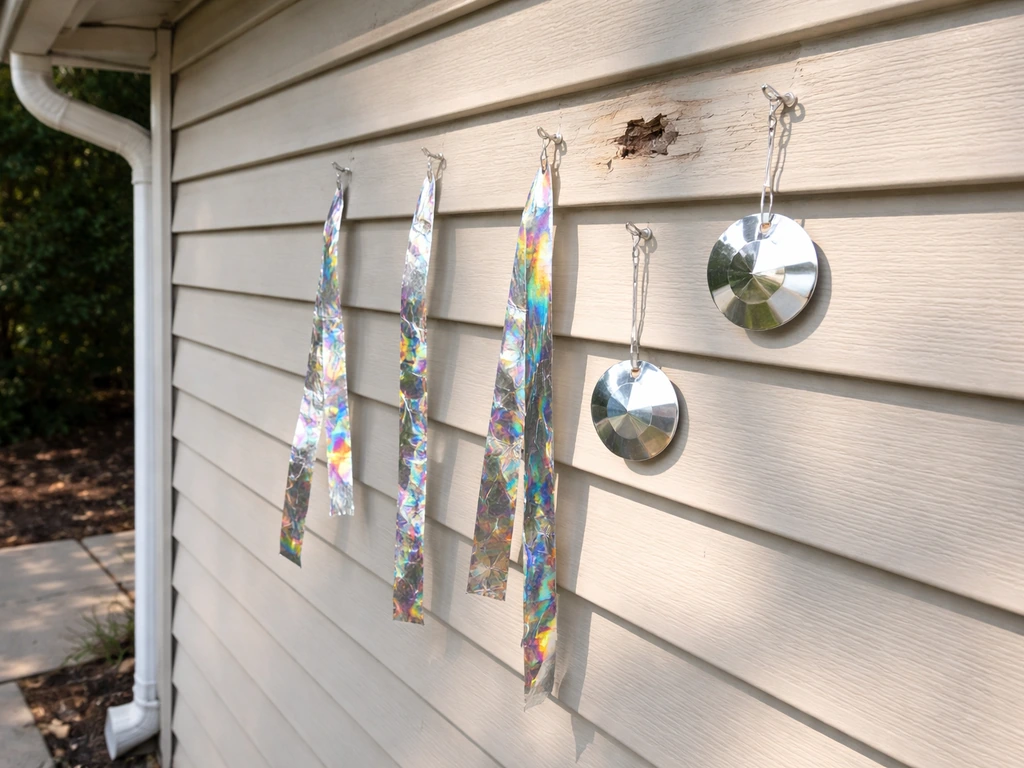
- Install non-lethal deterrents: visual scare devices, reflective tape, predator decoys, or netting to protect specific surfaces.
- Apply woodpecker-deterrent paint or surface treatments to affected areas of your building.
- Remove a woodpecker that has entered the interior of your home or business (US only, under 50 CFR 21.14), so long as you do not kill or injure it.
- Schedule maintenance or construction work outside confirmed active nesting periods.
- Contact your regional wildlife agency to discuss your situation and get official guidance.
Requires a permit or licence
- Capturing or relocating a woodpecker (US: requires MBTA authorization; UK: requires a licence from Natural England, NatureScot, or Natural Resources Wales).
- Any activity that could kill or disturb a Schedule 1 species in the UK during nesting.
- Lethal control of a woodpecker causing agricultural or property damage (US: depredation permit 3-200-13; EU: Article 9 derogation through national authority).
Off the table entirely
- Killing, trapping, or selling a woodpecker without authorization.
- Destroying an active nest or its eggs.
- Using poison or lethal traps targeting woodpeckers.
- Disturbing a Schedule 1 species (e.g., wryneck in the UK) at an active nest for any reason not covered by a valid individual licence.
If you find an injured or sick woodpecker
Do not attempt to trap or handle the bird yourself before you have spoken to someone qualified. FWS explicitly advises against this, partly because rehabilitators vary in the species they are licensed and equipped to handle, and partly because handling a protected species without authorization can technically constitute a take under the MBTA. Illegal is a sick bird and you should never try to handle or remove one without the right authorization.
Who to contact
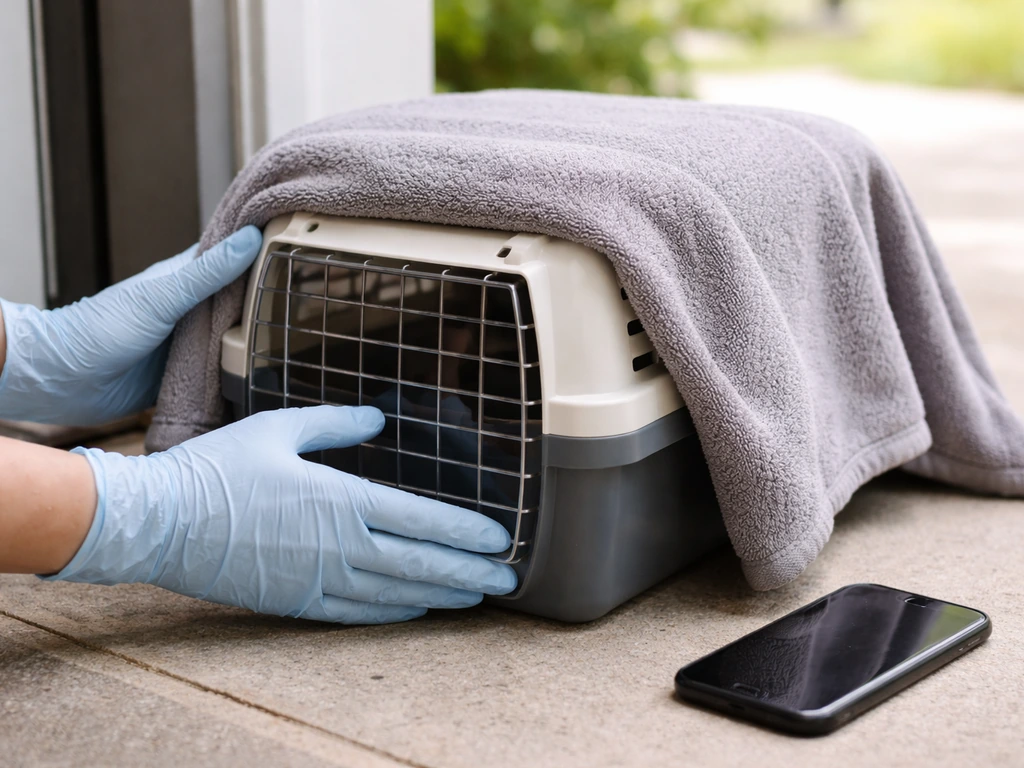
- US: Search for a licensed wildlife rehabilitator through your state wildlife agency's directory, or contact your local FWS field office. A local veterinary office experienced with wildlife is another first call.
- UK: Contact the RSPCA (England and Wales), SSPCA (Scotland), or a local wildlife rescue centre. For Schedule 1 species, notify the relevant statutory body (Natural England, NatureScot, or Natural Resources Wales) if you suspect the injury was caused deliberately.
- EU: Contact your national wildlife authority or a licensed rehabilitation centre; rules vary by member state.
If you have reason to believe a woodpecker was deliberately harmed or killed, that becomes an enforcement matter. In the US, FWS law enforcement handles violations; in the UK, report it to the relevant statutory nature conservation body or the police wildlife crime officer. Deliberate killing of a protected bird is a criminal offence in all three jurisdictions, and it does get prosecuted. Bird hunting is generally illegal in the US, UK, and EU unless a specific legal exception or permit applies to the species and situation Deliberate killing of a protected bird is a criminal offence.
Coexisting with woodpeckers without breaking the law
Most woodpecker conflicts are about drumming on buildings or excavating wood. The good news is that effective, legal solutions exist, and they work better than most people expect.
Why woodpeckers drum on buildings
Woodpeckers drum on resonant surfaces to communicate territory, attract mates, and excavate roosting or nesting cavities. Metal gutters, cedar siding, and hollow wood are all attractive targets because they amplify sound. Understanding this makes the deterrent strategy obvious: reduce the resonance or the appeal of the surface.
Non-lethal deterrents that actually work
- Hang reflective materials (mylar tape, old CDs, or commercial reflective discs) near the affected area; movement and light reflection disturb woodpeckers without harming them.
- Install bird netting or hardware cloth over the specific surface being targeted, leaving a gap of a few inches so the bird cannot reach the wood.
- Use foam or sealant to fill existing excavation holes immediately; this removes the incentive to return to the same spot.
- Apply a sticky deterrent product (approved for birds) to the surface; woodpeckers dislike the texture.
- Place a nesting box with appropriate cavity dimensions nearby; if the bird is excavating for a roost or nest, a ready-made alternative reduces the motivation to drill into your siding.
- If insects are drawing the woodpecker (they often drill to extract larvae), address the underlying insect infestation with a pest control professional.
A note on timing and the broader picture
Deterrents are most effective when applied early in the season, before a bird has established a territory or begun nesting. Once a nest cavity is active, your legal options narrow significantly across all jurisdictions. This connects to a broader theme worth keeping in mind: bird protection laws, including those covering woodpeckers, exist alongside rules governing hunting, bird spikes, and even more unusual scenarios involving birds and human activity.
If you are wondering, "is it illegal to train a bird to steal money," the same idea applies: harming or using protected birds for illegal purposes usually triggers serious legal risk. The underlying principle across all of them is that harming birds without a very specific legal basis is an offence, but there is almost always a legal, non-lethal path forward if you engage the right agency early.
FAQ
If a woodpecker is protected, does that mean I can’t remove it even if it’s damaging my home?
If you live in the US, being “protected” usually means MBTA coverage applies to most actions involving woodpeckers (killing, capture, selling, transporting) and also covers eggs and nests. The ESA can add extra restrictions for specific listed species, so you should identify the species first, not just assume all woodpeckers have the same level of risk.
Can I legally scare a woodpecker away from nesting or stop it from pecking my house?
No. In most cases, the law focuses on “take,” active disturbance of nests, and any harm to birds, eggs, or nests. If a woodpecker is nesting, schedule and method matter more than your intention. You generally need permits or to time work to avoid active nesting rather than “fixing the problem” immediately.
Does the US rule about removing a bird from inside a building apply to woodpeckers nesting on the outside of my house?
The narrow interior-residence rule in the US only applies to birds inside a residence or business that are preventing normal use or creating a credible health or safety risk. It is not a general allowance to remove birds nesting outside, even if they are causing damage, so exterior nesting typically requires different legal handling.
If my area uses general licences, do they automatically allow any woodpecker deterrent method?
Not always. Even when you can do “routine management,” timing and method still matter if there are active nests or dependent young. A general licence may cover certain deterrence steps, but it may not allow damaging nest cavities, disturbing active breeding, or doing work that effectively destroys or degrades the nesting site.
Do I need a permit before I start non-lethal deterrents, or only if I plan to remove the bird?
You usually need to apply for a migratory bird depredation permit before taking actions that would otherwise qualify as a take, especially when birds are present and you plan to remove them or otherwise cause harm. For deterrence, non-lethal steps are often the safer starting point, but the “what counts as take” line can be tricky, so document what you tried and when before you apply.
How do I know if I’m past the point where nesting protections apply, and it’s safe to do repairs?
Treat nest activity as a trigger, not a guess. In the UK, damaging or disturbing active nests can be an offence even if your work is otherwise lawful, so if you see a fresh cavity or adult activity, assume heightened protection and avoid cutting, trimming, demolition, or drilling until you confirm the nesting status.
Are all woodpecker species protected equally under US law?
Yes, for some species. The article notes that at least two woodpeckers have ESA status in the US (red-cockaded woodpecker as threatened, ivory-billed as endangered). If your sighting could plausibly be one of these, your legal risk increases, and you should check with the relevant agency rather than relying on general woodpecker guidance.
Are bird spikes always legal and safe to install to stop woodpeckers?
Bird spikes can create legal and practical issues depending on local rules and how they are installed. They can injure birds if misused, and they may still not be appropriate during active nesting. If you consider spikes, verify local permitting requirements first and aim for installation methods that do not harm birds and do not destroy active nesting sites.
What should I do if I find a woodpecker that looks injured or sick?
If the bird is alive and you suspect it’s injured, the safest approach is to contact a licensed wildlife rehabilitator or the appropriate government agency before touching the bird. Handling a protected bird without authorization can still be treated as a take, even if your intent is to help.
If I suspect someone deliberately hurt or killed a woodpecker, who should I contact and what evidence should I collect?
Report deliberate harm rather than trying to investigate yourself. In the US, it generally routes to FWS law enforcement, and in the UK it’s typically handled by the relevant nature conservation body or the police wildlife crime officer. If you have evidence, avoid disturbing the scene more than necessary and keep notes on time, location, and observations.