If you searched for "bird nesting divorce," you likely landed here from one of two very different places. Either you've heard the term used in the context of co-parenting after a separation, or you're dealing with an actual bird nest on your property that is causing enough disruption to feel like a domestic crisis. This article covers both, but it leans hard into the practical: what the term means, where the "divorce" language comes from, and exactly what you should do today if a nesting bird is making your life difficult.
What Is Bird Nesting Divorce and How to Stop It Safely

Marcus Whitmore
8 Apr 2026
Where the term "bird nesting divorce" actually comes from
The phrase has two separate lives. In family law and co-parenting circles, "birdnesting" (sometimes written as "bird nesting") describes a post-divorce arrangement where the children remain in the family home while the parents take turns living there around a shared custody schedule. The Guardian and Washington Post have both covered this trend, and sources like Good Housekeeping and Pro Legal Care explain that the term is taken directly from nature: the image of bird parents going back and forth to a nest to care for hatchlings, while the young ones stay put. It's a tidy analogy, and it has become a legitimate co-parenting strategy for some families navigating separation.
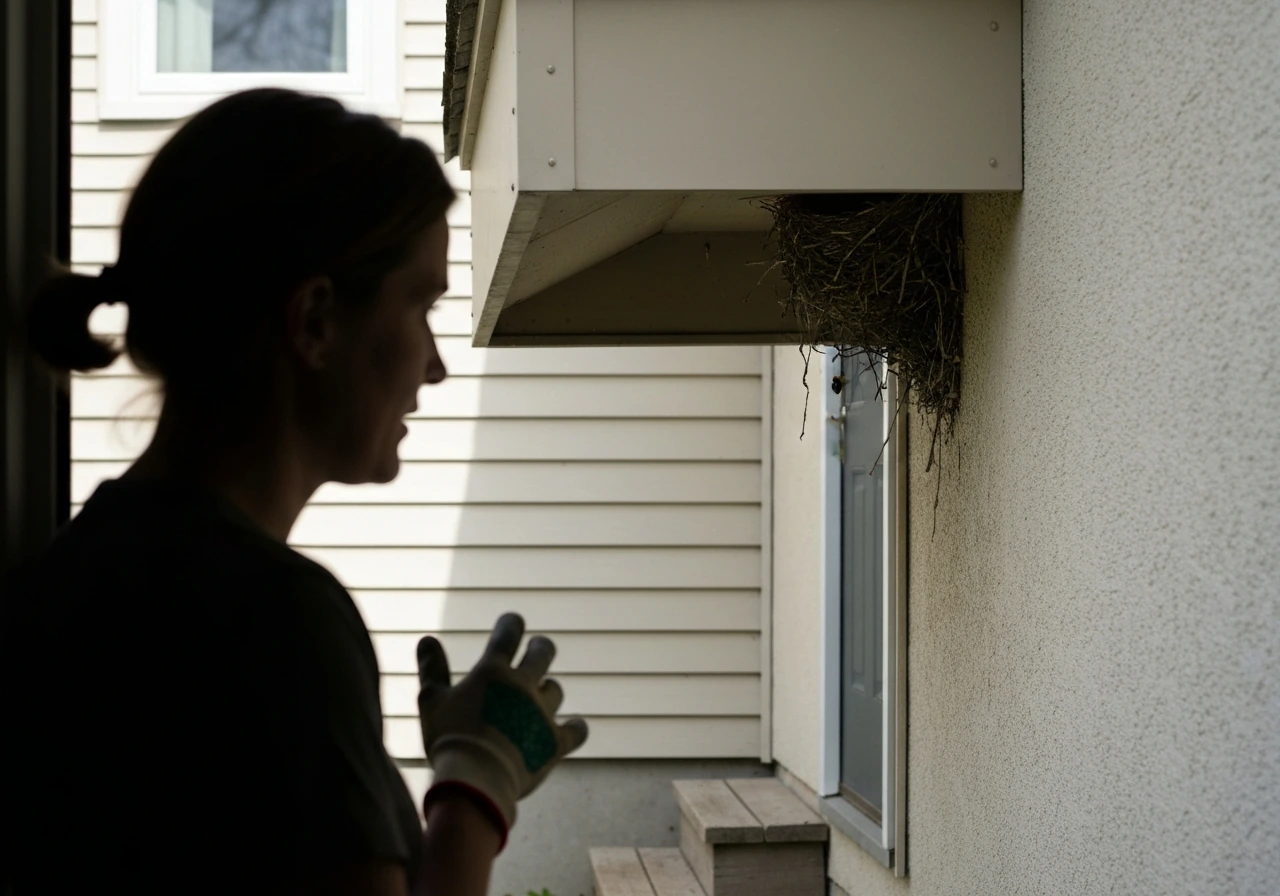
The second meaning is the one this site focuses on: a real bird, building a real nest, in or on your real property. That situation can spiral into something that genuinely stresses a household or a workplace. Noise before dawn, droppings on equipment or vehicles, blocked vents, dive-bombing near entryways, and the uncertainty about what you're legally allowed to do can all add up fast. That combination of nuisance, conflict, and confusion is why people reach for phrases like "bird nesting divorce" when they're searching for help. The term maps frustration onto a bird problem, and the frustration is usually legitimate.
How nesting birds actually create household and workplace conflict
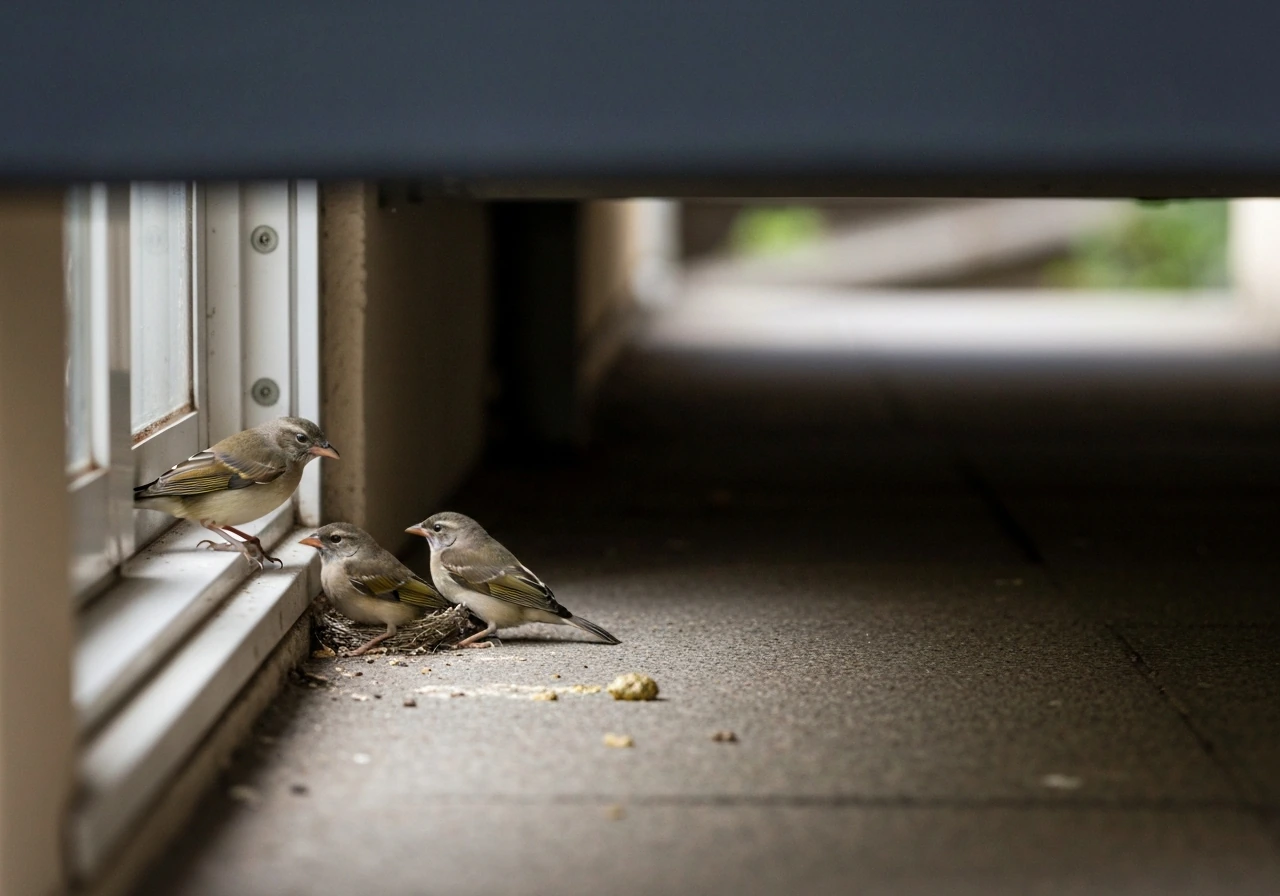
It's worth being honest about what nesting birds can and can't do to a property, because the internet tends to either catastrophize or dismiss the problem. The reality is somewhere in the middle, and it depends heavily on the species, the location of the nest, and how long the birds have been there.
Noise is the most common complaint. Many species vocalize intensely during nesting season, often starting well before sunrise. Starlings, house sparrows, pigeons, and mockingbirds are frequent offenders in residential settings. If a nest is inside a wall cavity, attic, or vent, the sound is amplified directly into the living space. Sleep disruption is real and documented. This isn't an exaggerated risk.
Droppings present a genuine sanitation concern. Bird feces can contain Histoplasma capsulatum (a fungal pathogen), Salmonella, and Cryptococcus. The risk is highest when droppings accumulate in enclosed or poorly ventilated areas, or when dried feces are disturbed and become airborne. A single bird visiting a ledge is not a health crisis. A colony roosting above an HVAC intake or an open loading dock is a different situation entirely.
Structural damage is slower but real. Nesting material packed into dryer vents, bathroom exhaust vents, or gutters creates fire hazards and water damage risks. Pigeon and starling nests in particular can block drainage, accelerate corrosion, and damage roofing membranes over time. If a nest is inside an active vent, that's not a cosmetic issue.
Aggressive defensive behavior is the risk most people underestimate until it happens. Species like mockingbirds, red-winged blackbirds, and certain gulls will physically strike humans and pets who approach too closely during incubation and chick-rearing. This isn't mythology: these birds are capable of drawing blood and startling people into falls. The behavior typically peaks when chicks are present and fades once the young leave the nest.
Before you do anything about a nest, one question matters above all others: are there eggs or chicks present? The answer changes both your legal options and your practical approach significantly. Questions about what protections apply to nesting birds in your area connect directly to broader rules around bird protection. If you're unsure whether disturbing a nest is allowed, reading up on whether bird nests are legally protected is a smart first step before you touch anything.
What to do right now to reduce the immediate problem
If a nesting bird is creating a safety, sanitation, or access problem today, here are the steps to take in roughly this order.
- Identify the species. Snap a photo if you can. Species identification matters because different birds carry different legal protections. Most native songbirds in the U.S. are protected under the Migratory Bird Treaty Act. Pigeons, European starlings, and house sparrows are not covered by that law, which gives you more options.
- Check for eggs or active chicks. Look carefully before touching anything. If the nest is active, your legal and ethical options are narrowed significantly in most jurisdictions. An active nest with eggs or young is generally off-limits for removal or major disturbance.
- Limit access to the nest zone for people and pets. If the bird is exhibiting defensive behavior, a simple physical barrier (a temporary fence, a traffic cone arrangement, or posted signage) near the nest perimeter can prevent most incidents while you work out a longer-term solution.
- Reduce attractants immediately. Remove open food sources like unsecured garbage, pet food left outdoors, bird feeders within the immediate area, and standing water. These don't always drive birds away from an established nest, but they reduce the draw for additional birds.
- Protect affected surfaces now. If droppings are landing on vehicles, HVAC equipment, or high-traffic surfaces, use temporary tarps or move items that can be moved. Wear an N95 mask and gloves when cleaning any accumulated droppings, and dampen the area first to reduce dust.
- Document the situation. Photograph the nest location, any damage, and any aggressive encounters. This documentation is useful if you need to escalate to animal control, a wildlife removal professional, or a landlord or building manager.
Longer-term fixes: exclusion, habitat changes, and timing
Once the immediate problem is stabilized, the real work begins. Birds return to successful nesting sites year after year. If you don't change what made your property attractive or accessible, you'll be back in this situation next season.
Timing your intervention correctly
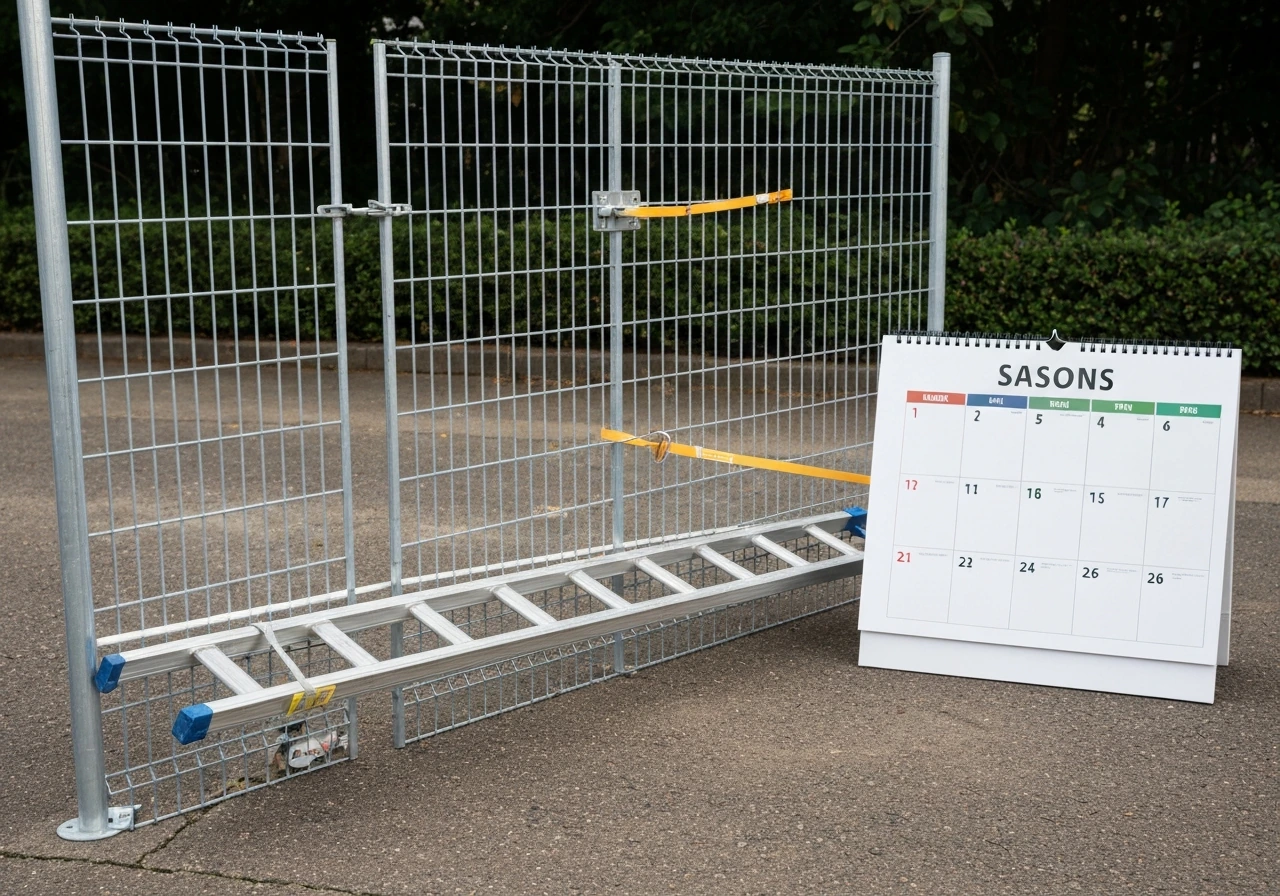
The most important thing to understand about nesting season is that it isn't a single window. In the U.S., depending on your region and the species involved, active nesting can run from late February through August, with some species fitting in multiple broods. Pigeons nest year-round in warmer climates. The safest time to seal entry points, remove old nesting material, and install exclusion hardware is in late fall or early winter, after breeding activity has conclusively stopped and before birds begin scouting sites for the next cycle.
Physical exclusion: the most reliable long-term solution
Exclusion means physically blocking birds from accessing nesting sites. Done correctly and at the right time of year, it's the single most effective long-term strategy. Common methods include stainless steel bird spikes on ledges and beams (effective for pigeons and larger birds, less so for small sparrows), heavy-gauge wire mesh or hardware cloth over vents and eaves gaps, bird netting over larger open areas like loading docks or courtyards, and tension wire systems along rooflines that make flat perching unstable. All exclusion should be installed only after confirming no birds, eggs, or chicks are present inside the target area. Sealing a bird inside a space is both harmful and counterproductive.
Habitat modification
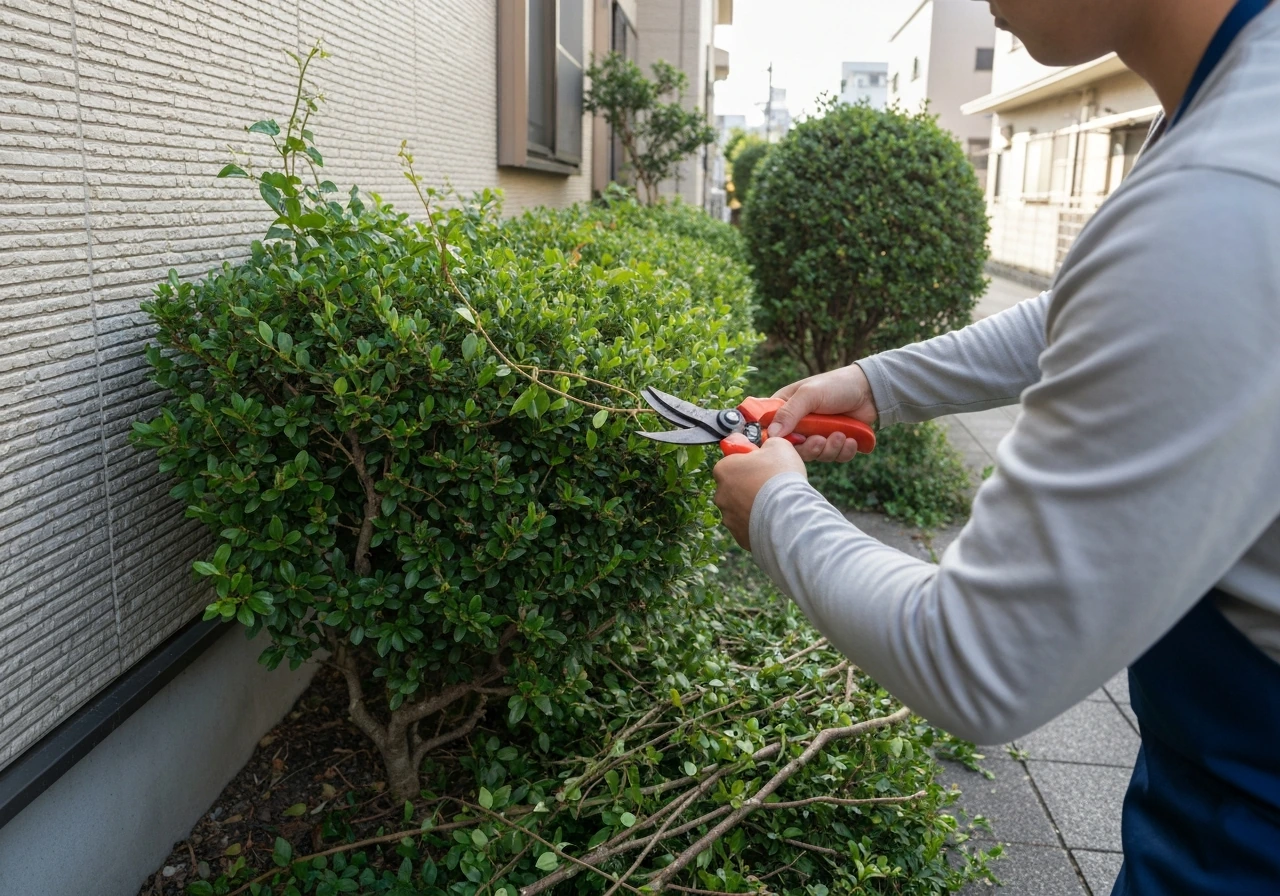
Beyond physical exclusion, changing the environment can reduce your property's appeal over time. Trim back dense shrubs and climbing vines adjacent to buildings, since these provide both nesting cover and launch points for ledge access. Remove or relocate bird feeders at least for the nesting season. Fix leaking faucets and clean up pet water bowls daily to reduce standing water. If you have fruit trees, net them during fruiting season or harvest promptly. None of these changes will instantly drive away a bird already committed to a nest, but they matter for what happens next year.
Deterrents that actually work (and ones that don't)
Optical deterrents like predator decoys (owl or hawk silhouettes), reflective tape, and flash tape have limited but real utility when the nest isn't yet established. Once a bird is incubating eggs, it largely ignores deterrents, because the nesting drive is stronger than the fear response. Motion-activated water sprinklers can discourage birds from specific surfaces without harm. Sonic deterrents (broadcast bird distress calls or predator sounds) have mixed evidence for effectiveness and can be a nuisance to neighbors. Avoid any product that claims to repel birds through chemicals applied to feathers or skin; these are typically harmful and may be illegal.
What not to do: myths, bad ideas, and legal traps
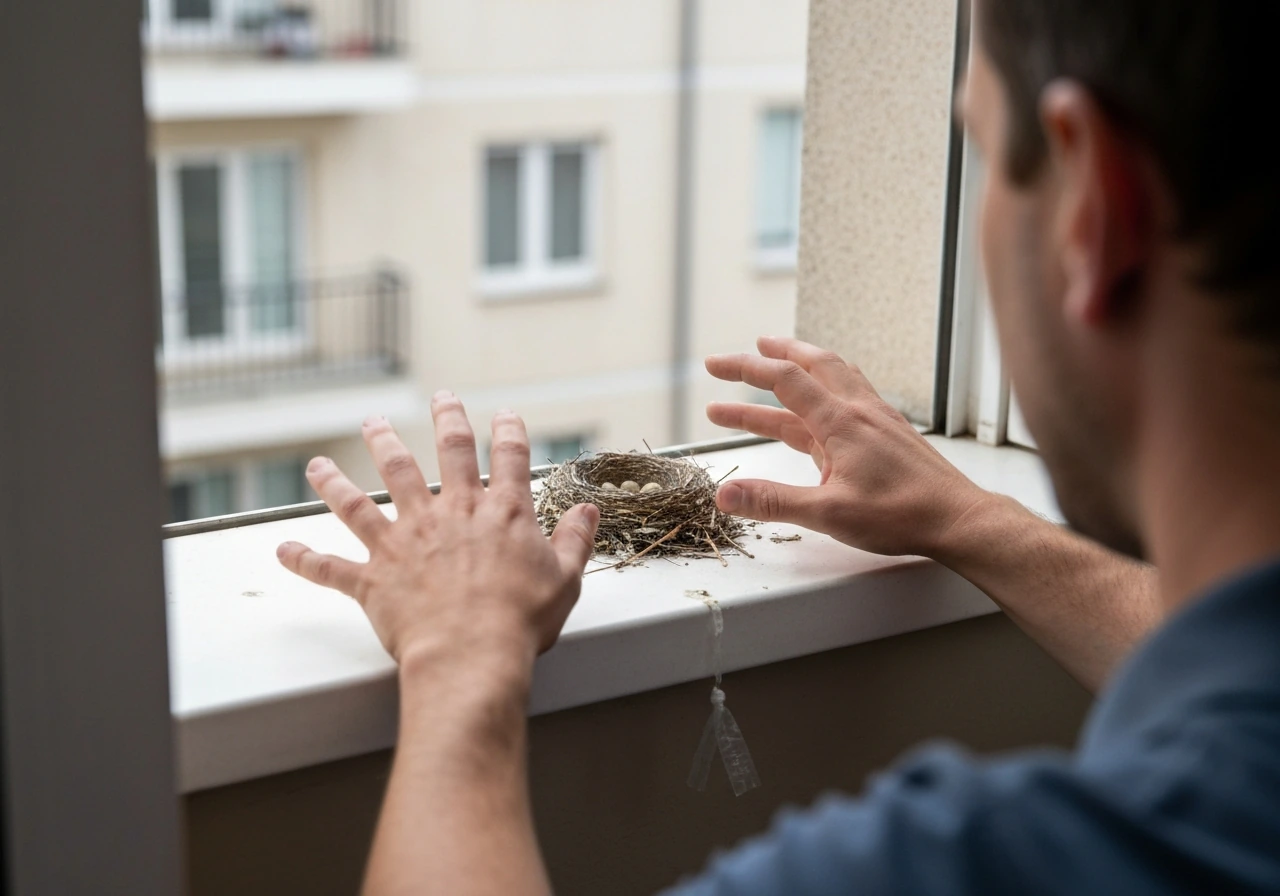
This section is genuinely important, because the most tempting responses to a nesting bird problem are often the most counterproductive or the most legally risky.
- Don't remove an active nest with eggs or chicks. In the United States, most wild native bird species are protected under the Migratory Bird Treaty Act. Removing or destroying an active nest of a protected species without a federal permit can result in fines. The question of what is and isn't legal gets complicated quickly. If you're uncertain about your specific bird species, understanding what birds are illegal to kill or disturb in your jurisdiction is worth doing before acting.
- Don't attempt to poison birds. There is no legal, over-the-counter avicide (bird poison) available to the general public in the United States for this purpose. Products marketed as bird repellents are different from poisons. Poisoning a protected bird is a federal offense.
- Don't use sticky traps or glue boards for birds. These cause severe suffering and are widely condemned by wildlife authorities. They're also ineffective as a population management tool.
- Don't try to flood or smoke out a nest in a wall or attic. You risk starting a fire, destroying property, and killing animals that you may have no legal right to kill. It also typically doesn't work.
- Don't assume that because a bird is "just a pigeon" or "just a sparrow" that there are no rules at all. While pigeons (rock doves), European starlings, and house sparrows are not covered by the Migratory Bird Treaty Act in the U.S., many cities and states have their own local ordinances covering wildlife. Don't assume blanket permission.
- Don't harass a nesting bird repeatedly to try to drive it away. Repeated disturbance of a nesting bird that is protected under federal or state law can itself constitute a violation, even if you don't touch the nest. It also frequently backfires: many species become more aggressive in response to perceived threats near their young.
- Don't confuse state bird protections with species-level protections. The rules around state birds are often symbolic rather than functional law, but the specifics vary. Understanding whether it is illegal to kill a state bird in your state matters if your problem species happens to be one.
When to call in a professional
There's a clear threshold at which DIY approaches stop being appropriate. If any of the following apply, you should call a professional rather than continuing to manage the situation yourself. CDC/NIOSH guidance on preventing histoplasmosis exposures notes that in some cases, large amounts of bird or bat droppings should be cleaned up by a professional company specializing in hazardous waste handling.
| Situation | Who to Call |
|---|---|
| Active nest of a protected species in a structural location (vent, attic, wall cavity) | Licensed wildlife removal operator or USDA Wildlife Services |
| Large flock roost (20+ birds) with significant droppings accumulation | Commercial pest control with bird management specialty |
| Bird strike risk near an airfield or aviation facility | Airport wildlife hazard management team or FAA-certified aviation safety consultant |
| Suspected health hazard from accumulated droppings (enclosed space, HVAC exposure) | Environmental health professional or licensed abatement contractor |
| Aggressive bird striking people or pets, causing injury | Animal control, plus wildlife specialist to assess nest removal options |
| Property damage from nesting (roof, structural elements) | Building contractor for damage assessment, wildlife removal for source control |
Wildlife removal professionals who specialize in birds are not the same as general pest control. Look for operators who are familiar with the Migratory Bird Treaty Act, who can identify species accurately, and who will tell you honestly whether a nest can be legally relocated or must be left alone until it's vacated naturally. A reputable professional will never promise to remove an active protected nest without a permit, because that's not something they can legally do. A permit framework for take of eagle nests, for example, is described in 50 CFR § 22.300 and reinforces that removal or “take” is not generally unconditional.
The broader legal framework for bird killing and disturbance is worth understanding if you're dealing with a recurring problem on your property. The rules are more layered than most people expect. For a full overview of what federal and state law actually says, whether it is illegal to kill a bird in various contexts is worth reviewing so you understand exactly what your legal exposure is before making any decisions.
It's also worth knowing that international rules differ substantially. If your concern involves birds at an international facility or you're curious how other countries handle this, the contrast with places like India (where most wild birds are fully protected under the Wildlife Protection Act of 1972) is striking. Reading about whether bird hunting is legal in India gives a useful window into how differently bird protection laws are structured globally, and underscores why verifying your local rules first is always the right move.
The practical bottom line
"Bird nesting divorce" is a search phrase born from real frustration. Whether the term brought you here because you're curious about a co-parenting arrangement or because you're genuinely at your wit's end with a bird that has decided your vent, eave, or entryway is its home, the core advice is the same: slow down, identify what you're dealing with, confirm the legal landscape for your species and location, take the safe immediate steps to protect people and property, and then execute a proper exclusion plan once the nesting cycle is done. It's almost never as complicated as it feels in the moment, and it's almost never as simple as just "getting rid of the bird." Working with the biology and the law, rather than against them, is consistently the fastest path to a resolved problem.
FAQ
What should I do if I’m not sure whether the nest has eggs or chicks yet?
If there are eggs or chicks, treat it as an active nesting situation. In most places, removing, destroying, or relocating an active nest is restricted and may require permits, so the safest default is to avoid disturbing the nest and focus on immediate household risk control (like keeping people and pets away from entry points).
Is it ever okay to clean out a nest if it’s already built but the birds aren’t visible?
Sanding, scraping, vacuuming, or blowing out nests while birds are incubating can be harmful and can also create airborne droppings, increasing health risk. The article’s safest sequence is to confirm whether the area is active first, then do exclusions and clean-up only after nesting activity has conclusively stopped.
How can I reduce morning noise without disturbing the nest?
For noise, the most practical immediate steps are containment and scheduling. Block visual access to the nest area, keep windows closed near the nest, and redirect routines (like sleeping areas or work zones) away from the loudest entry until the nesting cycle ends. Deterrents are less reliable once incubation starts.
Does “bird nesting divorce” always refer to birds on a property?
Yes, because “bird nesting divorce” can also mean a co-parenting arrangement where children remain in the home while parents rotate. If that’s what you meant, the key decision is aligning schedules in writing (school drop-off, holiday rotations, and who covers utilities and repairs during each parent’s time).
Can I just seal the vent or wall to stop the problem right now?
Sealing up access points while a nest is active can trap birds inside or force them to seek new spots nearby, which increases risk and prolongs the issue. The safer approach is to do exclusions only after the nesting cycle ends, then seal and install hardware so birds cannot re-enter.
When do bird droppings become a serious health risk?
If droppings are on a ledge or an open surface, the risk is usually lower than when feces have accumulated in an enclosed space like an attic, inside ductwork, or on equipment with poor ventilation. If droppings are widespread or disturbed by cleaning, wear appropriate respiratory protection and consider professional help for sanitation containment.
How do I tell if a wildlife removal company is qualified for bird nesting problems?
Not all bird-control companies specialize in nesting birds. Ask specifically whether they work under bird-protection rules, whether they can identify the species correctly, and whether they will not promise removal of an active protected nest without proper authorization.
What’s the risk of using a regular pest control service instead of a wildlife specialist?
Mixing general pest control with bird-wildlife rules can be a costly mistake, because general services might use methods that are illegal or unsafe during nesting season. The article recommends bird specialists who understand legal requirements and species identification.
What should I do if the birds are dive-bombing or attacking people and pets?
If the problem is defensive behavior, the best first step is to keep people and pets out of the approach zone rather than escalating with deterrents. Temporary barriers, changed foot traffic, and using the nest-side as little as possible until chicks leave usually reduce incidents more reliably than chasing the birds away.
When is the best time of year to install bird spikes or mesh permanently?
The safest timing for long-term exclusion is late fall or early winter, after breeding activity has stopped and before birds begin scouting again. For species that nest year-round in warmer climates, timing may differ, so confirm local patterns before installing permanent exclusion.