
Bird B Gone products do work as advertised in the right conditions, but the word 'work' needs unpacking before you spend money and time on them. If you are wondering can a bird smell human, the answer is that smell is only one part of how birds respond to people, and behavior can change for many reasons besides scent work as designed. The sticky gel deters pigeons and starlings from landing on treated ledges, and the methyl anthranilate (MA) liquid and spray products irritate birds' sensory membranes enough to push them off turf, crops, or open spaces. Neither product kills or seriously harms birds. What they don't do is permanently solve a bird problem on their own, and both have real limitations around weather, surface type, species behavior, and coverage gaps that can make them look ineffective when the product itself isn't actually at fault.
Does Bird B Gone Work? Evidence, Safety, and How to Use It

What Bird B Gone actually is (there's more than one product)
Bird B Gone is a brand, not a single product. That matters because people searching for it often have completely different bird problems in mind, and the brand sells deterrents that work through entirely different mechanisms.
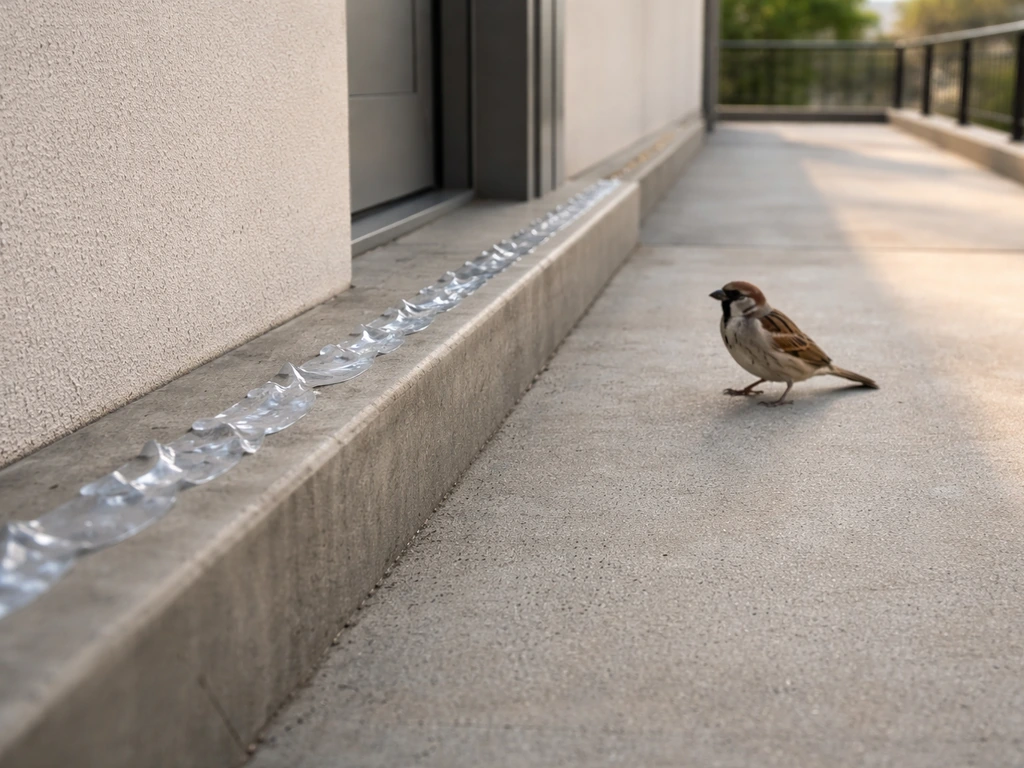
The flagship physical product is the Transparent Bird Gel, a sticky polybutene-based gel (93% polybutene) applied to horizontal surfaces like ledges, I-beams, parapet walls, conduit, and pipes. It creates an unpleasant sticky sensation on birds' feet, which causes them to avoid landing there. It's EPA-registered (registration number 8254-5-71050) and is aimed specifically at pigeons and starlings on structures.
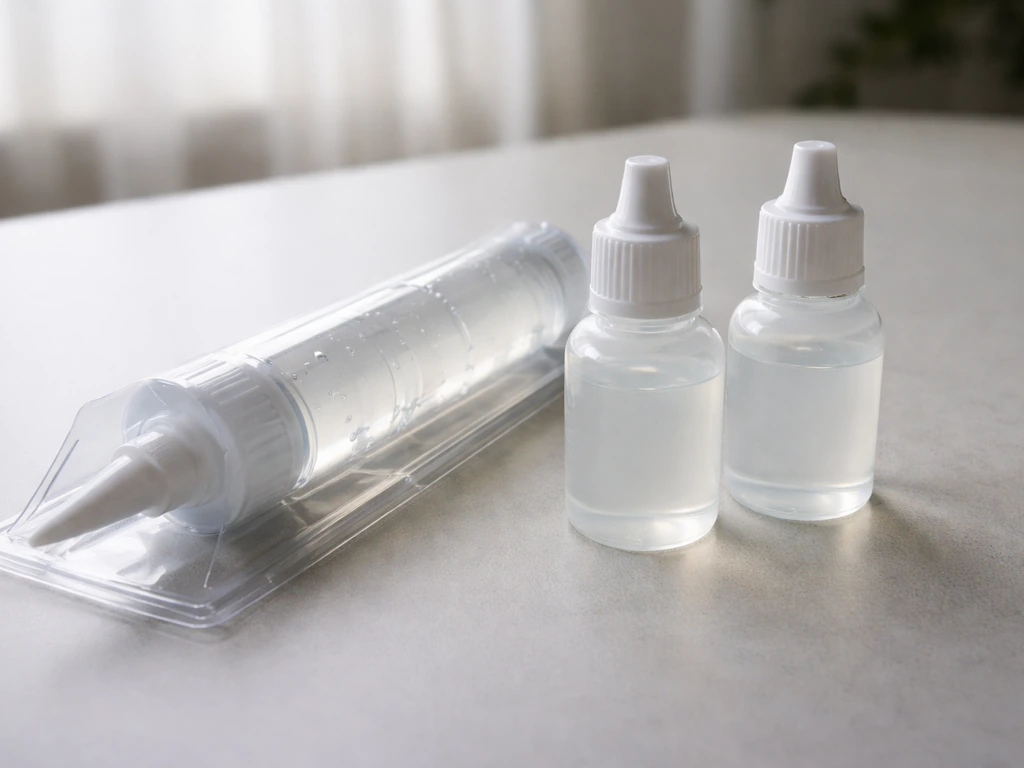
The liquid and spray line works completely differently. Avian Control contains 20% methyl anthranilate (MA) and methyl 2-aminobenzoate. Avian Migrate contains 14.5% MA with a UV-visible colorant. There's also Avian Fog Force TR, a time-release aerosol canister running at 14.5% MA that treats up to 42,000 cubic feet and lasts up to 30 days per canister. All of these are designed to be applied on vegetation, turf, crops, or fogged into enclosed spaces, not on building surfaces.
Knowing which product you're using matters enormously. The gel is a structural deterrent. The MA-based liquids are sensory repellents. They have different application methods, different targets, different reapplication schedules, and different failure modes. This article covers both.
How each product actually works
The gel: making landing unpleasant
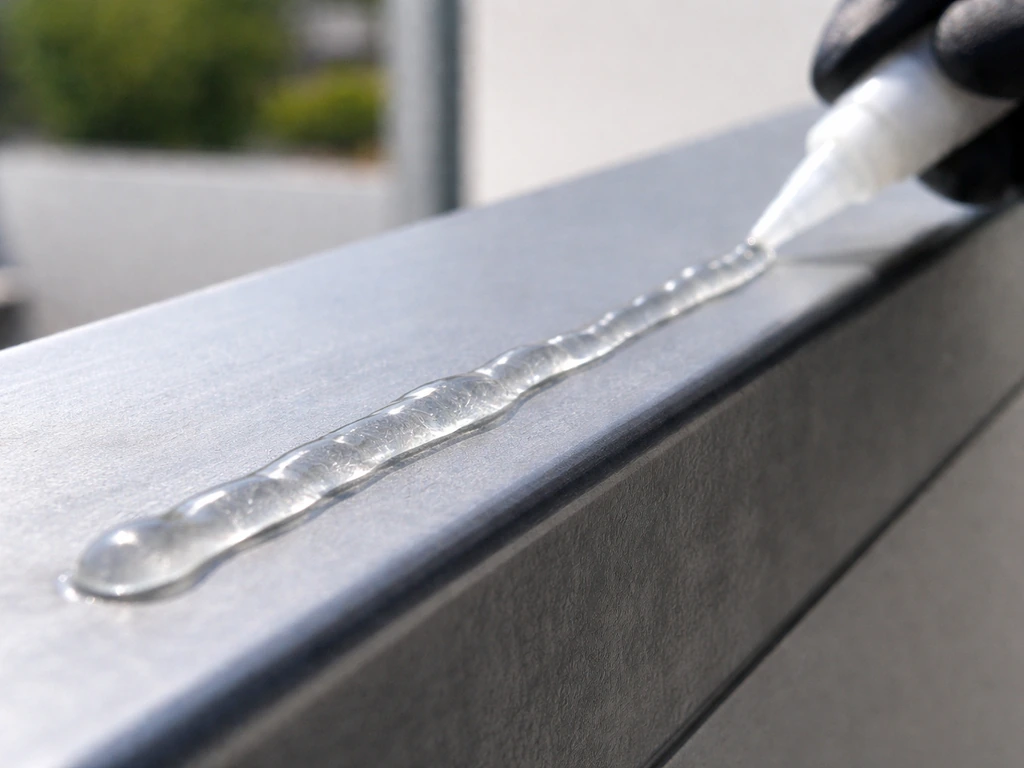
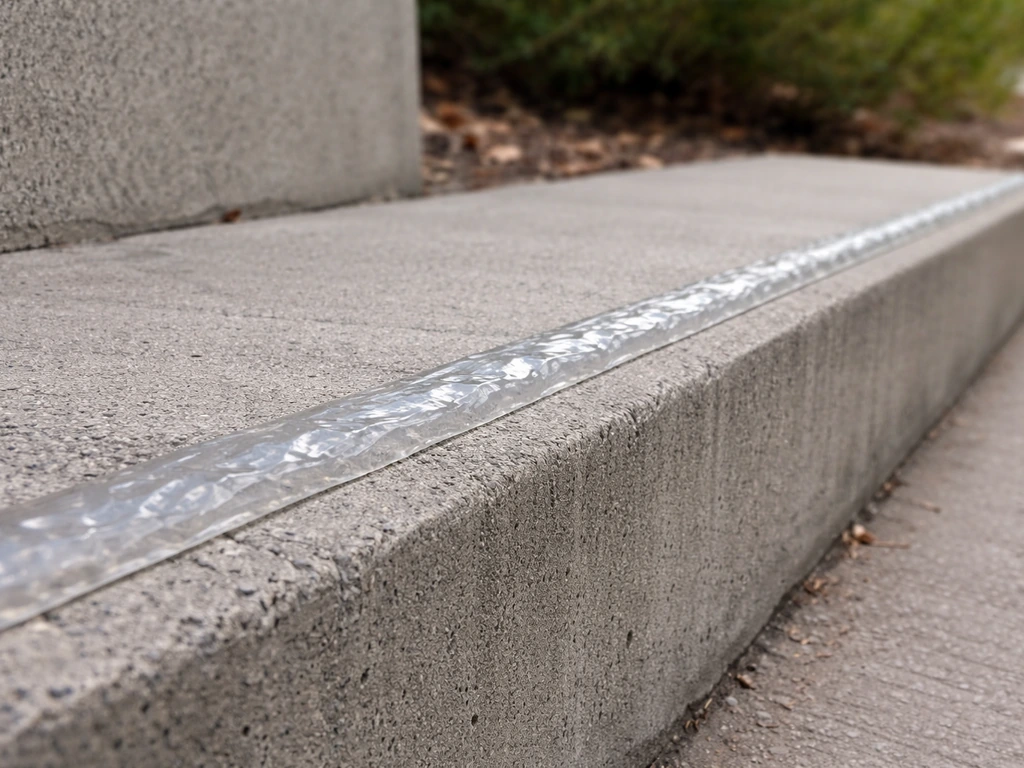
Polybutene gel is tacky, not a trap. Birds that touch it feel an uncomfortable stickiness on their feet and refuse to land on that surface again. It doesn't catch them, and it doesn't hurt them. The deterrence mechanism is purely tactile aversion. According to Bird B Gone's own instructions, the gel should be applied in a zigzag pattern about 3 inches high on the surface, with periodic gaps left for water drainage. One 10 oz tube covers 10 linear feet at that width, and a full case covers 120 feet. The manufacturer claims it lasts up to 6 months outdoors.
The MA liquids: irritating birds' sensory systems
Methyl anthranilate is a grape-scent compound that agitates birds' trigeminal nerve endings and irritates their eyes, beak, and throat. It's the same compound used in grape-flavored candy, but birds react to it very differently than mammals do. The irritation is real but temporary and causes no lasting harm. The EPA has approved MA as a non-toxic bird repellent for use in agricultural and structural contexts. Field studies have confirmed it reduces bird activity on treated crops and turf, though effectiveness varies by species. A peer-reviewed study comparing feral pigeons and house sparrows found measurable but species-specific differences in how strongly each responded to MA formulations.
Does it actually work in real life?
It depends on the scenario, the species, and how realistic your expectations are. Here's an honest breakdown.
| Scenario | Product | Real-world effectiveness | Key limitation |
|---|---|---|---|
| Pigeons on building ledges | Transparent Bird Gel | Good, when applied correctly to all landing surfaces | Birds find untreated spots nearby and shift there |
| Starlings on I-beams or conduit | Transparent Bird Gel | Moderate to good | Narrow surfaces need full coverage; gaps defeat the product |
| Geese on turf or athletic fields | Avian Control / Avian Migrate | Moderate; documented in field trials | Needs frequent reapplication; heavy rain shortens interval to under 7 days |
| Birds feeding on crops or garden | Avian Control liquid spray | Moderate; varies by species | Pigeons respond less strongly than sparrows per published research |
| Enclosed spaces (warehouses, barns) | Avian Fog Force TR aerosol | Reasonable for temporary displacement | Birds may return once MA dissipates; not a permanent solution |
| Heavily roosted structures | Any Bird B Gone product alone | Poor without exclusion netting or physical barriers | Established roosters are harder to move; habituation is a real risk |
A key fact about MA that the manufacturer's marketing understates: methyl anthranilate dissipates rapidly under UV sunlight. Research indicates it can break down within 64 hours under full sun exposure. That means the 7 to 14 day reapplication window Bird B Gone recommends is the optimistic end of the range. In summer, in direct sun, or after rain, you may need to reapply closer to every 7 days or even sooner. If you apply it and check back in two weeks without reapplying, you're likely working with an inactive product.
Habituation is the other honest caveat. Birds are adaptive. If pressure to find food or roost at a particular site is strong enough, some birds will tolerate mild sensory irritation over time. Research on MA notes that habituation was not fully assessed in short-term lab studies, so field performance over weeks or months may be lower than initial results suggest. This is especially relevant for established pigeon roosts where birds have used a site for years.
How to apply it correctly (and avoid the common mistakes)
Transparent Bird Gel
- Clean the surface thoroughly before applying. Bird B Gone explicitly states that birds are attracted to their own mess, so uncleaned droppings undermine the product and create a health risk during installation. Wear appropriate PPE.
- Make sure the surface is completely dry. Gel won't bond properly to a wet surface.
- Apply in a zigzag pattern approximately 3 inches high, leaving periodic gaps of about an inch every few feet for water drainage.
- Do not apply to vertical surfaces. The product instructions say this clearly, and it won't hold or function on a vertical face.
- Check coverage every 4 to 6 weeks and reapply where gel has hardened, collected debris, or washed away. The 6-month claim assumes reasonable conditions; dusty or high-traffic areas will degrade it faster.
- Do not apply near nesting birds during active nesting season without first checking local regulations on disturbing nests.
MA liquid repellents (Avian Control, Avian Migrate)
- Apply to vegetation, turf, or target areas when birds are actively using them, ideally in the early morning when birds arrive to feed.
- Use the manufacturer's recommended dilution rate and a standard garden or backpack sprayer for small areas; a fogger or hazer for larger open spaces.
- Reapply every 7 to 14 days as a baseline. Move that to every 5 to 7 days after heavy rain or extended direct sun exposure.
- For Avian Fog Force TR indoors, position canisters so the aerosol disperses through the full treatment volume. Each canister covers up to 42,000 cubic feet; don't expect one canister to handle a large warehouse.
- Do not apply Avian Control or similar MA products in enclosed spaces with people or pets present without adequate ventilation. The product SDS includes first-aid and poison-control guidance for human exposure.
The single most common mistake with both product types is incomplete coverage. With the gel, any untreated ledge section 6 inches or wider gives pigeons enough room to land and shifts the problem a few feet, not out of the area. With the MA liquids, spot-treating a small section of a large lawn while birds have access to the rest of the area nearby means the birds simply move temporarily and return.
Is it safe for birds, pets, people, and other wildlife?
Bird B Gone products are designed as repellents, not toxicants, and the distinction matters. The gel creates physical discomfort, not injury. MA causes temporary sensory irritation without lasting harm. Neither kills birds, and that's backed by EPA registration, not just marketing language.
That said, 'non-toxic to birds' does not mean 'harmless to everything.' The Transparent Bird Gel SDS notes skin irritation on contact and eye irritation (watering, redness, pain) for humans. If you're applying gel on scaffolding or overhead surfaces, wear gloves and eye protection. The gel can also trap small non-target birds and insects if applied improperly or in excess. A thin, consistent bead is the right application, not a thick pool of gel.
For the MA products, the Avian Control SDS includes human health hazard classifications and poison-control guidance. Methyl anthranilate is irritating to mucous membranes in people too, especially at higher concentrations. Don't apply it in enclosed spaces where children, pets, or people with respiratory sensitivities are present. For outdoor use on turf or crops, pets and people should avoid treated areas until the spray has dried. The USDA has also noted that MA formulations can cause some phytotoxicity (leaf discoloration) in certain crops at higher application rates, so check the label before using on sensitive plants.
From a legal standpoint, most pest bird species in the US (pigeons, starlings, and house sparrows) are not protected under the Migratory Bird Treaty Act, which means you can legally deter them. But if your bird problem involves any native songbirds, waterfowl, or raptors stopping by as non-target visitors, you need to be more careful about where and how you apply these products, and you should confirm the species involved before acting.
If it's not working: troubleshooting before you give up
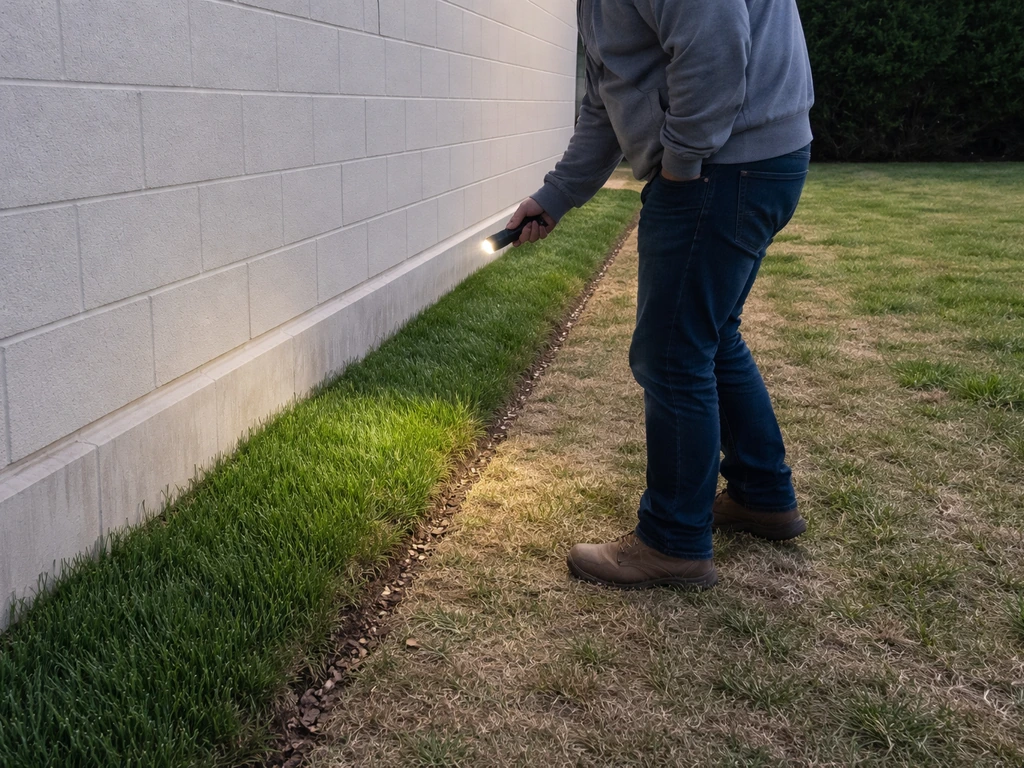
Before concluding that Bird B Gone doesn't work, run through this checklist. Most failures come down to a handful of fixable problems.
- Coverage gaps: Walk the entire treated area. Birds will find any untreated ledge section, patch of turf, or adjacent surface and use that instead. The deterrent only works where it's actually applied.
- MA has degraded: If it's been more than 7 days since the last application and there's been sun or rain, the active ingredient is likely gone. Reapply and see if behavior changes within 24 to 48 hours.
- The surface wasn't clean before gel application: Droppings under the gel reduce adhesion and attract birds back. Strip, clean, dry, and reapply.
- Established roost with high site fidelity: Pigeons especially will return to long-established roosting sites even through moderate deterrents. At this point you need physical exclusion (netting, bird spikes, wire systems) in addition to the gel.
- Wrong product for the situation: The gel is for structural ledges, not open areas. The MA liquids are for vegetation and open spaces, not building surfaces. Using the wrong one for your context will produce poor results regardless of application quality.
- Bird pressure is too high: If the food or shelter reward at the site is extremely strong (an active dumpster, a grain spill, a regular feeding station nearby), repellents alone often can't overcome the incentive. The food or water source has to be addressed.
If birds are persisting despite correct and complete application, it's worth asking whether the problem is actually about perception and communication. If you are wondering about the same kind of perception issue like can bird see glass, start by checking whether the birds are reacting to visual cues versus deterrent placement rather than assuming the product is failing. If you notice birds making sudden air-blowing sounds around irritant repellents, it can raise the question, can a bird sneeze, and the answer affects how you interpret what you are seeing. Birds use visual cues, sounds, and social signals heavily. If you want to know whether you can catch a bird, start by recognizing that birds respond strongly to visual cues, sounds, and social signals. Products like bird whistles or sound deterrents work on similar sensory interference principles. If you are wondering, is it bad to play bird calls, the same principle applies: they can work briefly, but birds often learn quickly or tune them out bird whistles. In the context of bird behavior, the question is whether do bird whistles work for your specific species and situation bird whistles or sound deterrents. Whether birds can hear, see, or smell a deterrent affects how well it reaches them, and this is worth considering if you're dealing with a particularly stubborn population.
The real long-term solution: combine deterrents with prevention
No repellent product, including Bird B Gone, is a standalone long-term solution for serious bird pressure. The research and the real-world track record both support the same conclusion: integrated bird management works, single-product approaches often don't. The U.S. Fish and Wildlife Service explains that the Migratory Bird Treaty Act generally prohibits taking protected migratory birds without authorization, which is why you should treat species protection rules as part of any bird-management plan. Here's how to build a strategy that actually holds.
- Remove the attraction first. Clean up bird droppings, remove standing water sources, secure garbage and food waste, and eliminate unintentional feeding (spilled seed at feeders, uncovered compost, open dumpsters). Repellents work much better when the site isn't actively rewarding birds.
- Use physical exclusion for structures. Bird netting, stainless steel spikes, tension wire systems, and electric track deterrents are more durable than gel alone on building ledges. Gel is a useful complement to these systems, not a replacement.
- Apply gel or MA repellents as a first contact and behavioral disrupter. Use them to push birds off a site while you install more permanent exclusion. Gel alone on every ledge is high-maintenance and eventually degrades; netting combined with gel on the few remaining exposed surfaces is much more effective.
- Time your MA applications strategically. Apply before birds arrive in the morning, and reapply consistently on the 7-day schedule rather than waiting until you see birds return.
- Monitor and document. Check the site every few days for the first two weeks. Note which surfaces birds are still using. That tells you exactly where your coverage gaps are.
- Consider habitat modification for open-area problems. Modifying the landscape (reducing short grass that geese prefer, adding tall plantings around pond edges, changing irrigation timing) reduces the site's attractiveness more durably than any spray.
The bottom line is that Bird B Gone's products are legitimate, EPA-registered deterrents based on real mechanisms of bird aversion. They work when applied correctly, completely, and consistently, and when the underlying attractants are managed alongside them. They don't work as a quick fix applied once and forgotten, and they won't solve an entrenched roosting problem without physical exclusion backing them up. Start with a thorough site clean, apply with full coverage, reapply on schedule, and add structural exclusion where birds persist. That combination gives you a realistic chance of solving the problem within two to three weeks.
FAQ
How long should I wait after applying Bird B Gone before I decide it isn’t working?
For the gel, you should usually see reduced landings right away, within 1 to 3 days. For MA liquids, give it at least several days after the first application, then reassess in terms of complete area coverage, weather exposure, and whether birds still have an alternative nearby landing or feeding spot.
Can I use Bird B Gone gel and MA products together, and would that help?
Often yes, as long as you avoid over-application. Use gel for ledges and other horizontal landing surfaces, and use MA products for turf, crops, or vegetation, but don’t spray MA directly over the gel (it can dilute the formulation and complicate reapplication). Plan so each product targets a distinct surface type and behavior.
What should I do if birds keep landing beside the treated area after a gel application?
That’s usually an incomplete-coverage problem. Recheck any untreated sections 6 inches or wider (or missed seams, corners, and drainage gaps) and extend treatment to every landing path birds can access. Birds will often shift a few feet rather than stop the behavior if any narrow landing route remains.
Do Bird B Gone products work in rain or right after a sprinkler cycle?
MA degrades faster under sun and can be reduced by heavy rain or frequent irrigation, so plan to reapply after events that leave surfaces visibly wet or washed. For gel, it may remain tacky on many surfaces, but if it gets smeared, scraped, or contaminated, birds can regain landing ability until the bead pattern is restored.
How do I know whether my birds are tolerating the deterrent versus simply moving to a new spot?
Look at movement patterns over 24 to 72 hours. If birds stop landing on the treated surface but feed or roost nearby, that points to temporary avoidance and attractants still being available. If they land repeatedly on the treated area, consider stronger exclusion (netting, spikes, or physical barriers) and verify the species-specific suitability of the product.
Is it safe to use Bird B Gone around pets, especially cats and dogs?
Avoid letting pets access treated turf or vegetation until the spray has fully dried (for MA products). For the gel, prevent paw contact by restricting access during and after application, because human-safety guidance indicates the gel can irritate skin and eyes. If a pet contacts it, follow the product’s cleanup instructions and consider contacting a veterinarian if irritation occurs.
Will Bird B Gone harm native birds or raptors that might land occasionally?
Even if common nuisance species are generally not protected, “non-toxic” does not mean “risk-free” for every species and every situation. If native songbirds, waterfowl, or raptors are part of the visit, verify the species involved and check applicable local rules before treating, since you may need a different approach such as exclusion rather than deterrent-only spraying or gel placement.
Can Bird B Gone be used on reflective windows, glass, or near bird-glass collisions?
Not as a standalone solution. Bird B Gone targets landing and surface behavior, while glass issues are often driven by visual perception. If collision risk is your main concern, prioritize visible markings and structural changes, then use deterrents around nearby ledges only as a secondary measure.
What’s the best way to apply MA products so they don’t become ineffective?
Do a full, uniform application on the intended vegetation area, not spot patches. If birds can access untreated surrounding areas, they typically relocate briefly and return. Also match the reapplication schedule to local conditions like heat, UV exposure, and irrigation timing, because MA can lose activity quickly in full sun.
Could Bird B Gone damage plants or crops?
Yes, MA formulations can cause phytotoxicity in certain crops at higher application rates. Stick to label-specific rates, avoid spraying sensitive plant types without checking crop guidance, and consider testing a small section first if you’re dealing with a high-value garden or seedlings.
Does Bird B Gone work if birds have already roosted at the site for months or years?
It can help, but established roosts are harder. Birds may habituate, and they may also rely on existing attractants like nearby food sources. Plan for a more aggressive integrated strategy, including cleaning, removing attractants, and adding physical exclusion where feasible.
What should I do if I applied correctly but still get bird activity after the reapplication window?
Treat it as a troubleshooting problem, not a brand failure. Confirm species and behavior type (landing versus passing), verify no untreated gaps exist, adjust the treatment timing around rain and full-sun periods, and check whether birds are finding food or shelter elsewhere on the property. At that stage, physical exclusion is usually necessary for persistent roosting.