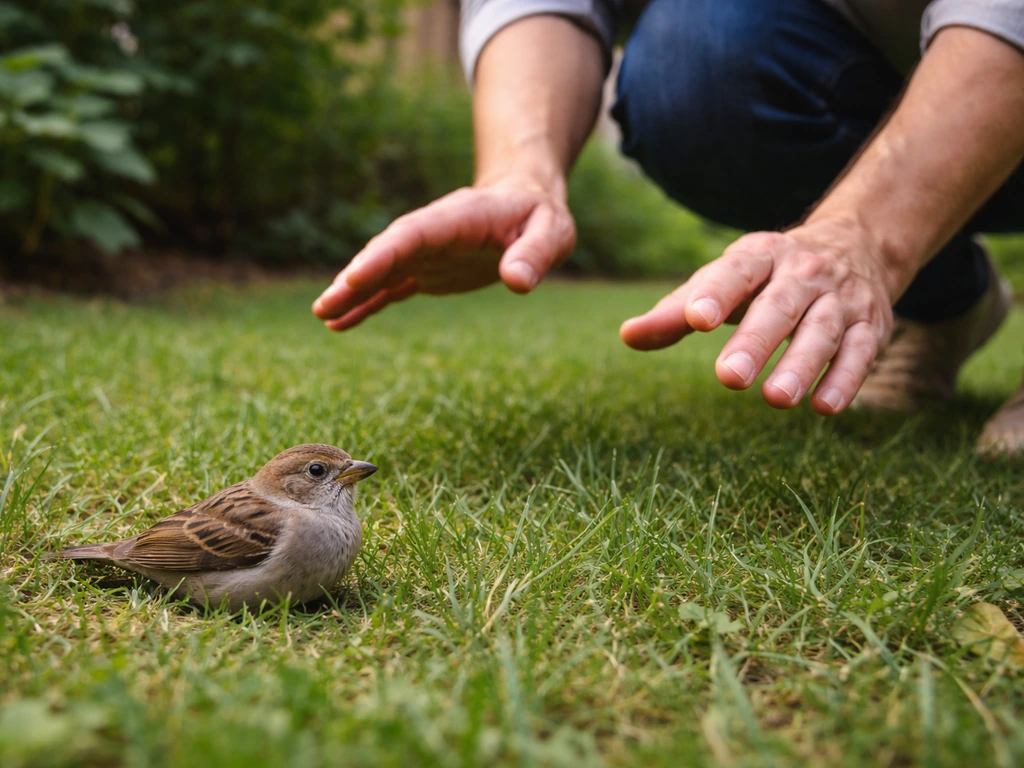
A bird that suddenly stops moving, won't forage, or is sitting motionless on the ground is either resting normally, temporarily stunned, or dealing with something serious. The fastest way to tell the difference is simple: walk slowly toward it. A healthy bird will move away, even if only by hopping or short fluttering. A bird that stays completely still, falls over, or can't escape when you approach needs a closer look and possibly help.
Why Bird Stop Moving: Causes, Checks, and What to Do Now

Marcus Whitmore
4 Jun 2026
What 'bird stop' actually means
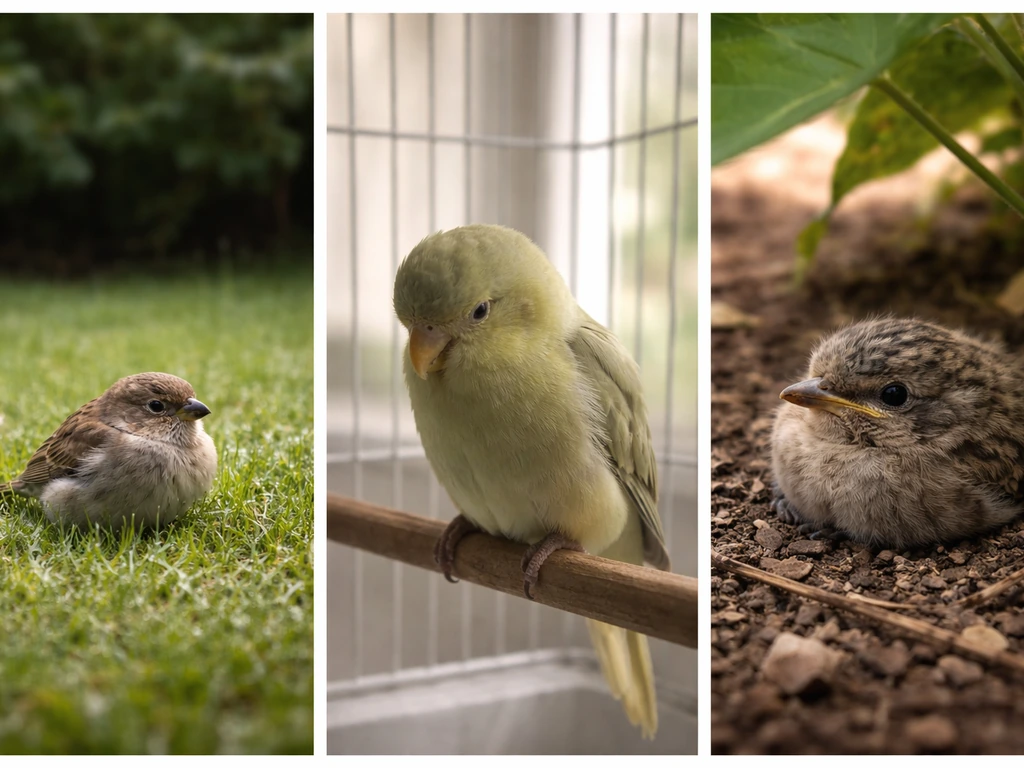
The phrase covers several distinct situations that require very different responses. A wild bird sitting motionless in a yard is not the same as a pet bird that stopped eating, or a bird that dropped out of mid-flight and won't move. Most people searching this topic have found a wild bird that looks frozen or grounded and don't know whether to intervene. That's the focus here. The RSPCA makes the point clearly: it is completely normal for a healthy adult bird to rest on the ground and stay still when a person approaches. Immobility alone is not a sign of illness. The critical question is whether the bird still tries to escape.
Baby birds are a separate case that trips a lot of people up. A fledgling sitting on the ground and looking helpless is almost always exactly where it should be. Its parents are almost certainly nearby and monitoring it. Unless you see obvious injury like a broken, drooping wing or active bleeding, leaving it alone is the right call.
Health and injury reasons birds stop
When a bird genuinely can't move, the most common biological culprits fall into a few categories worth knowing.
Window and collision strikes
This is probably the most common reason someone finds a grounded, motionless bird near a building. Birds can't perceive glass as a barrier. They see reflected sky or vegetation and fly straight into it. Mild strikes leave a bird stunned but capable of recovering in anywhere from a few minutes to two hours.
Harder strikes cause concussion, internal bleeding, or spinal injury that won't resolve on its own. The Tufts Wildlife Clinic describes mild window-strike victims as recovering in 'a few moments,' but it's honest about the fact that some birds have injuries that persist and need care. The key monitoring window is two hours: if the bird hasn't recovered and moved off under its own power by then, it needs help.
For window strikes, birds may look like they just stopped drawing attention, but they are often stunned and need the right monitoring timeline and help.
Poisoning and toxin exposure
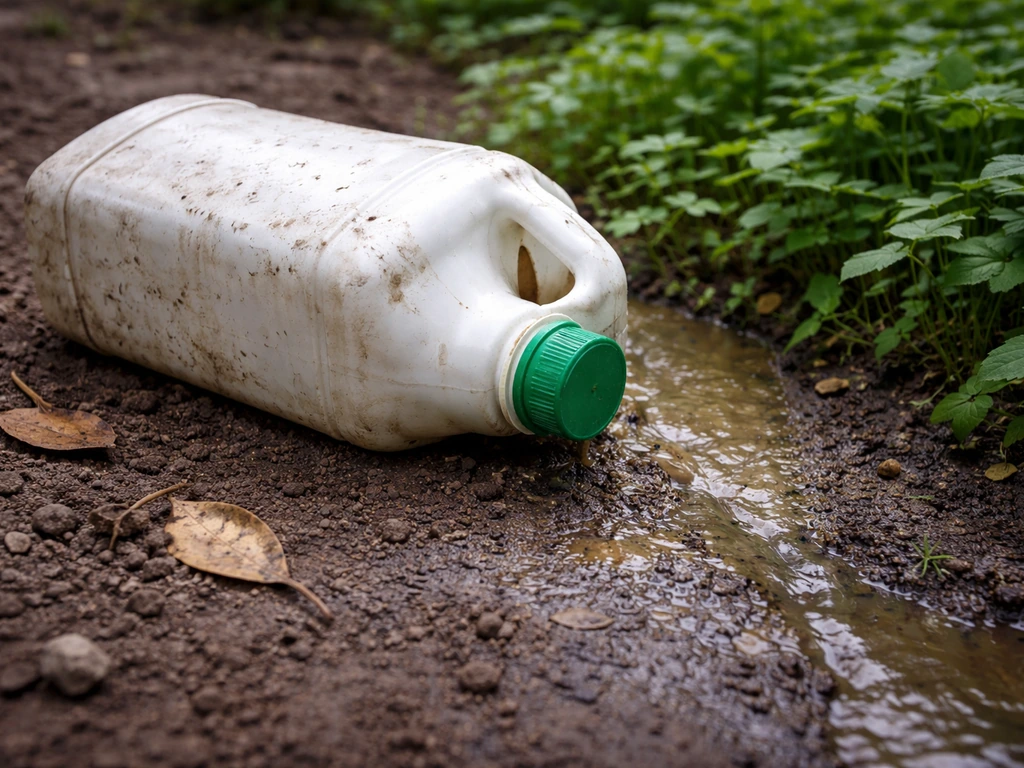
Pesticide poisoning is more common than most people realize. Cholinesterase-inhibiting compounds, which are widely used in agricultural and residential settings, cause neurological signs including lethargy, tremors, paralysis, convulsions, and blindness. A bird with these signs has often been directly or secondarily exposed through contaminated prey. Lead toxicosis, documented frequently in raptors and waterfowl that ingest spent shot or contaminated fish, also causes pronounced neurological signs. For pet birds specifically, PTFE (Teflon) fumes from overheated non-stick cookware are acutely toxic and can cause sudden collapse and death with very little warning. Anticoagulant rodenticides are another hazard, particularly for raptors that eat poisoned rodents; these can cause internal hemorrhage and sudden collapse without visible external wounds.
Starvation, dehydration, and heat stress
A bird that hasn't been able to forage due to injury, severe weather, or displacement may simply be too weak to move. What is death rite bird weak to depends on the particular species and its medical condition, so treat it like an unknown risk and contact a wildlife rehabber if it cannot recover.
This shows up as a bird that is visibly thin (you can feel the keel bone prominently if you gently handle it with gloves), lethargic, and unresponsive to stimuli. Heat stress is also a real factor. University of Minnesota Extension research on poultry notes that as temperatures approach 85°F (29°C), birds begin trying to offload heat through panting.
A wild bird caught in direct sun with no shade or water can reach dangerous levels of heat exhaustion and appear immobile well before that threshold in humid conditions.
Disease and parasites
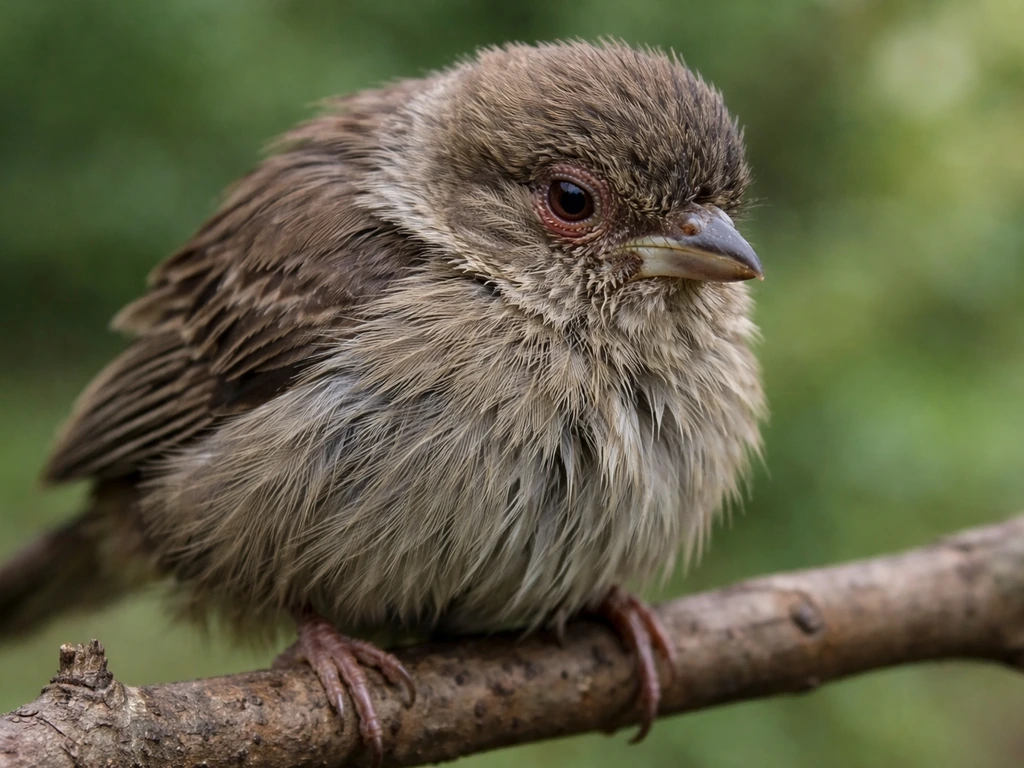
Infectious diseases including Avian Influenza (bird flu), West Nile Virus, Salmonella, and Newcastle Disease can all cause sudden lethargy and immobility. This is exactly why the RSPCA and CDC both emphasize not touching a sick or dead bird without gloves. The RSPCA explicitly directs people to check bird flu guidance before doing anything else when they find a sick wild bird. Parasites, both external (mites, lice) and internal (worms, protozoa), can debilitate a bird to the point of immobility over time, though this usually produces gradual decline rather than sudden stopping.
Behavioral and situational reasons birds stop
Not every motionless bird is sick. Behavioral and environmental factors explain a large proportion of the cases people report.
- Tonic immobility (feigning death): Some species, especially certain waterfowl and ground-nesting birds, will go completely rigid when they perceive an imminent threat. This is an evolved defense mechanism, not a sign of illness.
- Predator freeze response: A bird that has spotted a hawk, cat, or other predator overhead will sometimes press flat against the ground and stay motionless for minutes. This is normal and the bird will often recover the moment the threat moves on.
- Shock after near-miss: A bird that narrowly escaped a predator or vehicle may sit stunned and unresponsive for several minutes due to acute stress, even without physical injury.
- Territorial behavior at windows: Spring and fall are peak seasons for birds attacking their own reflections in windows and glass surfaces. They don't always collide hard enough to injure themselves but may end up sitting near the glass repeatedly looking dazed.
- Temperature extremes: In extreme cold, particularly during sleet or ice storms, birds can become hypothermic and unable to move. In extreme heat, they conserve energy by going very still in shade.
- Overnight roosting: Birds sitting still in a bush or on the ground at dusk or dawn are probably just roosting. This is especially confusing when someone encounters a bird that is warm, breathing, and completely unresponsive to gentle stimuli during nighttime hours.
- Nighttime light attraction: Artificial lights at night disorient migrating birds. They can circle lighted buildings for hours, sometimes landing exhausted near light sources. Audubon and the National Park Service both connect reduced artificial light to lower collision and grounding rates.
How to quickly assess the situation right now
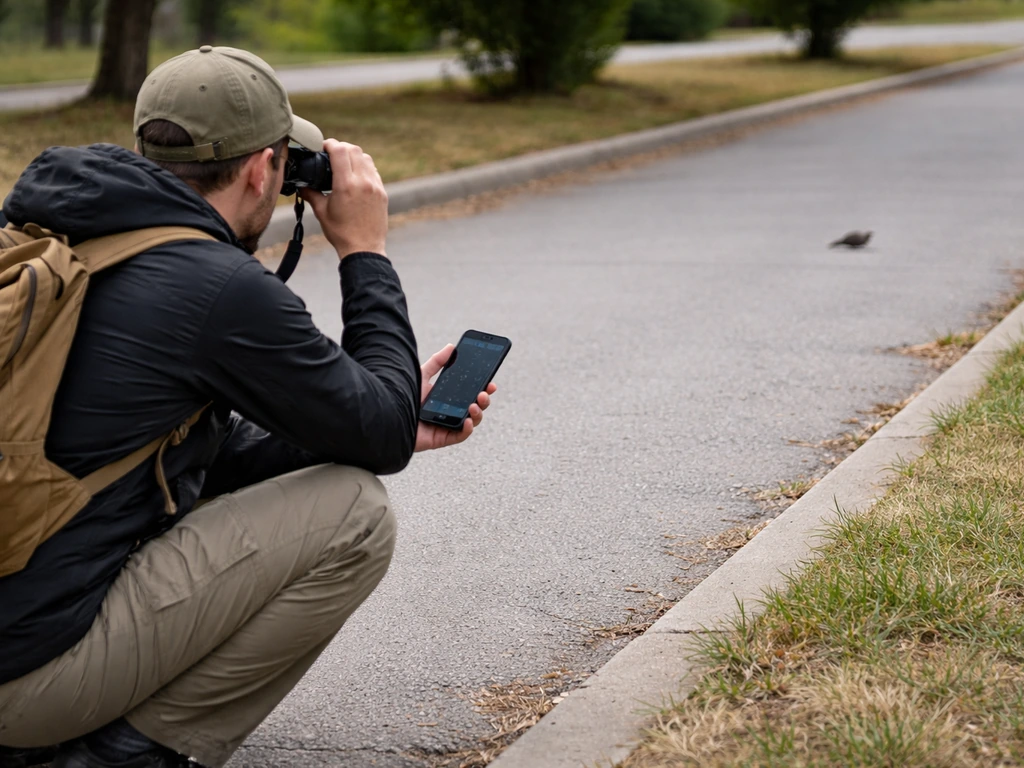
The most important rule first: do not immediately grab the bird. Observe from at least 10 feet away for several minutes before doing anything else. Many birds that look like they need rescue will walk or fly off on their own once you give them space and quiet.
- Step back and watch from a distance. Note whether the bird is breathing (chest movement, beak opening), whether its eyes are open, and whether it responds to your presence at all.
- Make a slow, deliberate approach. A healthy bird will attempt to escape, even if only hopping away. A bird that does nothing as you get within two or three feet is genuinely in trouble.
- Scan for obvious external signs without touching: drooping wing at an abnormal angle, blood, wounds, a head tilted severely to one side, trembling, or the bird lying on its side.
- Check the surroundings. Is there a window or reflective surface nearby? Is it a fledgling with an adult bird hovering close? Is there a dead bird nearby that might indicate disease? Is there evidence of pesticide use (spraying equipment, granules, dead insects)?
- If the bird appears stunned from a window strike with no obvious wounds, move it gently (with gloves) into a small cardboard box with air holes, a loose paper towel on the bottom, and the lid lightly closed. Do not feed it. Do not give water. Keep it in a warm, dark, quiet place and monitor for up to two hours.
- If it shows any of the serious signs listed below, treat it as an emergency and move directly to contacting a licensed wildlife rehabilitator or avian vet.
A few things to actively avoid: never try to force feed a wild bird, never give it cow's milk, bread, or human food, and never keep it in a cage with a pet or in direct sunlight. Do not repeatedly open the box to check on it since stress alone can kill a bird that is already compromised. If the bird might be sick rather than injured, the CDC recommends wearing gloves and washing your hands thoroughly afterward, and the RSPCA advises following current bird flu guidance before any contact.
When to call a wildlife rescue or vet
The U.S. Fish and Wildlife Service recommends that intervention is only justified when there are clear signs of injury. That guidance saves a lot of healthy birds from unnecessary handling. The Washington Department of Fish & Wildlife wildlife rehabilitation manual emphasizes “minimum handling” triage principles to help avoid further injury to the animal and avoid injury to the handler minimum handling triage principles. Here is how to triage the decision.
| Symptom or situation | What it likely means | Action |
|---|---|---|
| Bird escapes when approached, even slowly | Healthy or mildly stressed | Leave it alone |
| Window-strike bird, no visible wounds, breathing normally | Stunned, possibly recovering | Box it, monitor 2 hours, call rehabber if no improvement |
| Fledgling on ground, adults nearby, no injury visible | Normal fledgling behavior | Do not intervene |
| Wing drooping at abnormal angle, can't fold | Broken wing | Contact wildlife rehabber now |
| Bleeding, open wound, lacerations | Trauma | Contact wildlife rehabber now |
| Cat bite or puncture wound (even small) | High infection risk, often fatal without antibiotics | Contact wildlife rehabber now |
| Head tilt, circling, tremors, convulsions | Neurological: toxin, disease, or head injury | Contact wildlife rehabber/avian vet now |
| Maggots visible on the bird | Fly strike, serious condition | Contact wildlife rehabber now |
| Bird can run but cannot fly | Injury present | Contact wildlife rehabber now |
| Large bubbles or swelling under the skin | Subcutaneous emphysema or abscess | Contact wildlife rehabber now |
| Dead parent bird nearby with live young | Orphaned | Contact wildlife rehabber |
To find a licensed rehabilitator in the US, the Washington Department of Fish and Wildlife guidance suggests starting with your state wildlife agency's permitted rehabilitator list. If no rehabber is immediately available, a licensed veterinarian can often accept and stabilize a bird for transport, or provide humane euthanasia if the injury is severe. When you call, be ready to describe: the species if you know it, where you found it, what it's doing, whether there's a window or reflective surface nearby, and any chemical application in the area. The Tufts Wildlife Clinic notes that raising wild birds without proper permits is illegal in most jurisdictions, so the goal is to connect it with the right professional, not take on the care yourself.
Reducing the hazards that cause birds to stop in the first place
Most human-caused bird injuries are preventable, and the solutions are more practical than people assume.
Window and glass collisions
Glass collisions are one of the leading causes of bird injury in built environments. The US Fish and Wildlife Service identifies external insect screens as one of the most effective solutions because they both break up reflections and physically signal that the surface is a barrier.
Window decals work only if they're spaced correctly: Audubon specifies no more than 2 to 4 inches apart, and the Cornell Lab of Ornithology recommends a uniform 2-inch spacing for markers or film applied to the outside of glass. Stickers clustered in one corner do almost nothing. Inside the building, closing blinds or shades, especially during peak migration seasons in spring and fall, removes the visual of interior plants or sky visible through the building that attracts birds.
Light pollution and nighttime attraction
Artificial light at night is a significant and underappreciated cause of bird grounding, exhaustion, and collision. Migrating birds navigate by stars and natural light gradients, and bright urban lights pull them off course and can keep them circling until exhaustion. Audubon's 'Lights Out' campaign and the National Park Service's bird-safe glass guidance both point to turning off or reducing non-essential lighting during peak migration windows (typically late April through May and August through October in North America) as a high-impact, low-cost intervention. For buildings with large glass facades, this is the most direct action available.
Pesticide and toxin management
If you manage a property and find grounded birds repeatedly in the same area, pesticide use is worth investigating seriously. Cholinesterase-inhibiting pesticides are acutely toxic to birds even at low doses, and secondary poisoning from rodenticides is a documented and ongoing problem for raptors and corvids. Reducing or eliminating rodenticide use, particularly anticoagulant types, and opting for integrated pest management approaches has measurable effects on local bird mortality. For pet bird owners, keeping non-stick cookware at or below recommended temperatures and ensuring kitchen ventilation are non-negotiable: PTFE fumes from overheated Teflon can kill a bird in another room in minutes.
Cats, vehicles, and aviation contexts
For pet owners, the single highest-impact action for local bird populations is keeping domestic cats indoors or in enclosed outdoor runs. Free-roaming cats are responsible for billions of bird deaths annually in North America, and many of the grounded or stopped birds people encounter have cat-inflicted puncture wounds that are not immediately visible. For aviation professionals familiar with bird strike hazards, the same principles apply on the ground level: reducing attractants like standing water, seed spills, and exposed waste near airfield perimeters lowers the density of birds in high-risk zones, directly reducing the circumstances that lead to bird stops and strikes.
Debunking common myths about stopped birds
A few pieces of folklore keep circulating and lead to bad outcomes. The reality is that touching a baby bird does not cause its parents to abandon it: birds have a very limited sense of smell and will continue caring for a chick you've handled. The myth has probably caused more harm by discouraging people from returning fallen nestlings to their nests than by any actual parental abandonment.
Another persistent myth is that a bird sitting still near people is 'tame' or 'wants to be fed. ' The reality is that a bird too ill or injured to escape is not being friendly; it's in serious trouble and needs professional evaluation, not bread or milk. Droll and lock bird is not a reliable test either, so focus instead on whether the bird can escape and whether there are signs of injury does droll and lock bird negate.
Finally, the idea that a stunned bird just needs warmth and water to recover oversimplifies the situation. Warmth and dark quiet are appropriate first steps after a window strike, but water given incorrectly to a bird with neurological signs can cause aspiration and death. Leave feeding and fluid administration to a rehabber.
If you are dealing with a different issue like "is droll and lock bird banned," check the relevant rules before acting, since legal restrictions can change what is allowed.
FAQ
How long should I wait and watch before I try to move a motionless wild bird?
Watch from at least 10 feet away for several minutes first. If it is a window strike victim, the practical decision point is two hours without recovery or movement under its own power. If it cannot stand, repeatedly collapses, or shows bleeding or obvious injury sooner, skip waiting and call a wildlife rehabber or vet right away.
What if the bird is motionless but keeps blinking, breathing, or lifting its head slightly?
Light, occasional movements (like blinking, head bobs, or tiny foot adjustments) suggest it is alive, but it can still have concussion, poisoning, or shock. Do not assume it is fine, especially if it cannot escape when approached. Treat “alive but not escaping” as a need for professional assessment.
Is it safe to give a grounded bird water or juice to prevent dehydration?
No, do not offer liquids. Birds with neurological signs can aspirate and die from incorrect fluid delivery. If you suspect heat stress, provide shade and quiet and wait for a rehabber, but do not force-feed or syringe any fluids.
Should I put a box over the bird or cover it with a towel to calm it down?
A partial cover can reduce visual stress, but avoid tight handling and do not leave it in a crowded, overheated container. If you must contain it for transport, use a ventilated box and keep it dark and cool (not cold), then contact a permitted rehabilitator immediately.
Can I check for injuries by touching the bird’s wing or legs?
Minimize handling. For wild birds, the priority is escape ability, not a full exam. If you see active bleeding, a drooping wing, or deformity, do not keep testing range of motion. Use gloves if you might have been exposed to illness risk, and transfer only as directed by a professional.
What should I do if the bird might have been hit by glass but it is in a busy area or under cars?
Do not wait in traffic. Move yourself to improve safety, then contact a rehabber or animal control for guidance. If the bird is in immediate danger, most professionals will advise careful, minimal handling to get it out of harm’s way, then transfer for care.
How do I tell the difference between a fledgling that is supposed to be on the ground and a sick bird?
Fledglings that should remain outside usually look alert enough to lift the head and react to nearby movement, and parents are often close by. A sick or injured bird often cannot rise, collapses when approached, or looks progressively weaker and unresponsive. If you are unsure and there is no obvious injury, call a rehabber for a triage recommendation rather than repeatedly relocating it.
What if my cat or dog brought me a motionless bird?
Assume infection and internal injury are likely even if the bird looks “mostly still.” Keep pets away, contain the bird gently without excessive probing, and call a wildlife rehabber or a vet. Bite or puncture wounds can be tiny and hidden under feathers.
Do bird flu or other diseases spread if I touch the bird without getting it treated?
Risk management matters. Wear gloves before any contact, avoid touching your face, and wash thoroughly after. If the bird was severely ill or dead, follow current bird flu guidance and do not store it in a shared space longer than necessary, because proper handling and disposal are part of preventing spread.
What information should I have ready when I call a rehabilitator?
Be ready with species or best guess, exact location, time you found it, whether it can stand and escape, what signs you saw (tremors, inability to perch, drooping wing, blood), and whether it hit a window or was near pesticide use. Also note nearby reflective glass or bright lights, since those clues change the likely cause and urgency.
If I find a pet bird that stops moving, is the advice different from wild birds?
Yes. Pet birds can deteriorate rapidly and may require urgent veterinary care. Do not attempt home treatment beyond keeping the bird warm and quiet in a safe environment, but if overheating is possible (for example, from non-stick cookware), turn off heat sources immediately and contact an avian vet right away.
What are common mistakes people make that make the situation worse?
Forcing food or water, repeated checking that increases stress, handling a bird “just to see,” keeping a wild bird in a cage, and placing it in direct sunlight are frequent problems. Another common error is assuming a motionless bird is tame or “waiting to be fed” when the key clue is whether it can escape.