Yes, bird bites can hurt, but how much depends enormously on which bird is biting you, where it gets you, and whether it's a full bite or a warning nip. A budgie nibbling your finger is annoying at worst. A large parrot, a goose, or a raptor clamping down with full force is a different story, one that can break skin, bruise tissue, and in rare cases cause serious injury. The honest answer is: most pet bird bites cause mild to moderate pain and heal without drama, but some bites warrant real medical attention and a few have sent people to hospital.
Do Bird Bites Hurt? Pain, First Aid, and When to Get Help

Marcus Whitmore
15 Apr 2026
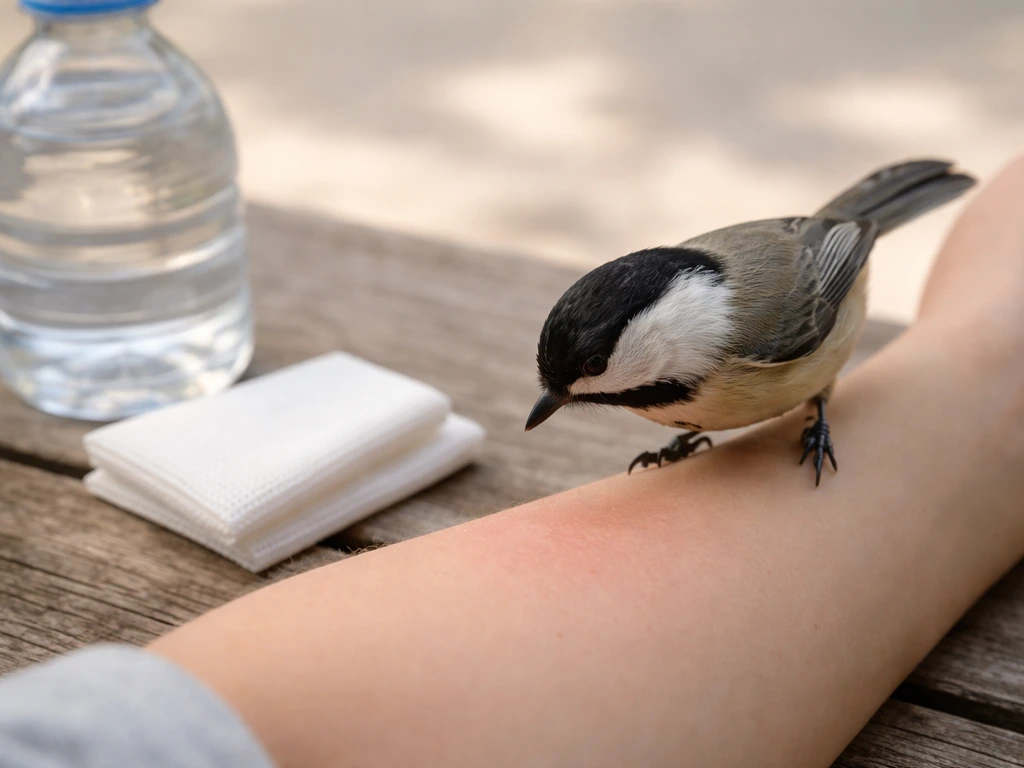
Bites vs. pecks vs. scratches: which one actually hurts more?
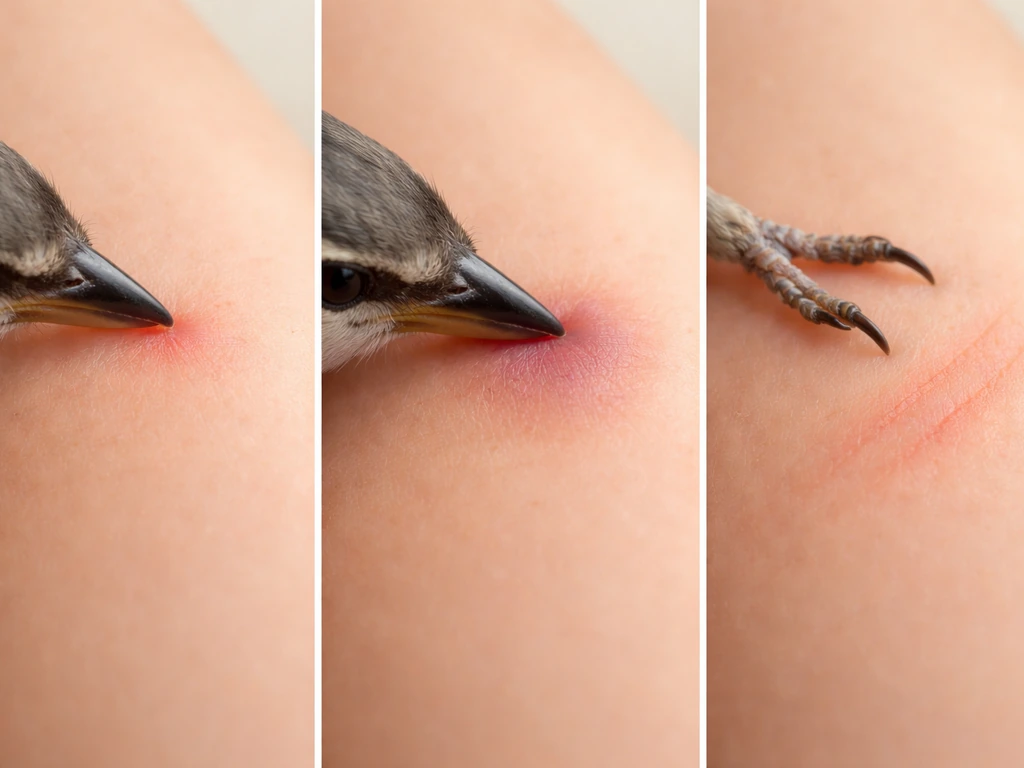
These three things feel very different and carry different risks, so it's worth separating them. A peck is typically a quick, closed-beak tap used as a warning. It stings, may leave a small red mark, and is rarely an injury. A bite is a sustained clamp with the beak, sometimes accompanied by a twist or pull, and that's where real tissue damage happens. A scratch from a bird's talons, especially from raptors, can cut surprisingly deep despite looking like a surface wound.
Pain intensity scales pretty directly with beak force and beak size. Small parakeets and cockatiels typically produce a sharp pinch that fades in minutes. Medium parrots like African greys and Amazons can break skin reliably and leave bruising. Large macaws and cockatoos can exert enough force to cause lacerations, crush injuries, or even fractures of small finger bones. A published case report in the medical literature documents acute compartment syndrome of the hand after an African grey parrot bite, where pain and swelling increased dramatically over the day and spread to the wrist, ultimately requiring specialist evaluation. That's a genuine outlier, but it illustrates why "it's just a parrot bite" isn't always the right framing.
Raptors occupy their own category. Talons, not beaks, are the primary weapon, and their grip force combined with curved claws can produce deep puncture wounds that look small on the surface but penetrate well into tissue. If you're curious about whether a bird can actually bite with enough force to cause structural damage, the short answer is yes, for the larger species.
For context, here's a rough comparison across the main categories:
| Bird Type | Typical Sensation | Skin Break? | Bruising/Swelling Risk | Structural Damage Risk |
|---|---|---|---|---|
| Small parakeets, finches | Sharp pinch or sting | Rarely | Minimal | Very low |
| Cockatiels, lovebirds | Moderate pinch, may sting for minutes | Occasionally | Minor | Low |
| African greys, Amazons | Significant pain, pressure | Commonly | Moderate | Low to moderate |
| Macaws, cockatoos | Severe pain, crushing sensation | Almost always | Often significant | Moderate (fracture possible) |
| Geese, swans | Blunt force pinch with twist | Sometimes | Bruising common | Low but possible |
| Raptors (hawks, owls, eagles) | Deep, intense puncture pain | Yes | Significant | Moderate to high (talons) |
Scratches from bird claws are often underestimated. They tend to look minor but can introduce bacteria just as effectively as a bite. If you're wondering what happens if a bird scratches you, the infection risk and wound-care approach is very similar to a bite, so treat any scratch that breaks skin with the same seriousness.
What to do right away: first aid steps at home
The goal in the first few minutes is to reduce infection risk and assess how serious the wound actually is. Here's the sequence:
- Control any bleeding first. Apply gentle direct pressure with a clean cloth or gauze. Most bird bites stop bleeding within a few minutes. If it doesn't stop after 10 minutes of steady pressure, that's a reason to get medical care.
- Wash the wound thoroughly. For bites that aren't bleeding severely, MedlinePlus recommends washing with mild soap and running water for 3 to 5 minutes. Don't rush this step.
- If there's any concern about infectious disease exposure or the wound is more than superficial, extend that wash time significantly. WHO's guidance on rabies first aid recommends flushing wounds with soap and copious water for about 15 minutes, and while birds cannot carry rabies (more on that below), this level of washing is sound practice for any animal bite.
- Apply an antiseptic such as diluted povidone-iodine or a simple antibiotic ointment after washing.
- Cover the wound with a clean bandage.
- Note the time, the bird species, and the circumstances of the bite. This matters if you need medical care later.
- Monitor for the first signs of infection over the next 24 to 72 hours.
The CDC's general guidance for wildlife-related injuries also emphasizes washing with soap and water immediately and then contacting a medical professional, which is sensible advice for any bite that actually breaks the skin. The washing step is not optional, it's the single most important thing you can do in the first few minutes.
When to stop treating it yourself and get medical help
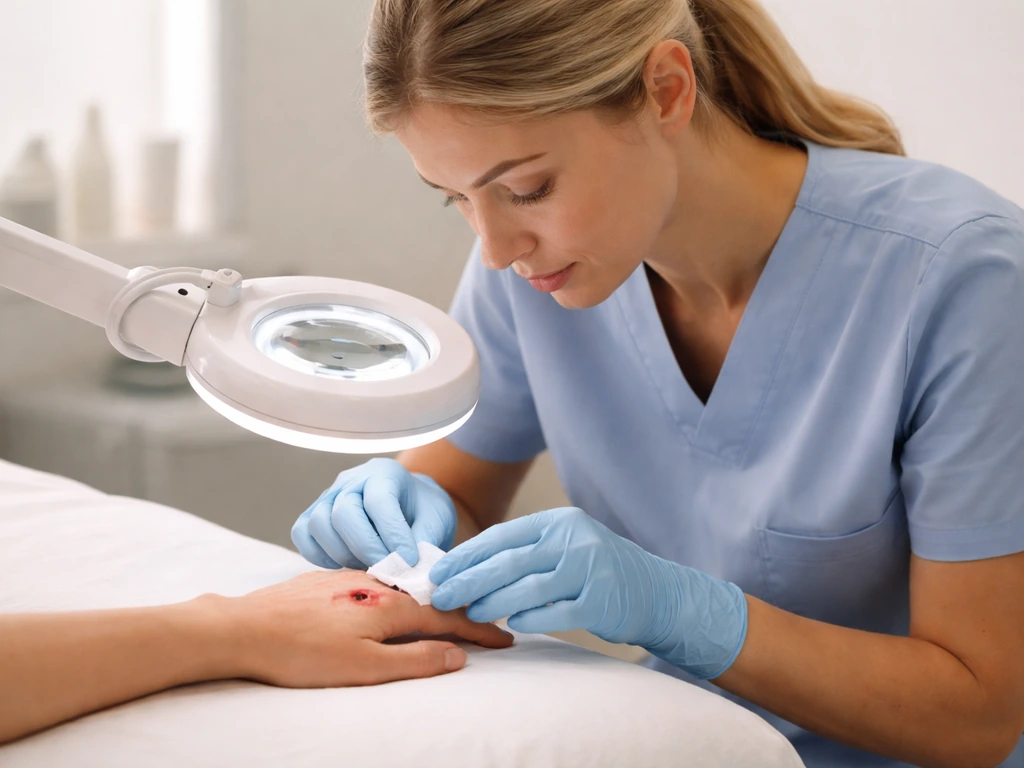
Most bird bites from small pet birds can be handled at home with the steps above. But there are clear situations where you need a medical professional, and some of them are more urgent than others.
Get care the same day (or go to urgent care now) if:
- The bite is a deep puncture wound, especially if you can't clearly see the bottom of it
- The bite is on your hand, fingers, face, or neck (MedlinePlus specifically calls out these locations as warranting prompt contact with a health care provider)
- You notice significant swelling, bruising, or reduced range of motion in the area within hours of the bite
- You can't control bleeding after 10 minutes of direct pressure
- You're not sure how serious it is (Mayo Clinic's guidance is direct on this: if you're uncertain, get it checked)
- The wound looks like it might need stitches
- You haven't had a tetanus booster in the past 5 years and the wound is deep or contaminated
Go to the emergency room if:
- Pain is severe or rapidly worsening after the initial bite (this can signal compartment syndrome or deep tissue injury)
- You develop a fever above 38°C (100.4°F) within 24 to 72 hours
- Red streaks appear radiating outward from the wound (this is a sign of spreading infection/lymphangitis and is a genuine emergency)
- The wound develops pus or produces fluid
- You feel unwell systemically, with chills, fatigue, or flu-like symptoms
Hand bites deserve special mention. The anatomy of the hand is compact, with tendons, nerves, and synovial sheaths very close to the surface. StatPearls notes that bite wounds on the hand carry increased infection risk compared to other locations, and even a puncture that looks small can introduce bacteria into a tendon sheath. StatPearls notes that bite wounds on the hand carry increased infection risk compared with other locations, and even a puncture that looks small can introduce bacteria into a tendon sheath blank" rel="noopener noreferrer">StatPearls notes infection risk is higher for bite wounds on the hand. One clinical case report in the literature describes significant hand morbidity concerns after a parrot peck, with imaging required to rule out deeper damage. Hands are not the place to adopt a "wait and see" approach for anything beyond a very superficial break in skin. Understanding what happens if a bird bites you on the hand specifically, versus other parts of the body, really does change the urgency calculation.
The tetanus question
Bird bites fall into the category of animal bites that the CDC classifies as higher tetanus risk, particularly because beak wounds can be puncture-type injuries and because bird saliva can introduce contamination. The CDC's wound management guidance is clear: deep puncture wounds and animal bites warrant attention to tetanus vaccination status. Mayo Clinic puts it practically: if you haven't had a tetanus shot in the past 5 years and the wound is deep or dirty, a booster may be recommended. If you're unsure whether you need a tetanus shot after a bird bite, the answer almost always depends on your vaccination history and wound depth, which is exactly why checking with a provider makes sense for anything that's more than a surface scratch.
The rabies question (and why birds are different from mammals)
This comes up a lot, and the answer is reassuring: birds cannot get or transmit rabies. DC Health explicitly lists birds among the animals (alongside turtles, lizards, fish, and insects) that are not capable of carrying rabies. So unlike a bite from a bat, raccoon, or stray dog, a bird bite does not require rabies post-exposure prophylaxis assessment. That said, the CDC notes that for mammal bites in certain travel or wildlife contexts, rabies PEP is urgent and must be given before symptoms develop, so if you're ever unsure what bit you, you treat it as mammal-risk until confirmed otherwise.
Psittacosis: the less-talked-about bird bite risk
There's one infection worth knowing about that's specific to bird exposure: psittacosis, also called ornithosis. It's caused by Chlamydophila psittaci and is primarily transmitted by inhaling particles from infected bird droppings or secretions, though direct exposure from a bite can also be a route. A review in American Family Physician lists it among pet-related infections clinicians consider after bird exposures. OSHA notes it's an occupational concern for people working regularly with birds. Symptoms resemble flu or atypical pneumonia and can appear one to four weeks after exposure. If you develop respiratory symptoms, fever, or feel genuinely unwell in the weeks after a bird bite or significant bird contact, mention the bird exposure to your doctor, because it changes what they look for. Massachusetts public health guidance suggests contacting a veterinarian if psittacosis is suspected in a bird, since it's a reportable condition in both birds and humans in many states. It's not common after a single bite from a healthy pet bird, but it's worth knowing exists.
Why birds bite in the first place
Understanding bite risk is genuinely useful for preventing the next one. Birds bite for a specific set of reasons, and almost all of them come back to stress, fear, or communication failure. A bird that bites is usually a bird that felt it had no other option.
The most common triggers include territorial behavior (especially during breeding season), defending a nest or chicks, fear responses to sudden movement or unfamiliar people, overstimulation during handling (a bird that was fine two minutes ago can hit a threshold fast), hormonal changes in parrots, and pain or illness. Wild birds, including those around airport environments where aviation professionals encounter them, typically bite only as a last resort when cornered, caught, or perceived as threatened.
With pet parrots specifically, bite behavior often develops because early warning signals, things like pinned eyes, raised feathers, or a tense posture, were missed or ignored. Phoenix Landing Foundation recommends a straightforward avoidance tactic: if a parrot is showing signs of imminent biting, walk away and come back later rather than forcing the interaction. ThinkParrot notes that when body-language warnings are consistently ignored, birds learn to skip the warnings and go straight to biting. Reading the bird's signals before the bite happens is the most effective prevention there is.
The medical literature supports the idea that "apparently small bites" can have outsized consequences. The compartment syndrome case report mentioned earlier is a useful reminder that the mechanism of a beak injury (deep puncture, with potential for introducing bacteria into closed tissue spaces) doesn't always match the external appearance of the wound.
If you've ever wondered what happens if a bird gets your hair, that's usually a threat display or exploratory behavior rather than a true attack, but it's a signal the bird is agitated and a bite may follow if the situation escalates.
How to assess the wound and watch for infection in the days after
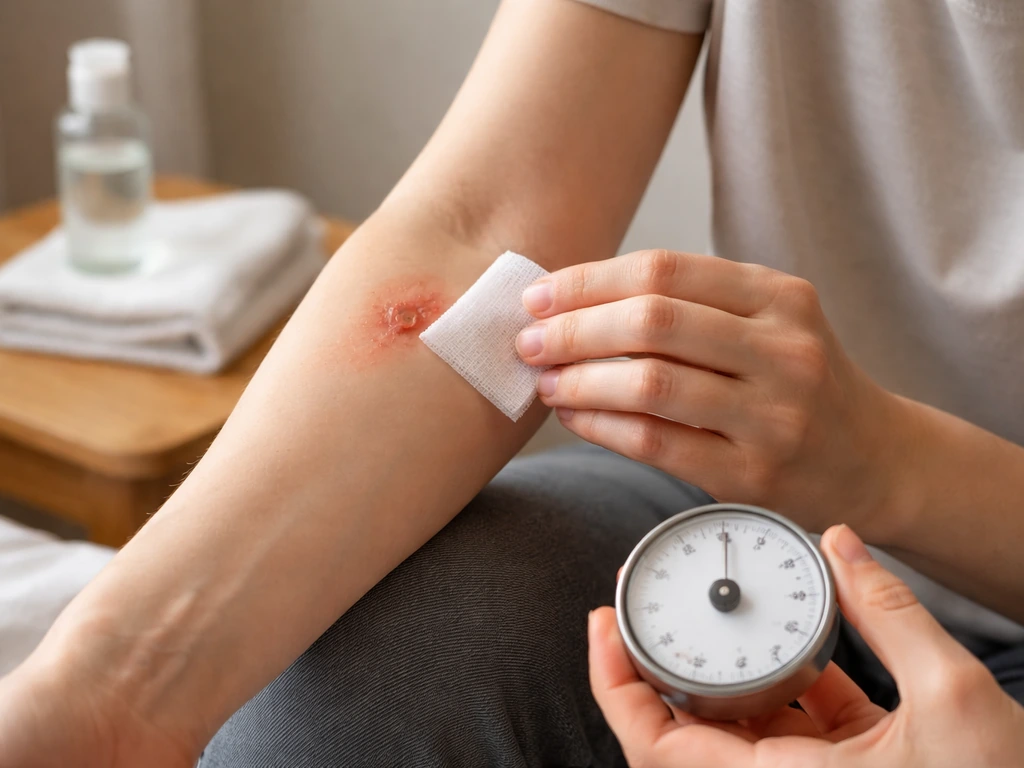
Once the immediate first aid is done, your job is to monitor the wound for the next several days. Most infections from bird bites show signs within 24 to 72 hours, though some can take longer.
NHS Inform provides a clear list of infection warning signs: increasing redness or warmth around the wound (beyond the first few hours), swelling that's getting worse rather than better, pus or fluid draining from the wound, fever at or above 38°C (100.4°F), and red streaks radiating outward from the bite site. That last one, red streaks, is the sign that infection is spreading through lymphatic channels and requires emergency care, not a wait-and-see approach.
StatPearls classifies bite wound complications to include abscess, cellulitis, and lymphangitis, with infection risk varying by location, wound characteristics, and how quickly treatment was sought. People with diabetes, immunosuppression, or poor circulation face higher infection risk from any bite wound.
A practical monitoring framework: check the wound morning and evening for the first three days. Note size of any redness or swelling. If both are clearly decreasing by day two, you're on track. If either is increasing at any point, or if you develop fever or feel systemically unwell, get evaluated. The question of whether a bird bite is dangerous almost always comes down to this monitoring window and whether infection takes hold.
Something that often gets misread: some redness and minor swelling in the first 12 hours is a normal inflammatory response to any wound. Warmth and mild tenderness at the site on day one is not automatically alarming. What you're watching for is the trend: improving is fine, worsening is the signal to act. Understanding the full picture of what a bird bite is called medically, and how clinicians categorize wound types (lacerations, punctures, avulsions, crush injuries), can help you communicate clearly with a provider if you do go in.
Preventing bites and handling birds more safely
For pet bird owners, the most effective prevention is learning to read body language before the bite happens and not pushing interaction when a bird is clearly agitated. Approach slowly, give the bird control over the interaction when possible, avoid reaching into cages abruptly, and don't handle birds when they're showing clear stress signals. For new birds or rescue birds, expect an adjustment period where bite risk is higher.
For people who work with raptors or handle wild birds, the Raptor Center at the University of Minnesota advises using appropriate personal protective equipment for every handling session, including thick leather gloves and safety glasses. Gloves rated for raptor handling are not the same as ordinary work gloves. Talon punctures through inadequate gloves are a common source of injury even for experienced handlers.
For aviation professionals and wildlife managers who encounter birds in the field (including during aircraft wildlife hazard management), the same principles apply: minimize cornering situations, use appropriate PPE, and never assume a bird is too small to cause meaningful injury. Even medium-sized birds can produce a memorable bite when handled incorrectly.
General safe-handling principles that reduce bite risk across all contexts:
- Move slowly and predictably around birds, especially those that are unfamiliar or stressed
- Never reach into an enclosed space (cage, box, nest) without proper gloves and visibility
- Avoid face-level interaction with large birds, since bites near the face carry additional medical considerations
- Don't force handling when a bird is showing avoidance behavior
- For parrots specifically: respond calmly and without dramatic reaction when bitten, since overreacting can reinforce biting behavior
- Keep children supervised around any bird capable of breaking skin
- Wash hands after any bird contact, not just after bites, to reduce transmission risk from droppings or secretions
The bottom line on bird bites: they're not all the same, and the right response scales with the injury. A small nip from a pet bird that doesn't break skin needs basic hygiene and nothing more. A deep puncture from a large parrot or raptor on the hand or face needs same-day medical evaluation. Most situations fall somewhere between those two, and using the monitoring framework above will tell you which way things are trending.
FAQ
How can I tell if a bird bite actually broke the skin?
Look for anything more than a surface mark, like visible puncture points, bleeding, broken skin edges, or a wound that needs a bandage to cover. If you cannot tell, treat it as a skin break if you see any puncture, scabbing developing quickly, or persistent tenderness, especially on the hand, face, or near joints.
Should I remove any visible beak material or debris from the wound myself?
If there is loose debris you can gently rinse away with running soap and water, do that. Do not dig, scrape, or probe punctures, because deeper contamination can be driven in. After rinsing, cover with a clean dressing and get medical advice if it was a puncture or you cannot fully clean it.
Is it okay to put antibiotic ointment or a bandage on a bird bite at home?
For minor nicks or scratches that you can clean and that are not deep, a thin layer of topical antibiotic and a clean dressing can be reasonable. For punctures from bites, avoid closing or tightly sealing the skin yourself, because trapped bacteria can worsen infection risk; same-day evaluation is often the safer choice.
What tetanus shot should I get, and how do I decide if I need a booster?
The decision hinges on how long it has been since your last tetanus vaccine and how dirty or deep the wound is. If you are past the recommended interval and the injury is deep or puncture-like, you likely need a booster, even if you usually keep up with vaccinations. If you have uncertain records, contact a clinician promptly rather than waiting.
Do bird bites require stitches or closure?
Sometimes, but not always. Puncture wounds and crush-like injuries are commonly left open or loosely covered to reduce infection risk. If the wound edges are gaping, the hand or face is involved, or it is a deep clamp injury, have it assessed early because closure decisions are time-sensitive.
What are the most concerning symptoms after a bird bite that should trigger urgent care?
Get urgent care if redness is spreading after the first day, swelling is increasing rather than settling, pus or cloudy drainage appears, you develop fever, or you notice red streaks moving away from the wound. Also treat worsening pain, numbness, or trouble moving a finger as urgent, particularly after hand bites.
Can bird bites cause fractures or tendon injuries even when the wound looks small?
Yes. A beak puncture can transmit force and introduce bacteria into deeper tissue planes, and a hand puncture can affect tendons or synovial spaces. If pain is severe, finger movement becomes limited, sensation changes, or swelling ramps up over hours, get evaluated for deeper injury.
If I don't develop infection in 24 to 72 hours, am I in the clear?
Not always. Many infections show up within that window, but delayed cellulitis or deeper abscesses can occur, especially with punctures and hand wounds. Continue monitoring for several days and do not ignore new fever or increasing swelling later, particularly if the wound was deep or you have higher-risk conditions like diabetes or immunosuppression.
Do bird bites cause rabies, and do I need rabies shots?
Birds are not capable of carrying rabies, so rabies vaccine or rabies post-exposure prophylaxis is typically not needed for a bird bite. The exception is when you are not sure what animal caused the injury or you suspect a mammal bite, then you should treat it as mammal-risk until clarified by medical care.
What should I do if I start feeling sick days after the bite, like fever or flu symptoms?
If you develop fever, respiratory symptoms, or you feel noticeably unwell within the following weeks, mention the bird exposure when you seek care. Symptoms can resemble common illnesses, but clinicians may consider exposure-related infections, including psittacosis, based on your timeline and the amount and type of bird contact.
Is infection risk higher for certain people after a bird bite?
Yes. People with diabetes, poor circulation, immune suppression, chronic steroid use, or other conditions that impair healing have a higher risk of complications. If you fall into a higher-risk group, err toward earlier medical assessment, especially for puncture-type bites or any bite on the hand.
Should I change what I do for pain control after a bird bite?
Generally you can use standard pain relief as directed on the label, but avoid masking symptoms so severely that you delay evaluation if the wound worsens. If you have significant swelling, fever, or increasing pain after the first day, pain control is not a substitute for being checked.
How can I prevent biting from happening again in a household with a pet bird?
Use bird body language as the decision point, not your expectations. If the bird shows pinned eyes, tense posture, raised or fluffed feathers, or moves toward a striking stance, end the interaction and give space. Also avoid sudden hand movements near the head or reaching into cages when the bird is already stressed.