The "opium bird" is not a real species. It is an AI-generated creature from a viral internet hoax, most commonly described as a 14-foot-tall bird-like animal supposedly spotted in Antarctica. Univision notes that the viral “opium bird” meme is tied to AI fabrication and TikTok-era hoax sharing, rather than being a biological animal [AI-generated creature from a viral internet hoax](https://www. univision.
Is Opium Bird Dangerous? Risks to People, Pets, and Planes

Marcus Whitmore
3 Jun 2026
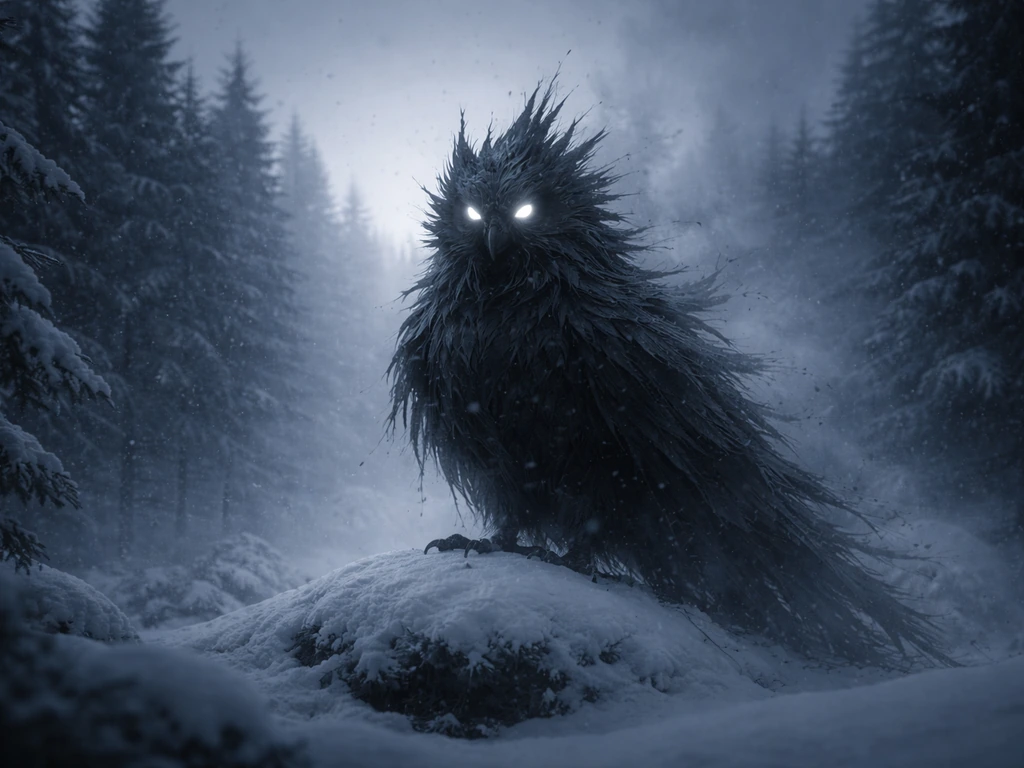
com/entretenimiento/cultura-pop/ave-gigante-antartida-causa-temor-furor-redes-video-viral). Fact-checkers including Lead Stories have confirmed the videos are fabricated. So if you are asking whether the opium bird is dangerous, the honest answer is: it cannot hurt you, your pets, or any aircraft, because it does not exist outside of AI-generated imagery and TikTok meme culture. Is the Duolingo bird dangerous?
Like the opium bird, it is a fictional character, and there is no real-world danger associated with it.
What the "opium bird" actually is
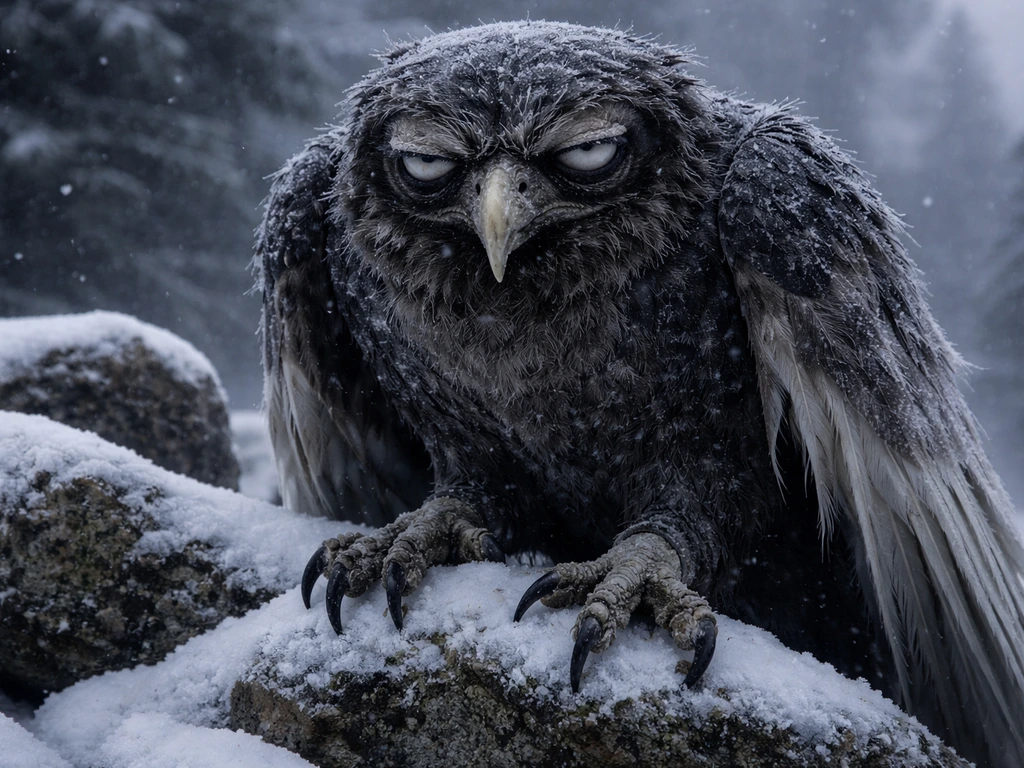
The opium bird, also called the "erosion bird" in some corners of the internet, originated as an AI-generated image of a monstrous bird-like creature perched on a snow-covered mountain. Know Your Meme documents it as a meme and AI creation, not a biological animal. The viral videos that spread the story frame it as a secret Antarctic discovery, a government conspiracy, or a prehistoric species, but none of that holds up. There is no recognized species in any field guide, wildlife database, or ornithological record that carries the name "opium bird." Multiple fact-checking investigations have confirmed the footage is fabricated.
This matters because the name sounds specific enough that people reasonably wonder if it is a regional or folk name for a real bird. It is not. Unlike the shoebill, which genuinely looks prehistoric and does have documented aggressive behavior, or the myna bird, which raises real questions about disease transmission, the opium bird has no biological counterpart. There is no taxonomy, no range map, no documented behavior. It is a meme that convincingly mimics the format of a wildlife discovery story.
Is it dangerous to people?
Since the opium bird is not a real animal, there are zero verified cases of it biting, scratching, transmitting disease, or producing any toxin. Claims that it carries "opium" or some psychoactive substance are part of the fictional framing of the meme, not biology. No credible toxicology or ornithology source documents any bird species that produces or transmits an opium-like compound through contact, and the opium bird is no exception because it simply does not exist.
That said, if the reason you are here is because you encountered an unfamiliar large bird and someone called it an "opium bird," the general human-risk picture for large, unknown birds is worth knowing. If you are asking whether a falcon is dangerous, it is helpful to understand how real predatory birds behave and what precautions to take unfamiliar large bird.
If you want to know whether a “Turkey bird” is dangerous, the safest approach is to treat any unfamiliar bird as potentially risky until you can confirm what it is large, unknown birds. Any real bird can bite or scratch. Large species like raptors, herons, or cassowaries can cause serious lacerations. Disease risks from real birds include histoplasmosis (from droppings), psittacosis, and salmonella.
If you were actually bitten or scratched by a real bird, treat it as you would any animal contact: clean the wound immediately with soap and running water for at least 20 minutes, assess the severity, and see a clinician to evaluate infection risk. CDC Yellow Book advises that if you are bitten or scratched by an animal that could transmit rabies, preventive treatment for rabies should be started immediately after exposure when indicated.
What about pets, specifically cats and dogs?
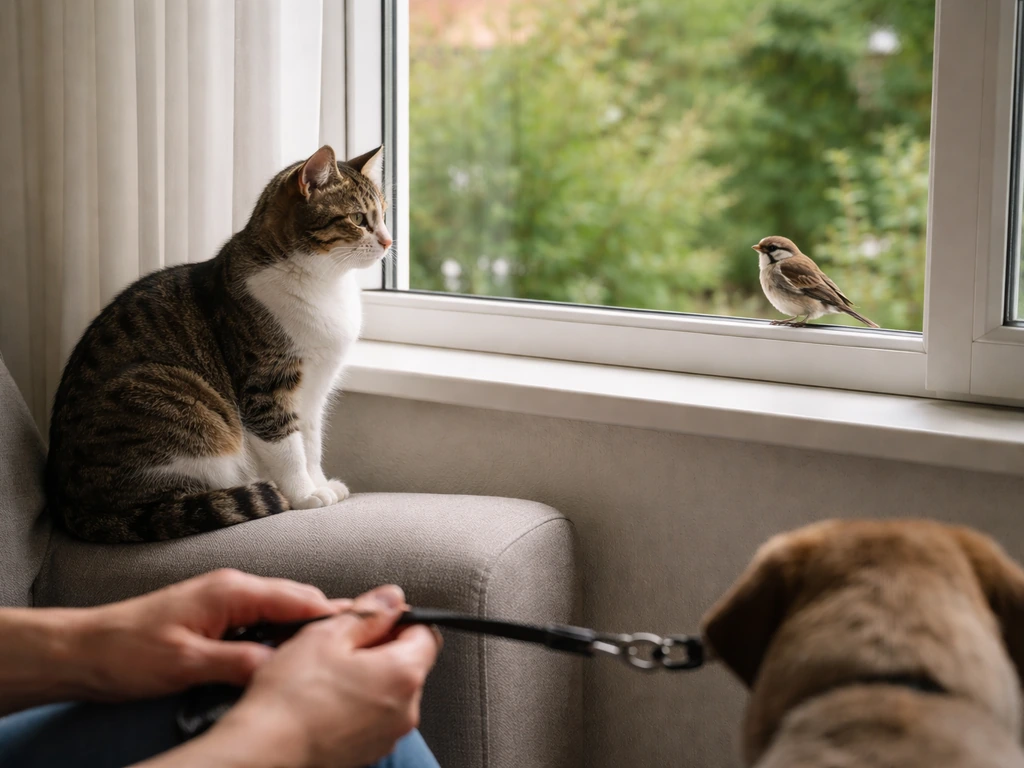
The opium bird poses no risk to pets for the same reason it poses no risk to people: it is not real. However, if your cat or dog has had contact with an actual wild bird and you are trying to figure out what to do, the guidance is straightforward. Wild bird bites and scratches on pets can introduce bacteria. Avian parasites like mites can transfer to domestic animals in close contact.
The AVMA recommends consulting a veterinarian immediately after a pet has been bitten by a wild animal, washing the wound area, and reporting the incident. Watch for signs of infection in your pet over the following 48 to 72 hours: swelling, redness, discharge from a wound, lethargy, or loss of appetite.
General CDC wildlife guidance also applies here: keep pets from interacting with wild birds when possible, wash your hands after handling anything a wild bird has been in contact with, and do not let pets eat wild bird carcasses. None of this is specific to the opium bird because the opium bird is not a thing your pet will encounter.
Aviation and wildlife safety: is there a bird strike risk?
Aviation professionals sometimes search for unusual or large bird species to assess strike risk, flocking behavior, and migration corridors. The opium bird does not appear in any wildlife strike database, FAA wildlife hazard assessment, or ornithological survey because it has never been documented as a real species. There is no flocking pattern, no migration route, no habitat range, and no body mass to plug into a bird strike risk model.
If you are doing wildlife hazard assessments for an airport or flight operation and someone flags the "opium bird" as a concern, you can confidently set it aside. It is AI-generated content, not a recognized avian hazard. The real focus for aviation wildlife safety remains on documented species with confirmed presence in your region, particularly those with large body mass, flocking behavior, or strong attraction to airport habitats.
Myths vs. facts about the opium bird
| Claim | Reality |
|---|---|
| The opium bird is a real Antarctic species | False. No such species exists in any ornithological record or wildlife database. |
| Videos show a genuine 14-foot bird | False. Verified fact-checks confirm the footage is AI-generated or otherwise fabricated. |
| It produces or carries an opium-like substance | False. No bird species is known to produce or transmit any opiate compound. This is fictional framing. |
| It is a government-concealed creature | False. This is a common conspiracy framing used to make AI hoaxes seem credible. |
| Any bird can pose some health or safety risk | True. Real birds can bite, scratch, carry disease, and in rare cases cause serious injury. These risks apply to actual species, not this meme. |
The reality is that the harm from the opium bird story is not physical. It is informational. People share fabricated wildlife content that looks convincing, and it erodes trust in legitimate conservation science and wildlife safety messaging. The format of the hoax, a huge undiscovered creature filmed in a remote location, is a recurring template for AI-generated misinformation. Recognizing the pattern helps you avoid wasting time on it.
How to quickly assess risk when you spot an unfamiliar bird
If you are outdoors and see a large or unfamiliar bird and want to assess risk quickly, location, behavior, and time of year all matter more than a name someone gave it online. A large bird that is standing its ground, vocalizing aggressively, or repeatedly dive-bombing is worth backing away from regardless of species. Nesting season (generally spring through early summer in the Northern Hemisphere) is when most bird aggression toward humans spikes. Birds near water, food sources, or chicks are far more likely to be defensive.
- Stay at least 30 to 50 feet from any large wild bird you cannot identify
- Do not attempt to feed, touch, or corner it
- If a bird charges or dive-bombs you, cover your head and move away calmly without running
- Avoid approaching nesting sites, even if the bird appears calm
- If you are in a region with cassowaries, ostriches, emus, or large raptors, treat any approach as a genuine hazard
What to do if you have a real exposure or bite
If a real bird (not a meme) has bitten or scratched you and broken the skin, here is what to do immediately:
- Wash the wound with soap and running water for at least 20 minutes. This is the single most effective first step for reducing infection risk from any animal bite or scratch.
- Control bleeding with clean cloth or gauze and gentle pressure.
- Do not close or tape the wound shut before a clinician has assessed it. Deep puncture wounds from bird talons, in particular, can trap bacteria.
- See a doctor or urgent care clinician, especially if the wound is deep, on your face or hands, or if you have not had a tetanus booster in the last five years.
- Describe the bird as accurately as possible: size, color, behavior, and location. This helps the clinician assess rabies risk (low for birds but not zero in all regions) and other zoonotic exposures.
- If your pet was the one bitten, call your veterinarian, wash the wound area, and follow their guidance on wound care and monitoring.
Who to contact
For an actual wildlife encounter with an aggressive or injured bird, your first call should be to your local wildlife rehabilitation center or animal control agency. They can safely handle and identify the bird, assess whether it poses a public health risk, and coordinate with wildlife authorities if the species is protected.
For a human bite or scratch that breaks skin, a clinician is the right next call, not a poison control line (unless the bird was confirmed to have been in contact with a pesticide or chemical). For a pet exposure, your veterinarian or an emergency animal hospital can advise on wound care and any needed treatment. The opium bird specifically?
And if you are wondering whether the Duolingo bird actually kills you, the answer is no because it is just part of the same fabricated meme story The opium bird specifically? . You can safely ignore every claim about it. It is not real, and no authority, wildlife agency, or medical institution has any protocol for it.
FAQ
How can I tell if a “real” opium bird clip is fake before it spreads to my feed?
Look for AI artifacts and production tells, like overly smooth motion, inconsistent feather edges, unclear scale cues, and background lighting that changes between frames. Viral hoax videos also commonly use vague locations, delayed “official confirmation,” and blur any identifying features, like beak shape or leg proportions.
If someone says the opium bird is in Antarctica, does that make it any more plausible?
No. A claim that it was discovered in a remote place does not create evidence. Real species records require specimens, documented observations, or credible photographic identification with taxonomic context, none of which has been provided for the opium bird.
What should I do if I see a large, unknown bird outside and someone insists it is an “opium bird”?
Ignore the label and use the safety approach for unknown large birds: increase distance, avoid sudden movements, keep kids and pets close, and do not approach for photos. If the bird is repeatedly dive-bombing or defending a nest or young, leave the area and wait for it to stop.
Can the “opium” part of the story mean it is chemically dangerous?
No for the opium bird meme. The name refers to fictional framing, not a documented biological toxin or psychoactive compound. Even so, with any real animal contact, do not handle unknown wildlife or secretions, and wash hands afterward.
Is there any reason to involve poison control after contact with an “opium bird”?
Only if there is a real chemical exposure you can point to, like pesticides, contaminated surfaces, or known toxic substances. For bites, scratches, or feather contact from an actual wild bird, the more appropriate step is medical or veterinary evaluation and thorough wound cleaning.
If my pet ate or mouthed something from a wild bird, do I treat it differently than a normal wild-bird exposure?
Treat it as a normal wild-bird exposure risk regardless of the meme name. Prevent further scavenging, clean the pet’s mouth/coat if contaminated, call your veterinarian promptly, and monitor for vomiting, lethargy, diarrhea, or abnormal behavior over the next 24 to 72 hours.
Does the opium bird story matter for airline or airport safety planning?
No. Aviation wildlife risk depends on confirmed, regionally relevant species with measurable body mass, behavior, and documented strike history. A fictional AI creature should not be added to threat models or mitigation plans.
What information should I collect if a real bird bite or scratch happens so clinicians can assess risk faster?
Note the location of the injury, whether bleeding was present and if skin was broken, the time since exposure, photos if possible, and any details about the bird’s appearance (species if known, or distinguishing traits). Tell the clinician it was a wild bird encounter so they can consider infection risk and tetanus status.
Can I safely share the “opium bird” story if it is clearly a meme?
It is safer to share with a correction or not at all. Even if it started as a hoax, people interpret it as real wildlife. Adding a brief clarification that it is fictional reduces the chance others chase misinformation or ignore appropriate safety steps around genuinely aggressive birds.