Falcons are not dangerous to healthy adult humans in any meaningful, day-to-day sense. They are predatory birds built to hunt small prey, not people. Myna birds can be risky too, so it helps to know whether is myna bird dangerous in your area falcons. That said, they can absolutely injure you under specific circumstances: a nesting falcon swooping your head, a captive bird gripping your hand with its talons, or a wild bird cornered and panicking. The risk is real but narrow, and understanding exactly when and how it shows up makes it very manageable.
Is Falcon Bird Dangerous? Risks, Myths, and Safety Tips

Marcus Whitmore
27 Jun 2026
What people mean by 'falcon' (and why it matters)
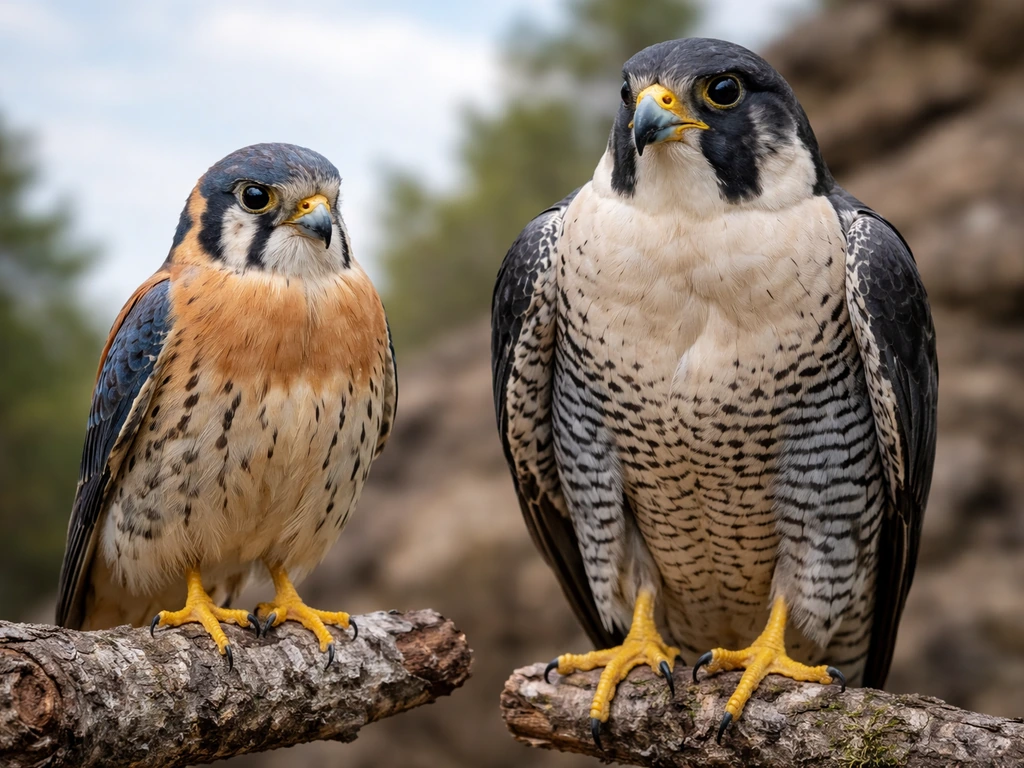
The word 'falcon' covers a surprisingly wide range of birds. The American kestrel is only about 9 inches long and weighs roughly 4 ounces. A peregrine falcon can be 15 to 20 inches long and weigh up to 3.3 pounds. The gyrfalcon, the largest falcon species, can hit 4 to 5 pounds with a wingspan over 4 feet. These are not the same animal in any practical safety sense, and the FAA's wildlife strike database actually tracks them as separate categories: 'Falcons, caracaras,' 'Peregrine falcon,' 'Merlin,' and 'American kestrel,' among others, precisely because their size and behavior differ enough to matter.
All true falcons share a genus (Falco) and a general body plan: pointed wings, notched beak, and strong feet with sharp talons. They are pursuit predators, built for speed in open air. Peregrine falcons are the fastest animals on Earth in a dive, reaching over 240 mph. That speed and those talons are the primary physical hazard to humans, but context is everything. A small kestrel poses a very different level of risk than a peregrine or a gyrfalcon used in falconry. Duolingo’s mascot bird is best viewed as a playful character, but real birds still follow the same general safety rules around wild animals Duolingo bird.
How dangerous are falcons to people, really?
For the vast majority of people, the honest answer is: not very. Falcons do not target humans as prey. They do not have the territorial aggression of, say, a cassowary or even an angry turkey (which can actually be quite bold toward people). Turkey can actually be quite bold toward people, so it is worth thinking about bird safety in a broader way than just falcons. Documented cases of falcons seriously injuring people are rare and almost always involve one of three scenarios: handling a captive bird without proper equipment, getting too close to an active nest, or a distressed wild bird that has nowhere to go.
The CDC is direct about the general principle: when people get too close to wild animals, they risk hurting themselves or the animal. That applies to falcons. The bird's first instinct when threatened is to escape, not attack. Aggression toward humans is almost always defensive, not predatory. Still, 'defensive' talon strikes and bites can cause real injuries, and those injuries deserve a clear-eyed look.
The actual injury pathways: talons, beak, bites, and falls
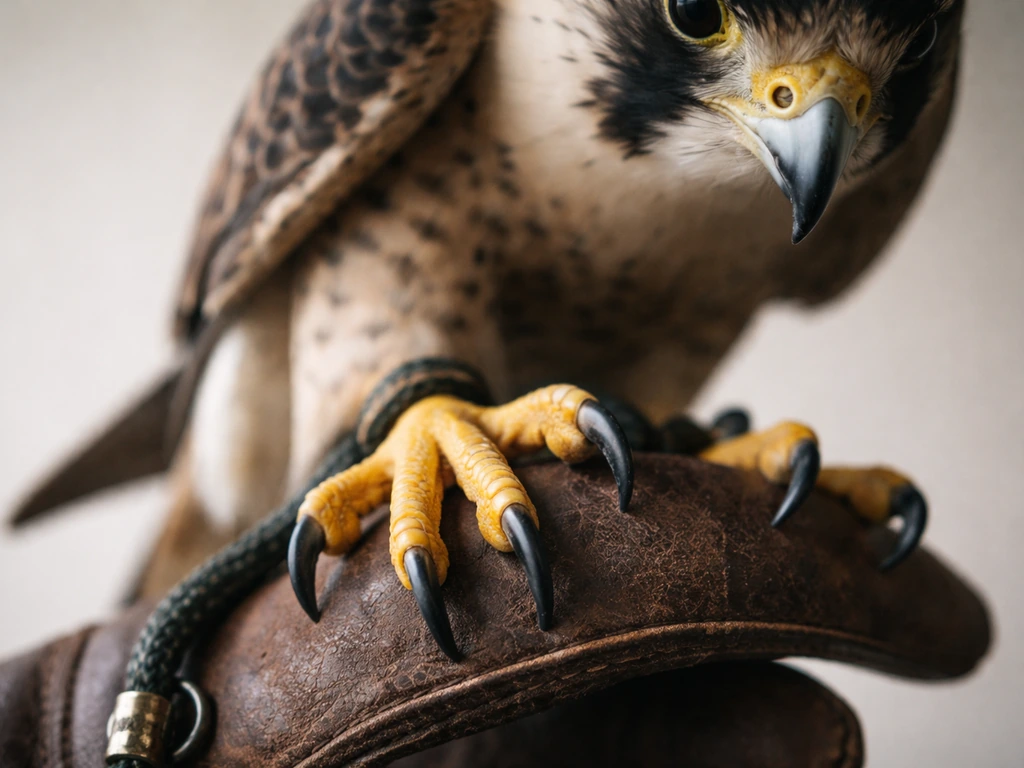
Falcon injuries to humans fall into a few consistent categories, and the medical literature is pretty informative here. A clinical study of falconry-related injuries in Qatar found that hands and face are the most commonly injured body parts in falcon-related incidents. Hands make sense: that is where the bird lands, grips, and bites when mishandled. The face is more alarming but also well-documented.
Eye injuries are a specific documented risk. Case reports in peer-reviewed literature describe penetrating eye injuries caused by birds, with the face and eyes identified as favored strike sites during human-bird encounters. Even a corneal scratch from a talon or beak tip is a serious medical issue. Falconers know this well, which is why experienced handlers wear protective equipment around larger birds.
Infection is the other major risk that people underestimate. A published medical case report documents a human hand developing cellulitis (a serious bacterial skin infection) after a predatory bird attack. The study emphasizes that the extent of the injury and the time to medical attention directly affect how complicated the outcome gets. Falcon beaks and talons are not sterile. Any puncture or significant scratch should be washed thoroughly, treated with antiseptic, and monitored. The U.S. Fish and Wildlife Service specifically advises that if a bird attack breaks the skin, the wound should be washed and treated with antiseptic promptly. Do not ignore it and hope for the best.
- Talon punctures and lacerations: most common in falconry handling and nest-proximity incidents; hands and arms are most exposed
- Beak strikes and bites: can cause cuts, bruising, or corneal scratches if the bird strikes toward the face
- Eye injuries: documented in both handling and wild encounter contexts; one of the more serious injury categories
- Infections: bacterial infections including cellulitis from puncture wounds; risk increases if treatment is delayed
- Falls and startle reactions: a sudden swooping bird can cause a person to stumble, fall, or step into traffic; indirect injury risk that is easy to overlook
Falcon attacks vs. predatory hunting: these are not the same thing
This distinction matters a lot. When a falcon 'attacks' a human, it is almost always a defensive behavior, not predatory hunting. The bird is not trying to eat you. It is trying to make you go away, usually because you are near its nest, its young, or it has been cornered. This is fundamentally different from the way a falcon hunts a pigeon or a starling, where it is pursuing prey it intends to kill and consume.
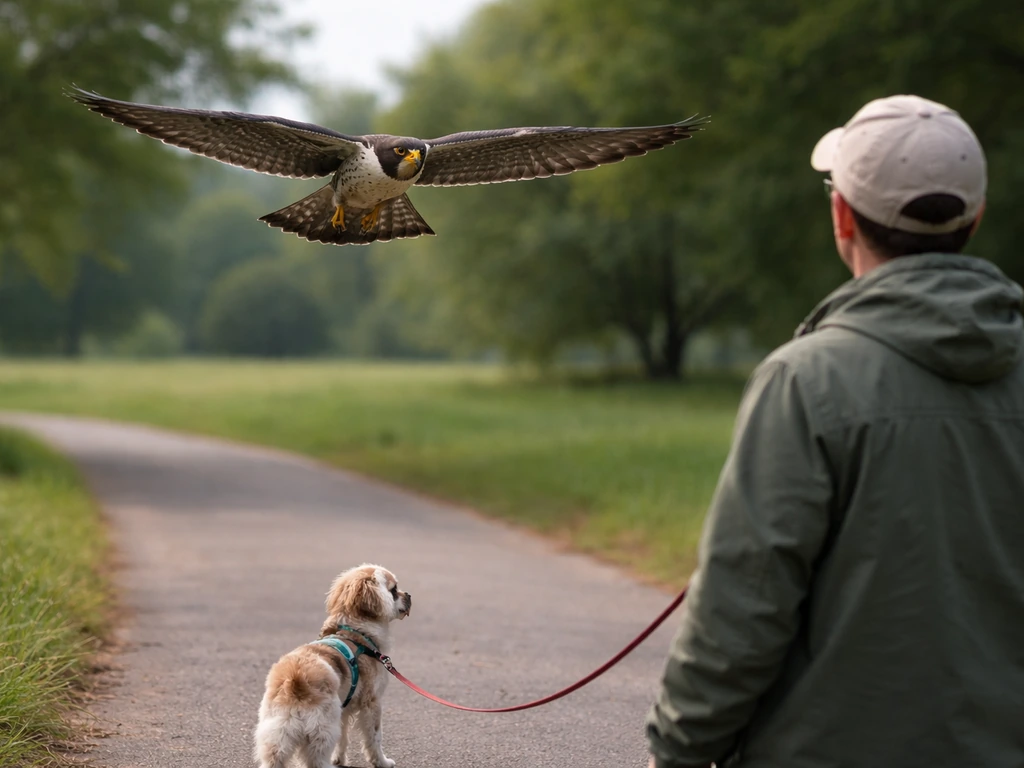
Predatory hunting involves a stoop (a high-speed dive), precision targeting, and follow-through with binding talons. A defensive swoop at a human is usually a warning pass: the bird flies close, sometimes rakes with its feet, and breaks off. Very small children and small pets occupy a different category, particularly with larger falcon species, because their size can trigger a predatory response rather than just a defensive one. A large peregrine or gyrfalcon could theoretically target a very small animal. That said, authenticated accounts of falcons successfully predating pets are uncommon, and the more typical result is harassment or a grazing strike rather than a kill.
When risk goes up: nesting season, handling, and feeding
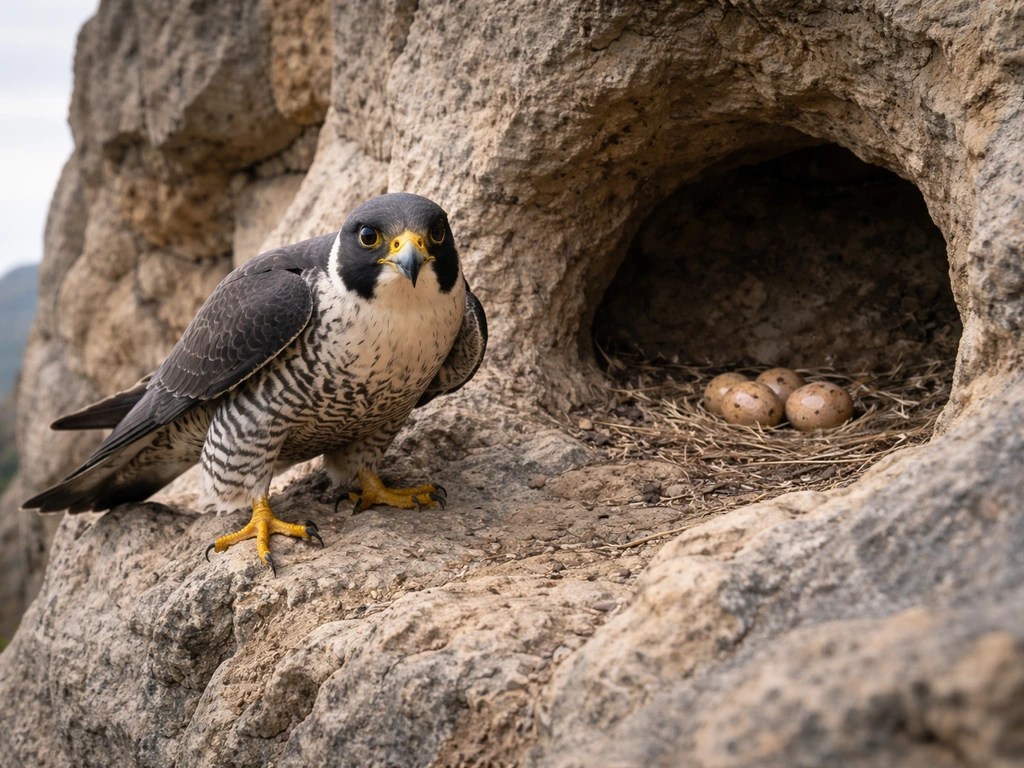
Timing and context drive most of the actual risk with falcons. The U.S. Fish and Wildlife Service is explicit that birds guarding a nest are significantly more likely to respond aggressively to people or animals that come too close. Peregrine falcons nest on cliff faces, bridges, and urban high-rise buildings, which puts them surprisingly close to human activity. Nesting season in North America runs roughly from late winter through midsummer, so late spring and early summer is when you most need to give nest sites a wide berth.
Handling a wild or injured falcon dramatically increases risk. A distressed bird, including one that is sick, poisoned, or injured, has unpredictable behavior and reduced ability to escape, which means it may bite or grip and hold rather than fly away. USGS case data includes peregrine falcons suspected of pesticide poisoning that became distressed in the wild, which changes how they behave around people. Distressed birds should be approached only by trained wildlife rehabilitators using proper gloves and equipment.
Feeding or attracting falcons near homes is not advisable and, in most jurisdictions, is restricted by wildlife protection law anyway. Repeatedly close approaches, whether intentional or from urban nest sites, habituate falcons to humans without reducing their defensive instincts. That is a bad combination. Captive falconry birds present their own handling risks, and even experienced falconers take talon injuries periodically. The Qatar clinical study found that injuries severe enough to require healthcare do occur in falconry contexts.
What to do if a falcon approaches you
Most wild falcon encounters are brief and end with the bird moving on. Here is what actually helps if one is acting aggressive or approaching repeatedly:
- Increase distance immediately. Move away from the area calmly and steadily. If the bird is defending a nest, you are simply too close, and retreating removes the trigger.
- Do not run erratically or flail. Sudden movements can escalate a defensive swoop into a contact strike. Move deliberately.
- Protect your head and face. If the bird is actively dive-bombing, raise an arm or hold a bag above your head. The goal is to make yourself look larger and cover vulnerable areas.
- Do not corner the bird. A falcon with no escape route is far more dangerous than one that can fly away freely.
- Secure small pets. If you have a small dog or cat nearby, bring them in or keep them on a short leash away from the area.
- Do not attempt to handle the bird. If a falcon appears grounded, injured, or distressed, do not pick it up with bare hands. Contact your state wildlife agency or a licensed wildlife rehabilitator.
- Do not feed it. Feeding encourages proximity and does not benefit the bird.
If you do get scratched or bitten, wash the wound thoroughly with soap and water, apply antiseptic, and watch for signs of infection over the following days: increasing redness, swelling, warmth, or discharge. Given the documented risk of cellulitis from bird talon and beak injuries, see a doctor if any of those signs appear rather than waiting it out.
For pet owners and aviation professionals: coexistence and risk reduction
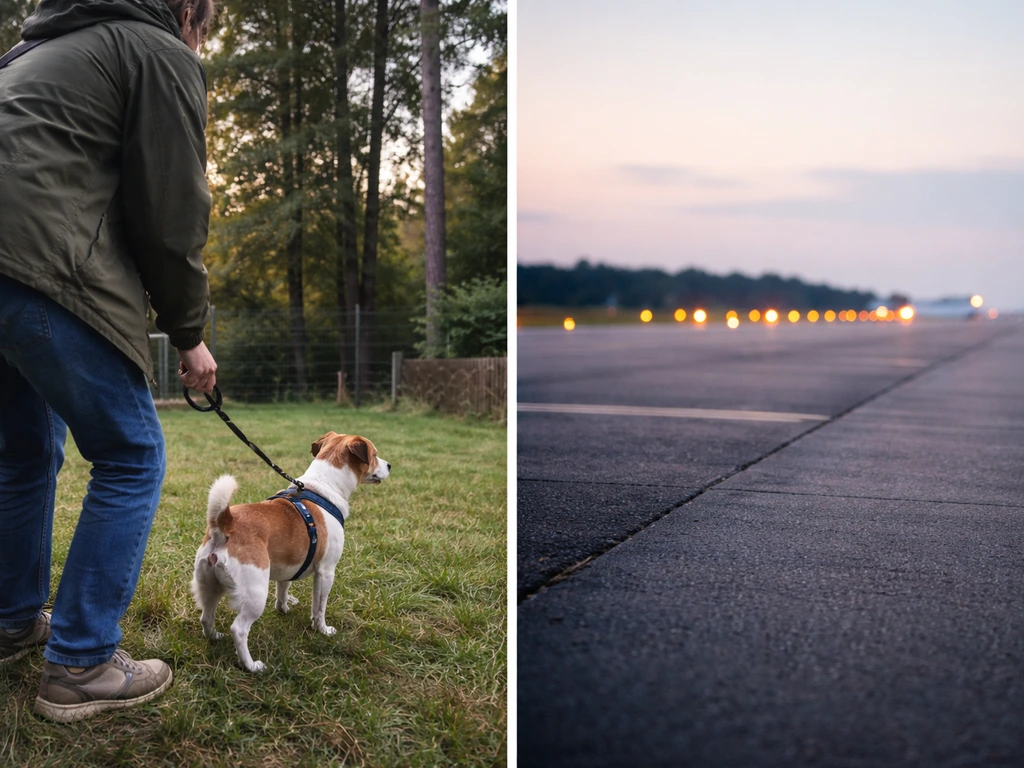
Pet owners
If you live near a known falcon nesting site, the practical steps are straightforward. Supervise very small pets outdoors during nesting season and avoid letting them roam near cliff edges, building ledges, or open areas where falcons are actively hunting. For cats and dogs under about 5 to 6 pounds, the risk from a large peregrine or gyrfalcon is worth taking seriously, even if confirmed attacks are relatively rare. The risk window is narrow, but it is not zero.
Aviation professionals
Falcons are a recognized and tracked aviation hazard. The FAA Wildlife Strike Report (1990, 2022) aggregates wildlife-strike counts by group and includes categories such as “Falcons, caracaras,” “Falcons, kestrels, falconets,” “Peregrine falcon,” “Merlin,” and “American kestrel.”. The FAA's Wildlife Strike Database records strikes by peregrine falcons, kestrels, merlins, and other falconid species specifically, and airports with significant raptor activity are required under FAA guidance to develop Wildlife Hazard Management Plans. The Port of Seattle's raptor strike avoidance program traps and relocates nearly 100 raptors annually to reduce both aircraft strike risk and harm to the birds themselves. That scale of relocation reflects how real and persistent the hazard is at busy airports near good raptor habitat.
FAA advisory circulars and the Wildlife Hazard Management manual provide the framework: airports must identify attractants (food sources, open water, vegetation that brings prey species), manage those attractants relative to operational areas, and train qualified personnel to implement hazard management plans. If you work in airport operations, the core principle is that reducing what draws prey species to the airfield reduces what draws raptors. Habitat management is more sustainable and effective than reactive response alone.
| Context | Risk Level | Primary Hazard | Key Mitigation |
|---|---|---|---|
| Casual outdoor encounter | Low | Defensive swoop near nest | Increase distance, protect head |
| Urban falcon nesting site | Low-Moderate | Repeated close passes, talon contact | Avoid nest area, report to wildlife agency |
| Handling wild/injured bird | High | Talon punctures, bites, infection | Call licensed rehabilitator only |
| Falconry handling | Moderate | Talon grip, beak bite (hands/face) | Proper gloves, training, technique |
| Small pets near active territory | Low-Moderate | Predatory or defensive strike on pet | Supervise pets, keep away from known territories |
| Airport airfield operations | Moderate (aircraft) | Bird strike on engine or windscreen | Wildlife Hazard Management Plan, habitat control, relocation |
Myths vs. facts about falcons and bird danger
The internet has a tendency to either dismiss bird hazards entirely or sensationalize them, and falcons get both treatments. That same tendency to sensationalize can also make people overestimate risks like whether an opium bird is dangerous is opium bird dangerous. Here are the claims worth addressing directly.
Myth: Falcons regularly attack and injure people unprovoked. The reality is that documented unprovoked attacks on humans are extremely rare. The overwhelming majority of recorded human-falcon conflict involves nesting territory defense or handling situations. Falcons are not randomly aggressive birds.
Myth: A falcon attack is just a scratch, nothing serious. The reality is that talon punctures and bites can cause genuine medical problems, including cellulitis and, in documented cases, penetrating eye injuries. Small injuries from wild birds should be cleaned and monitored, not brushed off.
Myth: Falcons are too small to hurt a person. The reality depends heavily on species. An American kestrel poses minimal physical risk to an adult. A gyrfalcon or large peregrine can deliver a meaningful injury, particularly to the face and hands. Size matters, and the word 'falcon' does not describe one uniform animal.
Myth: If a falcon is grounded or acting strange, it is safe to pick up and help. The reality is the opposite. A grounded falcon is almost certainly injured, ill, or distressed, and a distressed bird is more likely to bite and grip hard, not less. Handling it without proper equipment risks injury to both you and the bird. Contact a licensed wildlife rehabilitator. The Virginia Department of Wildlife Resources regularly handles exactly this kind of urban falcon situation, and they have the training and equipment to do it safely. The Virginia Department of Wildlife Resources regularly handles this kind of urban falcon situation and has the training and equipment to do it safely The Virginia Department of Wildlife Resources regularly handles exactly this kind of urban falcon situation.
Myth: Falcons are as dangerous to people as truly aggressive birds like cassowaries or shoebills. The reality is that comparing falcons to large ground-dwelling birds that have killed humans puts things well out of proportion. Shoebills and cassowaries have documented lethal attacks on humans. Healthy wild falcons attacking and seriously injuring adult humans is rare enough to be newsworthy when it happens. The risk categories are genuinely different.
The bottom line: falcons deserve respect, not fear. Understand the situations that raise the risk, respond sensibly when you encounter one, and get any wound from a bird properly cleaned and watched. If you are asking whether the Duolingo bird can really kill you, it is worth treating it as a fantasy character rather than a real falcon scenario. That handles the realistic threat profile for almost everyone.
FAQ
If a falcon is circling me or swooping, is it trying to attack or scare me away?
Not usually, but the species and your distance matter. If the bird is hovering, staring, or making close passes, treat it as defensive. Back away slowly and avoid sudden arm movements, especially if you are near a nest ledge, bridge, or tall building.
Are falcons more dangerous to small dogs or cats than to adults?
Yes, particularly for small pets. A small dog or cat can fall into a “prey-sized” category for some larger falcon species, which can trigger more intense pursuit-like behavior rather than a simple warning flyby. Keep pets leashed and away from nesting areas during late winter through midsummer.
What should I do if I find a falcon on the ground or acting strangely?
You should assume it is safer to leave it alone. A bird found on the ground is often injured, exhausted, or poisoned, and that makes it more likely to bite or grip. Keep kids and pets back and contact a licensed wildlife rehabilitator or local wildlife agency.
Is it safe to pick up a falcon if it seems friendly?
Don’t try to “protect” the bird by grabbing it, chasing it, or using household gloves. Even trained falcon handlers use proper gear because talons can puncture and beaks can cause facial and eye injuries quickly. If you must intervene for safety, use distance barriers and get help.
If I get scratched or bitten, do I always need a doctor or just antiseptic at home?
Yes, even though most risk is preventable. If the bird breaks the skin, wash with soap and clean running water right away, apply antiseptic, and monitor closely for spreading redness, increasing warmth, swelling, discharge, or fever. Seek medical care promptly if any of those show up, since puncture wounds can lead to serious infections.
What signs after a bird talon injury mean I should get urgent eye care?
Be especially cautious about eye and face contact. If any talon or beak caused an eye scratch, pain with blinking, tearing, or blurred vision, get urgent medical evaluation rather than waiting for it to “feel better,” because corneal injuries can worsen quickly.
When is nesting season most risky, and how can I tell if a nest is active near me?
Nesting season timing varies by location, but late winter through midsummer is a common window in North America. The practical move is to identify active cliff ledges, bridge areas, and high-rise nest sites and treat them as higher risk any time you notice repeated falcon behavior around the same spot.
Can I legally or safely feed falcons to keep them away from my yard?
In many places it is restricted, and even when legal, it tends to backfire. Repeated feeding or close approach can habituate falcons to humans while still preserving their defensive behavior, increasing the chance of an injury to you, guests, or pets. Stick to observation from a distance.
Does falconry increase the risk to handlers compared with normal wild encounters?
Yes, because the danger is often the “handling” or “cornering” scenario, not the bird being naturally aggressive. If you’re in a falconry setting, follow the handler’s protocol, wear the recommended protective equipment, and do not reach toward the bird, even if it appears calm.
What are the safest photo-taking habits to reduce the chance of being raked or bitten?
Falcon injuries often involve hands and face. Use practical distance rules: keep at least several meters away when the bird is near nesting areas, keep yourself between the bird and your pet, and avoid putting your face or hands near the bird when taking photos.