If you touched a bird nest, here's the short version: you're almost certainly fine, and so are the eggs or chicks. The widespread idea that birds will immediately abandon a nest because a human touched it is folklore, not biology. That said, there are real risks worth knowing about, a few legal considerations that might surprise you, and a clear set of steps you should take right now depending on what exactly happened.
What Happens If You Touch a Bird Nest and What to Do

Marcus Whitmore
16 Apr 2026
Immediate risks to you after touching a bird nest
For most people, a brief accidental touch of a bird nest carries low immediate risk. The bigger concern isn't what's in the nest itself but what might be on or around it: dried droppings, parasites, and bacteria that birds carry without showing any symptoms. Let's be specific about each.
The most immediate physical hazard is parasites. Bird nests are often home to mites, ticks, and lice that are adapted to bird hosts. If you reached into or brushed against a nest, it's worth checking your hands and arms for tiny crawling insects. These parasites don't typically survive long on humans, but they can bite, and ticks in particular can transmit disease if they attach long enough.
Bacterial exposure is the next concern. Birds, including perfectly healthy-looking wild birds, can carry Campylobacter and Salmonella in their droppings. The CDC confirms that birds can carry Campylobacter without becoming ill, meaning an infected bird gives you no visual warning. Transmission is fecal-oral, so if you touched a nest contaminated with droppings and then touched your mouth, food, or a child's hands, that's a genuine exposure pathway. Salmonella works the same way, as the Pennsylvania Game Commission notes that direct contact with infected birds or anything contaminated with their feces is enough to transmit it.
The respiratory risks come into play if you disturbed or knocked down the nest, especially a large or old one. Dried bird droppings can harbor the fungal spores that cause histoplasmosis, and according to the CDC, the infection comes from breathing in those spores when contaminated material is disturbed. The same nest debris can carry Chlamydia psittaci, the bacterium responsible for psittacosis. New York State's health guidance describes psittacosis symptoms as fever, headache, chills, muscle pain, cough, and sometimes pneumonia. You breathe it in from dust containing dried droppings or secretions, not from casual skin contact alone.
The practical takeaway: touching a nest with bare hands, then washing thoroughly, is a low-risk event. Disturbing a large accumulation of dried droppings without respiratory protection is a different story. The CDC recommends blank" rel="noopener noreferrer">washing hands for at least 20 seconds after any contact with birds or their environment. If you're thinking about whether touching a bird with bare hands carries similar risks, the short answer is yes, the same hygiene rules apply.
What happens to the eggs or nest after human contact
This is where most of the anxiety comes from, and most of it is unfounded. The thing people worry about most, that touching an egg will ruin it somehow, is not how avian biology works. The egg's shell is porous, yes, but a brief touch from clean or even slightly dirty hands does not penetrate the shell or fatally contaminate the embryo inside.
Temperature matters far more than touch. UC Agriculture and Natural Resources research on incubation biology confirms that short cooling periods generally do not harm embryos, and eggs can still hatch after several hours of exposure to temperatures as low as 50°F during the second week of incubation, though this is species and stage dependent. On the other end, exposure to temperatures above roughly 42 to 45 degrees Celsius for even a short time can be fatal to an embryo at any developmental stage. So handling eggs with very warm hands or leaving them in direct sun after dislodging them is a real danger. Letting them cool briefly in normal ambient temperatures usually isn't.
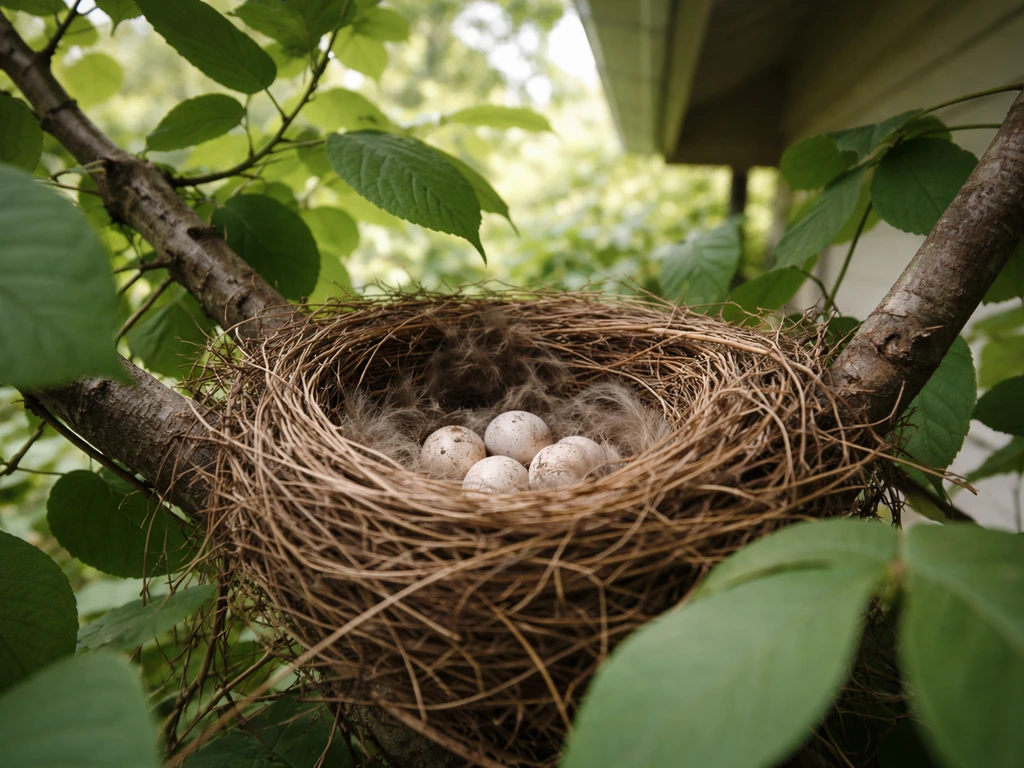
What about the nest structure itself? If you bumped it, bent it, or caused some material to fall away, the nest may still function well. Birds are resourceful and will often repair minor damage. A fully dislodged or destroyed nest is a different problem, particularly if it contains eggs or very young chicks who can't thermoregulate. In that scenario, your best move is to gently place the nest back as close to its original position as possible, rather than leaving eggs or chicks exposed on the ground.
Do birds abandon nests because of touch
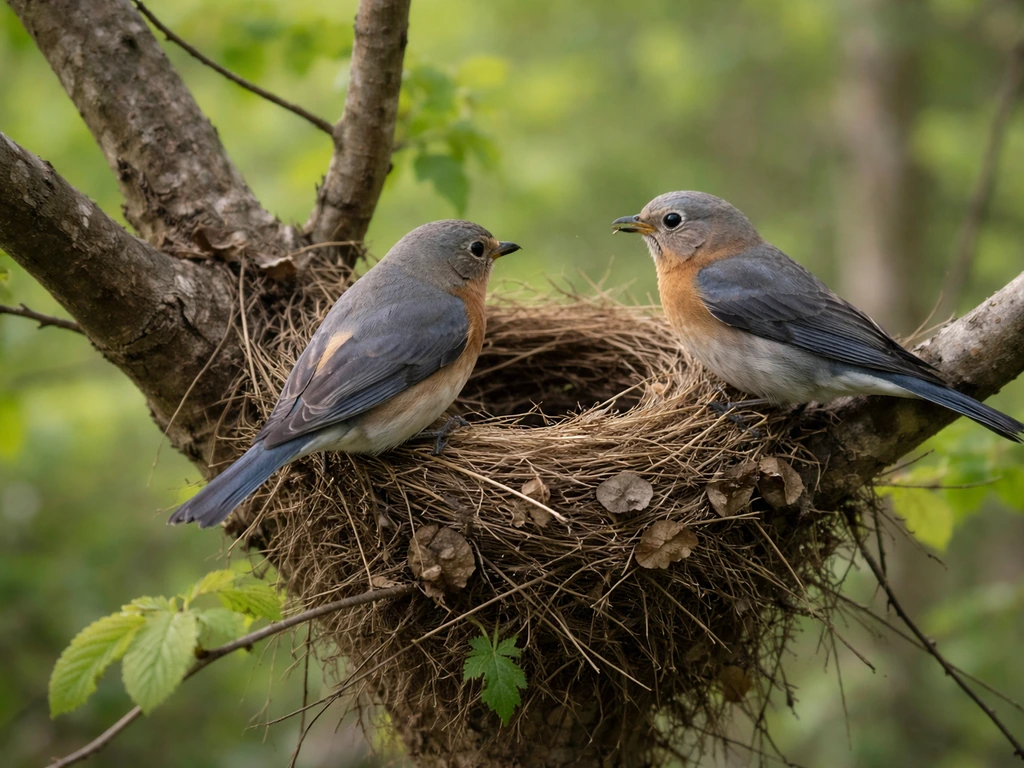
No, and this myth deserves a direct rebuttal. The idea that birds have a finely tuned sense of human smell that triggers instant nest abandonment is simply not supported by evidence. Scientific American, reporting on expert biologist consensus, is clear that birds generally don't abandon young in response to touch alone, and the premise that birds detect and react to human scent in this way is biologically flawed. MassWildlife states explicitly that parents will not reject a baby bird if you touch it. The Michigan DNR's wildlife rehab guidance agrees: touching a baby bird will not cause the adults to reject it.
The Forest Preserve District of Will County puts it plainly: birds won't abandon a nest just because humans touch their eggs. Washington Crossing Audubon echoes the same point. This is consistent across wildlife agencies and ornithologists. The myth likely persists because people do sometimes observe abandoned nests after human disturbance, but the cause is almost always repeated disturbance, predation risk, or significant structural damage, not the scent of a single human touch.
That said, disturbance itself can be a real problem. A parent bird that is repeatedly flushed from a nest by human presence may eventually stay away long enough for eggs to cool, or may attract the attention of nearby predators. A single brief encounter is very different from lingering near a nest, photographing it repeatedly, or removing it. The rule is: touch minimally if at all, then leave quickly and stay away.
If you're specifically wondering if you touch a bird will the mother reject it, the evidence-based answer is no, not because of touch. But how long you stay and how much you disrupt the area does matter.
Potential disease or parasite risks (and when to worry)
Most people who briefly touch a bird nest and wash their hands afterward will not get sick. But it helps to know when the risk actually goes up, so you can calibrate your concern appropriately.
| Risk | Transmission route | When it's a real concern | When it's not |
|---|---|---|---|
| Histoplasmosis | Inhaling fungal spores from disturbed dried droppings | Cleaning up large nest debris or accumulations of droppings without a mask | Brief skin contact with an active nest |
| Psittacosis | Inhaling dust from dried droppings or secretions | Handling sick birds or disturbing large dried-dropping deposits | Touching a nest briefly without stirring up dust |
| Campylobacter | Fecal-oral (hand to mouth after nest contact) | Touching a contaminated nest, then food or your mouth before washing | Touching a nest and immediately washing hands thoroughly |
| Salmonella | Contact with feces or contaminated surfaces, then ingestion | Children or immunocompromised individuals with hand-to-mouth contact after nest touch | Healthy adults who wash hands promptly |
| Ticks / Mites | Direct contact from nest material | Reaching deep into or handling nest material with bare hands | Visual inspection without touching |
If you have a compromised immune system, are pregnant, or are very young or elderly, the bar for concern is lower and the bar for calling a doctor is lower too. For healthy adults, the main action is good hand hygiene. Anyone who develops respiratory symptoms, fever, or gastrointestinal illness within a week or two of significant nest disturbance should mention that history to a doctor, because knowing about the bird exposure can speed up an accurate diagnosis.
Related to this, there's a separate question worth addressing for anyone who handles bird material more broadly. If you're curious about what risks come with picking up other bird materials, the guidance on whether it is safe to pick up bird feathers covers the pathogen and hygiene concerns in similar detail. The underlying risks and precautions are closely related.
What to do right now: safe step-by-step actions
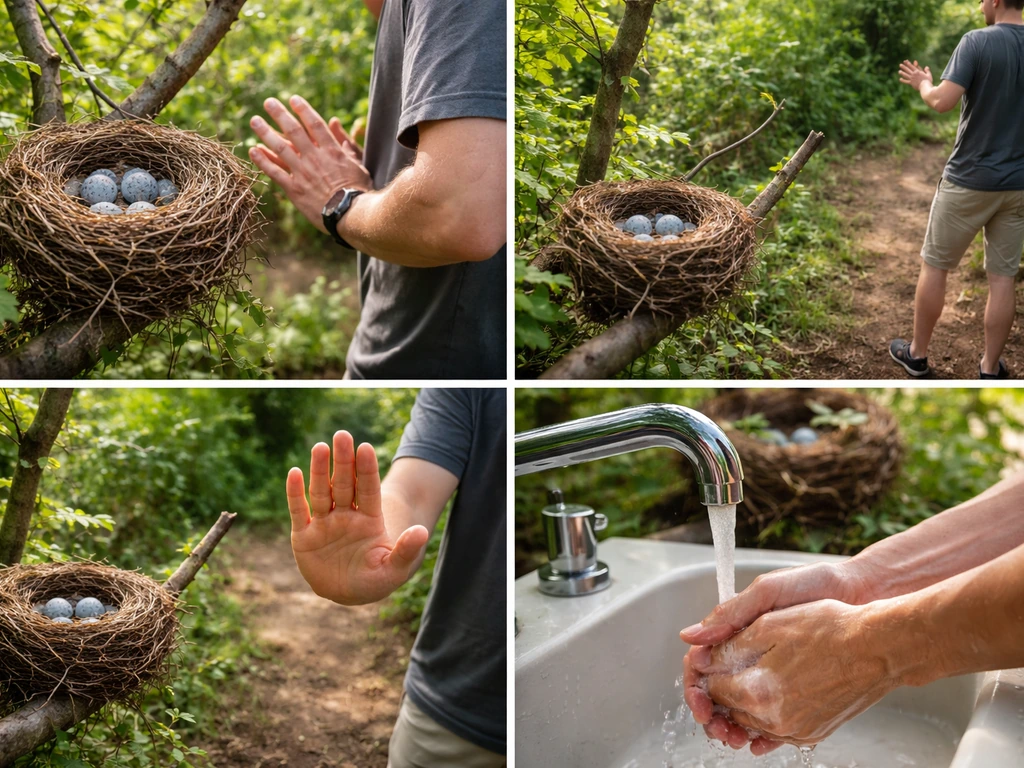
Walk through these steps in order, and don't overthink it. The situation is usually more manageable than it feels in the moment.
- Back away from the nest immediately. Give the parent birds space to return. Even 10 to 15 feet can be enough, but further is better. Don't hover.
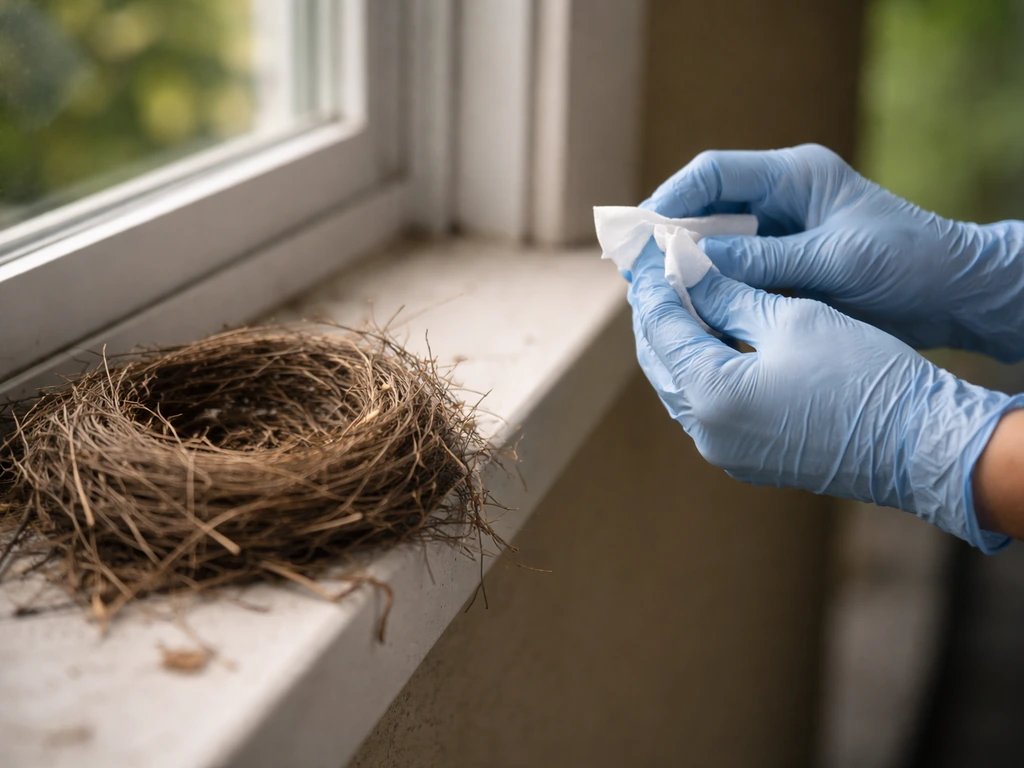
- Wash your hands thoroughly. Use soap and water for at least 20 seconds. If you touched nest material heavily contaminated with droppings, wash your forearms too. Avoid touching your face, food, or children before washing.
- Check for parasites. Look at your hands and arms for small crawling insects. If you were reaching into thick nest material, check your clothing and hair as well.
- Assess the nest condition. Did it stay in place? Is it structurally intact? If so, leave it alone. If it fell, gently pick it up using gloves or a cloth and place it back as close to its original location as possible.
- Do not handle eggs or chicks directly if you can avoid it. If a chick fell out, use gloves or a towel to gently place it back. A chick that is feathered and hopping on the ground near the nest is likely a fledgling doing exactly what it should be doing.
- Document the location. If there's any reason you might need to follow up (a nest in a problematic location, an injured chick, a nest containing species you're uncertain about), take a photo and note where it is.
- Leave the area and monitor from a distance. If you can see the area from indoors or from far away, check over the next hour or two to confirm the parent bird returns. In most cases it will.
- If you were cleaning up large amounts of nest material or dried droppings, note any respiratory symptoms over the next two weeks. Histoplasmosis can take 3 to 17 days to cause symptoms after exposure.
When to call wildlife professionals vs keep distance
Most nest encounters don't require a phone call to anyone. But there are clear situations where calling the right authority is the right move.
Call a licensed wildlife rehabilitator if: a chick or nestling is injured (bleeding, limping, one wing dragging), the parent birds have not returned to a nest with very young, non-feathered chicks after two to three hours of your being well out of the way, or you found eggs that have been out of the nest and exposed to temperature extremes for an extended period. The Indiana DNR's guidance is direct: if a fledgling is uninjured and in a safe area, leave it alone. If it's injured, contact a permitted wildlife rehabilitator.
Call animal control or your state wildlife agency if: the nest is in a location that creates a genuine safety hazard (inside HVAC equipment, a frequently used doorway, or on aviation infrastructure where bird strike risk is real), you're dealing with a protected species like an eagle or migratory bird and need to understand your legal options, or you need a permit to move or remove the nest. The Michigan DNR is explicit that handling or removal of nests increases risk to the animal and is often illegal without permits.
On the legal side: this surprises people, but it's real. Under federal law in the United States, including the Migratory Bird Treaty Act, it is illegal in many situations to touch, move, or possess any part of a native bird nest, eggs, or chicks without a valid permit. NestWatch's code of conduct spells this out clearly. The US Fish and Wildlife Service requires that even emergency nest removal involving eggs or nestlings be coordinated through their regional Migratory Bird Permit office. Ignorance of this law is not a useful defense, so if you're unsure about what species is nesting and whether the nest is in a location where you need to act, make a call before you act.
The Michigan DNR also makes an important point: just because parents aren't visible doesn't mean a nest is abandoned. Baby wildlife are not abandoned when parents are temporarily away. Removing a nest or chicks prematurely is one of the most common and harmful mistakes people make.
Preventing future nest-touching and staying bird-safe
If you want to avoid this situation repeating itself, a little awareness goes a long way. Birds nest in predictable places, and knowing where to look, especially during spring and early summer, lets you avoid accidental disturbance.
- Check dense shrubs, eaves, porch lights, gutters, and low tree branches before you prune, clean, or trim between April and August. This is peak nesting season for most North American species.
- If you have pets, especially cats, keep them indoors or supervised during nesting season. Cats are one of the leading causes of nest destruction and chick mortality.
- If you're in an aviation or facilities context where bird nesting on infrastructure is a recurring concern, establish a seasonal inspection protocol before nesting begins rather than responding reactively once eggs are present. Removal is far more legally and practically complicated once a nest is active.
- When cleaning areas with accumulated bird droppings (near ledges, roosts, or old nest sites), wear an N95 or P100 respirator and dampen the material before sweeping or scraping. This is the CDC and WorkSafe guidance for reducing histoplasmosis and psittacosis risk during cleanup.
- Teach children early that bird nests are not toys or collectibles. The instinct to touch or pick up a nest is natural, but the habit of leaving them alone is protective for both the birds and the kids.
For anyone who wants to go deeper on the safety questions around bird contact in general, understanding whether bird feathers are safe is a useful companion topic, since feathers found near nesting sites carry many of the same pathogen and hygiene considerations as the nests themselves. And if you're thinking about the specific question of skin contact, the details on whether bird feathers are safe to touch cover the practical precautions you'd apply to any incidental contact with bird material.
The bottom line is this: touching a bird nest is almost never a disaster, for you or for the birds. Wash your hands, step back, let the parents return, and don't remove anything without understanding the legal and biological picture first. The real mistakes people make aren't the initial accidental touch, they're the follow-up actions taken out of misplaced panic: picking up chicks unnecessarily, removing eggs, or repeatedly disturbing an area trying to monitor or help. Your best tool in almost every scenario is to do less, not more.
FAQ
Does touching a nest always mean I need medical attention or tests?
If it was a quick touch and you are not inhaling disturbed debris, the immediate risk is usually low. The higher-risk scenario is when you brushed off dried droppings or knocked nesting material into the air (for example, during cleaning or removing debris). If that happened, step away, avoid sweeping or blowing the area, and wash hands and exposed skin. If you develop fever, cough, or GI symptoms within about 1 to 2 weeks, mention possible bird exposure to a clinician.
What should I do right after touching the nest, before I decide whether to call anyone?
Avoid touching again and do not try to “fix” the nest unless it is clearly dislodged and eggs or chicks are visibly exposed. Use minimal contact, then leave the area. If you handled eggs or nestlings, treat everything as contaminated, wash hands thoroughly, and keep pets away from the site.
I wore gloves, does that eliminate the health risk?
Yes for hygiene. Even if you do not have any symptoms, thoroughly wash hands and any exposed skin with soap and water, and avoid touching your face until you do. If you used gloves, you should still wash hands after removing them, and you should not wear the same gloves back into your home kitchen or bathroom.
Will the birds abandon the nest if I only looked at it closely for photos?
Repeated disturbance is often the bigger factor than the original touch. If the nest area is close to a door, path, playground, or traffic, keep a respectful distance and avoid lingering for photos. A good rule is to leave quickly and stay away long enough that parents can feed and keep eggs at stable temperatures.
Is it safer to touch a baby bird or feathers than it is to touch a nest?
Feathers, down, and nesting material can be contaminated and may contain the same types of droppings-based pathogens risk. Treat it like nest debris: avoid shaking it, avoid sweeping or vacuuming without protection, and wear gloves if you must handle it. If material is in a living area (attic vents, HVAC, ductwork), consider professional cleanup.
What if I touched the nest and then noticed an egg or chick outside the nest?
If you find eggs or chicks on the ground, do not assume the parents have abandoned them. Instead, put distance between yourself and the nest area and watch from far away. Call a licensed wildlife rehabilitator if a chick is injured or if very young, non-feathered chicks remain unattended beyond a few hours while you are well out of the area.
Should I keep my dog or cat away from the nest site?
Yes, pets can increase risk. Dogs and cats can bite or scratch chicks, spread droppings on their fur and paws, and bring contaminated dust into the home. Keep pets indoors and away from the site until the situation is resolved.
What cleaning steps are appropriate for me and my home after nest contact?
Wash hands, launder clothing that got soiled, and wipe down any hard surfaces you touched. Don’t try to “disinfect” the nest or repeatedly spray chemicals near it, which can harm birds and may increase contamination in the air. If the nest is in a frequent-contact area, the safest move is to block access and contact the right authority rather than cleaning aggressively.
Are there higher risks for people who are pregnant or immunocompromised?
You may need extra caution because your immune response could be less robust, and respiratory or GI infections can be more severe. If you are pregnant, immunocompromised, very young, or elderly, avoid any additional disturbance. If you develop fever, cough, trouble breathing, or vomiting or diarrhea within 1 to 2 weeks, contact a clinician and mention the nest exposure.
What if the nest is in my doorway, attic, or HVAC equipment?
If you must move anything because of a safety hazard (for example, the nest blocks a walkway or is in equipment), contact local animal control or your state wildlife agency first. In many regions, removing or relocating nests or eggs without proper authorization can violate wildlife protection laws.