No, touching a bird will not cause the mother to reject it. This is one of the most persistent myths in popular nature lore, and the Cornell Lab of Ornithology is direct about it: parent birds do not abandon young simply because a human has touched them. If you've already picked up a nestling or handled an egg, that's not what will determine whether the parents come back. What actually matters is whether the nest is intact, whether the chick is injured, and how much ongoing disturbance you create around the nest site. The good news is that in most cases, the right move is simple: put the bird back, step away, and give the parents time to return.
If You Touch a Bird, Will the Mother Reject It? What to Do

Marcus Whitmore
12 Apr 2026
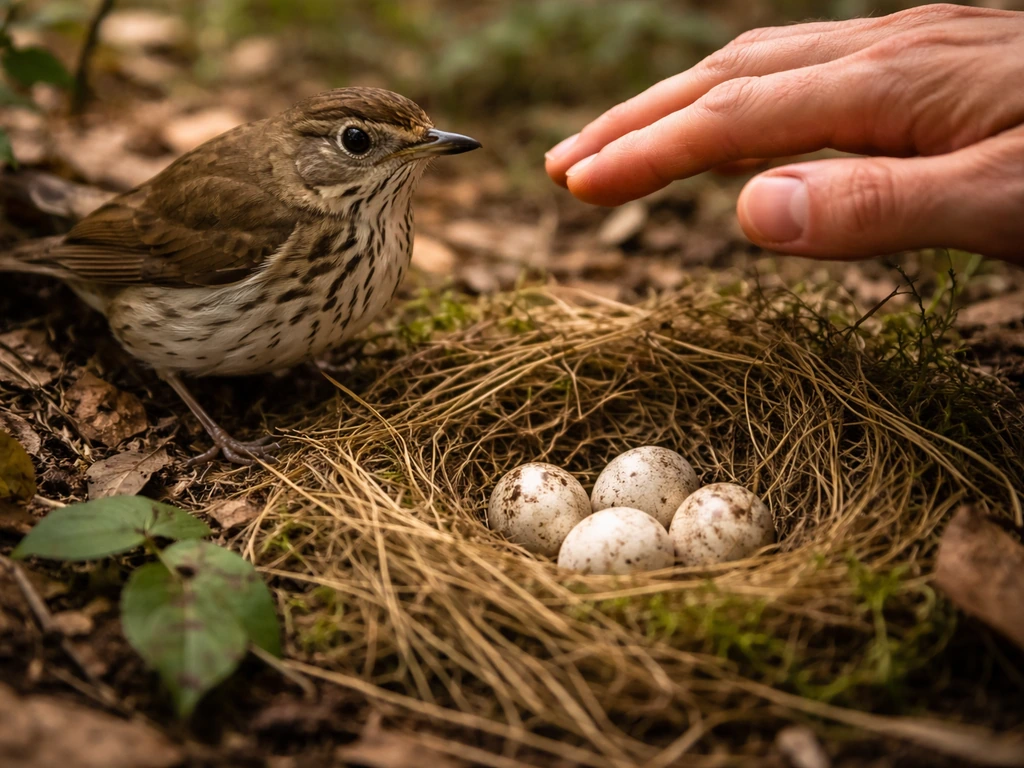
The myth vs. what the biology actually says
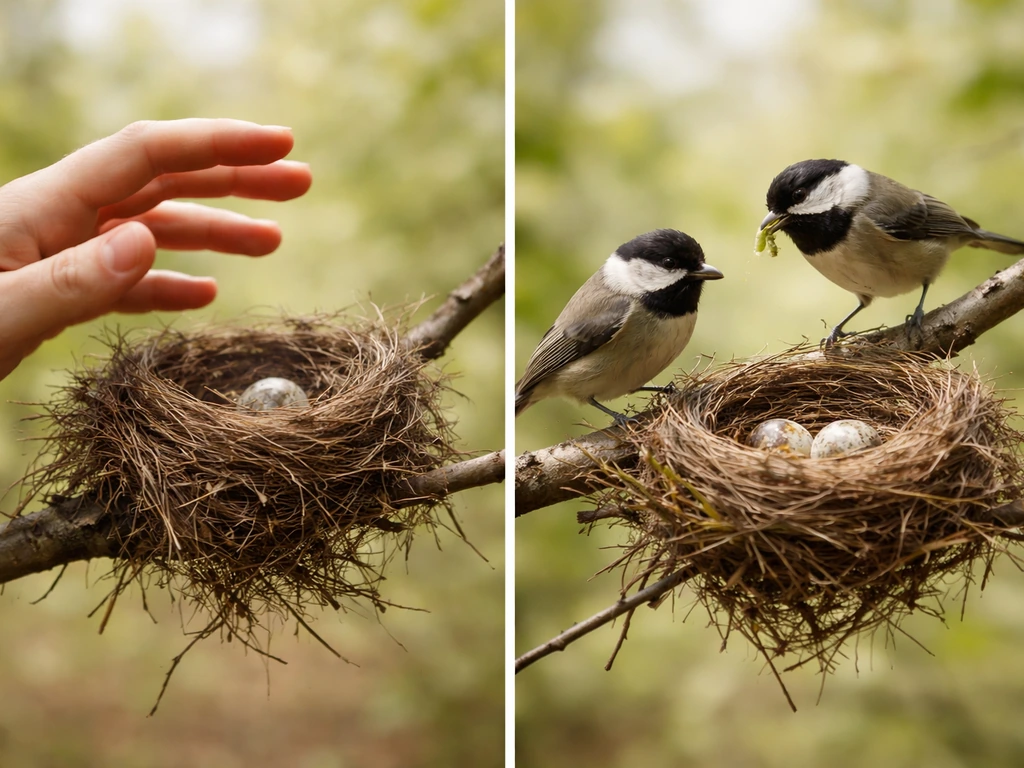
The belief that human scent causes parental rejection has been around for generations, probably because it sounds plausible. Birds seem sensitive to disturbance, and the idea that they can smell us and recoil makes intuitive sense. But it doesn't hold up to scrutiny. Most bird species have a relatively limited sense of smell. They aren't tracking human scent the way a dog would. Scientific American has quoted ornithologists on this point directly: birds don't abandon young in response to touch. What drives abandonment is disturbance that triggers predation risk or nest failure, not scent transfer from human hands.
NestWatch, also from Cornell, explicitly lists the scent-rejection story as a myth and explains that returning a baby bird to its nest after handling is not only acceptable but recommended. The more useful question to ask isn't 'did I contaminate this bird?' but rather 'is this nest still viable, and are the parents likely to return?' Those are the factors that matter.
There is one indirect nuance worth understanding. A 1994 study published in The Auk looked at artificial nest experiments and found that human-scent trails were associated with higher rates of nest loss in some replicates, compared to deer-scent or no-scent controls. The Wildlife Society has also noted that human scent could bias bird research by attracting predators to monitored nests. So the real mechanism here isn't 'parent smells you and leaves.' It's 'predators follow scent trails left by humans and find the nest.' That's a meaningful distinction, and it's why minimizing your time at a nest matters even when you're not worried about rejection.
Species differences and common exceptions
Not every bird responds to disturbance the same way, and it helps to know roughly what type of bird you're dealing with before deciding how to act.
Ground-nesters
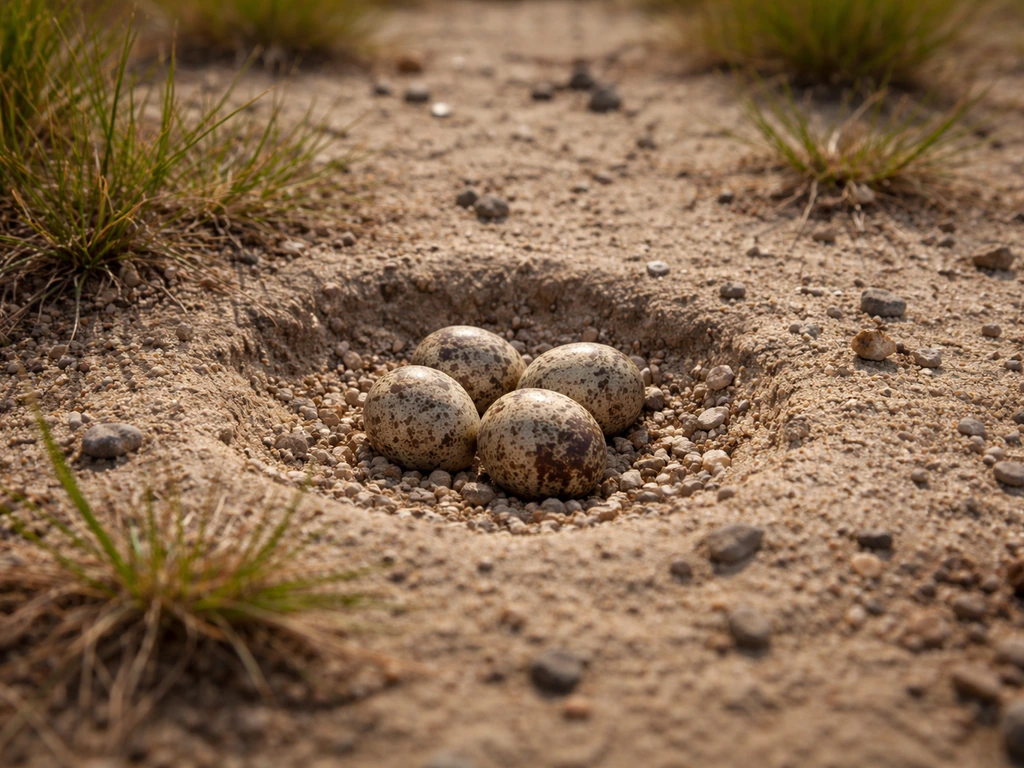
Ground-nesting birds like killdeer, oystercatchers, and certain sparrows are more exposed to foot traffic and predators. Their nests are shallow depressions or simple scrapes, often with minimal cover. Research on species like the Banded Dotterel has found that frequent nest monitoring didn't strongly influence predator visitation rates, but these birds are still more vulnerable simply because their nests are harder to find and return to accurately. If you disturb a ground nest and can't locate it again to return the bird, that's a real problem. Also, repeated human presence near ground nests is more likely to draw in a fox or raccoon following your scent trail.
Cavity nesters
Cavity nesters like bluebirds, woodpeckers, and chickadees nest inside tree holes or nest boxes. These nests are more protected from the elements and many ground-level predators, and the parents tend to be somewhat less reactive to human presence near the cavity entrance. The British Trust for Ornithology conducted a two-year investigation into whether frequent human nest monitoring affected success rates, and found that nests visited frequently had similar outcomes as those left alone. That finding has been replicated in other monitoring studies and is a strong argument against overcorrecting after an accidental touch.
Sensitive and protected species
Some species are genuinely more sensitive to disturbance, particularly colonial waterbirds like terns and herons, raptors, and any bird listed as threatened or endangered. These aren't cases where you can rely on the general 'scent myth is false' reassurance. If you're working near a nesting site for a protected species, the calculus changes, and the blank" rel="noopener noreferrer">legal stakes are higher too.
What to do right now if you've already touched a nestling or egg
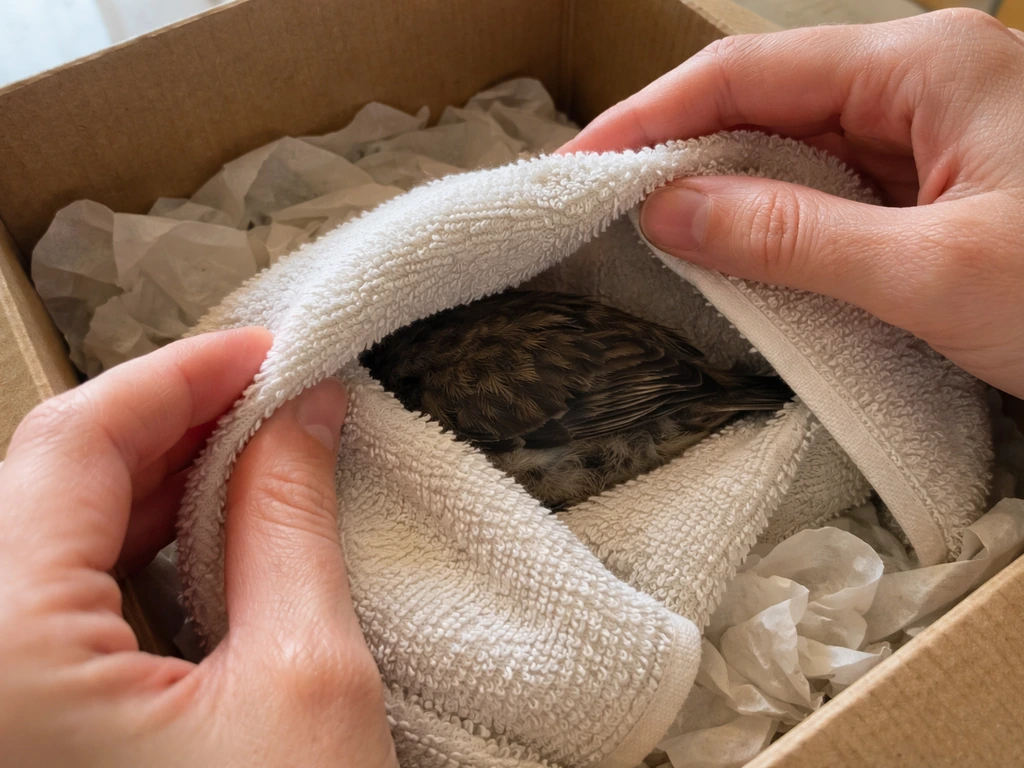
If you're reading this because you just picked up a baby bird or moved an egg, here's what to do. Work through these steps in order and don't delay.
- Assess the bird first. Is it warm? Is it moving? Does it have any visible injuries, bleeding, or obvious deformities? If it's warm and alert, you're in good shape. If it's cold, limp, or injured, skip to the wildlife rehab section below.
- Locate the nest. Look above or around where you found the bird. Nestlings don't travel far on their own. Fledglings (feathered, hopping birds) are a different case and usually don't need to be replaced.
- Return the bird to the nest. Place it gently back in the nest with the other nestlings. Handle it as briefly as possible, support the body, and avoid squeezing. You won't poison the nest with your scent.
- Step back at least 30 to 50 feet and observe from a distance. Parents will not return while you're standing nearby. Give them 30 to 60 minutes before concluding they've abandoned the nest.
- If the nest itself is damaged or destroyed, make a substitute. Use a small container like a strawberry basket or plastic cup with drainage holes, line it with dry grass or the original nest material, and secure it in the same tree or shrub as close to the original location as possible.
- If you can't find the nest and the bird is uninjured, place it on a nearby branch or elevated surface out of direct sun and away from foot traffic, then watch from a distance for the parents to find it.
One thing to watch for is temperature. Nestlings are not able to regulate their own body heat. If you've found a cold chick, gently warm it before returning it. Washington Department of Fish and Wildlife recommends placing a warm (not hot) rice heat pack in a container beside the bird until it's at normal body temperature. Don't use a heat lamp directly on the bird, and don't skip this step if the bird feels cold to the touch.
When to call a wildlife rehabilitator
Some situations go beyond what you can handle by returning the bird to the nest. Contact a licensed wildlife rehabilitator if any of the following apply:
- The bird is visibly injured: bleeding, broken wing or leg, puncture wounds (especially from a cat or dog bite), or an eye injury.
- The bird is unresponsive, lethargic, or unable to hold its head up.
- You've confirmed the parents are dead.
- The bird was attacked by a pet, even if it looks okay. Cat bites in particular introduce bacteria that cause fatal infections within hours even when there's no visible wound.
- You watched the nest for over an hour and the parents did not return at all.
- The nestling is cold and doesn't warm up with gentle heat.
- You cannot locate the nest and cannot find a safe place to leave the bird where parents can find it.
Arizona Game and Fish Department puts it clearly: if the animal is clearly sick, injured, unresponsive, or attacked by a pet, contact a licensed wildlife rehabilitator. The U.S. Fish and Wildlife Service also maintains resources for finding a certified rehabilitator in your area, and the Wildlife 411 guidance is that when in doubt, observe the animal for a set period and then call if conditions warrant. Don't wait days before making contact with a rehab center.
How to return the bird or nest and give it the best chance
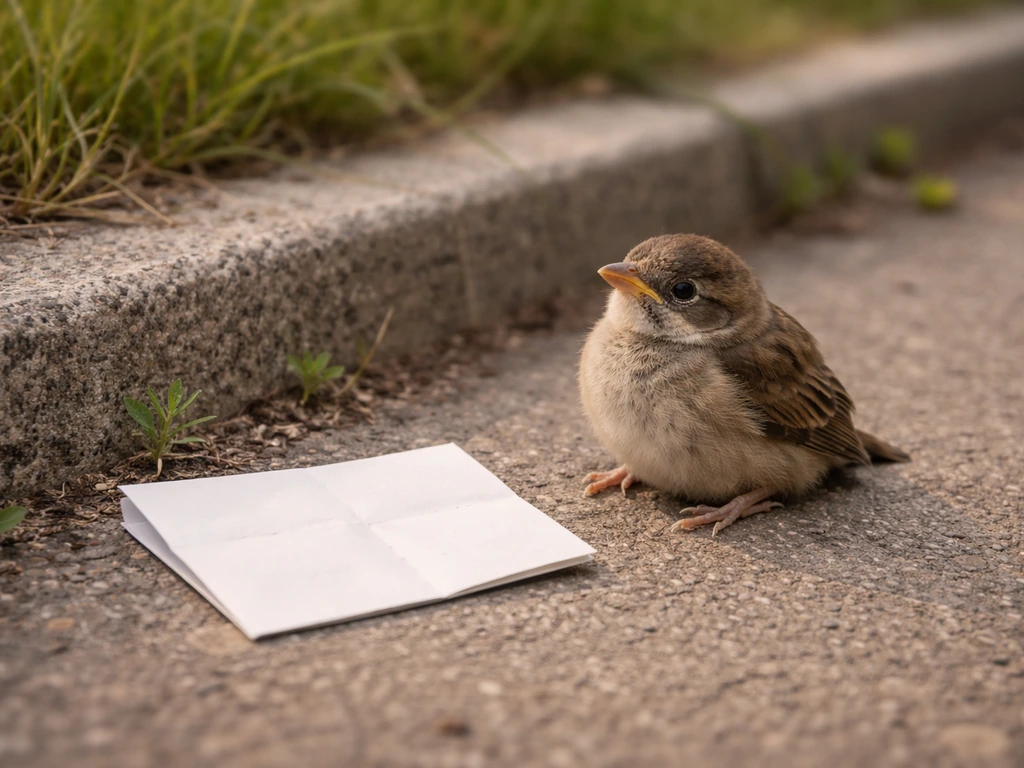
Returning a nestling or egg correctly matters more than the fact that you touched it. The goal is to restore conditions as close to normal as possible so the parents recognize the nest as intact and safe.
For a displaced egg, locate the original nest and place the egg back in the same orientation if you can manage it. If you're unsure about which end was up, just place it gently and let the parent reposition it. For eggs that have been out in cold weather for more than a short time, viability may already be compromised, but returning it is still the right call unless you're certain of damage.
When the nest itself has been damaged or knocked down, a substitute works better than you might expect. What happens if you touch a bird nest is a question with a more forgiving answer than most people assume: parents are often willing to accept a reconstructed nest if it's in roughly the right location and contains their original young. Secure the substitute nest firmly so it won't tip, place it in shade or dappled light rather than full sun, and include as much of the original nest material as you can.
After returning the bird, your job is to minimize any further disturbance. Don't check on it every few minutes. Don't let pets or children near the area. Keep the observation window to a minimum and use binoculars from a distance rather than approaching the nest directly. The Connecticut DEEP advises returning young to the nest and re-covering them unless they are cold or obviously injured, and that guidance is consistent with the broader scientific consensus.
When you should NOT intervene
This is where people make the second most common mistake: assuming a bird needs help when it doesn't. Intervening when you shouldn't creates real harm.
Fledglings are the biggest source of confusion. A fledgling is a young bird that has most of its feathers, can hop and flutter, but can't fly well yet. Finding one on the ground is completely normal. The parents are almost always nearby, feeding and watching it. Picking up a fledgling and bringing it inside is the worst thing you can do. Leave it where it is, keep pets away, and let the parents continue their work.
True abandonment looks different from what most people imagine. A genuinely abandoned nest is one where the parents have not returned over an extended period (typically 24 to 48 hours), the eggs are cold, and there's been no adult activity near the site. A nest where you disturbed the parents and they flew off temporarily is not abandoned. Waiting an hour and not seeing adults return is not abandonment either, especially if you're still nearby.
NestWatch notes that a nest is often not truly abandoned when you don't see adult birds right away, since eggs may still hatch and young may still fledge within the normal time span I haven’t seen an adult bird in a while. Is the nest abandoned? .
Indiana DNR makes the point that animals rarely abandon their young outright, and this is worth internalizing. What looks like abandonment is usually parents staying away because a human is present. Don't intervene if you can't confirm a real problem. The risk of unnecessary intervention is that the bird misses critical parental care that no rehabilitator can fully replicate.
You should also hold back if the bird appears to be injured in a way that's beyond nest replacement. If it has a broken limb, is bleeding, or was caught by a cat, that's not a situation where returning it to the nest solves the problem. That bird needs professional care, not relocation.
The legal side: why this isn't just about the bird's welfare
If you're handling wild birds in the U.S., it's worth knowing that the Migratory Bird Treaty Act makes it unlawful to take, possess, or disturb migratory birds and their nests or eggs. NestWatch is explicit that it can be illegal to physically disturb an active nest or its contents. This doesn't mean you're going to be prosecuted for returning a nestling that fell out of a tree, but it does mean you shouldn't be moving nests around, collecting feathers or eggs, or repeatedly interfering with active nests out of curiosity. The legal intent is to protect birds from human interference, and the spirit of that law is a good guide for behavior even when you're trying to help.
How to handle birds and nests more safely going forward
If you do yard work, construction, or spend time outdoors in areas where birds nest, a few habits will significantly reduce accidental disturbance.
- Check trees, shrubs, and ground cover for active nests before any trimming or mowing, especially from March through August in most of North America.
- If you find an active nest, mark the area and delay work until the nesting cycle is complete. Most songbird nesting attempts run 4 to 6 weeks from egg-laying to fledging.
- If monitoring a nest box or birdhouse, keep visits brief, approach slowly, and never force a bird off the nest. NestWatch's code of conduct recommends minimizing time spent at the nest, handling, and disturbance as the three key risks of any nest monitoring.
- Avoid handling feathers you find on the ground. Questions like are bird feathers safe to pick up come up often, and the concern isn't parental rejection but potential disease transmission and legal restrictions under the MBTA.
- Use binoculars or a camera rather than approaching nests to satisfy curiosity. This gives you information without increasing predation risk.
- Teach children early that a baby bird on the ground doesn't always need rescuing. Build the habit of watching from a distance first.
The real risk vs. the myth: a quick comparison
| Factor | Does it cause parental rejection? | Does it pose real risk to the nest? |
|---|---|---|
| Human scent from touching | No (myth, not supported by evidence) | Indirectly, by potentially attracting predators |
| Repeated disturbance near the nest | Possibly, if disturbance is frequent and severe | Yes, increases predation exposure and stress |
| Handling during egg-laying stage | More sensitive period; disturbance risk higher | Yes, desertion more likely at this stage |
| Returning a nestling to the nest | No, parents typically continue care | Minimal, if done quickly and correctly |
| Destroyed or relocated nest | Depends on how close to original site | High if nest is moved far or to wrong location |
| Bird attacked by cat/dog | Not a rejection issue | High, requires immediate rehab contact |
What to do next if you're still unsure
If you've already touched a nestling or egg and you're worried, the short version is: return the bird to the nest if it's uninjured and you can find the nest, step well back, and give the parents an hour to resume care. That's the action that research and wildlife agencies consistently support. The scent-rejection story is folklore, not biology.
If you want to go further, questions like can you touch a bird with bare hands in different contexts, or whether bird feathers are safe to touch when you find them, come with their own considerations that are worth understanding if you spend time around wild birds regularly.
For anyone picking up feathers on a walk or near a nest, the question of whether it's safe to pick up bird feathers from the ground involves both health and legal dimensions worth knowing about before you pocket one.
The bottom line: the bird you touched is not lost. Act quickly, handle minimally, and trust the parents to do what they've been wired to do. If something is genuinely wrong, a licensed wildlife rehabilitator is your next call, not your last resort.
FAQ
If I touched a bird for only a few seconds, should I still worry about rejection? (What should I do right away?)
Not usually. If you touched a nestling briefly and the chick is not cold or injured, the best move is to return it to the nest (or its immediate location if the nest is inaccessible), then step back and limit disturbance for at least an hour. If the bird seems chilled, follow the warming step before returning.
What if I touched a nestling or egg but I cannot find the nest again?
If you cannot confidently relocate the nest, the safest approach is to put the bird back as close as possible to where you found it, sheltered from sun and weather, and then observe from a distance to see if adults resume feeding. Repeatedly carrying it around or searching extensively can increase exposure to predators and reduce parental attendance.
Can I touch or pick up the bird again to “make sure it’s okay” after I returned it?
You should avoid additional handling. Put the bird back as directed if it is uninjured and you can place it safely. If you suspect injury, such as bleeding, a broken wing, or evidence of a pet or cat attack, do not keep “checking” by touching, instead contact a licensed wildlife rehabilitator.
I found a young bird that looks like it cannot fly well, is it okay to pick it up because it might be rejected?
No. For fledglings, it is normal to find them on the ground, and parents typically feed them nearby. The key action is to keep pets and children away and give the area time, rather than moving the bird or bringing it inside.
How long should I wait before assuming the parents really abandoned the nest?
Wait for evidence of true abandonment before intervening. If adults return later the same day, or they resume feeding after a short absence, it is not abandonment. A more concerning pattern is prolonged lack of adult activity plus cold eggs or consistently cold chicks.
Does human contact affect eggs differently from nestlings, especially if it was cold out?
If it is a grounded egg or nestling, timing matters mainly for health and temperature, not scent. Return the egg if you can locate the nest and it looks intact, but for nestlings check whether they are cold first and gently warm them to normal body temperature before re-housing them.
What if I touched the bird while wearing sunscreen, bug spray, or strong-smelling lotion, will that increase the risk?
Yes, other smells can matter indirectly. The article’s main point is that human scent is not the direct cause of abandonment, but perfumes, bait odors, and strong chemical smells (for example, from handling with gloves that have residue) can increase disturbance and predator attraction when you repeatedly linger near the nest. Keep scent, time near the nest, and handling to a minimum.
If touch does not cause rejection, why do I still sometimes see nests fail after people “only checked once”?
It depends on the species and nesting type, but frequent disturbance near a nest can still increase risk even if rejection due to touch is a myth. In general, minimize time at the site, avoid walking through the nest area, and use binoculars from a distance so you are not repeatedly displacing adults or exposing the nest to predators.
If the nest fell after I accidentally bumped the branch, should I rebuild it and place the babies back?
If the nest is off the tree, the critical detail is whether the young are injured and whether you can place them back into a similar position. Use a substitute nest material and secure it so it does not tip, keep it out of full sun when possible, and then avoid further disturbance.
How can I tell when “return it to the nest” is not the right solution?
If you were helping because you thought it was abandoned, focus on whether the bird is actually uninjured and whether parents are present or returning. If the bird is bleeding, has a broken limb, or was attacked by a cat or dog, returning it to the nest usually will not solve the problem and professional care is the right next step.
Does the advice change for threatened or endangered species, or for raptors and colony nesters?
Use the same response plan but be more cautious about disturbance and legal exposure. If the bird is threatened or endangered, or you suspect a protected species (for example, many raptors or colony nesters), avoid repeated site visits and contact the appropriate local wildlife authority or a licensed rehabilitator before taking any physical action.