
For most people, touching a bird feather found on the ground is low-risk. The reality is that casual, brief contact with a clean, dry feather from a healthy bird carries very little danger for a healthy adult. That said, "safe" isn't a blanket answer here. It depends on where the feather came from, what condition it's in, and what you do with your hands afterward. There are specific situations where feathers can carry real hazards, and knowing the difference between those and a routine backyard find is the whole point of this guide.
Are Bird Feathers Safe to Touch? Practical Risk Guide

Marcus Whitmore
14 Apr 2026
The short answer: when touching feathers is basically fine
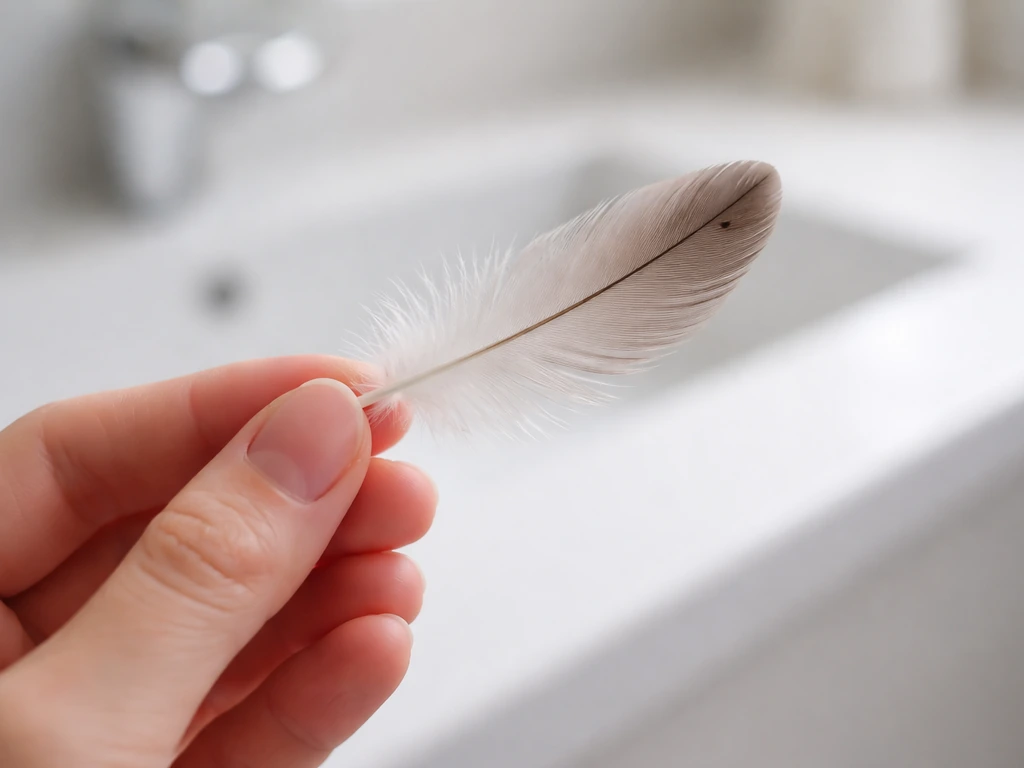
A feather you find in a clean, dry area, away from bird droppings or any sign of a dead or sick bird, is generally safe to touch briefly. The primary risk with bird feathers isn't skin contact itself. It's what might be clinging to the feather (dried droppings, dust, parasites) and where your hands go afterward. If you pick up a feather, avoid touching your face, and wash your hands with soap and water before eating or touching your eyes or mouth, you've already addressed the main exposure pathway. That's the core rule.
The question of whether bird feathers are safe gets more complicated when you factor in feather condition, bird species, and the environment where you found it. A molt feather from your backyard songbird is a very different situation from a feather found near a pile of pigeon droppings or next to a dead bird. The guidance below is structured around that distinction.
When touching feathers actually carries risk
Most of the genuine hazards tied to bird feathers are inhalation-based, not skin-contact-based. Here's what the evidence actually shows:
Disease and pathogens
Psittacosis (caused by the bacterium Chlamydia psittaci) is probably the most relevant feather-associated disease for the average person. The CDC is clear that the most common infection route is breathing in dust containing dried bird secretions or droppings, not skin contact. OSHA adds something important: even after a bird recovers from infection, the bacteria can remain in its feathers and droppings for many weeks. So a feather from an apparently healthy bird could still carry bacteria if that bird was recently sick. The fix is the same either way: avoid disturbing feathers in ways that kick up dust, and wash your hands after handling.
Avian influenza is a higher-stakes concern, particularly around backyard poultry or wild waterfowl during an active outbreak. Research published in CDC's Emerging Infectious Diseases journal found that avian influenza A (H5N1) can replicate in the feather tissue of domestic waterfowl, meaning feathers from infected birds can genuinely carry virus. The CDC instructs backyard flock owners to avoid unprotected contact with sick or dead birds and their feathers, and to avoid stirring up dust or feathers during cleanup to prevent airborne dispersal. Most human bird flu cases have involved prolonged, unprotected exposure to infected birds, not brief contact, but the precaution still stands.
Cryptococcosis and histoplasmosis are two other inhalation-based fungal infections worth knowing about. Both are associated with bird droppings in the environment (especially pigeon droppings in urban areas), and both are acquired by breathing in spores, not through skin contact. Histoplasmosis is a lung infection caused by breathing in Histoplasma spores found in the environment breathing in spores. The CDC notes that activities disturbing soil or material containing bird droppings can increase risk. If a feather is heavily coated in or sitting in droppings, the main concern is the dust you might inhale when handling it, not the feather itself touching your skin.
Parasites: bird mites
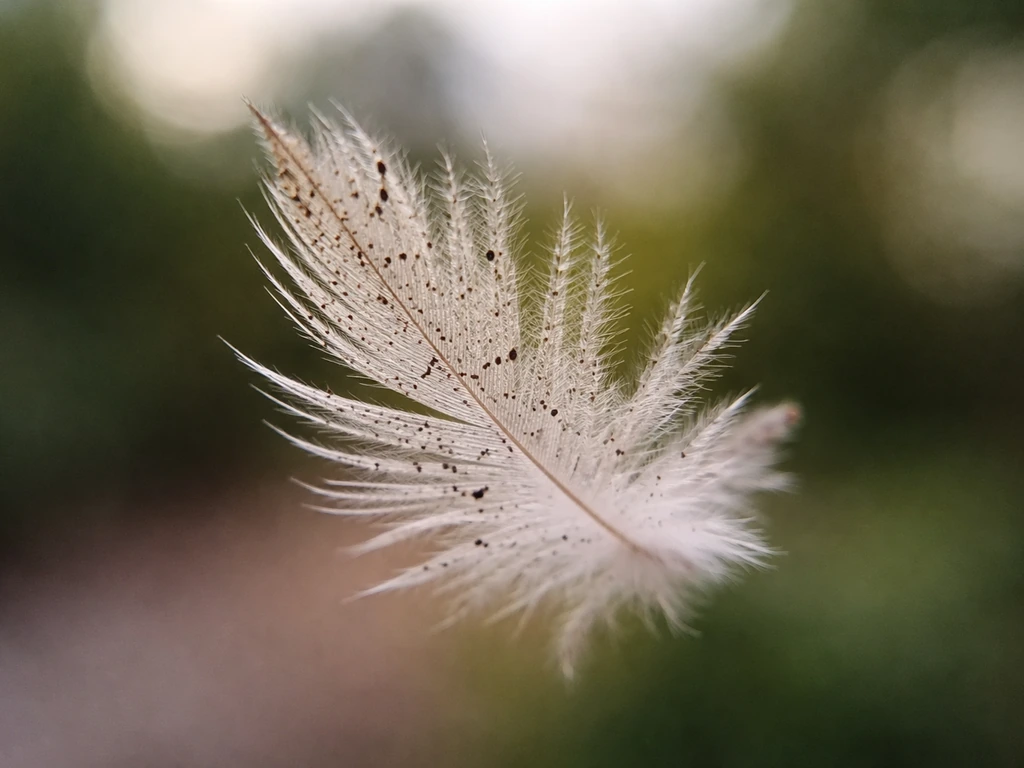
Bird mites are a legitimate nuisance concern, especially when feathers come from nests or roosts. The Minnesota Department of Health confirms that bird mites are common around bird nests and will bite humans when their normal host is absent. The good news, documented by both the University of Minnesota Extension and South Australian health authorities, is that bird mites cannot reproduce on human blood and do not establish ongoing infestations on people. The worst realistic outcome from incidental feather contact is some skin irritation or bites. Unpleasant, but not a serious medical threat for most people.
Contamination through cuts or broken skin
If you have an open cut or wound on your hand and you handle a feather that's contaminated with bird droppings or from a dead bird, your risk profile changes. Environmental bacteria, including Clostridium tetani (the organism behind tetanus), can enter through wounds. The WHO notes tetanus is acquired through infection of a cut or wound with these spores. If your tetanus vaccination is up to date (which the CDC recommends), this risk is largely managed. But it's worth keeping in mind if you have any skin breaks and you're handling material from a potentially contaminated environment.
How to handle feathers safely
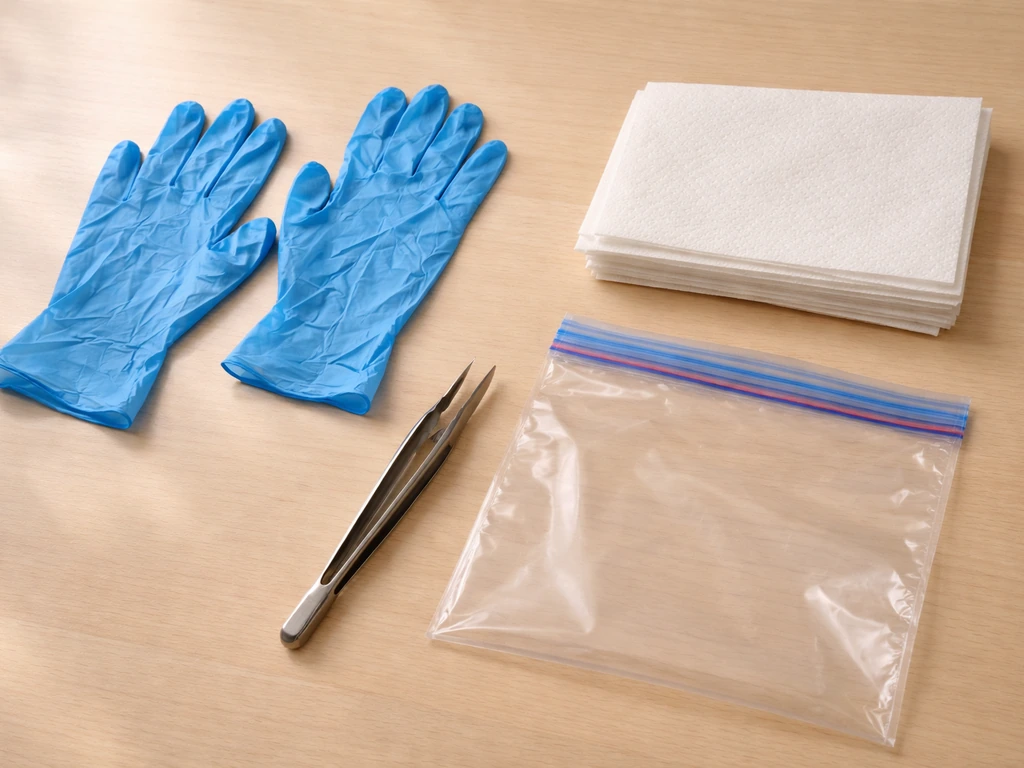
If you're handling a feather and want to be careful, these steps cover the main bases. They're based on CDC, OSHA, and USGS guidance for handling bird-related materials:
- Use disposable gloves if the feather is from an unknown source, near droppings, or from a dead bird. A plastic bag turned inside out over your hand works in a pinch, as USGS recommends for dead animal handling.
- Don't touch your face, eyes, or mouth while handling the feather or while wearing the gloves. This is the single most important behavioral step, and the CDC explicitly calls it out in its dead-bird handling guidance.
- Avoid shaking, rubbing, or blowing on the feather in ways that kick up dust. The main disease risks (psittacosis, cryptococcosis, histoplasmosis) are inhalation-based. Dry-sweeping or disturbing feathers unnecessarily is exactly what public health agencies say to avoid.
- Wash your hands with soap and water thoroughly after handling. If soap and water aren't available, use an alcohol-based hand sanitizer as a temporary measure, but follow up with a proper wash. This step covers most residual risk.
- Don't touch clothing to your face or wear the same clothes again without washing if you've handled a heavily contaminated feather or been in an area with significant bird droppings.
- If you used gloves, discard or disinfect them before touching anything else.
For context, these same principles apply when you think about whether you can touch a bird with bare hands more broadly. Direct contact with the bird itself carries similar (and sometimes higher) risks than feather contact alone, since live birds can scratch, bite, or expose you to secretions more directly.
If you want to keep the feather: cleaning and storage
People collect feathers all the time, and doing it safely is entirely possible with a few straightforward steps. The goal is to remove surface contamination, kill any lingering parasites, and store the feather so it stays clean.
Cleaning
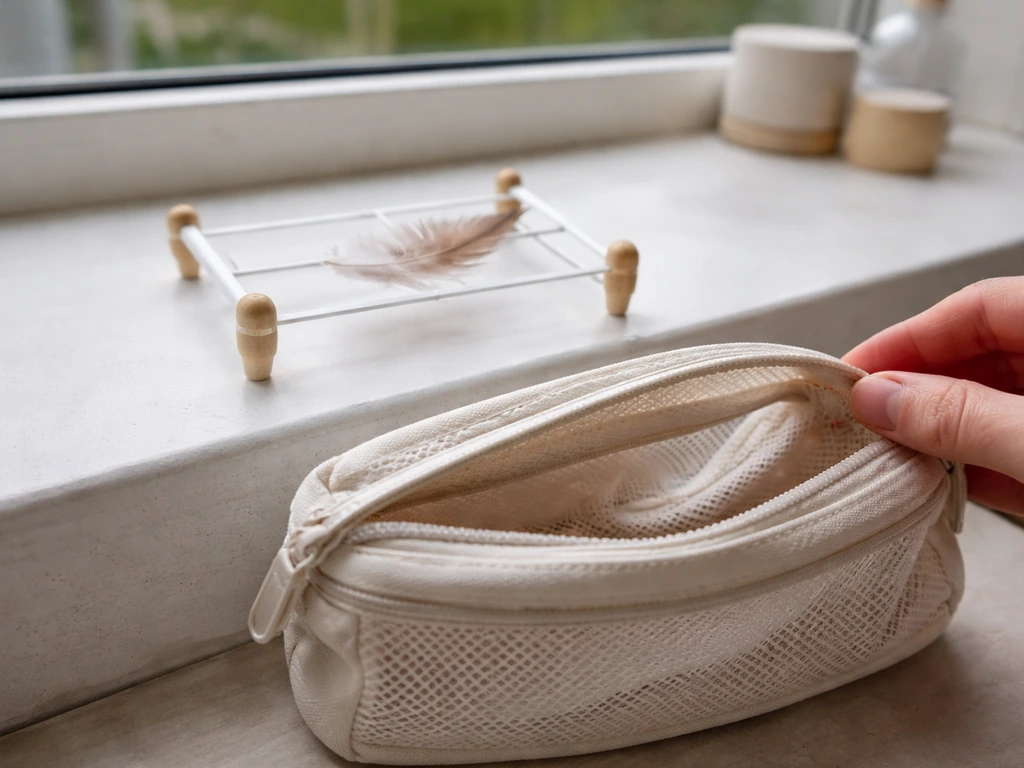
Start by removing visible dirt or debris with a soft brush or by gently rinsing under cool water. USDA APHIS guidance on cleaning and disinfection emphasizes that removing gross contamination is the necessary first step before any disinfection, because organic material can inactivate disinfectants. After rinsing, you can gently wash the feather with mild soap and water. Rinse thoroughly so no soap residue remains. For parasite concerns (mites or lice), placing a dry feather in a sealed plastic bag in the freezer for 48 to 72 hours will kill most insects and mites without damaging the feather.
Drying and storage
After washing, allow the feather to air dry completely before storing it. A damp feather stored in an enclosed container is an invitation for mold. Once dry, store feathers in a sealed container or bag with a small desiccant packet to keep moisture low. If you plan to display them, a clean, dry display case works well. Avoid storing feathers where they'll be handled frequently by people who haven't washed their hands, or where children might put them near their mouths.
When to skip keeping the feather
If the feather is heavily matted with droppings, came from a dead bird, or is from an area with a known avian disease outbreak, discard it. The cleaning process can reduce risk significantly, but it can't guarantee removal of all pathogens, and the effort isn't worth it for a damaged or contaminated specimen. Also note that in the United States, the Migratory Bird Treaty Act makes it illegal to possess feathers from most native wild birds without a permit, so "safe to touch" and "legal to keep" are two separate questions.
Special situations worth knowing about
Feathers from dead birds
This is the highest-risk scenario and deserves its own treatment. [The CDC advises not to touch sick or dead birds or their droppings at all without protection. ](https://www. cdc.
gov/healthy-pets/about/wildlife. html) If you must handle a dead bird or its feathers (for wildlife reporting purposes, for example), wear disposable gloves, use a double plastic bag, avoid touching your face throughout, and wash your hands immediately afterward with soap and water. Discard the gloves safely. If you found the bird and suspect it may have died from disease (unusual die-off, found near other dead birds), contact your local wildlife or animal health agency rather than handling it yourself.
Whether it's safe to pick up bird feathers from a dead bird comes down to this: only with proper PPE, and only when necessary.
Pet birds and wildlife rescue
If you own a pet bird, regular feather contact is part of the relationship. The risk with pet birds is lower than with wild birds, but not zero, particularly for psittacosis. OSHA notes that even a recovered bird can carry Chlamydia psittaci in its feathers for weeks. Keep your bird's living area clean, avoid accumulating dried droppings, and wash hands after handling.
For wildlife rescue situations, treat all wild bird feathers as potentially contaminated until you know otherwise. Proper PPE is standard protocol in licensed wildlife rehabilitation. If you're helping an injured bird, wearing gloves protects you from both pathogens and defensive bites or scratches. It's a common concern, for example, whether touching a bird will cause the mother to reject it, but that's more of a behavioral question than a safety one.
Your safety comes first: glove up first, worry about rejection risk second (and for the record, that rejection myth is largely unfounded).
Allergies and sensitivities
Some people are allergic to bird feathers, specifically to the proteins in feathers and the dust they shed. If you have asthma, known bird allergies, or hypersensitivity pneumonitis (also called bird fancier's lung), even brief contact with feathers or the dust they carry can trigger symptoms. For people with these conditions, touching feathers outdoors carries a lower risk than being in an enclosed space with them, but avoiding contact altogether is the sensible approach. If you're not sure whether you're sensitive, reactions typically appear as eye irritation, sneezing, runny nose, or respiratory symptoms within minutes to hours of exposure.
Feathers near nests
Finding feathers around a nest adds the mite risk discussed above and potentially exposes you to more concentrated droppings. What happens if you touch a bird nest is a related question, and the answer is similar: the risk isn't enormous, but mites and bacteria from droppings make basic hygiene (gloves, handwashing) a smart move.
What to do if you've already been exposed
If you touched a feather, even a potentially risky one, and are now wondering what to do, here's the straightforward guidance:
- Wash your hands thoroughly with soap and water right now if you haven't already. This is the single most effective immediate step.
- If you touched your eyes, nose, or mouth before washing, rinse those areas with clean water.
- If you have an open cut that came into contact with the feather or surrounding material, clean the wound with soap and water, apply antiseptic, and check whether your tetanus vaccination is current. If it's been more than 10 years (or 5 years for a dirty wound), see a healthcare provider.
- Monitor for symptoms over the next 1 to 3 weeks. Psittacosis has an incubation period of about 5 to 14 days and presents as fever, headache, muscle aches, and respiratory symptoms. Avian flu symptoms appear within 2 to 5 days of exposure and also include fever and respiratory issues.
- If you develop respiratory symptoms, fever, or unusual illness after feather contact, especially from a dead or sick bird, tell your doctor about the exposure. This context matters for diagnosis.
- If you noticed skin irritation or bites after feather contact (likely bird mites), wash the area with soap and water, use an over-the-counter anti-itch cream for comfort, and be reassured that mites cannot establish a long-term infestation on humans.
Quick decision guide: touch it or leave it?
| Situation | Risk Level | What to Do |
|---|---|---|
| Clean, dry feather away from droppings or dead birds | Low | Touch briefly, wash hands after, safe to keep with basic cleaning |
| Feather near or coated in droppings | Moderate | Use gloves, avoid disturbing dust, wash hands thoroughly, consider discarding |
| Feather from or near a dead bird | Higher | Gloves and bag required, avoid face contact, wash hands immediately, report if unusual die-off |
| Feather in area with known avian disease outbreak | Higher | Do not handle without full PPE; contact local animal health authority |
| Feather from nest area | Low–Moderate | Gloves recommended for mite risk, wash hands after, normal cleaning before keeping |
| Feather contact with open wound or cut on hand | Moderate–Higher | Clean wound immediately, check tetanus status, see a doctor if unsure |
| Person with bird allergy or respiratory condition | Varies | Avoid contact or use gloves and mask; don't handle indoors without ventilation |
The bottom line is that bird feathers are not inherently dangerous objects. The hazards are real but mostly inhalation-based and tied to contaminated droppings, not the feather fiber itself. Brief contact with a clean feather, followed by handwashing, puts you in a very low-risk situation. The cases where you should be more careful, dead birds, active disease outbreaks, heavily soiled feathers, are narrower and more specific than most people assume. Keep that in mind the next time you find one on a trail and feel like picking it up.
FAQ
If I touch a bird feather and then I accidentally touch my eyes, mouth, or eat food, what should I do right away?
Wash your hands immediately with soap and water, and avoid rubbing your eyes. If anything got into your eyes, rinse them with clean running water or saline for several minutes. If you develop fever, unusual breathing symptoms, or severe eye irritation later, contact a clinician, especially if the feather came from a dead bird or a place with heavy droppings.
Are bird feathers from the ground more risky than feathers from a bird I know is healthy?
Both can be safe, but feathers from the ground are more likely to pick up dried droppings, dust, or parasites. Feathers pulled from a known healthy pet bird are typically cleaner, yet risk is still not zero (for example, psittacosis can persist in feather material after infection). The key difference is contamination level, not “bird vs feather” alone.
Can you spread contamination to your house from handling a feather, even if you wash your hands?
Yes, dust can cling to surfaces you touch, like phone cases, eyeglasses, or door handles. After handling, wipe high-touch items, and consider doing the handwashing before touching other household objects. If the feather was visibly dirty, also avoid shaking it, and bag it first.
What if the feather is wet from rain or a river, is it safer or more dangerous?
Wetness usually reduces how much dried droplet dust you can kick up, but it can mean the feather is coated with more organic material, which increases dust later when it dries or when you rub it. Treat wet, dirty, or unknown-source feathers as potentially contaminated, rinse carefully, and let them dry fully before storage.
Is it safe to handle bird feathers if I have asthma or allergies but I do not have symptoms right now?
It may trigger symptoms even if you feel fine. Allergy and dust-related risks are higher with feathers that shed visible dust, are stored in enclosed spaces, or are shaken during handling. If you are sensitive, wear a well-fitting mask (for dust) and avoid bringing the feather into indoor areas until it is cleaned and fully dry.
Do bird mites live long on feathers after you bring one indoors?
Bird mites can bite humans, but they generally need the normal host to reproduce, so they do not usually set up long-term infestations on people. Still, mites can be present when feathers come from nests, roosts, or infested areas, so bag the feather promptly and consider freezer treatment (48 to 72 hours) before bringing it inside.
How do I tell if a feather is too contaminated to bother cleaning?
If it is heavily matted with droppings, smells strongly, has obvious crusted residue, or came from a dead bird or an outbreak area, discard it. Cleaning can reduce risk, but it cannot reliably remove all pathogens from deeply contaminated material, and your time or supplies may not justify the residual exposure.
What precautions should I use if I have a small cut on my hand and I still want to pick up a feather?
Avoid direct handling. If you must, cover the cut with a waterproof bandage and wear disposable gloves, then remove gloves without touching the outside, and wash hands afterward. If you got contaminated material in the cut or you cannot fully cover it, contact a clinician for advice, particularly if tetanus vaccination is not up to date.
Can I clean a feather in a washing machine or dryer?
It is usually a bad idea. Machine washing can aerosolize dust or contamination in the washer, and the dryer can blow particles around your home. The safer approach is gentle rinse, mild soap wash if needed, thorough rinsing, and air drying in a clean area.
Is it legal to keep bird feathers if I pick them up from the ground?
In the U.S., “safe to touch” does not equal “legal to possess.” Many native wild bird feathers fall under the Migratory Bird Treaty Act and require permits. If you are unsure, avoid keeping feathers from wild birds and check local regulations, especially for feathers from uncommon species.
What should I do if I found feathers near a dead bird, but I did not touch the dead bird?
Treat the surrounding feathers as potentially contaminated. Do not shake them or sweep them dry, use gloves if you must collect them, double-bag, and wash hands immediately afterward. If you suspect the death is due to disease (multiple die-offs or unusual patterns), contact local wildlife or public animal health services.