
Technically, yes, humans can take azithromycin, which is almost certainly what 'bird Zithro' contains. But that is not a green light to take a bird product yourself. The drug is a legitimate human antibiotic prescribed every day in clinics, but the bird-marketed version is unregulated, the dose is guesswork, and self-medicating with it carries real, documented risks, including potentially fatal heart rhythm problems. In an FDA warning letter for Kraft Drug, the agency describes websites selling “Aquarium Azithromycin” (Aqua-Zithro) and links such bird-marketed azithromycin to requirements for legally marketed animal drugs, creating a risk context for misuse blank" rel="noopener noreferrer">FDA warning letters describe websites selling “Aquarium Azithromycin” (Aqua-Zithro). If you are sick and think you need azithromycin, the right move is to talk to a doctor or pharmacist today, not to raid a pet-store bottle.
Can Humans Take Bird Zithro? Azithromycin Safety Guide

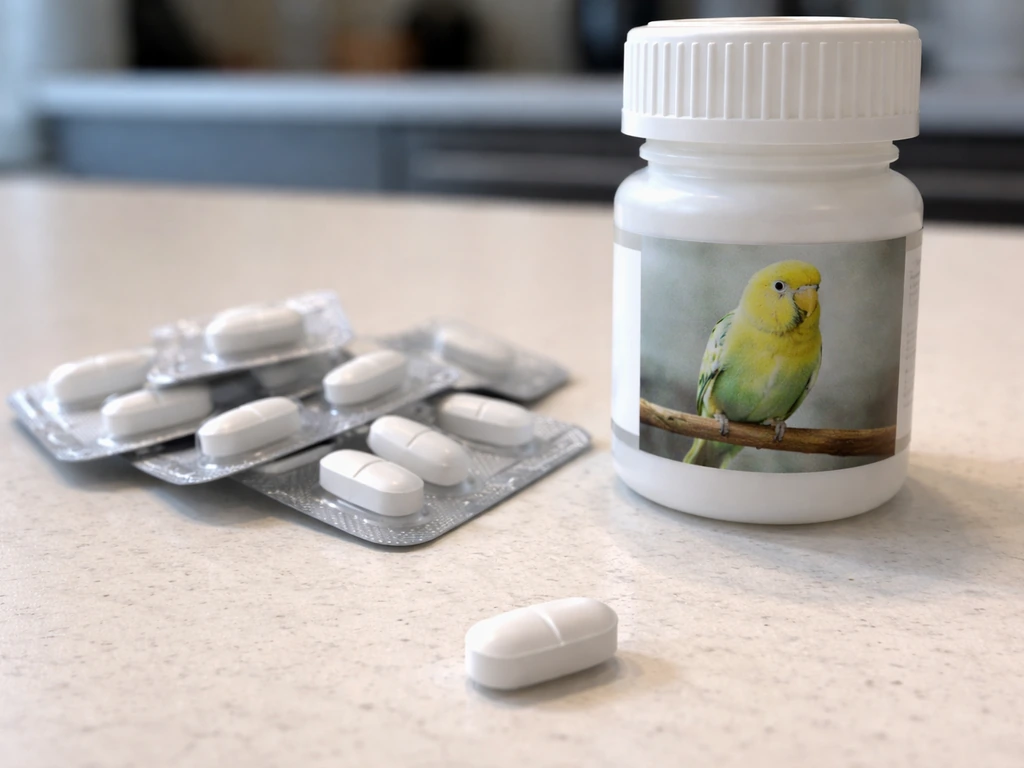
What 'Bird Zithro' Actually Is
Online, 'bird Zithro' most commonly refers to products like Fix Zithro 250, sold as azithromycin 250 mg tablets specifically for avian use on sites such as BirdAntibiotic.com. The active ingredient, azithromycin, is the same molecule found in the brand-name human drug Zithromax, a macrolide antibiotic used to treat bacterial infections. The 'bird' labeling is a marketing and regulatory category, not a sign that the chemical composition is fundamentally different. Some animal formulations also come as liquid suspensions at concentrations like 40 mg/mL, which are designed around avian dosing protocols, not human ones.
The reality is that these products exist in a regulatory gray zone. The FDA has issued warning letters to companies selling 'Aqua-Zithro (Birds) Azithromycin' and similar products, noting that unapproved animal antimicrobials pose two distinct public health risks: harm to the person who takes them inappropriately, and contribution to antibiotic resistance. These are not certified pharmaceutical-grade human medicines. They are sold without a prescription, without a pharmacist's review, and without the quality controls that govern drugs dispensed at a licensed pharmacy.
Azithromycin Is a Real Human Prescription Drug

Azithromycin is FDA-approved for human use to treat a specific list of bacterial infections, including community-acquired pneumonia, acute bacterial exacerbations of chronic bronchitis, pharyngitis and tonsillitis (in certain patients), skin infections, and some sexually transmitted infections. Doctors prescribe it routinely. The typical adult course is a 500 mg dose on day one, followed by 250 mg daily for four more days, though dosing varies by indication. It works, it is well-studied, and in the right clinical situation it is an appropriate choice.
The critical word there is 'prescription.' In the United States, azithromycin for human use requires a clinician's authorization because the risks are real enough to warrant professional oversight. The bird-product loophole exists because animal drugs occupy a different regulatory lane, not because the safety concerns disappear.
Why Taking the Bird Version Yourself Is a Bad Idea
The folklore online is that 'bird antibiotics are the same thing, just cheaper. is bird saliva dangerous to humans Just cheaper.. ' There is a kernel of truth buried in there, the active molecule is azithromycin, but the reasoning collapses quickly once you look at the details. Here is what actually changes when you move from a human prescription to a bird product.
- No quality verification: Human-grade pharmaceuticals are manufactured under FDA Good Manufacturing Practice standards. Bird products sold outside that system have no guaranteed purity, potency, or contamination testing.
- Dose is not obvious: Avian veterinary dosing for azithromycin is 40 to 50 mg/kg per day, which is weight-based and species-specific. Human dosing follows entirely different protocols by indication. A 250 mg tablet from a bird product does not automatically equal the right human dose for your infection.
- No diagnosis: Azithromycin does not treat viral infections, fungal infections, or many bacterial strains that have developed resistance. Taking it for the wrong infection delays correct treatment and contributes to resistance.
- No screening for your contraindications: A pharmacist or doctor checks your other medications and medical history before dispensing azithromycin. Buying a bird product skips that entirely.
- Legal and safety accountability: If something goes wrong, there is no pharmaceutical trail and no recourse.
Who Especially Should Not Self-Medicate With Azithromycin

Even pharmaceutical-grade azithromycin carries important dosing and safety constraints based on individual factors. These are not theoretical edge cases; they affect a large portion of the population.
| Patient Factor | Why It Matters With Azithromycin |
|---|---|
| Age under 6 months | FDA labeling states safety and effectiveness have not been established for infants under 6 months. Pediatric dosing is weight-based and indication-specific. |
| Pregnancy or breastfeeding | Azithromycin passes into breast milk. Use during pregnancy or breastfeeding requires a clinician to weigh benefit versus risk on an individual basis. |
| Pre-existing heart conditions | Azithromycin can cause QT prolongation, a change in heart electrical activity that can trigger fatal arrhythmias. People with cardiovascular disorders face elevated risk. |
| Liver or kidney impairment | The drug is metabolized and excreted through these organs. Impaired function can lead to drug accumulation and toxicity. |
| Known macrolide allergy | Allergy to azithromycin or other macrolides (such as erythromycin) is a contraindication. Serious reactions including anaphylaxis have been reported. |
Drug Interactions and Side Effects Worth Knowing
Azithromycin has a real drug-interaction profile that a bird-product purchaser has no way to navigate without professional guidance. The most clinically significant interactions include warfarin and other oral anticoagulants. Postmarketing reports show that azithromycin can potentiate the blood-thinning effect of warfarin, raising bleeding risk. If you take a blood thinner and add azithromycin without telling your prescriber, you could end up with dangerous bleeding before anyone realizes why.
The heart-rhythm concern deserves its own emphasis because the FDA issued a specific safety communication about it. Azithromycin can cause QT prolongation that is potentially fatal, particularly when combined with other drugs that also prolong the QT interval. Examples include certain antipsychotics, antiarrhythmics, some antihistamines, and fluoroquinolone antibiotics. This is not a remote theoretical risk; the FDA communication was issued precisely because real patients experienced fatal arrhythmias.
Beyond the cardiac issue, azithromycin's documented side effects include serious allergic reactions up to and including anaphylaxis and angioedema, severe skin reactions such as Stevens-Johnson syndrome and toxic epidermal necrolysis, and hearing disturbances including hearing loss and tinnitus. These are listed in the official FDA labeling as warnings that require stopping the drug immediately and seeking medical care. FDA labeling for ZITHROMAX (azithromycin) includes boxed and label sections with major contraindications and risk information based on FDA-approved human use blank" rel="noopener noreferrer">These are listed in the official FDA labeling. You cannot monitor yourself for these the way a clinical team can.
What to Do Today If You Think You Need Azithromycin

If you are searching 'can humans take bird Zithro,' you probably have symptoms you are trying to treat. That is the real problem to solve, and there is a practical path forward right now. For the question of whether is bird biotic safe for humans, the short answer is no, because the bird-marketed product is unregulated and self-dosing can be risky.
- Gather your information before you call or visit: Write down your symptoms and when they started, any medications you currently take (including over-the-counter drugs and supplements), any known drug allergies, and any relevant history such as heart conditions, liver or kidney issues, or pregnancy.
- Call or visit a pharmacist first: Pharmacists can tell you whether azithromycin is even the right drug class for your likely infection and whether you have any obvious contraindications. Many can connect you directly to a prescriber or telehealth service.
- Use a telehealth or urgent care visit if you do not have a primary care provider: As of today, telehealth platforms can evaluate respiratory, skin, and other bacterial infection symptoms and issue prescriptions within an hour in most cases. A human prescription from a licensed pharmacy is the same drug, manufactured to a known standard, at a verified dose.
- Do not take the bird product while you wait: If you already have it in hand, set it aside. The delay for a proper prescription is measured in hours, not days, and the risk calculus does not favor self-dosing with an unregulated product in that window.
- If you have already taken it and have symptoms: Call Poison Control at 1-800-222-1222 or use webPOISONCONTROL at poison.org. These services are free, confidential, and available 24 hours a day.
Go to an emergency room immediately if you notice any of these
- Hives, swelling of the face or throat, or difficulty breathing after taking azithromycin (signs of anaphylaxis)
- Rapid, irregular, or pounding heartbeat, dizziness, fainting, or chest pain (possible cardiac arrhythmia, including QT prolongation)
- A spreading rash with blistering or skin peeling (could indicate Stevens-Johnson syndrome or toxic epidermal necrolysis)
- Sudden significant change in hearing or ringing in the ears
- High fever with confusion or signs of severe systemic illness
The Bottom Line on Bird Medicine and Human Use
The concept of 'bird medicine' being interchangeable with human medicine is one of those internet ideas that sounds plausible until you look at it carefully. The active ingredient may be identical, but everything surrounding it, the dose form, the purity standards, the regulatory oversight, the clinical screening, is different. Azithromycin is a useful antibiotic with a legitimate place in human medicine. It is prescribed every day. Getting it the right way through a clinician takes a few hours and costs less than you probably expect, especially with telehealth options. The bird-product shortcut is not actually shorter; it just trades medical oversight for uncertainty and real risk. If you are also exploring related questions about bird-related risks to human health, questions around bird dander, bird products, or exposure to bird-associated pathogens follow similar patterns: the risk is real but manageable when you have accurate information and act on it properly.
FAQ
If the active ingredient is azithromycin, can humans take bird Zithro in an emergency when they cannot see a doctor right away?
It is still not a safe plan. Azithromycin requires decision-making around which bacterial infection is likely, allergies, drug interactions, and QT risk. In a true emergency, the safer step is urgent care or telehealth so a clinician can screen for contraindications and choose the correct dose and duration.
How can I tell whether a “bird Zithro” bottle is really azithromycin and what dose I am getting?
Do not rely on marketing claims or “equivalent” language. Check the label for exact strength per tablet or the concentration per mL if it is liquid, and verify the active ingredient listing. If it does not clearly state mg amounts and has no verifiable manufacturer or lot information, treat it as unreliable and do not self-dose.
What should I check first if I am considering azithromycin at all, even from a pharmacy?
Start with medication and allergy review. Tell a clinician or pharmacist if you take warfarin or other anticoagulants, drugs known to prolong the QT interval, or if you have a history of arrhythmia. Also mention if you have liver disease, since abnormal liver function can affect management.
Is it dangerous if I already took a bird Zithro dose and now I realize it was not prescribed?
Call a pharmacist or clinician promptly and provide the exact product name, strength, number of doses taken, and when you took them. Most people will not need emergency care, but you should seek urgent help immediately if you develop symptoms like fainting, palpitations, severe rash, facial swelling, trouble breathing, or black stools or unusual bleeding.
Can I use bird Zithro to treat viral illnesses like the flu or most sore throats?
Usually no. Azithromycin only treats bacterial infections. Taking it for viral illness exposes you to side effects and contributes to antibiotic resistance without improving recovery. If symptoms suggest pneumonia, strep throat, or a specific bacterial infection, get guidance rather than self-medicating.
What QT-prolongation risks should I know if I take azithromycin?
QT risk is higher when you combine QT-prolonging drugs, have low potassium or magnesium, have existing heart rhythm problems, or are on certain psych or heart medications. If you have a known long-QT condition, a recent fainting episode, or are taking multiple interacting medicines, do not self-start and get clinician input first.
Are there specific drug categories that most often conflict with azithromycin?
Common high-risk categories include blood thinners like warfarin, certain antiarrhythmics, some antipsychotics and antidepressants, some antihistamines, and fluoroquinolone antibiotics. Pharmacists can quickly check for interactions if you share a full list of prescriptions, over-the-counter meds, and supplements.
What side effects are reasons to stop immediately and seek care?
Stop and seek care urgently for signs of severe allergic reactions (hives, swelling of face or lips, trouble breathing), severe skin reactions (blistering rash or peeling), or symptoms suggesting abnormal heart rhythm (fainting, severe dizziness, rapid or irregular heartbeat). For hearing changes like sudden hearing loss or intense tinnitus, contact a clinician quickly.
Why do animal or “bird” formulations have different risks if the medicine molecule is the same?
Even if the molecule matches, the formulation and dosing framework can differ, and products may be produced without human-pharmacy quality standards. That creates uncertainty around actual dose delivered, purity, and consistency, all of which matter for drugs with interaction and QT risks.
Will taking a smaller amount of bird Zithro make it safe?
Lowering the dose does not remove the core risks, especially heart rhythm and allergy risk, and it can still be ineffective for the infection. Underdosing can also promote treatment failure and resistance. If azithromycin is appropriate, use the clinically determined human dose and schedule.