
Bird zithro is not safe for humans to self-administer. It refers to azithromycin products sold or compounded for birds, and while the active molecule is the same antibiotic used in human medicine, the formulation, dosage, inactive ingredients, and regulatory oversight are completely different. Taking it yourself, even in a single dose, carries real risks: serious allergic reactions, dangerous heart rhythm changes, and antibiotic resistance. If you've already been exposed accidentally, the immediate steps below matter more than anything else you'll read here.
Is Bird Zithro Safe for Humans? Exposure and Triage Guide

Marcus Whitmore
24 Jun 2026
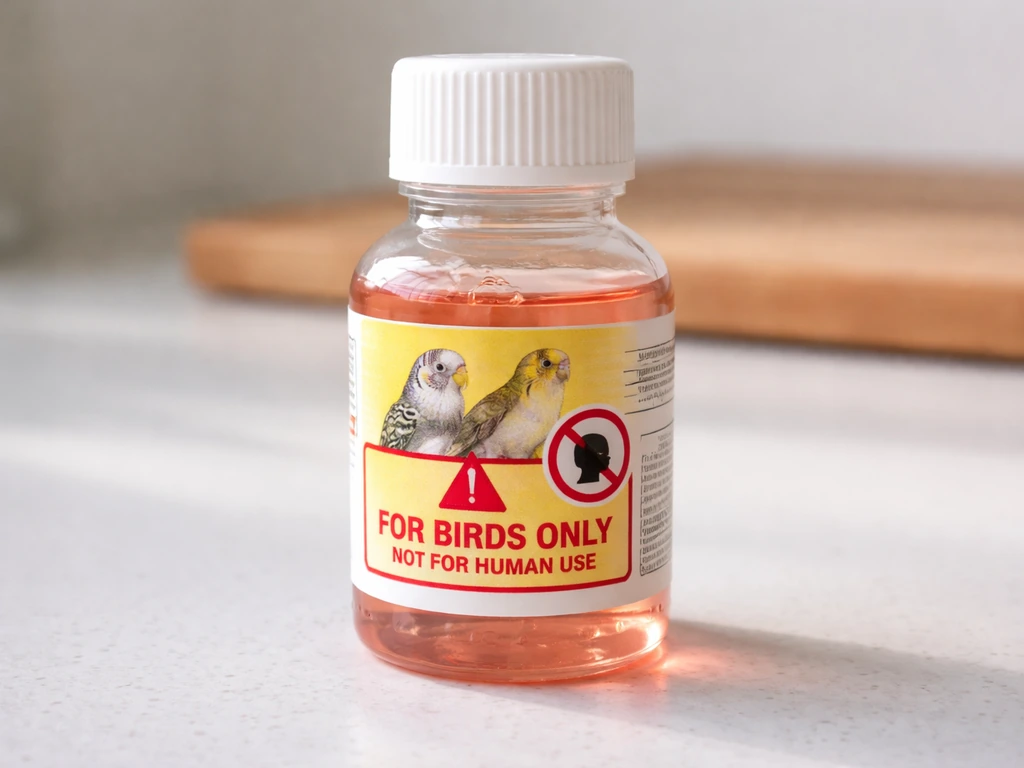
What 'bird zithro' actually is
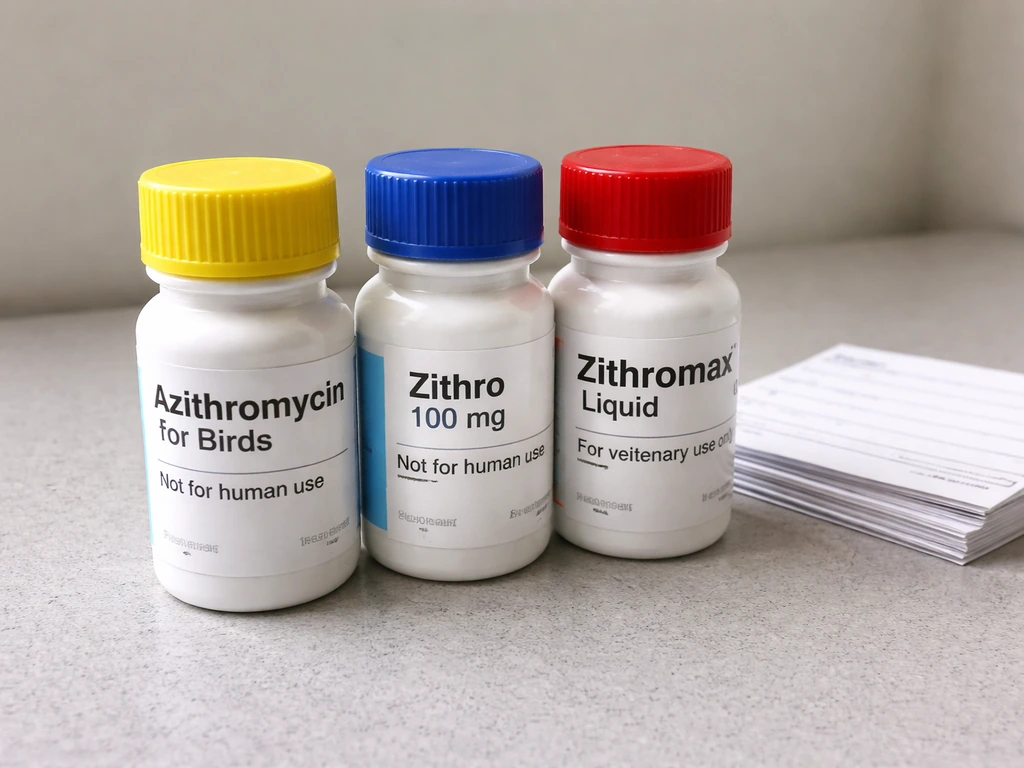
The term 'bird zithro' almost always refers to azithromycin products marketed for birds and other exotic or minor species. One of the most cited examples is Aqua-Zithro, an azithromycin tablet sold as a bird (and fish) antibiotic. The FDA has issued warning letters specifically about Aqua-Zithro, describing it as an unapproved or misbranded animal drug product. It is not a licensed human pharmaceutical. In veterinary practice, azithromycin is used in pet birds at dosing ranges around 40 to 50 mg per kilogram of body weight daily, which is a very different calculation than what any human prescription would specify. The Merck Veterinary Manual notes that many antimicrobials used for birds aren't formally approved for avian use at all, meaning the products exist in a regulatory gray zone that human medicine does not occupy.
You might also see it spelled 'zithro,' 'bird zithromax,' or simply 'bird antibiotic.' All of these point to the same drug class: macrolide antibiotics, azithromycin specifically. If you've seen it sold online or in a pet supply store without a prescription, that's already a signal that this is not a human-labeled product.
Is it safe for humans to ingest or apply?
No, and this is worth being direct about. Bird zithro is labeled 'Not for human use' precisely because veterinary animal drug products are not manufactured, tested, or regulated to human pharmaceutical standards. Because bird zithro is not made, tested, or regulated for human use, it should not be taken by people. That 'Not for human use' warning exists on the FDA animal drug labeling for a reason. Even if the active ingredient is technically azithromycin, there is no guarantee the tablet you're looking at contains the correct dose, uses safe excipients (the filler and binder ingredients), or was produced under FDA Good Manufacturing Practice conditions for human consumption. The risk isn't zero just because a familiar molecule is involved.
Even for humans taking properly manufactured, human-approved azithromycin (Zithromax) under a doctor's supervision, the FDA label carries serious warnings. blank" rel="noopener noreferrer">Allergic reactions including anaphylaxis can happen after just one dose. The FDA also issued a Drug Safety Communication specifically warning that azithromycin can cause potentially fatal heart rhythm problems, including QT prolongation and torsades de pointes, especially in people with existing heart conditions or those taking certain other medications. These aren't rare theoretical concerns; they're serious enough that the FDA maintains ongoing postmarket surveillance for azithromycin products. Now remove the medical oversight, the verified dosing, and the quality-controlled manufacturing, and the risk profile gets worse, not better.
Why bird formulations aren't interchangeable with human medicines
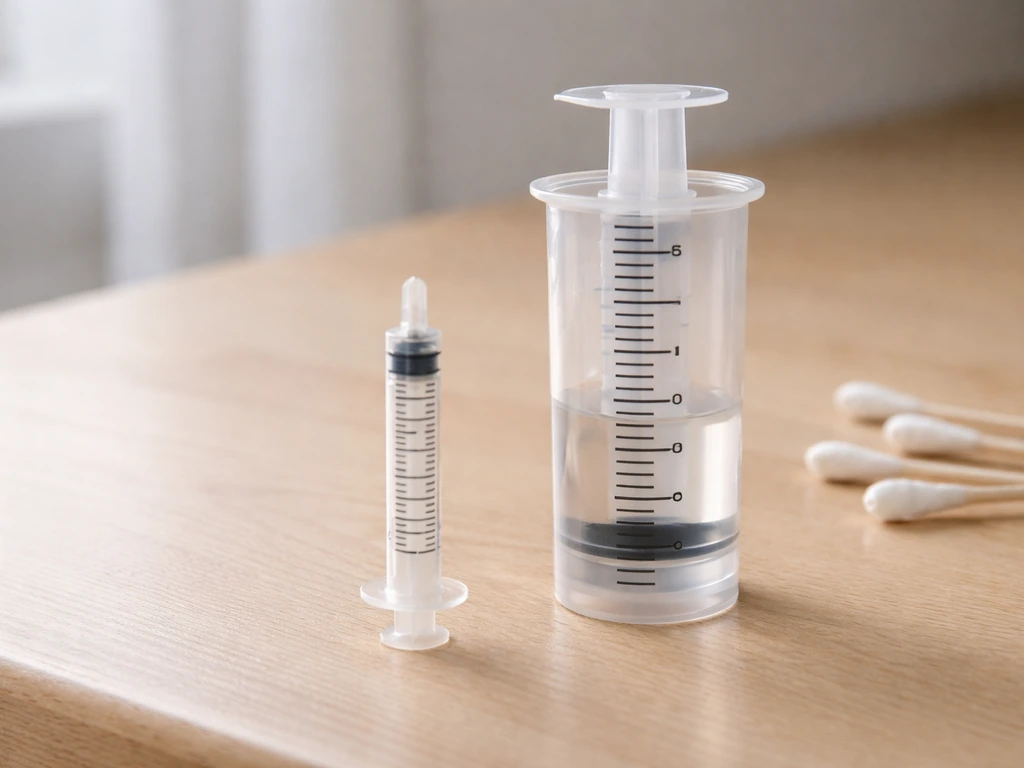
This is the part that surprises most people. They assume that if the active ingredient is the same, the product is essentially equivalent. The reality is that pharmaceutical equivalence requires far more than a matching molecule. Human azithromycin tablets and oral suspensions are produced under strict manufacturing controls, verified for exact dosage, and tested for bioavailability in humans. Veterinary and bird-marketed versions may be compounded, produced in lower-oversight facilities, or formulated with inactive ingredients that are fine for birds but potentially harmful to humans.
Dosing is another fundamental problem. Even if the active ingredient is azithromycin, bird formulations are not designed for human dosing or safety. Bird dosing at 40 to 50 mg per kg per day is calibrated for small animals with different metabolisms, gut transit times, and organ function than adult humans. Self-converting that to a human dose is not straightforward, and getting it wrong means either taking too little (which contributes to antibiotic resistance without treating anything) or taking too much (which increases toxicity risk). On top of that, azithromycin has significant drug interactions that a prescribing physician would screen for. A bird product has no mechanism for catching those interactions.
There's also the allergy question. Azithromycin is contraindicated in people with known hypersensitivity to azithromycin, erythromycin, or any macrolide antibiotic. Someone who doesn't know their allergy status and takes an unregulated bird product has no safety net if a reaction starts.
What to do right after accidental exposure
The right response depends on how the exposure happened. Here's a clear breakdown by route:
Accidental ingestion
Do not induce vomiting unless Poison Control or a medical provider specifically tells you to. This is a consistent recommendation from the Mayo Clinic and Poison Control alike; inducing vomiting without guidance can make things worse depending on the substance and amount. Instead, note exactly what was ingested, how much, and when. Then go to webPOISONCONTROL.org or call 1-800-222-1222 immediately. The online tool and the hotline will triage your exposure and tell you whether you need emergency care or can be managed at home. WebMD specifically notes that even for azithromycin, if too much is taken, you should contact Poison Control or seek emergency help right away.
Skin contact

Remove any contaminated clothing first, then rinse the affected skin with running, lukewarm water for at least 15 minutes. This is consistent guidance from the Cleveland Clinic, Poison Control, and CDC decontamination protocols for chemical or medication exposures. After rinsing, call Poison Control if you have any irritation, rash, or if you're unsure about the exposure level.
Eye splash
Remove contact lenses immediately if you wear them. Then irrigate the eye with room-temperature water continuously for 15 to 20 minutes. Poison Control specifically advises this window for eye exposures before further evaluation. After irrigation, call Poison Control or go to urgent care if you have persistent redness, pain, or vision changes.
Inhalation of powder or fumes
Move to fresh air immediately. If you have breathing difficulty, chest tightness, or dizziness, call 911. For mild exposure with no symptoms, contact Poison Control for guidance on monitoring.
When to call 911 or go to the ER immediately
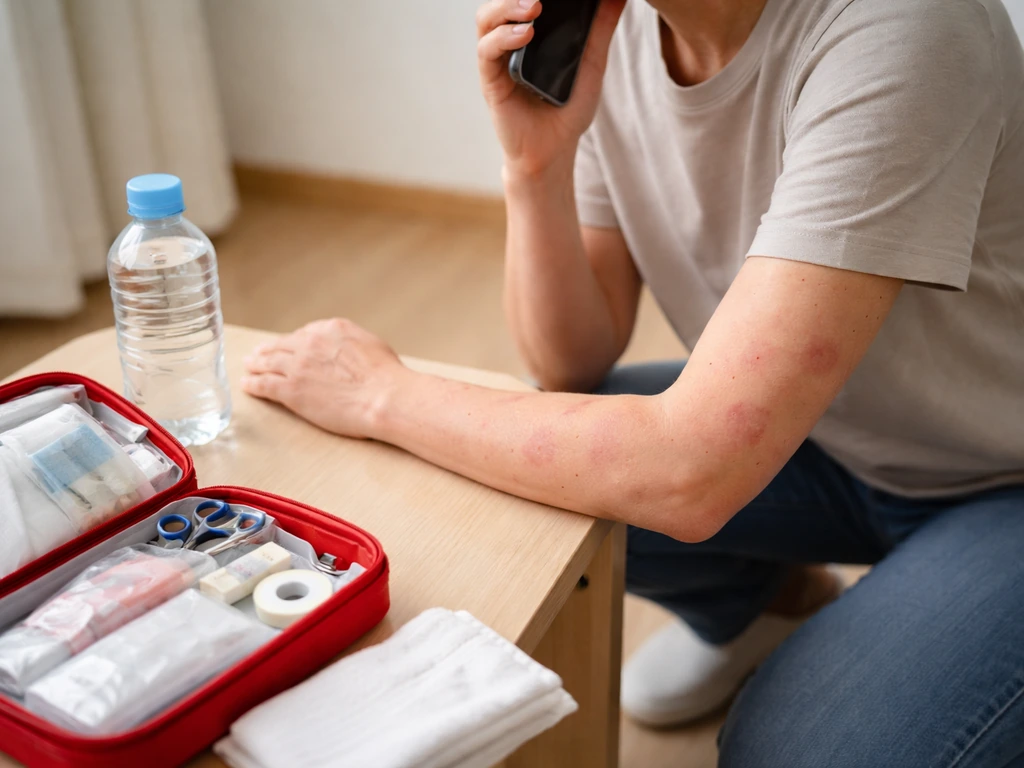
Some symptoms after any azithromycin exposure require emergency care, not a wait-and-see approach. Get emergency help immediately if you or someone else experiences:
- Hives, skin rash, or widespread redness appearing shortly after exposure
- Swelling of the face, lips, tongue, or throat
- Difficulty swallowing or breathing
- Chest pain, irregular heartbeat, or palpitations
- Severe dizziness, fainting, or loss of consciousness
- Seizures
These are the red-flag symptoms the Cleveland Clinic and the FDA label both associate with serious azithromycin reactions, including anaphylaxis and cardiac events. Don't wait for symptoms to escalate before calling 911. Poison Control (1-800-222-1222) is appropriate for guidance on milder or uncertain exposures, but for any of the symptoms above, go straight to emergency services.
Common myths and the real risks
There's a persistent idea online that bird antibiotics, fish antibiotics, and similar veterinary drugs are 'the same thing' as human prescriptions and safe to use in a pinch. This surfaces regularly in prepper communities, rural areas with limited healthcare access, and among pet owners who figure that if it's safe for their bird, it won't hurt them. The reality is more complicated.
The active molecule may be the same, but pharmaceutical equivalence is not just about the molecule. Bird saliva itself is not a substitute for medical advice, and exposure risks depend on what the person actually contacted, including any medications or contaminants involved is bird saliva dangerous to humans. Inactive ingredients (excipients) vary significantly between veterinary and human formulations and can cause reactions in humans. Manufacturing standards for animal products don't match human GMP requirements, meaning tablet-to-tablet dose consistency may not be reliable. And taking an antibiotic without a confirmed bacterial diagnosis or appropriate medical evaluation doesn't just risk personal harm; it contributes to antibiotic resistance, which is a genuine public health problem. Using subtherapeutic doses, wrong-spectrum antibiotics, or poorly manufactured formulations selects for resistant bacterial strains without actually clearing an infection.
Another myth: that because azithromycin is 'common' and 'mild,' a bird version can't do serious harm. The FDA's dedicated Drug Safety Communication on azithromycin's cardiac risks should put that idea to rest. QT prolongation is not a trivial side effect, and it's more likely in people who don't know their baseline cardiac status or current medication interactions, which describes almost everyone self-medicating with an unregulated product.
It's worth separating this question from other bird-related human health concerns. Topics like bird dander exposure or infectious risks from birds involve completely different hazard pathways. Bird dander is discussed separately from bird medications, and it can trigger allergy symptoms in some people bird dander exposure. Medication safety is its own category, governed by pharmacology and regulatory science rather than biology of bird-to-human disease transmission.
Safer practices for pet owners and professionals
If you keep birds and use veterinary azithromycin as part of their care, there are straightforward practices that protect you and everyone else in the household.
- Always read the label before handling any veterinary medication. Labels for animal drug products typically include 'Not for human use' and may specify handling precautions. If yours doesn't have a label, treat it as higher risk.
- Wear nitrile gloves when handling compounded or powdered avian antibiotics, especially if you're mixing or crushing tablets. Powder inhalation or skin absorption is a real exposure route.
- Store bird medications in clearly labeled, child-resistant containers, well away from any human medications. This prevents accidental ingestion by family members who assume any unlabeled tablet is safe.
- Never split, crush, or repurpose a bird's azithromycin prescription for human use, and don't convert the dose yourself. Species-specific dosing doesn't translate directly.
- If you genuinely need azithromycin for a human illness, see a doctor or use a telehealth service. Human-approved azithromycin is not difficult to obtain legally and comes with the medical oversight that makes it actually safe.
- After handling any animal medication, wash hands thoroughly with soap and water before touching your face, mouth, or eyes.
For aviation professionals or researchers who encounter birds in occupational settings, medication safety is a separate concern from infectious disease risk. If you're involved in wildlife management or avian research and handling birds that may be on veterinary drug protocols, the same PPE and hand hygiene principles apply. The hazard profile of bird zithro is pharmaceutical, not infectious.
The bottom line on bird zithro: it's an unregulated, non-human-approved azithromycin product that carries the full pharmacological risk profile of azithromycin plus the added uncertainty of veterinary formulation and manufacturing. In humans, azithromycin products marketed as bird drugs can trigger serious reactions, so they are considered harmful if taken or used on people bird zithro. If you've been accidentally exposed, use the Poison Control resources above. The Poison Control orderable guide emphasizes calling Poison Control or 911 when symptoms are severe or life-threatening use the Poison Control resources above. If you're tempted to use it intentionally for a human illness, don't. The safer path is always a human-approved formulation with appropriate medical oversight.
FAQ
What should I do if I already took bird zithro by mistake and I feel fine right now?
Do not take another dose. Call Poison Control (1-800-222-1222 or webPOISONCONTROL.org) and tell them the product name, strength on the label, how many tablets or mL you took, your age and weight, and when you took it. Even without symptoms, azithromycin can rarely cause heart rhythm problems later, and you may need short-term monitoring or a medication-interaction check.
Can bird zithro be used on humans if it says it contains azithromycin?
No, the same active ingredient does not guarantee the same tablet strength, bioavailability, or safety. Veterinary or compounded products may use different inactive ingredients, different release characteristics, and may not be manufactured to the quality controls required for human dosing, so equivalence cannot be assumed.
If the bird product is “for fish,” is it safer for humans?
No. Fish- or bird-labeled azithromycin products are still animal drugs and typically do not meet human manufacturing, dosing uniformity, or labeling standards. Treat them the same as any unapproved azithromycin product and contact Poison Control if exposure occurs.
Is it ever acceptable to give bird zithro to a child if a prescription is unavailable?
No. Children are more vulnerable to dosing errors, and antibiotic mis-dosing increases toxicity risk and antibiotic resistance. If you cannot access a clinician quickly, call Poison Control for exposure guidance and seek urgent pediatric advice for an appropriate, human-labeled antibiotic and weight-based dose.
What if someone took one dose to “test” whether it works?
Do not repeat the dose. A single exposure can still trigger allergic reactions or cardiac effects in susceptible people. Contact Poison Control, and if you have any warning symptoms like hives, swelling, fainting, severe dizziness, palpitations, or shortness of breath, seek emergency care immediately.
What symptoms specifically mean I should call 911 rather than Poison Control?
Call 911 for trouble breathing, facial or throat swelling, widespread hives, fainting, severe dizziness, chest pain, rapid or irregular heartbeat, or confusion. Poison Control is appropriate for milder or uncertain exposures, but these red flags warrant emergency evaluation rather than home monitoring.
Does applying bird zithro to the skin or eyes count as “safe” if it is not swallowed?
No. Skin and eye exposures can still cause irritation, allergy, or chemical injury depending on the formulation. If it gets on skin, rinse with lukewarm running water for at least 15 minutes. If it gets in the eyes, irrigate continuously for 15 to 20 minutes and then call Poison Control or urgent care if redness, pain, or vision changes continue.
What information should I have ready when I call Poison Control?
Have the exact product name, photos of the label (especially strength and active ingredients), the route (swallowed, skin, eye, inhaled), estimated amount, and time since exposure. Also provide age, weight, relevant medical history (especially heart rhythm problems or long QT), and a list of current medications.
Could bird zithro cause antibiotic resistance even if it only helped “a little”?
Yes. Taking an antibiotic without confirmed need or using an incorrect dose or duration can select resistant bacteria even if symptoms improve temporarily. This can make future infections harder to treat and can increase risk to others if resistant strains spread.
Are there specific people who should be extra cautious about azithromycin exposure?
Yes. People with known QT prolongation or history of serious arrhythmias, those on medications that affect heart rhythm, and those with a history of macrolide allergy are higher risk. If any of these apply, contact Poison Control immediately after exposure and do not self-medicate.
What should I not do after an exposure to bird zithro?
Do not induce vomiting unless a clinician or Poison Control tells you to, and do not take extra medication to “counteract” it. Do not wait several days for symptoms, especially for any breathing, fainting, or heart-related warning signs, and do not continue using the product on the person.