
In most cases, no, animal control will not remove a bird nest for you. They might show up, take a look, and tell you exactly why they can't touch it, then hand you a referral number. That's not them being unhelpful. It's because a patchwork of federal law, state rules, and local ordinances makes bird nest removal genuinely complicated, and most animal control agencies simply aren't equipped or authorized to handle it. What you actually do next depends on three things: what species built the nest, whether the nest is active (eggs or chicks present), and where it's located on or near your property.
Does Animal Control Remove Bird Nests? What to Expect

Marcus Whitmore
14 Jun 2026
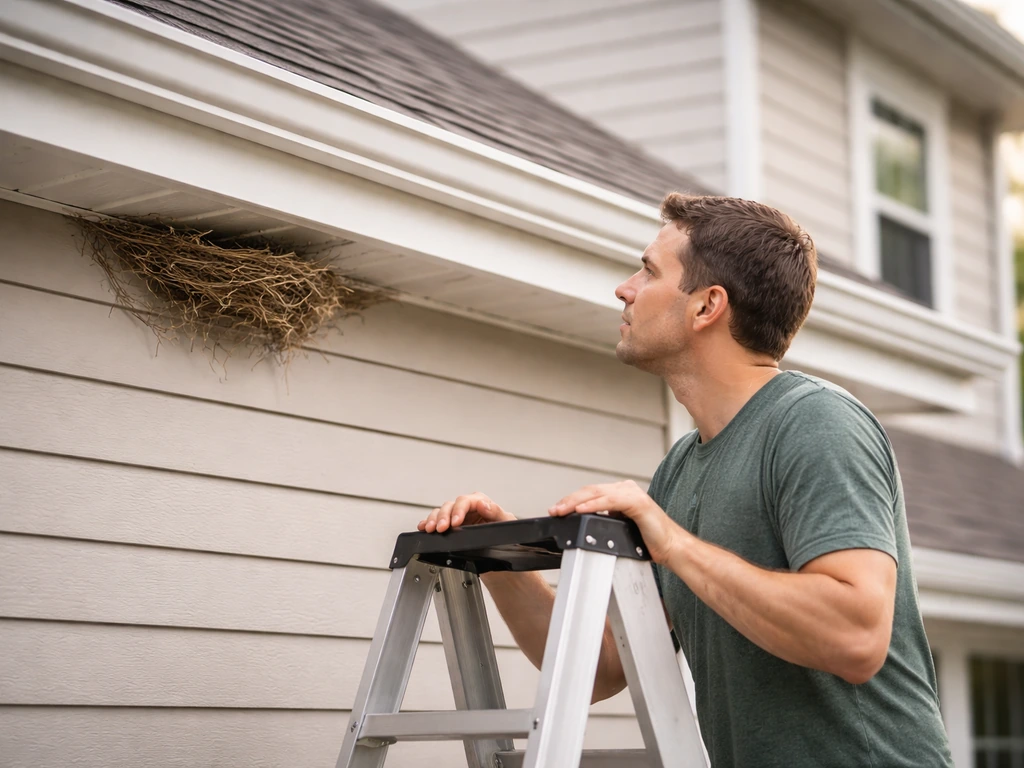
What animal control typically does when you call about a bird nest
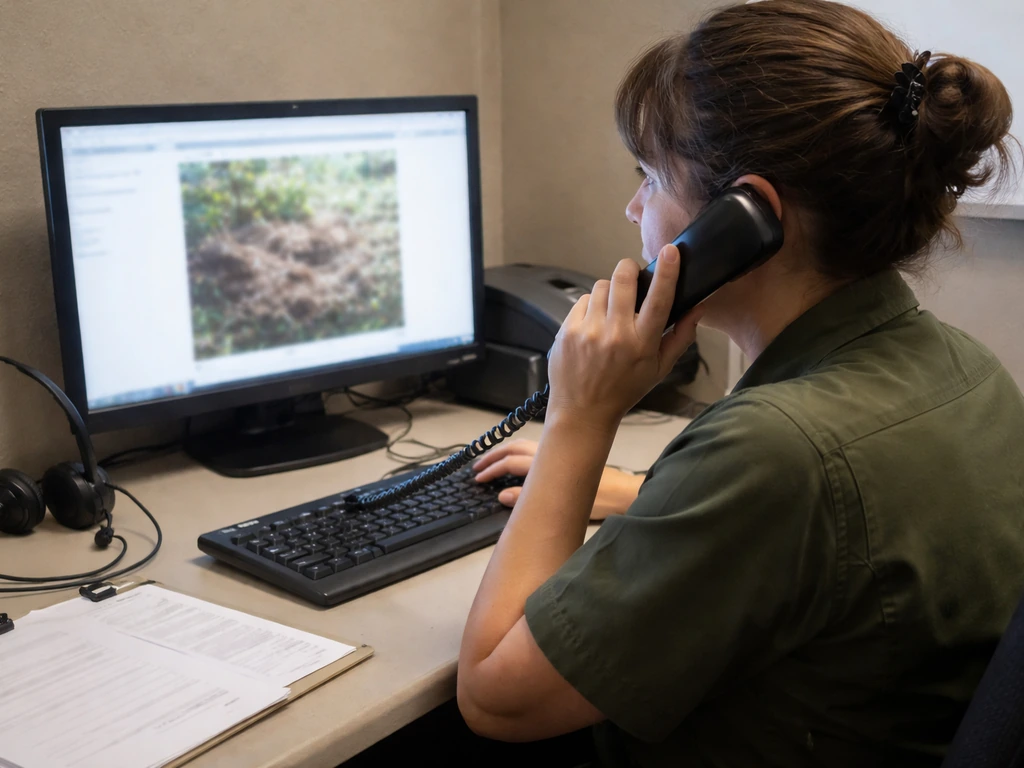
Animal control agencies are set up to handle terrestrial animals, especially domesticated or feral ones. Dogs, cats, raccoons, the occasional escaped iguana. Birds, particularly wild nesting birds, fall into a legal gray zone that most animal control departments aren't staffed or trained to navigate. When you call them about a bird nest, the most common outcomes are: they decline to respond, they visit and confirm the nest but take no action, or they refer you to a licensed wildlife removal company or your state's wildlife agency.
Some agencies will remove an empty, inactive nest if it's causing a structural or health hazard, especially if it's a non-native species like European starlings or house sparrows, which have fewer federal protections. But for the vast majority of bird nests, animal control's answer is going to be some version of 'wait it out' or 'call someone else. If you are trying to figure out how big bird control works in your area, the process is usually the same: they assess the species and whether the nest is active, then either refer you or advise waiting how is big bird control. ' It's worth understanding why before you get frustrated with them.
Why they won't remove most nests: the legal reality
The Migratory Bird Treaty Act of 1918 (MBTA) is the reason almost nobody in an official capacity will casually pull down a bird nest. The law is sweeping. It makes it unlawful, quote, 'at any time, by any means or in any manner' to pursue, hunt, take, capture, kill, possess, transport, sell, or even cause to be transported any migratory bird or 'any part, nest, or egg' of such bird, except as permitted by federal regulations. That covers hundreds of species, including common backyard birds like robins, sparrows, swallows, and warblers.
The key distinction under current federal policy, updated in the 2025 MBPM-2 nest memorandum from the U.S. Fish and Wildlife Service (USFWS), is between 'active' and 'inactive' nests. An inactive nest, one with no eggs, no chicks, and no birds currently using it, can generally be removed without a federal permit. An active nest, meaning one with eggs or dependent young, cannot be destroyed or disturbed without proper authorization. This single distinction is what determines whether removal is legal on any given day.
Beyond the MBTA, some species carry even stronger protection. Bald eagles and golden eagles are covered under the Bald and Golden Eagle Protection Act, which has its own permit requirements and stricter standards. Endangered or threatened species listed under the Endangered Species Act layer on additional rules. If there's any chance the nest belongs to one of these species, any removal attempt without permits could carry serious federal penalties.
Which birds are not protected under the MBTA
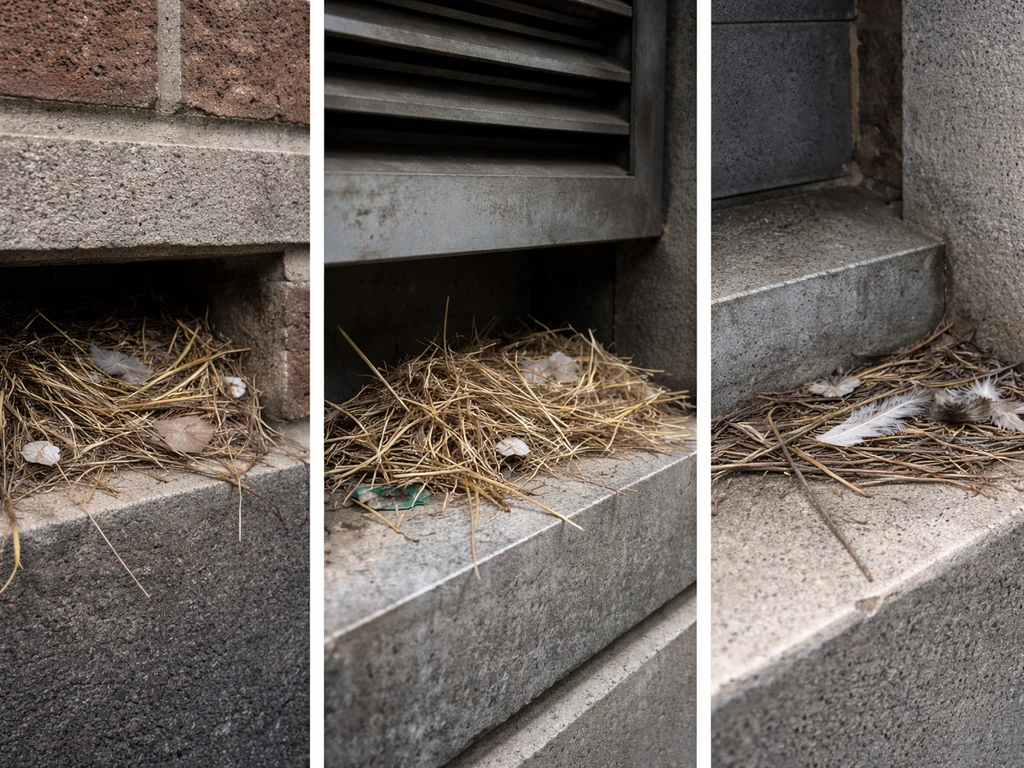
Three common species are not protected by the MBTA because they are non-native, invasive birds: the European starling, the house sparrow, and the rock pigeon (common city pigeon). Their nests can legally be removed at any time without a federal permit, though some states have their own rules, so it's still worth a quick check with your state wildlife agency before acting. If you have a confirmed starling or house sparrow nest in a vent, gutter, or building cavity, you have considerably more flexibility than you would with a robin or barn swallow.
How to handle nest removal safely and legally
The cleanest, lowest-risk path for most homeowners is simply to wait. If you want a quick overview of what bird abatement involves, this guide can help you understand the process and what actions are typically legal wait. Most songbirds fledge, meaning the young birds leave the nest on their own, within two to three weeks of hatching. The whole nesting cycle from egg-laying to fledging is often four to six weeks total. Waiting until the nest is genuinely inactive, then removing it and immediately installing exclusion materials so birds can't rebuild, is both legal and effective. It's not the answer anyone wants to hear when there's a nest clogging a dryer vent in June, but it's the approach that won't put you on the wrong side of federal law.
If you have a situation that genuinely can't wait, such as a blocked exhaust vent creating a carbon monoxide risk, or a nest actively attracting predators near pets or children, you may be able to apply for a federal depredation permit through the USFWS. These are granted in documented cases of property damage or health and safety risk. The process takes time, so 'can't wait' situations need to be escalated immediately, not after a few weeks of hoping the problem resolves itself.
For scaring or herding (not harming) depredating migratory birds, no federal permit is required under current regulations, as long as you're not dealing with eagles or listed threatened and endangered species. That means hazing techniques like visual deterrents, noise devices, or physical barriers that discourage landing and nesting don't require paperwork. What you cannot do without a permit is physically handle, relocate, or destroy an active nest.
- Identify the species (photos help, apps like Merlin or eBird make this fast).
- Determine if the nest is active: look for eggs, chicks, or regular adult bird visits.
- If active, assess urgency. Is it a genuine safety hazard or an inconvenience?
- If inactive, remove it promptly and seal the entry point to prevent re-nesting.
- If active and urgent, contact USFWS or a licensed wildlife removal company immediately to discuss permit options.
- If active and not an emergency, monitor it and plan exclusion work for after fledging.
Who to actually call instead of animal control
The right call depends on the severity of your situation and the species involved. A bird removal technician is the trained professional who helps assess the situation and handle legal, safe nesting bird removal or exclusion. Here's how the options break down:
| Who to Call | Best For | What They Can Do | Typical Cost Range |
|---|---|---|---|
| Licensed wildlife removal company | Active nests causing property damage or safety hazard | Assess legality, obtain permits if needed, remove or relocate, advise on exclusion | $150–$500+ depending on scope |
| Pest control company (bird-specialized) | Non-protected species (starlings, pigeons, sparrows) or inactive nests | Remove nests, install deterrents, seal entry points | $100–$400 |
| Bird exclusion contractor | Preventing re-nesting long-term after removal | Install netting, spikes, wire mesh, slope deterrents | $200–$2,000+ depending on building size |
| State wildlife agency | Protected or rare species, permit questions, eagles | Guidance, permit referrals, enforcement assistance | Usually free (consultation) |
| USDA APHIS Wildlife Services | Agricultural or aviation-related bird hazards | Integrated wildlife management, permits, population control | Varies; sometimes free for aviation contexts |
| Animal control | Non-bird animals; occasional inactive nest removal | Referral, general advice, non-protected birds sometimes | Usually free; limited bird expertise |
If your situation involves a commercial building or a facility near an airport, the calculus changes significantly. USDA APHIS Wildlife Services specifically handles airport and agricultural bird hazard management, working with trained Qualified Airport Wildlife Biologists under FAA standards. These are not the people you call for a robin nest under your porch, but they are exactly the right resource if you're managing a property where bird nesting poses aviation or large-scale structural risks.
Immediate steps you can take right now
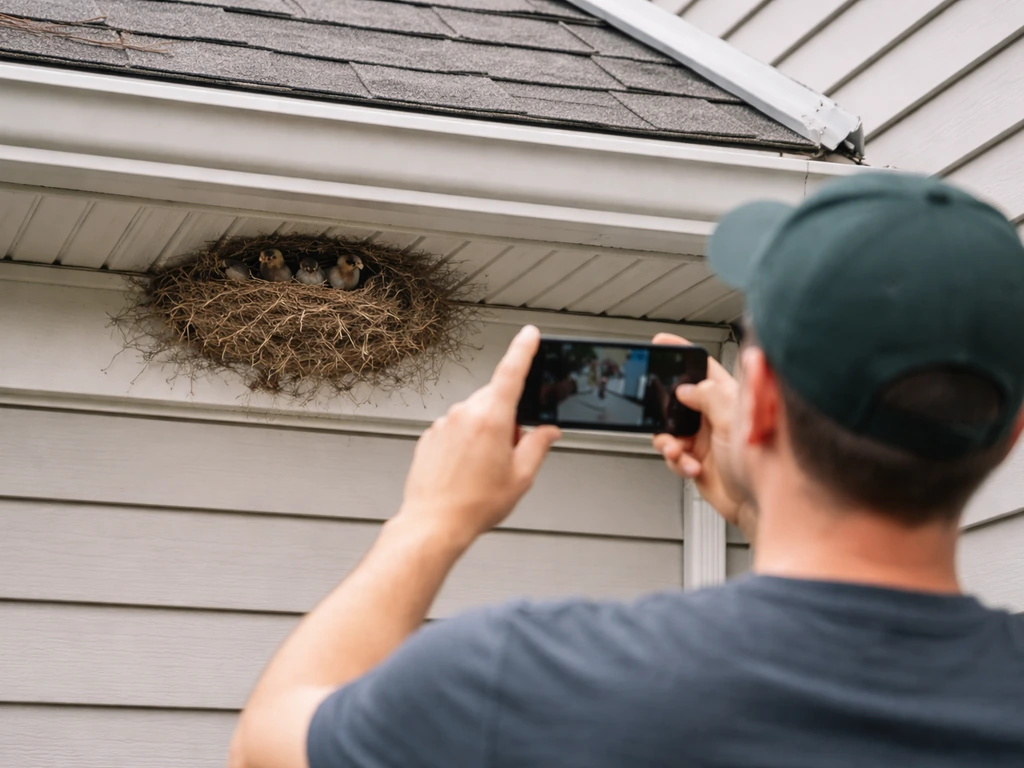
Before you make a single call, spend ten minutes gathering information. It will make every subsequent conversation faster and more productive.
- Photograph the nest from a safe distance, including its location, any eggs or chicks visible, and the surrounding structure.
- Note the date you first noticed it and any adult bird activity you've observed.
- Try to identify the species using a free app like Merlin Bird ID (by the Cornell Lab). A species ID determines your legal options before anything else.
- Check your local ordinances: some municipalities have their own bird protection rules layered on top of federal law.
- Reduce attractants around the nest site: remove nearby food sources, bird feeders, standing water, or nesting materials that might encourage expansion.
- Do not attempt to physically move or disturb the nest until you know the species and whether it's active. The risk of an inadvertent federal violation is real.
When you call a wildlife removal company or your state wildlife agency, have your photos ready, know the approximate date the nest appeared, and be prepared to describe the location precisely. The more specific you are, the faster they can advise you on whether a permit is needed and what your realistic timeline looks like.
Bird nests near buildings, airports, and aviation facilities
Most people asking about bird nest removal are dealing with a backyard or home situation, but it's worth addressing the higher-stakes version of this problem: birds nesting near aviation facilities or large commercial structures. Bird-aircraft collisions are a documented safety risk, and the FAA takes this seriously. While the risk can be aviation related, even something as seemingly harmless as a big bird causing accidents is a sign that wildlife hazard planning matters Bird-aircraft collisions are a documented safety risk. Airports manage bird and wildlife hazards through integrated wildlife management programs that combine habitat modification, hazing, exclusion, and in some cases physical removal, coordinated with USDA APHIS Wildlife Services and operating under specific federal wildlife permits.
For property owners adjacent to airports, or facility managers dealing with large-scale bird roosting and nesting, the approach is more systematic than what a residential homeowner needs. Exclusion devices, specialized fencing, and active deterrent programs are standard tools. The USFWS has noted that physical bird removal can be part of managing collision hazards when birds are nesting near active runways. None of this happens informally. It requires coordination between wildlife biologists, facility managers, and federal agencies.
On the residential side, bird nesting near the roofline, in vents, or in attic spaces creates its own set of risks: accumulated droppings can carry pathogens like Histoplasma, nesting materials can block ventilation systems and create fire hazards, and some larger birds can cause structural damage to soffits and eaves over time. Big birds can also create accident risks when they nest near buildings, roads, or flight paths, so prevention matters as much as removal some larger birds can cause structural damage. These are legitimate property and health concerns, not just aesthetic complaints, and they do strengthen the case for expedited removal with proper permits.
A note on bird aggression and nest defense
Some birds, particularly mockingbirds, red-winged blackbirds, and dive-bombing barn swallows, will actively defend active nests. The reality is that nest-defense behaviors are temporary and typically end within days of fledging. Physical injury from a defending songbird is rare and usually minor. Wearing a hat outdoors near an active nest site is genuinely sufficient protection in most cases. Removing an active nest to stop the swooping behavior isn't legally permissible and isn't necessary: the behavior stops on its own. This is one of those cases where waiting is both the lawful and the practical choice.
What to expect: costs, timeline, and cleanup
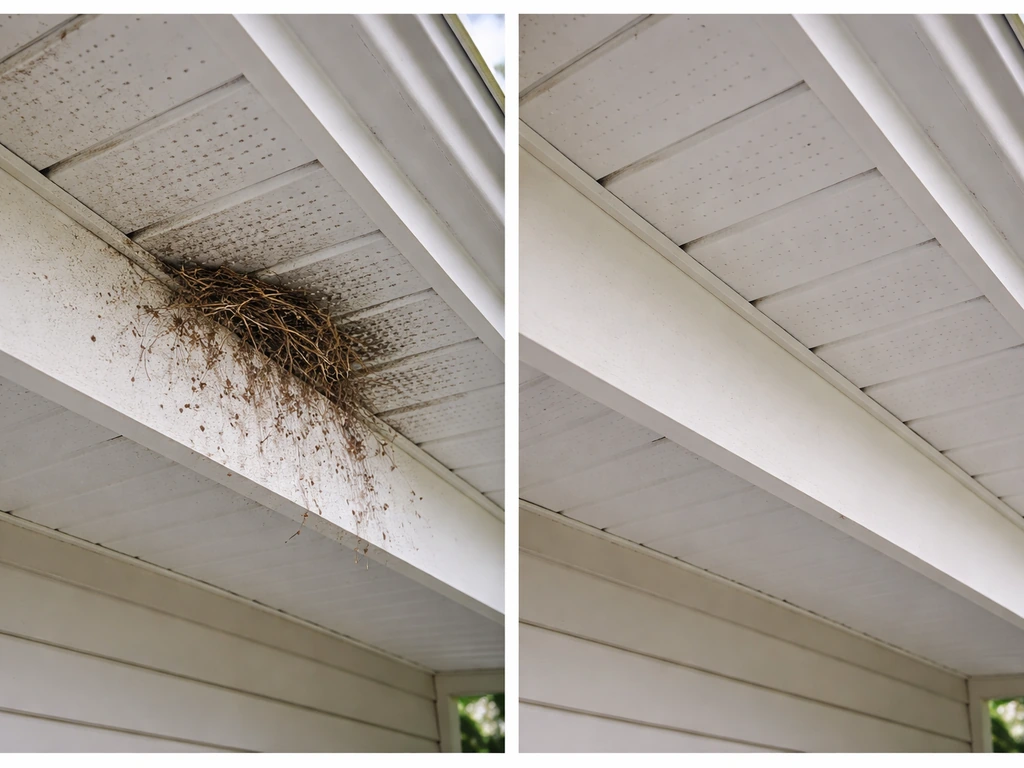
If you're working with a licensed wildlife removal company for a residential nest situation, expect an initial assessment visit that typically runs $75 to $150. Actual removal of an inactive nest, combined with sealing the entry point, usually runs $150 to $400 for a straightforward job. More complex situations, like a colony of birds established in an attic space over multiple seasons, can run $1,000 or more when you factor in exclusion work and cleanup of accumulated droppings and nesting material.
Cleanup of bird nest debris and droppings is a separate cost from removal. Droppings from some species, particularly pigeons and starlings, can require professional remediation if the accumulation is significant, because dried droppings are a respiratory hazard when disturbed. This is not something to handle with a broom and no protective equipment. A basic N95 mask, gloves, and dampening the area before removal are the minimum precautions for small-scale DIY cleanup of inactive nest debris.
Timeline-wise, if the nest is active, you're looking at waiting two to six weeks for fledging, then scheduling removal and exclusion work. If the nest is inactive, a good wildlife removal or pest control company can often schedule within a week. Permit processing for depredation permits through USFWS can take several weeks, so if you think you need one, start that process immediately rather than waiting to see how things develop.
The outcome you're aiming for isn't just removal of the current nest. It's exclusion: making sure birds can't access the same spot again next season. Without that step, you'll be back in the same situation in the spring. A bird exclusion contractor, or a pest control company with bird-specific experience, can install netting, wire mesh, spikes, or slope deterrents appropriate for your specific situation. That's the permanent fix. Nest removal alone is just clearing the symptom.
FAQ
Can I remove an empty bird nest myself if animal control won’t help?
Often, yes, but only if it is truly inactive (no eggs or chicks, and no birds currently using it). Empty nests can still be treated as protected if the species is covered by federal or state rules, so confirm the bird type first, then check your state wildlife agency if the nest is on a structure like a vent, gutter, or roof cavity.
What if the nest has feathers or old nesting material, but I am not sure if it is active?
If there is any chance it is active, treat it as active until you can verify otherwise. A quick visual check from a safe distance, photos at different times of day, and noting whether adults are bringing food can help determine activity before anyone seals or removes, since disturbing an active nest can create legal exposure.
Is it legal to relocate a nest to another spot on my property?
Usually not. Moving or relocating nests is considered disturbing or handling under the same restrictions that apply to removal, especially for migratory species. The safer route is to wait until inactive, then remove it and install exclusion so birds cannot rebuild in the same opening.
Does timing matter, like removing a nest in winter or early spring?
Timing often matters because nest status changes quickly. Even in early spring, a nest site can become active sooner than expected, so confirm inactivity before removal. If you are in a hurry due to ventilation or other hazards, schedule an inspection rather than relying on calendar timing alone.
What should I do if the nest is in a dryer vent, attic, or wall cavity?
Treat it as a two-step issue: first, handle legality based on whether it is active. Second, after the nest is confirmed inactive, you need sealing and exclusion at the exact entry point, then duct or vent repair if blocked. Leaving openings or not fixing the damaged vent often leads to immediate re-nesting.
If birds are attacking or dive-bombing me, can I remove the nest to stop it?
Generally, no, not if the nest is active. In most cases the aggressive behavior is temporary and ends after fledging, so the practical and lawful approach is to protect yourself while waiting. If injury risk is significant, use barriers or alternate access rather than attempting to remove or destroy the nest.
Can I use noise devices, lights, or spikes immediately when I see a nest?
You can often start non-contact deterrents to reduce landing and encourage birds to use another spot, as long as you are not harming birds or handling an active nest. Avoid sealing or blocking the exact entry while eggs or chicks are present, since that can be interpreted as disturbing the active nest.
Do animal control agencies ever remove nests near homes for health reasons?
Sometimes they may intervene if a nest is causing a clear structural or health hazard, but the agency will still decide based on species and activity status. They are more likely to refer you to a wildlife removal company if the job needs exclusion work, permits, or specialized cleanup for droppings.
If I think I need a permit, how do I know which type and who handles it?
Start by identifying the species and whether it is active. If it is an emergency related to health and safety or property damage, you may need a USFWS depredation permit process. If the location is an airport or aviation-related facility, the correct channel is typically USDA APHIS Wildlife Services with aviation hazard coordination rather than a general wildlife company.
How can I tell if my situation qualifies as a “can’t wait” emergency?
A “can’t wait” scenario is usually one with immediate risk, such as a blocked exhaust vent creating carbon monoxide danger, active nesting that is creating a severe hazard near children or pets, or escalating structural risk. If the main issue is inconvenience or mess, plan for the waiting period and schedule the exclusion work right after fledging.
What records should I gather before calling a contractor or wildlife agency?
Bring clear photos of the nest and the exact access point (vent, gutter, soffit, attic opening), the approximate first day you noticed activity, and notes on whether adults are present, bringing food, or making nest-defense behaviors. This helps them determine activity status, likely species, and whether any permit considerations apply.
If droppings are the main problem, can I clean them while the nest is still there?
Do not disturb the nest site while birds are active. For inactive debris, cleanup should be approached carefully because dried droppings can become respiratory hazards when disturbed, especially with pigeon or starling material. If the accumulation is large, use professional remediation or follow stricter safety steps beyond basic dust control.
After the nest is removed, what prevents birds from coming right back?
Exclusion is the key step. Removing the nest without closing the entry path usually leads to re-nesting. Ask the contractor to specify the exclusion method (netting, wire mesh, spikes, or slope deterrents) that matches the exact opening and to confirm it is installed before the next nesting season.
How long will the whole process take in practice?
For active nests, the practical window is typically weeks until fledging, often followed by a removal and exclusion schedule. If the nest is inactive, many contractors can schedule within about a week. If a permit is required, plan for several weeks for processing, so contact the wildlife authority early once you know species and activity status.