
Yes, birds can sneeze. Veterinarians and comparative physiologists have documented sternutation in birds as a genuine expulsive reflex: when the nasal passages or choanal mucosa become irritated, afferent trigeminal signals travel to brainstem sneeze circuitry, triggering a coordinated burst of air through the nares and beak. It works analogously to mammalian sneezing, and every avian clinician who has worked with parrots, finches, or poultry will tell you it is a routine, recognizable sound. The harder question is not whether birds sneeze, but what a sneeze means for the particular bird in front of you. Occasional sneezing is usually harmless. Persistent, wet, or frequent sneezing is a clinical sign that demands investigation.
Can a Bird Sneeze: Causes, Diagnosis, Treatment, Prevention

Marcus Whitmore
19 Jul 2026
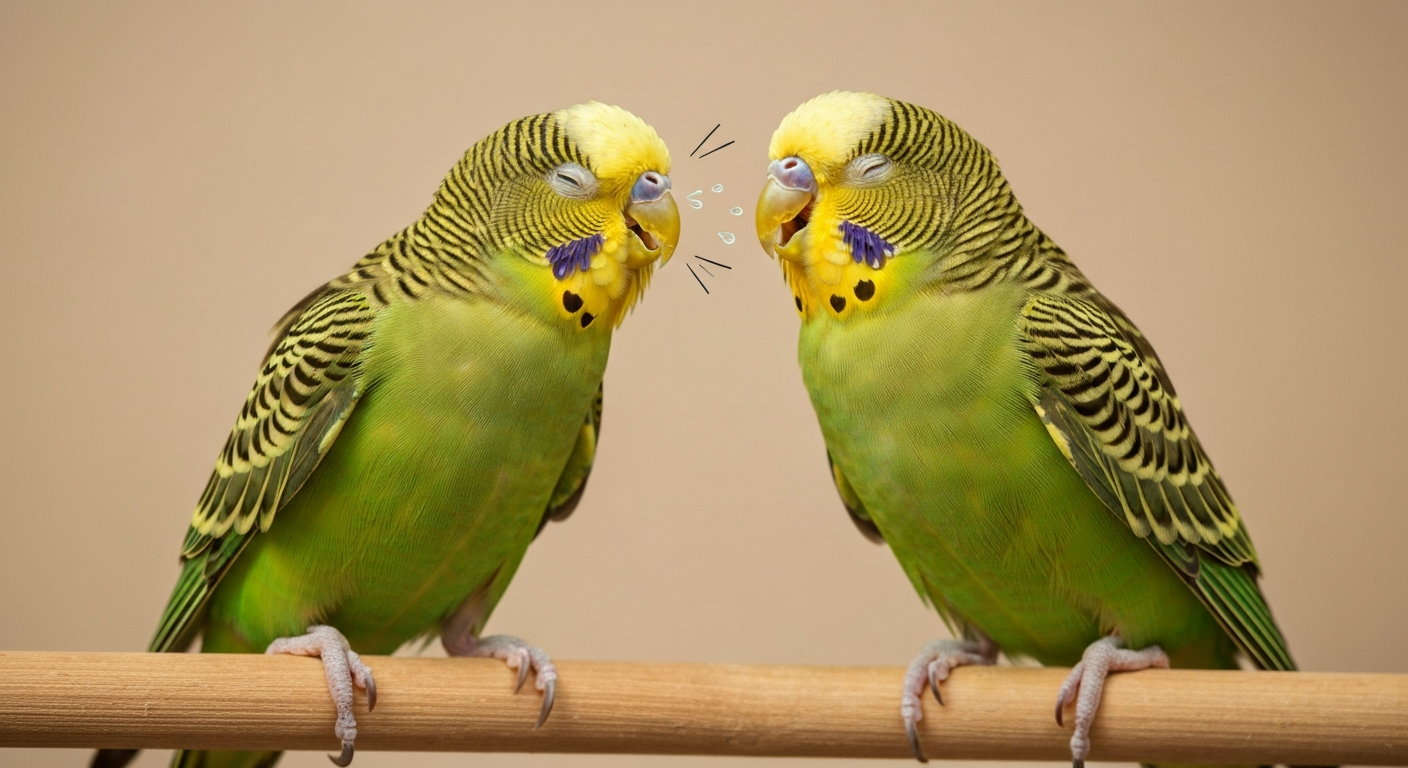
Avian respiratory anatomy and how sneezing actually works
To understand why birds sneeze, it helps to know a little about the architecture of their respiratory tract. Air enters through the external nares, passes through the nasal cavity (which contains scrolled turbinate bones lined with mucous membrane), crosses the choana (a slit-like opening in the roof of the mouth), continues down the trachea through the syrinx and into paired primary bronchi, and then distributes across a complex system of lungs and interconnected air sacs. Birds also have prominent infraorbital sinuses that sit just below the eye and communicate with the nasal passages. This sinus connectivity matters because infections or inflammation in those sinuses can cause swelling visible around the eye and can amplify nasal secretions, making a bird sneeze more.
The sneeze reflex itself begins when particles, pathogens, irritating chemicals, or excess mucus stimulate sensory receptors in the nasal mucosa. Those signals travel via the trigeminal nerve to the brainstem, which coordinates a rapid, sequential motor pattern: glottis closure, build-up of intrathoracic pressure via chest, pectoral, and abdominal muscle contraction, then sudden glottis opening and forceful expulsion of air. In birds, this produces a short, sharp sound and often ejects visible discharge from the nares. The mechanics are well-documented in mammals and reported analogously in birds in the veterinary and comparative neurophysiology literature. One practical consequence of avian anatomy is that the open, interconnected air-sac system means severe respiratory infections are rarely contained in one spot, so a sneeze that looks like a minor nasal problem can sometimes signal deeper disease.
Sneezing versus other respiratory sounds and movements
Pet owners and rehabilitators sometimes confuse sneezing with related behaviors that have different clinical meanings. Getting these distinctions right matters because the differential diagnosis list and urgency level are quite different for each.
| Behavior | Sound/appearance | Primary anatomical origin | Common causes | Urgency if persistent |
|---|---|---|---|---|
| Sneezing (sternutation) | Sharp, explosive expulsion through nares/beak; may eject discharge | Nasal cavity, choana, infraorbital sinuses | Irritants, infections, foreign bodies, allergy | Moderate to high if frequent or wet |
| Coughing | Repetitive forced expiration; often lower-pitched, more prolonged | Trachea, lower airways | Tracheal parasites (Syngamus), bacterial/viral tracheitis, aspiration | High — lower airway involvement |
| Head-shaking | Lateral or rotational head movement, often after nasal discharge | Nasal, sinus, ear canal irritation | Excess mucus, ear mites, head irritation | Moderate; check for concurrent nasal signs |
| Tail-bobbing | Rhythmic dorsoventral tail movement synchronized with breathing | Indicates labored respiration, often air-sac or lower respiratory disease | Aspergillosis, air-sac mite, severe infection | High — often indicates dyspnea |
| Nasal discharge alone | Visible wetness around nares; crusting or staining of feathers | Nasal cavity or sinuses | Chlamydiosis, Mycoplasma, aspergillosis, nutritional deficiency | Moderate to high depending on character |
| Open-mouth breathing/gaping | Beak held open at rest; neck extended | Trachea, air sacs; may indicate obstruction or severe dyspnea | Gapeworm (Syngamus), severe infection, heat stress | Very high — urgent evaluation needed |
Tail-bobbing is a particularly important sign to recognize because it reflects the extra work the bird is doing just to move air, and it often indicates air-sac involvement rather than a simple nasal problem. Similarly, open-mouth breathing at rest is never normal in a cool, calm bird and should be treated as an emergency until proven otherwise.
What makes a bird sneeze: a systematic look at causes
Environmental irritants and toxins
This is the most common cause of occasional, self-limiting sneezing and the one most easily addressed. Ammonia from soiled litter or bedding is a major offender: concentrations above 20 parts per million are known to cause nasal and ocular irritation in poultry and almost certainly in other birds. Dust from seed husks, sawdust, mold spores, smoke (including candle smoke and cooking smoke), aerosolized cleaning sprays, air fresheners, and perfumes can all trigger the nasal mucosa. One especially dangerous toxin deserves special mention: pyrolysis products from overheated PTFE (polytetrafluoroethylene, commonly known as Teflon) coatings can cause acute, fatal necrotizing pneumonitis in pet birds at concentrations that produce no perceptible fumes for humans. Birds that suddenly collapse or die near a kitchen, with or without preceding sneezing, should raise immediate suspicion for PTFE toxicity.
Bacterial infections
Chlamydia psittaci, the cause of psittacosis (also called avian chlamydiosis), is probably the most clinically significant bacterial cause of sneezing in pet birds. It produces serous to mucopurulent nasal discharge, conjunctivitis, and sneezing in parrots and many other species. Critically, infected birds shed the organism in respiratory secretions and dried fecal material, creating an aerosol transmission risk to humans. blank" rel="noopener noreferrer">Mycoplasma gallisepticum is another major bacterial pathogen, producing upper respiratory and sinus disease in poultry but also responsible for the well-documented house finch epidemic that spread across eastern North America in the 1990s. Other bacteria, including Pasteurella multocida, Bordetella avium, and various gram-negative opportunists, can also cause sneezing, usually in the context of immunosuppression, crowding, or concurrent viral infection.
Viral infections
Avian influenza viruses, depending on pathotype and host species, can produce upper respiratory signs including nasal discharge, sneezing, and coughing. Highly pathogenic strains are associated with rapid systemic illness and high mortality, but lower-pathogenicity strains can present more subtly with predominantly respiratory signs. Newcastle disease, Pacheco's disease (a herpesvirus in psittacines), and various poxviruses and paramyxoviruses can also contribute to respiratory presentations that include sneezing, usually alongside other systemic signs.
Fungal infections
Aspergillus fumigatus is the predominant fungal pathogen in birds and can produce respiratory disease in multiple forms: air-sac, pulmonary, tracheal, sinus, or combinations. When the upper airways and sinuses are involved, birds may sneeze and produce nasal discharge. Aspergillosis tends to affect birds that are immunocompromised, stressed, or exposed to moldy substrate. Diagnosis is notoriously difficult without endoscopy, imaging, and culture or PCR, which is why a sneezing bird that does not improve with basic supportive care warrants a deeper workup.
Parasites
Two parasites deserve particular attention. Syngamus trachea (gapeworm) attaches directly to the tracheal mucosa and causes gaping, open-mouth breathing, coughing, and sneezing in a wide range of bird species including poultry, game birds, and wild passerines. Heavy infestations can be fatal in young birds. Sternostoma tracheacolum, the tracheal or air-sac mite, infests the trachea, syrinx, and air sacs of finches and canaries, causing wheeze, head-shaking, voice changes, and upper-airway irritation that can manifest as sneezing. Ivermectin-based treatments are commonly used by avian clinicians for both parasites, with dosing and route varying by species and severity.
Foreign bodies, structural problems, and other causes
Seed husks, feather barbules, grass awns, and even small insects can lodge in the nasal passages and trigger persistent sneezing. Nutritional deficiencies, particularly hypovitaminosis A, cause squamous metaplasia of respiratory mucous membranes, impairing mucus production and mucociliary clearance, and predisposing birds to chronic nasal discharge and sneezing. Neoplasia of the nasal cavity or sinuses is less common but should be considered in older birds with chronic unilateral discharge. In some contexts, allergen-like responses to environmental antigens have also been proposed, though avian allergy is less well characterized than in mammals.
How to tell minor irritation from serious respiratory disease
A single sneeze after a bird ruffles through seed dust is not a red flag. The pattern, frequency, and accompanying signs are what matter. Here is a practical framework for reading the severity.
| Sign or pattern | Likely significance | Action |
|---|---|---|
| 1-3 sneezes, clear discharge, stops immediately | Minor irritant; self-limiting | Identify and remove irritant; monitor |
| Frequent sneezing (many times per hour) | Persistent nasal or sinus irritation; possible early infection | Veterinary evaluation within 24-48 hours |
| Wet or colored discharge (yellow, green, blood-tinged) | Active infection (bacterial, fungal, or viral) | Prompt veterinary evaluation; same day if possible |
| Swelling below or around one or both eyes | Infraorbital sinusitis; Mycoplasma, Chlamydia, or aspergillosis common | Urgent veterinary evaluation |
| Sneezing with tail-bobbing or labored breathing | Lower respiratory involvement or air-sac disease | Same-day or emergency evaluation |
| Open-mouth breathing at rest | Severe dyspnea or tracheal obstruction | Emergency — do not delay |
| Sudden collapse near a kitchen | Possible PTFE toxin; acutely life-threatening | Emergency; remove bird from environment immediately |
| Weight loss, fluffed feathers, lethargy plus any respiratory sign | Systemic illness; immunosuppression possible | Urgent veterinary evaluation |
Diagnosing the sneezing pet bird: what a vet will actually do
A good diagnostic workup for a sneezing pet bird starts with history, not tests. The veterinarian will want to know the species, diet, housing setup, ventilation, recent cleaning products or cooking odors, new birds introduced to the home, duration and frequency of sneezing, character of any discharge, and whether any other birds in the household are affected. All of that information narrows the differential diagnosis considerably before any sample is collected.
Physical examination focuses on the nares and cere (is there crusting, discharge, or asymmetry?), the choana (a normal choana has pointed papillae lining the margins; blunted or absent papillae suggest hypovitaminosis A or chronic infection), the periorbital region (any swelling indicating sinus involvement), and the quality of respiratory sounds with or without a stethoscope. Observation of the bird's breathing pattern, posture, and body condition score are also recorded.
Diagnostic sampling proceeds based on clinical suspicion. The nasal flush is both diagnostic and sometimes therapeutic: warm sterile buffered saline is instilled into each nostril and the fluid that exits through the choana is collected for cytology, bacterial culture and sensitivity, and PCR (for Chlamydia, Mycoplasma, and selected viruses). A choanal swab collected under magnification from the choanal slit is the preferred specimen for Mycoplasma PCR at many university diagnostic laboratories, including programs like the University of Florida's diagnostic service. Radiography and computed tomography (CT) help visualize sinuses, air sacs, and lung fields, and are particularly valuable for suspected aspergillosis. Endoscopy remains the gold standard for confirming tracheal, air-sac, or deep sinus disease. Complete blood count and chemistry panel add context about systemic inflammation, liver involvement, or nutritional status.
Diagnosing sneezing in wild birds: the rehabilitator's approach
Wild birds presenting to a rehabilitator with respiratory signs need a different workflow. The priority is minimizing handling stress, which itself can be fatal in wild birds, while gathering enough information to make informed triage decisions. A brief visual assessment in a quiet, dimly lit container is often the first step: is the bird breathing with its mouth open, tail-bobbing, or showing signs of severe dyspnea? If so, stabilization (warmth, oxygen if available, minimal handling) takes absolute priority over any diagnostic sampling.
Once the bird is stable, a focused examination can be performed. Choanal swabs collected under light restraint give samples for cytology and PCR with minimal additional stress. Weight and body condition scoring inform prognosis. Any wild bird with respiratory signs should be quarantined immediately from other patients, as respiratory pathogens like Mycoplasma gallisepticum and avian influenza can spread rapidly in a rehabilitation setting. Suspected avian influenza or Newcastle disease in wild birds triggers mandatory reporting obligations in the United States (to USDA APHIS) and most other countries; rehabilitators should know their local reporting pathways before encountering a suspect case, not after.
Treating the sneezing pet bird: what works and when to use it
Treatment depends entirely on the cause, which is why diagnosis-first is so important. For simple environmental irritants, the treatment is removing the irritant: improve ventilation, reduce dust, switch from Teflon cookware, and stop using aerosol sprays around the bird. In mild cases with a clean environment, this alone resolves sneezing within days.
For confirmed bacterial infections, antimicrobial choice follows the pathogen. Avian chlamydiosis is treated with doxycycline as the first-line agent; national guidance has historically recommended prolonged courses in the range of 45 days for elimination in many settings, with azithromycin used as an alternative in species where doxycycline is poorly tolerated or difficult to administer. See Compendium of Measures to Control Chlamydia psittaci Infection Among Humans and Pet Birds (CDC/MMWR guidance) for CDC recommendations that doxycycline is first-line therapy in birds and discussion of prolonged treatment courses. Dosing, route (oral, injectable, or medicated water/food), and course length vary by species and clinical context, so all doxycycline courses should be prescribed and supervised by a licensed avian veterinarian rather than sourced from pet shops. Mycoplasma infections are also treated with tetracyclines or macrolides, depending on species and sensitivity.
Nebulization with saline or, when indicated, antimicrobial or antifungal agents (such as amphotericin B for aspergillosis) is a valuable supportive tool that delivers medication directly to the respiratory mucosa, improves mucociliary clearance, and helps loosen inspissated discharge. It is particularly useful for birds that are too ill to tolerate prolonged oral handling. Supportive care including warmth (maintaining the bird at the upper end of its thermoneutral zone, typically 85-90°F for a sick small bird), fluid support for dehydrated individuals, and nutritional support with easily digested foods are the pillars of non-specific management while awaiting culture results or during treatment.
Aspergillosis treatment is among the most challenging in avian medicine. It requires prolonged antifungal therapy (voriconazole is now considered first-line in many species; itraconazole and amphotericin B are alternatives), often combined with surgical or endoscopic debridement of fungal plaques in accessible locations. Prognosis depends heavily on the extent of disease at the time of diagnosis, which is one reason early veterinary evaluation matters.
Treatment in rehabilitation and field settings
Rehabilitation settings generally operate with more constraints: species variation, limited diagnostic capability, and the overriding goal of releasing a functionally healthy wild bird. Stabilization with heat, fluids, and minimal handling takes priority. When a pathogen is identified or strongly suspected, targeted therapy follows the same pharmacologic principles as in pet birds but must account for the bird's wild status and release criteria. A bird that is clinically normal, maintaining weight, and demonstrating species-appropriate behavior (including normal flight mechanics) is generally considered a candidate for release. Birds with chronic sinus disease that does not resolve fully, or those with evidence of ongoing infectious shedding (particularly for regulated pathogens like avian influenza), should not be released and require consultation with state or federal wildlife authorities.
Biosecurity and prevention for owners and facilities
The best respiratory disease management in birds is prevention. For advice on whether playing bird calls near birds can cause stress or health problems, see the discussion on 'is it bad to play bird calls'. A few principles apply whether you are caring for a single pet parrot or managing a 500-bird rehabilitation facility.
- Quarantine all new birds for a minimum of 30 days (many avian veterinarians recommend 45-60 days) in a separate airspace before introducing them to resident birds.
- Maintain ventilation that provides fresh air exchange without direct drafts on birds; aim to keep ammonia levels below 10-20 ppm as a practical target.
- Clean and disinfect cages, perches, and food/water dishes regularly using disinfectants that are effective against relevant pathogens (dilute bleach, quaternary ammonium compounds) and rinsed thoroughly before birds are returned.
- Avoid Teflon-coated cookware and non-stick bakeware, drip pans, and self-cleaning oven cycles near pet birds.
- Do not use aerosol sprays, scented candles, incense, or plug-in air fresheners in rooms where birds are housed.
- Source birds from reputable breeders or suppliers who perform pre-sale health testing, particularly for Chlamydia psittaci.
- Provide a balanced diet to prevent hypovitaminosis A, which directly compromises respiratory mucosal defenses.
- Wear appropriate PPE (gloves, N95 or equivalent respirator) when handling birds with active respiratory signs or when cleaning environments of birds with suspected psittacosis or avian influenza.
When one sneezing bird means a bigger problem
A single sneezing bird in a flock, aviary, or rehabilitation facility is a sentinel event. Respiratory pathogens like Mycoplasma gallisepticum, Chlamydia psittaci, and avian influenza spread readily by aerosol and direct contact, and subclinical carriers are common. In a flock setting, if more than one bird develops respiratory signs within a short period, or if mortality accompanies the respiratory illness, the investigation should immediately escalate to include the whole flock, not just individual sick birds. Avian influenza and Newcastle disease are both notifiable diseases in most jurisdictions, meaning a positive diagnosis triggers legal reporting obligations and often mandatory response protocols from state or federal animal health authorities. Rehabilitators who encounter unusual mortality clusters in wild birds, particularly in waterfowl, shorebirds, or raptors, should contact their state wildlife veterinarian or USDA APHIS Wildlife Services. This is not optional in most regulatory frameworks.
Public health and zoonotic risks from sneezing birds
Most causes of sneezing in birds pose little or no direct risk to healthy humans. However, two pathogens warrant specific attention. Chlamydia psittaci, the cause of psittacosis, is a genuine zoonotic pathogen: infected birds shed the organism in nasal secretions, feces, and feather dust, and humans who inhale contaminated aerosols can develop a flu-like illness that can progress to severe pneumonia, particularly in immunocompromised individuals. The CDC documents human psittacosis cases regularly, with most linked to exposure to pet birds or poultry. The risk is managed by wearing an appropriate respirator when handling suspect birds, avoiding face-to-face contact with birds that have active nasal discharge, and washing hands thoroughly after handling any bird or its environment.
Highly pathogenic avian influenza (HPAI) is the other pathogen that generates legitimate public health concern. While transmission to humans remains relatively rare compared to the volume of human-bird contact worldwide, HPAI H5N1 and related strains have caused severe human illness in cases of direct, prolonged exposure, particularly in agricultural settings. The practical message for pet owners is not to panic but to wear gloves and a mask when handling birds with active respiratory signs, and to report any unusual mortality in wild birds rather than handling carcasses with bare hands.
Does sneezing in birds matter for aviation safety?
This is a question that sounds unusual until you think it through. Aviation professionals and airport wildlife managers are primarily concerned with bird strikes, not with individual bird health per se. But respiratory disease in birds has some genuine relevance to wildlife strike risk, and it works in a few ways.
First, sick birds behave differently from healthy ones. A bird suffering from a respiratory infection may fly more erratically, at lower altitudes, or in unusual locations (near food sources or water rather than their typical habitat), changing the exposure profile for aircraft at certain airports. Birds in poor body condition due to chronic respiratory disease may also roost in atypical, sometimes airport-adjacent locations simply because they lack the energy for longer flights.
Second, disease-related mortality events can temporarily concentrate scavengers and opportunistic feeders near airports, increasing wildlife strike risk from secondary species like raptors or corvids that are attracted to carcasses. Airport wildlife management programs that monitor wild bird health, particularly during Mycoplasma or HPAI outbreak periods, are therefore doing more than just public health surveillance: they are also managing strike risk by staying ahead of mortality clusters that could alter bird movement patterns near runways.
Sneezing itself does not impair a bird's flight in any direct mechanical sense for a brief, minor episode. A severely ill bird with dyspnea and air-sac disease may have genuinely compromised flight performance, but by that stage the bird is not likely to be in normal flight corridors. The aviation implication of avian respiratory disease is therefore indirect: it operates through behavior change and mortality clustering rather than through any direct effect of a sneeze on flight dynamics.
Red flags: when to get veterinary help and how fast
The following signs should prompt action. They are listed roughly in order of urgency.
- Open-mouth breathing at rest, gasping, or neck-stretching to breathe: emergency, same hour if possible.
- Sudden collapse or acute death of a bird in or near a kitchen, particularly if non-stick cookware was recently used: emergency; suspect PTFE toxicity.
- Tail-bobbing at rest combined with sneezing or nasal discharge: urgent, same day.
- Sneezing with blood-tinged or colored (yellow, green) discharge: prompt evaluation within 24 hours.
- Periorbital swelling (puffy area below the eye): veterinary evaluation within 24-48 hours for likely sinusitis.
- Multiple birds in a flock or household developing respiratory signs: urgent; treat as potential infectious outbreak.
- Chronic sneezing lasting more than a week in a pet bird without an identified environmental cause: veterinary evaluation; do not assume it will resolve on its own.
- Any wild bird with respiratory signs and concurrent neurological signs, hemorrhage, or rapid onset mass mortality nearby: report to state wildlife veterinarian or USDA APHIS immediately.
Common myths about bird sneezing, addressed directly
The reality is that a lot of what circulates online about bird sneezing is either oversimplified or just wrong. Here are the most persistent misconceptions.
Myth: Birds only sneeze when they have a cold. The reality is that birds have no 'cold' in the mammalian rhinovirus sense. They sneeze for dozens of reasons, from a bit of seed dust to a life-threatening fungal infection. Treating a sneezing bird with 'rest and fluids' the way you would a sneezing human is not a complete approach.
Myth: A sneezing bird always has psittacosis. The reality is that psittacosis is one cause among many, and most sneezing in pet birds kept in clean environments with a good diet is due to irritants, not Chlamydia. That said, psittacosis should not be casually dismissed, particularly in imported birds or birds from crowded environments, because the zoonotic risk is real.
Myth: If the bird is eating normally, the sneezing is nothing to worry about. The reality is that birds are prey species that evolutionarily conceal illness. A bird that is still eating while sneezing frequently with colored discharge may be sicker than it appears. Continued appetite does not rule out serious disease.
Myth: You can treat a sneezing bird with over-the-counter antibiotics from a pet shop. The reality is that most common pet-shop antibiotics are inadequate for the organisms most likely to cause serious avian respiratory disease, and indiscriminate antibiotic use can mask disease, delay diagnosis, and contribute to resistance. Doxycycline for psittacosis, for example, requires a specific course length and correct dosing by species, neither of which is addressed on a pet-shop product label.
Myth: Wild birds with respiratory signs just need to be left alone to recover. The reality is that wild birds presenting to humans are usually severely ill by the time they are catchable. Leaving them untreated typically means slow death from starvation, dehydration, or predation, not natural recovery. Contacting a licensed wildlife rehabilitator is the appropriate response.
Practical risk-mitigation checklist
For pet bird owners
- Remove Teflon/PTFE-coated cookware, bakeware, and drip pans from any kitchen where bird access to cooking fumes is possible.
- Stop using aerosol sprays, scented candles, and air fresheners near birds.
- Quarantine any new bird for 30-45 days before introduction to resident birds.
- Feed a nutritionally complete diet (formulated pellet as the base) to prevent hypovitaminosis A.
- Clean the cage and replace substrate at least weekly; disinfect with bird-safe disinfectants and rinse thoroughly.
- Maintain good ventilation without direct cold drafts.
- Schedule annual well-bird veterinary checkups with an avian-experienced veterinarian.
- Wear gloves and an N95 respirator when cleaning the cage of any bird showing respiratory signs.
- Contact your veterinarian if sneezing is frequent, wet, or accompanied by any other abnormal sign.
For wildlife rehabilitators
- Isolate any bird with respiratory signs on intake; do not place in a communal ward.
- Use minimal handling protocols for stressed wild birds; stabilize before sampling.
- Keep choanal swabs, transport media, and contact information for your diagnostic laboratory stocked and current.
- Know your state and federal reporting requirements for notifiable diseases before you encounter a suspect case.
- Wear gloves and a fitted respirator when handling birds with suspected psittacosis or avian influenza.
- Do not release birds with unresolved respiratory signs; consult with a wildlife veterinarian on release criteria.
- Monitor intake patterns: a sudden increase in birds with respiratory signs from the same geographic area may indicate an outbreak warranting wider surveillance.
For aviation professionals and airport wildlife managers
- Incorporate local wild bird health surveillance data (from wildlife agencies) into seasonal wildlife strike risk assessments.
- During known Mycoplasma or HPAI outbreak periods in wild bird populations, increase monitoring frequency for bird activity in critical airfield zones.
- Report unusual wild bird mortality clusters on or near airport property to USDA APHIS Wildlife Services promptly.
- Coordinate with local wildlife rehabilitators and state wildlife veterinarians to understand regional disease trends that may alter bird movement patterns.
- Review hazardous wildlife attractants (standing water, open waste, exposed food) near runways, as these attract birds regardless of their health status.
Deeper reading and related topics worth exploring
Bird sneezing sits at the intersection of sensory biology, anatomy, infectious disease, and behavior. If you have found this topic interesting, several related questions from this site can round out your understanding. How birds detect their environment through hearing and smell is relevant to how they respond to airborne irritants in the first place: both topics cover sensory systems that interact with respiratory health and behavior. For more on avian auditory abilities, see Can birds hear? which explains how birds detect sounds and how hearing interacts with respiratory and behavioral responses. Whether birds can detect glass surfaces relates to a different kind of environmental hazard that causes real mortality. See the related question "Can bird see glass" for how birds perceive and collide with transparent surfaces. See the related question “Do bird whistles work” for more on how birds respond to human-made calls. If you are concerned about transmission risks or handling birds in the field, the question of whether you can actually catch a bird covers the practical and welfare dimensions of that topic. For another relevant comparison, see can you catch a bird. And for anyone involved in managing bird presence near human structures, whether deterrent tools like Bird B Gone or bird whistles actually work is a practical question with meaningful safety implications.
For clinical and regulatory guidance, the CDC maintains current information on psittacosis management including human case reporting. USDA APHIS is the primary resource for avian influenza and Newcastle disease reporting obligations in the United States. For finding an avian-experienced veterinarian, the Association of Avian Veterinarians maintains a member directory searchable by location. Wildlife rehabilitators should connect with the National Wildlife Rehabilitators Association and their state wildlife agency's permitting office for jurisdiction-specific guidance on regulated pathogens and reporting requirements.
FAQ
Can birds sneeze (sternutate)?
Yes. Birds can and do sneeze (sternutate). Sneezing is an expulsive reflex driven by irritation of the nasal/choanal mucosa that produces a forceful burst of air through the nares/beak to clear particles or secretions.
How does avian sneezing relate to bird respiratory anatomy?
Avian upper airways include the external nares, nasal cavity with turbinates and paranasal/infraorbital sinuses, and the choana that communicates with the oropharynx. Irritation of these structures triggers afferent sensory input and a coordinated expiratory motor pattern that ejects air through the beak/nares — analogous in purpose to mammalian sneezes but occurring within the unique avian air‑sac and syringeal system.
How is sneezing different from similar behaviours (coughing, reverse sneezing, head‑shaking)?
Sneezing (sternutation) expels air primarily through the nares/beak from nasal/choanal irritation. Coughing or gagging originates lower in the trachea or bronchi and produces different sound/effort. Head‑shaking clears external debris from the face. Some birds show head‑tossing or 'reverse sneezes' with pharyngeal spasms; clinical context and observation distinguish these behaviors.
What common causes make a bird sneeze?
Major categories: environmental/chemical irritants (dust, ammonia, smoke, aerosols), infectious agents (Chlamydia psittaci, Mycoplasma spp., avian influenza, other bacteria/viruses), fungal disease (aspergillosis), parasitic infections (tracheal/air‑sac mites, gapeworm), foreign bodies or inhaled particulates, dental/choanal pathology, neoplasia, and toxin exposures (e.g., PTFE pyrolysis).
When is sneezing a minor sign versus a sign of serious respiratory disease?
Isolated, brief sneezing with normal behaviour, appetite and breathing often reflects minor irritation. Concerning signs include persistent or increasing sneezing, bilateral mucopurulent nasal discharge, facial/ocular swelling, open‑mouth breathing, tail‑bob/orthopnea, weight loss, lethargy, noisy respiration, voice loss, neurologic signs or sudden deaths — these require prompt veterinary assessment.
What diagnostic steps should a clinician or rehabilitator take for a sneezing bird?
Start with a focused history (onset, exposures, housing, flock contacts) and physical exam. Inspect nares/choana/cere. Collect choanal swab or nasal/sinus flush for cytology, bacterial/mycoplasma PCR and culture. Consider endoscopy (tracheal/air‑sac), radiography or CT for deeper disease, fungal culture/cytology for aspergillosis, parasitology for gapeworm, and targeted serology or PCR (e.g., Chlamydia psittaci). Interpret tests with clinical context.