Yes, you can blind a bird with a laser, but the honest answer is more nuanced than a simple yes or no. A standard consumer laser pointer is unlikely to cause permanent blindness in a bird with a brief, accidental exposure. A high-powered laser held on a bird's eye for even a fraction of a second is a different story entirely. The mechanism, the power level, the wavelength, and the duration all matter, and understanding those variables is what separates a genuine risk from an internet myth.
Can You Blind a Bird With a Laser? Safety and What to Do

Marcus Whitmore
23 Mar 2026
What 'blindness' would actually mean here
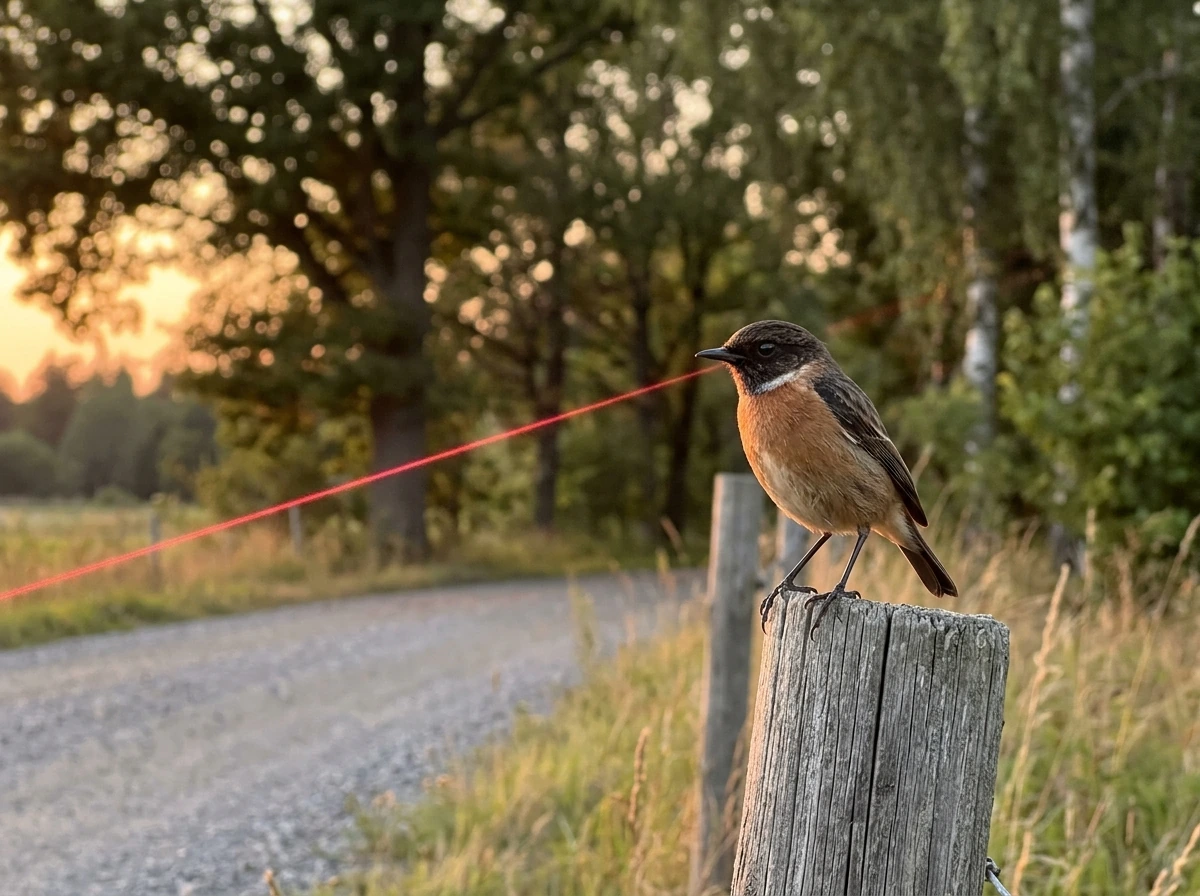
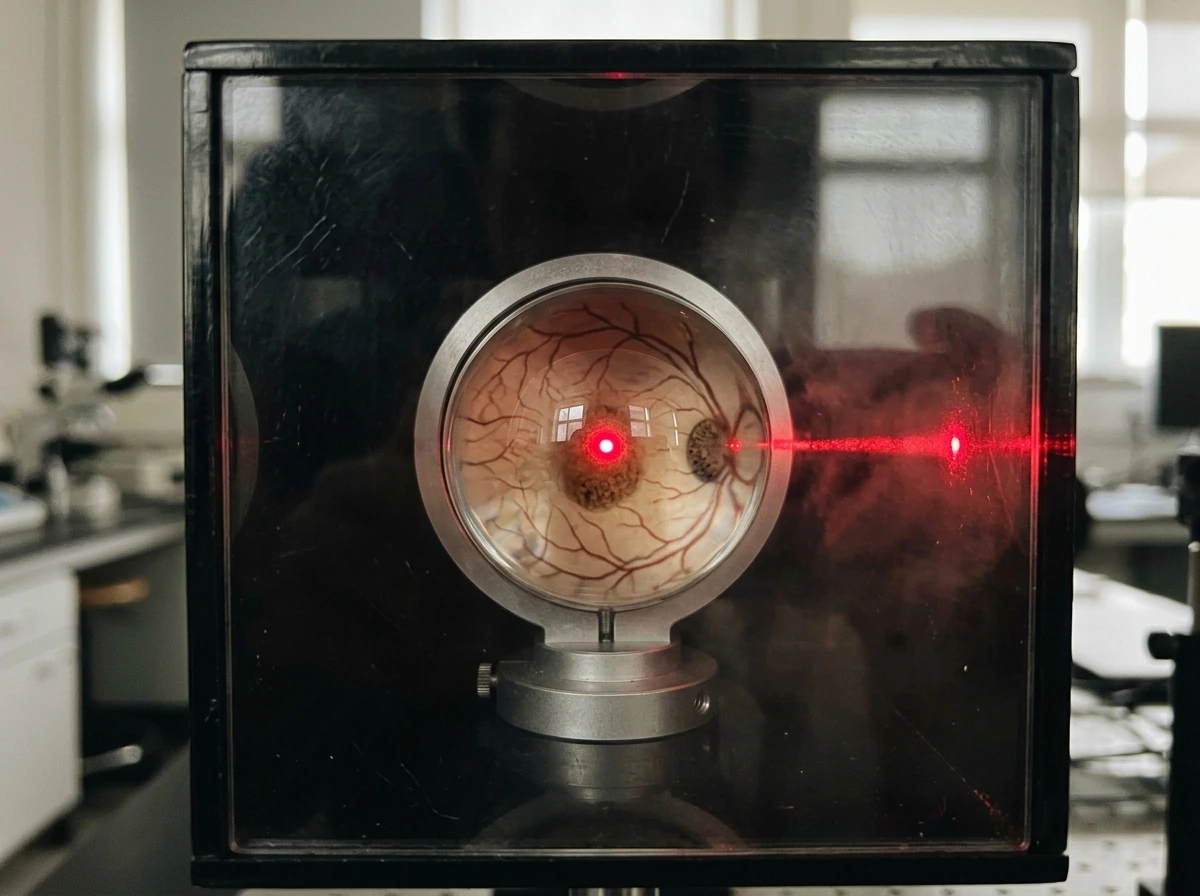
When we talk about laser-induced blindness, we need to be specific about what that means at the tissue level. True blindness from a laser means structural damage to the retina, the light-sensitive layer at the back of the eye that translates incoming photons into neural signals. If retinal cells are destroyed, that loss is permanent, because photoreceptors (rods and cones) do not regenerate in most vertebrates.
But 'blindness' exists on a spectrum. What laser exposure more commonly causes is a scotoma, a localized blind spot or area of reduced visual acuity within the visual field. Clinical literature on human retinal laser injuries documents symptoms including decreased visual acuity, scotoma, photophobia (light sensitivity), metamorphopsia (distortion of shapes), and color vision changes. Redness, irritation, and eye watering are usually surface-level reactions and are not reliable indicators of retinal damage. In birds, the same principle applies: the scary-looking symptoms (flinching, head shaking, temporary disorientation) may or may not correspond to actual retinal injury. The distinction matters for how you respond.
How laser light actually damages a bird's eye
There are three distinct mechanisms by which laser light injures ocular tissue, and they operate under different conditions. Knowing which one you're dealing with tells you a lot about the likely severity.
Thermal damage
Thermal injury is what most people imagine: the laser heats retinal tissue fast enough to coagulate or destroy cells. This requires a continuous or pulsed beam with enough power density focused at the retina. It happens in milliseconds and is the primary risk from high-powered (Class 3B and Class 4) lasers. Even a brief direct exposure from one of these can cause a permanent burn lesion.
Photochemical damage
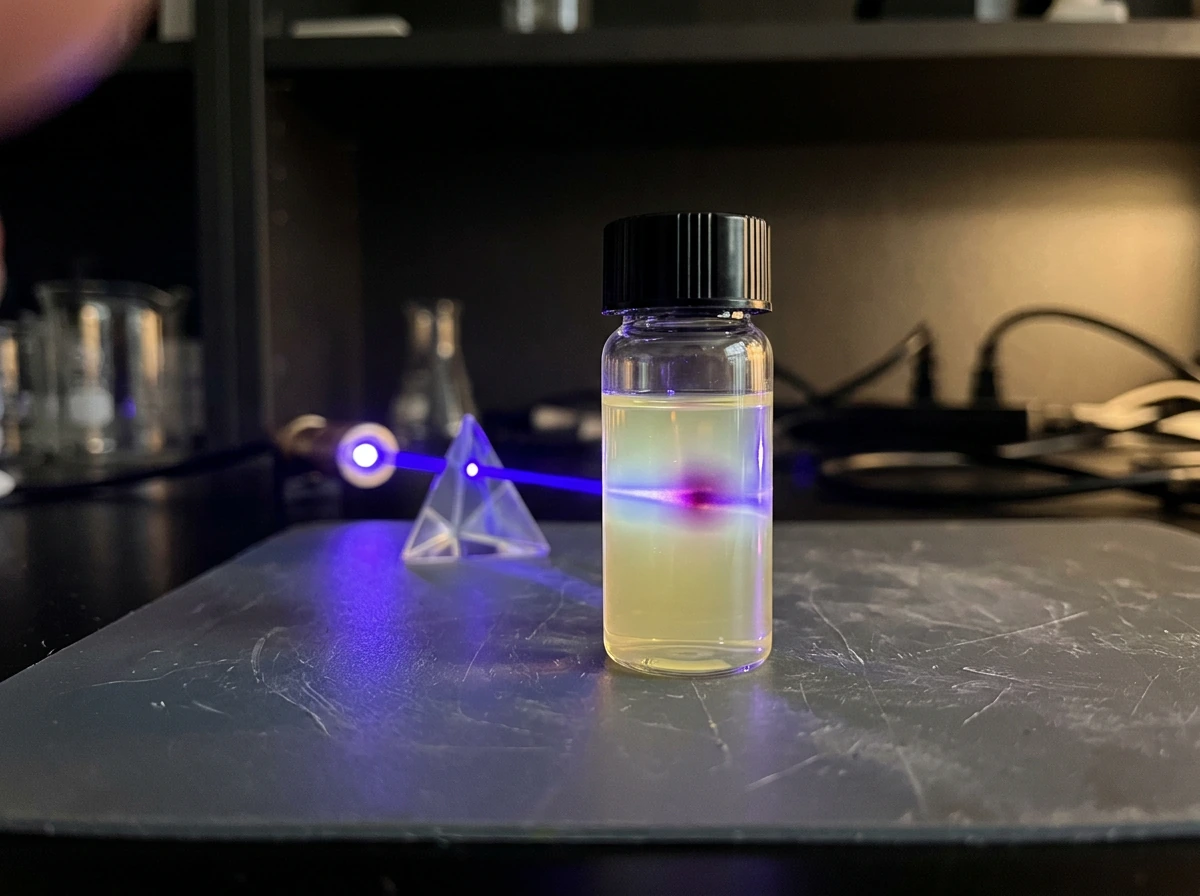
Photochemical injury is more insidious. It doesn't require heat. Instead, certain wavelengths, particularly blue and violet light (400 to 500 nm), trigger chemical reactions within retinal cells that generate toxic byproducts, essentially poisoning the photoreceptors from the inside. This mechanism is dose-dependent and can occur over longer exposures even at relatively low power levels. Blue-violet laser pointers, which are sold cheaply online and frequently mislabeled for their true output, are a real concern here.
Photomechanical damage
Photomechanical (or acousto-mechanical) damage is caused by ultrashort, high-peak-power pulses that create a shockwave within tissue. This is rare outside of military and specialized industrial laser contexts. You're not going to encounter this with a laser pointer or a standard aviation-grade device.
How power, wavelength, distance, and duration interact
No single factor determines injury on its own. A 5 mW red laser pointer (Class 3R) at 10 meters, glanced across a bird in flight for a fraction of a second, poses a very different risk than a 500 mW green laser (Class 3B or 4) held steady on a perched bird at close range. The relevant variables are:
- Power output (milliwatts): Consumer pointers are typically 1 to 5 mW; high-powered handheld lasers sold online can exceed 500 mW and are often mislabeled
- Wavelength: Green (532 nm) is perceived as brighter by both humans and birds; blue-violet (405 to 450 nm) carries higher photochemical risk even at lower power; infrared is invisible but thermally hazardous
- Distance: Laser beams diverge over distance, reducing power density at the target; at 50 meters, a 5 mW pointer is far less concentrated than at 1 meter
- Duration: Exposure measured in milliseconds versus seconds makes an enormous difference in cumulative energy delivered to the retina
- Pupil size: A bird in dim light has a dilated pupil, letting in more light and increasing retinal exposure
Birds are not dramatically more or less sensitive than humans to laser injury as a general rule. Their eyes are actually quite sophisticated, with higher photoreceptor density in many species and, in some birds, a fourth type of cone that allows ultraviolet detection. That broader spectral sensitivity could make certain wavelengths (UV or near-UV) more injurious than they would be to a human eye. The pupillary response also varies by species, which affects how much light enters the eye before a protective blink reflex kicks in.
Do laser pointers realistically cause permanent blindness?
The reality is: with a standard consumer laser pointer (1 to 5 mW, Class 2 or 3R), causing permanent blindness in a bird through a brief, incidental exposure is unlikely but not impossible, so the question “are bird eye chillies hot” often comes down to exposure severity. If you're asking whether the whole idea behind the question is bird game real, the answer depends on the power class and how long the laser stays on the eye. The blink reflex and natural head movement in most birds reduce the effective exposure time. But 'unlikely' is not 'impossible,' and the threshold for injury in a small bird with a proportionally smaller eye may be lower than in a large-bodied bird or a human.
Where this changes completely is with higher-powered devices. Class 3B lasers (5 to 500 mW) and Class 4 lasers (above 500 mW) can cause permanent retinal damage with exposures as short as the blink of an eye, literally. These devices are widely available online, sometimes marketed as 'astronomy lasers' or 'burning lasers,' and they represent a genuine hazard to birds, humans, and aviation. If someone has been using one of these near a bird, the risk profile is meaningfully different from a standard presentation pointer.
There's also a legal dimension worth flagging. In many countries, deliberately targeting animals with lasers is classified as animal cruelty and carries criminal penalties. In aviation contexts, directing any laser at aircraft or the airspace around airports is a federal offense in the United States and similarly regulated in the UK, EU, and Australia, regardless of whether birds are involved. Even unintentional exposure incidents at airfields can trigger formal reporting requirements.
Signs a bird is injured vs just startled
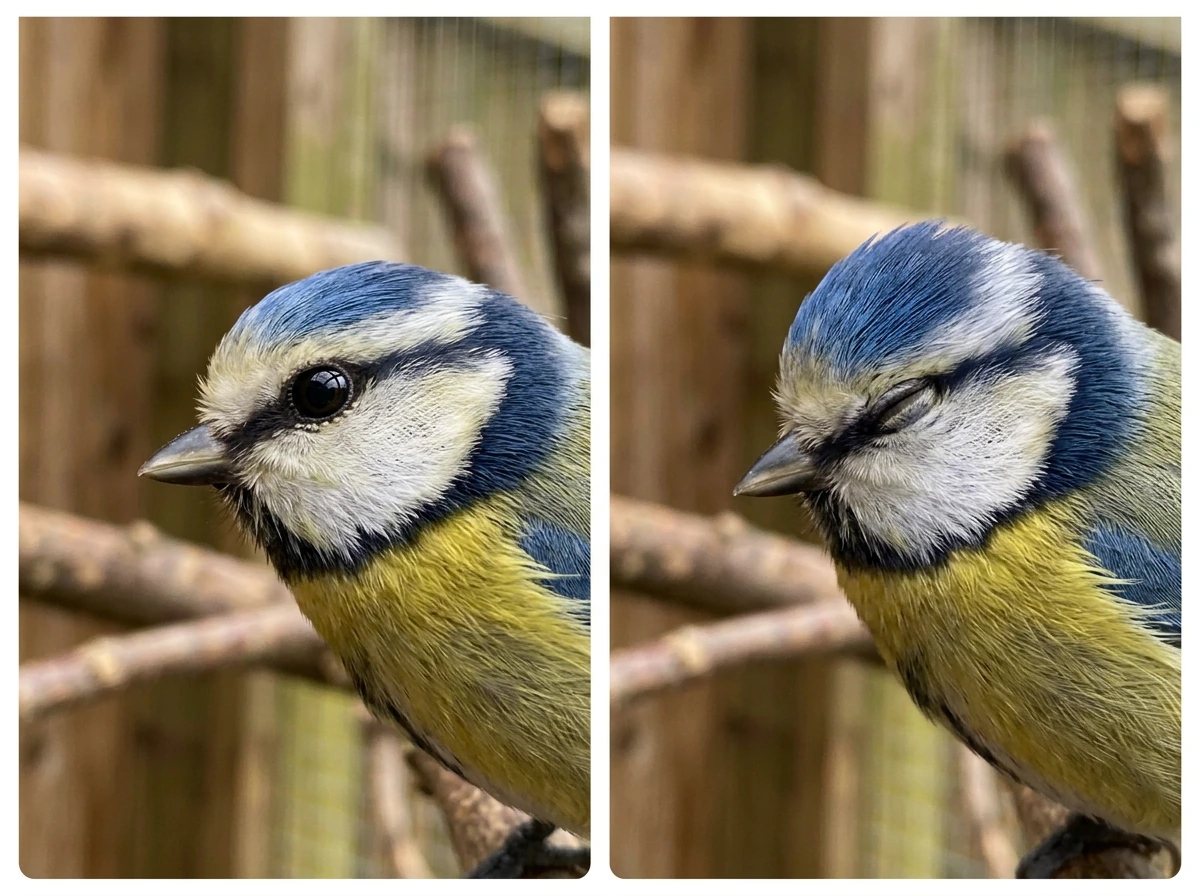
This is where pet owners and field observers tend to overreact or underreact in equal measure. After a laser exposure, most birds will show immediate stress behaviors: flinching, flying away erratically, vocalizing, or rubbing their face. Watch for immediate stress behaviors, like flinching or head shaking, which can help you compare what you see to the scenario of what happens if the fever dream bird looks at you. These are normal avoidance and stress responses and do not tell you whether retinal damage occurred.
The signs that suggest actual ocular injury are more specific and tend to persist. Watch for:
- Persistent squinting or holding one eye closed (not just a brief post-flash reaction)
- Repeated head-tilting or turning as if using peripheral vision to compensate for a blind spot
- Bumping into objects, misjudging perch distances, or falling from a perch in birds that normally navigate those spaces confidently
- Cloudy, hazy, or visibly altered appearance of the eye surface
- Ongoing light aversion: retreating to dark corners of a cage or hiding from ambient light for more than 20 to 30 minutes after exposure
- Changes in feeding behavior, particularly difficulty locating food or water
Disorientation that resolves within a few minutes is more consistent with temporary glare or afterimage, the equivalent of looking at a camera flash. Symptoms that persist beyond 30 minutes, or that worsen over time, are a red flag for actual tissue injury and require veterinary evaluation.
What to do right now after possible laser exposure
If a bird you're responsible for has been exposed to a laser, here's the immediate response sequence that gives you the best picture of what you're dealing with.
- Move the bird to a calm, dimly lit environment: Bright ambient light adds unnecessary stimulus to a potentially photosensitive eye. A quiet, semi-dark space reduces stress and makes it easier to observe the bird's baseline behavior.
- Do not shine any more light into the eye: This seems obvious but bears saying. Don't attempt to 'check' the eye with a flashlight or phone torch. You risk compounding any photochemical injury that may be developing.
- Observe for 30 minutes without intervention: Note which eye (if either) shows squinting, asymmetrical pupil size, or avoidance behavior. Write down the time of exposure, the type and approximate power of the laser, and the distance involved. This information is critical for a vet.
- Assess the laser involved: If the device was a standard presentation pointer or low-power laser toy (under 5 mW), and exposure was brief and incidental, the probability of serious injury is lower. If the device was a high-powered handheld laser, a military/industrial device, or an unmarked unit purchased online, treat this as a higher-risk situation.
- Contact an avian vet or wildlife rehabilitator: Even if the bird seems to recover quickly, a same-day or next-day avian veterinary exam is worth pursuing if you have any doubt. Retinal injuries are not always visible on external examination, and an ophthalmologic assessment may be needed for a definitive answer.
- For wild birds: If you're dealing with a wild bird that appears disoriented after laser exposure in a field or airfield context, contact a licensed wildlife rehabilitator. Don't attempt to capture and treat a wild bird yourself unless you have the relevant training.
One thing not to do: don't flush the eye with water or apply any drops unless directed by a veterinarian. If you find an injured or sick bird, contact a wildlife rehabilitation or veterinary resource for guidance and follow their instructions, since handling and legal requirements can vary by location. External rinsing doesn't reach the retina and may cause additional stress or injury to a bird that's already in a compromised state.
How to handle lasers safely and protect birds going forward
Whether you're a pet owner who uses laser toys, a researcher, or an aviation professional managing bird activity around a site, the prevention framework is essentially the same: control beam direction, match the power class to the actual need, and establish clear protocols.
For pet owners using laser toys
- Use only Class 1 or Class 2 lasers (under 1 mW) for pet play, and never direct the beam at the animal's head or eyes
- Keep play sessions short and always end with a physical toy or treat so the animal isn't left in a frustrated 'hunting loop'
- Store laser devices out of reach and out of sight to prevent accidental activation around caged birds
- Do not use laser pointers to 'test' a bird's vision or reaction; this is how accidental injuries happen
For aviation and field professionals
Laser hazard management at airfields involves controlling beams in ways that protect both aircraft crews and wildlife in the same airspace. Key controls include beam elevation limits (keeping beams below the horizontal plane of active flight paths), designated no-beam zones around active runways and approach corridors, and immediate incident reporting protocols when uncontrolled laser events occur. For bird management specifically, lasers should never be considered a primary dispersal tool because the risk of direct ocular injury to birds is real, especially with higher-powered units, and because startled birds in active airspace represent their own collision hazard.
General laser safety rules that reduce bird risk
- Never use a laser outdoors without clear beam termination: know exactly where the beam ends
- Use the lowest power class that achieves your actual purpose
- Avoid blue-violet wavelengths (405 to 450 nm) in environments where birds are present; photochemical risk is higher even at moderate power
- Never leave high-powered lasers accessible to children or untrained users
- Treat any laser above Class 2 as a genuine hazard tool, not a toy or novelty
Non-harmful alternatives for bird deterrence
If you're here because someone suggested using a laser to deter birds from a property or an airfield, there are better options that don't carry the risk of ocular injury, legal liability, or the unintended consequence of driving startled birds into active flight paths.
| Method | Setting | How it works | Bird risk | Notes |
|---|---|---|---|---|
| Reflective tape or mylar strips | Home/garden | Unpredictable light reflection disorients and deters birds | Very low | Cheap, passive, effective for many species; needs repositioning over time |
| Predator decoys (hawk, owl silhouettes) | Home/garden/airfield | Visual deterrent exploiting predator avoidance instinct | Very low | Must be moved regularly or birds habituate quickly |
| Acoustic deterrents (distress calls, predator sounds) | Airfield/large outdoor areas | Species-specific audio deters birds from target zones | Very low | Most effective when rotated and combined with other methods |
| Physical exclusion (netting, spikes, wire) | Structures/buildings | Prevents roosting and nesting access | Very low | Most reliable long-term solution for fixed locations |
| Laser bird dispersal systems (automated, certified) | Airfield/large agricultural sites | Programmed automated sweep patterns; regulated wavelength and power | Low when used per spec | Different from handheld lasers; designed to deter, not illuminate directly; requires training and regulatory compliance |
| Habitat modification | Any | Removes food sources, water, or roosting features that attract birds | None | Best permanent solution when feasible |
It's worth noting that automated laser bird deterrent systems, used at some airports and agricultural sites, are not the same as pointing a handheld laser at a bird. These systems use controlled sweep patterns, regulated power levels, and specific wavelengths intended to create a moving light that birds avoid without the beam dwelling on any individual animal long enough to cause injury. They're a legitimate tool when used according to manufacturer specifications and relevant airfield authority guidelines. Handheld lasers used informally to 'shoo' birds are not equivalent and carry substantially higher risk.
The short version: if you want birds out of a space, there are proven, safe, and often cheaper tools available that don't put you in legal jeopardy or risk injuring the animals. The short version: if you want birds out of a space, there are proven, safe, and often cheaper tools available that don't put you in legal jeopardy or risk injuring the animals. Lasers, especially high-powered handheld ones, are not the right tool for casual bird deterrence, and treating them as such is how accidental injuries happen, to birds and to the people nearby., and treating them as such is how accidental injuries happen, to birds and to the people nearby. is the black bird of chernobyl real
FAQ
If a bird flinches or shakes its head after laser exposure, does that mean it is permanently blind?
Not necessarily. Immediate stress behaviors usually reflect glare, startle response, or afterimage. Persistent problems are more concerning, especially if disorientation lasts beyond about 30 minutes, the bird seems unable to navigate normally, or the symptoms worsen over time.
How can I tell whether the laser injury is likely temporary glare versus retinal damage?
Treat time course as a key clue. Temporary glare or afterimage typically improves within minutes, while signs that persist longer and do not trend better are more consistent with possible retinal injury. In that situation, seek an avian veterinarian evaluation rather than waiting for it to “work itself out.”
Is it safer to hold a low-power laser farther away from the bird to avoid injury?
Distance helps, but it is not a guarantee. Beam divergence, reflection off surfaces, and the fact that small birds have smaller ocular dimensions can still make risk nonzero. Avoid aiming at birds entirely, especially if you cannot confirm the true power output and wavelength.
Do red or green laser pointers pose the same risk to bird eyes?
No. Blue and violet wavelengths (roughly 400 to 500 nm) are more likely to cause photochemical injury over longer exposures even when heat effects seem unlikely. Also, cheap “green” or “blue” devices can be mislabeled, so the actual wavelength and output may be more hazardous than advertised.
Can a quick glance at a bird from a consumer laser still cause harm?
A brief, accidental exposure from typical 1 to 5 mW class pointers is less likely to cause permanent blindness, but injury is still possible. Risk rises sharply with closer range, higher or misclassified power, and any situation where the beam dwells on the eye instead of moving off quickly.
What should I do if my pet bird was exposed and seems off, but I cannot get to a vet immediately?
Keep the bird in a low-stress, dim environment so it is not forced to squint or navigate unpredictable obstacles. Do not try home eye flushing or apply drops unless a veterinarian specifically instructs you. If symptoms persist past about 30 minutes or the bird shows worsening coordination, contact an avian emergency service.
Why is rinsing the eye with water not recommended right away?
External rinsing does not reach the retina where the injury usually occurs, and it can add handling stress or inadvertently cause additional problems. The article’s safer approach is to avoid non-veterinary drops or flushing unless directed by a clinician.
Are “laser bird deterrent” devices like handheld lasers the same risk?
They are not equivalent. Automated deterrent systems are typically engineered to use controlled sweep patterns, regulated power, and exposure behavior designed to avoid dwelling on an individual animal long enough to injure. A handheld “shooing” laser lacks those controls and has a much higher risk of accidental ocular exposure.
What if the laser was aimed at a property area and a bird only briefly crossed the beam, should I still treat it as an incident?
Yes, treat it as an incident worth assessing. Even if the bird escaped, you may not know how long the beam was on the eye. Observe the bird’s behavior and navigation for at least the first half hour, and look for persistent disorientation or deterioration as your decision point for seeking care.
If someone used a high-powered laser near birds at an airfield, who should be contacted and what matters most?
Because it can affect aircraft safety and wildlife, report it through the appropriate airfield or local authority incident channel rather than handling it informally. The key details are the approximate timing, location, beam direction, estimated power class if known, and whether the laser was continuous or intermittent.