
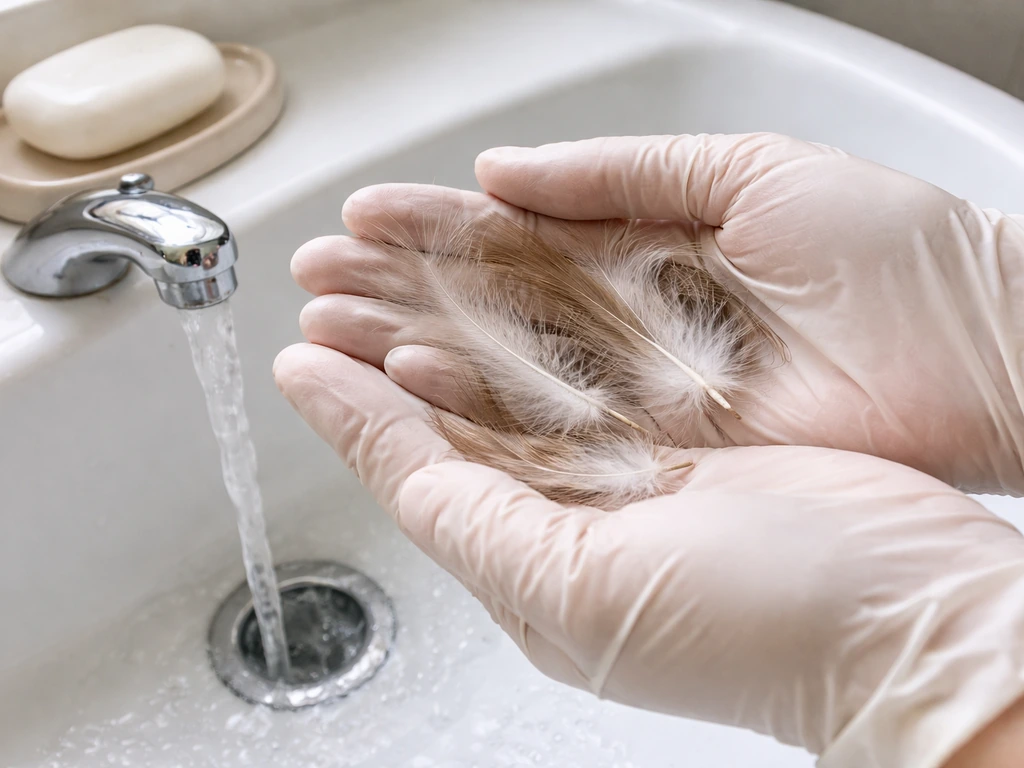
Touching bird feathers is usually fine with basic hygiene, but the answer depends heavily on which bird, what condition it's in, and what you do afterward. A healthy pet bird's feathers carry far less risk than a wild bird's, and a dead bird's feathers are in a different category entirely. The real hazard isn't the feather itself, it's what's on it: dried feces, dander, bacteria, parasites, or respiratory pathogens that can transfer from your hands to your eyes, mouth, or any broken skin. Wash your hands thoroughly with soap and water afterward, don't touch your face in the meantime, and you've handled the majority of the risk in most everyday situations.
Should You Touch Bird Feathers? Safe Steps and Risks

Marcus Whitmore
9 Jun 2026
Why feathers can carry real risks
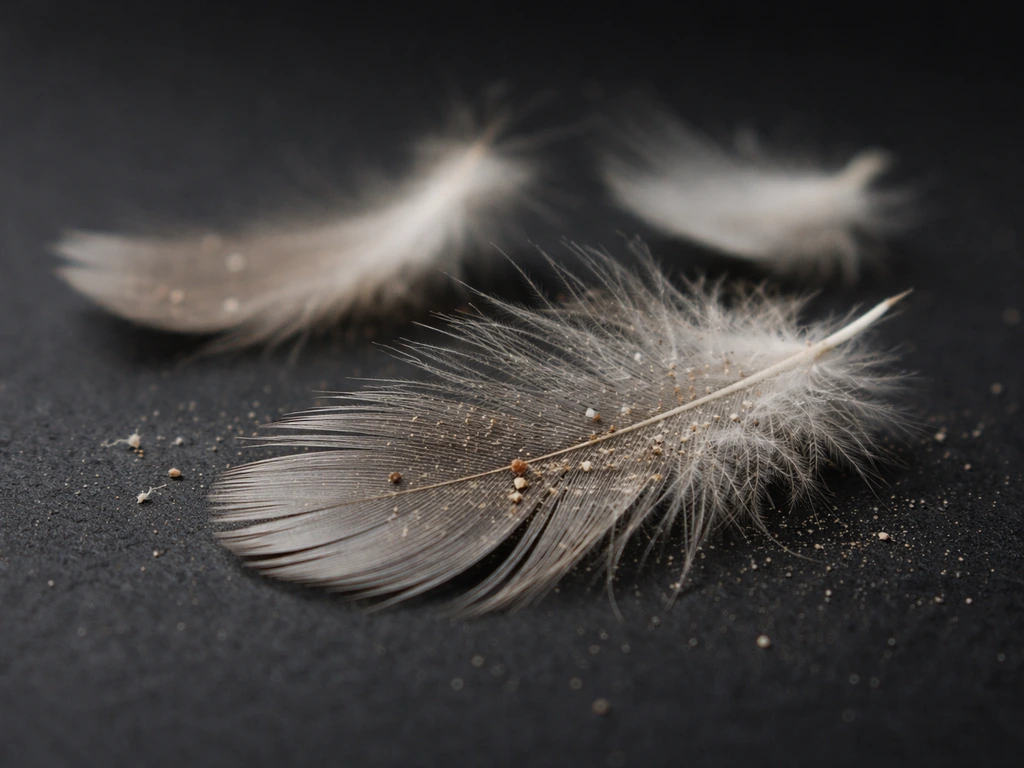
Feathers themselves are not inherently toxic or dangerous, but they don't exist in isolation. In the real world, feathers collect dander, dried fecal dust, skin cells, mites, and whatever pathogens the bird is shedding. The contamination risk is mostly about the environment a feather has been in, not the feather as a structure.
Here's what can realistically hitch a ride on a feather:
- Dander and fine dust: Bird dander is a known allergen and can trigger respiratory reactions, especially in enclosed spaces. Dry sweeping or disturbing feathers can aerosolize this material, which is why CDC guidance specifically warns against dry-sweeping or vacuuming bird enclosures without precautions.
- Bacteria: Salmonella and Campylobacter are both realistic exposures via contact with birds, their droppings, and their environment. The CDC estimates Salmonella causes roughly 1.35 million infections annually in the U.S., and fecal contamination is a primary route. Feathers near or soiled by droppings carry that contamination.
- Parasites and mites: Wild birds in particular can carry feather mites and lice. These rarely transfer permanently to humans, but direct contact is still a good reason for caution and prompt handwashing.
- Viruses: Avian influenza A is the high-profile concern. CDC is explicit that infected birds spread the virus through mucous, saliva, and droppings, and that contaminated surfaces (including feathers and litter) are exposure routes. Psittacosis, caused by Chlamydia psittaci, is another pathogen relevant to bird feather and dander contact — it spreads via dried fecal dust and respiratory secretions.
- Fecal contamination transfer: Even if you feel fine touching a feather, the CDC notes that Salmonella on your hands or clothes can spread to other people, objects, and surfaces. Handwashing isn't optional — it's the step that closes the exposure loop.
When touching feathers is especially risky
Not all feather contact carries the same risk level. Some situations genuinely warrant more caution, and a few are worth treating seriously.
Sick or dead wild birds
This is the highest-risk category. CDC is direct: avoid direct contact with sick or dead birds, their feces, litter, or any potentially contaminated surfaces or water. WHO adds that the public should strictly avoid contact with sick or dead animals and [report them through local wildlife or veterinary authorities rather than handling them personally](https://www. who.
int/news-room/questions-and-answers/item/influenza-avian). A dead wild bird may look unremarkable but can carry West Nile Virus, avian influenza, or other pathogens without any visible sign. The Scottish Government's public health messaging puts it plainly: don't touch wild bird feathers, especially during or near outbreak contexts. The Scotland’s Healthy Animals guidance also advises avoiding contact with wild bird urine or droppings unless it is necessary for health and safety [avoid contact with wild animal urine or droppings unless necessary](https://www.
scotlandshealthyanimals. scot/disease-avoidance/wildlife-sanctuaries-and-rescue-centres/advice-on-handling-wildlife/).
Broken skin, eczema, or skin conditions
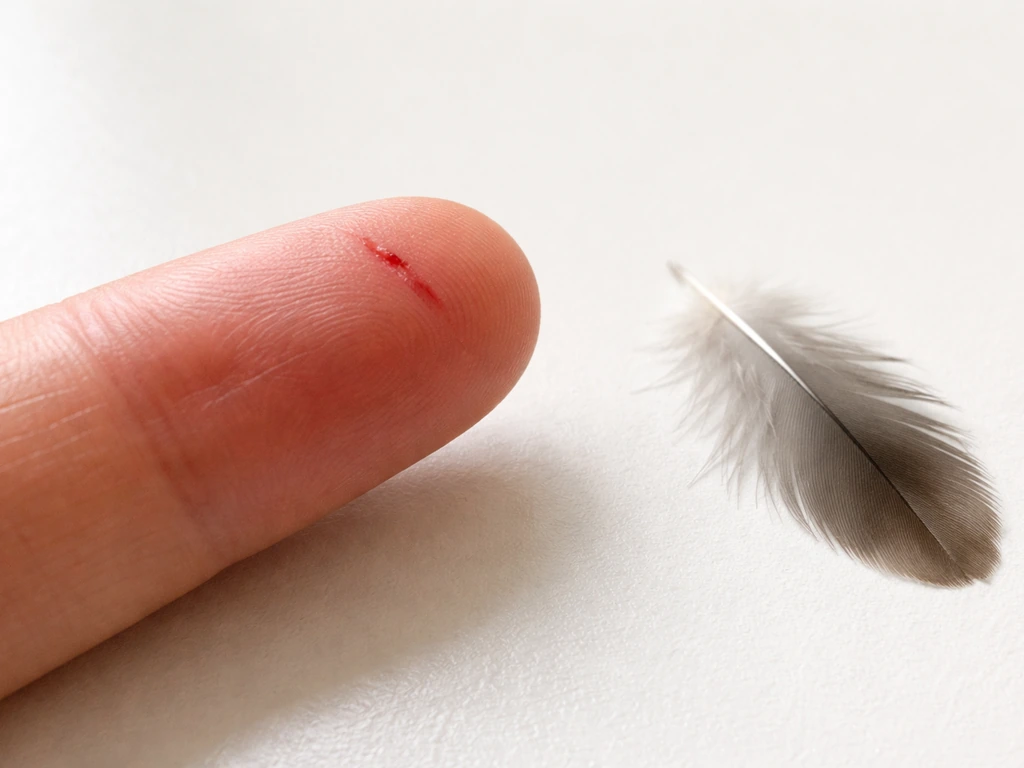
Intact skin is a real barrier. Broken skin, cuts, cracked skin from eczema, open blisters, removes that barrier and makes pathogen transfer far more efficient. If you have open wounds or compromised skin on your hands, gloves are not optional when handling feathers or anything from a bird's environment.
Immunocompromised individuals and other vulnerable groups
People who are immunocompromised, pregnant, or over 65 face elevated risk of severe illness from pathogens like Campylobacter that a healthy adult might shake off easily. CDC specifically identifies these groups as higher risk for severe Campylobacter disease. If you or someone in your household falls into one of these categories, the precautions here apply more strictly, not as a formality.
Young children
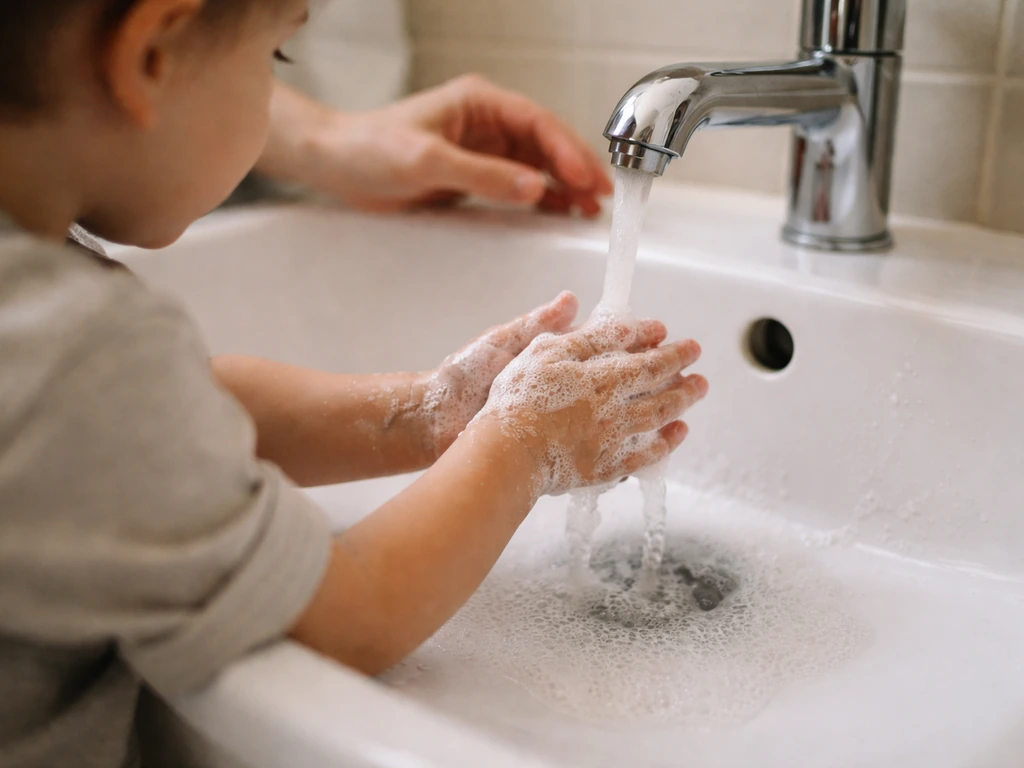
Young children reliably touch their faces, put fingers in their mouths, and don't wash their hands without prompting. CDC recommends supervising handwashing for children after any contact with birds or bird-related items. Don't assume a child cleaned up adequately, check.
What to do if you already touched feathers
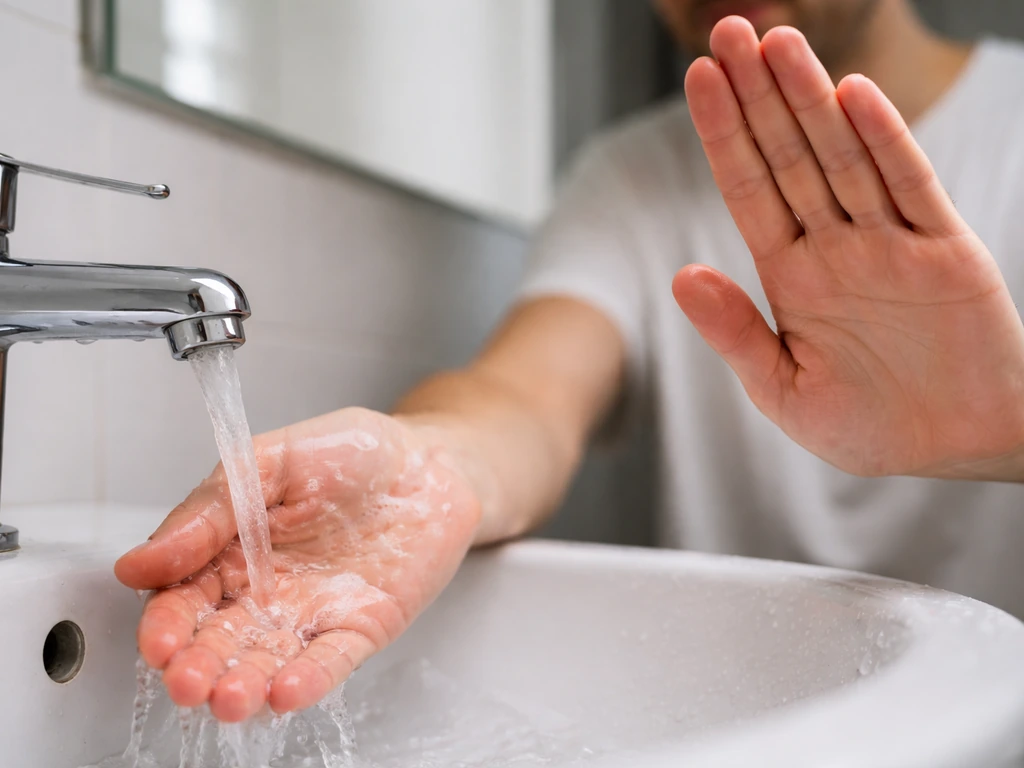
If you've already handled feathers, from a wild bird, a dead bird, or a bird's enclosure, don't panic, but act promptly.
- Don't touch your face. Keep your hands away from your eyes, nose, and mouth until they're clean. This is the single most important step between contact and cleanup.
- Wash hands thoroughly with soap and water. Wet your hands, apply soap, scrub all surfaces including between fingers and under nails, and rinse well. Hand sanitizer is acceptable as a bridge if soap and water aren't immediately available, but soap and water is preferred for thorough decontamination.
- Change clothes if needed. If feathers, dander, or fecal material got on your clothing, change and wash those clothes separately. This matters especially after handling dead birds or cleaning enclosures.
- Clean any surfaces the feathers or your hands contacted. Wipe down with an appropriate disinfectant. If you were cleaning a bird enclosure, wet surfaces with water or disinfectant before wiping to avoid kicking up dry dust.
- Monitor yourself. For most healthy adults with brief casual contact, no further action is needed. If you had extended contact with a sick or dead wild bird without PPE, note the date and watch for flu-like symptoms, respiratory symptoms, or conjunctivitis in the days that follow.
How to handle birds and feathers safely going forward
Safe handling doesn't require elaborate equipment for routine pet bird contact, but a few consistent habits make a real difference.
- Wear gloves for cage cleaning, molted feather cleanup, and any contact with droppings. Disposable nitrile gloves work well and remove the temptation to touch your face during cleanup.
- Avoid dry sweeping or vacuuming feathers and dander without protective measures. Wet surfaces first with water or a disinfectant solution to prevent aerosolization. This applies directly to psittacosis prevention.
- Keep hands away from your face during any bird handling. Pathogen transfer to the mouth and eyes is a primary route — eliminating face-touching during and immediately after contact removes most of the residual risk.
- For dead wild birds specifically: use impermeable gloves or an inverted plastic bag to pick up the bird without direct contact, place it directly into a garbage bag, seal it, and then wash hands with soap and water after removing gloves.
- If you're using a mask (recommended when cleaning enclosed bird spaces or handling potentially infected birds), remove gloves first, wash hands, then remove the mask. Don't remove eye protection or masks before your gloves are off and hands are washed.
- Keep children supervised during any bird contact and make handwashing a non-negotiable step afterward.
What not to do, and the myths worth ignoring
A fair amount of feather-related fear online is either exaggerated or misattributed. Here's where common narratives run ahead of the evidence.
The idea that simply touching a feather will give you bird flu is not accurate. In general, touching or briefly disturbing a bird's nest does not mean the bird will automatically abandon it bird abandon its nest if you touch it. CDC's framing is explicitly about prolonged unprotected contact with infected birds or heavily contaminated surfaces, not a brief accidental touch. The risk scales with exposure: duration, proximity, whether the bird was actually infected, and whether you then transferred material to a mucous membrane. A quick touch followed by handwashing is not an emergency.
The reality is that mites from bird feathers are also wildly overstated as a human health threat in popular content. Bird mites can bite humans but do not permanently infest them, they need birds to complete their lifecycle. Basic hygiene after handling is sufficient.
At the same time, don't dismiss the risks entirely. Some online advice goes the other way and suggests feathers are completely harmless. That's also not accurate. The pathogens listed above are real, the fecal contamination route is real, and the CDC guidance exists for good reason. The useful position sits between unnecessary panic and careless dismissal: treat feathers like any other animal-contact surface, clean up properly, and pay more attention when the situation warrants it.
When to seek medical or professional help
Most healthy adults who touch bird feathers and wash up don't need medical follow-up. But there are situations where you should contact a healthcare provider or relevant authority:
- You had direct, extended, or unprotected contact with a sick or dead wild bird and develop flu-like symptoms, fever, respiratory symptoms, or eye redness/discharge within 10 days. Mention the bird contact explicitly to your doctor.
- You are immunocompromised, pregnant, or over 65 and had more than incidental contact with a wild or dead bird — proactive consultation is reasonable even without symptoms.
- You have a young child who handled or mouthed feathers from a wild or unknown-status bird and develops gastrointestinal symptoms, fever, or signs of illness within the following week.
- You suspect you've handled a bird that was part of a local avian influenza outbreak or you've been instructed by public health authorities to report exposures.
- For dead wild bird disposal questions or reporting, contact your local wildlife authority or veterinary service. WHO guidance specifically recommends this route rather than personal handling.
Special cases: pet birds, molting, and professional scenarios
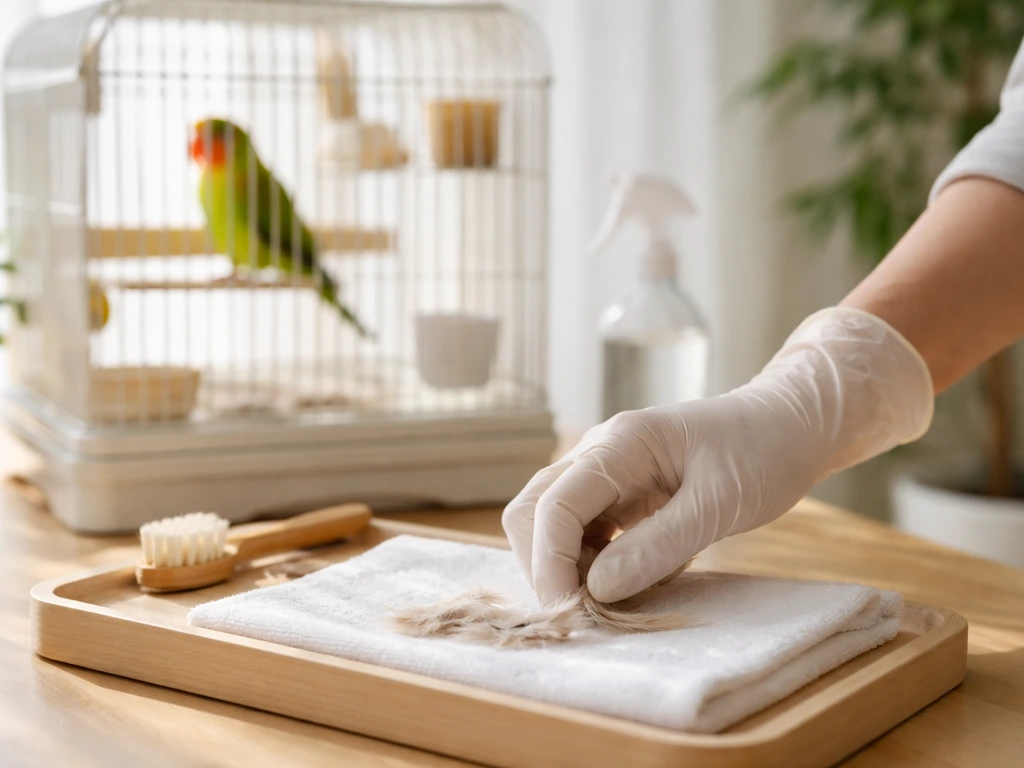
Healthy pet birds
Pet birds from reputable sources, kept in clean conditions, are genuinely lower risk than wild birds. Routine handling of a healthy pet bird's feathers doesn't require gloves every time, but handwashing afterward is still non-negotiable according to CDC guidance. The risk rises during cage cleaning, molt cleanup, and if the bird shows any signs of illness. If your bird is sneezing, has discharge, or seems lethargic, treat it more like a sick wild bird until a vet clears it, and wear gloves and a mask when cleaning its space.
Molting feathers
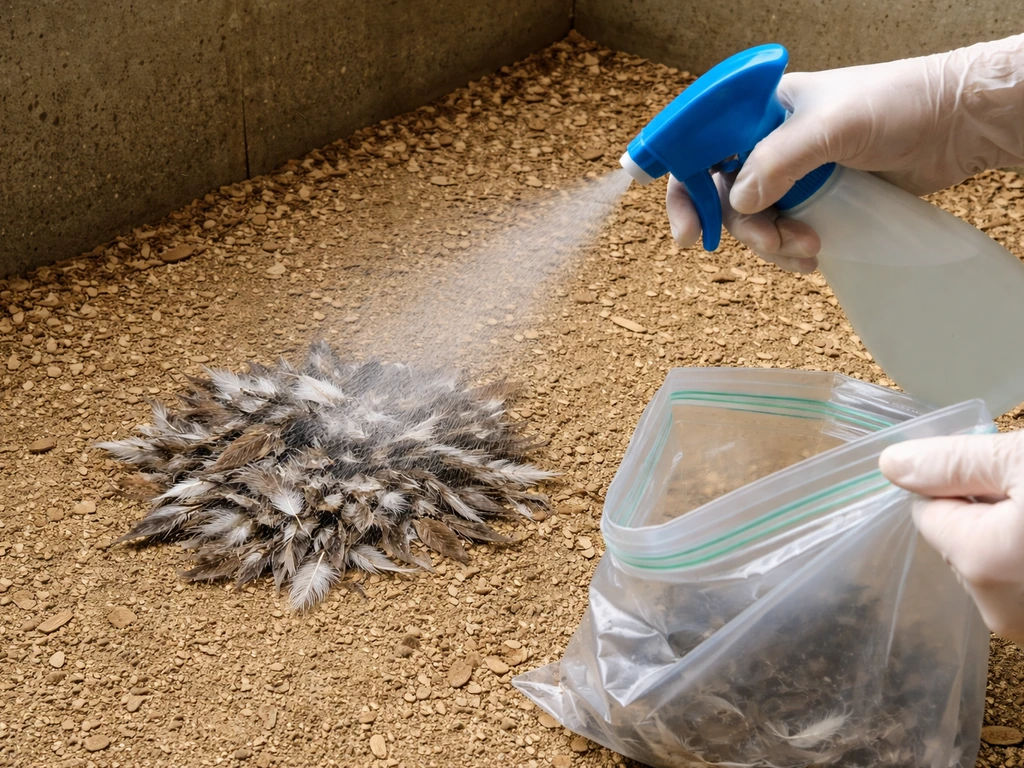
Molted feathers sitting in an enclosure accumulate dander, dust, and whatever else is in the bird's environment. Don't dry-sweep them up. Wet the surface lightly, use gloves, bag the feathers and dispose of them, and wash hands afterward. Feathers from molt aren't inherently more dangerous than a handled bird's feathers, but the dander concentration from a pile of shed feathers in a cage can be significant, especially in small rooms. Ventilation matters during cleanup.
Aviation and wildlife-response professionals
For aviation professionals dealing with bird strike aftermath, or wildlife responders handling dead or injured birds, the risk profile is different from a pet owner's. Feathers, blood, and biological material from bird strikes can carry the same pathogens discussed above. OSHA guidance for avian flu situations calls for avoiding unprotected contact with birds and their secretions and using appropriate PPE including safety goggles. CDC's dead-bird handling protocol applies directly: impermeable gloves, protective eyewear, proper bagging, no face-touching, and thorough handwashing after glove removal. Dispose of PPE appropriately and treat any biological material from bird contact as potentially contaminated until there's reason to assume otherwise.
| Scenario | Risk Level | Recommended Precautions | Post-Contact Action |
|---|---|---|---|
| Healthy pet bird, routine handling | Low | No gloves required; avoid face contact | Wash hands with soap and water |
| Pet bird showing illness signs | Moderate | Gloves and mask for cage cleaning; ventilate room | Wash hands; monitor for symptoms; vet consult for bird |
| Wild bird feathers (bird not seen/unknown status) | Moderate | Gloves or bag; avoid face contact | Wash hands; discard gloves properly |
| Sick wild bird | High | Do not handle without full PPE; report to authorities | Wash hands; monitor for symptoms 10 days |
| Dead wild bird | High | Impermeable gloves or inverted bag; seal in garbage bag | Remove gloves first, then wash hands; report if outbreak context |
| Molt/cage cleanup (pet bird) | Low to Moderate | Gloves; wet surfaces before cleaning; ventilate | Wash hands; change clothes if heavily exposed to dander |
| Aviation/wildlife-response professional | Variable (treat as high) | Full PPE: gloves, goggles, mask as applicable | Remove PPE in correct order; wash hands; document exposure if symptomatic |
The bottom line is consistent across all these scenarios: the feather is not the enemy, but it's a surface that deserves the same basic hygiene respect as any animal-contact material. Wash your hands, don't touch your face during handling, wear gloves when the risk warrants it, and take the dead-bird and sick-bird situations more seriously than casual online content often suggests. That combination covers the realistic risk for almost everyone asking this question today.
When a bird lands on a branch, that behavior is more about the bird feeling safe in its environment than about trust related to feather contamination, but hygiene still matters if you later touch bird residue if a bird lands on a branch does it trust.
If you are wondering, “is it safe to touch a bird,” the safest approach is to avoid sick or dead wild birds, protect any broken skin, and wash your hands right after contact.
FAQ
If I touched a wild bird feather, do I need to disinfect my hands or is washing with soap and water enough?
In most cases, thorough soap-and-water washing is sufficient. Disinfection after the fact is mainly useful if you have visible residue, touched your face, or had broken skin. Focus on scrubbing under nails and between fingers for at least 20 seconds, then dry with a clean towel. If you cannot wash promptly, use hand sanitizer first, then wash with soap and water as soon as you can.
What should I do if I accidentally touched my eye or mouth after handling feathers?
Don’t wait. Rinse the eye with clean running water or sterile saline, and for the mouth, rinse and spit thoroughly. Wash your hands again immediately and avoid further face-touching until you’ve cleaned up. If you develop eye redness, pain, or swallowing symptoms, contact a clinician for advice, especially if you are immunocompromised or have asthma or eczema.
Is it safe to pet or hold a healthy pet bird if it has feathers on its body that look dirty or messy?
Yes, but treat it like a higher-contamination contact surface. Dirty or soiled feathers increase the chance of dander and dried fecal dust. Wear gloves if you have any skin breaks, avoid touching your face, and wash hands right after contact. If the bird seems ill (discharge, persistent sneezing, fluffed posture, lethargy), handle minimally and call a vet.
Can I reuse gloves after cleaning a bird enclosure or should I throw them away?
If gloves are disposable, discard them after cage cleaning or handling shed feathers. If you use reusable gloves, wash them with soap and water after use, then dry and store them separately from clean items. Never touch your phone, door handles, or kitchen surfaces while wearing bird-handling gloves, because you can transfer contamination even if the gloves look clean.
What’s the safest way to clean up molt feathers in a small room?
Avoid dry sweeping, because it aerosolizes dander and dust. Lightly wet the area, then collect feathers with gloves using a disposable paper towel or bag them directly. Improve airflow by opening windows or using a fan that vents outward if possible. After cleanup, wash hands and change clothes if the feathers got on your clothing.
Do I need to wear a mask when handling bird feathers or cleaning a cage?
For routine handling of a healthy pet bird, a mask is often unnecessary. Use a mask when you’re cleaning accumulated dander (molt cleanup, deep cage cleaning), when feathers are visibly dusty, or when you have allergies or respiratory conditions. At minimum, prevent face-touching and ensure good ventilation.
Are bird mites really a medical concern for people who touch feathers?
They are usually more of a short-term irritation than a lasting human infestation. Mites can bite, but they typically require birds to complete their lifecycle. If you get bites, wash the area and consider non-prescription itch relief if appropriate. If bites persist for more than a week, or you suspect a larger issue in your home, contact a healthcare provider and consider pest guidance for your bird environment.
If a dead wild bird is on the sidewalk or yard, can I move it with a trash bag?
Use protective barriers, not bare hands. Impermeable gloves plus protective eyewear are the safer baseline, and you should bag it without shaking feathers. Avoid letting material contact your clothes or face, then wash hands thoroughly after glove removal. If there is an outbreak concern in your area, follow local wildlife reporting instructions rather than disposing of it yourself.
Should I worry more if the feather is from a bird nest than from the ground?
Often the risk is more about what’s contaminating the feather than about where you found it. Nests can carry heavy fecal residue, dander, and ectoparasites, and nests are also more likely to involve vulnerable wildlife. If you see heavy buildup, avoid contact, use gloves, and bag material. If the nest seems active, don’t disturb it.
I’m pregnant or immunocompromised. What extra steps should I take beyond normal handwashing?
Be more conservative with exposure. Avoid handling wild birds or visibly soiled feathers, and delegate cleanup of bird waste and enclosures when possible. If you must clean, use gloves plus eye protection, ensure strong ventilation, do not touch your face, and wash hands immediately after. Seek medical advice promptly if you have any concerning symptoms after exposure (for example, prolonged diarrhea, fever, or severe respiratory symptoms).