A bird bite is simply called a bird bite, both in everyday conversation and in most medical documentation. The terms "peck" and "bite" are often used interchangeably, but they describe slightly different actions, and that distinction can actually matter for wound care. A peck is a quick, stabbing motion with the beak tip, while a true bite involves the bird gripping and applying sustained pressure, sometimes tearing tissue. Scratches from talons are categorized separately. Scratches from a bird's talons can also cause infection or other complications, so it's worth knowing what to watch for and when to get help what happens if a bird scratches you. Medically, you'll see these logged as "animal bites" or "avian bites" in clinical notes, and the wound type (puncture, laceration, or abrasion) shapes how a doctor manages it.
What Is a Bird Bite Called? Treatment and First Aid

Common terms for bird bites and pecking
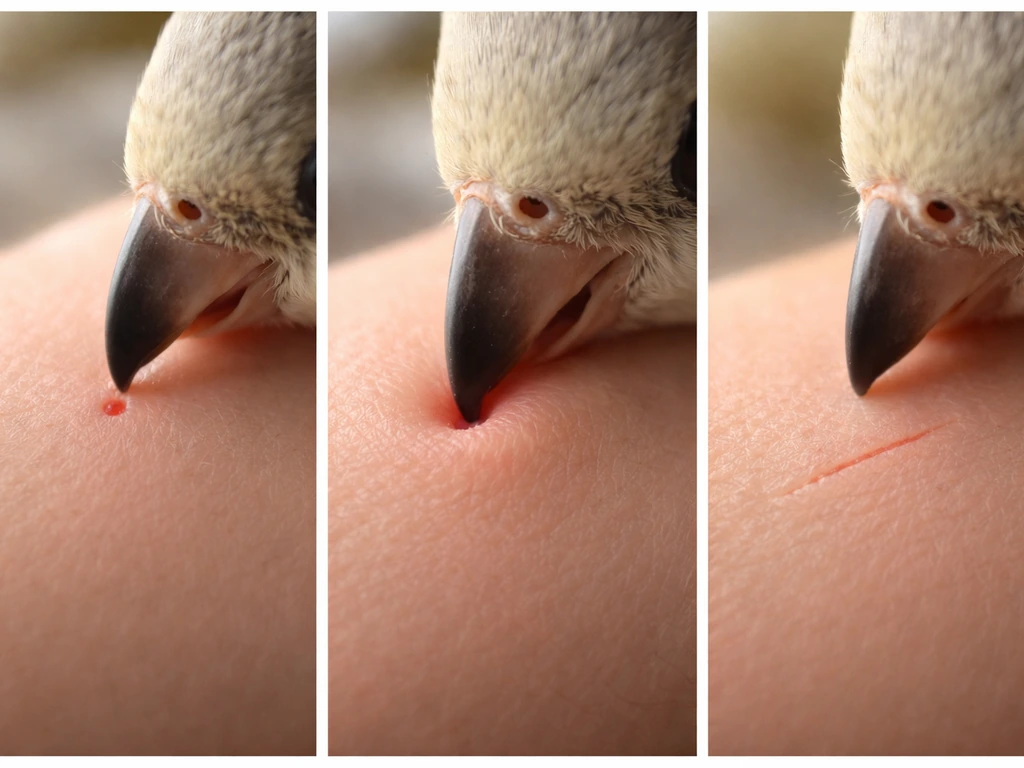
Most people reach for "peck" when a bird makes quick contact with the beak, and "bite" when it feels more deliberate or painful. Both are technically correct, but here's how they break down in practice:
- Peck: a rapid, pointed strike from the tip of the beak, usually producing a small puncture or surface bruise. Common from wild birds and pet birds reacting defensively.
- Bite: sustained beak contact with gripping and pressure, more likely to cause a deeper puncture, a tear, or a crush injury depending on the bird's size. Parrots, macaws, and large corvids are capable of true bites.
- Nip: informal term for a quick, light bite, often used by parrot owners to describe a warning nip that does not break skin.
- Avian bite: the clinical or scientific label used in medical records and research papers.
- Talon scratch or talon strike: an injury from the claws rather than the beak, treated differently because the wound profile and contamination risks differ.
In aviation and wildlife management, you'll sometimes hear "bird strike" used very loosely to describe any aggressive bird contact with a person, though technically that term belongs to aircraft-bird collisions. If you're filing an incident report in a professional context, "avian bite" or "avian scratch" with a description of the wound type is the clearest and most defensible language.
How to tell a true bite from a peck or scratch
The reason this distinction matters is not just vocabulary. The wound type determines how you clean it, whether you need medical care, and how closely you should monitor for infection. Here's how to read what actually happened:
| Injury type | How it happened | Wound appearance | Infection risk |
|---|---|---|---|
| Peck | Quick beak strike, usually tip-first | Small puncture or red mark, may not break skin | Low to moderate; higher if skin is broken |
| Bite | Sustained grip or crushing with the beak | Deeper puncture, possible tear or bruising, may bleed more | Moderate to high; saliva contact with open tissue |
| Nip | Brief pinch, often a warning | Redness, minor bruise, skin rarely broken | Very low |
| Talon scratch | Claw contact, often during handling or landing | Linear abrasions or punctures, may be multiple parallel marks | Moderate; dirt and fecal matter on talons are a real concern |
If you're unsure which happened, look at the wound shape. A single small hole or pair of holes suggests a peck or bite. Parallel lines suggest talons. If the wound is deeper than it looks, bleeding steadily, or located on the hand or finger (where tendons and joints are close to the surface), treat it as a true bite regardless of how it felt in the moment. Whether a bird can bite is often less about how it feels in the moment and more about the wound and how the bird made contact can a bird bite.
What to do right now for a bird bite
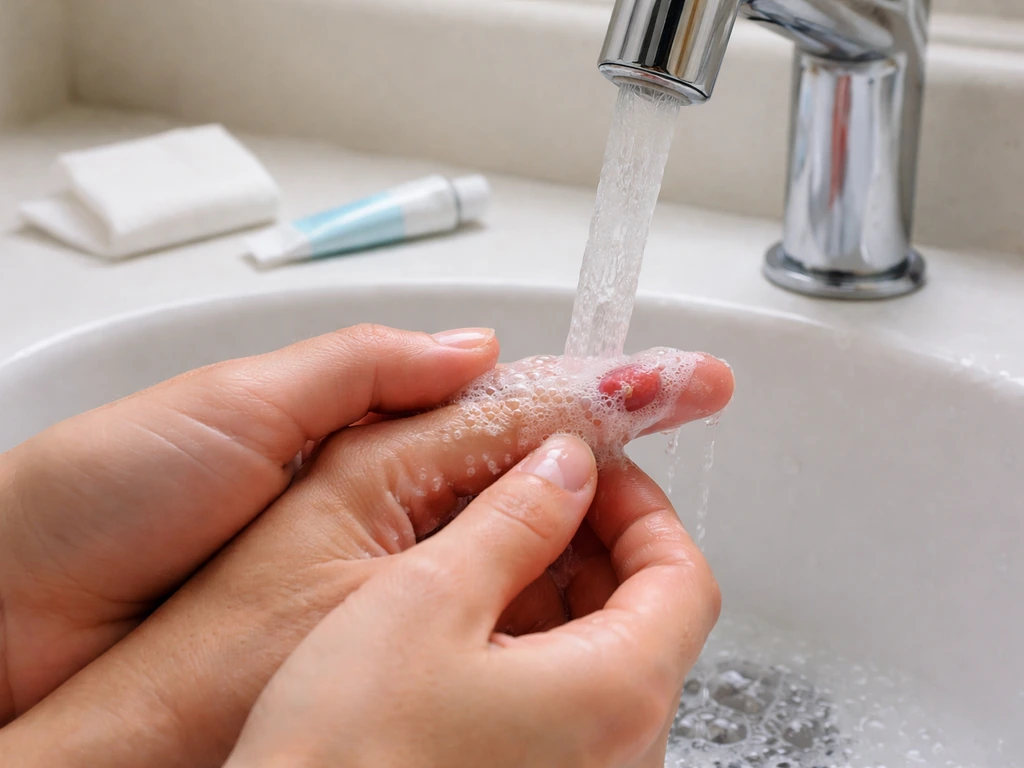
First aid for a bird bite or peck is straightforward, but you have to do it properly. Bird beaks carry bacteria from their environment, food, and feces, and a wound that looks minor can still become infected if you skip cleaning steps.
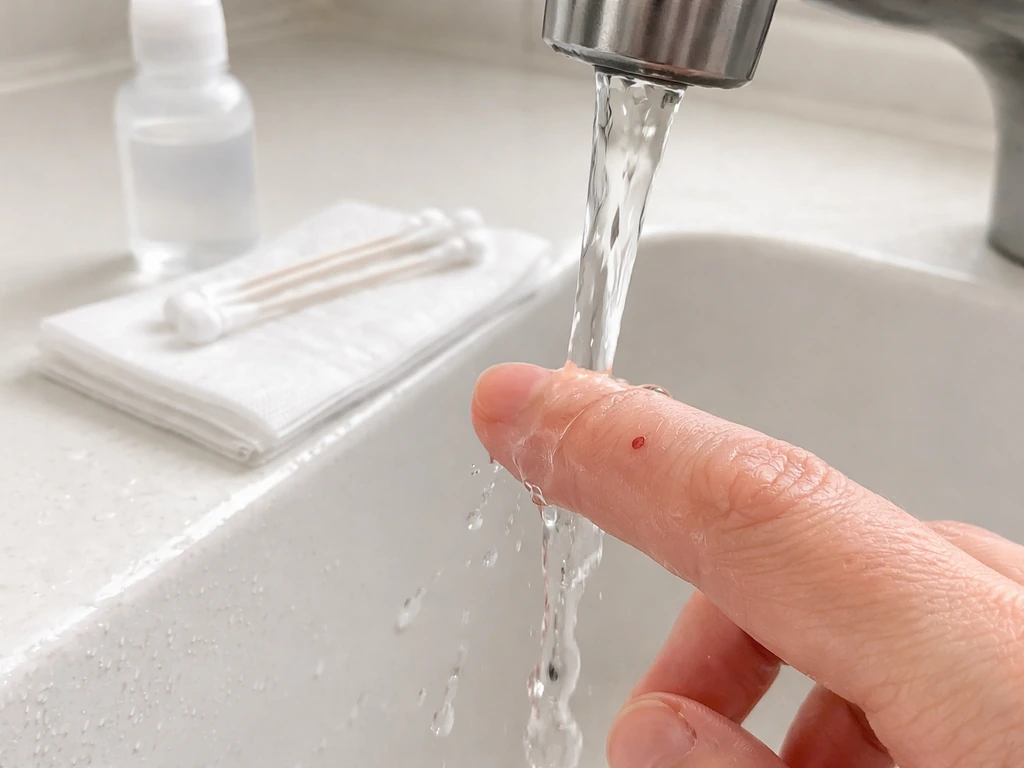
- Wash the wound immediately and thoroughly with soap and water for at least 5 minutes. This is the single most important step. Running water helps flush debris, bacteria, and saliva from the wound.
- Apply an antiseptic. After washing, use an antiseptic solution such as povidone-iodine or chlorhexidine if available, or hydrogen peroxide as a backup. Let it sit briefly before rinsing.
- Control any bleeding with gentle, direct pressure using a clean cloth. Small pecks often stop bleeding on their own within a minute or two.
- Cover the wound with a sterile bandage or clean dressing. Change the dressing daily or any time it becomes wet or dirty.
- Note the bird. Whether it was a pet bird, a wild bird, or a captive bird at a zoo or aviary matters for your medical history. If it was a wild bird acting unusually, flag that when seeking care.
- Watch for signs of infection over the next 24 to 72 hours: increasing redness spreading outward from the wound, warmth, swelling, pus, red streaks moving away from the site, or fever.
If the bite is on your hand, around a joint, or deep enough that you can see fatty tissue, skip the home treatment and go straight to a medical provider. Hand wounds in particular are notorious for developing serious complications even when they look minor at first.
When to get medical care
Infection warning signs
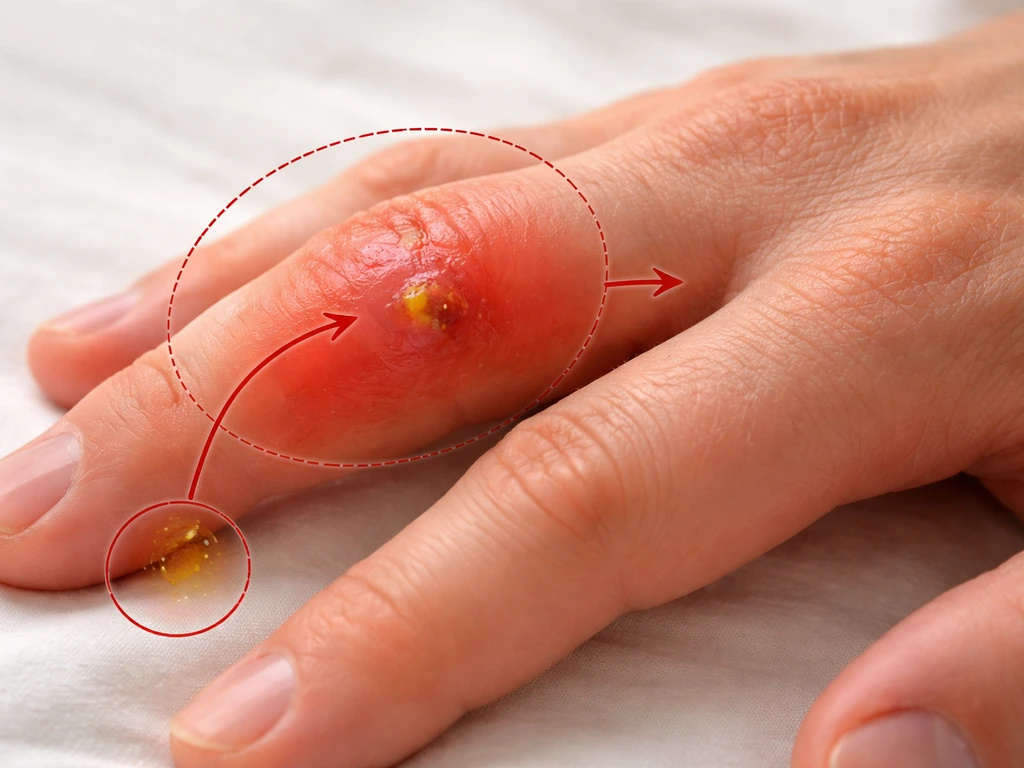
Most bird bites from pet birds or casual wild bird contact won't require a doctor visit if you clean them promptly. But you should seek care if any of the following apply: the wound won't stop bleeding after 10 minutes of pressure, it is deep or gaping, it is on your face, hand, or over a joint, you see signs of infection developing, or you have a condition that affects your immune response (diabetes, immunosuppression, or similar).
Tetanus: when it's relevant
Tetanus is a real consideration with bird bites, especially from wild birds or birds kept in outdoor environments where soil and fecal matter are in the picture. blank" rel="noopener noreferrer">The CDC's clinical wound management guidance identifies penetrating and puncture wounds, as well as wounds contaminated with dirt, soil, or saliva, as situations where tetanus prophylaxis may be warranted depending on the patient's vaccination history. The CDC's Pink Book specifically lists animal bites among the wound types that can lead to tetanus infection. The CDC “Pink Book” notes that blank" rel="noopener noreferrer">tetanus may follow penetrating and puncture wounds, as well as wounds contaminated with dirt, soil, or saliva, and that wound management uses Td or Tdap (and additional products like tetanus immune globulin when indicated). The practical upshot: if you haven't had a tetanus booster (Td or Tdap) within the past 5 years and you have a significant puncture wound from a bird, a healthcare provider should review your tetanus status. It's a quick conversation, not an automatic reason to panic.
What about rabies?
Birds do not carry or transmit rabies. Rabies is a mammalian disease, and there is no documented case of a bird transmitting rabies to a human. If you still need medical care after a bird bite, clinicians focus on cleaning the wound, watching for infection, and making sure tetanus is up to date rather than treating for rabies no documented case of a bird transmitting rabies to a human. You do not need post-exposure prophylaxis for a bird bite on rabies grounds. This is a genuine myth worth putting to rest. If you're bitten by a bat (a mammal sometimes confused with birds in low-light situations), that's a different conversation entirely.
Other infection risks worth knowing
The bacteria most associated with bird bites include Pasteurella multocida, various Gram-negative species, and organisms related to psittacosis (Chlamydia psittaci) in parrots and parakeets. Psittacosis is a respiratory illness transmitted mainly through dried feces and feather dust, not bite wounds, but it's worth mentioning for parrot owners who handle birds frequently. For most healthy adults, a properly cleaned bird bite from a pet bird carries a low infection risk. Do bird bites hurt? Often they do, and the pain can range from a quick sting to a deeper, more sustained bite depending on how the bird contacts the skin. The risk goes up with wild birds, birds from unknown backgrounds, and immunocompromised individuals.
Preventing repeat incidents
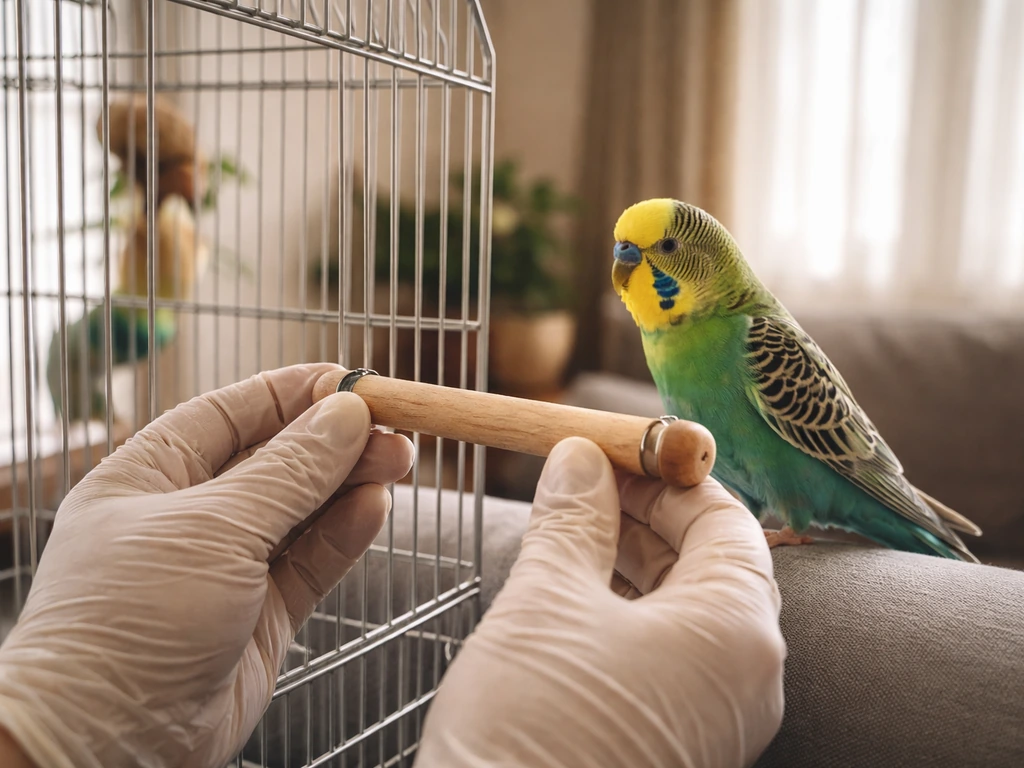
Pet bird owners
Most bites from pet birds are behavioral, not random. A bird that bites is usually communicating: fear, overstimulation, territorial behavior, hormonal changes, or pain. Learning to read your bird's body language before contact is the most effective prevention. Flattened feathers, pinned pupils, a lowered head, or a partially open beak are pre-bite signals in many parrot species. Avoid reaching into the cage when the bird is in a defensive posture, never punish a bird physically for biting (it escalates aggression), and work with a certified avian behaviorist if biting becomes a regular pattern.
Researchers and wildlife handlers
Anyone handling wild birds professionally should use appropriate personal protective equipment. Heavy leather gloves protect against larger birds like raptors and herons, though they reduce tactile feedback. For banding or sampling work, thinner cut-resistant gloves are sometimes preferred with techniques adapted to minimize stress on the bird, since a stressed bird bites harder and more often. Keeping handling time short, working with a partner, and knowing the specific defensive behaviors of the species you're working with (raptors use talons first, corvids use the beak, waterfowl use wings as well) all reduce injury risk significantly.
Aviation professionals and bird encounters on the ground
Ground crew and wildlife control personnel working airfields sometimes need to handle injured or disoriented birds following a strike event. An injured bird is a defensive bird. Approach from behind when possible, cover the bird's head with a cloth to reduce visual stimulation, and support the body to prevent wing flapping. Avoid putting your face close to the bill. If you're worried about hair or feathers being pecked during a close encounter, the same cleaning and infection-monitoring basics apply as with a bird bite what happens if a bird gets your hair. Large waterfowl (Canada geese, swans) can deliver bites that bruise or break skin, and their wings can cause impact injuries. Reporting and handling protocols should be part of standard airfield wildlife management training.
Myths vs facts about bird attacks and safety
There's a lot of folklore around bird aggression, and some of it leads people to either overreact or ignore real risks. Here are the most common myths and what the evidence actually shows.
| Common myth | The reality |
|---|---|
| Birds attack humans without provocation | Nearly all bird aggression toward humans is defensive: protecting a nest, chicks, territory, or responding to perceived threat. True unprovoked attacks are rare and almost always involve nesting season context. |
| Bird bites always need antibiotics | Most minor bites in healthy adults do not require antibiotics if cleaned promptly. A doctor may prescribe them for deep wounds, bites on the hand, or immunocompromised patients, but it's not automatic. |
| Birds can give you rabies | Birds cannot carry or transmit rabies. This is a mammalian disease. No bird bite requires rabies prophylaxis. |
| A peck is harmless and doesn't need cleaning | Any break in the skin from a bird's beak should be cleaned with soap and water. Beaks carry bacteria, and a small peck that breaks the skin can still develop into an infection. |
| Wild bird bites are more dangerous than pet bird bites | It depends on the circumstances. Wild birds may carry more environmental bacteria, but a pet bird that has never been tested for psittacosis, or one with a poor diet and hygiene, can also carry pathogens. Context matters more than wild vs. pet status. |
| Birds "attack" your hair because they want to hurt you | Hair-grabbing behavior in birds is typically related to nesting material collection, territorial defense, or curiosity. It's rarely aggressive in the same sense as a bite. |
The bottom line is that bird bites, pecks, and scratches are genuinely common and usually manageable with good basic first aid. In most cases, a bird bite is not dangerous if you clean it promptly and monitor for infection, but deeper hand wounds can become serious is bird bite dangerous. The situations that escalate into serious medical problems almost always involve one of three factors: a wound that wasn't cleaned properly, a wound on the hand or near a joint that was dismissed as minor, or an underlying health condition that raises infection risk. Knowing what actually happened (bite vs. peck vs. scratch) helps you respond proportionately. Whether the injury came from a pet parrot, a defensive crow during nesting season, or a disoriented bird on a runway, the fundamentals are the same: clean it, cover it, watch it, and get professional input when anything looks off.
FAQ
If I’m filling out a medical form, what exact term should I use for a bird bite?
A bird “bite” is often recorded clinically as an animal bite (avian bite) with a wound category like puncture, laceration, or abrasion. Talon scratches are usually documented separately because they tend to be more like superficial abrasions/linear marks, and the cleaning and infection monitoring can differ based on depth and tissue damage.
What’s the correct cleaning method for a bird bite at home, and what should I avoid?
Rinse right away under running water for several minutes, then wash with soap around the wound. Avoid soaking the wound for long periods (it can macerate skin), and don’t close punctures with adhesives or butterfly strips unless a clinician evaluates it. If it’s on the hand or near a joint, higher-pressure rinsing and faster medical evaluation matter more.
How can I tell if my bird bite is worsening in a way that needs urgent care?
If you have visible puncture(s), steadily increasing pain, swelling that keeps spreading, warmth, or pus, that’s a strong reason to seek care even if bleeding stops. Also go in sooner if you can’t fully move the finger or hand, because tendon or joint involvement can be missed initially.
Do I need a tetanus shot after a bird bite, and how do I decide based on my vaccine history?
Use your tetanus history, plus wound type and contamination. If you are not up to date (commonly, no booster in about 5 years) and the wound is a significant puncture or contaminated, a clinician should review whether you need tetanus prophylaxis. This is especially relevant after wild bird contact or outdoor exposure.
What if someone tells me I need rabies shots after a bird bite?
Do not treat it as a rabies exposure for bird bites, because rabies is not transmitted by birds. If the incident involved a mammal (like a bat) or you are unsure what animal caused the injury, get medical advice to confirm what actually bit or scratched you.
If it looks minor, how long should I monitor a bird bite before deciding I’m in the clear?
For most people with minor, well-cleaned injuries, follow-up can be at home, but you should still monitor closely for 48 to 72 hours. Re-check the wound daily, and consider medical input sooner if redness keeps expanding, fever develops, or hand function declines.
Can I just put ointment and a bandage on it, or do deep puncture wounds need more?
Topical antibiotic ointment can be reasonable for superficial, cleaned abrasions, but deep punctures often need medical assessment because infection can track deeper than the surface. Avoid using tight wraps that cut off circulation, and change dressings daily or sooner if they get wet or dirty.
What symptoms involving my hand or fingers mean I should not try to self-treat?
If the bite causes numbness, tingling, trouble bending or straightening a finger, or you see a wound over a tendon area, treat it as more than “skin deep.” Hand injuries can involve structures under the surface even when the skin wound is small.
How does immune status change what I should do after a bird bite?
If you have diabetes, take immunosuppressant medications, have poor circulation, or have had prior severe infections, you should have a lower threshold to seek care after a bird bite. Providers may recommend closer monitoring or earlier antibiotics depending on wound depth and your risk profile.
Should a parrot bite prompt concerns beyond the wound itself?
If you know your bird is a parrot or parakeet and you handle it frequently, you generally focus on bite wound care. However, it can also raise the question of psittacosis exposure from dried feces or feather dust, so seek medical advice if you develop respiratory symptoms after handling, especially in multi-bird households.
What wound signs help me decide whether it was a peck versus a true bite or a scratch?
Often, the “bird bite” name comes from the moment you felt contact, but you can use wound pattern to guide seriousness. One or two small punctures suggest peck or bite, parallel linear marks often point to talons, and deeper wounds that bleed steadily or reveal visible tissue damage should be treated as more serious regardless of how it felt.