Yes, birds can absolutely bite, and depending on the species, it can range from a barely-noticeable pinch to a genuinely painful wound that breaks the skin, causes bruising, or even punctures deep enough to warrant a doctor's visit. Every bird with a beak is physically capable of biting, and many will do so when they feel scared, overstimulated, or cornered. What matters practically is knowing which situations are most likely to lead to a bite, what the injury actually looks like, and exactly what to do in the first few minutes afterward.
Can a Bird Bite? What to Do After a Peck or Bite

Marcus Whitmore
7 Jul 2026
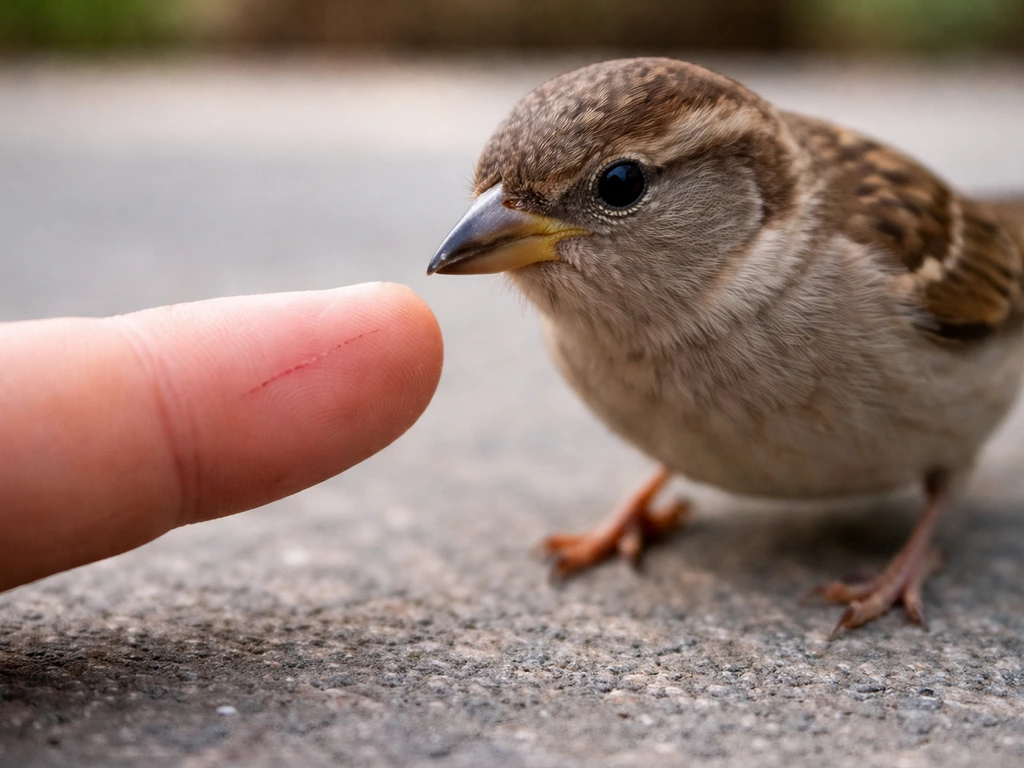
Can birds bite, and which ones are most likely to
All birds can bite. A bird bite is simply when a bird breaks the skin with its beak, and the safest next step is to treat it like any other animal bite. They use their beaks for feeding, defense, and communication, which means biting is a normal part of their behavioral toolkit rather than a rare anomaly. That said, some species bite far more often and more forcefully than others.
Among pet birds, parrots are the most commonly associated with biting, and larger parrots like macaws, African greys, and cockatoos have beaks strong enough to break skin and cause real damage. A documented case report in the medical literature describes a hand compartment syndrome developing after an African grey parrot bite, with an abscess forming within hours. Even smaller pet birds like cockatiels bite, typically when overstimulated or handled during a context they find threatening. According to avian veterinarians, fear is actually the most common driver of biting in pet birds. It is rarely pure anger. The bird is telling you it feels unsafe.
In the wild, geese are the species people encounter most often in aggressive bite-and-chase situations. Canada geese in particular are strongly linked to defensive nesting behavior: if you are walking near a nest, the goose is not being randomly hostile, it is protecting eggs or goslings. Crows also dive-bomb and occasionally peck people, most commonly between April and July during nesting season. Mockingbirds, red-winged blackbirds, and other territorial songbirds will swoop at people who get too close to active nests, though they rarely make full contact. The reality is that almost every wild bird that "attacks" a person is acting defensively, not predatorily.
What a bird bite actually looks and feels like
The injury depends heavily on the bird's size and beak shape. A small bird's peck might leave a red mark or a tiny surface scratch that stops bleeding within seconds. A medium parrot bite or a goose bite can cause bruising, shallow lacerations, and skin breaks that bleed noticeably. In other words, when bird bites hurt, it is often due to bruising, skin breaks, or deep punctures depending on the bird and the bite location. A large parrot bite can create a deep puncture or a tearing wound, especially on fingers or hands, which are the most commonly bitten body parts.
Puncture wounds deserve special attention. When a beak pierces the skin rather than just scratching it, contamination gets driven deep under the surface where it is harder to clean out. The Merck Manual specifically flags animal-bite punctures as high-risk for introducing contamination deep into tissue. You might look at a small puncture and think it is minor, but the infection risk is actually higher than it would be for a clean cut of the same size. A goose bite typically causes scratches and bruises rather than deep punctures, but still warrants a skin check.
First aid: what to do right after a bite or peck
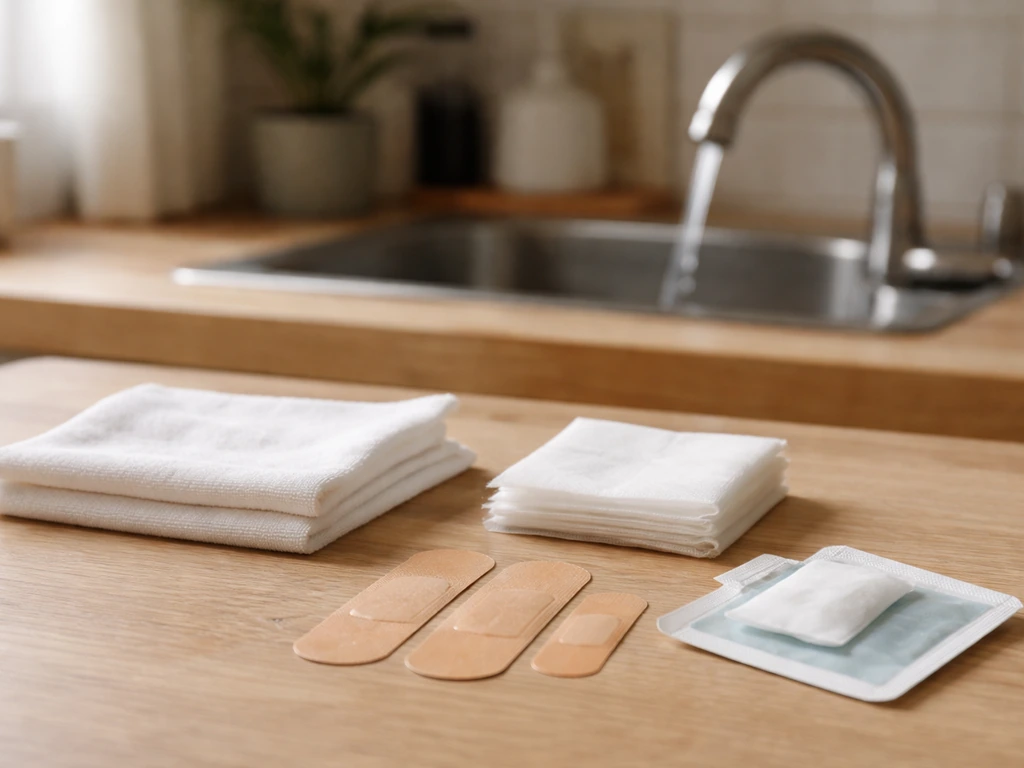
Move through these steps quickly. The first few minutes matter most for reducing infection risk and controlling bleeding. After a bird bite, the most important step is to clean the wound and then watch closely for infection.
- Control the bleeding first. Apply firm, direct pressure with a clean cloth or bandage and hold it for at least 20 minutes without lifting to check. If bleeding is heavy or does not slow down after 20 minutes, call for emergency help.
- Wash the wound thoroughly with soap and warm running water. Do not rush this step. The CDC and Mayo Clinic both recommend washing animal bites that break the skin, and this is your single most effective tool against infection. Rinse for several minutes.
- If the wound is a puncture rather than a surface scratch, irrigate it as well as you can. The goal is to flush out saliva and debris that got pushed into the skin.
- Cover the wound with a clean bandage or sterile dressing once it has been washed and bleeding is controlled.
- Do not squeeze or suck the wound, and do not apply alcohol or hydrogen peroxide directly into a deep puncture as a substitute for proper washing. Soap and water is more effective than you might expect.
- Note the time the bite occurred and what species was involved. You will need this information if you see a doctor.
One mistake people commonly make: pulling away sharply or yelling immediately after a bite. This is understandable, but if a pet bird is gripping your skin, a sudden jerk can worsen the tearing. Stay as calm as you can, and address the wound once you are clear of the bird.
When to get medical care and what complications to watch for
The Merck Manual's position is straightforward: after routine first aid for an animal bite, you should see a doctor. That guidance applies broadly, but there are specific situations where you should not wait and should go immediately.
- The bite is a deep puncture wound, especially on the hand, finger, or face
- Bleeding does not slow after 20 minutes of firm pressure
- The wound is on your face, near a joint, or near a tendon
- You are immunocompromised, diabetic, or otherwise at higher risk for infection
- The bird was wild or its health status is unknown
- You have not had a tetanus shot in the past 5 years (or do not know when your last one was)
On tetanus: the CDC, ACIP, and StatPearls all classify animal bites as tetanus-prone wounds. If your last tetanus-containing vaccine was blank" rel="noopener noreferrer">more than 5 years ago, current guidance indicates you need a booster for high-risk wounds like punctures or animal bites. If you have never completed a primary tetanus series, the situation is more urgent and a doctor needs to evaluate you. This is a topic worth discussing with a healthcare provider after any bite that breaks the skin.
Watch the wound closely for the first several days even after initial treatment. Signs of infection typically appear within 12 to 24 hours for fast-acting bacteria like Pasteurella multocida (commonly found in animal bites) and somewhat later for other pathogens. Red flags include worsening redness spreading outward from the wound, increasing warmth and tenderness, pus or cloudy discharge, fever, or a general feeling of being unwell. If you notice any of those, see a doctor that day.
There is also a less obvious disease risk worth knowing about: psittacosis. The CDC notes that this bacterial infection (caused by Chlamydia psittaci and associated primarily with parrots and other pet birds) can be transmitted less commonly through bites and beak-to-mouth contact in addition to the more typical respiratory/dust route. Symptoms tend to look like a respiratory illness and require antibiotic treatment. It is not a reason to panic after every parrot nip, but it is worth mentioning to your doctor if you develop flu-like symptoms after a parrot bite, especially a deep one. The CDC also notes more broadly that germs can spread from bird bites and scratches even when the wound does not look serious. If you’re wondering what happens if a bird scratches you, the key issue is that even minor surface injuries can still introduce germs into the skin bird bites and scratches.
How to prevent bird bites at home and outdoors
Reading body language before the bite happens
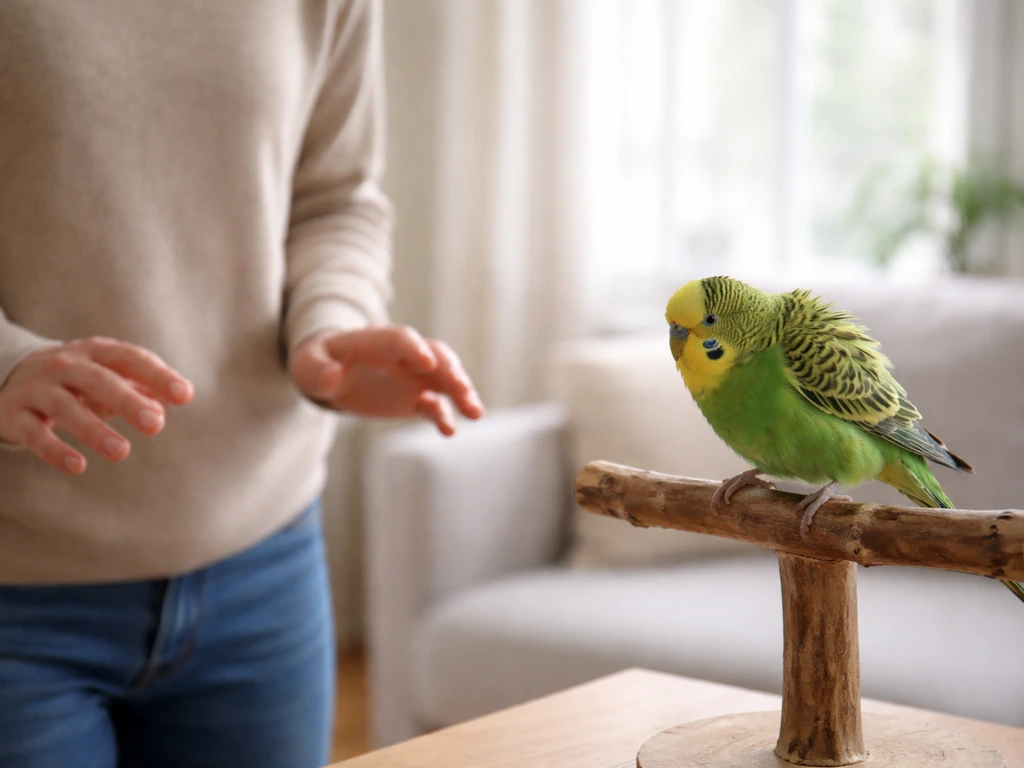
Birds almost always signal before they bite. If you know what to look for, you can de-escalate most situations before contact happens. With pet birds, watch for rapid eye pinning (the pupil rapidly contracting and dilating), tail fanning, beak held open, lunging posture, or feathers held tightly against the body. According to VCA, rapid escalation behaviors like these are your cue to back off, not to keep pushing. Overstimulation is a major trigger, especially in cockatiels and other smaller parrots: a bird that is enjoying being petted can cross into overload quickly, and the bite is its way of ending the interaction.
With wild birds, the trigger is almost always proximity to a nest or fledgling. If a bird is dive-bombing you or swooping repeatedly, you are in or near its defended territory. The fix is simple: move away and take a wider path next time. Mass Audubon advises using non-confrontational behavior and maintaining distance during spring and early summer nesting season, which is when the vast majority of wild bird aggression toward people occurs.
Practical prevention checklist
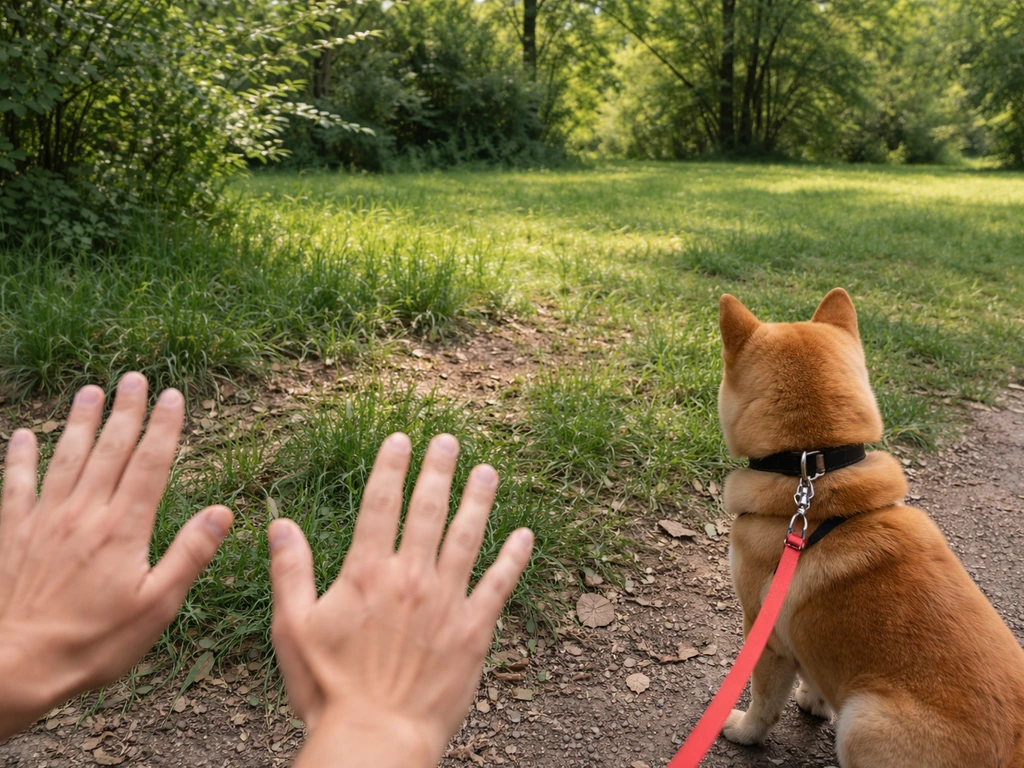
- Never approach a nesting bird or reach near a nest, especially geese or ground-nesting birds during spring and summer
- Do not feed wild birds by hand or in ways that make them lose their fear of people; USDA APHIS notes that hand-feeding increases the risk of animals becoming aggressive toward humans
- With pet birds, end handling sessions before the bird shows stress signals rather than waiting until it bites
- Use stick training with pet parrots to give them a consistent, calm way to step up without direct hand contact if they are going through a fear or biting phase
- Avoid loud sudden movements or shouting around birds; it escalates fear-based biting
- Do not put your face close to an unfamiliar or agitated bird
- Wear long sleeves when handling large parrots or unfamiliar birds
- If walking in an area with known aggressive nesting birds, carry an umbrella or wear a hat to protect your head from swoops
Pet birds vs wild birds: different risks, different rules
The handling context matters a lot here. With a pet bird you know well, a quick nip during handling is common and usually minor. The injury risk is real but manageable, and the focus should be on building trust, reading body language, and using positive reinforcement training to reduce biting over time. Lafeber similarly emphasizes that positive reinforcement is key and recommends teaching alternative behaviors, such as stick training or training what to bite instead of fingers positive reinforcement training to reduce biting over time. Lafeber's avian training resources emphasize that positive reinforcement works well for birds and that consistent responses from you matter as much as what the bird does. A key mistake to avoid: reacting dramatically to a bite. If a bird learns that biting produces a big, interesting reaction from you, it may repeat the behavior. Stay calm and return the bird to its cage to end the interaction without rewarding the bite with attention.
Wild birds are a different situation entirely. You should not be handling wild birds at all unless you are trained and licensed, and even then, protective equipment matters. Wild birds carry bacteria their immune systems are adapted to but yours is not, and they cannot be trained to tolerate handling the way a pet bird can. If you find an injured wild bird and need to move it, use a towel or thick gloves and minimize direct contact. The risk of a bite is high precisely because the bird is stressed and afraid.
| Factor | Pet Bird Bite | Wild Bird Bite/Peck |
|---|---|---|
| Typical cause | Fear, overstimulation, territorial behavior | Nest defense, handling stress, feeling cornered |
| Common injury type | Pinch, scratch, or puncture (larger parrots) | Scratch, bruise, surface wound (geese, crows) |
| Infection risk | Moderate; psittacosis possible with parrots | Moderate to higher; unknown health status |
| Tetanus concern | Yes, if skin is broken and vaccine is outdated | Yes, treat as high-risk puncture wound |
| Prevention approach | Body language reading, positive reinforcement training | Distance from nests, avoid hand feeding, seasonal awareness |
| When to see a doctor | Any puncture, immunocompromised, no recent tetanus | Any skin break, face/hand wound, unknown bird health |
Whether you just got bitten and are figuring out next steps, or you are trying to prevent it from happening again, the core takeaway is this: bird bites are real injuries that deserve real first aid and honest monitoring for infection. If you are wondering what happens if a bird gets your hair, the same core safety steps apply: back away, wash promptly, and watch for infection if skin was broken. Most are minor and heal without complications. The ones that involve deep punctures, the hands, or wild birds deserve a doctor's attention. Knowing what the bird was trying to communicate before it bit, and adjusting how you interact going forward, is both the prevention strategy and the respect the animal deserves.
FAQ
Can a bird bite without breaking the skin, and should I still worry?
Yes. A peck can leave redness or a superficial scratch that still introduces germs, especially around fingers. Clean the area with running water and soap, then monitor closely for spreading redness, warmth, or tenderness over the next 1 to 3 days, even if it looks minor.
What if I got bitten by a wild bird but the injury seems tiny?
Do not assume a “tiny” mark means low risk. Wild-bird beaks can create micro-tears or punctures that are hard to see. If there is any skin break, it is safest to get a medical assessment, particularly for bites on hands, fingers, or near joints.
If the wound bled a little, do I still need medical care?
Possible. Brief bleeding can still occur with punctures or bruising that later becomes infected. The key decision points are location (hand, finger, thumb are higher risk), depth (puncture), and your health risks (diabetes, immune suppression), not just how much it bled.
Should I disinfect right away with alcohol or hydrogen peroxide?
It is usually better to start with thorough washing using running water and soap. After that, you can use an appropriate antiseptic, but avoid aggressive pouring of strong chemicals directly into deep punctures, because it can irritate tissue. Seek care promptly for punctures and any bite to the hand.
How do I tell if it was a puncture versus a scratch when I cannot see depth?
Look for pinhole openings, persistent bleeding, or a tender “spot” that hurts more than a surface scrape would. If you have numbness, swelling that rapidly increases, or pain when moving the finger or hand, treat it like a puncture and get evaluated the same day.
Do I need antibiotics after a bird bite?
Not automatically, but puncture wounds, hand bites, deep tearing injuries, and bites with significant swelling often warrant antibiotics, sometimes urgently. A clinician also decides whether you need tetanus updates and whether imaging is needed if there is concern for retained material.
What tetanus shot should I assume if I do not remember my vaccination date?
If you are unsure when you last had a tetanus-containing vaccine, assume you may need a booster after an animal bite, especially if the wound broke the skin or is a puncture. The safest step is to call urgent care or your clinician for guidance the same day.
What should I do if a bird bite happens to a child?
Treat it seriously even if the child seems fine. Clean the wound immediately, watch closely for swelling or fever, and consider same-day medical evaluation for bites on fingers, near the eyes, or any puncture. Kids are also more likely to pick at scabs, which increases infection risk.
How long should I monitor for infection after a bird bite?
Most concerning signs develop within 12 to 24 hours for faster bacteria, but later infections can occur too. Monitor for at least 3 to 5 days, and seek care right away if redness is expanding, pain is worsening, pus appears, or fever or feeling unwell develops.
Can psittacosis spread from a bite only, or is beak-to-mouth contact also a concern?
Beak-to-mouth exposure can be a concern even without a major wound. If saliva or beak material contacts your mouth or broken skin, tell your doctor, especially after a bite or deep injury from a parrot or other pet bird and if you later develop a respiratory illness.
If I got pecked by my pet bird, how can I reduce biting next time?
Focus on de-escalation and removing the “ending signal.” If your bird shows escalation cues like tight feathers or lunging posture, stop the interaction, back off, and end the session without dramatic reactions. Over time, use positive reinforcement to reward calm behavior and avoid handling when the bird is overstimulated.
What should I do differently after a bite to my hand or fingers?
Get evaluated sooner rather than later. Hand and finger bites are higher risk for deep contamination and complications like tendon or joint involvement. Keep the hand elevated, clean promptly, and avoid delaying if there is swelling, limited motion, severe tenderness, or a puncture wound.