
A bird scratch almost always causes a superficial skin abrasion or minor laceration, some brief pain, and occasionally a small amount of bleeding. In a healthy person, the infection risk from an uncomplicated bird scratch is low, rabies is not a concern at all, and basic first aid is usually all that is needed. That said, the depth of the scratch, the species involved, where on your body it lands, and your own health status all matter when deciding whether to do anything beyond washing the wound and moving on.
What Happens If a Bird Scratches You: Risks, Care, Tetanus

Marcus Whitmore
21 Jul 2026
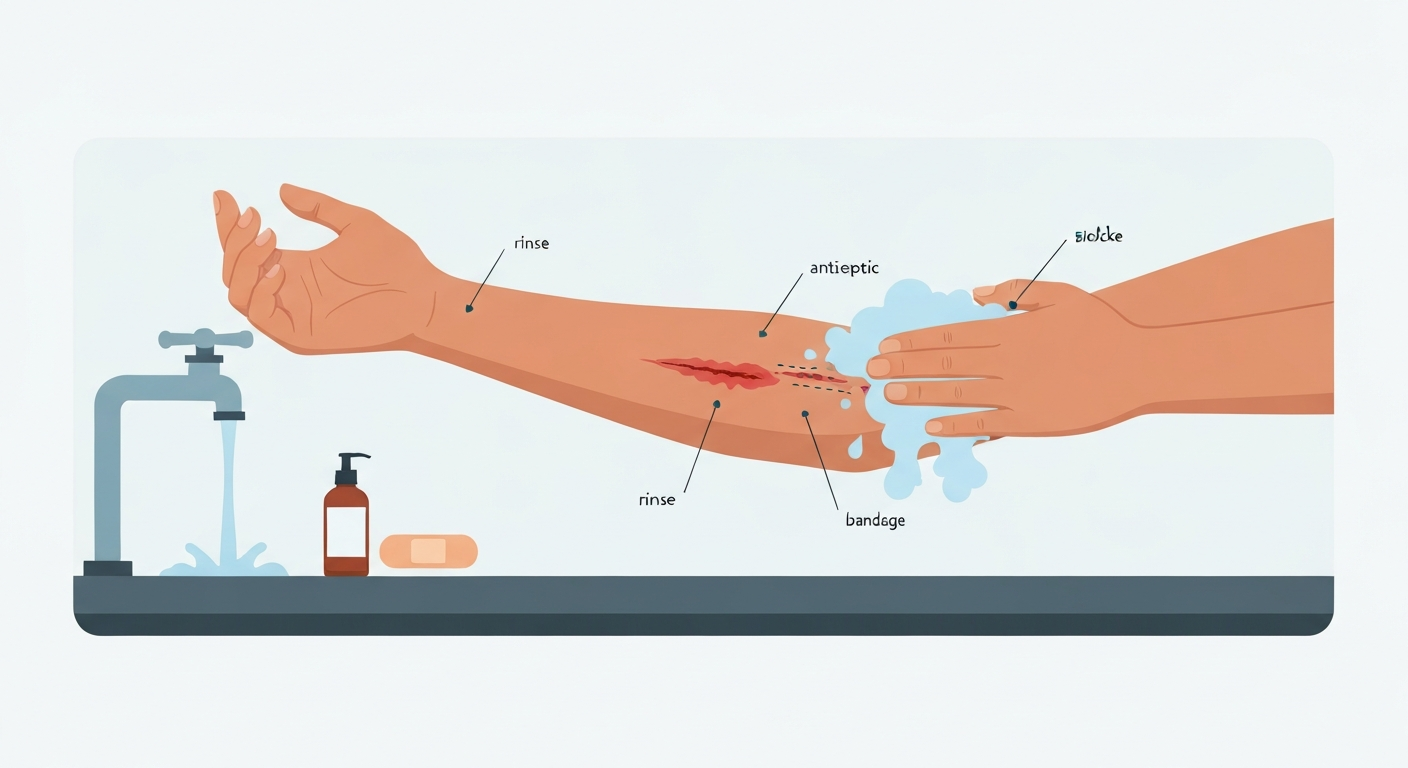
At a glance: what happens if a bird scratches you
Most bird scratches are minor. A claw dragged across skin produces a linear abrasion, removing some of the outer epidermis, triggering your body's normal wound response: brief vasoconstriction, a small clot, and an influx of immune cells that causes the familiar redness, warmth, and mild swelling around the scratch. Deeper scratches from large birds (macaws, cockatoos, raptors, geese) can tear skin with irregular edges, crossing into the dermis and producing more persistent bleeding. Very occasionally, the tip of a beak or a talon punctures rather than scrapes, creating a small, deep tract that carries more infection risk than an equivalent surface scratch.
- Superficial scratches: brief stinging pain, minor bleeding, resolves in days with basic first aid
- Deeper lacerations: more bleeding, higher chance of scarring, may need wound closure
- Puncture wounds: small entry, potentially deep, higher contamination and infection risk
- Infection risk from uncomplicated bird scratches: low, but not zero, especially for immunocompromised individuals
- Rabies risk: none — birds are not rabies reservoirs
- Tetanus risk: present for deep or contaminated wounds; assess vaccination history
- Zoonotic bacterial risk: real but uncommon; primarily Staphylococcus, Streptococcus, Pasteurella spp., and, with fecal contamination, Salmonella
Immediate physical effects: pain, bleeding, and whether you will scar
The first thing most people notice is a sharp, superficial stinging sensation. Bird claws are keratin structures and their edges are not sterile, but neither are they the bacteria-laden puncturing tools that cat teeth are. Physiologically, any break in skin immediately triggers hemostasis: local blood vessels constrict, platelets aggregate, and a clot forms within minutes. For a minor scratch this is barely noticeable. For a deeper laceration you will see more active bleeding, and the area around the wound may become red, warm, and slightly swollen over the next few hours as the inflammatory phase kicks in. This is normal healing, not infection.
Scarring depends almost entirely on wound depth. Abrasions that stay in the superficial epidermis heal cleanly within a week and rarely scar. Lacerations that reach the dermis, especially on the face, hands, or bony prominences, carry a greater scarring risk. Deep or contaminated wounds that become infected are the ones most likely to leave permanent marks, which is another reason to take initial wound care seriously even for injuries that initially seem minor.
Scratch vs. bite vs. puncture: why the difference matters clinically
Not all bird-inflicted wounds behave the same way, and getting the classification right changes the management. A scratch from claws is typically a superficial linear abrasion or shallow laceration with irregular edges. A bite from a beak can range from a surface graze to a real laceration or, in large parrots, a crushing injury. For more detail on injuries from beak strikes and their management, see what happens if a bird bites you. For more on bite mechanics and risk, see our guide on whether birds can bite and what to expect from a bird bite. If you're wondering do bird bites hurt, see our separate guide on bird bites for details about pain, injury severity, and specific care. A puncture, whether from a sharp beak tip or a raptor talon, creates a small entry wound with a deep internal tract, the combination that infection experts consider highest risk because it is hard to irrigate and tends to trap contaminated material. For common names and clinical definitions, see what is a bird bite called.
| Wound type | Typical cause | Depth | Infection risk | Closure approach |
|---|---|---|---|---|
| Abrasion / superficial scratch | Claw drag across skin | Epidermis only | Low | Clean, dress, no closure needed |
| Laceration | Claw tear or beak bite | Into dermis | Moderate | May need closure if gaping; leave open if contaminated |
| Puncture | Talon tip, sharp beak | Dermis to deeper tissue | Higher | Do not close; irrigate, monitor closely |
| Crush injury | Large parrot or raptor bite | Variable, may involve bone | High | Medical evaluation; imaging may be needed |
This distinction also matters when comparing a bird scratch to a bird bite. Bites carry oral flora including potential Pasteurella-like organisms directly into the wound, while a scratch delivers claw surface contamination, which is generally a lower inoculum. The mechanics of injury and the microbial load differ in ways that shift the clinical risk calculation, which is why scratch and bite management are not identical even if they look similar at first glance.
Infection and zoonotic risk: what you can and cannot catch from a bird scratch
Bird-inflicted wound infections are genuinely uncommon in the clinical literature. Most of what we know comes from case reports and small case series rather than large prospective studies, which itself tells you something: widespread, severe infections from bird scratches are not a common clinical event. That does not mean you should ignore the risk, but it does mean the response should be proportionate.
Common bacteria to be aware of
The most likely organisms if a bird scratch does become infected are the ones you would encounter in any environmental wound: Staphylococcus species and Streptococcus species, which live on human skin and can colonize a break in the skin barrier. Gram-negative bacteria and anaerobes become more relevant in deeper, more contaminated wounds. Pasteurella multocida and related Pasteurella species deserve specific mention because they are genuine avian pathogens and part of the respiratory and oropharyngeal flora in some bird populations. Pasteurella has been documented in human infections following animal contact, making it a plausible, though not certain, pathogen after a bird scratch, especially if the bird's beak was involved or the wound is deep.
Salmonella: the fecal contamination route
Salmonella is a legitimate concern with birds, particularly backyard poultry and wild songbirds, but the transmission route matters enormously here. CDC reported a Salmonella outbreak linked to backyard poultry in June 2022 (Salmonella Outbreak Linked to Backyard Poultry - June 2022 | CDC), reinforcing poultry as a recognized source of human infections. CDC outbreak investigations and a 2023 Emerging Infectious Diseases analysis of Salmonella Typhimurium cases linked to wild songbirds both emphasize hand-to-mouth transmission: handling a bird or contaminated feeder and then touching your face or food without washing hands. A scratch from a bird claw contaminated with fecal material could theoretically introduce Salmonella into a wound, but this is not the described typical route and is far less likely than fecal-oral transmission. The practical implication: wash hands thoroughly after any bird contact, do not touch your mouth or food, and if the scratch occurred in a heavily contaminated environment (cleaning a coop, handling a sick bird), treat the wound with extra care.
Psittacosis: inhalation, not scratch, is the route
Psittacosis, caused by Chlamydia psittaci, is a real bird-to-human disease and something anyone who keeps parrots or works with birds professionally should understand. However, the CDC clearly states that human infection occurs primarily through inhalation of infectious aerosols from dried bird droppings, respiratory secretions, and feather dust. Transmission via a superficial skin scratch is not described as a typical route and is considered unlikely. If you work with psittacine birds regularly, the scratch itself is not your main psittacosis risk: breathing the environment is.
Cryptococcus: relevant if immunocompromised
This one is worth flagging for a specific audience. Cryptococcus neoformans, an environmental yeast found abundantly in pigeon droppings, can cause primary cutaneous cryptococcosis by direct inoculation into a wound, and this is most clinically relevant in immunocompromised individuals. If you are immunosuppressed (transplant recipient, on chemotherapy, HIV positive) and you sustain a scratch or wound with exposure to pigeon droppings, and the wound is not healing normally or developing unusual characteristics, a fungal workup is warranted. This is an edge case for healthy people but a real concern for the right patient.
Debunking the myths: birds, rabies, and other things people get wrong
The most persistent fear I hear about bird scratches is rabies. The reality is that birds cannot transmit rabies. Rabies is a disease of mammals, and the CDC is unambiguous: birds are not recognized reservoirs, and natural rabies in birds is exceedingly rare to the point of being clinically irrelevant. If a bird scratches you, you do not need to think about rabies at all. This is one of those cases where the fear far outpaces the actual biological risk.
A second misconception is that any bird scratch requires antibiotics. It does not. Evidence-based guidelines for animal-inflicted wounds, including IDSA guidance, are clear that antibiotic prophylaxis is reserved for high-risk wounds and high-risk patients, not every minor animal skin injury. Blanket antibiotic prescribing for an uncomplicated superficial scratch does more harm than good when you factor in antibiotic resistance and adverse effects.
A third myth is that wild birds are inherently more dangerous than pet birds when it comes to scratches. It is more nuanced than that. Wild birds that have been handled near contaminated feeders or carcasses carry Salmonella exposure risk; large pet parrots can deliver deep lacerations that a wild sparrow cannot. The risk profile depends on species, size, wound characteristics, and the cleanliness of the environment, not simply wild versus tame.
Tetanus and bird-inflicted wounds: do you need a booster?
Tetanus is worth taking seriously for any skin wound, including bird scratches, and the decision framework from ACIP/CDC is straightforward once you know it. The key variables are wound type and your vaccination history. If you’re asking “do you need a tetanus shot after a bird bite,” follow the CDC/ACIP guidance: the need depends on wound type and your vaccination history (booster at 5 years for tetanus-prone wounds, 10 years for clean minor wounds).
For tetanus-prone wounds, which includes deep, puncture, contaminated, or devitalized-tissue wounds, ACIP guidance recommends a Tdap or tetanus toxoid booster if five or more years have passed since your last dose. For clean, minor wounds, the threshold is ten years. If you genuinely do not know whether you completed a primary tetanus series (three doses), or you know you have not, you need both the vaccine and tetanus immune globulin (TIG) regardless of wound type. A bird claw puncture into the hand from a bird that was standing in fecal material is exactly the kind of wound where you ask about tetanus at a clinic visit. A superficial scratch on the forearm from a healthy pet budgerigar with a current owner who got a Tdap booster four years ago does not trigger that same concern.
| Wound type | Vaccination history up to date (within 5 years for prone / 10 years for minor) | Action needed |
|---|---|---|
| Clean, minor scratch | Yes | No vaccine needed |
| Clean, minor scratch | No or unknown | Tdap/TT booster recommended |
| Deep, puncture, or contaminated wound | Yes (booster within 5 years) | No vaccine needed; monitor wound |
| Deep, puncture, or contaminated wound | No (>5 years since booster) | Tdap/TT booster recommended |
| Any wound | Primary series incomplete or unknown | Vaccine + TIG; consult clinician |
Step-by-step first aid for a bird scratch
Good initial wound care dramatically reduces infection risk and is the most important thing you can do in the first few minutes. Here is what to do, in order.
- Control any bleeding: apply gentle direct pressure with a clean cloth or gauze for several minutes. Most bird scratches stop bleeding quickly on their own.
- Irrigate thoroughly: wash the wound under running tap water for at least five minutes, or use a syringe to irrigate with clean water or saline if available. High-pressure irrigation is particularly important for puncture wounds to flush out contamination from the deeper tract.
- Clean with soap: gently clean the surrounding skin and wound edges with mild soap, then rinse again. Do not scrub the inside of a puncture wound aggressively.
- Apply an antiseptic: povidone-iodine or chlorhexidine-based antiseptics are appropriate for wound preparation. Standard antiseptic ointment (such as bacitracin or a triple-antibiotic ointment) applied topically can help maintain a moist wound environment and reduce surface bacterial load.
- Dress the wound: cover with a clean, non-stick dressing or bandage appropriate for the wound size. Change the dressing at least once daily or when it becomes wet or dirty.
- Assess wound depth and consider closure: superficial scratches do not need closure. Gaping lacerations longer than about 1 cm may benefit from closure strips or sutures, but do not close puncture wounds or heavily contaminated wounds — leave them open and monitor closely.
- Document and assess tetanus status: check when you last had a tetanus-containing vaccine and apply the guidance above.
- Wash your hands: before and after wound care, every time.
If the scratch occurred in an environment with significant fecal contamination, such as a coop, bird sanctuary, or wild-bird rehabilitation setting, be especially thorough with irrigation and consider seeking clinical advice even if the wound looks minor. The environmental bacterial and Salmonella burden is meaningfully higher in those settings.
When to see a doctor: red flags, antibiotic decisions, and emergency signs
Most people who are healthy and sustain a minor, superficial bird scratch do not need a clinic visit if they perform good first aid. But there are clear situations where medical evaluation is the right call.
Seek medical care promptly if you notice any of these
- Increasing redness, warmth, or swelling spreading beyond the wound edges over 24 to 48 hours
- Pus or purulent discharge from the wound
- Red streaks radiating outward from the wound (lymphangitis), which indicates potential spread of infection along lymphatic channels
- Fever or chills developing after the injury
- The wound involves the hand, face, or a joint, all of which carry higher functional and infection risk
- You are immunocompromised, asplenic, have advanced liver disease, or are on immunosuppressive medications
- The scratch was deep, is from a large bird (raptor, large parrot, cassowary), or punctured rather than scraped
- The wound is not healing or is looking atypical after several days
- Your tetanus vaccination status is unclear or out of date
Antibiotics: when they are and are not indicated
IDSA guidelines do not support routine antibiotic prophylaxis for every minor animal-inflicted wound. For a clean, superficial bird scratch in a healthy person, there is no strong evidence base for prescribing antibiotics. Prophylactic antibiotics are recommended for high-risk wounds, including deep punctures, moderate to severe injuries, wounds involving hands, face, or joints, wounds that penetrate periosteum or a joint capsule, and wounds in immunocompromised, asplenic, or advanced liver disease patients. When antibiotics are indicated, amoxicillin-clavulanate is the first-line empiric choice because it covers the polymicrobial spectrum including Pasteurella, Staphylococcus, Streptococcus, and anaerobes. For patients with severe penicillin allergy, IDSA suggests a fluoroquinolone such as ciprofloxacin or levofloxacin combined with metronidazole, or moxifloxacin monotherapy.
If an established infection develops, the calculus changes. A wound showing purulence, spreading erythema, systemic signs like fever, lymphangitis, or failure to improve on initial antibiotic therapy warrants wound culture, possible blood cultures, and escalation. Guidance on obtaining wound and blood cultures and escalating to IV antibiotics and urgent surgical or infectious-disease consultation in cases of purulence, systemic signs, rapidly spreading erythema/lymphangitis, or failure to improve is summarized in Wound Assessment - StatPearls (NCBI Bookshelf). Some of these cases need IV antibiotics and urgent specialist input, occasionally including surgical debridement. That is uncommon from a bird scratch, but it is not impossible, which is why monitoring the wound over several days matters.
A note on occupational and special-population contexts
Veterinarians, bird banders, raptor handlers, poultry workers, and wildlife rehabilitators sustain bird-inflicted wounds more frequently than the general public and often in environments with higher contamination. For these individuals, routine PPE (heavy gloves for raptors, proper restraint technique for parrots) is the most effective intervention. Having a current Tdap on record is sensible occupational health practice. Immunocompromised workers in bird-exposure roles should have an explicit conversation with their physician about prophylaxis thresholds and environmental fungal risks, particularly regarding Cryptococcus and pigeon-heavy environments.
Preventing bird scratches in the first place
Prevention is straightforward once you understand why birds scratch. If you’re concerned about hair contact, see our guidance on what happens if a bird gets your hair for practical advice on entanglement, contamination, and first aid. Most scratches happen because a bird is frightened, poorly restrained, or grabbed in a way that triggers defensive claw use. For pet birds, learning proper handling technique, using a perch-assisted approach rather than grabbing from above, and reading the bird's body language before contact all reduce scratch frequency significantly. For wild bird contact, thick leather gloves are non-negotiable for raptors; even small wild birds can scratch unexpectedly when panicked. When working near bird habitats with fecal contamination, gloves and careful hand hygiene afterward are the practical controls for Salmonella and Cryptococcus exposure, regardless of whether a scratch occurs.
FAQ
What exactly is a 'bird scratch' and how is it different from a bite or puncture?
A bird scratch is typically a superficial linear abrasion or minor laceration from a claw or beak. Clinically you distinguish wounds by depth and edges: abrasions remove the epidermis and bleed minimally; lacerations are torn skin with irregular margins; punctures are small-surfaced but deep tracts that may not bleed much. Depth, bleeding, edge regularity and contamination determine risk and management.
What immediate physical effects should I expect after a bird scratch?
Immediate effects include pain at the site, superficial bleeding, redness, and local swelling. The normal wound-healing response (hemostasis then inflammation) causes warmth and tenderness. Deeper or contaminated scratches may take longer to heal and can scar.
What is the infection risk after a bird scratch? Which organisms are most relevant?
Documented infections after bird scratches are less common than dog/cat wounds but possible. Usual skin pathogens (Staphylococcus and Streptococcus) are possible; Pasteurella spp. (found in some birds) is a plausible zoonotic pathogen. Salmonella exposure is more commonly linked to handling birds or contaminated surfaces than to superficial scratches. Unusual pathogens (e.g., Cryptococcus from pigeon droppings) can occur, especially in immunocompromised people.
Can bird scratches transmit psittacosis, salmonella, or rabies?
Psittacosis (Chlamydia psittaci) is transmitted primarily by inhaling respiratory secretions, feather dust, or droppings; transmission via a superficial scratch is not considered a typical route and is unlikely. Salmonella transmission is usually from hand‑to‑mouth contact after handling birds or contaminated surfaces, not directly from minor scratches. Rabies is a mammal disease; birds are not recognized reservoirs and present negligible rabies risk in routine wound evaluation.
What is sensible immediate first aid after a bird scratch?
1) Wash hands. 2) Rinse the wound with clean running water for several minutes; use mild soap. 3) Irrigate with gentle pressure (syringe or faucet) to remove debris. 4) Apply direct pressure to stop bleeding and then an antiseptic (e.g., povidone-iodine or chlorhexidine) if available. 5) Cover with a sterile dressing. 6) Update tetanus status as indicated (see tetanus question). Observe for worsening over 48–72 hours.
When should I clean more aggressively, and when should I avoid closing the wound?
Irrigate thoroughly any wound with visible contamination (dirt, bird droppings, feathers). Puncture-like or deep beak injuries should receive high‑volume irrigation and are usually left open rather than primarily closed because of higher infection risk. Seek prompt medical attention for deep, large, heavily contaminated, or joint/hand wounds for professional irrigation and wound-care decisions.