
Ultrasonic bird repellers can affect dogs, but whether they actually harm yours depends on several factors: the device's frequency range, the sound pressure level, how close your dog spends time to the unit, and your individual dog's age and hearing sensitivity. Not all bird shoes are automatically good for plantar fasciitis, so it helps to choose supportive footwear and check for features like arch support and cushioning bird shoes good for plantar fasciitis. The short version is that dogs can hear well into the ultrasonic range, so they are not 'immune' to these devices the way humans are. However, serious auditory damage from typical consumer units is unlikely under normal use. The more realistic risks are stress, anxiety, restlessness, and behavioral changes, especially with continuous operation indoors or in confined outdoor spaces. If you're wondering is hum skinny bird safe, keep in mind the key issue is still whether your dog is being exposed to high-decibel ultrasound close up.
Do Ultrasonic Bird Repellers Affect Dogs? What to Know

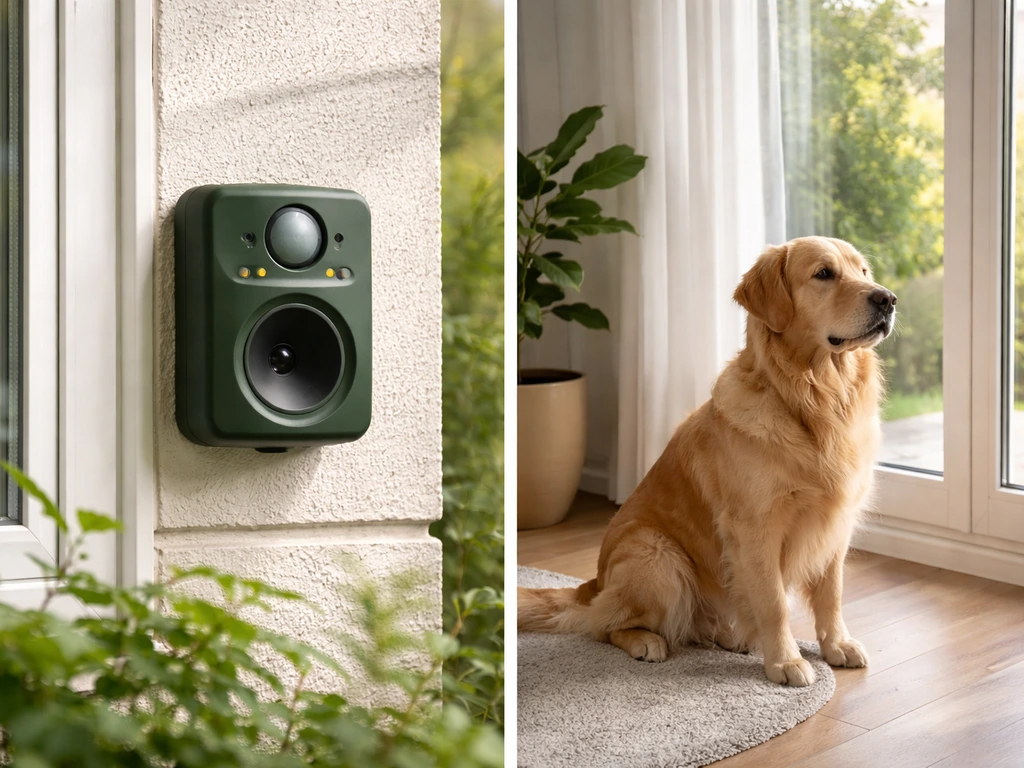
What ultrasonic bird repellers are and how they claim to work
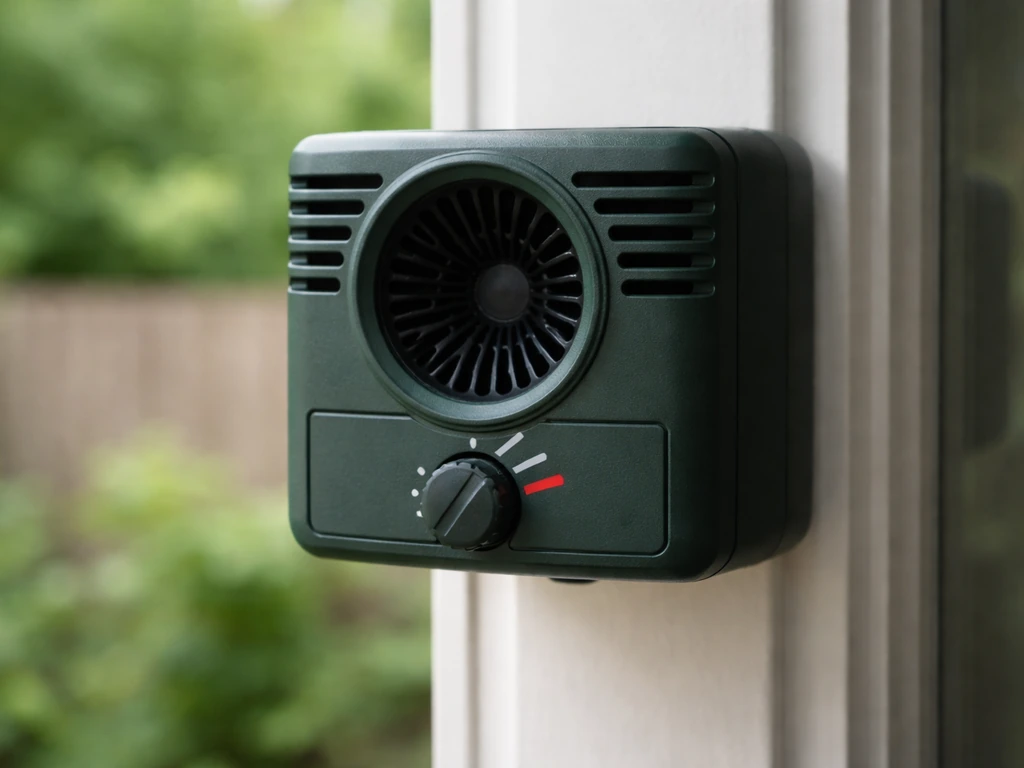
Ultrasonic bird repellers emit sound at frequencies above 20 kHz, the upper limit of normal human hearing. The idea is that birds (and other pests) find these frequencies irritating or disorienting, causing them to avoid the area, while humans remain completely unaware of the sound. Manufacturers market them as 'silent-to-humans,' which is technically accurate but somewhat misleading when pets are in the picture.
Different devices use different frequency windows and intensities. The Bird-X QB-4, for example, frequency-modulates between 22 kHz and 30 kHz, with a rated output of 112 dB at 1 meter per speaker at 22 kHz. Bird-X’s QB-4 dispersion and specification PDF lists ultrasonic frequencies of 20, 30 kHz and reports 112 dB at 1 meter at 22 kHz (each speaker) blank" rel="noopener noreferrer">QB-4 frequency-modulates between 22 kHz and 30 kHz with 112 dB at 1 meter per speaker at 22 kHz. That's an extremely loud sound pressure level at close range. The Bird-X Yard Gard operates between 15 and 25 kHz on either continuous or motion-triggered cycles, covering up to 4,000 square feet. Some models on the market sweep much wider ranges, from 9 kHz all the way up to 110 kHz, with active-and-pause cycles (one common setting: 20 seconds on, 40 seconds off) to prevent birds from habituating. Coverage varies from around 200 square meters for compact units to over 3,600 square feet for larger commercial models like the Bird-X Ultrason X.
The claimed mechanism varies by brand. Some frame it as 'pain or annoyance,' others as 'interference with communication' or general disorientation. The honest answer is that the science behind ultrasonic deterrence, even for birds, is mixed. Effectiveness for bird control is inconsistently demonstrated in independent studies. But that debate is separate from the pet safety question, so let's focus on what matters for your dog. If you are wondering specifically, “is HexClad bird safe,” the same dog-hearing and stress concerns around ultrasonic deterrents apply.
Evidence on dog safety: hearing, stress, and behavior changes
Dogs hear roughly from 40 Hz up to about 65,000 Hz, compared to the human ceiling of around 20,000 Hz. That means a device operating at 22 kHz, completely inaudible to you, is clearly within your dog's hearing range. A device operating at 35 to 45 kHz (a recommended setting on some repellers) is also well within that range. Only devices operating above roughly 65 kHz would fall outside what a typical adult dog can detect, and even then, puppies and young dogs can hear slightly higher frequencies.
The immediate concern for dog owners is twofold. First, there's the question of auditory stress: sustained loud sound, even at frequencies humans can't hear, can cause anxiety in dogs. Second, at very high decibel levels and close range, prolonged exposure to any loud sound can theoretically cause hearing damage. The QB-4's rated 112 dB output at 1 meter is genuinely loud by any standard. For context, 110 dB is roughly comparable to a chainsaw or live rock concert. Even if your dog isn't showing obvious signs of pain, sustained exposure at that level at close range is not trivial.
In practice, the behavioral effects are what most dog owners notice first. Dogs near active ultrasonic repellers have been reported to show increased barking, whining, restlessness, ear flattening, head shaking, avoidance of certain areas of the yard, reduced appetite, and general anxiety. These are stress responses. Whether they rise to the level of 'harm' is a judgment call, but a dog that is chronically stressed is a dog that is suffering, even without visible injury.
Age and prior hearing health also matter. Older dogs often experience high-frequency hearing loss (presbycusis), which may make them less sensitive to ultrasonic devices. Conversely, a young, healthy dog with sharp hearing is going to be far more aware of these sounds. Dogs with a history of noise sensitivity, anxiety, or sound phobia are especially vulnerable to behavioral disruption.
Real-world reports vs controlled research: what we can and can't conclude
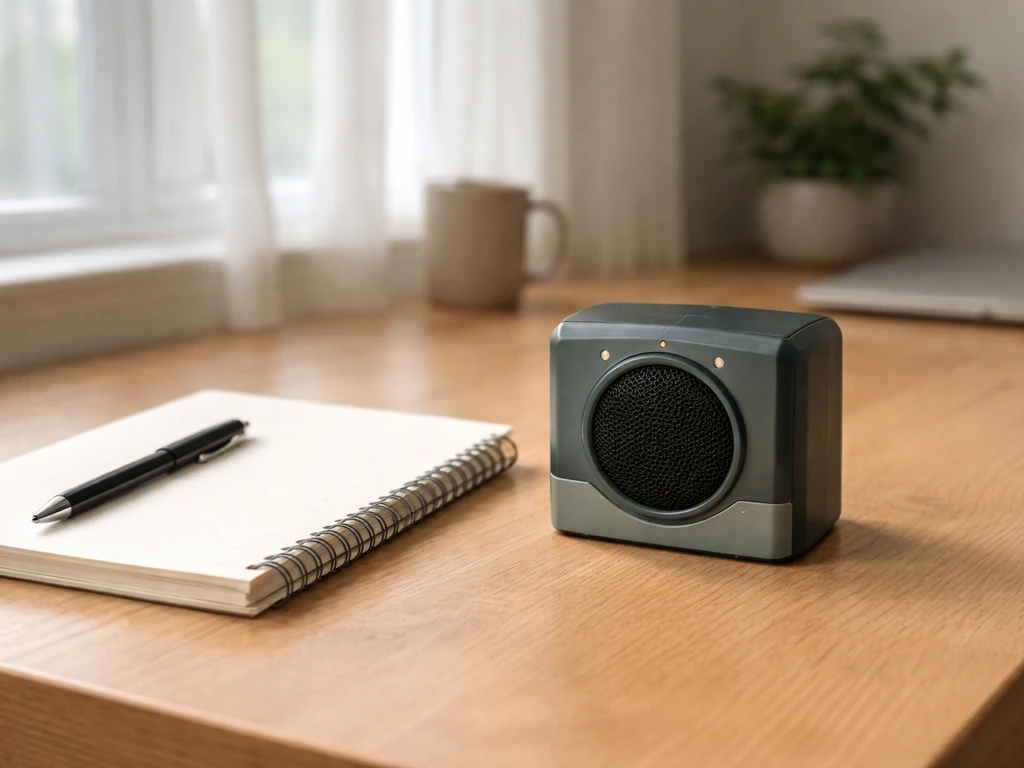
Here's where intellectual honesty matters: there is no large body of controlled, peer-reviewed research specifically measuring the effects of commercial ultrasonic bird repellers on domestic dogs. What we have are manufacturer disclaimers, anecdotal reports from pet owners, and inferences drawn from broader audiological and animal behavior research.
On the manufacturer side, at least one brand (Woodpecker Ultrasonic Repeller) explicitly states in its FAQ: 'If you have a cat or a dog we recommend turning the device off when they are in the same area.' That's not a scientific citation, but it is an acknowledgment from the product side that the device is not pet-neutral. This kind of disclaimer should carry weight when you're deciding whether to run a unit in your backyard while your dog is outside.
Anecdotal reports from online forums and pet owner communities do describe dogs acting distressed near ultrasonic devices: pacing, hiding, refusing to go into certain areas, or barking at nothing apparent. These reports are consistent with what we'd predict from basic audiology. They're not proof of harm in a clinical sense, but they're also not nothing.
The reality is that we can say with confidence that dogs can hear these devices. We can say that high decibel sound exposure, even at non-visible frequencies, can cause stress and potentially hearing damage. We cannot say with certainty exactly how much exposure crosses a harm threshold for a given dog, because that research simply hasn't been done at scale for consumer ultrasonic repellers. The honest position is: the risk is plausible and worth taking seriously, even if it isn't proven at clinical levels. Are bird backpacks safe too? If they use ultrasound or other loud cues, the same hearing and stress concerns for dogs can apply.
Practical risk-reduction steps for pet owners today
If you already own an ultrasonic bird repeller or are considering one, here's how to minimize risk to your dog without necessarily abandoning the device entirely.
- Check the frequency range of your specific unit. If it operates below 65 kHz (which most bird repellers do), assume your dog can hear it. If the device operates with a sweep that dips into the 15 to 25 kHz range, it's well within normal canine hearing.
- Use motion-activated mode rather than continuous operation. A unit running 20 seconds on and 40 seconds off causes far less sustained exposure than one running all day. Most multi-mode devices (including the Bird-X Yard Gard) offer motion-sensor options.
- Keep distance between the device and your dog's normal resting or play areas. Sound pressure drops significantly with distance. A unit rated at 112 dB at 1 meter is considerably less intense at 5 to 10 meters. Place the device at the perimeter of the property, pointed away from the home, not aimed into the yard where your dog spends time.
- Start with the device off when your dog is outdoors, then introduce it gradually. Observe your dog's behavior closely during the first several sessions. Look for signs of distress: ear flattening, tucked tail, attempts to leave the area, excessive sniffing in the direction of the device, or unusual whining.
- Never place the unit indoors if your dog lives inside. Enclosed spaces amplify sound and eliminate the dog's ability to simply move away. This is probably the highest-risk scenario for any dog.
- Consider the dog's age and history. If your dog has known noise anxiety (fear of thunder, fireworks, etc.), treat ultrasonic devices with much more caution, because stress responses can compound.
- Log any behavioral changes you observe. Note the time of day, the device setting, and your dog's distance from the unit. This helps you identify a pattern rather than second-guessing yourself.
Alternatives that deter birds without using ultrasound

If the risk to your dog doesn't feel acceptable, or if you just want a more evidence-backed approach to bird deterrence, there are several options that don't involve any sound at all. These tend to be more consistently effective than ultrasonic devices anyway, since bird habituation to ultrasound is a well-documented problem.
| Method | How it works | Dog safety | Best for |
|---|---|---|---|
| Physical exclusion netting | Blocks birds from landing or nesting in a specific area | Completely safe | Eaves, ledges, fruit trees, garden beds |
| Anti-perch spikes | Makes landing surfaces uncomfortable | Safe (mount out of dog's reach) | Ledges, fences, rooftops, signs |
| Visual deterrents (reflective tape, predator decoys, flash tape) | Disrupts birds visually using light, motion, and silhouette | Completely safe | Open yards, gardens, balconies |
| Habitat modification | Removes food sources, water, and nesting sites | Completely safe | Whole-property deterrence |
| Physical slope barriers | Angled surfaces prevent birds from perching | Safe | Window sills, ledges, beams |
| Predator call audio (audible range only) | Plays distress or predator calls in the human-audible range | Dogs can hear this too; use with care | Open outdoor areas, farms |
Physical exclusion is the gold standard. If birds are nesting in your eaves or roosting on your fence, netting or spikes eliminate the problem without any sound, chemicals, or ongoing maintenance. Reflective visual deterrents (flash tape, holographic pinwheels, predator eye balloons) work reasonably well for open spaces and gardens and pose zero risk to pets. Habitat management, removing bird feeders, fixing leaky outdoor faucets, and cleaning up fallen fruit, addresses the root cause rather than just chasing birds away from one spot.
If you're looking at a more comprehensive approach to animal and bird management around your property, it's worth thinking about other products you use too. Items like bird harnesses, bird leashes, or bird protectors are designed with bird safety in mind, and the same careful, evidence-based thinking applies when choosing any product that interacts with animals, whether that's a deterrent or an accessory. Bird leashes and similar accessories are a different category, but it helps to apply the same pet-safety checklist when considering anything that affects your dog around birds. Bird protectors are designed to keep birds safer while you manage them, but you should still choose products carefully and follow the manufacturer’s guidance. If you are also considering using a bird harness, check what safety features to look for, since device fit and stress matter bird harnesses.
When to stop and what to do if your dog seems affected
Stop using the device immediately if you observe any of the following in your dog. These are behavioral red flags that suggest the sound is causing real stress or possible discomfort.
- Sudden refusal to enter or stay in areas where the device is active
- Increased barking or whining with no obvious cause
- Head shaking, ear scratching, or pawing at the ears
- Visible anxiety signs: panting without heat cause, pacing, inability to settle
- Cowering, tucked tail, or hiding when the device is running
- Changes in appetite or sleep coinciding with device use
- Aggression or heightened reactivity that wasn't present before
If you've turned the device off and your dog's behavior doesn't return to normal within 24 to 48 hours, consult your veterinarian. While the ultrasonic device may have triggered the anxiety, the vet can rule out other causes and, if the stress response has been significant, may recommend short-term behavioral support. If your dog has been consistently near a high-output unit for an extended period, it's also worth asking your vet about a basic hearing assessment, especially if you've noticed the dog becoming less responsive to commands or sounds.
The bottom line: you do not need to accept the trade-off of stressing your dog in order to deter birds. Physical exclusion methods, visual deterrents, and habitat management are more reliably effective for most bird problems anyway, and they carry zero risk to your pets. If you insist on trying an ultrasonic device, use it on a timer, keep it far from your dog's usual space, and watch your dog's behavior closely from day one.
FAQ
How can I tell if the ultrasonic bird repeller is bothering my dog right away?
Watch for immediate, repeated changes during the time the unit is on, such as ear flattening, head shaking, pacing, sudden barking at nothing, hiding, panting, or refusing to go near the area where the repeller sits. If the behavior consistently starts when the device turns on and stops when it turns off, that timing is a strong practical sign your dog is being affected.
Do I need to place the repeller far from my dog to reduce risk?
Yes. Exposure is highest at close range, especially for models with loud rated output. Keep the unit as far as possible from your dog’s resting, feeding, and bathroom routes, and avoid running it in areas where your dog naturally spends time (like a fenced yard corner where they look out most of the day).
Is a motion-triggered ultrasonic repeller safer than one that runs continuously?
Usually, risk is lower because sound is emitted only when motion is detected, but it is not automatically safe. If your dog frequently triggers the detector or passes within close range during active bursts, the dog can still experience stress. The best approach is to test by temporarily running it only when your dog is indoors and then reassessing behavior when your dog is outside.
Can ultrasonic bird repellers cause permanent hearing damage in dogs?
Permanent damage is not proven for typical consumer units in domestic settings, but it is plausible when very loud sound levels occur at close range for long periods. If your dog seems persistently “shut down” after exposure or you notice reduced responsiveness to normal household sounds, ask your veterinarian about a hearing check rather than assuming it will resolve.
What should I do if my dog shows stress behavior but I still want bird deterrence?
Stop the ultrasonic device and switch to a non-sound method right away, such as netting, spikes, or managing attractants like feeders and fallen fruit. If birds are roosting on specific ledges, focus on physical exclusion first, because it removes the problem without ongoing exposure that can keep your dog in a chronic stress loop.
How long should I wait after turning off the repeller to see if my dog recovers?
If you see stress signs, turn the device off immediately and monitor your dog for at least 24 to 48 hours. If behavior does not return to normal in that window, or if you observe worsening symptoms (continued hiding, loss of appetite, severe agitation), contact your veterinarian for guidance.
Are puppies more at risk than adult dogs?
Potentially, yes. Puppies and younger dogs can often hear higher frequencies than older dogs, so the “inaudible to humans” portion may still be detectable and more noticeable. If you have a young dog, be extra cautious with any high-output ultrasound units and prioritize non-sound deterrents.
Do ultrasonic repellers work differently on dogs that already have noise sensitivity?
They can. Dogs with prior anxiety, sound phobia, or strong reactions to other noises often show stronger behavioral responses to unexpected high-pitched sounds. For these dogs, even if you never see “pain,” the stress impact can be significant, so it is generally safer to avoid ultrasound and choose visual or physical exclusion methods.
What settings or features should I look for to reduce the chance of affecting my dog?
Prefer units that use scheduled cycles (on and off) rather than always-on operation, and avoid high-output settings. Also, choose models with smaller effective coverage so you do not need to place the device close to your dog’s usual area to protect a tiny section of yard.
Could the repeller still bother my dog indoors if I use it outside?
It can, depending on placement and how much sound penetrates indoors. If your dog stays inside near windows or doors facing the unit, you may still see stress behaviors. A practical test is to run the unit while your dog is indoors, observe for 10 to 30 minutes, and then reassess after turning it off to confirm whether behavior tracks the device.
Should I trust a manufacturer claim that the unit is “safe” for pets?
Treat “silent to humans” marketing as only part of the story. Pet safety depends on whether the dog is within close range of high decibel ultrasound and how often exposure occurs. If the brand recommends turning it off when dogs or cats are nearby, that is a reasonable safety cue to follow.