A skinny-looking bird is not automatically dangerous to you, and you are not automatically dangerous to it. Whether the situation is 'safe' depends on a few quick field checks: Is the bird truly thin from illness or injury, or is it just a naturally slender species or a normal fledgling? Is it showing neurological symptoms, discharge, or labored breathing? Are you about to touch it bare-handed?
Is Hum Skinny Bird Safe? How to Spot Risk and Get Help

Marcus Whitmore
7 Jun 2026
Run through those questions first and you will have a working answer within about two minutes. Most of the time, the right move is to observe from a distance, make one call to a wildlife rehabilitator, and leave the bird alone until help arrives. When it comes to plantar fasciitis, not all bird shoes are reliably helpful, so it is best to choose based on evidence and proper foot support are all bird shoes good for plantar fasciitis.
If you are using a bird protector on a feeder or garden area, treat it as a safety tool and still avoid handling sick or injured birds directly bird protectors. Bird harnesses are another handling choice to consider carefully, since fit and material can affect a bird’s comfort and safety are bird harnesses safe.
When a skinny bird is safe vs. when it's not
The word 'safe' cuts two ways here: safe for you to approach, and safe (meaning not in crisis) for the bird. They are separate judgments.
| Scenario | Safe for you? | Safe for the bird? | What to do |
|---|---|---|---|
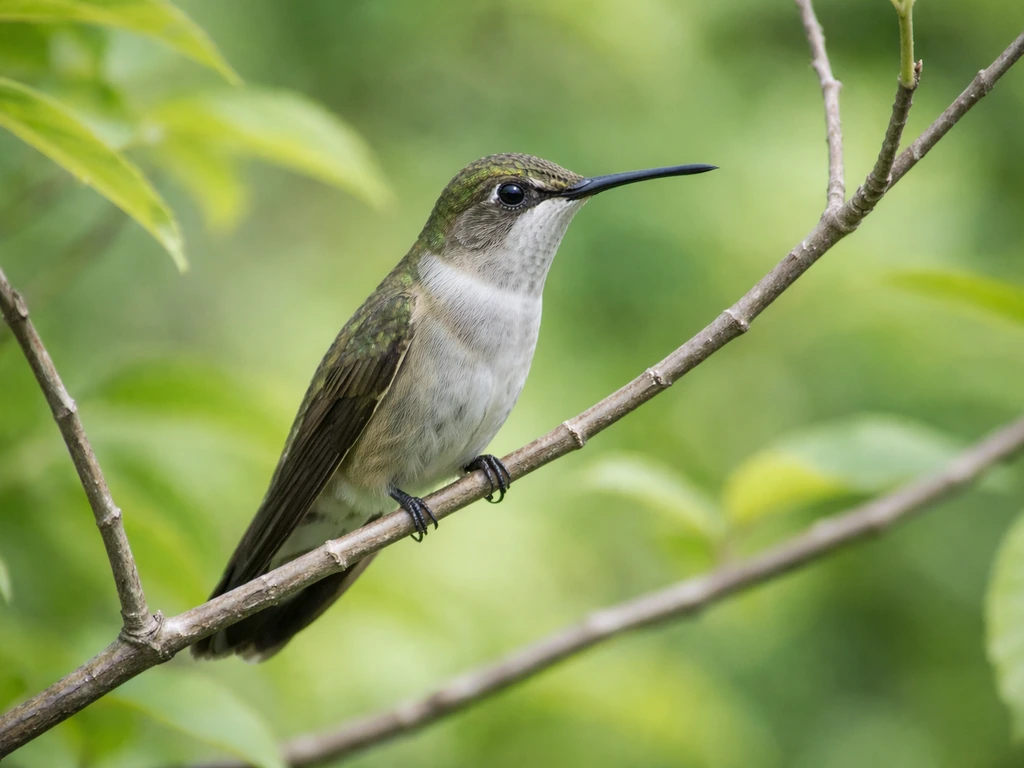
| Naturally slender species (e.g., hummingbird, egret) foraging normally | Yes, from a distance | Yes | Observe, enjoy, do not intervene |
| Fledgling on the ground, alert, no wounds | Yes, minimal handling risk | Likely fine (normal stage) | Keep pets away, leave it; parents are usually nearby |
| Bird appears thin but is alert, flighted, eating | Yes | Monitor only | No action needed unless it stays grounded |
| Thin bird grounded, lethargic, discharge from eyes/nares, labored breathing | Use PPE if contact needed | In crisis | Call wildlife rehab immediately; do not feed |
| Dead or visibly diseased bird (neurological signs, mass die-off context) | No bare-skin contact | N/A or critical | Double-bag with gloves, call wildlife agency |
| Large bird of prey that appears thin and grounded | High physical risk (talons, beak) | Likely injured | Do not handle; call rehab or animal control only |
The bottom line: if the bird can fly away from you, it is almost certainly not in an emergency. If it cannot, or will not, move when you approach within a few feet, that is your clearest signal that something is wrong and that professional help is needed.
What 'skinny' actually means on a bird
Birds look thin for four very different reasons, and telling them apart changes everything about how you should respond.
Normal species variation
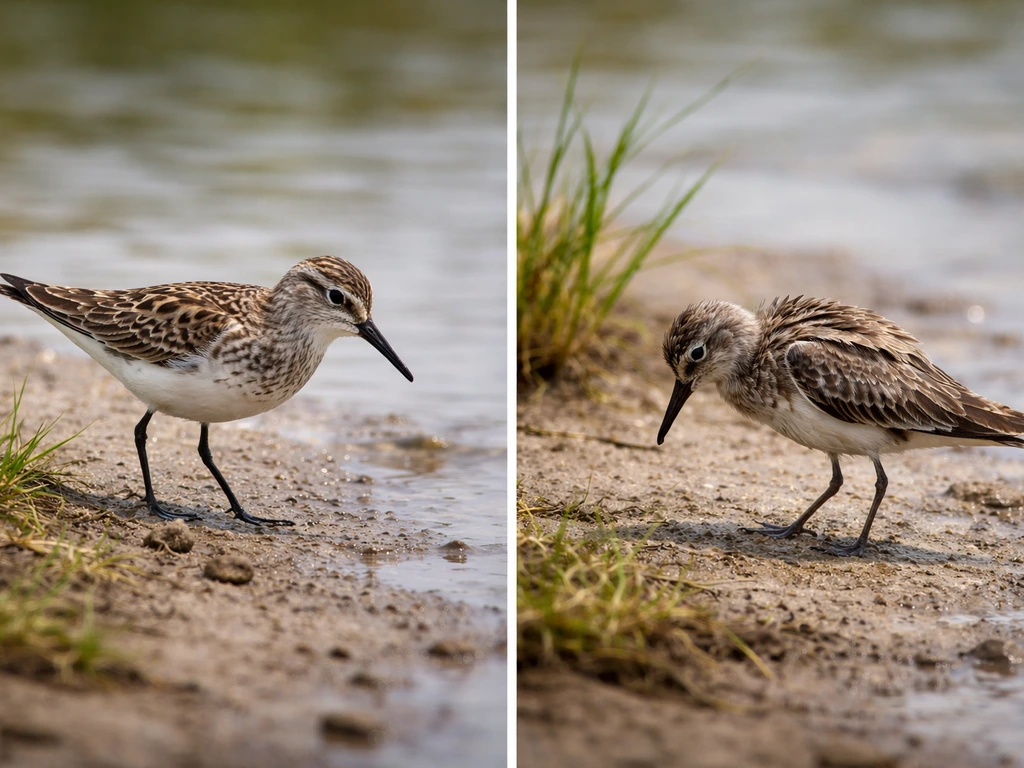
Many healthy birds are just built narrow. Hummingbirds, sandpipers, warblers, and herons are naturally slight. If you are looking at a slender bird that is actively flying, foraging, singing, or moving with purpose, it is almost certainly fine. Thin does not equal sick.
Normal fledgling stage
Fledglings, the adolescent birds that have just left the nest, are often found on the ground looking scraggly, underfed, and helpless. The reality is that this is a normal developmental stage. Their parents are still feeding them nearby and are aware of every predator in the area. A grounded fledgling with bright eyes, no wounds, and an alert posture does not need to be 'rescued.' Picking it up can do more harm than good, both to the bird and to your legal standing under the Migratory Bird Treaty Act.
Illness or injury
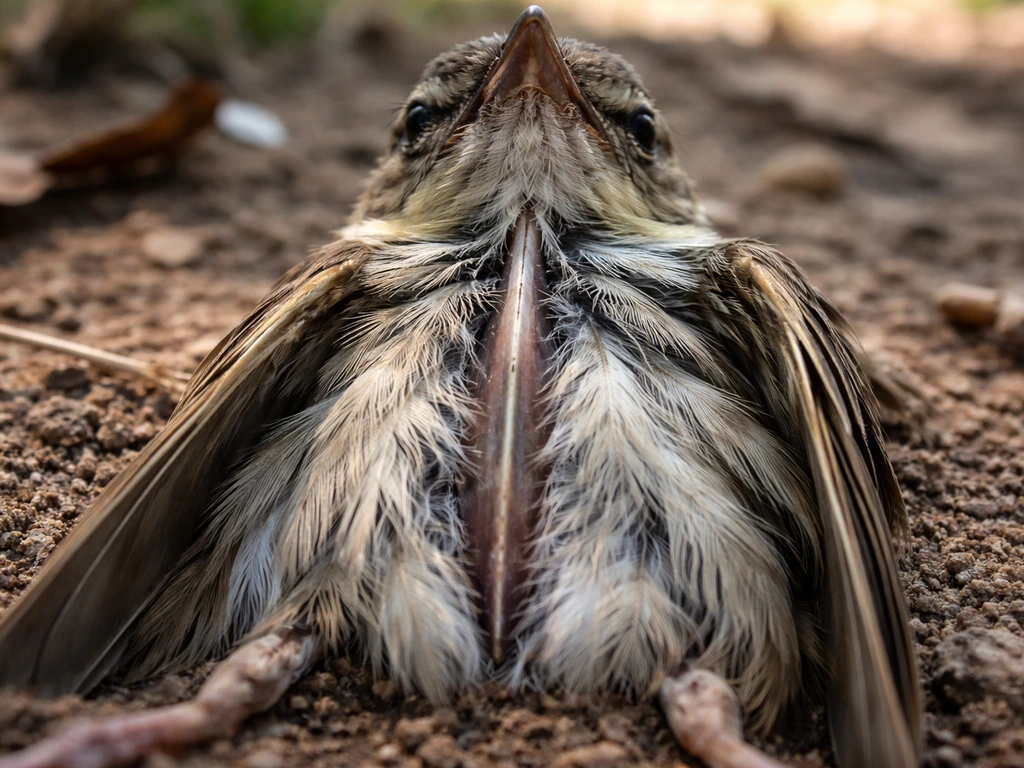
A bird that is genuinely emaciated from illness looks different: the keel bone (the ridge running down the chest) will be sharply prominent, almost knife-like under the feathers. The bird will be lethargic, possibly leaning to one side, and will not move away from you when you approach. It may have discharge from its eyes or nostrils, labored breathing, or wounds you can see. These are your real warning signs.
Dehydration
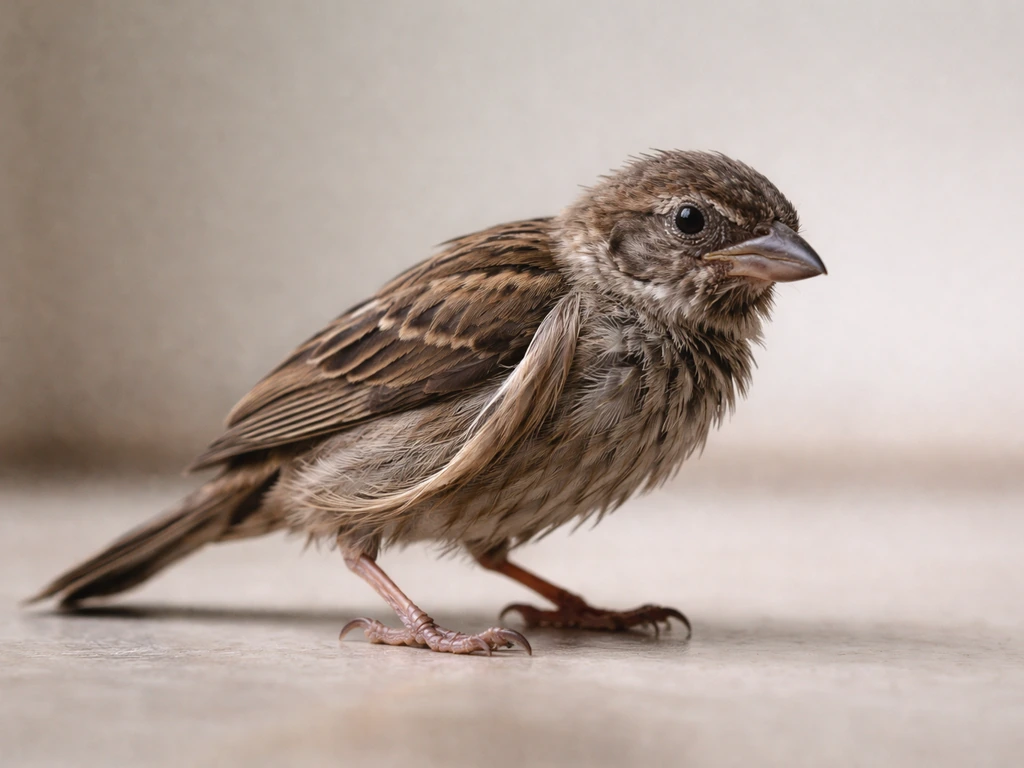
Dehydration in birds can make them appear thinner and dull-feathered. A dehydrated bird often has sunken eyes and skin that stays 'tented' briefly when gently pinched (a sign experienced rehabilitators use). Dehydration is treatable, but the treatment is species-specific and technique-dependent. Giving a bird water by dropper or pouring it into its mouth can cause aspiration, which is fatal. This is exactly why you call a rehabilitator rather than try to rehydrate the bird yourself.
How to handle a found bird safely
If you have assessed the situation and the bird genuinely cannot fly and appears injured or ill, here is the safest sequence of steps you can take before professional help arrives. If you’re considering using a harness on a bird for mobility or training, choose a well-fitted, lightweight option and stop if it rubs, restricts breathing, or causes stress, and get a vet or bird-safe professional’s guidance if you’re unsure use a harness.
- Put on disposable gloves before any contact. If you do not have gloves, use an inverted plastic bag over your hand or a thick towel. The American Bird Conservancy is clear: if you must handle without gloves, avoid touching your face and wash your hands immediately afterward.
- Gently place a lightweight towel or cloth over the bird to cover its head and keep its wings tucked. This calms the bird significantly and reduces the chance of injury to both of you.
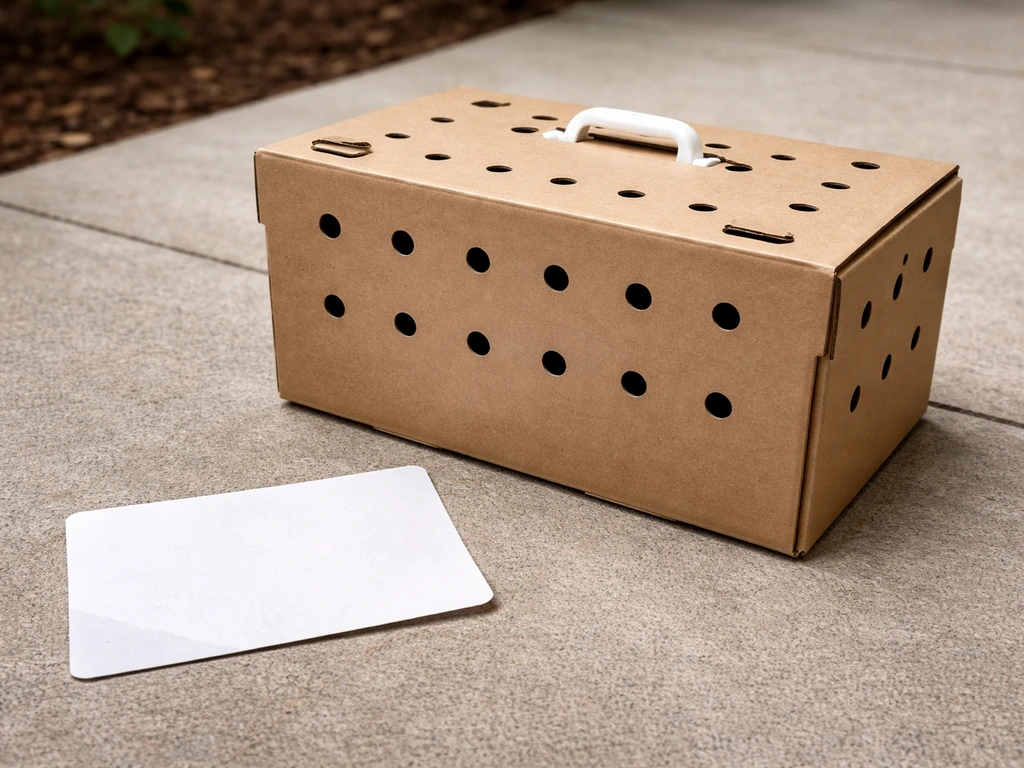
- Using the towel, scoop the bird into a ventilated cardboard box lined with paper towels or crumpled newspaper. Do not use a wire cage, which can cause feather and wing damage.
- Close the box securely. Resist the urge to check on the bird repeatedly. Darkness and quiet reduce stress, and stress can kill an already-weakened bird.
- Place the box in a warm (not hot), dark, quiet location away from pets and children. If the bird feels cold, placing the box on a heating pad set to low, covering only half the box bottom, provides gentle warmth without overheating.
- Do not offer food or water. This is not intuitive, but it is one of the most consistent instructions from every major wildlife rehabilitation organization. Incorrect food can injure or kill the bird; improper liquid delivery can cause aspiration.
- Call a licensed wildlife rehabilitator or your state wildlife agency as soon as the bird is contained.
For large birds of prey, raptors, herons, or any bird that can seriously injure you with its beak or talons, do not attempt to contain it yourself. Call animal control or a licensed raptor rehabilitator. The physical risk is real. If you use a leash or restraint at all, make sure it is used only briefly and doesn’t restrict breathing or movement, since bird restraints are another point where safety can fail bird leashes and restraints.
Health risks to you from a sick or thin bird
The risks are real but largely manageable with basic precautions. Here is what you actually need to be aware of. Ultrasonic bird repellers may also be a concern around pets, so it helps to understand whether they affect dogs do ultrasonic bird repellers affect dogs.
Zoonotic diseases
Salmonellosis is probably the most common risk from wild songbirds. [You can pick it up simply by touching a feeder or bird bath and then touching your mouth without washing your hands first. ](https://archive. cdc.
gov/wwwcdcgov/salmonella/typhimurium-04-21/index. html) Many bird backpacks are marketed for safety, but the safest choice is still based on your bird's condition and proper handling to reduce health and stress risks bird bath. Sick birds shed Salmonella in their droppings, often without obvious signs. Psittacosis (from Chlamydia psittaci) is less common in wild birds but is a documented risk, particularly with some parrot-family species.
Avian influenza is a lower everyday risk for most people but warrants particular caution: the CDC advises avoiding contact with surfaces contaminated with the saliva, mucus, or feces of birds with confirmed or suspected bird flu.
Fungal respiratory diseases
Cryptococcosis and histoplasmosis are both associated with bird droppings, but the key word from the Illinois Department of Public Health is 'inhalation.' These infections are typically acquired by disturbing dried, contaminated droppings and breathing in the dust, not from a casual brief encounter with a live bird. If you are cleaning up a roost site or a large accumulation of droppings, wear an N95 mask and gloves. A single bird encounter does not put you in this category.
Bites, scratches, and parasites
The CDC notes that germs can spread from bird bites and scratches even if the wound seems minor. Bird mites can also transfer briefly to humans during handling, causing skin irritation. Neither of these is a major threat with proper gloves and handwashing, but both are reasons not to handle a bird bare-handed out of curiosity.
When to call wildlife rehab or a bird-safety professional
Use this as your decision filter. If any one of these applies, make the call rather than try to manage the situation yourself. If you are trying to use HexClad cookware and you are wondering whether it is safe for birds, check the label and follow the manufacturer’s guidance HexClad cookware safe for birds.
- The bird cannot fly and does not move away from you when approached within a few feet
- Visible wounds, broken or drooping wing, blood, swelling, or missing feathers in patches
- Neurological signs: circling, head tilt, tremors, or seizure-like movements
- Discharge from eyes, nares (nostrils), or mouth
- Part of a die-off: multiple birds dead or sick in the same area (this is a reportable event)
- A bird of prey, wading bird, or waterfowl that you physically cannot safely contain
- The bird is a fledgling and has been in the same spot for more than 24 hours with no adult birds visible
- You are in an aviation environment or near an airport and the bird is creating a strike hazard
To find a licensed rehabilitator, the U.S. Fish and Wildlife Service and state wildlife agencies (like WDFW, Iowa DNR, and Florida DOH) all maintain referral lists. The National Wildlife Rehabilitators Association and the Wildlife Center of Virginia also have online search tools. Do not assume a general animal shelter or humane society is equipped for wild birds; they usually are not.
For aviation or bird-safety professionals dealing with bird strike hazards or airport wildlife management, the USDA APHIS Wildlife Services program is the correct point of contact. They handle bird-aircraft collision risk and can advise on birds congregating near runways or flight paths.
If you want to help: safe feeding, shelter, and what to avoid
If you have contained a bird and are waiting for a rehabilitator, there are a few genuinely helpful things you can do and a longer list of things that feel helpful but are not. USDA APHIS also warns that feeding wildlife can increase disease transmission among wildlife and create public health concerns feeding wildlife increases disease transmission risk.
What actually helps
- Warmth: a box on a heating pad set to low, covering only half the box floor, so the bird can move toward or away from heat
- Darkness and quiet: cover the box with a cloth; keep it away from noise, pets, and children
- Ventilation: make sure the box has air holes, but not so many that the bird can escape or draft
- Padding: crumpled newspaper or paper towels on the box floor help the bird stay upright and reduce injury from movement during transport
What to avoid
- No food or water of any kind, from bread to fruit to dropper-fed water. Every major wildlife rehab organization agrees on this. Incorrect food causes crop impaction, toxicity, or aspiration. Even water can kill a bird if given incorrectly.
- No wire cages: feathers and wing joints get damaged
- No repeated opening of the box to check on the bird: every opening is a stress event
- No attempting to 'release' the bird before it is assessed by a professional, even if it seems to perk up
- No feeding stations or supplemental feed near the area if there is an active disease concern: USDA APHIS is explicit that feeding wildlife increases disease transmission risk and can create public health concerns
If the bird is a wild migratory species, be aware that even well-intentioned intervention can put you in legal grey territory under the Migratory Bird Treaty Act. The Golden Gate Bird Alliance and USFWS both note that proper permitting matters. The safest legal position is always to contain, keep quiet and warm, and hand off to a licensed professional.
Cleaning up safely afterward
Once the bird has been transported or collected, clean up the area where it was held and anywhere it left droppings. This is not optional, especially if there is any possibility of illness.
- Keep gloves on until all cleanup is complete. The CDC's West Nile guidance specifies waiting to remove gloves until after you have secured any bagged materials.
- Wet down any dried droppings with a dilute disinfectant or soapy water before wiping or sweeping. Disturbing dry droppings creates infectious aerosols (the histoplasmosis and cryptococcosis risk mentioned above). Wet it first, then clean it.
- Double-bag all used gloves, paper towels, box materials, and anything the bird contacted. Tie off the inner bag before placing in the outer bag.
- Wash hands with soap and water for at least 20 seconds. Oregon's dead-bird protocol and the CDC both cite this minimum. Use hand sanitizer only if soap and water are genuinely unavailable.
- Wash any clothing that had direct contact with the bird separately in hot water.
- Clean the box or container surface, if reusable, with a dilute bleach solution. Cornell's All About Birds recommends this approach for feeders and bird-related equipment as well.
What to watch for in yourself afterward
For most brief, gloved encounters with a sick bird, your personal risk is low. But monitor yourself for the following in the days after contact: flu-like symptoms (fever, muscle aches, respiratory symptoms) that develop within 2 to 10 days of exposure, any bite or scratch that becomes red, swollen, or warm, or skin irritation that could indicate mite exposure. If you handled a bird in an area with active highly pathogenic avian influenza (HPAI) confirmed in wild birds, contact your local health department. For typical songbird encounters handled with basic PPE, standard handwashing and monitoring are sufficient.
What to watch for in the bird
If you are providing temporary care while waiting for a rehabilitator, note any changes in the bird's condition to report when help arrives: whether it is more or less alert than when you found it, whether it has passed droppings (and what color or consistency), whether it has moved around in the box, and any sounds it is making. This information helps the rehabilitator triage the bird faster. Do not interpret improvement as a reason to skip the professional assessment. Many birds appear to stabilize temporarily before declining.
FAQ
If my hummingbird looks skinny, is it automatically dangerous or sick?
Not necessarily. A hummingbird that appears “skinny” can be a normal slender species, but if it cannot fly away, stands very still, has sunken eyes, visible discharge, labored breathing, or a sharply prominent keel, treat it as potentially ill and call a wildlife rehabilitator.
Can I help a skinny hummingbird by feeding it sugar water or giving water by mouth?
Avoid offering food or water by force. Do not try to rehydrate with a dropper, and do not give honey, sugar water, or any “remedy” to a bird that is weak or has trouble breathing, because aspiration risk and species-specific care make at-home treatment unreliable.
Is it still a health risk to touch or pick up a skinny bird even if it looks alert?
Yes, but in different ways. You should avoid bare-handed contact and keep your distance, even if the bird seems alert, because dehydration, mites, and infections can be present without obvious outward signs. Use gloves if you must move it (for example, to prevent a pet from attacking), then wash hands thoroughly afterward.
What signs matter more than thinness when deciding if a skinny bird needs help?
The main “why” is what makes the bird thin. If it is actively moving and can fly away, thinness alone is often normal. If it cannot move away within a few feet, stays lethargic, or shows discharge, labored breathing, or a knife-like keel, that is the stronger trigger to seek professional help.
How close can I get or how long should I wait before calling a wildlife rehabilitator?
Use the bird’s behavior and safety cues. If it can fly away or is foraging and singing with purpose, you can watch from a distance. If it will not move away when you approach, or it is on the ground unable to fly, contact a rehabilitator instead of “waiting it out” for long.
If the bird is a fledgling and looks scraggly, should I still call it in or pick it up?
Fledglings are the common exception to the “do not touch” rule. If the bird looks like a fledgling (recently left the nest, scraggly, bright-eyed, no wounds) and its posture is alert, it often does not need rescuing. The safest move is to monitor nearby and contact a rehabilitator if you suspect injury, active bleeding, or a clear inability to return to the nest area.
What is the safest way to protect the bird if it is in danger from pets or traffic?
If you need to prevent harm, the safer goal is temporary separation, not restraint. Keep handling brief, avoid anything that restricts breathing or movement, and call for professional help quickly. For raptors or large birds, do not attempt containment yourself.
What temporary care should I give while waiting for a rehabilitator, and what should I record?
If a bird cannot fly, temperature and stress matter. Keep it quiet and warm while waiting for a rehabilitator, then provide concrete observations when you call (alertness, droppings, breathing effort, sounds). Do not assume “looking better” means it is safe to release or to stop care.
If I handled a skinny bird briefly, what symptoms or timing should make me worry later?
Handwashing is key, especially after contact with feeders, bird baths, or any droppings, since some infections can spread through surfaces even without direct bites. If you had any bites or scratches, or you develop fever, muscle aches, respiratory symptoms, redness, warmth, or swelling within the next several days, contact a clinician.
Does the risk change if I’m cleaning droppings versus just seeing the bird?
It depends on the specific scenario. For a single short encounter with a live bird handled with basic PPE and normal handwashing, risk is typically low. Higher concern applies when disturbing dried droppings, cleaning a roost site, or dealing with large accumulations, where respiratory protection like an N95 and gloves are important.
What should I do if I contacted a skinny bird in an area with confirmed avian influenza?
If the area has confirmed highly pathogenic avian influenza in wild birds and you had contact, you should follow local public health guidance and contact your local health department. This is especially relevant if you had close contact with contaminated surfaces or bodily fluids.