Wing clipping does not hurt a bird the way cutting skin or tissue does. Done correctly on mature, fully grown feathers, it is closer to trimming a fingernail than performing surgery. The feathers being cut contain no nerve endings at their tips, so there is no pain signal in the way you might imagine. That said, "does it hurt" is really three separate questions rolled into one: Is there physical pain during the procedure? Can clipping cause injury that leads to pain? And does restricting flight affect a bird's psychological wellbeing? The honest answer to each is different, and that distinction matters a lot when you're deciding what to do.
Does Clipping Wings Hurt a Bird? Pain and Welfare Facts

Marcus Whitmore
6 Apr 2026
What wing clipping actually does (and what it doesn't)
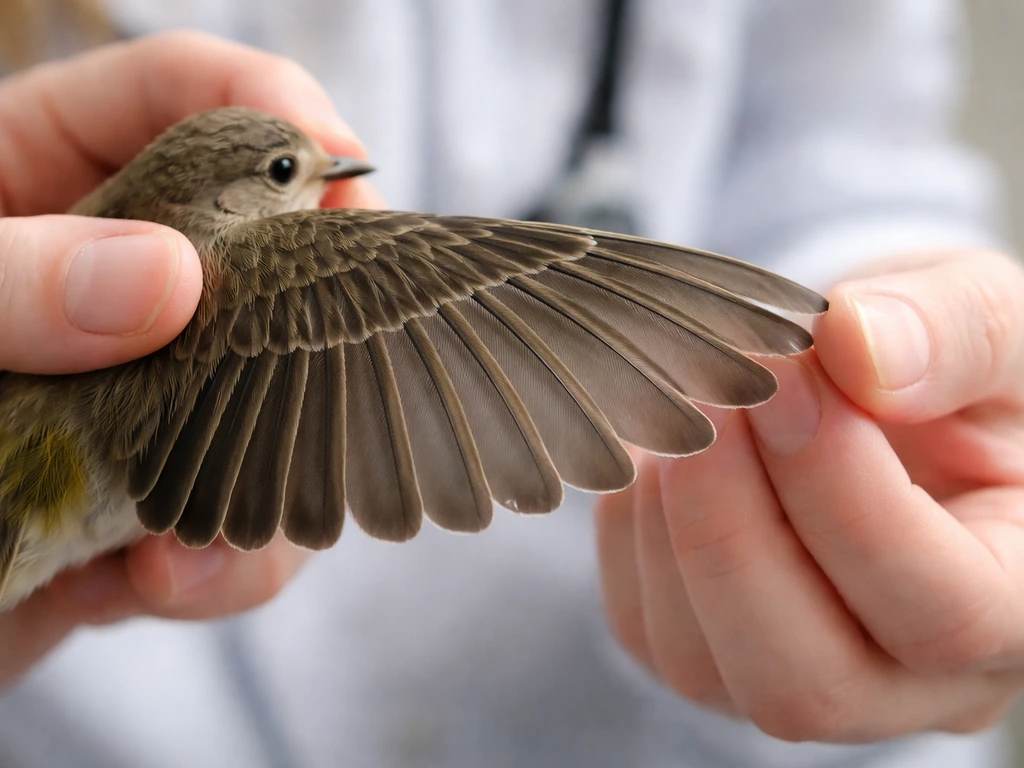
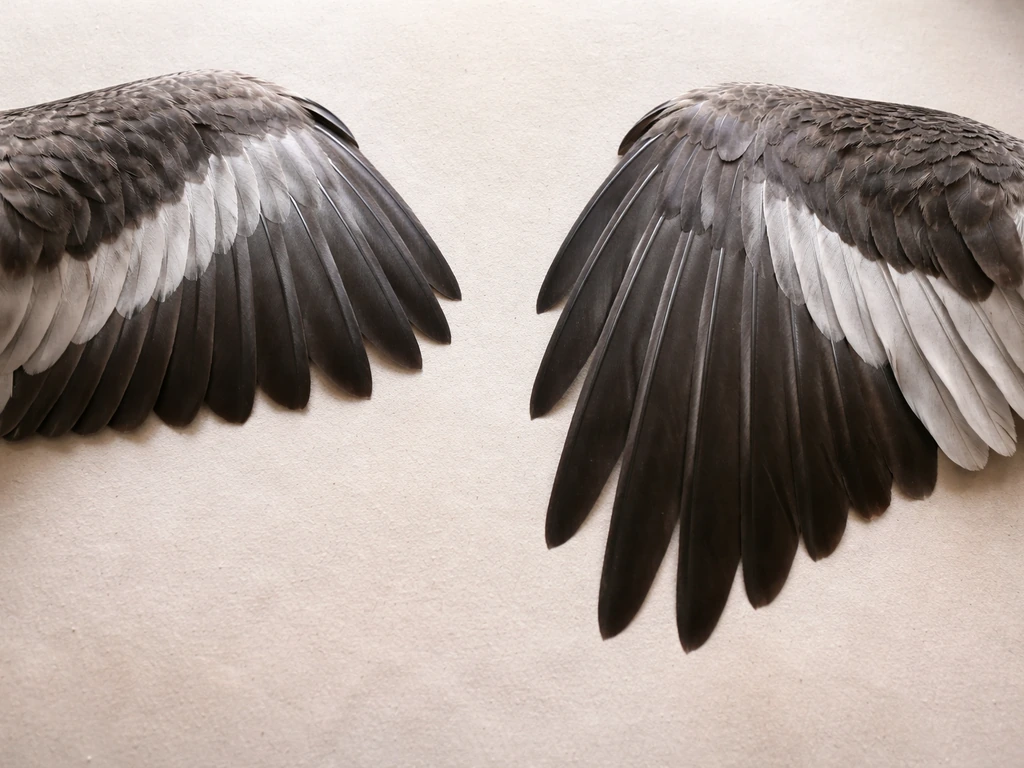
Wing clipping targets the primary flight feathers, the long outer feathers that generate lift. The standard approach, as described by veterinary sources, involves trimming the first 8 to 10 primary flight feathers either just below the primary coverts (the shorter feathers that overlap the base of the primaries) or in a rounded fashion depending on the species. The goal is not to ground the bird entirely. A properly clipped bird should still be able to flutter gently to the floor rather than plummeting in a straight drop, which means the technique is specifically designed to reduce injury from uncontrolled flight while preserving some glide capacity.
What clipping does not do is permanently alter the bird. Clipped feathers grow back at the following full molt, so the procedure is temporary. It also does not remove the bird's instinct to fly. A clipped bird will still attempt to launch from a perch, which is exactly why technique matters so much: a bird that tries to fly and falls too hard can injure itself on landing. Both wings must be clipped at the same time; trimming only one wing causes imbalance and leads to erratic, circling flight that can itself cause injury.
It's worth being clear about what is not involved in a correct clip. Secondary flight feathers, the feathers closer to the body, should not be trimmed at all. Cutting secondary feathers is unnecessary for flight restriction and creates a real problem: the cut shaft can end up close to the bird's side and press into the skin, causing irritation and discomfort. This is a common mistake that turns a routine procedure into a welfare issue.
Pain vs stress: what a bird may feel and signs to watch for
The pain question hinges almost entirely on whether blood feathers are involved. Mature, fully grown feathers have no blood supply at the tip of the shaft. But new feathers, called pin feathers or blood feathers, are actively growing and contain a blood vessel running up through the shaft. blank" rel="noopener noreferrer">If a blood feather is accidentally cut, it does cause pain and can bleed profusely. This is the central physical risk of the procedure and the reason experienced practitioners carefully check every feather before cutting. Whether it hurts a bird to have its feathers plucked is a related question with a similar answer: the distinction between mature and growing feathers is what determines whether pain is involved.
Stress during handling is a separate issue from pain. Birds can find restraint frightening, and the process of being held still while someone works around their wings can elevate stress hormones. Some birds habituate to the process; others do not. This is not imaginary, but it is also not the same as saying the trim itself hurts. Think of a cat being held for nail trims: the distress is real, but the nail cut itself is not painful.
After a clip, watch for the following signs that something has gone wrong and that veterinary attention may be needed:
- Visible bleeding from the wing that does not stop within a few minutes
- Drooping wings or reluctance to move or perch normally
- Shivering while sitting on the perch
- Changes in vocalization, particularly sudden quietness in a normally vocal bird
- Inability to perch, or repeatedly falling from the perch
- Favoring one wing or holding a wing at an unusual angle
Risks and welfare downsides (and common mistakes)
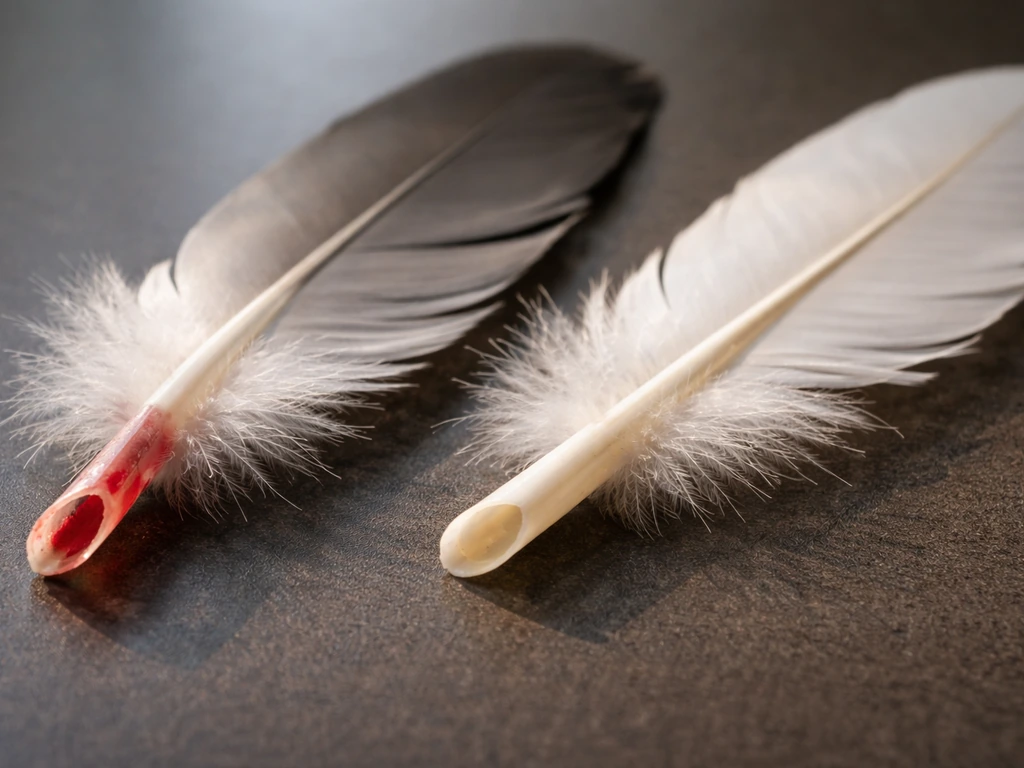
The biggest technical risk is cutting a blood feather. All new feathers contain blood in the shaft until they fully mature, and a bird that is mid-molt may have multiple blood feathers at once. If a blood feather is cut, it can bleed significantly and may also lead to abnormal feather regrowth. The feather follicle can be damaged, and if the feather stub is not dealt with correctly, it can cause ongoing problems. This is why the Aviculture Europe guidance is explicit: do not clip while feathers are still actively growing.
Beyond technique errors, there is a legitimate welfare debate about whether restricting flight causes longer-term psychological harm. The Association of Avian Veterinarians has published guidance framing flight restriction as something requiring careful, individualized consideration, noting both physiological and psychological benefits of flight. Some avian veterinarians now advise against routine clipping, and some professional training organizations note that clipping does not even guarantee flight restriction reliably, especially as feathers regrow between molts.
IAATE’s Position Statement on Flight Restriction notes that wing-clipping does not guarantee flight restriction, and that poorly executed or maintained clipping can harm the bird clipping does not even guarantee flight restriction reliably.
If you've ever wondered whether clipping bird wings is cruel in a deeper welfare sense, the honest answer is that the evidence is nuanced: a bad clip in the wrong hands clearly harms birds, and even a good clip removes a natural behavior that matters to many species.
Crash landing is a real and underappreciated risk. PETA specifically highlights the injury risk from falls, and this is not advocacy exaggeration. A bird that attempts to fly and is clipped too aggressively will drop faster than it expects. Hard landings onto tile floors or into cage bars cause bruising, fractured keels, and broken blood feathers. This is the scenario a well-executed clip is meant to prevent, but a poorly done clip can actually create it.
Common mistakes made by people attempting clips at home:
- Cutting secondary flight feathers (not needed and risks skin irritation)
- Clipping only one wing instead of both simultaneously
- Trimming feathers too short, past the primary coverts, which can cause pain and abnormal stump regrowth
- Clipping during active molt when blood feathers are present
- Using dull scissors that crush rather than cut cleanly
- Skipping a blood feather check before every individual cut
How to do it more safely, or when to avoid clipping entirely
If you decide to clip, the single most important step is to get a hands-on lesson from a veterinarian or experienced avian professional before attempting it yourself. This is not optional advice. The anatomy is specific enough, and the consequences of a blood feather mistake serious enough, that a verbal description or video is genuinely insufficient for the first few times. VCA explicitly recommends having your vet show you which feathers to cut before you try it alone.
When you do clip, use sharp scissors designed for the purpose. Dull blades crush the feather shaft, which creates a messier cut surface and more risk of trauma. Trim only the outer primary flight feathers (the first 8 to 10), stopping above the level of the primary coverts. Check each feather individually by looking at the base of the shaft: a blood feather will appear dark or pink at its base because of the blood vessel inside, while a mature feather shaft is clear or white. Never cut a blood feather. If you are unsure, leave that feather and move on.
There are situations where clipping should simply not happen at all. Birds that are actively molting should not be clipped because the proportion of blood feathers is too high. Very small or fragile birds, birds recovering from illness, and birds with unknown feather histories are better handled by an avian vet rather than an owner at home. The same applies to birds that have demonstrated extreme stress responses to handling. A procedure that becomes a high-stress ordeal carries its own welfare costs.
It's also worth knowing when professional guidance is needed regardless of experience level. Questions about whether bird banding is cruel come up in similar contexts, and the parallel applies here: procedures involving restraint and physical alteration of birds exist on a spectrum, and expert involvement almost always improves outcomes at the more sensitive end of that spectrum.
Clipping vs not clipping: a direct comparison
| Factor | Clipped bird | Unclipped bird |
|---|---|---|
| Physical pain during procedure | None if done correctly on mature feathers; significant if blood feather is cut | Not applicable |
| Risk of crash-landing injury | Higher if clip is too aggressive; lower if technique is correct | Lower indoors with supervision; higher in escape scenarios |
| Flight restriction reliability | Inconsistent, especially as feathers regrow; does not guarantee safety | Full flight capability retained |
| Psychological/welfare impact | Possible stress from restricted flight; depends on species and individual | Flight behavior preserved; enrichment and exercise maintained |
| Handling and regrowth risks | Blood feather risk at molt; abnormal regrowth if follicle damaged | No grooming-related risks |
| Escape risk management | Provides temporary reduction in escape risk indoors | Requires secure environment or trained recall behavior |
The reality is that clipping is not a clean safety win. It trades some risks for others. For a young bird being trained in a household with ceiling fans, open windows, and other hazards, a conservative clip by a professional can reduce one category of acute danger. For a bird in a well-managed, bird-proofed space with an owner investing in training, there is a reasonable argument that clipping creates more risk than it removes.
Alternatives to clipping for keeping birds safe
The most effective long-term alternative to wing clipping is flight training combined with a bird-safe environment. Recall training, where a bird is conditioned to return to the owner on command, addresses the escape and household hazard problems that clipping is typically meant to solve. Professional avian training organizations including IAATE are explicit that voluntary trained behaviors are a more reliable safety strategy than physical restriction. Clipping does not guarantee a bird won't fly into a window; a trained bird with reliable recall is genuinely safer in more scenarios.
Environmental management is the other main alternative. A large, well-designed flight aviary that is secure and enriching allows full flight while eliminating escape and collision hazards. Screening open doors and windows, removing ceiling fans as a hazard, and establishing clear bird-safe zones in the home are all practical steps that address the underlying risks without physically restricting the bird. The question of what it means to cage a wild bird is a related welfare framing worth thinking about: the underlying concern about confining natural behaviors applies to clipping too.
For birds in unusual situations, such as those recently acquired or in temporary care, it helps to understand the broader context of decisions made about bird welfare and oversight. For instance, what happens when you shoot a banded bird illustrates how bird identification and tracking intersects with legal and welfare systems, a reminder that bird handling decisions exist within a framework of broader accountability. Similarly, understanding what it means to cull a bird clarifies the difference between welfare-focused management decisions and harmful ones, a distinction that applies to clipping debates as well.
Next steps: what to do today and after a clip
If you're deciding whether to clip right now, the checklist below covers the most useful immediate steps. If your bird has already been clipped and you're watching for problems, jump to the post-clip items.
- Book a visit with an avian vet before clipping if you haven't already. Ask them to perform the clip or to walk you through the process hands-on with your specific bird.
- Check whether your bird is currently molting. Look at the base of the flight feathers for dark or translucent shafts indicating active blood feathers. If molting is underway, postpone the clip.
- Bird-proof the environment as a first step regardless of whether you clip: screen windows and doors, remove ceiling fan hazards, and identify any rooms that should be off-limits.
- If clipping is performed, observe the bird closely for the first 24 to 48 hours. Watch for drooping wings, unusual quiet, inability to perch, or any visible bleeding.
- If a blood feather is cut and bleeding does not stop, apply cornstarch or styptic powder with gentle direct pressure. If bleeding is profuse or does not stop within a few minutes, contact an avian vet immediately.
- In cases where a blood feather has been damaged and is broken rather than cleanly cut, it may need to be removed entirely from the follicle to stop bleeding. This should be done by a vet unless you have been specifically shown how to do it safely.
- Schedule a follow-up vet visit if the bird shows any of the warning signs listed above, or if you are simply unsure whether the clip was done correctly.
- Begin recall and flight training as a longer-term alternative. Many avian vets and certified trainers can recommend a starting approach appropriate for your species.
- Re-evaluate at the next molt. Clipping is temporary, and the question of whether to reclip is worth reassessing each time rather than treating it as a default.
Wing clipping is not inherently cruel and it is not inherently safe. It is a procedure with real risks, real benefits in specific contexts, and a growing body of veterinary opinion suggesting it should be considered carefully rather than done by default. The best outcome for your bird comes from honest assessment of your specific situation, proper professional guidance, and a willingness to choose the approach that actually fits your bird's needs rather than the one that feels easiest.
FAQ
How can I tell if a bird is being clipped too aggressively?
A too-aggressive clip often allows little more than a drop, not a controlled flutter to the floor. If the bird cannot manage a short, low glide and instead falls hard, the trim is likely excessive for that species and height. In that case, stop further trimming and consult an avian vet about adjusting technique or alternatives.
Does clipping one wing hurt more than clipping both?
Yes. Trimming only one wing creates asymmetry, which can lead to circling, loss of balance, and awkward landings that increase injury risk. Both wings should be handled together by the same method, or the procedure should be deferred to a trained professional.
What should I do right after clipping if the bird seems off?
Keep the bird in a low, safe space to prevent falls and window or bar impacts, then monitor breathing, bleeding, and posture. If you see any bleeding from a cut shaft, new pin-feather bleeding, persistent limping, or a hunched posture that does not improve within a few hours, contact an avian veterinarian. Also watch for abnormal regrowth later, since cutting can affect feather development.
Can a clipped bird still get hurt if it flies anyway?
Yes. Clipping reduces lift but does not remove flight attempts, and birds may still launch from perches. If the bird flies toward hard surfaces, clipped flight can still lead to collisions or hard landings. That is why bird-proofing and recall training still matter even after a “correct” clip.
Is it safe to clip during molting if the bird “needs it urgently”?
It is the higher-risk time. During molt, many feathers are pin or blood feathers, so the chance of cutting into active blood supply rises. If the risk is urgent, consider temporary environmental management (lower perches, safer zones) while you arrange an avian vet or experienced pro assessment rather than clipping during active growth.
What if I can’t identify blood feathers confidently?
If you cannot reliably distinguish a mature feather from a blood feather at the base, do not cut. The safest approach is to get an in-person lesson and have someone experienced confirm which feathers are safe on your particular bird. When uncertain, skipping that feather is preferred, but if uncertainty is widespread, postpone the procedure.
Can dull scissors or “snipping quickly” cause problems even if I cut the right feathers?
Yes. Dull blades can crush the shaft, creating a ragged cut and increasing irritation at the feather stump. That can lead to discomfort and abnormal feather regrowth. Use sharp, purpose-made scissors, and avoid rushing to reduce damage to the follicle area.
Will clipped feathers regrow exactly the way they were before?
They regrow at the following full molt, but the regrowth can be abnormal if a feather follicle was damaged or if a blood feather was cut. That is another reason professionals carefully verify feather maturity, and it is why ongoing “wrong-looking” feather regrowth is a reason to seek veterinary guidance.
Does clipping affect a bird’s behavior like bonding or stress levels?
It can, mainly through handling stress and behavior changes from altered flight ability. Some birds may become more apprehensive around the owner after repeated restraint, similar to how some pets dislike nail trims. If the bird becomes increasingly fearful or panicked during handling, prioritize training, counter-conditioning, or professional alternatives rather than repeating clips.
How soon can a bird be allowed to move around after a clip?
Use a conservative approach. Keep the bird in a low, controlled area with minimal fall height immediately afterward, then allow normal access only once you are confident it can manage low flights or climbs without hard landings. If you notice clumsy landings or persistent confusion, delay full roaming and reassess with a professional.
What are better alternatives if my goal is preventing escape or window crashes?
Flight training with reliable recall is often more reliable than physical restriction for household safety, and environmental adjustments usually help immediately. Examples include window screening or covering, removing high-risk hazards like ceiling fans, and creating bird-safe zones and predictable “return routes.” These reduce the need for repeat clipping over time.
When should I involve a vet even if I already have clipped birds before?
Involve an avian vet if your bird has an unknown feather history, is recovering from illness, is very small or fragile, shows extreme stress during handling, or if you suspect a blood feather was cut. Also seek help if there is heavy bleeding, breathing difficulty, or injury signs after the procedure.