
To cull a bird means to selectively kill or remove individual birds, or to reduce a bird population, for a specific management purpose. It is a deliberate, regulated action taken under defined criteria, not a random or casual killing. The Federal Highway Administration defines wildlife culling as a substantial reduction of population size through eliminating a large number of individual animals over a short period of time, but in everyday bird management, the word is also used for smaller-scale removal of specific birds that pose a documented threat, whether to crops, aircraft, public health, or ecosystem balance.
What Does It Mean to Cull a Bird? Definition and Uses

Marcus Whitmore
21 May 2026
What culling actually means, in plain terms
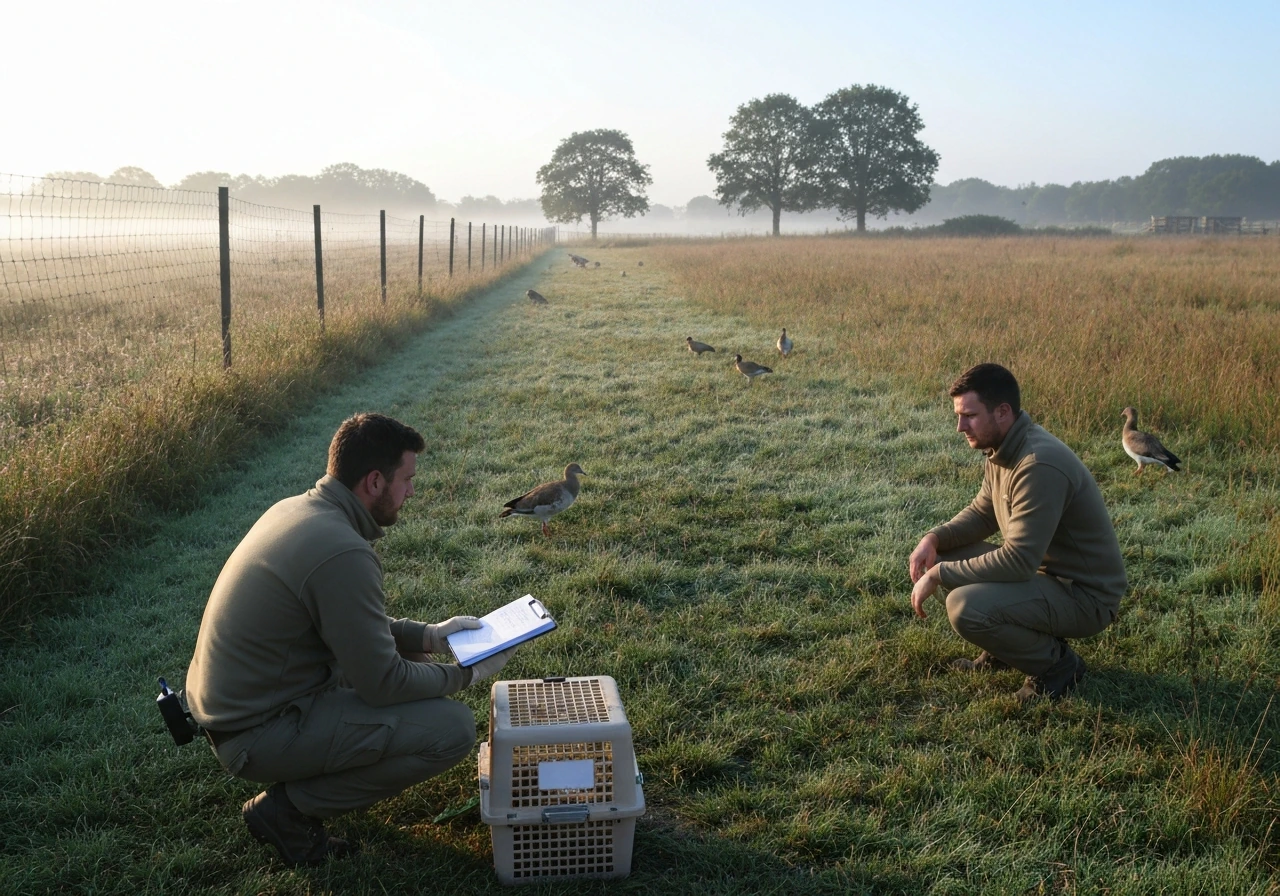
Culling is a management tool, not a punishment or a casual act of pest control. When a wildlife manager, airport authority, or public health agency says they are culling birds, they mean they have identified a specific reason to reduce a bird population or remove particular individuals, and they are doing so under some form of authority, criteria, or plan. US federal regulations at 50 CFR § 17.3 actually list culling alongside contraception and euthanasia as normal practices of animal husbandry when managing captive populations, which tells you something important: the term sits in a professional, regulated context, not a lawless one.
The key word in any proper definition of culling is selective. A cull is not an indiscriminate slaughter. There is supposed to be a documented reason, a target species or population, and a defined scope. That is what separates it from casual shooting or poisoning, and what gives it its particular weight in wildlife management conversations.
How culling differs from shooting, trapping, relocation, and euthanasia
These terms overlap in practice, which is part of why people get confused. Here is how they actually differ.
| Term | What it means | Key distinction from culling |
|---|---|---|
| Culling | Selective population reduction or removal for a management goal | The broadest management term; can involve multiple methods |
| Shooting | A specific method of lethal control using a firearm | Shooting is one technique used within a cull, not a synonym for it |
| Trapping | Capturing birds alive, which may lead to relocation, holding, or lethal disposal | Can be non-lethal; culling is specifically about reducing numbers or removing individuals permanently |
| Relocation | Moving birds from one area to another alive | Non-lethal; often attempted before culling but has a poor long-term success rate for many species |
| Euthanasia | Humanely ending an individual animal's life, usually due to injury or suffering | Focuses on the welfare of a single animal; culling is a population-level or safety-driven decision |
In practice, a cull may involve shooting, trapping followed by lethal disposal, or euthanasia of captured birds. The distinction that matters is the purpose and scale: culling is population management, while euthanasia is individual welfare, and shooting is just a method. Under Canadian airport permits, for example, the permit holder must report the species, number killed, location, and method of killing, which illustrates that culling is a documented, purposeful act with accountability attached.
Why bird culling happens
There are four main contexts where you will encounter bird culling, and each has a different driver and regulatory framework.
Disease control
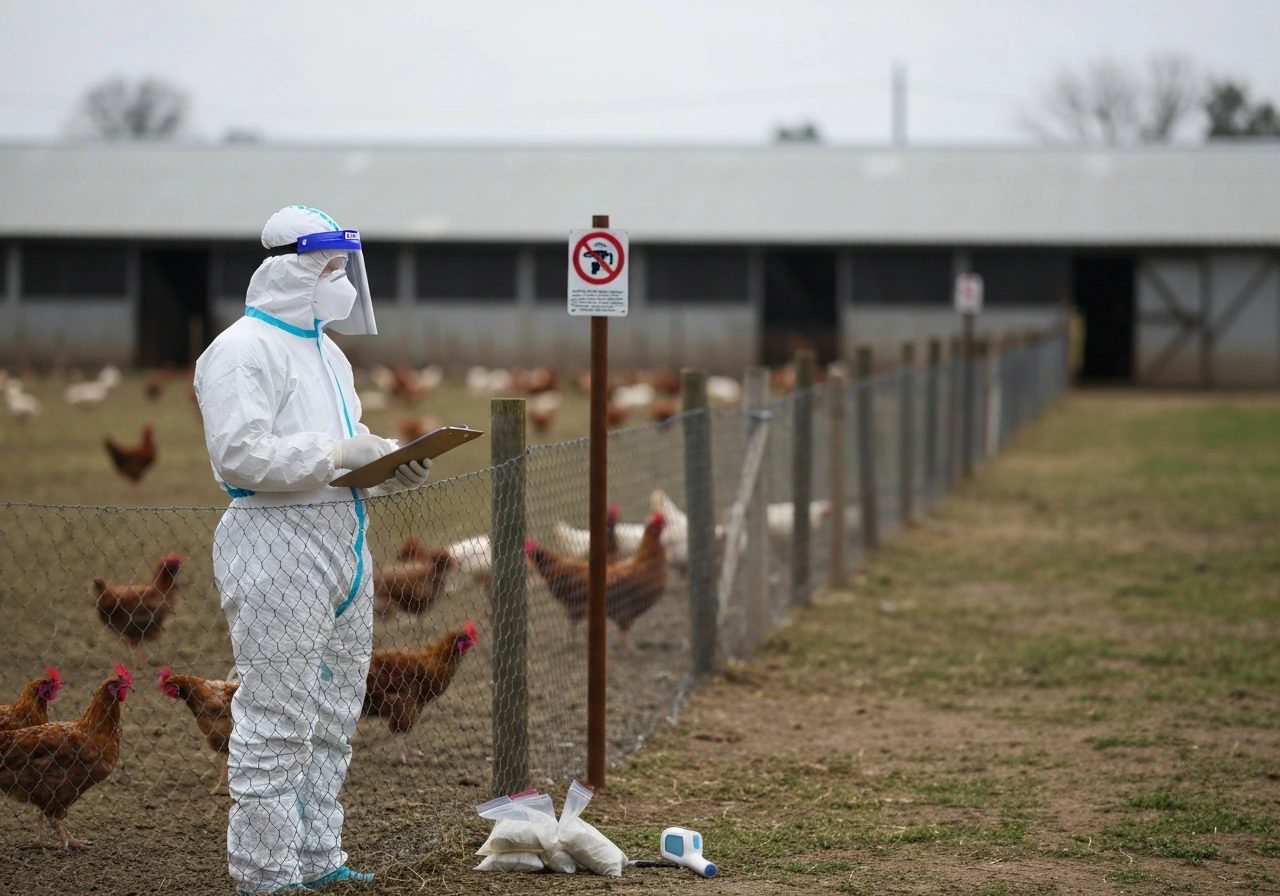
When highly pathogenic avian influenza (bird flu) or other zoonotic diseases reach wild or domestic bird populations, culling is sometimes used to stop transmission. IUCN guidance notes that wildlife culling for disease response should not be the default response and should only be justified through thorough scientific review. Global bodies including WOAH, FAO, IUCN, UNEP, and WHO all provide frameworks for when it is and is not warranted. The FAO frames these decisions through a One Health approach, recognizing the link between animal, human, and ecosystem health.
Crop and property protection
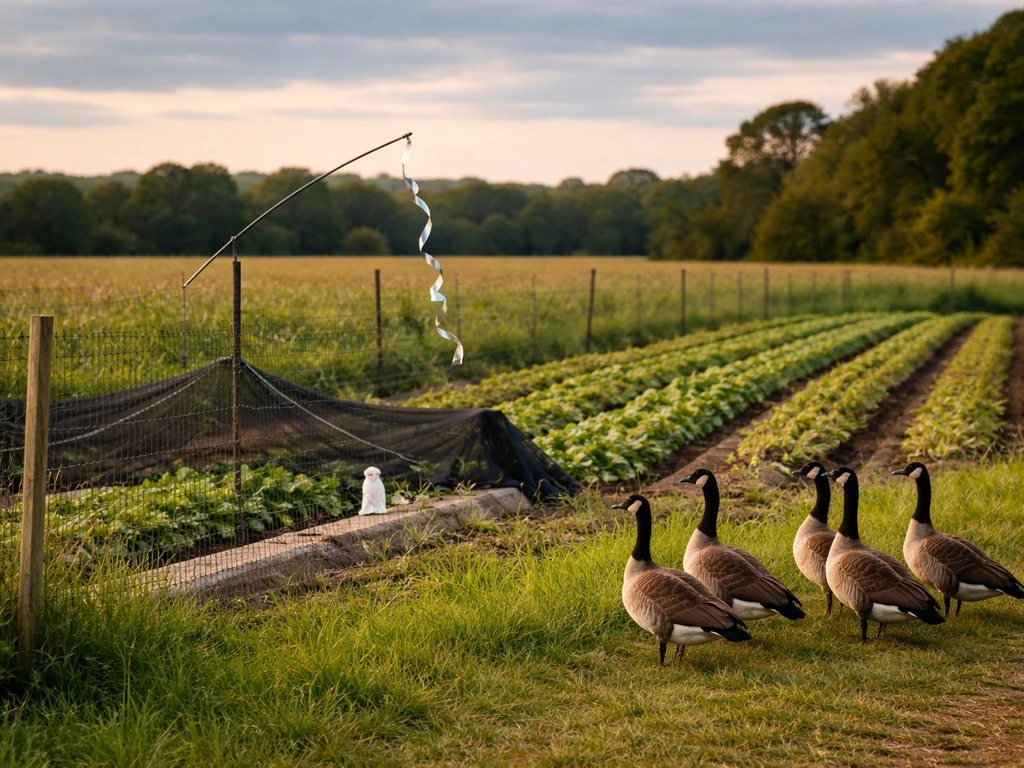
Blackbirds, starlings, Canada geese, and other species can cause significant agricultural damage. In the US, the USFWS issues Federal Migratory Bird Depredation Permits for lethal take when nonlethal measures have been tried and documented. Applicants must show they have already attempted scare devices or habitat modifications before a permit for lethal control will be considered. Pennsylvania's framework, for instance, requires a stepwise approach through exclusion and harassment before shooting is authorized.
Invasive species management
Species like European starlings and common mynas have been introduced outside their native ranges and can outcompete native birds for nesting sites and food. In these cases, culling is a conservation tool, somewhat paradoxically, used to protect native biodiversity. FAO and IUCN both acknowledge culling in conservation areas as controversial but sometimes used in wildlife management contexts.
Aviation safety
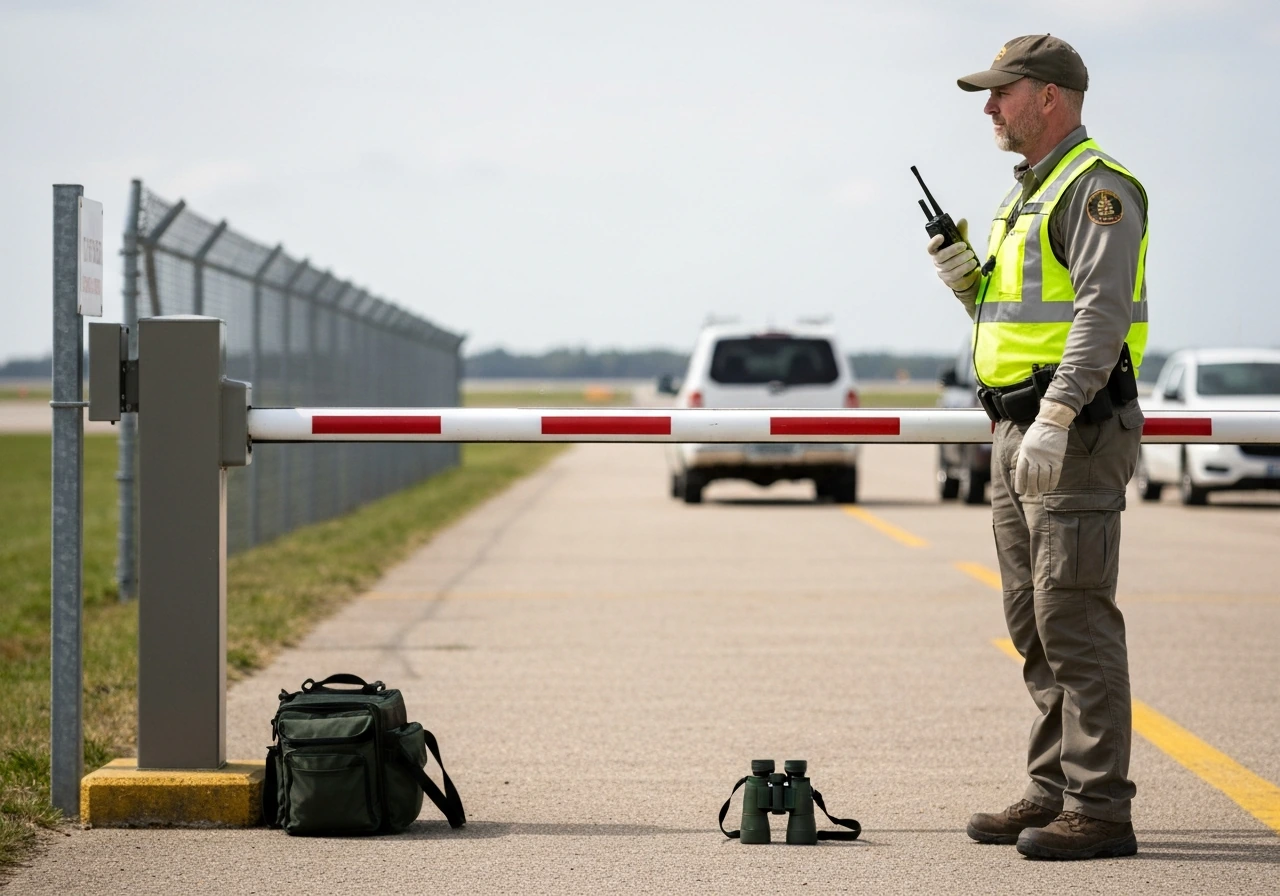
This is the context where culling is most rigorously documented. Bird strikes cost the aviation industry hundreds of millions of dollars annually and have caused fatal accidents. The FAA, ICAO, Transport Canada, and USDA Wildlife Services all treat lethal bird control as one tool within a broader wildlife hazard management plan at airports. A 2024 study in Scientific Reports found measurable reductions in realized wildlife strike risk during periods when airport wildlife hazard management plans were actively implemented. Canadian airport permits explicitly authorize holders to scare and kill migratory birds that are a danger to aircraft, with detailed reporting requirements for every bird killed.
What a cull actually looks like on the ground
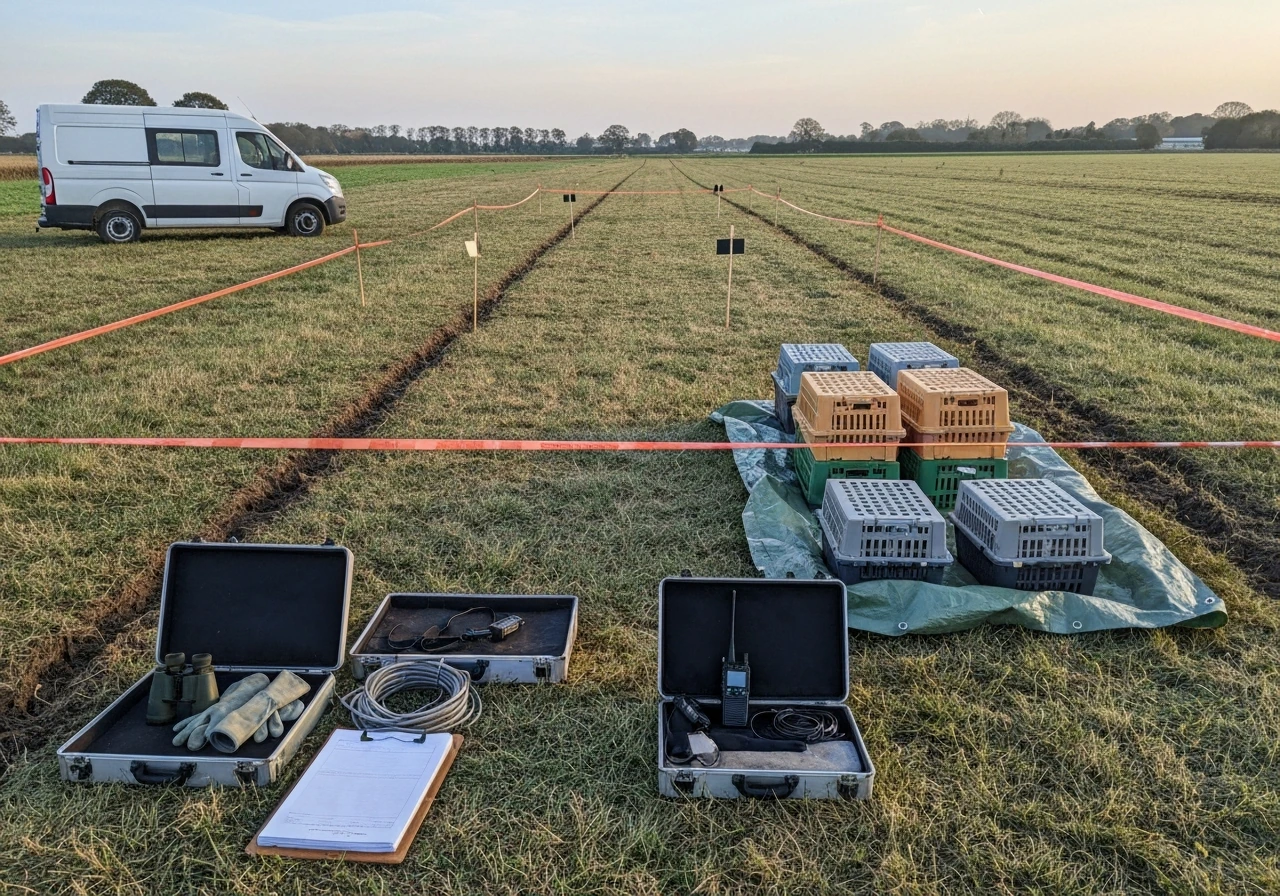
A legitimate bird cull does not happen because someone finds a flock annoying. It follows a recognizable process, even if the details vary by jurisdiction and context.
- Documentation of the problem: The agency or permit applicant must establish that birds are causing measurable damage, disease risk, or safety hazard.
- Nonlethal attempts first: In the US, USFWS requires documented attempts at nonlethal measures before issuing a depredation permit. Scaring devices, habitat modification, and exclusion come first.
- Permit acquisition: For migratory birds in the US, any lethal take requires federal authorization under the Migratory Bird Treaty Act. Under 50 CFR § 10.12, lethal control is legally categorized as 'take,' which requires a permit. Similar frameworks apply in Canada under the Migratory Birds Regulations, 2022.
- Defined scope and methods: The permit specifies target species, location, numbers, and approved methods. Firearms are commonly listed. Methods must align with humane killing standards.
- Humane standards compliance: USDA APHIS, USFWS, and USGS have jointly published guidance on humane capture, handling, and disposition of migratory birds. In Canada, the Canadian Wildlife Health Cooperative publishes euthanasia guidelines that specify techniques and training expectations for personnel.
- Reporting and record keeping: Kills must be recorded by date, species, number, location, and method. Canadian airport permit holders must submit records before January 31 of each permit year.
The FAA is explicit that lethal control is never a standalone solution. Its guidance describes an integrated approach where habitat manipulation, predator deterrence, repellents, and lethal control are all tools within a coordinated plan, not substitutes for one another. The FAA also coordinates with USDA Wildlife Services through a formal memorandum of understanding, which means airport bird culling is a multi-agency, professionally managed activity.
When you'll actually see this term in the real world
Context shapes what 'cull' means when you encounter it, and knowing the context tells you a lot about what is really being discussed.
- News reports about disease outbreaks: When avian flu spreads, headlines about 'culling flocks' refer to mass lethal removal of poultry or wild birds to stop transmission. This is large-scale and government-authorized.
- Airport wildlife management communications: If an airport publishes a wildlife hazard management plan or press release mentioning culling, it refers to permitted lethal control of specific species that pose strike risk, supported by detailed record keeping.
- Local pest control or municipal notices: A municipality dealing with overabundant Canada geese or roosting starlings may describe a cull in its action plan. This should still involve permits and nonlethal-first documentation.
- Conservation and invasive species programs: Wildlife managers culling invasive starlings or mynas to protect native species will use the term in a conservation framing, which surprises people who expect 'culling' to mean something harmful to wildlife.
- Pet bird ownership: Some people search 'cull a bird' in the context of backyard chickens or small-scale poultry, where it means selectively removing underperforming or sick birds from a flock. This is the agricultural/husbandry usage and is covered under 50 CFR § 17.3 as a normal practice of animal husbandry for captive populations.
Common misconceptions worth clearing up
The word 'cull' carries a lot of emotional weight, and that tends to generate some persistent myths. If you are also wondering about “is to cage a wild bird spicy,” it helps to distinguish that kind of ad hoc handling from regulated culling and other legally managed wildlife interventions.
Myth: Culling means random or indiscriminate killing
The reality is that a legal cull is the opposite of random. It requires a documented purpose, specified targets, and in most jurisdictions, a formal permit. Someone illegally shooting birds is not conducting a cull in any meaningful regulatory sense, even if they use that word.
Myth: Culling always works to solve the underlying problem
The reality is more complicated. For birds with high reproductive rates or large source populations nearby, lethal removal of local individuals often produces only short-term results. Canadian damage permit guidance explicitly states that nonlethal and proactive scaring and management techniques should form the basis of any long-term plan, with lethal methods playing a supplementary role. This is not idealism. It reflects practical experience that culling alone rarely solves a persistent bird-management problem.
Myth: Culling is always cruel and unregulated
The reality is that authorized culling programs operate under welfare standards. The AVMA publishes guidelines for humane endings and euthanasia, and [the CWHC publishes specific guidance for migratory birds in Canada that covers approved techniques and proficiency requirements for personnel](https://www. cwhc-rcsf. ca/docs/miscellaneous/Guidelineseuthanasiabirds-2020-03-17_EN.
pdf). Whether every actor always follows these standards is a legitimate oversight question, but the standards themselves exist and are detailed. Compare this to topics like wing clipping or feather plucking, where welfare debates center on routine practices applied to individual birds. Whether wing clipping is cruel depends on the welfare safeguards and veterinary oversight used in the specific situation wing clipping or feather plucking.
This is a different issue from feather plucking, which is often debated under animal welfare concerns wing clipping or feather plucking. If you are wondering about welfare impacts, wing clipping is a common concern people compare with culling practices. Culling, at least, has a structured regulatory and welfare framework around it.
If you are asking whether bird banding is cruel, it is worth comparing it with how culling is described as having a structured welfare and regulatory framework in authorized programs cruel and unregulated.
Myth: Culling and shooting are the same thing
The reality is that shooting is one method used in some culls, not a defining feature. If you are wondering what happens when you shoot a banded bird, the same ideas of selective, authorized removal versus casual killing help clarify what is occurring on the ground. Airport bird control, for example, may involve firearms for some species and habitat modification or chemical deterrents for others, all within the same management plan. The Canadian airport permit even specifies that firearms or aircraft can be used to scare or kill birds, showing that the same permit can authorize both lethal and nonlethal methods depending on what the situation requires.
Practical next steps: coexistence before culling
If you are dealing with a bird problem and wondering whether culling is the right move, or if you want to understand what your local authority is doing, here is a practical framework.
- Identify what is actually driving the problem. Culling addresses symptoms, not causes. If birds are attracted to your property by food waste, standing water, or roosting structures, removing those attractants is both cheaper and more durable than lethal removal.
- Try nonlethal deterrents first and document them. This is not just good practice. It is legally required before you can obtain a depredation permit for migratory birds in the US. Scare devices, netting, reflective tape, and habitat modification have real evidence behind them when properly applied and maintained.
- Know your legal obligations before taking any lethal action. Migratory birds are federally protected in the US and Canada. Without a permit, killing or attempting to kill most migratory species is a federal offense regardless of what is damaging your property or aircraft.
- Contact the right authority for your situation. In the US, start with USFWS Migratory Bird Permits or USDA APHIS Wildlife Services. At airports, coordinate with FAA Wildlife Hazards guidance and USDA Wildlife Services. In Canada, Environment and Climate Change Canada administers the Migratory Birds Regulations, 2022 permit process.
- If you are interpreting news or policy documents, look for what method, scale, and oversight the cull involves. A properly managed cull with permit requirements, species-specific targets, humane methods, and reporting is a very different thing from informal or unregulated bird killing, even if both get called 'culling.'
The bottom line is that culling is a real, regulated, sometimes necessary tool in bird and wildlife management. It is not the first option, it is not the only option, and it does not automatically solve the problem it is meant to address. When you see the term, the most useful thing you can do is look at the context: who authorized it, what species, under what criteria, and whether nonlethal alternatives were genuinely tried first. That is the evidence-based way to evaluate any bird management plan, whether you are a curious researcher, a property manager, or an aviation professional.
FAQ
If I hear neighbors say they are “culling” birds, how can I tell whether it is actually legal and regulated?
Not usually. A real cull requires defined criteria and authorization (typically a permit or an official wildlife damage or hazard program). If someone is killing birds without documented targets, a plan, and oversight, it is not a regulated cull even if the person uses that word.
Does a cull permanently fix a bird problem, or is it usually temporary?
Culling is typically a short to medium term removal action, while population management is the broader goal. The “success” of a cull is often measured as reduced hazards or damage over time, but many programs also require nonlethal measures and follow-up because bird populations can rebound or birds can move in from nearby source areas.
In what situations is culling more likely to be considered, disease control versus crop or airport safety?
Often, but not always. The documented reason matters: in disease response, culling may be considered but guidance commonly emphasizes it should not be the default and should follow scientific review. In agriculture and airports, lethal methods are usually treated as part of a broader plan, after nonlethal options are attempted or when specific risk thresholds are met.
Is culling supposed to target specific birds, or can it be done broadly?
Wildlife culling should be limited to the specified species, population segment, locations, and time window in the authorization. Random or indiscriminate killing is one of the clearest ways to distinguish casual killing from culling, and it can create legal and welfare problems even if the intention is “to reduce numbers.”
What nonlethal steps should usually come before or alongside a cull?
Because culling is not a standalone solution, it is commonly paired with habitat modification, exclusion, harassment, or deterrents. If a program does not show what nonlethal steps were tried first (when required) and what happens after the lethal stage, it may be missing the core logic used in many jurisdictions.
If a city or airport says it is culling birds, what information can I request to understand the plan?
If your goal is to understand what a local authority is doing, look for the authorization details: who issued it, what species and numbers are authorized, the approved methods, and reporting requirements. Many airport and damage programs also track locations and outcomes, so you can evaluate whether the action matches the stated criteria.
Why do some culling programs need to be repeated?
Often yes. For many bird problems, especially where birds reproduce quickly or move in from surrounding areas, a lethal removal can reduce numbers temporarily without eliminating the underlying attractants (food, nesting habitat, or shelter). Long term control usually relies on changing those attractants, so repeated cycles may occur if the broader drivers are not addressed.
How is culling different from euthanasia if they can both involve lethal methods?
No, culling and euthanasia are not the same purpose. Culling is aimed at managing a population or addressing a documented threat by removing individuals. Euthanasia is generally framed as a welfare action for individual animals, even though euthanasia can be used as a method inside a cull when birds are captured.
Is shooting always part of a cull, or can culling use other methods?
Culling can involve lethal capture, shooting, or euthanasia depending on context and authorization. The defining feature is the selective, permitted purpose and scope, not the tool used. Two programs could both be called culling but differ greatly in method, training requirements, and reporting obligations.
Can “removing birds” be the same as “culling,” or are there clear wording differences?
Some people use the word informally when talking about feeding bans, trapping, or temporary removals. If the action is not selective, not authorized, or not documented with targets and criteria, it may be better described as killing or removal, not a cull.
Does a regulated cull guarantee humane outcomes, or are welfare concerns still possible?
Welfare standards and humane practice requirements are part of authorized programs, but the actual experience can vary based on training, equipment, and adherence to procedures. If you are evaluating welfare concerns, check whether the program specifies humane methods, qualified personnel, and proficiency or oversight requirements rather than focusing only on whether lethal action occurs.
What is the safest first step for a property owner who thinks a cull might be needed?
If the birds are protected species or the action is outside permitted scope, attempting to do it yourself can become both dangerous and illegal. Before acting, verify local rules and whether nonlethal exclusion or harassment is appropriate, especially around nests and migratory birds.