Yes, plucking a bird's feathers hurts. Feathers are anchored in follicles that contain nerve endings and blood vessels, so yanking one out causes real, immediate pain, the same way pulling a hair from your own scalp does, only more so. When a bird is self-plucking or having feathers forcibly removed, you are dealing with a pain-and-stress event that can escalate into open skin wounds, infection, and long-term feather follicle damage. In general, is clipping bird wings cruel? It can be harmful, especially if it causes distress or limits natural behaviors, so it is best discussed with an avian vet feathers forcibly removed.
Does It Hurt a Bird to Pluck Its Feathers? What to Do

Marcus Whitmore
22 May 2026
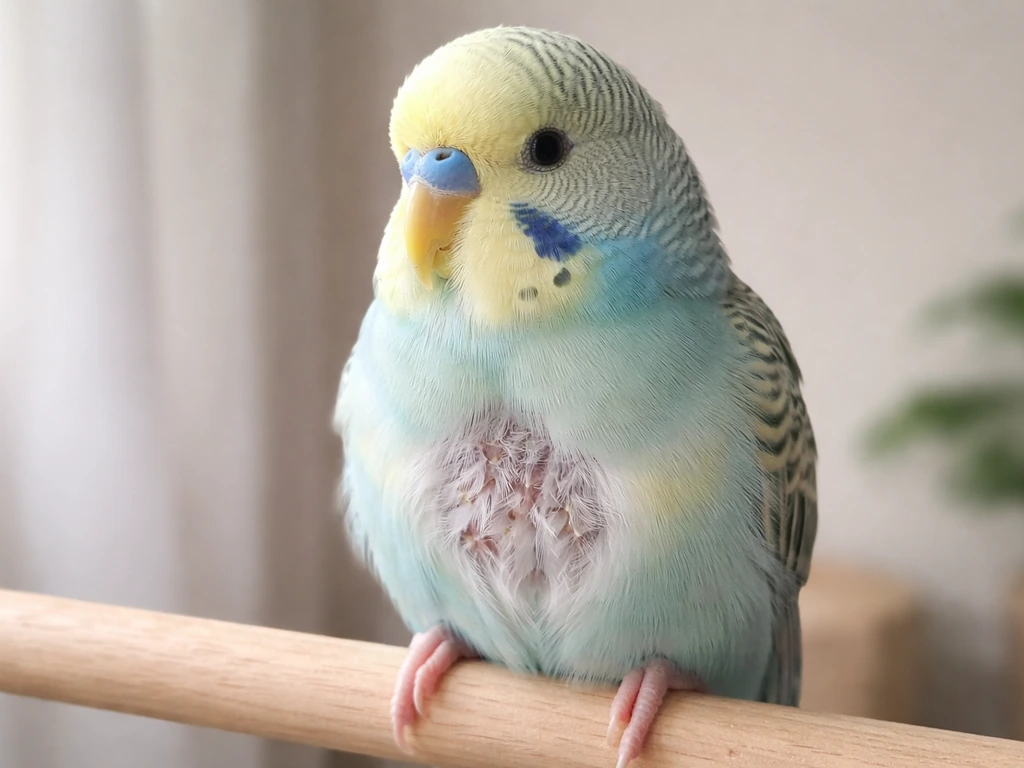
If you have ever wondered what happens when you shoot a banded bird, it is worth understanding that any trauma or stress can cause immediate injury and long-lasting harm as well. The urgency of the situation depends on how severe and how long it has been happening, but 'wait and see' is rarely the right call once you spot bald patches or skin lesions.
Does feather plucking actually hurt? (Pain and stress explained)
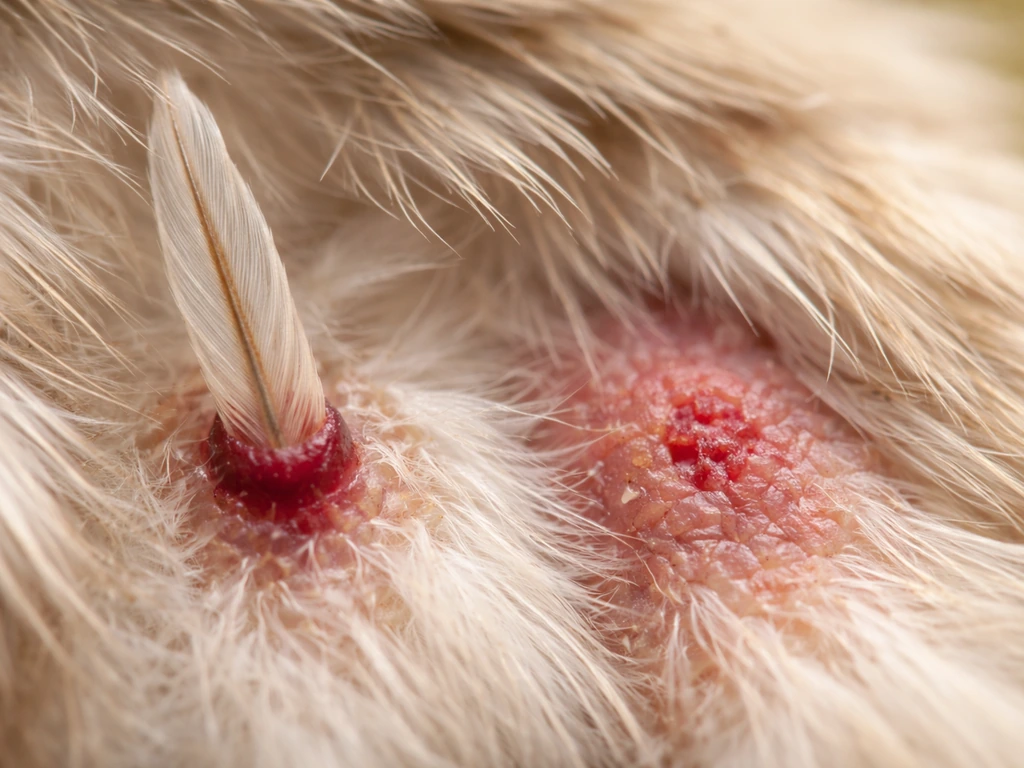
Each feather grows from a follicle embedded in the skin, and growing feathers, called blood or pin feathers, are actively supplied with blood and nerves. Pulling one of these out is genuinely painful and can cause heavy bleeding. Even mature feathers have follicle tissue at the base, so removal is not painless. Veterinary literature from sources like the Merck Veterinary Manual describes feather destructive behavior as a spectrum ranging from mild overpreening all the way to self-mutilation, and the physical consequences follow that same scale.
Beyond the immediate pain of removal, untreated feather plucking leads to a cascade of problems: skin lesions, secondary bacterial or fungal infections, and in some cases permanent damage to feather follicles. UC Davis veterinary resources note that repeated picking can cause feather cyst formation, essentially the avian equivalent of an ingrown hair, which is painful in its own right and may require surgical treatment. PetMD clinicians also flag signs like lethargy, decreased appetite, and depression as indicators that the bird's pain and stress load has crossed into systemic territory.
Stress is the other half of this equation. Best Friends Animal Society also stresses that your first priority is to rule out illness or disease, because feather plucking can be driven by both physical distress and negative emotional states like fear, anxiety, boredom, depression, and loneliness. Birds are not stoic; chronic stress suppresses immune function, worsens underlying disease, and compounds behavioral problems. The LafeberVet client education materials on feather destructive behavior explicitly frame household noise, activity levels, and environmental unpredictability as stress triggers that can initiate or sustain plucking in a nervous bird. The pain and the stress reinforce each other, which is one reason the behavior can become self-sustaining even after the original trigger is gone.
Why birds self-pluck, or get plucked by others
There is no single cause of feather plucking, which is what makes it frustrating to deal with. The Royal Veterinary College has stated plainly that there is no diagnostic magic wand here, and that the evaluation needs to be slow and considered. The causes generally fall into two broad buckets: medical and psychological, and in many birds both are happening at once.
Medical causes
- Skin inflammation or infection (bacterial, fungal, or parasitic)
- Viral disease (such as psittacine beak and feather disease)
- Internal illness: liver disease, kidney disease, or hormonal disorders
- Nutritional deficiencies, particularly vitamin A and protein imbalances from an all-seed diet
- Toxin exposure, including heavy metals and household chemical fumes
- Allergies, including food allergies and airborne irritants
- Cancer or other systemic disease
Psychological and environmental causes
- Boredom and lack of enrichment in the captive environment
- Sexual frustration, especially in single birds without appropriate outlets
- Loneliness or insufficient social interaction with humans or companion birds
- Fear and chronic anxiety, sometimes triggered by household pets like cats and dogs
- Inappropriate housing, including too-small cages, poor ventilation, or drafts
- Lack of bathing opportunities, which affects feather and skin condition
- Compulsive behavior that has become self-reinforcing over time
One important point from the veterinary literature: behaviorally induced feather destruction is not itself a diagnosis. It is a sign that something in the captive environment is not meeting the bird's needs. A peer-reviewed study in Ornithology Research demonstrated that environmental enrichment interventions reduced feather-plucking behavior in a captive Golden Parakeet pair, which underlines how much the captive setup matters. And when feather plucking occurs in a multi-bird setting, flock dynamics and cage-mate aggression need to be on the list of suspects too.
Normal molting vs. harmful feather loss: what to look for
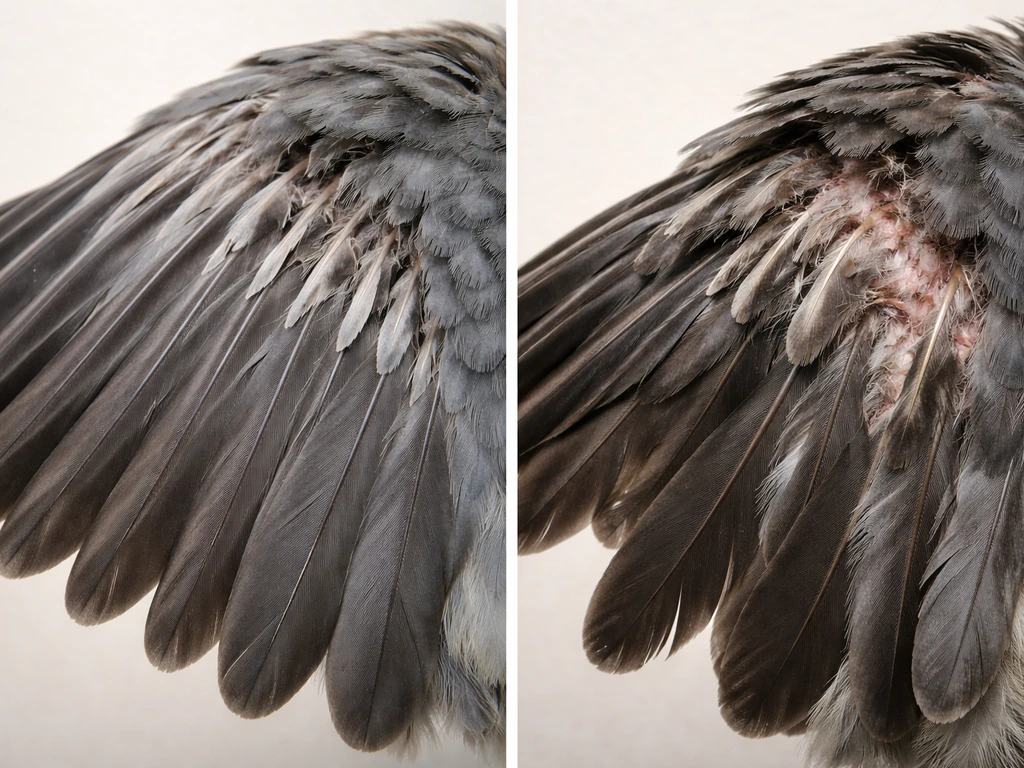
Healthy birds molt, and molt can look alarming if you are not expecting it. Understanding the difference between normal feather cycling and a genuine problem will save you unnecessary panic, and help you catch real issues before they escalate.
| Feature | Normal Molting | Feather Plucking / Damage |
|---|---|---|
| Pattern | Symmetrical, gradual, affects whole body evenly | Asymmetrical, patchy, concentrated where beak can reach (breast, neck) |
| Skin condition | Skin beneath looks healthy and intact | Reddened, irritated, broken, or lesioned skin |
| Feather shafts | Old feathers fall out cleanly; new pin feathers visible | Broken shafts, chewed or frayed feather bases, missing follicles |
| Behavior | Bird is alert, eating well, behaving normally | Repetitive grooming, biting, scratching; possible lethargy or appetite change |
| Duration | Seasonal, resolves within weeks | Ongoing or worsening over time without resolution |
| Blood present | None expected | Possible, especially if pin feathers are damaged |
UC Davis veterinary medicine notes that feather picking most commonly affects the breast and neck because those are the areas the bird's own beak can reach. If you see bald patches on the head that the bird cannot reach itself, that is a red flag for cage-mate aggression or a human handling problem. Symmetrical feather loss on the head in a single bird, by contrast, sometimes points to a hormonal or nutritional issue rather than behavioral plucking.
What to do right now if you think your bird is being plucked
The single most important first step is to rule out illness. Best Friends Animal Society puts it simply: illness or disease has to be excluded before you can meaningfully address behavioral or environmental factors. Here is a practical action sequence you can work through today.
- Examine the bird visually without handling it into further stress. Look at the distribution of feather loss, check for visible skin wounds, bleeding, or open lesions, and note whether any pin feathers appear damaged or broken.
- If there is active bleeding or an open wound, contact an avian vet immediately. This is not a wait-and-monitor situation. Skin infections in birds can progress quickly.
- Temporarily reduce known stressors in the environment: move the cage away from high-traffic or loud areas, cover it partially at night for a sense of security, and keep household pets out of sight and earshot.
- Assess the immediate environment. Is the cage large enough? Is there fresh water available for bathing? Are there toys and foraging opportunities? Remove anything the bird might be reacting to, such as a new toy, a mirror, or a scented candle.
- Do not attempt to stop the plucking by applying deterrent products to the feathers or skin without veterinary advice. Some products are toxic to birds, and covering the problem does not address the cause.
- Book an appointment with an avian-experienced veterinarian. A general practice vet without bird experience is not adequate for this workup.
If the bird is in a shared cage, separate it from cage-mates now and observe whether the plucking or feather damage continues. Cage-mate aggression is easy to overlook because it often happens quickly and not always in plain sight.
Long-term care and treatment: what the vet workup looks like

A proper diagnostic workup for feather plucking is multi-layered. The RSPCA, RVC, and AAVAC all emphasize that even when a behavioral trigger seems obvious, underlying physical causes must be tested for rather than assumed away. AAVAC’s 1994 diagnostic paper defines self-mutilation syndromes to include barbering or feather plucking and frames diagnostics around relieving suffering and identifying underlying drivers [RSPCA, RVC, and AAVAC](https://www. aavac.
com. au/files/1994-18. pdf). The workup typically includes blood panels (hematology and biochemistry to screen for liver and kidney disease, infection, and nutritional deficiencies), and in some cases skin biopsies and imaging.
By the time many birds are presented to a vet, the original trigger has already changed or disappeared, and reinforcing factors have taken over. This is why a full workup matters even in birds that seem to be plucking 'just from stress. '
Medical treatment paths
Treatment is entirely dependent on what the workup finds. If a bacterial skin infection is present, antibiotics are indicated. Fungal infections require antifungals. Nutritional deficiencies are addressed by reformulating the diet, usually moving away from seed-heavy diets toward a species-appropriate pellet base supplemented with fresh vegetables and some fruits. Liver or kidney disease requires targeted medical management. In some cases, anti-inflammatory or anti-itch medications are used to break the itch-pluck cycle while the underlying cause is addressed.
Behavioral and environmental treatment
If medical causes are ruled out or treated and the plucking continues, the focus shifts to the captive environment. Evidence supports environmental enrichment as a meaningful intervention. Foraging toys that require problem-solving, rotating novel objects, regular out-of-cage time, bathing opportunities, and species-appropriate social interaction all reduce the behavioral drive to pluck. The PetMD guidance on prognosis is realistic: recovery likelihood depends on how long the bird has been plucking and how consistently daily stressors are managed going forward. Birds that have been plucking for years may never fully regrow feathers in affected areas, especially if follicle damage is permanent.
In severe or long-standing cases, avian behavioral specialists can be consulted alongside the vet. Collar devices (Elizabethan collars or bird-specific body suits) are sometimes used short-term to protect wounds while healing, but they are not a standalone solution and can themselves be a significant stressor for the bird.
Preventing feather plucking before it starts
Prevention is considerably easier than treatment, especially given how quickly self-plucking can become a habitual, self-reinforcing behavior. That is why feather banding choices and handling practices can matter, and it is worth asking whether bird banding is cruel feather plucking. The core prevention strategy is meeting the bird's physical and psychological needs consistently, rather than reactively.
- Feed a species-appropriate, nutritionally complete diet from the start. Seed-only diets are a common driver of deficiencies that predispose birds to skin and feather problems.
- Provide a cage that is large enough for the bird to fully spread and flap its wings without touching the sides.
- Offer daily foraging and enrichment opportunities. Rotate toys regularly so the environment stays novel.
- Allow regular bathing, either via a shallow dish, a gentle misting spray, or a perch in a light shower. Proper feather and skin condition reduces the itch and irritation that can trigger plucking.
- Minimize exposure to household chemical fumes, cigarette smoke, scented candles, and non-stick cookware fumes, all of which can irritate respiratory and skin tissue in birds.
- Keep the cage in a socially connected but not over-stimulating location. Birds need to feel part of the household activity without being overwhelmed by it.
- Ensure the bird has a consistent sleep schedule, ideally 10 to 12 hours of darkness and quiet each night.
- Handle the bird gently and calmly. Rough or forcible handling is a stress trigger and, if it involves grabbing or restraining feathered areas, can itself cause feather damage.
- Schedule annual avian vet checkups. Many underlying conditions that lead to plucking are detectable before they become symptomatic.
It is worth noting that concerns about feather plucking connect to a broader set of questions about what is and is not harmful to birds in captivity. Culling is the act of removing birds on purpose, which is a different issue from feather plucking and is often discussed in conservation or population-management contexts what does it mean to cull a bird.
If you are wondering about harm, questions like whether it is to cage a wild bird spicy can also help you think through how captivity affects a bird what is and is not harmful to birds in captivity. Wing clipping, for instance, raises some of the same pain and welfare questions, particularly when blood feathers are accidentally cut or when the trim is done poorly.
The answers in all these cases come back to the same principle: feathers are live tissue attached to living birds, and anything that damages them has real physical and psychological consequences that deserve a thoughtful, evidence-based response. In particular, clipping bird wings should be evaluated with the same care, because it can cause fear and stress and may impact welfare.
FAQ
If a bird is plucking because it is itchy, does that mean it is not really “hurt” by the plucking?
It can still be hurt. Itch can drive the behavior, but pulling feathers removes living follicle tissue and can trigger bleeding and inflammation, which then makes the itch and discomfort worse (an itch-pluck cycle).
How can I tell the difference between normal molt and true feather destruction at home?
Molting usually happens in a more even, gradual pattern with new pin feathers or feather “cylinders” appearing later. True feather destruction often shows patchy bald areas, broken or missing feathers, and skin changes like redness, crusting, or scabs that do not match a normal molt rhythm.
Is it safe to try trimming or protecting the feathers myself if I notice bald patches?
Usually not. Cutting, pulling remaining feathers, or applying DIY bandages can add trauma and stress, and it can delay proper diagnosis of infection, mites, dermatitis, or nutritional disease. The safer move is to contact an avian vet and protect the bird by reducing access to the area rather than modifying the feathers.
Can I just separate the bird from cage-mates and ignore medical causes if the behavior improves?
No. Even if separation helps, it does not rule out underlying issues like skin infection, parasites, organ disease, or nutritional deficiencies that can coexist. Since the root cause may have shifted over time, a vet workup is still important when bald patches and lesions are present.
Does feather plucking look the same in every species and age group?
Not always. While common areas like breast and neck can be affected because the bird can reach them, different species vary in how they groom and which body areas they target. Age also matters, for example, juveniles may molt differently and mature birds may have longer-standing behavioral or medical causes.
What should I look for that suggests the bird’s condition is more urgent than “just stress”?
Seek prompt veterinary care if you see open wounds, bleeding, thick crusts, swelling, foul odor, rapid worsening of bald areas, changes in breathing, or systemic signs like marked lethargy or refusal to eat. Those can indicate infection, significant dermatitis, or pain beyond typical feather cycling.
How long should I wait to see improvement after changing the environment?
There is usually no instant fix. Environmental changes can reduce plucking over weeks, but timing depends on how long the bird has had the habit and whether follicles are damaged. A practical approach is to reassess within a couple of weeks for reduced picking and within a longer timeframe for regrowth, while staying in contact with the vet if skin lesions persist.
Are there common mistakes that make feather plucking harder to treat?
Yes. Common mistakes include repeatedly handling or checking the plucked areas in a way that increases stress, changing diet without a plan for gradual transitions, using human topical products, and assuming it is purely behavioral when skin lesions or infection signs are present.
Can mites or other parasites cause feather loss that looks like behavioral plucking?
They can. Parasites and dermatitis can produce itch and broken feathers, which may mimic self-plucking. That is why microscopic skin testing or other targeted evaluation may be needed rather than guessing based on appearance alone.
Do anti-itch medications or collars always solve the problem?
They can help, but they do not cure the underlying cause. Anti-itch or anti-inflammatory treatments may reduce the itch-pluck cycle, and collars or suits can prevent further damage temporarily, but the bird still needs treatment for the primary driver (medical or environmental).
What is the best next step if I am worried I hurt the bird by having it in a stressful setup or by handling it a lot?
Start by reducing stressors immediately (predictable schedule, quiet handling, consistent diet and lighting, appropriate bathing opportunities) and schedule an avian vet evaluation to rule out medical causes. The goal is to stop new trauma while you identify whether the main driver is illness, irritation, diet, mites, or cage stress.