Wing clipping is not inherently cruel, but it is not a neutral act either. That said, people also ask whether it is spicy to cage a wild bird, and the welfare concerns there start with the same kind of careful assessment is to cage a wild bird spicy. Done correctly by a professional, on the right bird, for the right reasons, it is a low-harm procedure that trims feathers rather than cuts tissue. Done carelessly, at the wrong time, or on a bird that doesn't need it, it can cause real physical harm and significant behavioral setbacks. The honest answer is: it depends heavily on how it's done, why it's done, and what you do afterward.
Is Clipping Bird Wings Cruel? A Welfare and Safety Guide

Marcus Whitmore
20 May 2026
What wing clipping actually does (and what it doesn't)
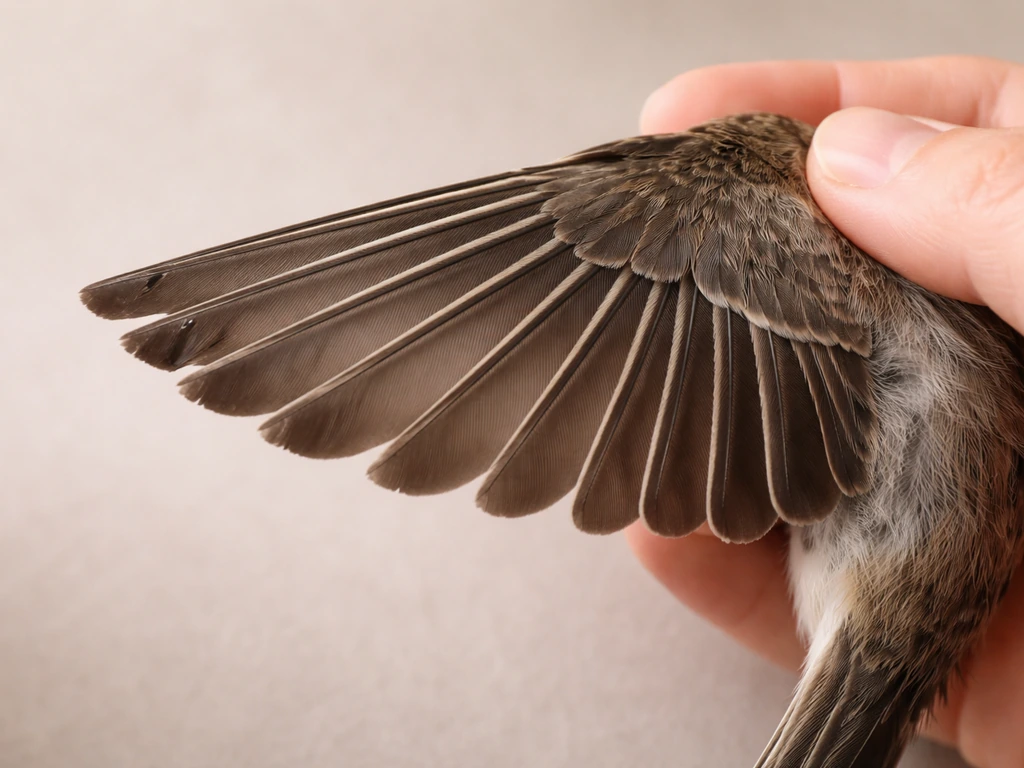
Wing clipping trims the primary flight feathers on one or both wings. It does not cut the wing itself, remove bone or muscle, or permanently alter the bird's anatomy. The feathers grow back after each molt, which means the procedure is temporary by default. That's worth repeating: this is not a permanent modification.
What it does do is limit the bird's ability to generate lift for sustained or upward flight. The RSPCA is clear on this point: wing clipping will not stop your bird from flying entirely. It will stop them flying upward when indoors. So if your mental image is a bird that can't move through the air at all, that's not accurate. A clipped bird can still glide, can still achieve short horizontal movement, and depending on the extent of the clip and the bird's size and muscle mass, may still get some lift. The goal is reduction and redirection of flight capacity, not elimination.
The critical physiological detail that every owner needs to understand is the blood feather. New feathers, also called pin feathers or blood feathers, contain an active blood supply in the shaft while they're growing. Cutting one of these mid-growth causes profuse bleeding and is genuinely painful. Clipping wings can hurt birds if blood feathers are cut, so the key question is whether a safe, mature-feather clip is being done does clipping wings hurt bird. A mature feather has no blood supply in the shaft and can be trimmed without causing the bird any physical discomfort at all. This distinction is the single biggest factor separating a safe clip from a harmful one. If you are also considering feather plucking, it helps to understand how pain, bleeding risk, and stress responses can differ from a properly trimmed clip safe clip.
Is wing clipping cruel? The evidence-based welfare picture
The cruelty question really has two layers: the procedure itself, and the behavioral and psychological consequences of restricted flight. On the procedure, VCA Animal Hospitals and the RSPCA both frame a correctly performed clip (mature feathers only, done by an experienced vet or avian specialist) as causing no pain in the moment. VCA Animal Hospitals describes wing clipping, or “wing trim,” as trimming feathers on the wing to prevent sustained or upward flight, rather than cutting the wing itself, to help reduce escape and exposure to dangerous situations VCA describes wing trim as trimming feathers to prevent sustained or upward flight, not cutting the wing itself. The feather shaft is inert tissue at that point, comparable to cutting a fingernail. The procedure becomes genuinely harmful when blood feathers are cut, which is why DIY approaches without proper feather assessment are a real welfare risk.
The behavioral welfare picture is more nuanced. Flight is how birds regulate stress, express natural behavior, and maintain physical fitness. Restricting it long-term without providing enrichment, mental stimulation, or supervised free-flight time can contribute to frustration, feather-destructive behavior, and muscle atrophy. That doesn't automatically make clipping cruel, but it does mean that clipping alone is never a complete welfare strategy. A clipped bird still needs substantial out-of-cage time, interaction, and opportunities to exercise.
The RSPCA frames clipping as a welfare-negative intervention rather than a neutral safety tool. That's a fair and evidence-grounded position. It doesn't mean the procedure is always wrong, but it does mean the burden of justification sits with the owner. You should be able to articulate a specific, real safety goal before proceeding, not just clip out of habit or convenience.
Why people clip wings, and whether those reasons hold up
Most wing clipping decisions come down to a handful of common motivations. Some are more defensible than others.
| Motivation | Does clipping achieve it? | Welfare trade-off |
|---|---|---|
| Preventing escape through open doors or windows | Partially (reduces upward escape flight, not all flight) | Low if done correctly and temporarily |
| Reducing collision injuries with ceiling fans, glass, or walls | Yes, reduces speed and directional flight capacity | Low if paired with supervised out-of-cage time |
| Taming a new or aggressive bird | Contested; may reduce confidence but doesn't address behavioral root causes | Moderate to high; can increase fear and stress |
| Managing multi-pet households (dogs, cats) | Partial; still leaves bird vulnerable on the ground | High; clipped birds may be more at risk from ground-level predators |
| Reducing owner anxiety about the bird flying away | Yes, functionally | Depends entirely on how well the bird's other needs are met |
The safety applications, particularly collision prevention and escape reduction in homes with hazards, are the most defensible reasons to consider clipping. Using clipping as a shortcut for behavioral training is where the welfare calculus gets troubling. A bird that's fearful or aggressive needs behavioral work, not reduced mobility.
What can actually go wrong (and what probably won't)
The risks of wing clipping fall into two categories: immediate physical risks from the procedure, and longer-term welfare risks from restricted flight. If you are asking about the worst-case scenario, you can learn more about what happens when you shoot a banded bird and how to reduce risk and harm. On the physical side, the main hazard is cutting a blood feather, which causes heavy bleeding and pain. This is not a theoretical concern. It happens regularly when owners attempt DIY clips without knowing how to identify blood feathers by their darker, waxy shaft appearance. Immediate veterinary attention can manage the bleeding, but the injury is real and avoidable.
A second physical risk is an asymmetric clip. If one wing is trimmed significantly more than the other, the bird loses the ability to glide or steer safely when it does fall or drop from a height, and can crash-land with enough force to injure its keel bone or beak. A symmetrical clip, done by someone who knows what they're doing, allows the bird to glide safely to the ground rather than plummeting.
On the behavioral side, clipped birds that spend most of their time in the cage without enrichment can develop repetitive behaviors, feather-destructive tendencies, or become increasingly fearful. This isn't inevitable, but it's a real outcome when owners treat clipping as a set-it-and-forget-it solution. Clipping changes the management responsibility: you've reduced one risk by introducing another, and you have to actively compensate.
What probably won't happen: clipping does not cause immediate or lasting psychological trauma in birds that receive good ongoing care. It does not prevent a bird from ever exercising. It does not cause chronic pain. The folklore around wing clipping being a form of mutilation comparable to declawing cats overstates what the procedure does, especially given that feathers grow back. That said, the comparison to feather-related interventions like plucking is worth noting, since any procedure involving feathers carries some physical risk when done improperly.
Humane alternatives that solve the same problems
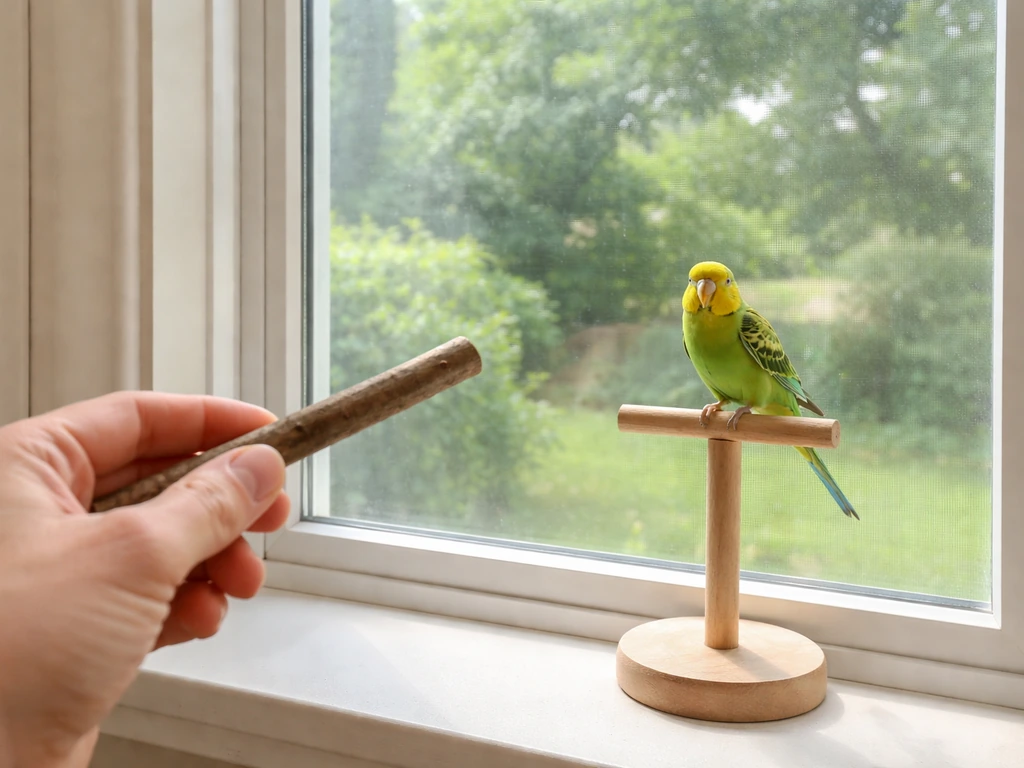
Before deciding to clip, it's worth honestly assessing whether one of these alternatives solves your actual problem without any of the welfare trade-offs.
- Flight training and recall: Teaching your bird to fly to you on command addresses the escape and handling concerns that clipping is often meant to solve, without restricting flight at all. It takes time and consistency, but it builds a genuinely safer bird.
- Target training: A bird trained to touch a target stick on cue can be guided away from hazards, redirected during free-flight sessions, and managed in multi-room households without any physical restriction.
- Environmental modification: Removing or securing ceiling fans before free-flight sessions, adding window decals or screens to prevent glass collisions, and keeping other pets out of the bird's flight space during supervised time eliminates most collision and escape hazards.
- Flight harnesses: For outdoor time, a properly fitted bird harness lets a bird experience the outdoors safely without either clipping or risking escape. It takes patience to train a bird to accept a harness, but it's a legitimate option for birds that are outdoors regularly.
- Secure aviaries or bird-safe rooms: A dedicated room where doors and windows are managed, hazards removed, and the environment is optimized for the bird allows full flight without escape risk. This is the most enrichment-positive option of all.
- Supervised free-flight time in a controlled indoor space: Even without a dedicated bird room, scheduling daily supervised flights in a cleared, hazard-checked area meets a bird's behavioral needs while keeping safety manageable.
None of these alternatives require zero effort. But neither does responsible ownership after a clip. The behavioral and environmental work required post-clip is roughly comparable to what these alternatives ask of you upfront, so the effort argument for clipping is weaker than it first appears.
How to make the decision and what to do next
If you're genuinely weighing whether to clip your bird's wings, here is a practical decision sequence you can work through today.
- Define the specific hazard or problem you're trying to solve. 'I want the bird to be safer' is not specific enough. 'My apartment has a ceiling fan that can't be turned off' is. Be concrete about what's actually at risk.
- Ask whether an environmental change solves it first. Can you add a screen, remove the hazard, change a routine? If yes, start there. It costs nothing and creates no welfare trade-offs.
- If you decide clipping is appropriate, book a consultation with an avian veterinarian, not a general practice vet who sees birds occasionally, and definitely not a groomer. An avian vet will assess whether your bird has active blood feathers, determine the appropriate clip style for your bird's species and size, and perform the procedure safely.
- Ask the vet specifically about a symmetrical clip and confirm they'll check for blood feathers before trimming anything. These are not unreasonable questions and any competent avian vet will welcome them.
- Plan your post-clip management before the appointment. Decide how much supervised out-of-cage time the bird will get daily, what enrichment you'll add, and how you'll monitor for behavioral changes in the weeks following the clip.
- Schedule the follow-up molt check. As feathers grow back, the bird's flight capacity will return. You'll need to reassess at each molt whether re-clipping is still necessary, or whether your circumstances have changed enough to let the bird remain fully flighted.
The bottom line is that wing clipping sits somewhere between 'clearly fine' and 'clearly cruel' depending entirely on execution and aftercare. Done by a professional, at the right time, for a specific real-world safety reason, and followed by active behavioral and environmental support, it is a defensible low-harm intervention. Done by an uninformed owner on a bird with active blood feathers, without any supporting care plan, for reasons that could be solved by moving a ceiling fan, it crosses into genuine animal welfare concern. Your job today is to figure out honestly which of those scenarios you're in. Culling a bird is a different, much more severe action, and it involves lethal removal rather than any change to flight ability.
FAQ
How can I tell if my bird’s feathers I’m trimming are safe, not blood feathers?
Look for dark, translucent or waxy shafts and any signs the feather is still in active growth, like obvious swelling at the base or a soft, bleeding-prone quill. If you cannot confidently distinguish a mature feather from a blood feather, do not clip. A safe approach is to have an avian vet or trained avian groomer assess the exact feathers to be trimmed first.
Is it safe to clip at home if I watch videos and buy the right scissors?
Even with the right tools, home clipping can become harmful because owners often misidentify blood feathers and underestimate how much feather depth to remove. Another common mistake is applying uneven pressure or trimming one wing more than the other. If you cannot demonstrate accurate feather identification and a symmetrical plan, professional help is the safer default.
What bleeding or injury should I watch for after a clip, and what should I do immediately?
If bleeding starts from a feather shaft, treat it as an emergency call, not a minor mishap, because blood feathers can bleed heavily. Use clean pressure and contact an avian vet promptly for guidance. Also monitor for lethargy, fluffed posture that persists, or refusal to eat, since these can indicate more than a simple feather injury.
How much time after a clip should my bird spend indoors versus having access to open space?
A clip can reduce upward flight, but it does not remove the need for movement and mental stimulation. Plan daily supervised out-of-cage time in a controlled room with hazard reduction, so your bird can glide safely, exercise, and remain socially engaged. If your bird ends up spending most time in a bare cage after clipping, welfare risk increases.
Will clipping prevent accidents like hitting windows or ceiling fans?
Clipping can reduce some flight height and upward movement, but it does not replace environmental fixes. Window strikes, ceiling fans, and hot surfaces can still injure a clipped bird if it drops or moves laterally. The most effective mix is physical hazard management (screens or covers, fan guards, room layout) plus training for safe routines.
Does clipping affect the bird’s ability to balance on perches and recover from falls?
Yes, because uneven or overly short wing trimming can reduce steering and safe gliding when a bird slips or drops from a height. To lower crash risk, ensure perches are stable and lower than you think you need, and avoid high unsupervised jumps. If you see difficulty landing or frequent clumsy drops, reassess the clip extent with a professional.
How soon do feathers grow back, and will I need repeat clips?
Feathers regrow after molting, but exact timing depends on species and individual molt patterns. Many owners are surprised by how quickly partial regrowth changes how the bird moves. Reevaluate your safety goal at each molt, and avoid reflexively reclipping without checking for blood feathers and current behavior.
Can wing clipping help with fear or aggression problems?
Clipping is generally a poor substitute for behavioral work. If the bird is fearful or aggressive, reducing flight is unlikely to address the underlying trigger, and the bird may become more stressed when it can no longer choose safe escape behaviors. A better next step is to consult an avian behavior professional to design a desensitization and management plan.
Is it cruel to clip only one wing, or is symmetry required?
Symmetry matters. An asymmetric clip can remove the ability to glide and steer safely, increasing crash-landing and injury risk. If only one wing was clipped due to a specific reason, that plan should be discussed with a vet or avian specialist so you understand how your bird will recover from falls.
What are better alternatives if my main concern is safety or risk at home?
Often the highest-impact alternatives are environmental changes, routine training, and increased supervision, such as lowering perches, removing hazards, adding window protection, and providing safe target or step-up training. If you need the bird indoors to be reliably safer during the day, these measures can reduce the need for restrictive interventions.