
If you shoot a banded bird, two things happen almost simultaneously: the bird suffers a real biological injury or death, and you have likely violated federal law. That is true whether the band is a research marker, a hunting study tag, or a raptor tracking device. The band does not change the bird's legal status, and it does not give you a pass. What you do in the next few minutes matters enormously, both for your legal standing and for the scientific value that can still be recovered from the situation.
What Happens When You Shoot a Banded Bird: Next Steps

Marcus Whitmore
18 May 2026
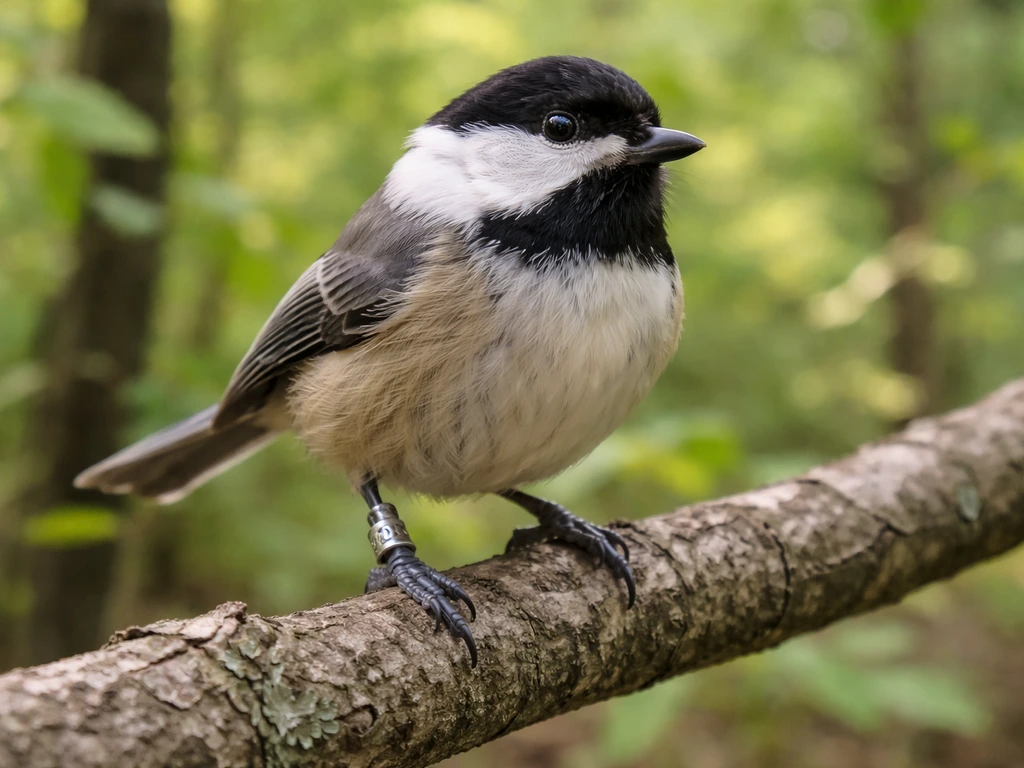
Legal and ethical reality: banded birds are protected wildlife
Most banded birds in North America are migratory species covered by the Migratory Bird Treaty Act (MBTA), codified at 16 U.S.C. § 703. That law makes it unlawful, without a permit, to pursue, hunt, take, capture, kill, possess, or transport migratory birds, their parts, nests, or eggs. The word 'unlawful' here is not vague. Depending on intent and circumstances, violations can be charged as misdemeanors or felonies, with felony convictions carrying up to two years in federal prison plus fines.
The critical point that trips people up: a band does not mean the bird is exempt from protection. Some people assume that if a bird is already enrolled in a research study, shooting it is somehow a lesser offense or even implicitly authorized. It is not. The band is placed on the bird by a federally licensed bander precisely because the bird is protected. Shooting it is still a taking under the MBTA unless you hold a valid hunting permit and the species is a legal game bird in season. Even then, you are obligated to report the band.
Ethically, the picture is similarly clear. Banded birds represent years of research investment. Each recapture or recovery adds a data point to population models that drive conservation policy and, in the case of game species, hunting regulations. Destroying that data carelessly is not a neutral act. If you are a licensed hunter who legally harvested a banded duck or dove, reporting the band is part of your obligation and your contribution to the science that keeps seasons open.
What actually happens to the bird biologically
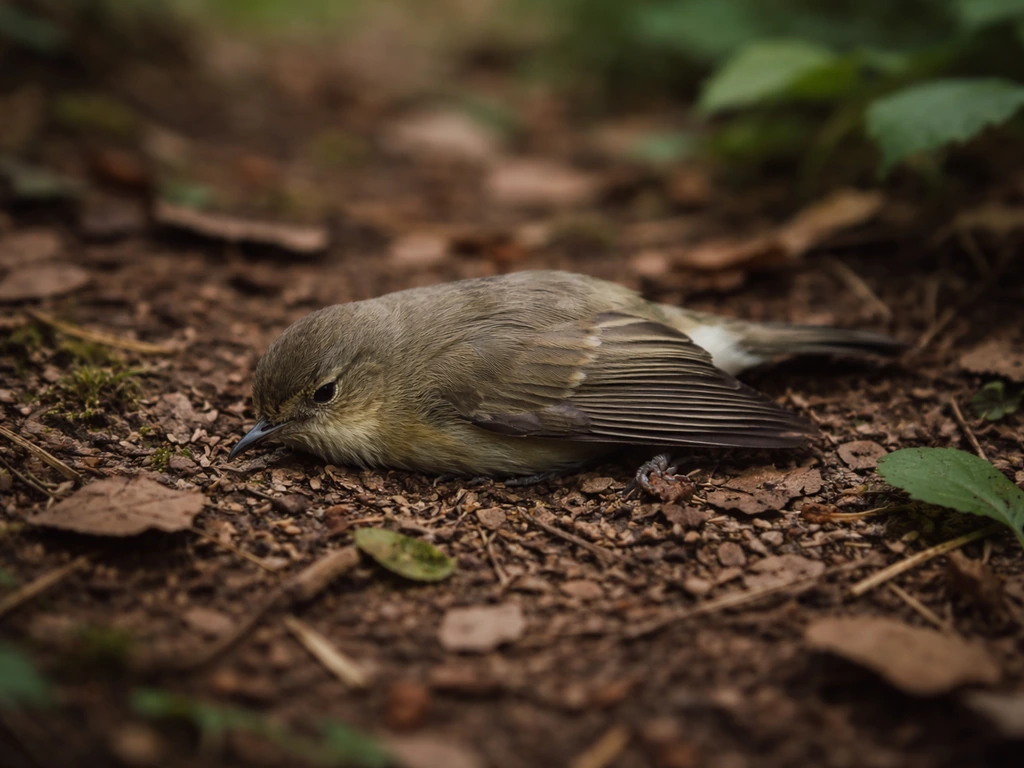
Shooting a bird is rarely a clean, immediate event in biological terms. The visible injuries can be severe even when you do not immediately see blood or obvious damage is bird banding cruel. Outcomes depend on the species, the shot type, the range, and the anatomy hit. The range of possible outcomes looks like this:
- Immediate death: Direct hits to the brain, spine, or major vessels cause rapid loss of consciousness and death within seconds. This is the least-suffering outcome.
- Delayed mortality: A bird struck in the wing, leg, or abdomen may fly or move away but die hours or days later from blood loss, organ failure, infection, or predation while incapacitated. This is common and often overlooked.
- Non-lethal injury with permanent impairment: Fractured wings that do not receive veterinary care typically render wild birds flightless, which is effectively a death sentence in the field.
- Survival: Occasionally, a grazing shot causes only soft-tissue damage and the bird recovers, especially larger species. This is the exception, not the rule.
For anyone thinking about welfare, delayed mortality is the outcome that deserves the most attention. A visibly injured bird that escapes into cover is not 'fine. If you are thinking about welfare, delaying mortality and distress are major reasons people question whether clipping bird wings is cruel. ' It is likely in significant distress and will die within days. If you can safely retrieve the bird, doing so reduces suffering and also preserves the band for reporting. If you cannot retrieve it, noting the direction of flight and the location is still useful information for reporting.
There are also secondary hazards worth knowing. Shot fragments and lead pellets remain in carcasses and can poison scavenging raptors like eagles and vultures that feed on them. This is a documented, measurable problem in populations of bald eagles and California condors. Non-toxic shot requirements exist in many hunting contexts for exactly this reason.
What a bird band actually is and what it tells us
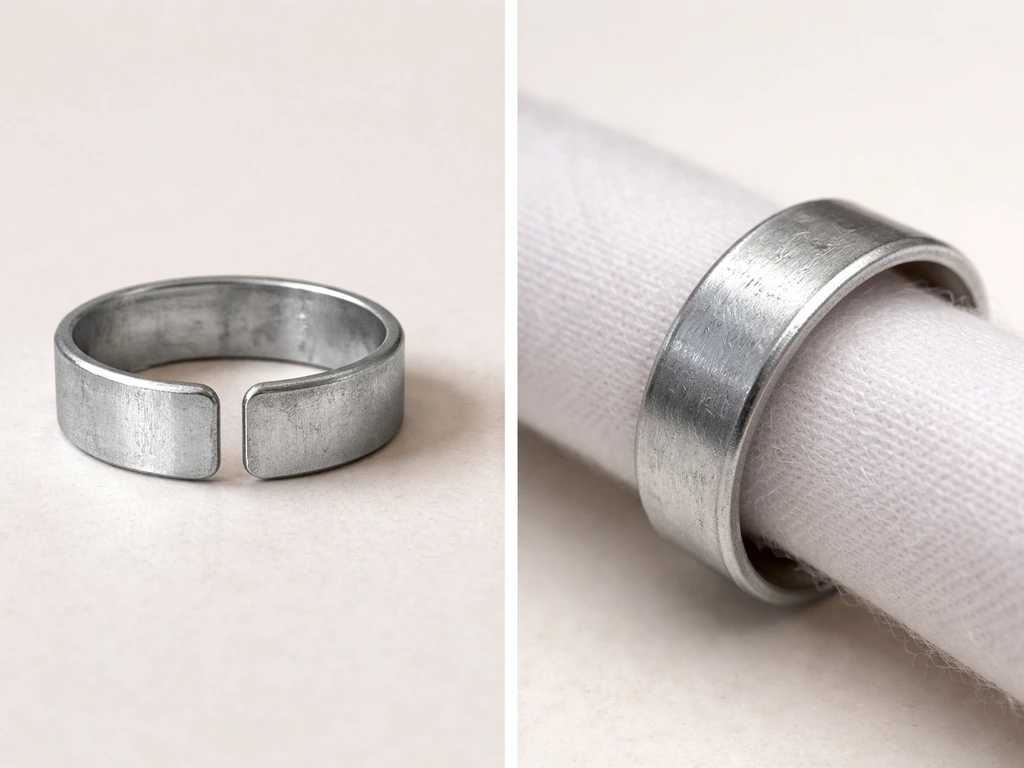
Federal bird bands in the United States are small, relatively soft aluminum rings, supplied by the USGS Bird Banding Laboratory to federally licensed banders. They are stamped with a unique numeric code and a contact instruction (typically a 1-800 number and a web address for reporting). Canadian bands are issued by the Canadian Wildlife Service under a parallel system. The two programs coordinate through the North American Bird Banding Program.
Each band number is linked in the USGS database to the species, sex (if determinable), age at banding, banding location, banding date, and the identity of the licensed bander. When you report a recovered band, that encounter data gets merged with the original capture record to produce a 'recovery.' The data contributes to survival rate estimates, migration route mapping, and population trend analysis. It directly informs how hunting seasons are set for migratory game species.
Bands come in several types beyond the standard aluminum butt-end band. Color bands, flag bands, neck collars, and tarsal transmitters are all used depending on the species and study goals. Some raptors carry satellite or GPS transmitters. If the bird you shot is carrying electronics, the equipment itself has significant scientific value and should be protected and reported. The researcher on the other end of that transmitter may have been actively tracking that individual bird for years.
The USGS Bird Banding Laboratory receives over 60,000 band encounter reports from hunters alone each year. That number tells you two things: first, encountering banded birds during legal hunting is genuinely common, and second, the reporting system is well-established and not intimidating to use. Most hunters who legally harvest a banded bird report it without incident and receive a certificate of appreciation in return.
What to do right now
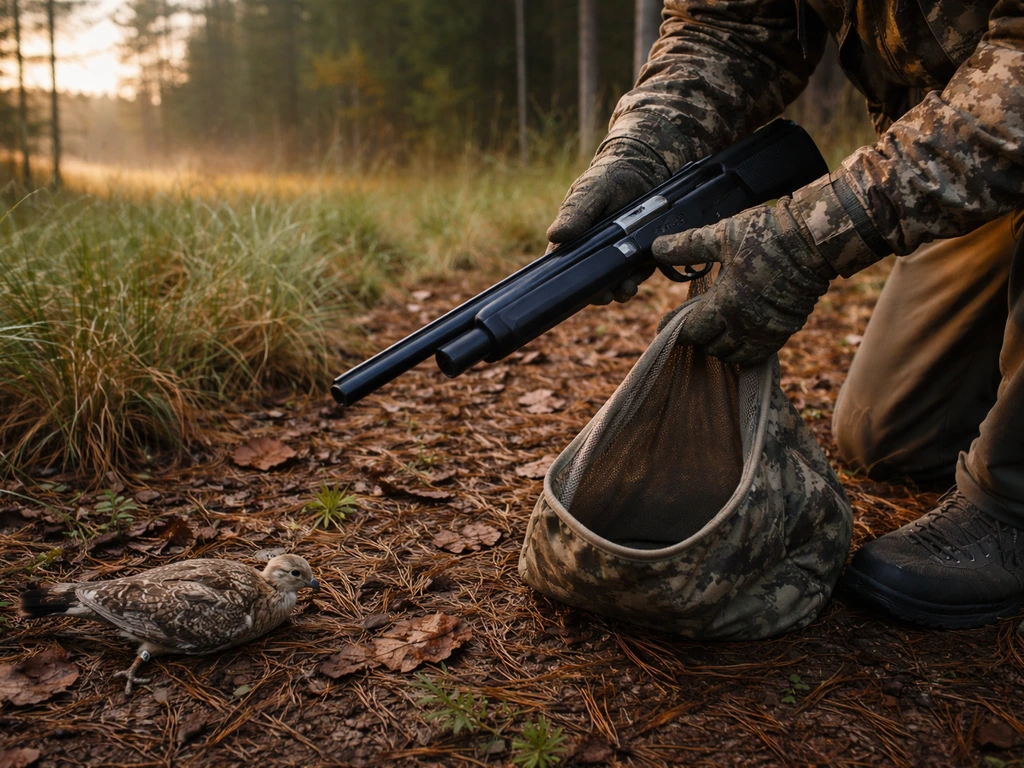
If you have just shot a banded bird, or you are trying to figure out what to do in the immediate aftermath, here is the sequence to follow.
- Ensure personal safety first. If you are in the field, safe firearm handling takes priority. Clear and safe your firearm before approaching the bird.
- Retrieve the bird if you can do so safely. A recovered bird allows you to read the band number accurately, preserve any attached equipment, and end the bird's suffering if it is still alive and injured.
- If the bird is still alive and injured, contact a licensed wildlife rehabilitator. Your state wildlife agency's website will have a list. Do not attempt to treat or house the bird yourself without authorization.
- Photograph the band in place on the bird's leg before removing it. Get a clear shot of the number. Photograph the whole bird as well, showing species and any other markers or equipment.
- Write down or photograph: your precise location (GPS coordinates if available), the date and time, the species (or your best identification), and any details about the band color, size, and additional markers.
- Report the band to the USGS Bird Banding Laboratory. The easiest method is online at the USGS reporting portal. You will be asked for the band number, date of encounter, location, how the bird was found, and your contact information.
- If the bird is dead and you have reported it, USGS policy allows you to remove and keep the band as a memento after reporting.
- If you believe the shooting was accidental or you are unsure of the legality, contact your state or provincial wildlife agency to disclose the incident. Early, voluntary disclosure typically looks far better in any enforcement context than being discovered later.
How to check regulations and find the right contacts
Regulations vary by species, location, and time of year, so 'what applies to me' requires checking a few specific sources rather than relying on general guidance.
| Who to contact | When to contact them | What they handle |
|---|---|---|
| USGS Bird Banding Laboratory (reportband.gov) | Immediately, for any banded bird encounter | Band registration, data entry, certificates of appreciation |
| U.S. Fish and Wildlife Service (USFWS) | If you are unsure about federal permit status or MBTA exposure | Federal migratory bird permits, MBTA enforcement |
| Your state fish and wildlife agency | For state-specific regulations, licensing questions, and voluntary disclosure | State hunting licenses, state-listed species, enforcement referrals |
| Canadian Wildlife Service (for Canadian locations) | If the encounter occurred in Canada or involves a Canadian-banded bird | Canadian banding records, migratory bird regulations under MBCA |
| A licensed wildlife rehabilitator | If the bird is injured and alive | Emergency care, transport authorization |
Timelines matter here. The faster you report, the more useful the data is, and the stronger your position is if enforcement becomes a concern. USGS band reporting has no hard deadline, but reporting within days rather than weeks is the standard expectation. If you are disclosing an unlawful taking to a state or federal agency, do it before they contact you.
For hunting-related encounters during legal season, many state agencies actually encourage band reporting as part of harvest surveys. Waterfowl hunters in particular will find that reporting a banded mallard or pintail is a routine process with zero penalty attached, as long as the harvest itself was legal.
Myths and misconceptions worth clearing up
Myth: The band protects the bird
The reality is that a band is a data collection tool, not armor. Federal aluminum bands are described by USGS as relatively soft. They do not protect the leg from injury, they do not shield the bird from being shot, and they convey no special 'do not disturb' status in the field. Seeing a band on a bird means only that a licensed bander has already captured and released it, not that the bird is off-limits to natural predation, accidents, or legal harvest.
Myth: Shooting a study bird 'doesn't count' because it's already tagged for research
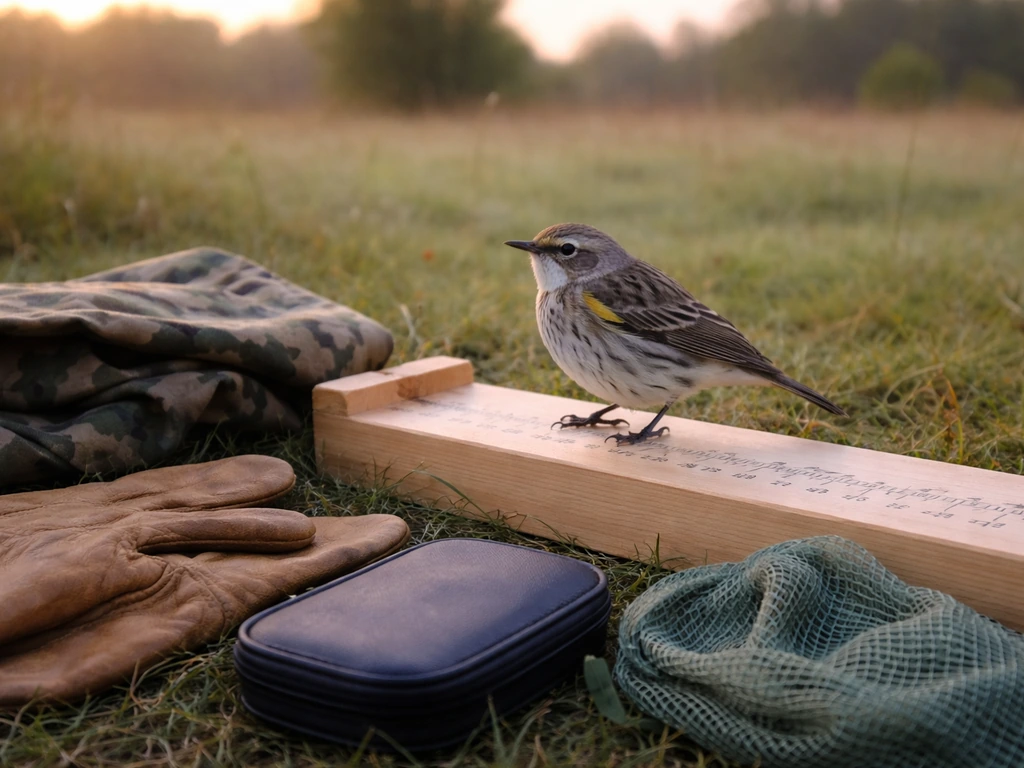
This is one of the more persistent misconceptions and it is completely false. A banded bird enrolled in a research study has the same legal protections as any other individual of its species. The band does not constitute researcher consent for the bird to be shot. If anything, banded birds of certain species (raptors, for example) are more likely to represent active, high-investment research subjects. Shooting a satellite-tagged golden eagle, for instance, is a significant federal offense regardless of the fact that a researcher 'knew where it was.'
Myth: All bands are uniquely traceable in a predictable, immediate way
The reality is more nuanced. Standard federal numeric bands are linked to a record in the USGS database, and reporting the number does produce a traceable recovery. However, color bands, flag bands, and field-readable markers are often used in combination and their interpretation can require contact with the specific research team that deployed them. Not every color combination or band position is centrally registered in the same way. If you find a bird with an unusual banding setup (multiple colors, a neck collar, wing tags), report it to the USGS and describe all markers carefully, as they may need to route the information to the original researcher directly.
Myth: Banded birds are 'hardened' or habituated and less wild than unbanded birds
Some people assume that because a bird has been handled by researchers, it is somehow domesticated or less deserving of full legal protection. This is folklore with no biological basis. Wild birds that are banded are typically captured, processed, and released in minutes. The experience does not domesticate them or alter their legal status.
They are wild animals with the full protection that status entails. People sometimes wonder whether plucking feathers from a banded bird is harmless, but feather removal can still harm the bird and needs special caution pluck its feathers. This is the same false reasoning sometimes applied to questions about whether caging or clipping wild birds changes their nature, and the answer there is equally clear: handling does not strip an animal of its wildness or its protections.
Clipping wings or otherwise altering wild birds can cause harm and does not remove their legal protections clipping wild birds.
Myth: Reporting a banded bird will automatically get you in trouble
For legal harvests, reporting is not just safe but expected and even rewarded with a certificate from the USGS. The 60,000-plus reports hunters file every year are welcomed data, not law enforcement traps. If your harvest was legal and in season, reporting the band is the correct and straightforward thing to do. The concern about legal exposure only applies when the taking itself was unlawful, and in that case, voluntary disclosure still tends to produce better outcomes than silence.
FAQ
What should I do first if I realize after the shot that the bird was banded?
Treat it as an urgent welfare and reporting situation. If the bird is alive or bleeding, use safe retrieval if you can do so without endangering yourself or damaging the band, then note exact location, time, and direction of flight. After that, report the band immediately with the band number and your harvest or recovery details.
If the bird falls and I cannot find the band, do I still need to report anything?
Yes, report what you can. Provide the species, location, date, and any visible markers (band position, color, collar, tags). If no number is readable, follow the reporting instructions to capture as much identifying detail as possible, because band researchers may still be able to connect your record.
Does shooting a banded bird count as illegal even during hunting season if the species is in season?
Often yes, unless the specific take was lawful for that species and you meet the reporting obligations. The article’s key idea is that the band does not reduce legal protection. If you are uncertain whether the bird was a legal game species for that time and place, assume it is not a safe bet and verify before proceeding or before deciding you do not need to report.
What if the banded bird was a raptor or a species that is not allowed to be hunted where I am?
Then shooting it is a high-risk federal offense regardless of the band type, including colored bands or transmitters. In that scenario, you should avoid trying to “fix” the situation yourself by disposing of the bird, because documentation from location and timing is often more important for enforcement and recovery than the physical condition of the carcass.
I shot the bird but it ran off, and I never recovered it. How can I report a recovery in that case?
Report as a sighting recovery, not a carcass recovery. Include your last known location, approximate distance traveled, whether the bird was limping or otherwise injured, and the band description (numeric digits if visible, colors and placement if not). Even without a body, the timing and flight direction can still be valuable for researchers.
Does the reporting contact on the band always go to USGS, or could it be a researcher?
Either can be involved. Numeric federal bands usually route through the band reporting instructions, but color bands, collars, and especially electronic tags may require contacting the original research team. If the band has a specific contact instruction, follow that first, and also include a note describing any electronics you noticed.
If the bird has a satellite or GPS transmitter, should I try to remove it to preserve it?
Only if you can do it safely and legally where you are. Prioritize the bird’s welfare if it is alive, then report and preserve the entire unit if you recover it, including wiring and mounting hardware. Avoid tampering or cutting components unnecessarily, because that can reduce the scientific value of the recovered device and complicate chain-of-custody for reporting.
Will reporting make me look worse legally, even if I think the take was accidental?
Reporting is not a substitute for legal advice, but in practice it usually provides clearer facts than silence. The article notes there is no hard deadline for USGS band reporting, and that voluntary disclosure tends to produce better outcomes than hiding the incident. If you believe the take may be unlawful, consider contacting the relevant agency as instructed and be factual and specific.
What details should I write down before I call or submit the report?
Write down: exact location (nearest town or coordinates if possible), date and time, species (and subspecies if known), number on the band (or a detailed description if unreadable), sex or age cues if determinable, and whether you recovered the bird or only observed it. Also record what you were doing at the time (hunting, photography, falconry context), because intent and circumstances matter.
Are color bands or neck collars treated differently from numeric aluminum bands?
They can require different interpretation. The article explains that unusual banding setups may not all be centrally registered the same way. When reporting, describe the entire setup carefully, including colors, placement, and any additional markers, because the researchers may need those specifics to match your observation to the correct individual.
Can I keep the banded carcass or feathers as a souvenir?
In many cases, keeping parts can still trigger legal obligations because the law covers possession of migratory bird parts without the proper authorization. Even if a banded bird was legally harvested, confirm local rules and follow reporting instructions, since feather removal and possession rules can vary by jurisdiction and species.
What if I see a banded bird later (not related to a shot), and it appears injured?
Don’t assume it is safe to ignore. Report it to the appropriate wildlife agency or the band reporting contact if the band number is readable. Not all injured outcomes are obvious, and alerting the right group can help both welfare response and band recovery data.
Is it ever acceptable to release a banded bird I find injured, after I retrieve it?
If you can safely support the bird without handling beyond what is necessary, prioritize professional help. Releasing it without understanding species-specific stress responses can worsen outcomes, and prolonged handling can cause additional injury. If the bird has a visible band number, document it first, then contact the proper wildlife authority.