
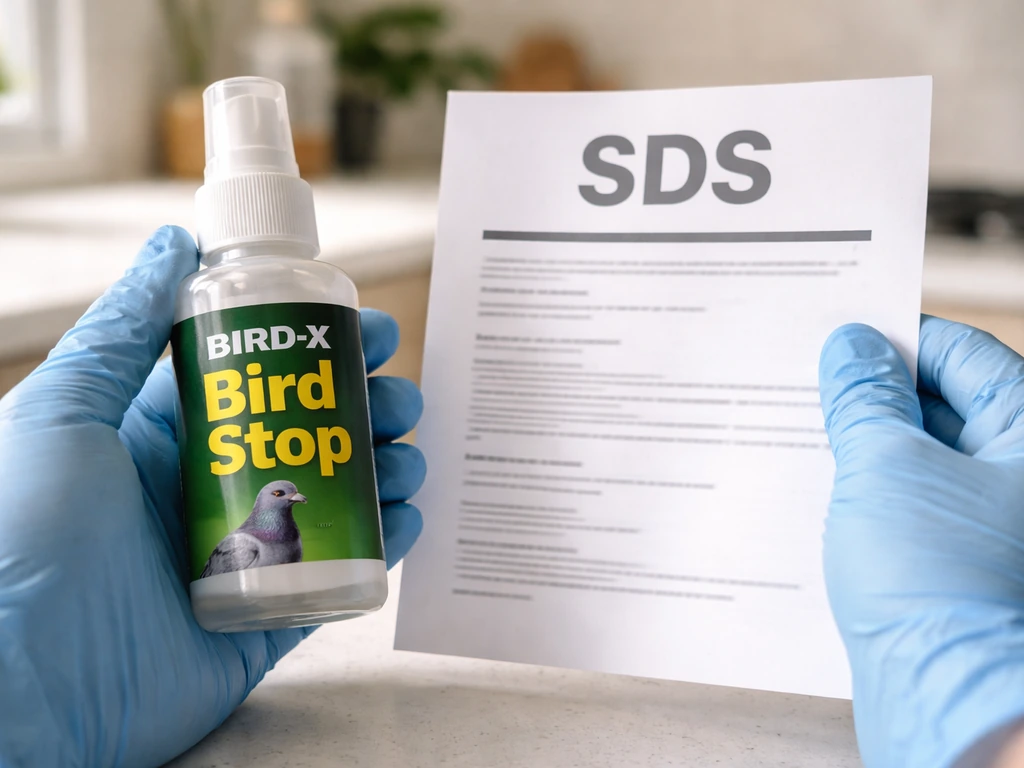
Bird Stop, the liquid bird deterrent made by Bird-X, is not a poison. Its active ingredient is methyl anthranilate, a naturally derived compound that irritates birds' sensory receptors and drives them away without killing them. For humans and most pets, it's classified as a skin and eye irritant, not a systemic toxin. That said, 'not a poison' doesn't mean 'completely harmless,' and if you're dealing with an actual exposure right now, the details matter: how much, by what route, and who was exposed.
Is Bird Stop Toxic? Ingredients, Risks, and First Aid

Marcus Whitmore
19 Jun 2026
First: Make Sure You Have the Right Product
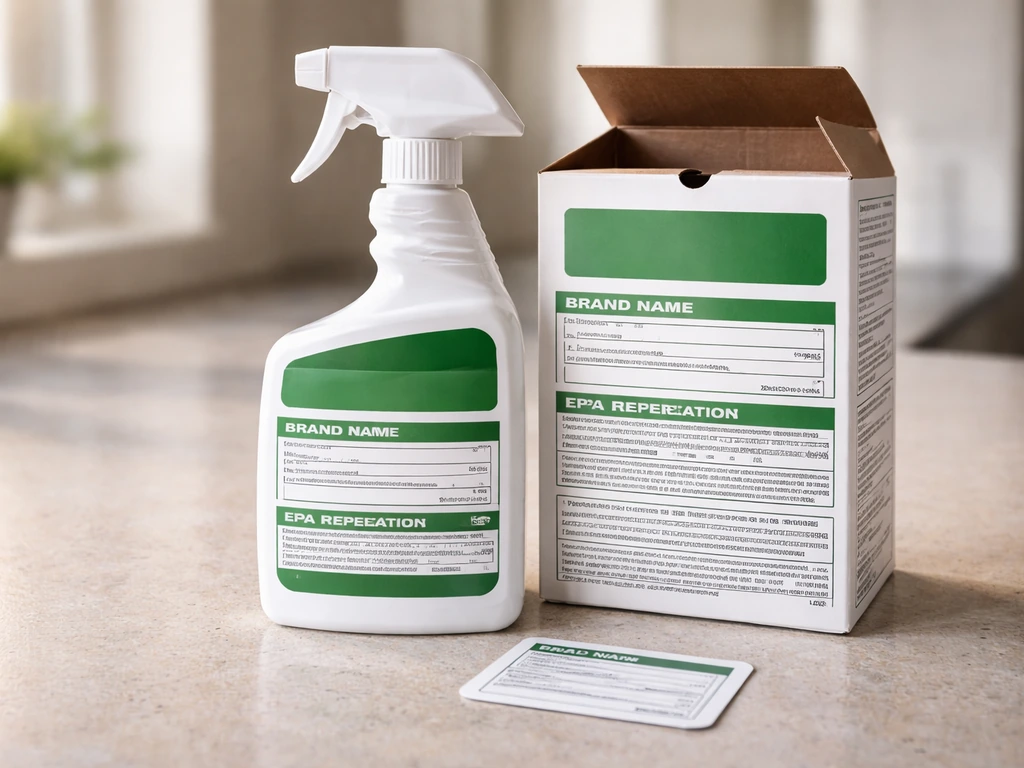
The name 'Bird Stop' gets used loosely online, and that's the first problem to sort out. The most widely referenced commercial product is Bird Stop by Bird-X, a liquid repellent whose active ingredient is methyl anthranilate at 26.4% concentration. But there are other bird deterrents, gels, granules, and sprays sold under similar names or described as 'bird stop' in generic terms. Before you assess any risk, you need to know exactly which product you're holding.
Check the label first. Look for the brand name, active ingredient listing, EPA registration number, and the manufacturer's name. If you have the Bird-X Bird Stop liquid, you're dealing with a methyl anthranilate product, and the rest of this article applies directly. If you want the quick overview, you can think of Bird Stop liquid as a methyl anthranilate repellent formulated to make treated areas unpleasant for birds what is bird stop liquid. If the product has a different active ingredient, such as polyisobutylene (a sticky gel), capsaicin, or a chemical repellent like naphthalene, the risk profile changes substantially. When in doubt, pull the Safety Data Sheet (SDS) from the manufacturer's website or call the number on the label.
What's Actually in Bird Stop: Ingredient by Ingredient
The Bird-X Bird Stop SDS identifies methyl anthranilate (CAS 134-20-3) as the key active ingredient at 26.4%. Understanding what this compound actually does, and what it doesn't do, clears up a lot of the confusion around whether Bird Stop is 'toxic.'
Methyl Anthranilate
Methyl anthranilate is the same compound that gives Concord grapes their characteristic smell. It's used as a food flavoring and fragrance ingredient. Its bird-repellent action works through the trigeminal sensory system: it stimulates pain-receptor pathways in birds' nasal and oral tissue, which makes the treated area feel intensely aversive. Birds don't get poisoned; they just find the area unbearable and leave. blank" rel="noopener noreferrer">In regulatory terms, the EPA registered methyl anthranilate as a reduced-risk biochemical pesticide. Health Canada's assessment of methyl anthranilate end-use products (including similar formulations) describes it as having low acute oral and dermal toxicity, and not a likely skin sensitizer.
The animal toxicity data backs this up. PubChem reports an oral LD50 of 2,910 mg/kg in rats, which puts it in the 'low toxicity' category by standard regulatory frameworks. For context, that's a very high dose threshold before you'd see lethal effects even in a small animal. Rabbit skin studies show moderate irritation under occlusion at 24 hours; rabbit eye studies show corneal effects that resolved within 8 to 21 days.
Carrier Ingredients and Inert Components
Like most pesticide formulations, Bird Stop contains carrier solvents and inert ingredients that make up the remaining roughly 73.6%. These are not publicly detailed on the SDS, which is standard practice. However, the overall product hazard classification issued by Bird-X is limited to skin and eye irritation, which suggests the carrier system is not a significant independent hazard. If you need the full ingredient breakdown for medical reasons, contact Bird-X directly or request the full SDS from your distributor, then share it with your physician or the Poison Control center.
| Ingredient | Classification | Hazard Level | Notes |
|---|---|---|---|
| Methyl anthranilate (26.4%) | Active repellent | Low systemic toxicity / irritant | LD50 2910 mg/kg oral rat; eye and skin irritant per SDS |
| Carrier/inert ingredients (~73.6%) | Formulation components | Not independently classified | Specific identity not publicly disclosed; overall product classified as irritant only |
| Product overall | Pesticide (biochemical) | Irritant (H315, H319) | Not classified as acutely toxic, carcinogenic, or mutagenic |
Real Risk by Exposure Type: People, Pets, and Birds
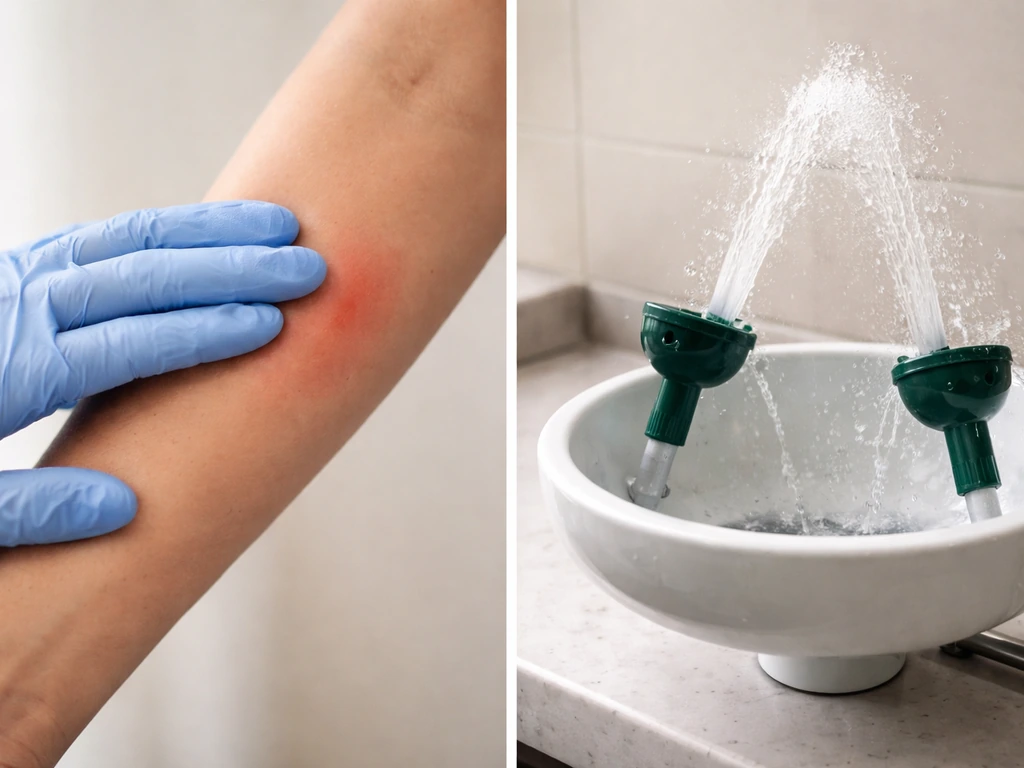
The official GHS hazard statements on the Bird-X Bird Stop SDS are H315 (causes skin irritation) and H319 (causes serious eye irritation). There is no H300/H301/H302 (acute oral toxicity) classification and no H334 (respiratory sensitizer) classification on record. That framing matters. An irritant causes local discomfort at the exposure site; a systemic toxin causes organ damage. These are not the same thing, even though people often use 'toxic' as a catch-all.
Humans
For an adult who gets Bird Stop on their skin, expect redness, stinging, and irritation at the contact site. Eye contact is the more serious scenario: the SDS classifies this as 'serious eye irritation,' consistent with the rabbit eye data showing corneal effects. That's not something to wave off, but it's also not the same as a corrosive chemical burn.
If ingested, methyl anthranilate's very low toxicity profile and high LD50 mean that accidental small-quantity ingestion (licking fingers after handling, for example) is unlikely to cause systemic harm, though GI irritation is possible. That is why it is so absurd to swallow a bird instead of treating a deterrent as an exposure that can cause irritation rather than poisoning accidental small-quantity ingestion. Inhaling the mist during application can cause respiratory irritation, particularly in enclosed spaces.
Someone with asthma or chemical sensitivities may react more strongly.
Dogs and Cats
Dogs and cats are not birds, and their trigeminal response to methyl anthranilate is not the same. That said, if a pet walks through a freshly treated surface and then licks its paws, it may experience oral irritation, drooling, or GI upset. Skin contact can cause local irritation. The compound's low oral LD50 in rats provides some reassurance that small accidental ingestion is unlikely to be life-threatening, but this doesn't mean it's consequence-free. A small cat ingesting a concentrated dose from a puddle of spilled product is a different scenario from a dog sniffing a dried, treated surface.
Pet Birds
This is where the question gets genuinely complicated. Because Bird Stop is designed to trigger intense sensory distress, bird blood is not the main concern, but exposure can still be dangerous for pet birds. Bird Stop is designed to affect birds' trigeminal sensory system, which is actually more sensitive in birds than in mammals.
A pet bird in the same room where Bird Stop is being sprayed, or housed near a treated surface, may experience significant respiratory or sensory distress. Pet birds have notoriously sensitive respiratory systems: what causes mild irritation in a human can cause serious harm to a parrot or canary. Never use Bird Stop in any enclosed space where pet birds are present, and keep them well away from treated outdoor areas until the product has fully dried and dispersed.
Wildlife
For wild birds, Bird Stop is designed to deter, not harm. Because drowning can be harmful or fatal to birds, it is not a humane way to deal with them deter, not harm. Birds exposed to treated surfaces fly away; they don't die from it. This is a deliberate design feature and part of why methyl anthranilate products received EPA reduced-risk status. However, if wildlife (including birds, squirrels, or other small animals) ingests a concentrated pool of spilled product, there's potential for irritation-based harm even if systemic toxicity is low. Keep spills contained and cleaned up promptly.
What to Do Right Now If There Was an Exposure
Don't wait to figure out the theoretical risk level. Here's what to do based on how the exposure happened, right now.
Skin Contact
The SDS first-aid instruction is straightforward: wash the affected area with plenty of soap and water (SDS precautionary statement P302+P352). Remove contaminated clothing. If irritation persists after washing, or if you see blistering, seek medical attention.
Eye Contact
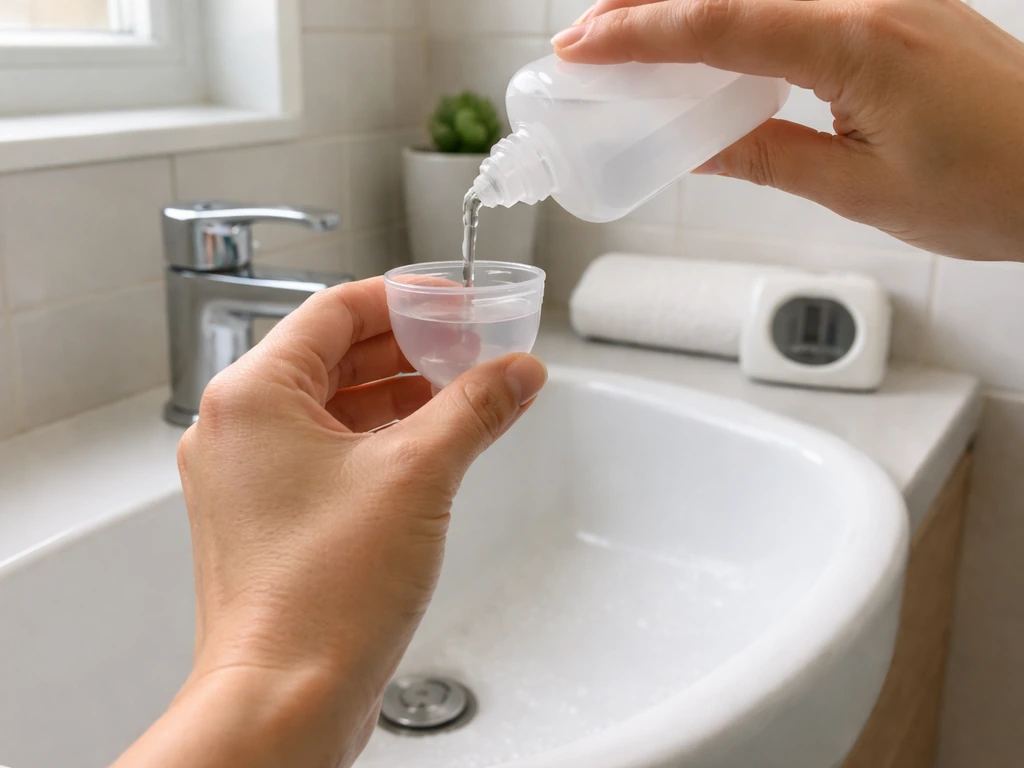
Flush your eyes with clean water or normal saline immediately. PubChem's toxicology summary for methyl anthranilate recommends flushing for 20 to 30 minutes. Don't rub your eyes. Remove contact lenses if present and easy to remove, then continue flushing. After rinsing, contact a hospital or poison control center, even if symptoms seem to be improving. The 'serious eye irritation' classification means you should not assume this resolves on its own without monitoring.
Ingestion
Do not induce vomiting unless specifically instructed to by poison control or a medical professional. Rinse your mouth with water. Call the US Poison Help Line immediately at 1-800-222-1222. Have the product label or SDS in front of you when you call so you can provide the exact ingredients and concentration.
Inhalation
Move to fresh air immediately. If breathing is difficult or does not improve quickly, call emergency services (911). For mild symptoms like throat irritation or coughing that resolve in fresh air, monitor for a few hours. Anyone with asthma or underlying respiratory conditions should contact a doctor even if symptoms appear mild.
Pet Exposure
If a dog or cat was exposed, contact the ASPCA Animal Poison Control Center at 888-426-4435 or Pet Poison Helpline at 855-764-7661. Both lines are available 24/7. Have the product name, active ingredient (methyl anthranilate, 26.4%), and an estimate of the quantity and route of exposure ready. For pet birds showing any respiratory distress, drooling, or neurological signs after exposure, treat this as a veterinary emergency and go immediately rather than calling ahead.
How to Apply Bird Stop Safely and Keep Everyone Out of Harm's Way
Most Bird Stop exposures are preventable with basic precautions at application time. These aren't suggestions from an abundance of caution; they're practical steps that align with what the SDS actually requires.
- Wear chemical-splash safety goggles (not just safety glasses) and nitrile gloves during mixing and application. The eye irritation hazard is the highest-classified risk, so this is non-negotiable.
- Apply in well-ventilated or open-air environments only. Never spray Bird Stop in enclosed spaces, garages with poor airflow, or rooms where birds, people, or pets will remain during application.
- Keep pets and pet birds entirely out of the application area until the product is completely dry. For pet birds specifically, avoid any application near their housing at all.
- Do not apply near open water sources that pets, wildlife, or livestock drink from. Runoff from treated surfaces can contaminate water.
- Check wind direction before spraying. Apply with the wind at your back to avoid mist drifting toward your face or toward people and animals nearby.
- Label treated areas if others will be present later. A simple sign or flagging tape lets people and property managers know a treatment was applied.
- Read the full product label and SDS before first use. Keep both documents accessible for the duration of any application project.
Cleanup and Disposal After Using Bird Stop
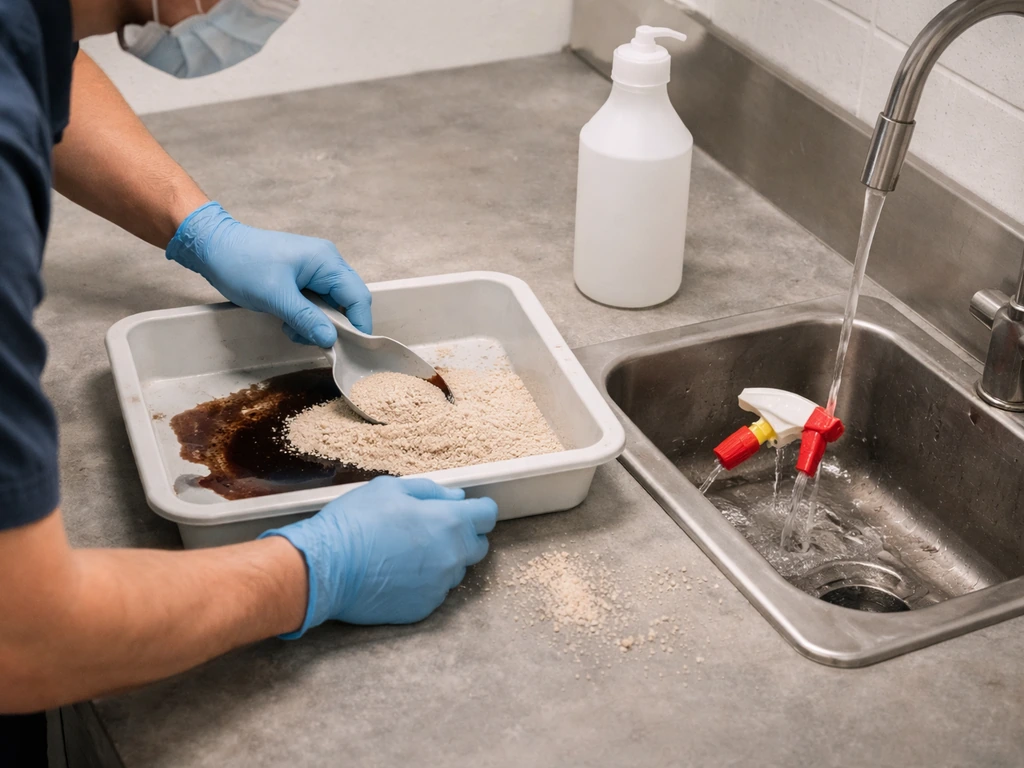
If you have a spill, act quickly but don't panic. The Bird-X emergency/spill instructions specify using absorbent material (such as sand, sawdust, or commercial absorbent) to soak up the liquid. Do not wash liquid product into drains or waterways. Collect the contaminated absorbent material in a sealed container for disposal.
For routine cleanup of application equipment, rinse sprayers and tools thoroughly with water in a location where runoff won't enter storm drains. Dispose of unused product and empty containers according to your local hazardous waste regulations. Many municipalities have household hazardous waste collection days, and pesticide products typically qualify. Don't pour remaining product down the drain or into the trash in an open container.
Treated outdoor surfaces don't require active decontamination after normal use. Rain and time will dilute and disperse the methyl anthranilate. However, if a large quantity was applied in one location (say, a concentrated spill on a patio where a pet walks regularly), rinse the area thoroughly with water before allowing re-entry by animals or children.
Safer Alternatives for Deterring Birds Without Chemical Exposure
If the risk profile of Bird Stop concerns you, or if your setting makes chemical repellents impractical, there are evidence-based alternatives that work without any chemical exposure risk at all. The right choice depends on your context.
Home and Garden Settings
- Physical exclusion netting: Properly installed bird netting over garden beds, fruit trees, or roof spaces is one of the most reliable long-term deterrents. No chemical exposure, no wildlife harm, and no re-application needed.
- Monofilament line or wire systems: Stretched lines across ledges and rooftops create an unstable landing surface. Minnesota DNR guidance notes that the near-invisibility of these lines adds a surprise element that increases effectiveness. This is a zero-chemical option with no toxicity concerns.
- Visual deterrents: Reflective tape, predator decoys (with periodic repositioning to maintain effectiveness), and motion-activated light or water sprayers work for many bird species in residential settings.
- Habitat modification: Removing food sources, covering compost, sealing gaps where birds nest, and eliminating standing water (including unneeded bird baths) addresses the root cause rather than just the symptom.
Aviation and Airport Environments
FAA wildlife hazard management guidance consistently emphasizes habitat modification as the primary long-term strategy for reducing bird strike risk. This includes vegetation management (keeping grass at heights that don't shelter prey animals birds hunt), drainage improvements to eliminate standing water, and removal of structures that provide perching or nesting opportunities. For short-term or construction-phase deterrence, FAA guidance acknowledges netting and overhead wire systems as options, with the caveat that birds can still be attracted by visible open water or food sources even when physical exclusion is in place. Bird bath water is a standing water source, so it's natural to wonder whether birds can drown in it, but drowning is uncommon when birds can access the bath safely and exit open water.
In aviation contexts, chemical repellents like methyl anthranilate products can be useful for specific situations (runway edge treatment, apron areas), but they are one tool in a broader wildlife hazard management plan, not a standalone solution. Any chemical repellent use in an airport environment should be coordinated with the airport wildlife biologist and reviewed against the facility's Wildlife Hazard Management Plan.
A Quick Comparison
| Method | Setting | Chemical Exposure Risk | Effectiveness | Notes |
|---|---|---|---|---|
| Bird Stop (methyl anthranilate) | Home, garden, aviation | Low (irritant) | Moderate; requires reapplication | Avoid near pet birds and open water |
| Exclusion netting | Home, garden, aviation | None | High (long-term) | Installation cost; must be maintained |
| Monofilament/wire lines | Ledges, rooftops, hangars | None | Moderate to high | Works best with periodic repositioning |
| Visual deterrents | Home, garden | None | Low to moderate | Birds habituate; needs variety/movement |
| Habitat modification | All | None | High (long-term) | Addresses root cause; FAA-preferred strategy |
Separating Fact From Folklore on Bird Deterrents
A lot of what circulates online about bird deterrents conflates 'toxic,' 'irritant,' 'corrosive,' and 'harmful to birds' in ways that create unnecessary fear or, in the opposite direction, false reassurance. Here's where the reality actually sits.
The reality is that 'irritant' and 'toxic' are not the same classification. Bird Stop is an irritant. A corrosive chemical that causes tissue destruction (like strong acids or alkalis) is a different category entirely. The Merck Manual distinguishes chemical burns from irritant reactions: corrosives cause direct tissue destruction; irritants cause inflammation and discomfort that is generally reversible with decontamination. Methyl anthranilate falls into the irritant category, not the corrosive one.
The reality is also that 'safe for birds when used as directed' does not mean 'harmless to all birds in all situations.' Wild birds in an outdoor setting encounter Bird Stop, are repelled, and fly away. A pet parrot in an enclosed room where Bird Stop is being sprayed is in a fundamentally different situation. If you're wondering whether bird pee is dangerous, the key factor is exposure context and how much contact actually occurs is bird pee dangerous. The distinction between deterring wildlife and protecting pet birds is one that the product labeling doesn't always make explicit enough.
Finally, the idea that any bird deterrent product labeled 'natural' or using a food-grade compound is automatically safe for all uses is also wrong. Methyl anthranilate's food-flavoring status is real, but concentration, route, and species context all matter. A compound that's safe as a trace flavoring in candy is not the same as a 26.4% concentration spray in a confined space. Dose and context always matter when assessing actual risk.
FAQ
Is bird stop toxic to humans, or is it only an irritant?
Bird Stop (the Bird-X liquid with methyl anthranilate) is primarily an irritant, not a systemic poison. The practical risk is local irritation, especially to eyes, and symptoms can persist if decontamination is delayed. If exposure involves eyes, call Poison Control even if you feel better after rinsing, since serious eye irritation can rebound.
What if I accidentally swallowed a small amount of Bird Stop by licking my fingers?
Small accidental ingestion is unlikely to be life-threatening given the very low systemic toxicity profile described for methyl anthranilate, but GI irritation is still possible. Rinse your mouth, drink small amounts of water, and call Poison Help with the product details. Do not try to induce vomiting unless specifically instructed.
How much flushing do I need if Bird Stop gets in my eyes?
Plan on a continuous rinse for about 20 to 30 minutes using clean water or saline, not a quick splash and stop. Remove contact lenses if they come out easily, keep the eyelids open while rinsing, and avoid rubbing. If discomfort continues, if vision seems affected, or if the exposure was more than a brief splash, seek urgent care.
What should I do if Bird Stop causes coughing or throat irritation while applying it?
Move to fresh air immediately and stop further exposure. If breathing is difficult, wheezing, persistent coughing, or symptoms do not improve quickly, treat it as an emergency. People with asthma or chemical sensitivities should contact a clinician even if symptoms seem mild, because irritation can worsen after the initial exposure.
Does Bird Stop become more dangerous if it dries on surfaces?
After normal use and full drying, the main remaining exposure route is incidental contact (skin) or hand-to-mouth transfer. Active risk from airborne mist is much lower once the liquid is dry and dispersed. That said, if there was a spill or heavy application in a high-traffic spot, rinse the area before allowing close contact by children or pets.
Can it be used around fish aquariums or pets besides birds?
For aquatic pets and for any indoor setting with sensitive animals, treat overspray and drips as the main concern, because direct contamination can irritate tissues. If you have fish or small amphibians, avoid applying near tanks, cover tanks during application if the label allows, and ventilate well. When in doubt, contact the manufacturer for guidance for your specific pet and setup.
Is it safe for dog and cat exposure on treated surfaces?
Dogs and cats are not birds, but they can still experience irritation if they get wet product on skin or if they lick paws after walking through fresh treatment. If an animal shows drooling, repeated vomiting, marked lethargy, or mouth/throat irritation, contact a pet poison service with product concentration and estimated amount. Dried product reduces the risk, but does not make all exposure risk-free.
What is the biggest mistake that turns an irritant exposure into a worse problem?
The most common escalation is delayed or incomplete decontamination, especially for eye exposures. People often rinse for a few seconds, then wait and see. With serious eye irritation classifications, you should rinse thoroughly for the recommended time and seek advice promptly rather than assuming it will resolve immediately.
Are all products labeled “Bird Stop” the same risk?
No. “Bird Stop” is used loosely online, and different bird deterrents can have very different active ingredients. Risk changes substantially if the product is not the Bird-X methyl anthranilate liquid. Always identify the exact active ingredient, concentration, and SDS for the specific product you have before assessing toxicity.
What should I do for a spill on a patio or garage floor?
Use absorbent material to soak it up, prevent it from reaching drains or waterways, and place used absorbent in a sealed container for disposal. Then clean the area with water as needed so residues are removed before re-entry by pets and children. If the spill occurred indoors or near sensitive animals, improve ventilation and consider contacting Poison Control if there was any splash to eyes or significant inhalation.
If a pet bird is in the same room, when should I treat it as an emergency?
Treat it as urgent if you notice respiratory distress, drooling, open-mouth breathing, abnormal posture, sudden lethargy, or any neurological-type signs after spray exposure. Because birds are more sensitive and conditions can worsen, go to a veterinarian immediately rather than waiting to see if symptoms pass.